Planning a trip to Indonesia in 2026? Much of the health advice published during the COVID-19 pandemic is now outdated. Travelers should not follow archived instructions that tell everyone to install PeduliLindungi, complete a separate e-HAC, or show a vaccine QR code to enter every shopping mall. Indonesia has introduced a newer digital arrival declaration, while everyday travel health planning still matters—especially for mosquito exposure, food safety and access to medical care.
This updated guide explains five current health and safety priorities for international visitors and clarifies what happened to the original pandemic-era systems. It is practical travel information, not personal medical advice. Official policies can change, so verify requirements directly before departure, especially if you are traveling with children, have a medical condition or are visiting remote islands.
Five Health and Safety Steps for Traveling to Indonesia in 2026
1. Complete Indonesia’s Current Arrival Declaration
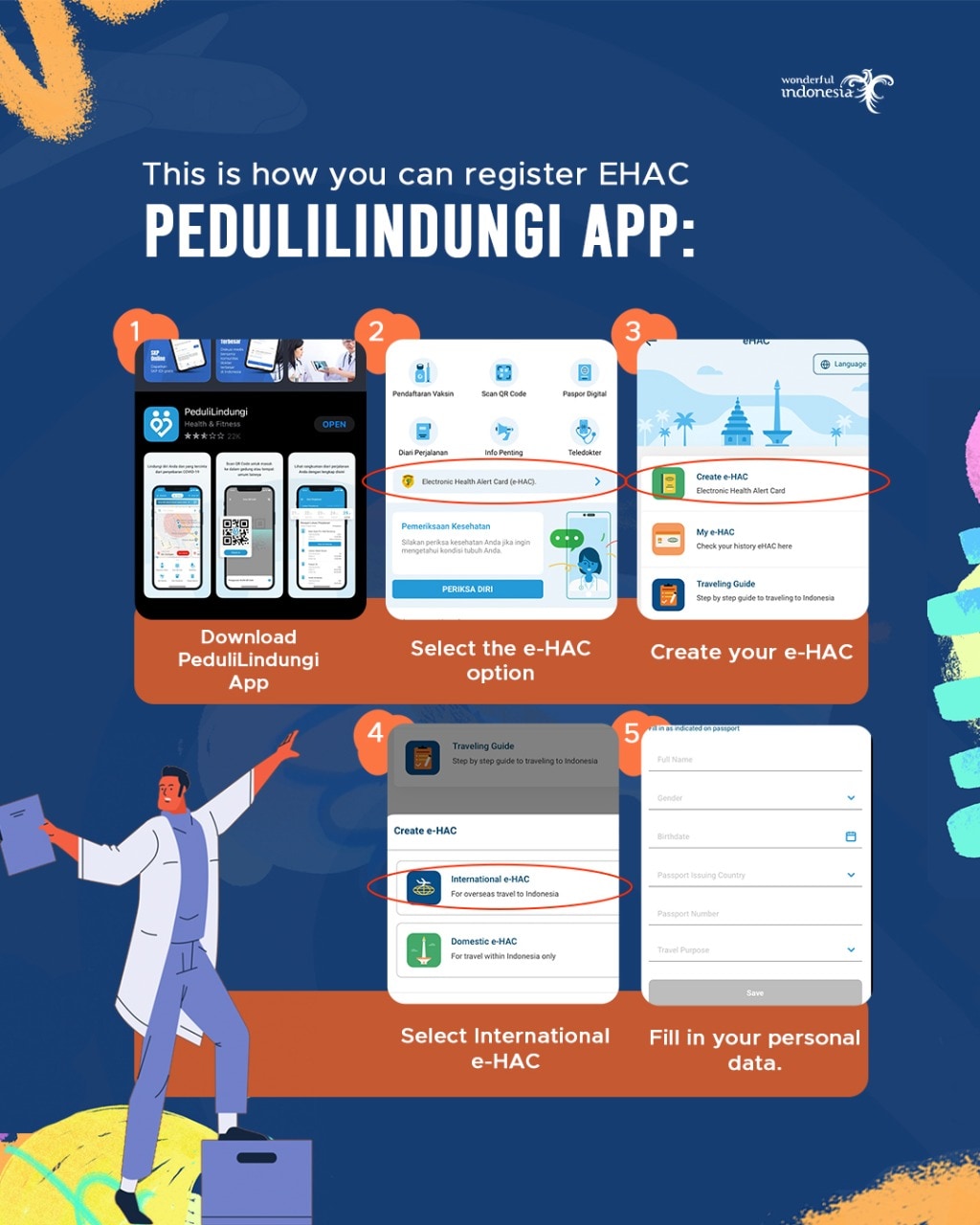
The original article described the e-HAC (Electronic Health Alert Card) inside the former PeduliLindungi system. Those instructions reflected historical COVID-19 entry controls and should not be used as a 2026 arrival checklist. Starting 1 October 2025, the Indonesian government introduced All Indonesia as the integrated arrival declaration for international passengers. The system combines declarations relating to immigration, customs, health and quarantine.
How All Indonesia Works
The official portal is allindonesia.imigrasi.go.id. According to the Indonesian Ministry of Immigration, arriving international passengers are required to complete the digital declaration and may do so within the three days before arrival. Provide passport and travel information accurately, then follow the instructions you receive. The Ministry of Health’s previous SATUSEHAT Health Pass website also now directs arriving passengers to All Indonesia instead of a separate general health-declaration form.
Use government addresses, not websites demanding unexpected ‘processing charges’ for a routine declaration. A health declaration is not a visa. Check passport validity, visa eligibility and any required visa application separately; our Indonesian visa overview offers further background, but always defer to the latest immigration policy. The ministry’s All Indonesia launch announcement describes the current integration.
2. Understand SATUSEHAT Mobile and the End of Old PeduliLindungi Rules
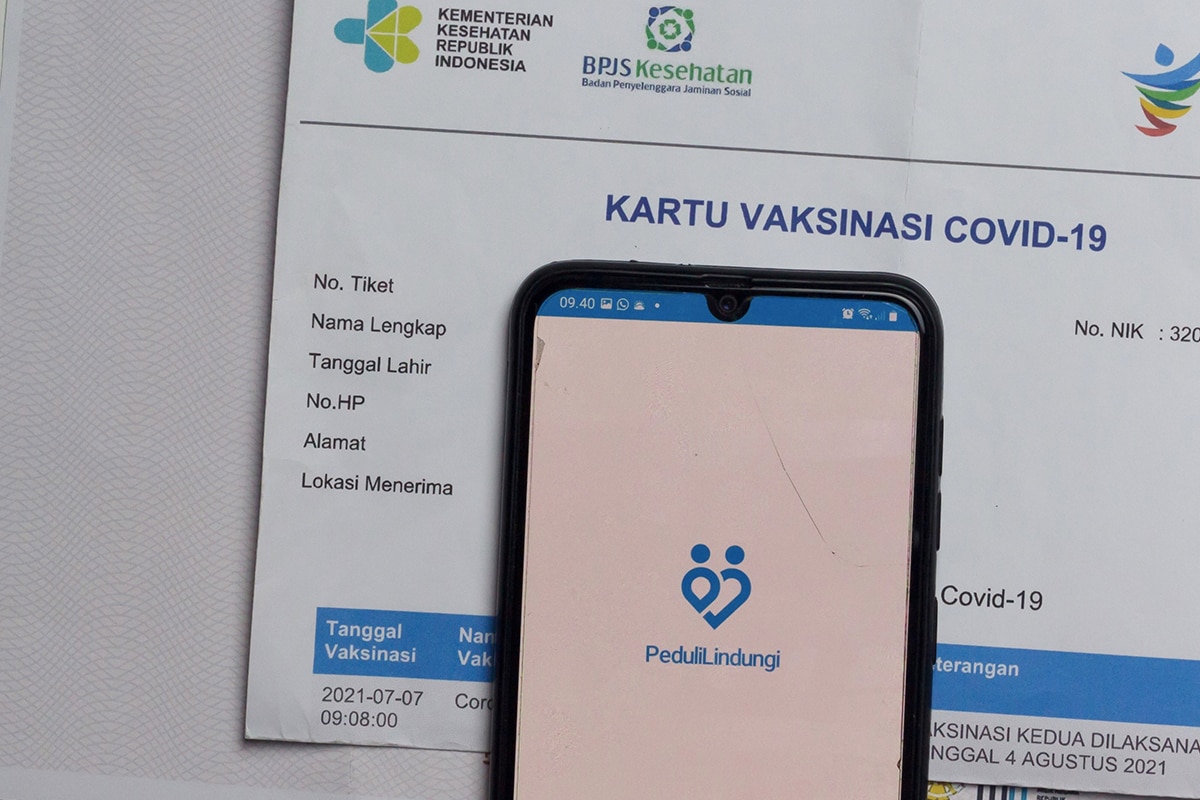
PeduliLindungi was originally developed for pandemic-related public-health functions such as vaccination certification and contact tracing. Indonesia’s Ministry of Health confirms that it transitioned into SATUSEHAT Mobile, a broader health service platform. The change does not mean every overseas tourist must install the app as a condition for everyday sightseeing.
Do Visitors Still Need a COVID-19 Vaccination QR Code for Shops?
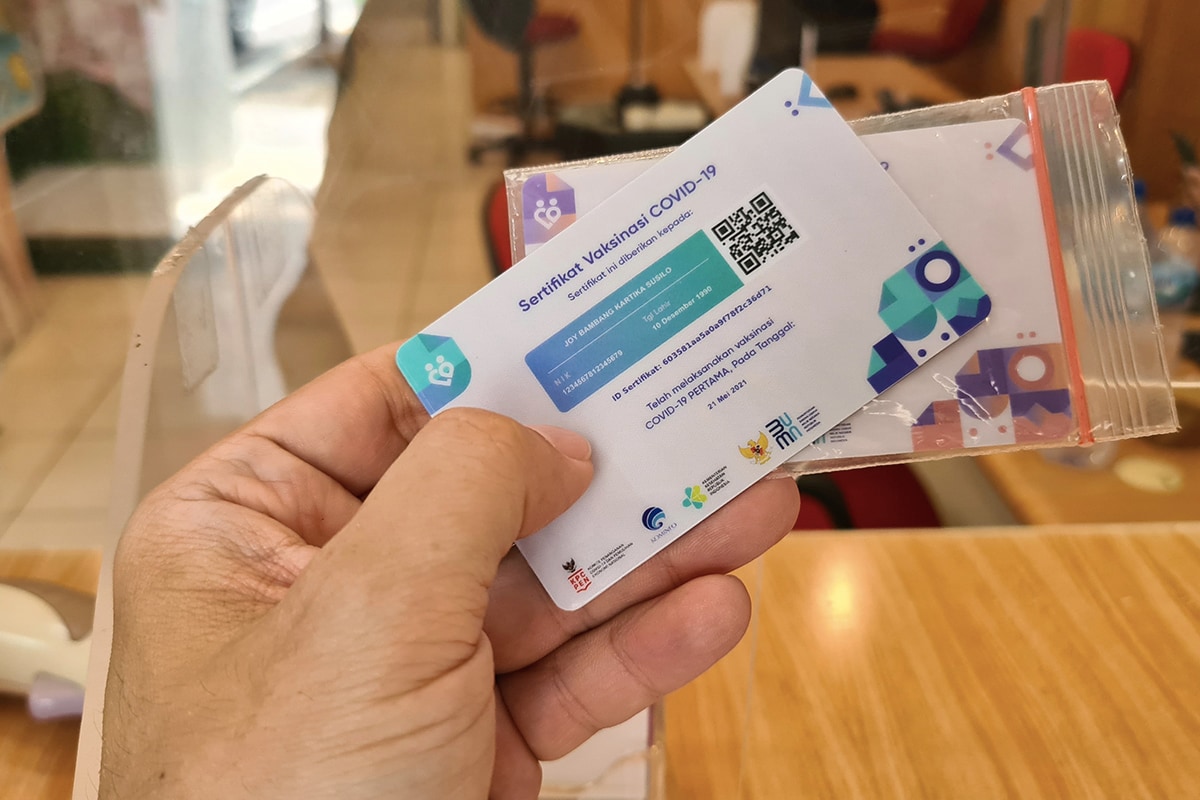
The 2021–2022 restrictions described in older travel guides do not represent standing nationwide rules in 2026. Indonesia formally ended its COVID-19 pandemic emergency status in June 2023 and subsequently issued endemic-phase management rules. Do not copy old requirements for booster verification, mall QR-code check-ins, or routine PCR tests into a new itinerary. Specific health measures may still be imposed in response to a new outbreak, by a carrier, or at a particular facility, so confirm current notices.
For official background, see the Ministry of Health’s PeduliLindungi transition FAQ and its endemic-phase explanation. If you are arranging an island holiday, note that resort terms and travel rules are different things; browse family hotel ideas or Bintan travel planning without assuming the old entry procedures apply.
3. Review Travel Vaccinations and Mosquito-Borne Disease Risks
Indonesia’s health risks differ greatly by island and travel style. A visit to central Jakarta is not medically identical to remote trekking or travel in eastern Indonesia. At least several weeks before departure, consult a travel-health clinician about your personal vaccinations, medication history, planned activities and destination-specific disease risks.
Vaccinations and Region-Specific Advice
Official public-health advice commonly highlights up-to-date routine vaccinations and may recommend additional protection depending on the traveler. The US CDC’s current Indonesia traveler-health page includes advice on measles, hepatitis, typhoid, rabies and other hazards, and explains where malaria prevention may be relevant. Yellow-fever certificates are a separate issue for certain travelers arriving from risk countries, not a universal rule for all tourists.
Prevent Mosquito Bites
Dengue and other mosquito-borne infections can affect travelers. Use an appropriate insect repellent, long sleeves when practical and screened or well-protected accommodation. Malaria risk varies: the CDC describes different recommendations for eastern Indonesia, rural areas of certain islands and major tourism areas. Do not self-prescribe antimalarials; talk to your clinician about whether your destination requires them.
For example, a conservation-focused journey to Komodo National Park, a nature stay featured in our traditional village guide and national park adventures may involve different preparation than a short urban stay. Travelers visiting mangrove landscapes should also think about exposure to insects and wet conditions.
4. Practice Food, Water and Everyday Hygiene
Good food hygiene remains relevant even after pandemic-era check-in systems have disappeared. Wash your hands with soap and safe water before eating and after using the bathroom. Choose drinking water from a trusted treated or sealed source; take extra care with ice or uncooked foods when the establishment’s water handling is uncertain. Hot, freshly prepared meals are often easier to assess than food left uncovered in the heat.
Enjoy Local Food without Being Reckless
Trying new flavors is a major reason to visit Indonesia, whether you are eating in an established restaurant or a small local stall. Look for reasonable cleanliness, fresh ingredients and food prepared thoroughly. If you have allergies, tell the vendor clearly and do not assume sauces or garnishes are free of peanuts, seafood or other allergens. Be particularly careful about dehydration in humid weather.
For food inspiration, our guide to Indonesian restaurants in Jakarta offers context. Travelers exploring Yogyakarta’s food and cultural experiences can enjoy gudeg and jamu while remembering that traditional herbal drinks are not substitutes for medical treatment.
When Respiratory Illness Is Circulating
If you have a fever or respiratory symptoms, consider delaying optional activities, improving ventilation, masking where appropriate and seeking medical advice if symptoms are serious. Follow any current public-health guidance rather than assuming rules from 2021 still apply. The goal is considerate, informed behavior—not a claim that every traveler must wear a mask outdoors at all times.
5. Plan for Medical Emergencies and Destination-Specific Hazards

Before departure, arrange travel insurance appropriate for your itinerary and confirm whether it covers activities such as diving, trekking or motorcycling. Keep a copy of prescriptions, emergency contacts and policy details. If you have medication, verify the rules for bringing it into Indonesia and carry necessary medical documentation. Know how to contact your accommodation or local emergency services if you need help.
Indonesia’s Geography Creates Different Risks
Volcanoes, heavy rain, strong surf and challenging boat conditions may matter more to your trip than an obsolete COVID-19 QR code. Travelers visiting Kaliurang near Mount Merapi should follow official volcanic restrictions. Visitors planning a Bali beach-club trip or overwater villa holiday should take water safety seriously.
Temperature and weather also vary throughout the year. Consult Bali’s climate guide before committing to outdoor activities. A remote eco-lodge or highland hotel from our nature-stay collection may have very different access to emergency care than a large-city property.
What Happened to the Five Health Protocols Listed in Older Indonesia Travel Guides?
e-HAC: Historical COVID-Era Entry System
The old e-HAC screening workflow is not the current standard international arrival process. Use All Indonesia for today’s integrated entry declaration, and monitor specific official health notices if additional screening is introduced.
PeduliLindungi: Now SATUSEHAT Mobile
The Ministry of Health says the former app transitioned into SATUSEHAT Mobile. Do not treat a dated PeduliLindungi registration screen or an expired vaccination-verification link as an instruction for tourists arriving today.
CHSE Tourism Certification: Not a Tourist Entry Permit
The Cleanliness, Health, Safety and Environmental Sustainability framework originated as a tourism-industry initiative. An old figure counting CHSE-certified businesses or predicting certification targets for 2021 should not be presented as a verified 2026 figure. Travelers can instead evaluate current operator safety practices, hygiene, transparency and environmental care. Responsible tourism also matters when visiting Bali’s tourism villages and Tegallalang’s rice terraces.
COVID-19 Vaccine Certificates and PCR Testing
These were important elements of earlier pandemic policies. They should not be described as universally mandatory for routine travel or mall access in 2026. Your personal health clinician may still recommend vaccination, and an airline, destination or emergency public-health rule may have separate requirements; check current official guidance.
Simple Pre-Departure Health Checklist
Confirm your passport and immigration status, complete the correct All Indonesia declaration, review travel-health recommendations for your specific regions, pack appropriate personal medicines and mosquito protection, and make sure your insurance covers the planned activities. If you are traveling through multiple time zones, allow for fatigue and check Bali’s local time. If your itinerary includes a relaxing treatment, first review the practical considerations for Bintan spas or herbal beauty products in Bali, including potential sensitivities.
Frequently Asked Questions for Tourists Visiting Indonesia
Is All Indonesia the same as a visa?
No. It is an integrated arrival declaration. Visa requirements depend on nationality and travel purpose and should be checked separately with immigration.
Do I need to install PeduliLindungi to enter Bali?
The former PeduliLindungi app has transitioned into SATUSEHAT Mobile. The current integrated entry declaration is All Indonesia, not the old PeduliLindungi QR check-in system.
Does every tourist need a PCR test?
The blanket PCR and quarantine instructions in historic pandemic articles are not current general advice. Check official, carrier-specific and outbreak-related requirements shortly before travel.
Should I worry about malaria in every tourist city?
Risk differs by location. The CDC’s guidance distinguishes several regional risk levels and says that some major tourist areas do not have malaria transmission. Ask a travel-medicine professional about the exact places you intend to visit.
Is Indonesia safe for children and older visitors?
Many families and older travelers enjoy Indonesia, but individual health needs, trip pace, food hygiene, heat and access to care require planning. Choose activities accordingly. Urban sightseeing from Jakarta’s heritage routes can be organized differently from remote island travel.
Official Sources and Further Reading
Consult All Indonesia official arrival declaration, Indonesian Ministry of Health on arrival health screening, SATUSEHAT Mobile, CDC Indonesia travel health guidance, Indonesia’s COVID-19 endemic-phase policy, and MAGMA Indonesia for volcanic safety. This article reflects guidance checked in October 2026; always confirm rules before traveling.
Follow iseeindonesia.com for independent travel inspiration inside Indonesia!