Every 17 August, Indonesia marks the proclamation of independence in 1945. National flag ceremonies and neighborhood competitions are widespread, but distinct regional traditions give the celebrations different local expressions. This updated guide introduces five culturally rooted examples and explains how travelers can take part respectfully without assuming each event happens on the same date or in every town.
5 Indonesian Independence Day Traditions to Experience on 17 August
1. Telok Abang, Palembang
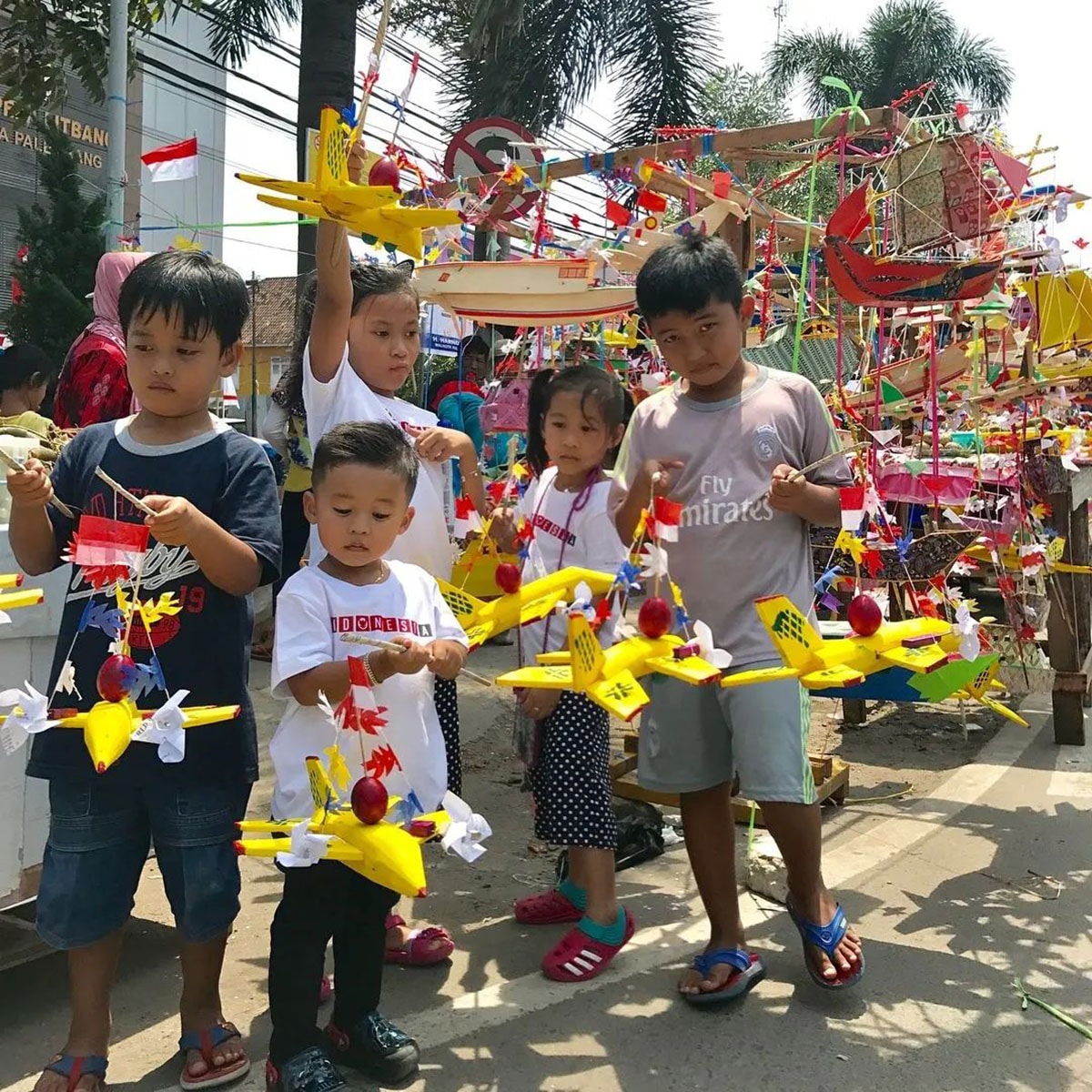
Telok abang consists of hard-boiled eggs dyed red and often displayed with miniature boats, aircraft or other toys. The red-and-white colors are commonly linked to Indonesia’s national flag. This playful form of street culture is especially associated with Palembang. Explore related stories through about indonesia and history.
Visitor and Food Safety Tips
Food hygiene matters if buying decorated eggs. Ask before photographing children or stallholders and pay the seller fairly.
2. Pawai Jampana, Bandung
Jampana processions can involve decorated trays or palanquins carrying agricultural products, food and craft objects. They combine community participation with gratitude for local resources, and their timing can differ by district. Explore related stories through 5 exciting games to celebrate indonesia s independence day and 7 bucket worthy ideas for the best cultural trip in indonesia.
Visitor and Food Safety Tips
Watch from designated areas and do not assume a harvest procession is held as a fixed public event every year.
3. Obor Estafet in Semarang and Elsewhere
Torch relays are associated with commemorative activities and community solidarity in some regions, including the Semarang area. They are organized locally and are not an obligatory national Independence Day rite. Explore related stories through 12 epic thing s to do that you can discover in south sumatra and two days itinerary in palembang with 10 must visit spots s.
Visitor and Food Safety Tips
Avoid running into procession routes and follow organizers’ fire-safety instructions. Do not let children handle burning torches unsupervised.
4. Peresean in Lombok
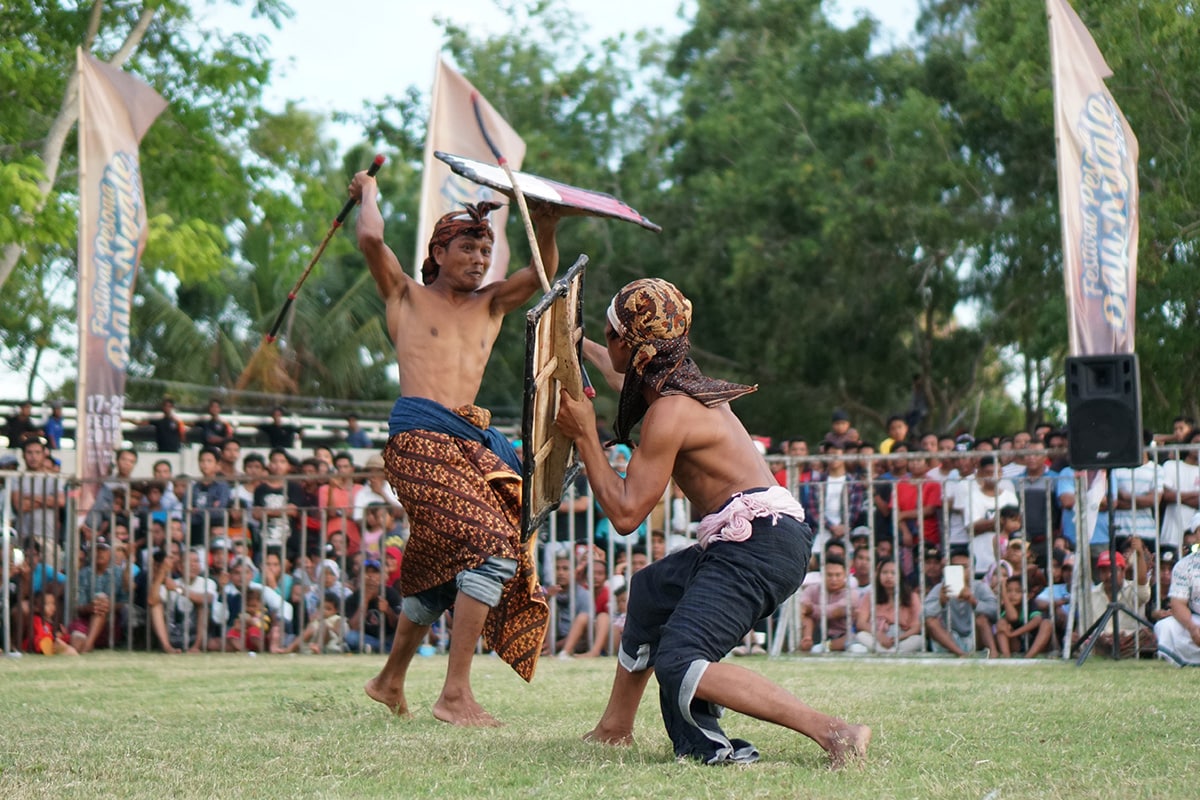
Peresean is a Sasak martial tradition in which participants traditionally wield rattan sticks and protective shields. It can be performed in festivals and cultural presentations but is not exclusively an Independence Day event. Explore related stories through kampung arab and explore the aesthetic and historical places in semarang.
Visitor and Food Safety Tips
Spectators should maintain a safe distance and respect the performers’ customs. Avoid presenting an informal demonstration as a guaranteed August 17 program.
5. River or Dragon Boat Competitions in South Kalimantan
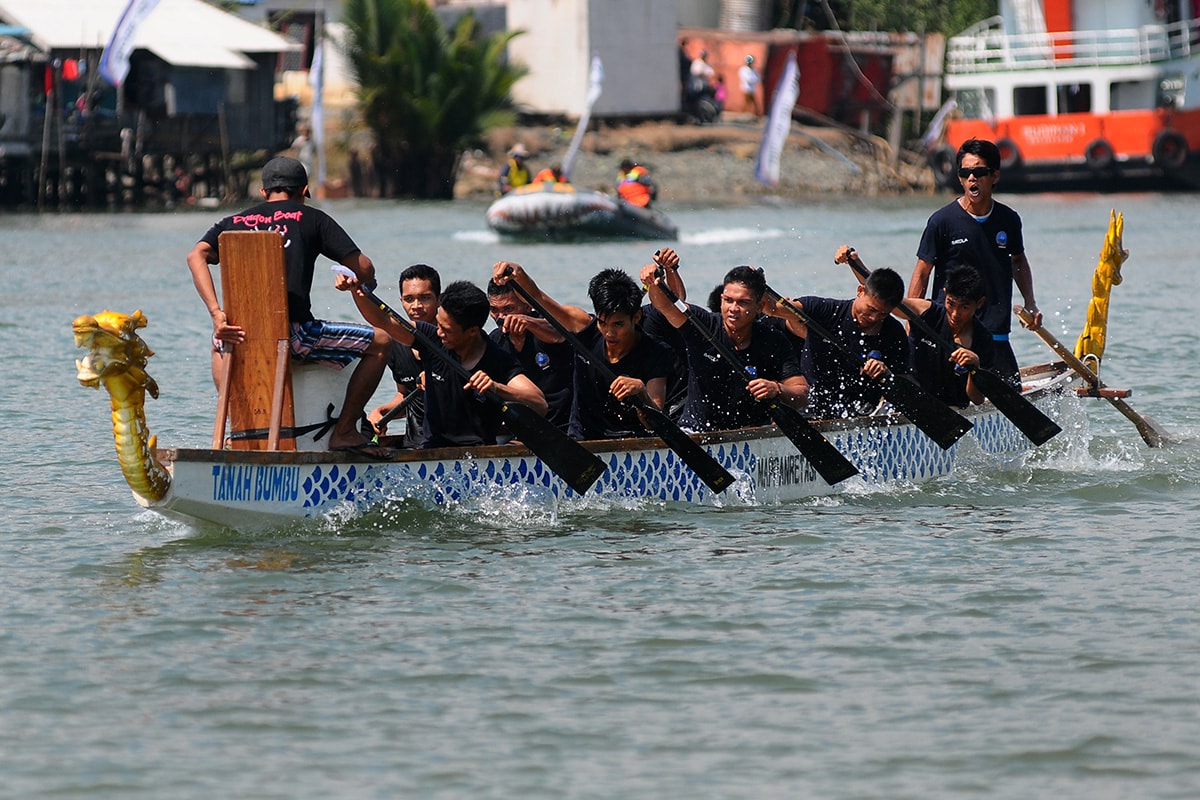
Boat-racing traditions are important in Banjarmasin and South Kalimantan’s river culture. Different competitions and community programs occur at distinct times, so a generic ‘Independence Day dragon-boat race’ should not be assumed without a current calendar. Explore related stories through semarang attractions not to be missed and lombok s delicious halal cuisine.
Visitor and Food Safety Tips
Travel only with a licensed boat operator and use life jackets for river excursions.
How to Experience These Traditions Responsibly
Culture beyond Social Media
Not every event, restaurant or regional dish is available on a fixed schedule. Ask local providers for current information and consider community-run experiences when possible. Additional reading: 5 traditional indonesian fabrics and the stories behind them, 9 iconic traditional houses to explore in indonesia, 6 indonesian traditional dances for you to enjoy from home now.
Safety, Access and Planning
Respect local people, cultural boundaries and practical restrictions. Allow adequate travel time between regions and follow current public notices. Find other perspectives in 7 handicraft center s you must visit when visiting indonesia, local law, climate.
How to Experience Indonesia’s August 17 Celebrations
Why August 17 Matters
Indonesia proclaimed its independence on 17 August 1945. The date is a nationwide public holiday, but the way it is observed differs among cities, villages, schools and families. Formal flag-raising ceremonies coexist with community races, public performances and commemorative cultural programs. Travelers should not assume that every village opens its ceremony to tourism or that a regional event has the same schedule each year. Local government and community organizers are the most reliable sources for the upcoming program.
Traditional Games and Neighborhood Celebrations
Visitors may encounter sack races, cracker-eating contests, marble-on-spoon races, tug-of-war and other friendly competitions, often organized by neighborhood committees. These games are not universal and are sometimes adapted for children or different age groups. Ask before participating, understand the rules and help local hosts rather than treating the celebration as a performance. Children should have adult supervision and any physical game should be conducted away from traffic or sharp objects.
Regional Culture, Food and Community Pride
The red-and-white national flag connects the celebrations across Indonesia, but regional customs reveal very different local histories. In Palembang, colorful telok abang eggs are festive symbols and street food; Lombok’s peresean has a distinct martial heritage that extends beyond Independence Day. Bandung-area processions and South Kalimantan river races also reflect their communities. Avoid claiming that these traditions originated specifically on 17 August unless supported by local historical evidence.
Planning a Respectful Visit
Choose one city and ask the local tourism office which public programs are confirmed. Expect road closures or busier transport around central squares and procession routes. Dress appropriately if attending a flag ceremony and avoid obstructing flag-raising or taking portraits of children without consent. Buy from local vendors, dispose of food packaging responsibly and remember that residents are commemorating national history rather than staging a private attraction for visitors.
Frequently Asked Questions
Are all experiences available year-round?
No. Local festivals, kitchens and cultural programs differ by region and season. Confirm their current availability.
What should visitors ask before participating?
Ask about permissions, dietary requirements if relevant, pricing, appropriate clothing and respectful photography.
Authoritative External References
Official Indonesian 2027 holiday list; Indonesia Travel culture and festival information.
Originally posted 2023-09-05 17:15:12.