Bali’s creative traditions include carved objects for temples and homes, silversmithing, handwoven cloth and contemporary design. Visitors can buy attractive souvenirs without assuming every product in a tourist market is locally made or sustainably sourced. This 2026 guide preserves five craft categories from the original article, clarifies how they differ from factory-produced goods and offers responsible shipping, ingredient and quality advice.
Start with 5 Art Markets You Need To Visit In Bali and 5 Captivating Tourism Villages You Need To Visit In Bali for complementary background.
5 Balinese Crafts Worth Understanding
1. Carvings, masks and paintings
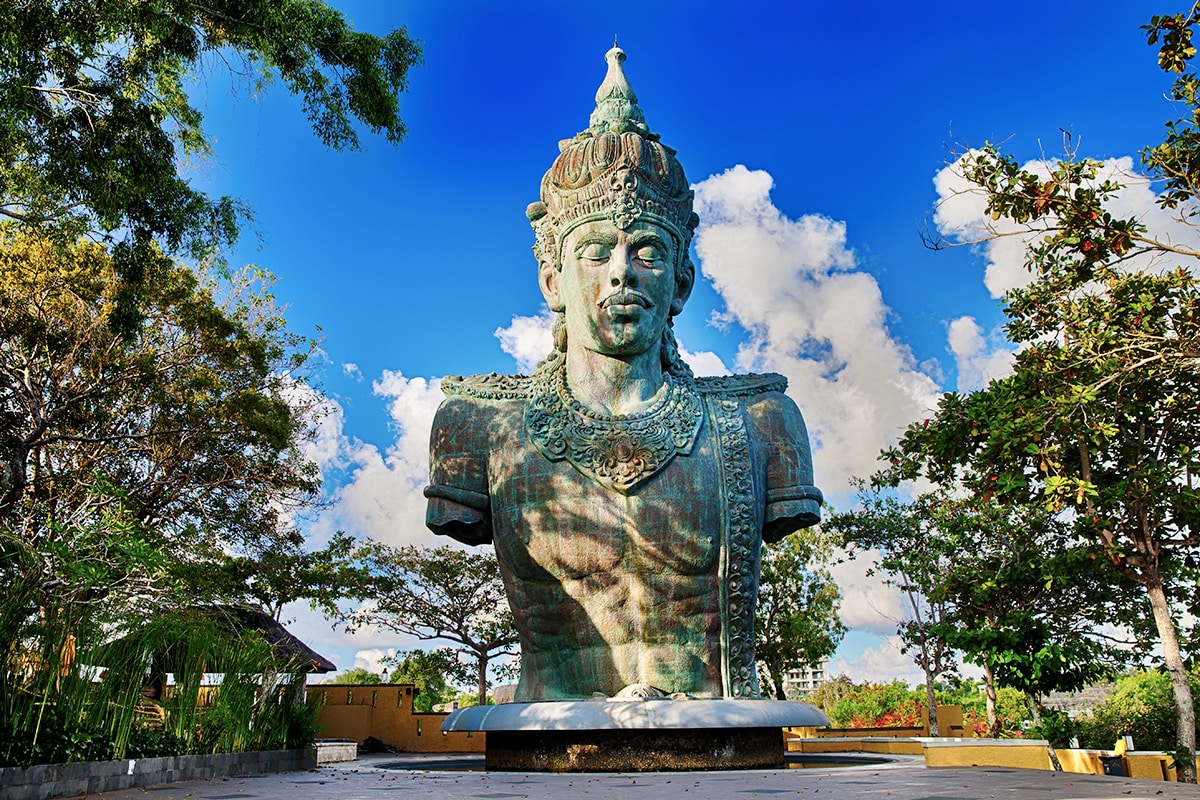
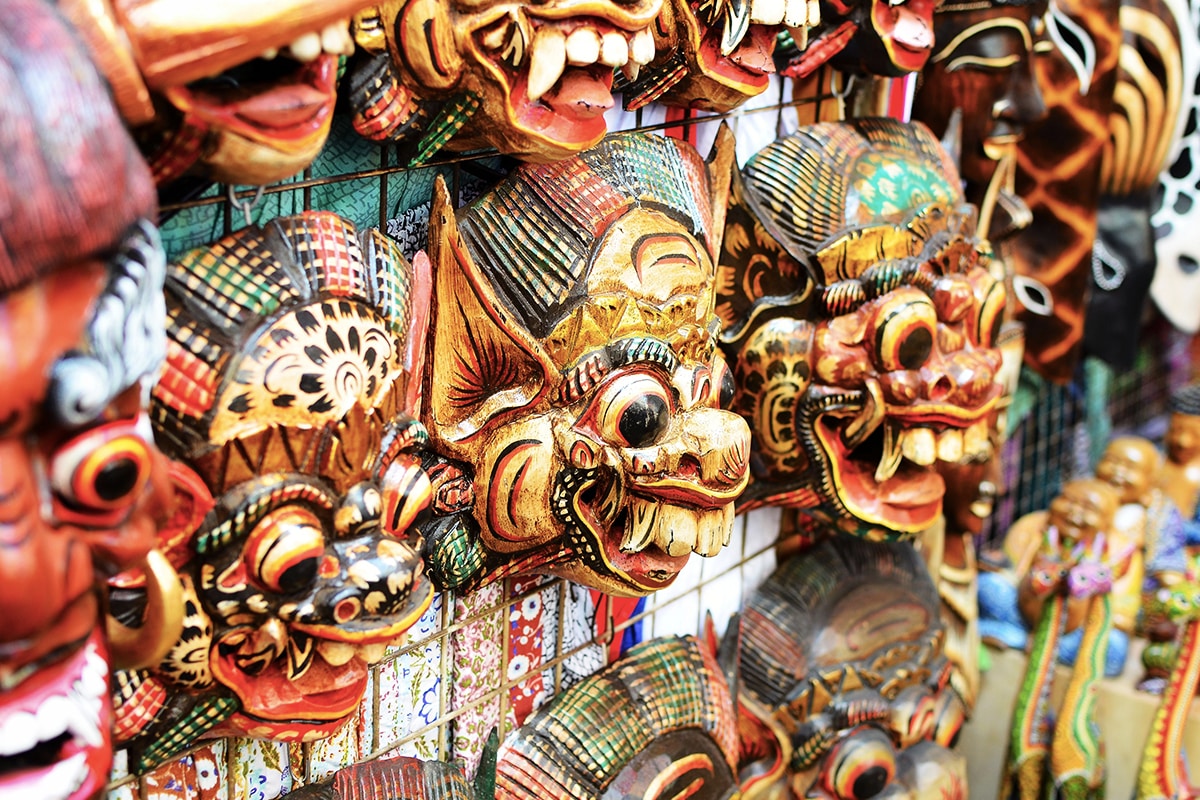
Areas such as Mas near Ubud have long been associated with woodcarving, while artists elsewhere specialise in painting, sculpture and ceremonial objects. Techniques and personal styles differ widely, and protected timber should never be sourced illegally.
What to check before visiting
Ask the artisan which wood or paint was used and whether the piece is a functional sacred object or decorative artwork.
Check import restrictions for wood and plant materials before taking large items home.
Further reading: Experience A Traditional Living Atmosphere At Penglipuran Village.
2. Celuk silver jewellery
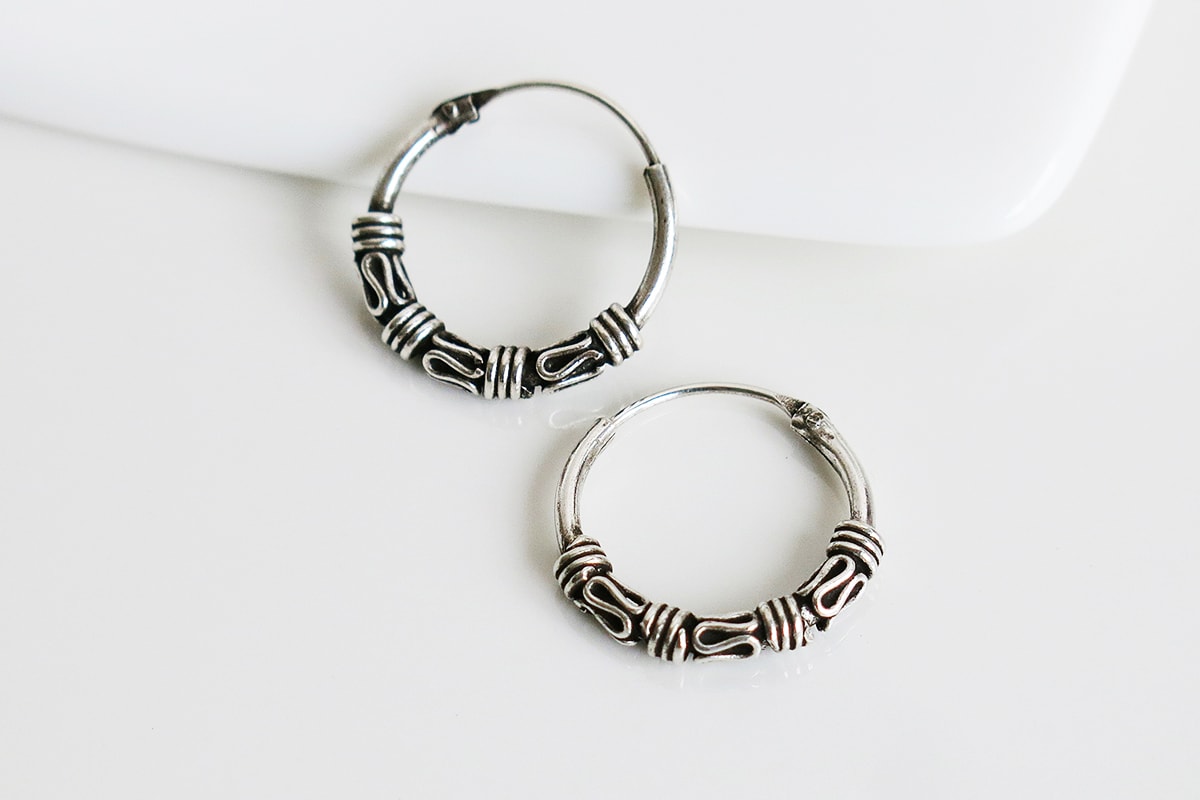
Celuk in Gianyar is known for jewellery and metalwork. Many workshops sell both traditional and contemporary pieces, but quality, metal purity and workshop ownership vary.
What to check before visiting
Ask whether jewellery is solid sterling silver, plated or mixed metal; for high-value purchases, request a clear hallmark and receipt.
A guided workshop visit can explain casting, filigree and polishing better than a vague ‘handmade’ label.
Further reading: 7 Handicraft Center S You Must Visit When Visiting Indonesia.
3. Endek, songket and other woven textiles
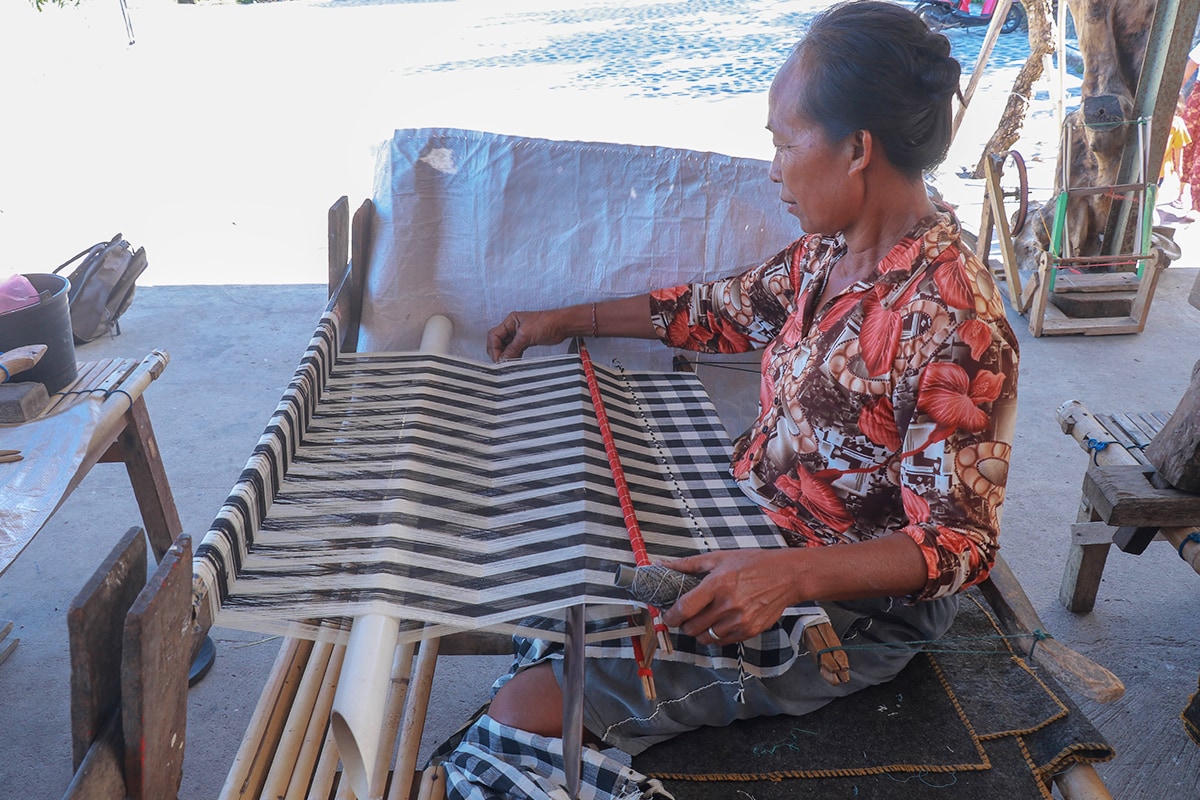
Bali’s textile traditions include handwoven fabrics with patterns tied to local uses, including endek and songket. A tie-dyed scarf, a printed sarong and an intricate handwoven textile are different products, even when they share a colour palette.
What to check before visiting
Ask who made the fabric, how long it took and how to wash it without harming dyes or ornament.
Be sensitive to ceremonial fabric restrictions when wearing or displaying traditional patterns.
Further reading: 7 Echanting Stories Behind Indonesia S Famous Batik.
4. Spa soaps, oils and wellness gifts
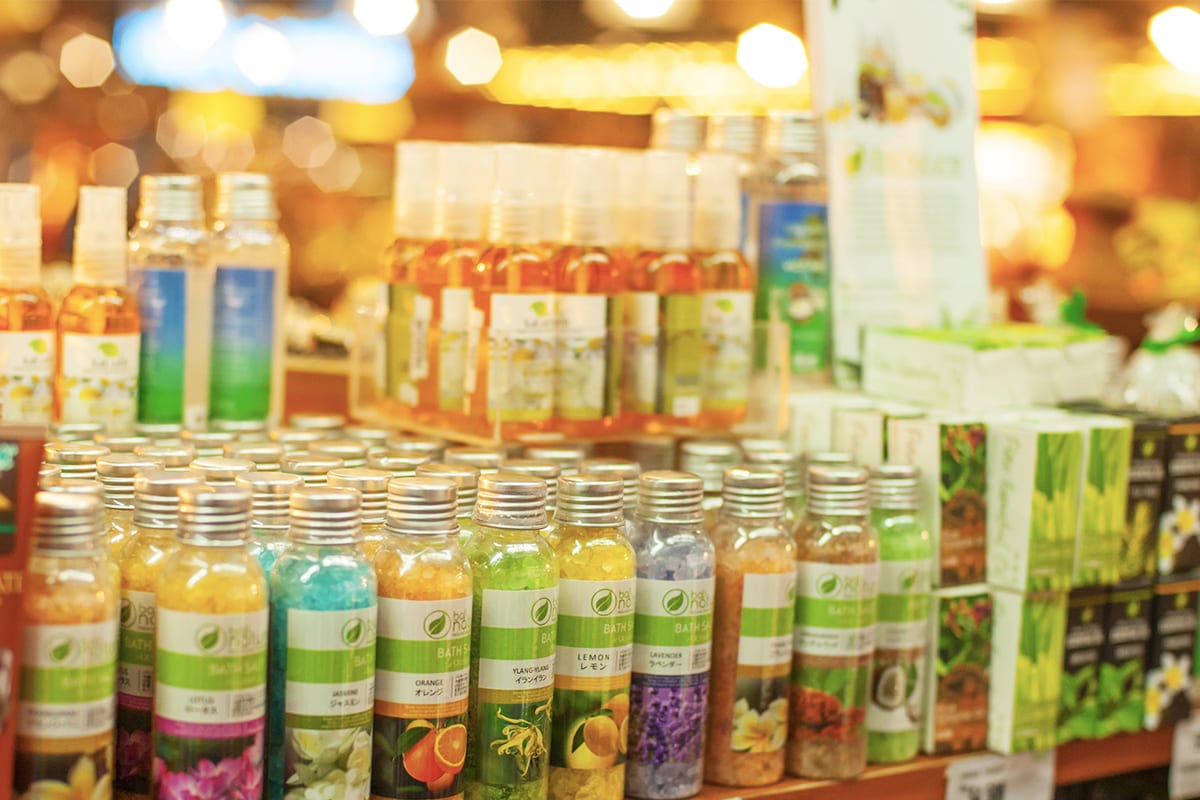
Contemporary Balinese companies make soaps, oils, herbal blends and body-care products. However, ‘natural’ does not establish safety or medical efficacy, and essential oils can cause allergic reactions.
What to check before visiting
Check the full ingredient list, expiration date, international luggage liquid limits and whether the product is registered where necessary.
Avoid purchasing products that promise to cure medical conditions without evidence.
Further reading: 5 Fun Destinations To Visit Around Ubud Bali.
5. Rattan baskets and homeware
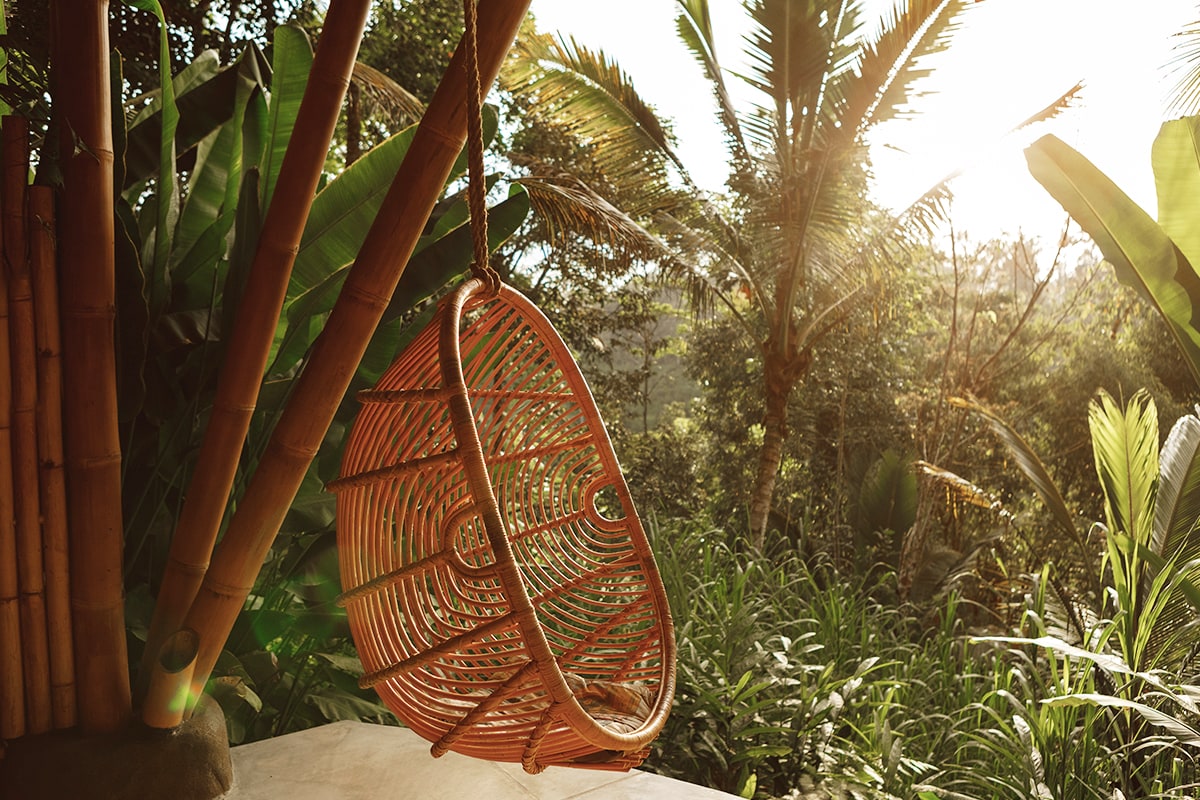
Rattan, bamboo and other plant fibres feature in furniture and decorative objects sold in Bali. Some items are locally assembled while materials or manufacturing may come from other Indonesian regions.
What to check before visiting
Ask about the exact fibre, production location and sustainable harvesting practices. Large furniture may need freight.
Check your destination country’s biosecurity rules, fumigation or wood-treatment documentation.
Further reading: Cultural Experience In Bali Uluwatu Kecak Dance.
Practical Planning Guide
Where should you shop?
Market browsing suits affordable souvenirs; workshops may provide better traceability and a chance to speak with makers. Choose shops in Ubud, Celuk or other craft areas based on your itinerary rather than spending a whole holiday shopping.
Consider Where To Stay 9 Five Star Hotels And Resorts Recommendation In Ba and 10 Stylish Award Winning Hotel S You Should Absolutely Stay In Ba when finalising a route.
Avoid common authenticity mistakes
A batik print, woven pattern and hand-carved sculpture may all be beautifully designed but involve different production processes. Do not infer a piece’s age, spiritual status or material from a sales tag without evidence.
Consider Searching For Bali Souvenirs Check Out These 5 Places and 4 Instagenic Waterfalls In Tabanan Bali when finalising a route.
Protect the environment and cultural identity
Do not buy protected coral, endangered animal products, illegally harvested timber or artifacts taken from sacred sites. Obtain permission before filming craftspeople and compensate artists fairly.
Consider Bali S Great Spa And Wellness Retreats You Must Visit Right Away and Staying Safe In Indonesia when finalising a route.
Packing, customs and payment
Check fragile packaging, airline weight allowances, liquids restrictions and duties at your home destination. Keep receipts and use a secure payment method; some family workshops prefer cash in rupiah.
Consider Currency and Culture when finalising a route.
Another useful travel resource is About Indonesia for context about Indonesian travel and local customs.
Another useful travel resource is Wonderful Indonesia for context about Indonesian travel and local customs.
Frequently Asked Questions
Are old prices and venue details still reliable?
No. Confirm current operators, opening policies, permits, transport and total charges directly.
Is it possible to explore responsibly without a guide?
That depends on the activity. Museums and public streets are different from remote marine trips, craft workshops or community rituals, where an authorised local guide may be essential.
Authoritative References
- Wonderful Indonesia — Bali arts and culture
- UNESCO — Indonesian textile craft context
- Indonesia Tourism — Balinese community heritage
Additional Original Photographs