Indonesia offers extraordinary underwater biodiversity, but good dive travel depends on currents, certification, conservation permits and a trustworthy dive operator. The original article celebrated results from the 2018 Dive Travel Awards; those results remain part of its history, not a current ranking. For a 2026 update, the World Travel Awards lists Bunaken Oasis Dive Resort & Spa as Indonesia’s Leading Dive Resort 2026. The following eight properties and operators are historical starting points to research, with active official resort sites where available.
Updated October 2026: Properties, operator names, safety procedures and rates should be confirmed directly. For more travel inspiration, see raja ampat heaven on earth and raja ampat a paradise in an unexplored area for both divers and nature lovers.
8 Dive Resorts in Indonesia: Bunaken, Raja Ampat and More
1. Siladen Resort & Spa, Bunaken

Image source: https (original image credit)
Siladen Resort & Spa’s current website confirms a boutique dive resort on Siladen Island within Bunaken National Marine Park. Reefs, sunsets and the island setting are distinctive, but every guest has different diving needs and accessibility constraints.
Before Booking
Ask about dive-center staffing, medical emergency protocols, room location, equipment rental, reef fees and transport from Manado.
2. Bunaken Oasis Dive Resort & Spa
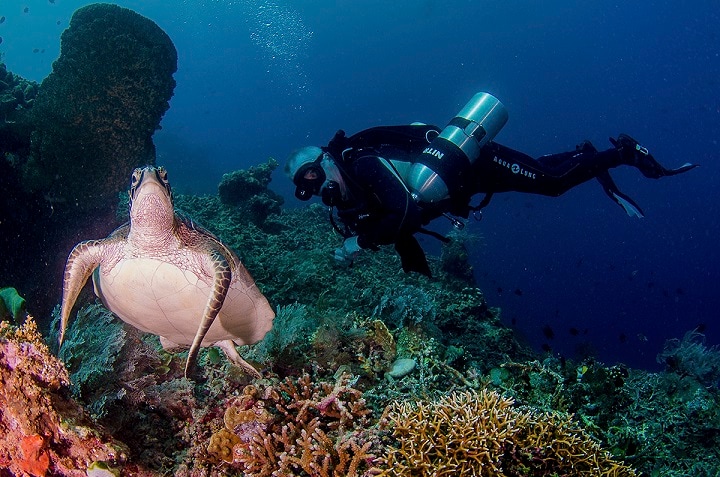
Image source: https (original image credit)
The 2026 World Travel Awards identifies Bunaken Oasis as Indonesia’s Leading Dive Resort. An award may be useful background, but diver safety and suitability remain more important than a trophy.
Before Booking
Confirm whether available packages cover dive boats, equipment, insurance and access to particular sites.
3. Ceningan Divers, Bali
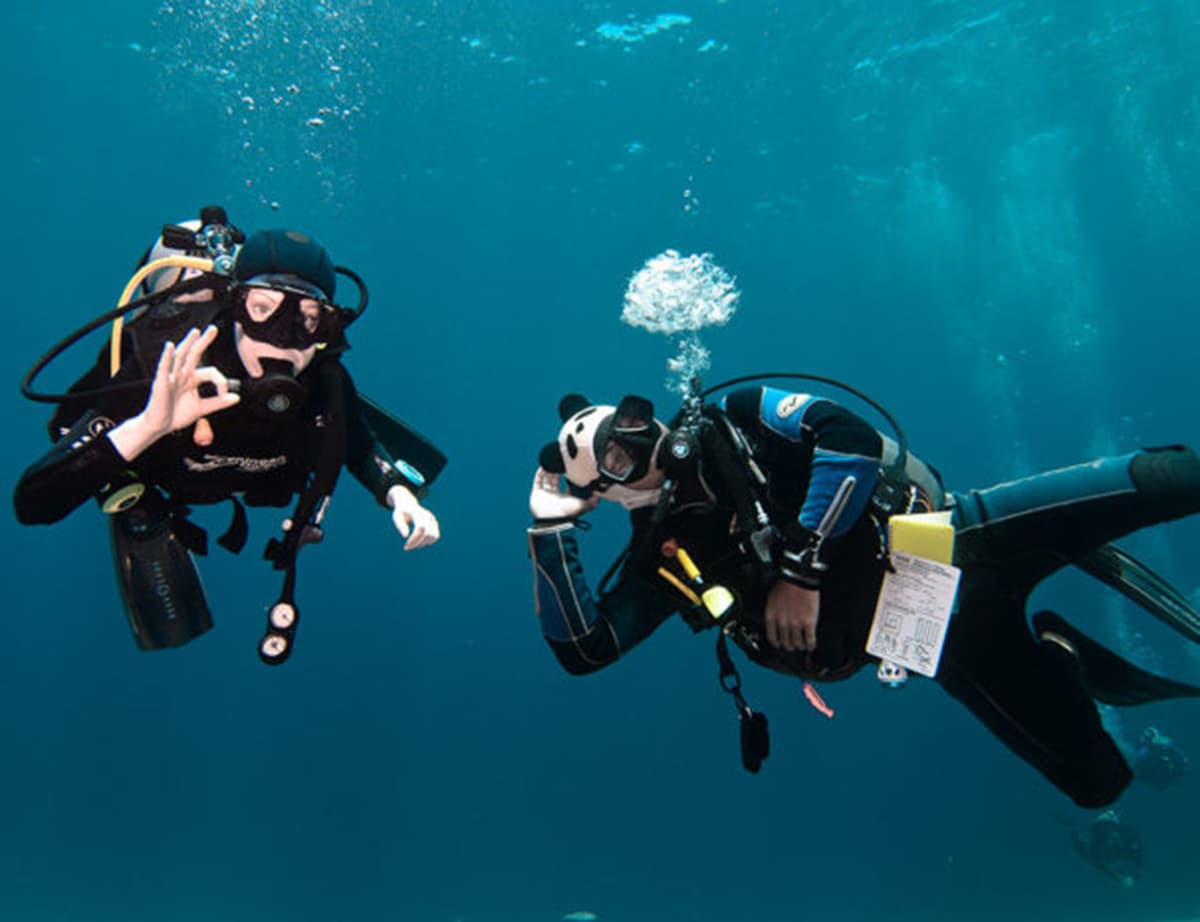
Image source: https (original image credit)
Ceningan Divers has historically appeared in specialist diving roundups and provides a base near Bali’s Nusa island reefs. Current conditions and accessible dive sites vary with weather and strong channels.
Before Booking
Choose sites suitable to your certification. Manta and other marine wildlife sightings should never be guaranteed.
4. Lembeh Resort, North Sulawesi
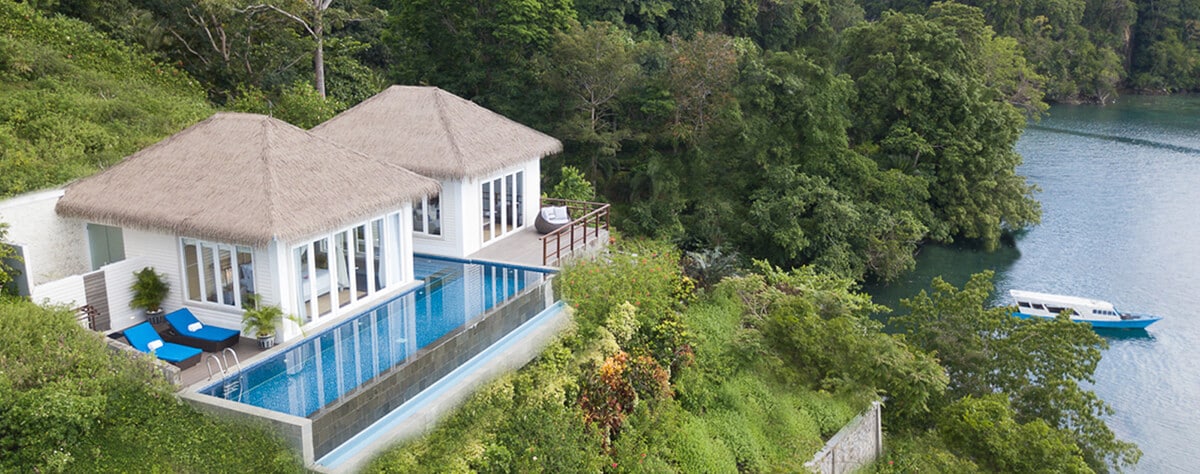
Image source: https (original image credit)
Lembeh Strait is renowned for small marine life and macro photography. Lembeh Resort is an established choice associated with specialist diving and underwater photography.
Before Booking
Discuss camera handling, buoyancy control and avoiding contact with fragile seabed habitats before diving.
5. Wakatobi Dive Resort, Southeast Sulawesi

Image source: https (original image credit)
Wakatobi offers remote reef diving and a resort model built around access to surrounding underwater ecosystems. It is a long journey from many international gateways.
Before Booking
Check transfer schedules, diving policies, marine conditions, emergency evacuation capability and conservation contributions.
6. NAD Lembeh Resort
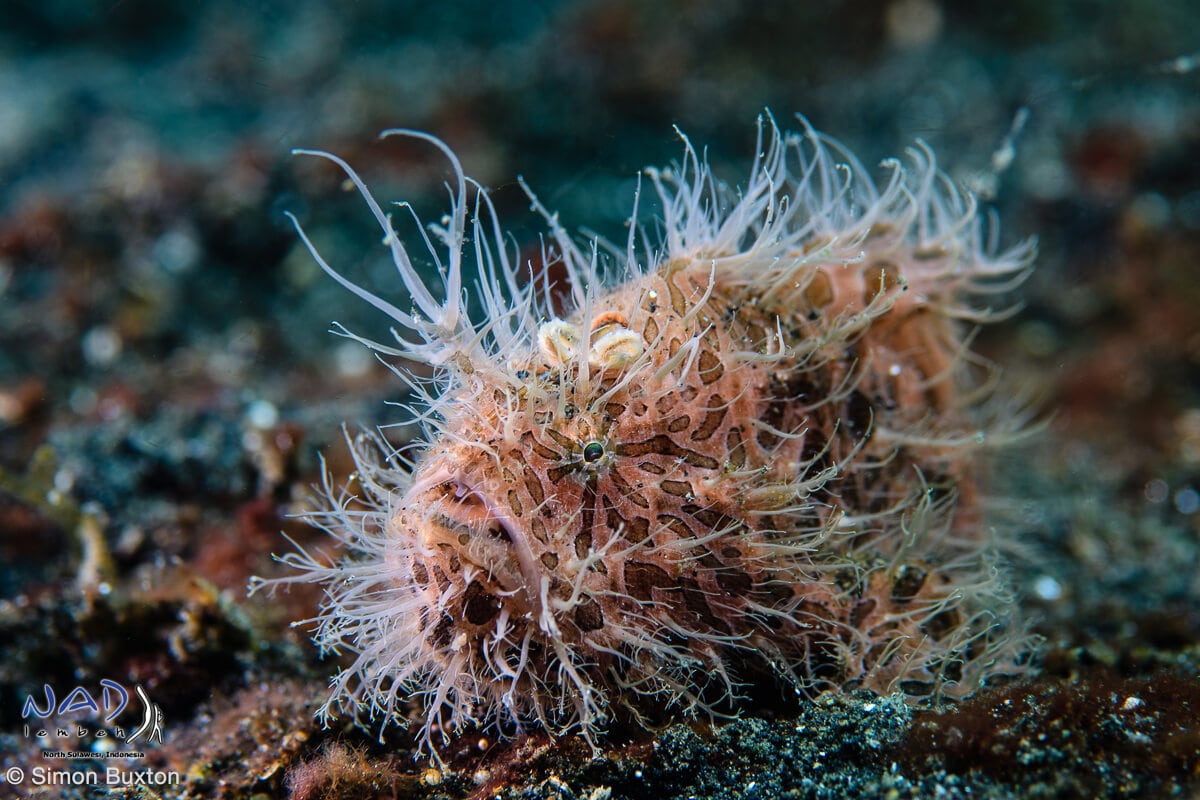
Image source: http (original image credit)
NAD Lembeh has been associated with North Sulawesi macro-diving and smaller marine encounters. Photographer-friendly dive operations still require respectful animal observation.
Before Booking
Ask guides about photographic lighting, no-touch rules, current site access and the actual number of divers per guide.
7. Misool, Raja Ampat
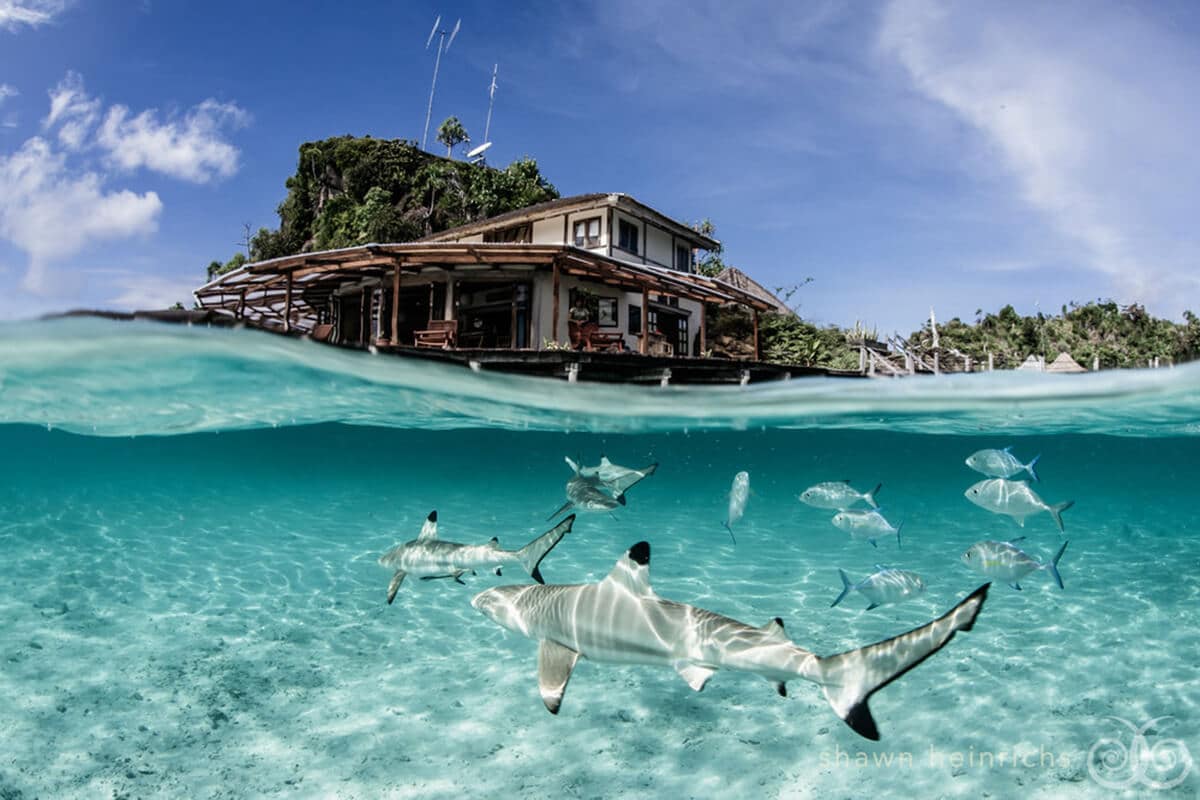
Image source: https (original image credit)
Misool is in the southern Raja Ampat archipelago and is not a routine day trip from Waigeo or Sorong. Its resort and marine-protection context have attracted international attention.
Before Booking
Confirm the complex boat or air-transfer chain, conservation fee, safety support and weather buffers.
8. Manta Dive Gili Trawangan
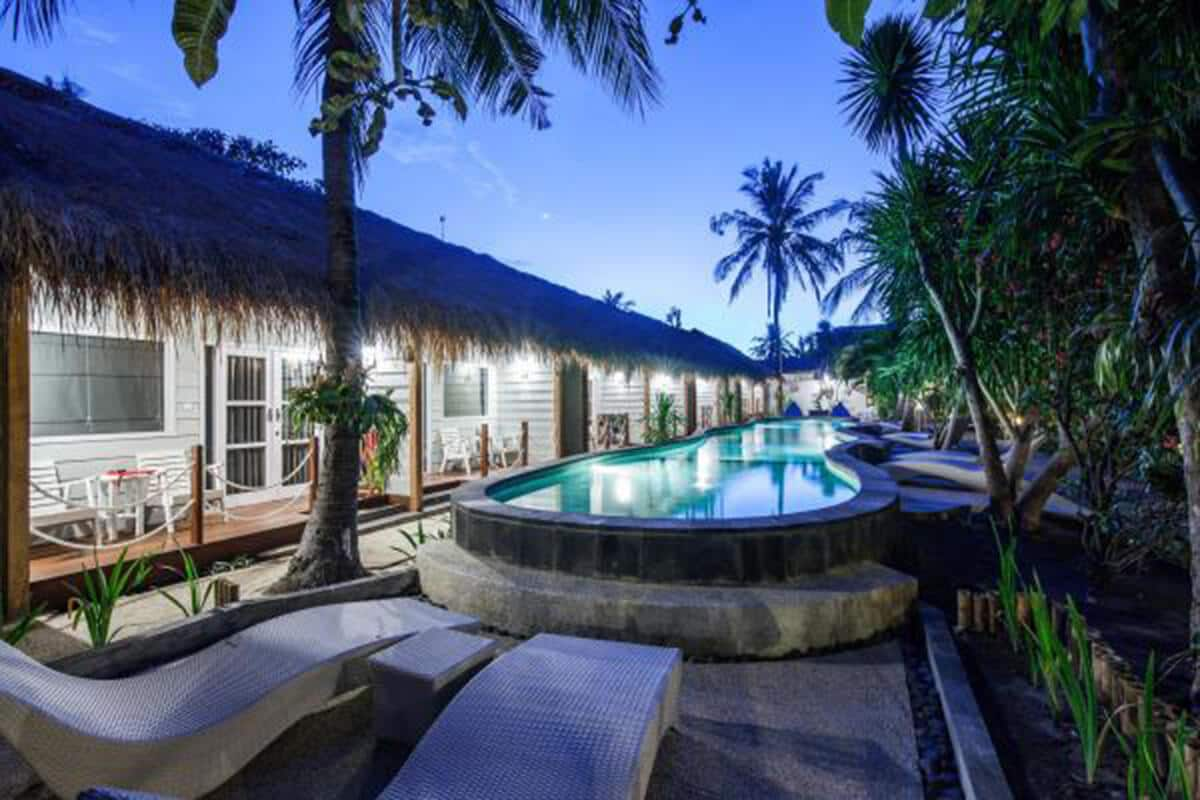
Image source: https (original image credit)
Manta Dive is associated with Gili Trawangan’s dive scene off Lombok. Local reef locations include current-exposed areas and turtle habitats.
Before Booking
Ask for the appropriate certification level, small-group procedures and no-touch marine-animal standards.
How to Choose a Dive Resort
Match the resort to underwater goals: muck and macro photography in Lembeh, wall diving around Bunaken, reef biodiversity in Raja Ampat or island-based courses around the Gilis. Check actual travel time, dive-guide credentials, equipment quality and emergency plans rather than relying on awards.
Certification, Current and Depth
A standard recreational certification does not imply competence at every site. Strong currents, night dives and technical depths require additional experience or training. Follow site briefings and do not pressure guides to take you beyond established limits.
Marine Conservation Responsibilities
Coral should never be touched or stood upon, and wildlife should not be fed or chased. Use boats that avoid reef-damaging anchors. Many marine protected areas have park tickets and environmental rules that apply in addition to resort rates.
Planning Emergency Evacuation
Indonesia’s remote dive islands may be far from emergency medical care. Ask about oxygen, first-aid equipment, nearest suitable medical facilities and the operator’s response plan. Diving insurance and surface intervals matter.
2026 Awards versus Older Lists
The original article quoted an award result from 2018. The more recent World Travel Awards 2026 identifies Bunaken Oasis as the winner in its Indonesian dive-resort category. These are different awards, methodologies and years, so they should not be combined into one fabricated ranking.
More Indonesia Travel Guides
going to raja ampat stay at these 5 resorts to make your trip better, rekindle your relationship with nature at pemuteran village bali, 10 reasons to visit the magnificent komodo national park, komodo island national park, 6 unique things you should experience in labuan bajo, 5 instagenic villas you can find in labuan bajo, 8 unique experiences and adventures in indonesia, meet whale sharks at these stunning spots in indonesia, 5 of lombok s gili trawangan best villas, 5 best places you should stay at during your holiday on gili air lombok, 10 best escapes you can enjoy in beautiful lombok, indonesia s mighty tropical rainforests and unique endangered wildlife, 5 unique ecotourism experiences in indonesia, climate, staying safe in indonesia.
Complete Dive-Travel Planning for Indonesia
How Indonesian Dive Regions Differ
Bunaken and Siladen are associated with marine-park reefs and walls near North Sulawesi. Lembeh Strait is a specialist destination for tiny creatures, unusual seabed habitats and macro photography. Wakatobi offers remote reef systems, while Raja Ampat spans a vast archipelago with challenging inter-island transfers. Around Gili Trawangan and Nusa Ceningan, some dive sites are more accessible to travelers already visiting Lombok or Bali, but local currents can still be strong. Choose a destination according to underwater interests and the experience level of the least experienced diver in your group.
Training and Professional Standards
A recreational certificate is a starting point, not a pass to dive every reef. Depth, current, night conditions and overhead environments each require appropriate skills. Ask a dive center which training agencies it recognizes, whether instructors and guides are current, and the maximum guide-to-diver ratio. Reliable operators provide a detailed site briefing and support anyone who decides conditions exceed their comfort. Avoid providers who rush less experienced guests into deep or current-exposed sites simply to deliver a famous photograph.
Safety Equipment and Emergency Preparation
Ask whether oxygen, first-aid equipment, surface signaling devices, emergency contact capability and a realistic evacuation plan are available. A remote reef may be hours from a hospital or a recompression chamber. Understand the operator’s procedures for missing-diver searches, bad weather, out-of-air incidents and boat emergencies. Dive-specific insurance is worth checking for the intended activities and locations, especially if ordinary travel policies exclude certain depths or forms of diving.
Coral Protection and Marine Wildlife
Corals are living animals that can be damaged by a careless fin kick, poorly controlled buoyancy or a hand used for support. Practice stable buoyancy and keep photography equipment clear of reefs. Do not feed or chase fish, rays, sharks or turtles. A manta encounter is special precisely because it is a wild event, not something an operator can arrange on demand. Boats should use appropriate mooring practices and observe national park restrictions.
What a Dive Package Really Includes
Some resorts advertise diving packages with accommodation, meals and a set number of boat dives, while others quote rooms separately from equipment and transport. Ask about tank sizes, nitrox availability and costs, rental gear, marine-park fees, night dives, laundry and pickup. If you plan to snorkel rather than dive, confirm that the resort also suits non-divers. An apparently expensive all-inclusive option may be better value than a lower headline rate with costly boat departures.
Photography without Disturbing Wildlife
Underwater photographers should prioritize buoyancy and environmental awareness before positioning a camera. Strong flashes or repeated approaches can alter animal behavior; touch and manipulation for better compositions are inappropriate. In Lembeh’s small-animal habitats, do not move rubble or provoke critters out of shelter. Discuss responsible photography guidelines with the dive guide and keep group size modest at sensitive sites.
Best Timing Is Region Specific
There is no single month that guarantees perfect diving across Indonesia. Local wind patterns, currents, plankton, visibility and marine closures differ between Sulawesi, Bali, Wakatobi and Raja Ampat. A sea that looks calm from a resort balcony may still have strong currents at a nearby dive site. Verify short-range forecasts and keep a flexible itinerary. Do not schedule your final dive immediately before flying; follow appropriate preflight surface-interval guidance.
How to Compare Awards and Reviews
World Travel Awards’ 2026 result and a Dive Travel Awards result from 2018 are separate distinctions. Neither replaces examining an operator’s safety record, current ownership, gear condition and conservation policies. Read recent reviews for repeated evidence of competent guiding, honest weather decisions and equipment upkeep, while recognizing that individual reviews can be mistaken. An award-winning resort might be ideal for expert photographers but unsuitable for a beginner seeking a patient introductory course.
Further Considerations for Dive Trip Logistics
Travel Insurance and Surface Intervals
Check that your insurance covers scuba diving to the depth and conditions you intend to encounter, as well as emergency evacuation from remote islands. Many ordinary travel policies exclude certain activities or equipment losses. After diving, follow professional guidance on safe surface intervals before flying or ascending to high altitude. The schedule should prioritize physical safety over squeezing in one extra dive on the morning of departure.
Diving as a Non-Diver or with a Mixed Group
Some guests prefer snorkeling, guided nature walks or beach time rather than scuba diving. Ask a resort whether non-divers can enjoy the facilities without paying for unused dive packages. Families may need suitable child supervision, gentle snorkeling sites and meals at predictable times. If the party includes both experienced divers and beginners, discuss separate activity groups rather than sending everyone to the same challenging reef.
Marine Park Permits and Local Communities
Protected areas may require conservation fees and have restrictions on where boats can anchor, dive or fish. Ask operators how these are paid and whether local guides are involved. Supporting reef protection also means respecting coastal communities, avoiding unnecessary waste and using trained boat crews. A dive holiday is more sustainable when the resort can explain how tourism contributes to marine protection and local employment.
Underwater Conditions May Change Rapidly
Weather at the hotel does not necessarily predict current or visibility at the dive site. Tidal flows, swell and boat traffic affect the safety of different locations. A competent guide should be willing to select another site, postpone a dive or refuse a request that exceeds the group’s capability. Travelers should regard that flexibility as a sign of professionalism rather than a disappointment.
Responsible Snorkeling for Non-Divers
Many dive resorts also welcome guests who only snorkel. However, entry points can have boat traffic, exposed reef shelves or changing currents, so a picturesque beach is not automatically a safe place to swim. Ask for a guide, appropriate flotation equipment and clear rules about where snorkelers may enter and exit. Avoid touching the reef with fins or hands and never chase turtles or rays for a photograph. Non-diving partners should also confirm whether the resort offers meaningful alternative activities instead of relying on the dive schedule for all entertainment. This is particularly important at remote locations where excursions must be arranged before arrival.
Frequently Asked Questions
Does the 2018 article show the top eight resorts today?
No. It reflects a historical travel award list; the 2026 award is a separate result.
Is a diver’s certificate enough for every site?
No. Site conditions may require particular training and experience.
Can I visit Raja Ampat and Wakatobi on a short trip?
Not efficiently. Both are remote, and inter-island flight or boat transfers require careful planning.
Official and Authoritative References
World Travel Awards 2026 dive resort result; Siladen official resort site; Komodo National Park protocol; Indonesia Travel.