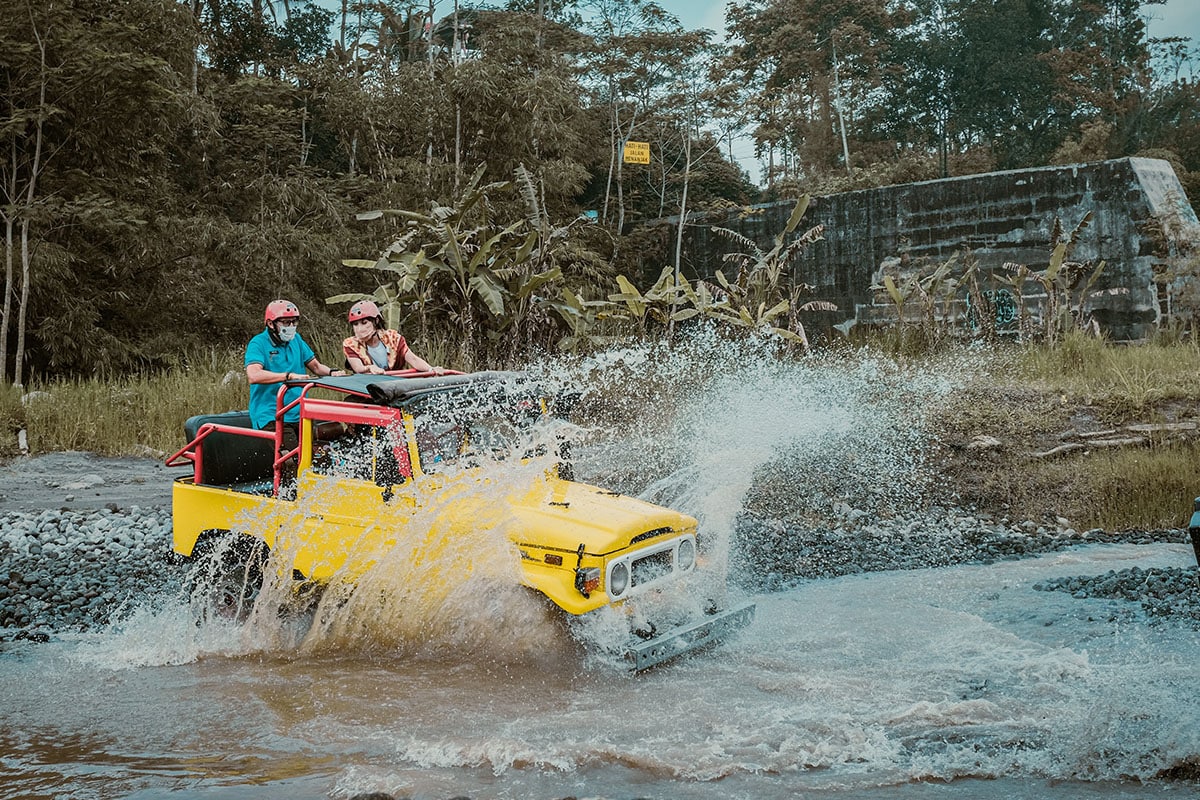
Indonesia’s countryside offers a chance to learn from the people who care for its landscapes, farms and traditions. This guide introduces nine Indonesian tourism villages and communities—from Samosir and South Sumatra to Java, Bali and Sumbawa—and explains why responsible village travel is more rewarding than expecting every destination to be ‘untouched’. The original list is preserved but its outdated pandemic rules and unsupported visitor claims have been replaced with practical 2026 guidance.
What is a tourism village in Indonesia?
A desa wisata is a village where local residents may organise visits involving crafts, agriculture, nature walks, homestays or cultural activities. Programmes differ and not all villages are formally managed the same way. Check Wonderful Indonesia’s tourism-village directory for regional inspiration, and read our overview of Indonesian culture and the country’s geography.
Nine villages to explore
1. Tuktuk on Samosir Island, Lake Toba — North Sumatra
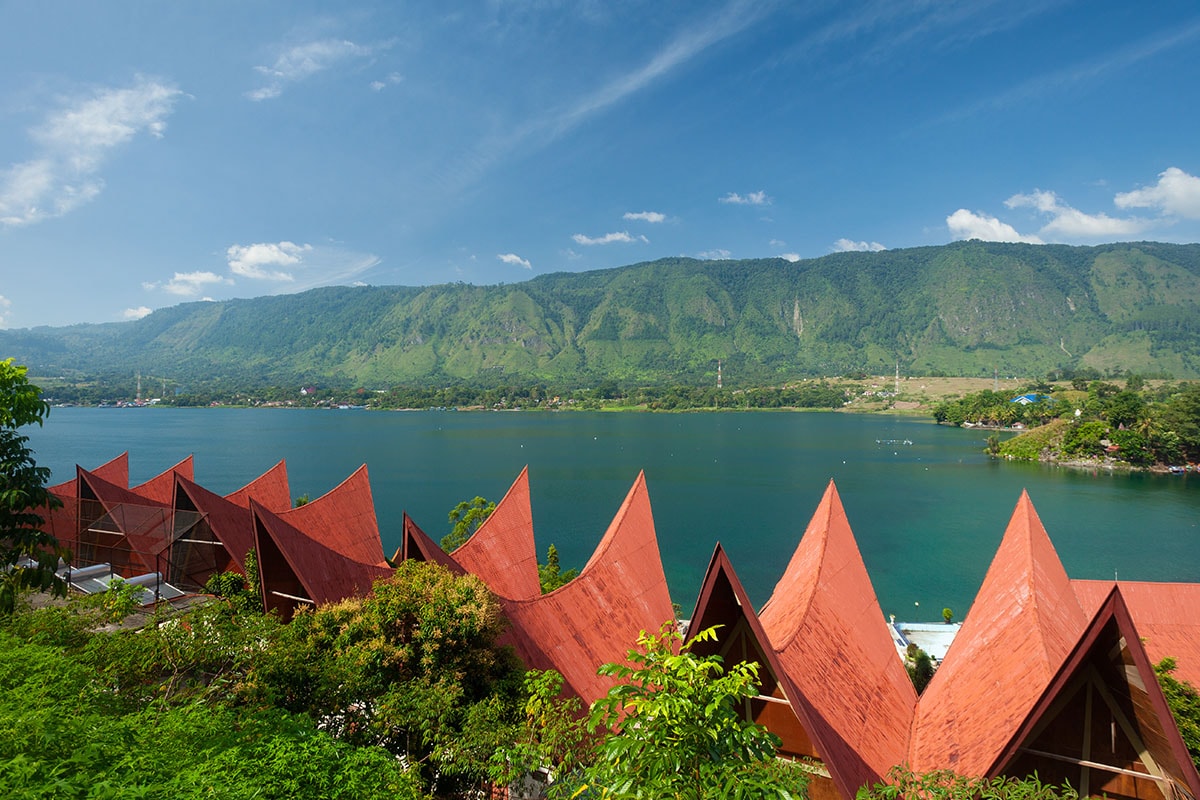
Tuktuk is a peninsula-like tourism area on Samosir Island in Lake Toba, known for Batak cultural experiences, lake views and local accommodation. This is a settled community, not an untouched wilderness. Learn about Batak architecture, woven ulos textiles and the lake’s volcanic landscape with a responsible local guide.
Responsible visitor tip
Visit a cultural workshop, choose family-run lodgings and confirm ferry schedules. Do not photograph traditional ceremonies without consent.
For regional cultural context, see Indonesian traditional houses.
2. Desa Burai, Ogan Ilir — South Sumatra
Burai village is associated with colourful village houses, riverside life and community initiatives. The original article called it Warna Burai, reflecting a tourism branding idea rather than a separate destination. Village activity programmes and visitor facilities may change, so contact organisers before travelling.
Responsible visitor tip
Support local boat operators or craftspeople and respect working waterways. Ask before photographing residents or entering private areas.
3. Tugu Selatan, Puncak — West Java
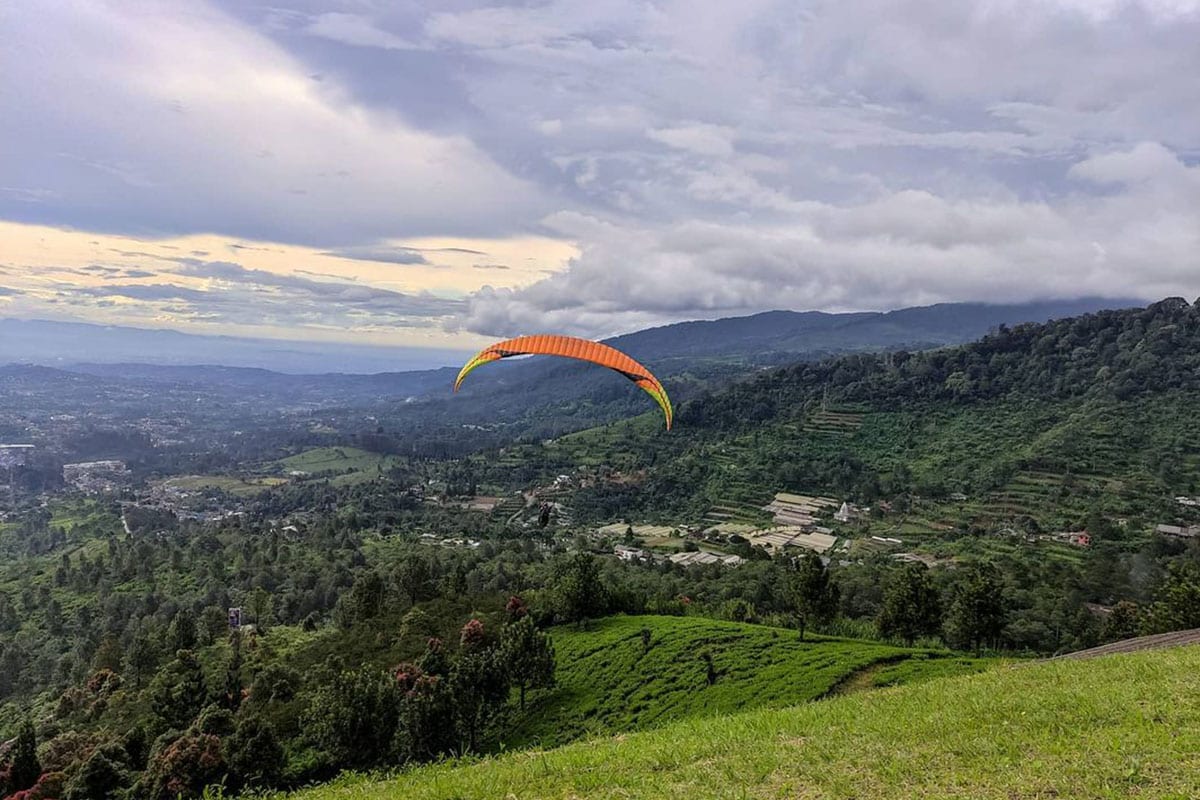
Tugu Selatan lies in the Puncak area south of Jakarta, with cooler mountain scenery, agriculture and access to nearby outdoor recreation. Weather, local tourism operations and traffic can greatly affect the experience. It should not be marketed as a secluded village untouched by modern life.
Responsible visitor tip
Avoid school-holiday peak traffic where possible, check rainfall and landslide warnings and stay on permitted walking paths.
4. Cibuntu Tourism Village, Kuningan — West Java
Cibuntu is associated with homestays, local agriculture and community tourism in the foothills of Mount Ciremai. The value of a village stay lies in learning how local life works rather than expecting resort-style entertainment. Traditional craft demonstrations and trekking routes depend on host availability.
Responsible visitor tip
Book with a genuine community tourism organiser and ask about activity duration, trail conditions and contributions to local hosts.
Rural learning pairs with conservation-minded activities.
5. Candirejo Tourism Village, Borobudur area — Central Java
Candirejo near Borobudur is a long-running community-based tourism village, offering programmes such as cycling, village walks, traditional cooking and horse-carriage rides. Its official site lists homestays and 2026 visitor updates, providing stronger evidence than the former article’s generic description.
Responsible visitor tip
Reserve through the village team at candirejo.com, check the appropriate activity level and respect farms, family homes and cultural etiquette.
The official Candirejo village site lists bookable workshops and host-led activities; for more culture near Yogyakarta read our Yogyakarta guide.
6. Pentingsari Tourism Village, Sleman — Yogyakarta Special Region
Pentingsari near the slopes of Merapi is known for agriculture, crafts and village-hosted cultural programmes. Indonesia’s official tourism portal explains that the community developed its visitor activities from 2008. However, being near an active volcano means safety information must always come from the relevant authorities.
Responsible visitor tip
Check Merapi hazard restrictions and local weather; never approach closed sectors of the mountain on an improvised tour.
Follow our Mount Merapi safety guide before any mountain-area visit.
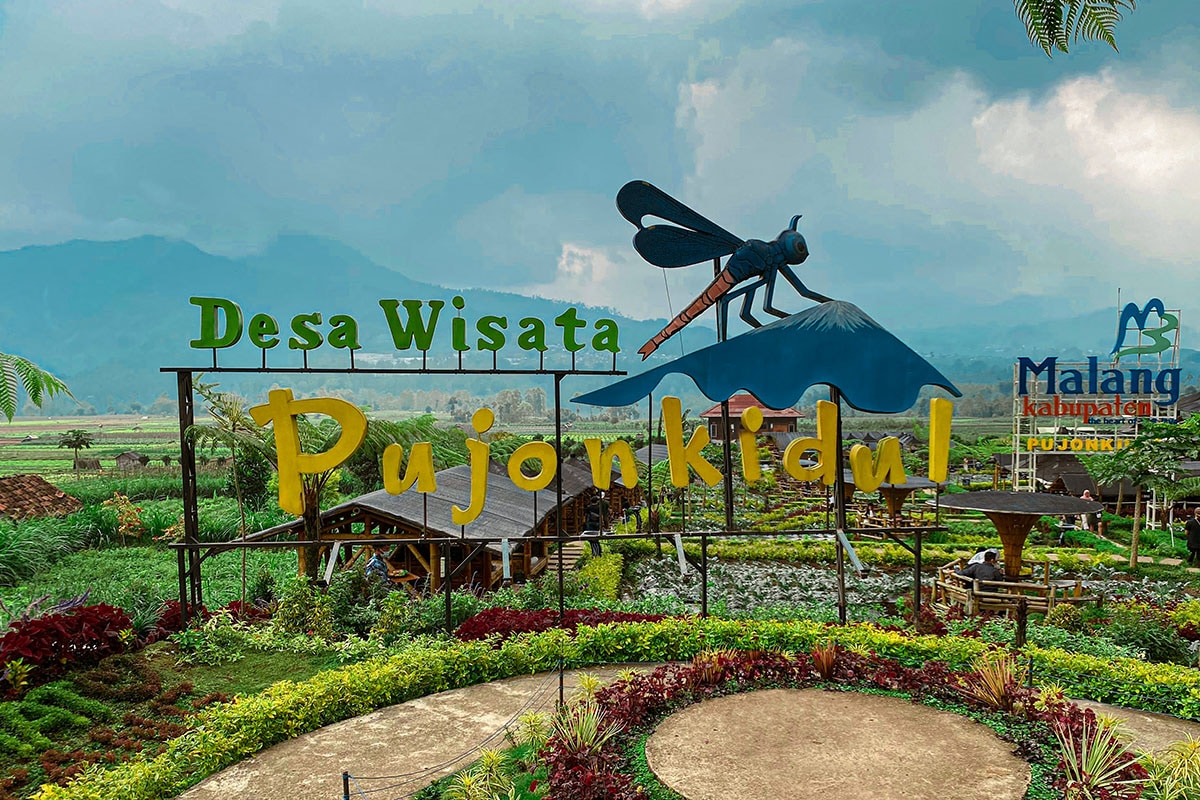
7. Pujon Kidul Tourism Village, Malang — East Java
Pujon Kidul, west of Malang, is associated with farmland, mountainous views and rural recreation. Specific cafés, admission packages and performances may be renamed or changed. A well-planned visit leaves time for agricultural activities and local food without disrupting the community’s everyday work.
Responsible visitor tip
Travel on safe roads in good weather and ask the local village group which farms and walking areas are open to tourists.
Browse East Java travel ideas for nearby itineraries.
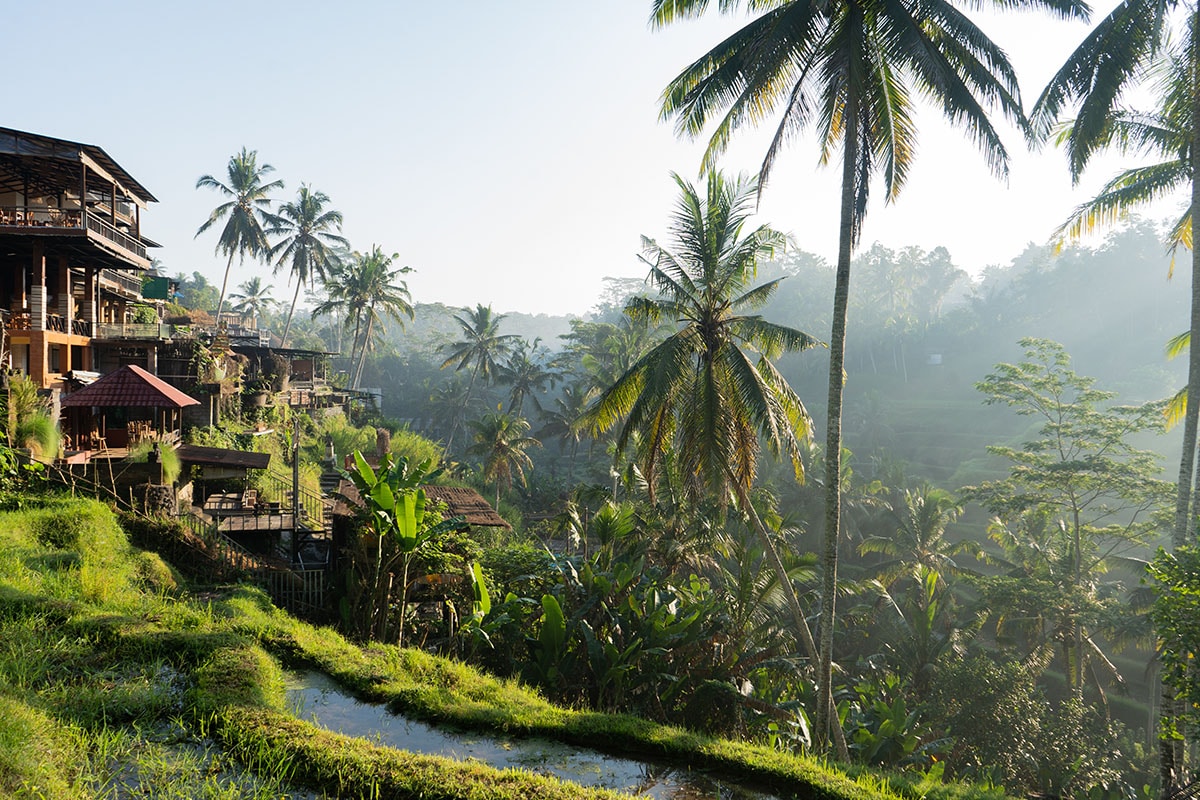
8. Mas village, Ubud area — Bali
Mas is especially known for skilled Balinese wood carving and sculpture, with galleries and family workshops. It is part of a lived-in community near Ubud, not a remote village cut off from modern tourism. Seek artists who explain the cultural meanings and materials of their work.
Responsible visitor tip
Buy directly where possible and ask about legal wood sourcing, export documents and photography permissions.
Learn about local creativity in Bali’s art markets and craft centres across Indonesia.
9. Maria village, Bima — West Nusa Tenggara
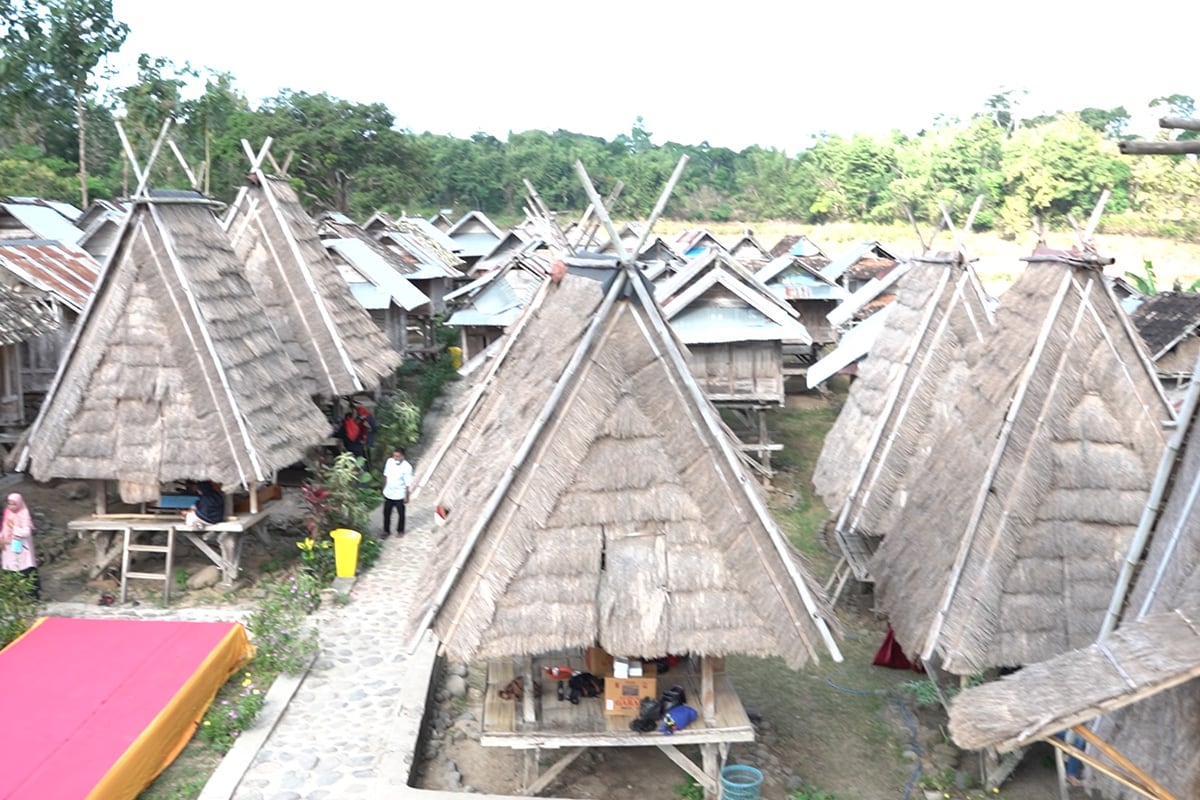
Maria in the Bima area of Sumbawa is associated with local architecture and cultural heritage, notably traditional building forms. It requires substantial travel and local planning compared with better-connected Java and Bali villages. Do not assume a scheduled tourist show or accommodation is available without an invitation or reservation.
Responsible visitor tip
Contact local guides, travel respectfully and ask permission before photographing homes or religious activity.
Compare the Lombok travel guide if continuing through West Nusa Tenggara.
How to choose a community-led village experience
Ask who runs the tour
Choose programmes that compensate hosts and make clear what is included. A package might involve lunch, a short workshop, walking or a homestay, but none should be assumed. Always clarify language options, accessibility, payment and cancellation policies. See our Bali community tourism ideas for related approaches.
Understand cultural boundaries
Private houses, rituals and agricultural workplaces are not permanent public attractions. Ask consent before photographing people, and follow local dress and religious etiquette. Learn about five Indonesian ceremonies and the storytelling heritage of wayang.
Support crafts without exploiting makers
Pay fairly for handmade textiles and woodwork, and avoid buying protected wildlife products or objects that may be culturally restricted. The techniques and traditions behind Indonesian batik offer additional learning before visiting local studios.
Suggested village-tourism itineraries
Three to five days near Yogyakarta
Choose Candirejo and Pentingsari as separate excursions, subject to official Merapi safety restrictions. A village cooking lesson, bicycle ride or community walk should be prearranged. Avoid planning an overnight stay on the assumption that any resident will host an unexpected guest.
A dedicated trip to Sumatra or Sumbawa
Samosir, Burai and Bima are geographically far apart and cannot be combined into one ordinary weekend. Plan transportation and homestays with local experts. For wider countryside inspiration read the wildlife conservation guide and our Indonesia destination overview.
Practical advice for visiting Indonesian villages
Weather, transport and health
Remote roads may be muddy or closed during heavy rain. Carry sun protection, mosquito repellent, enough drinking water and clothing suitable for religious and farming settings. The COVID-era CHSE rules in the older page should not be presented as universal 2026 entry requirements; obey current local health advice. Refer to traveller safety.
Cash and time zones
Payment by credit card cannot be assumed in small villages. Carry rupiah, check ATM options before leaving cities and verify whether activities are priced per group or person. See Indonesian rupiah guidance and Indonesia’s three time zones.
Frequently asked questions
Are all nine villages formal tourism destinations?
Not every community offers the same official programme. Contact a current organiser before making a special journey.
Are village homestays suitable for international travellers?
Many welcome overseas guests, but amenities, language assistance and accessibility vary; book with a verified provider.
Can I visit Pentingsari when Merapi is active?
Only follow permitted routes and local volcanic hazard instructions. Never cross exclusion areas to reach a viewpoint.
Official references
- Wonderful Indonesia — tourism-village directory
- Wonderful Indonesia — Pentingsari village
- Candirejo community tourism — 2026 booking information
- MAGMA Indonesia — official volcano warnings
Original article photography
The eight original photographs are preserved below as an archival gallery. The original article displayed nine destinations but contained only eight body images, so the photographs are not assigned invented location credits.