Satay, or sate, is one of Indonesia’s best-known foods, but it is not a single recipe. Across the archipelago, vendors grill chicken, beef, goat, seafood and minced mixtures on skewers, then pair them with different sauces and fresh accompaniments. This guide revisits seven classic satay styles from the original article and explains regional distinctions, food safety, dietary considerations and where travellers might try each one.
7 Types of Indonesian Satay and How to Enjoy Them
1. Sate Ayam — chicken satay
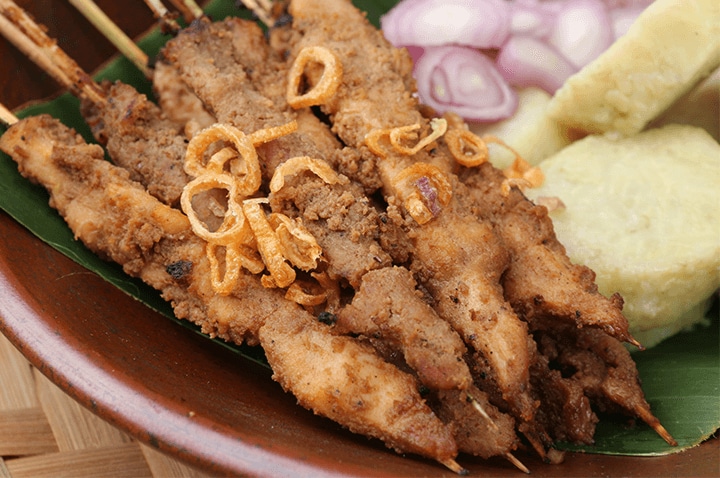
Chicken pieces are marinated, threaded onto bamboo skewers and grilled over charcoal or another safe heat source. Many Javanese-style versions use a peanut sauce with sweet soy sauce, while other sellers choose different spice blends. The important distinction is the preparation rather than a guarantee that every vendor uses the same sauce.
What visitors should know
Look for thoroughly cooked chicken and a vendor who protects raw poultry from ready-to-eat foods.
2. Sate Kambing — goat satay
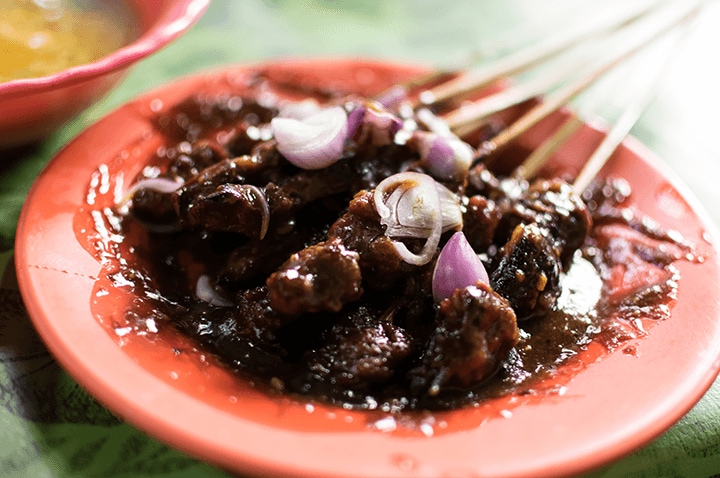
Despite many English menus translating kambing as lamb, in Indonesia it commonly refers to goat. These skewers may be served with sliced shallots, tomatoes, chillies and kecap manis. Goat flavour can be more pronounced than chicken, and the tenderness depends on the cut and preparation.
What visitors should know
Confirm the meat type if you avoid particular animals, and request chilli separately if you prefer mild food.
3. Sate Maranggi — West Java
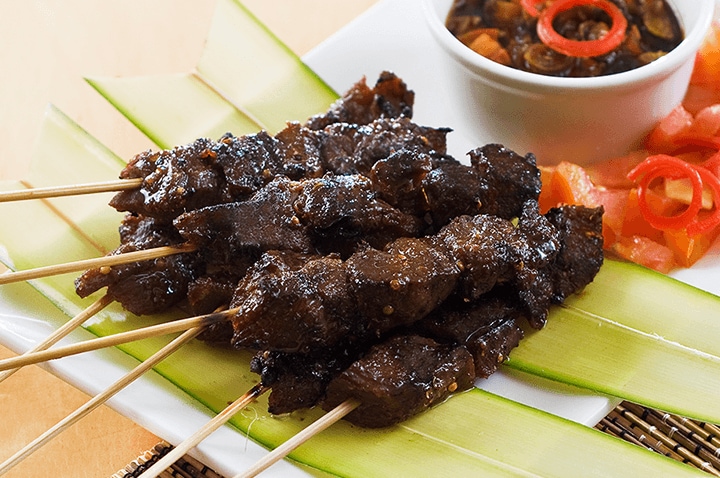
Associated with Purwakarta and Cianjur, maranggi is distinguished by aromatic seasoning that penetrates the meat before grilling. Unlike satay styles centred on thick peanut sauce, it may be enjoyed with tomato sambal, rice or ketan. Beef and goat versions both exist.
What visitors should know
Ask the cook how the skewers are seasoned; travelling to Purwakarta from Jakarta takes additional time.
4. Sate Kerang — shellfish skewers
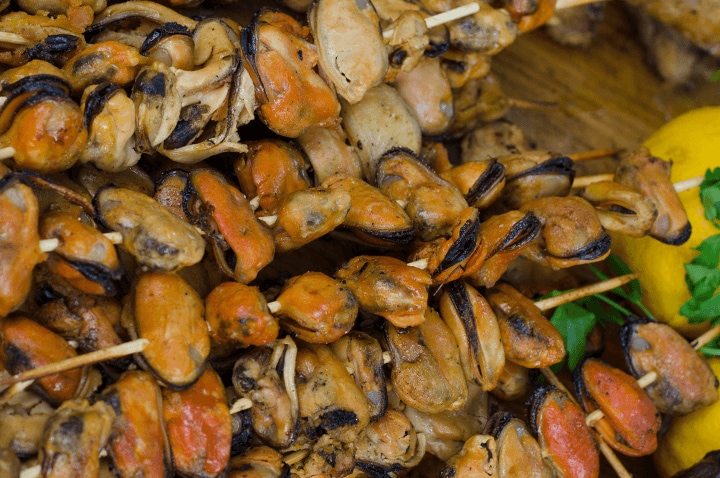
Seafood satay uses shellfish marinated and cooked with spices, sometimes offered as a side dish in East Javanese eateries. The original article presented Surabaya as a key place to find it; local recipes vary, so it is not safe to assume every skewer follows one cooking method.
What visitors should know
Shellfish allergies can be severe. Choose reliably cooked seafood from a clean vendor and check sauces for seafood ingredients.
5. Sate Padang — West Sumatran specialities
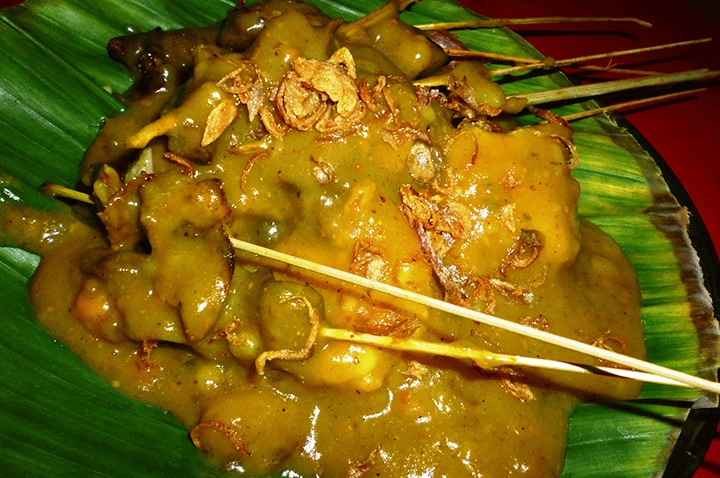
Padang-style satay is often made with beef or tongue and covered in a deeply spiced, thick sauce that may be yellow to reddish according to the local style. Unlike peanut-based Javanese sate, it often involves rice-flour-thickened gravy and strong spice aromas.
What visitors should know
Check how the dish is served and whether the accompanying lontong rice cake is included.
6. Sate Lilit — Bali
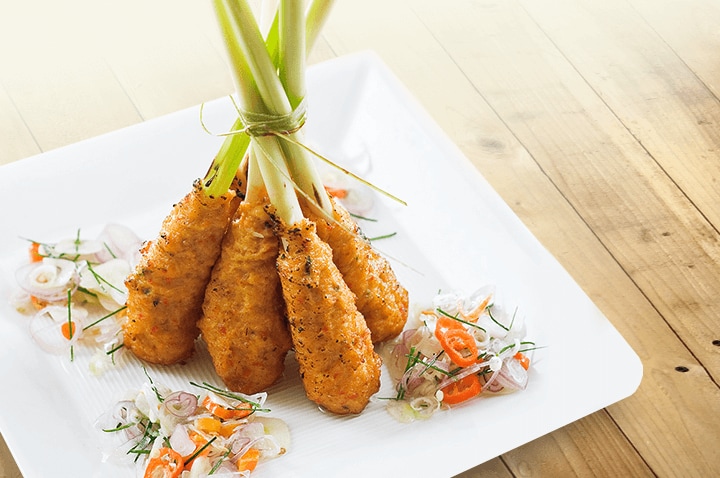
Minced fish or meat is mixed with grated coconut and fragrant spices, then wrapped around a stick or lemongrass stalk and grilled. Different Balinese cooks use chicken, fish or other proteins; the old article even included protected wildlife as a possible ingredient, which is not an ethical recommendation.
What visitors should know
Choose legally sourced fish or meat. If you have seafood, coconut or spice allergies, confirm the recipe.
7. Sate Buntel — Solo
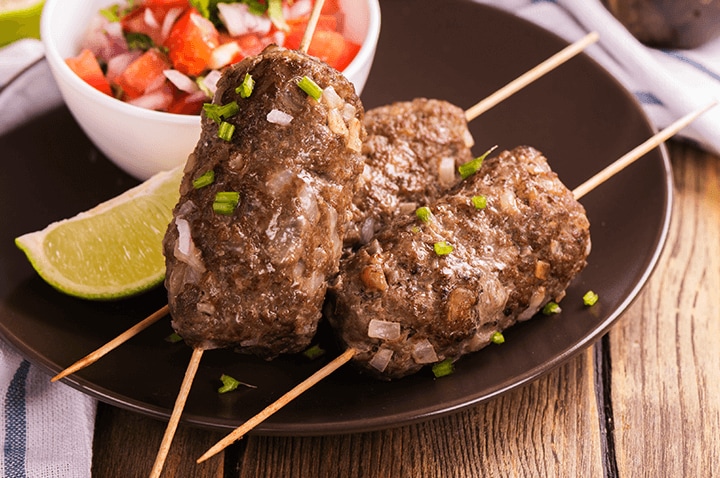
Associated with Surakarta, buntel typically uses minced goat or other meat wrapped in a thin fatty layer before grilling. The appearance differs from cubes of meat threaded onto a skewer. Richness comes from the fat and spices, often balanced with a tangy or sweet condiment.
What visitors should know
Ask about the specific meat and portion size; this is generally a rich main dish rather than a light snack.
Regional culture and food context
Understanding the food begins with Indonesia’s cultural diversity and the islands and regions that shape its recipes. Across the archipelago, ingredients and serving traditions vary by community, season and household; a famous dish name is not a promise of one identical recipe.
How to find a good place to eat
Browse regional Indonesian cuisine and more traditional dish ideas for dishes to compare. Before ordering, check the menu for ingredients and request an explanation of local sauces and condiments.
Planning meals during your trip
Our guides to Indonesian breakfast, Jakarta’s regional dining options and additional traditional cuisine can help build a varied itinerary. Seek busy stalls that prepare ingredients safely, but don’t equate popularity alone with hygiene.
Food safety, allergies and dietary considerations
Talk to the cook about ingredients
Travellers with allergies, halal preferences or vegetarian requirements should ask about broths, sauces, animal products, peanuts, fish paste and cross-contact. Explore regional flavours and spice traditions and other Indonesian snacks for inspiration rather than assuming every dish has the same ingredients.
Keep street-food visits safe
Fresh cooking, protected ingredients, potable water and sensible food storage are important. Especially for seafood, chilled desserts and uncooked toppings, avoid stalls where food is exposed to contamination or held at unsafe temperatures. See Indonesia travel safety advice and use our rupiah and payments guide before shopping at small stands.
Practical itinerary ideas
Try more than one regional style
Sample one traditional speciality and one contemporary version where available. Compare different local restaurants and Indonesia’s café and drink traditions across regions without treating any single outlet as the definitive source.
Where to go next
For additional food experiences, discover Indonesian culinary travel ideas, the wider Indonesia guide, different dietary-friendly venues and related local destinations. Plan realistic travel times if you want to try cuisine from more than one island.
Frequently asked questions
Are the ingredients the same across Indonesia?
No. Regional and household recipes vary substantially. Always check the specific vendor’s preparation.
Can travellers with food allergies try local specialities?
Often, but communicate exact allergens clearly and avoid meals if staff cannot verify ingredients or cross-contact risks.
What should I budget?
Street-stall portions and restaurant menus differ widely, and rates can change. Check the local menu before ordering and pay in Indonesian rupiah.