Kota Tua Jakarta, the city’s Old Town, is one of Indonesia’s most accessible introductions to the history of Batavia. Around Fatahillah Square, former administrative and trading buildings now host museums, cultural exhibitions and cafés. Farther north, historic warehouses and port structures reveal how maritime commerce shaped this part of Java for centuries.
This updated walking guide follows the ten original stops of the earlier article, retaining all thirteen archival images. It adds modern visitor context, 2025–2026 museum developments, transit suggestions and warnings where exhibitions, admissions or opening arrangements may change. Pair the heritage route with more Jakarta history destinations or other Jakarta landmarks if you have an extra day.
Kota Tua Jakarta: Essential Visiting Information
Topic |
What to know |
|---|---|
Historic centre |
Fatahillah Square, Pinangsia, West Jakarta |
Easy public transport |
Jakarta Kota railway station and TransJakarta Kota terminal; confirm your exact route |
Time zone |
WIB, UTC+7 |
Walking style |
Museums and cafés around the square; more distant port attractions need extra time |
Typical museum days |
Many run Tuesday–Sunday, but individual holiday schedules differ |
Entry |
The public square and individual museum tickets are not the same thing; check each venue |
For up-to-date museum descriptions and addresses, check the Jakarta provincial government’s museum directory. Do not rely on the 2023 article for ticket prices, museum opening hours or access to upper floors and conservation areas.
1. Fatahillah Square: The Heart of Old Batavia
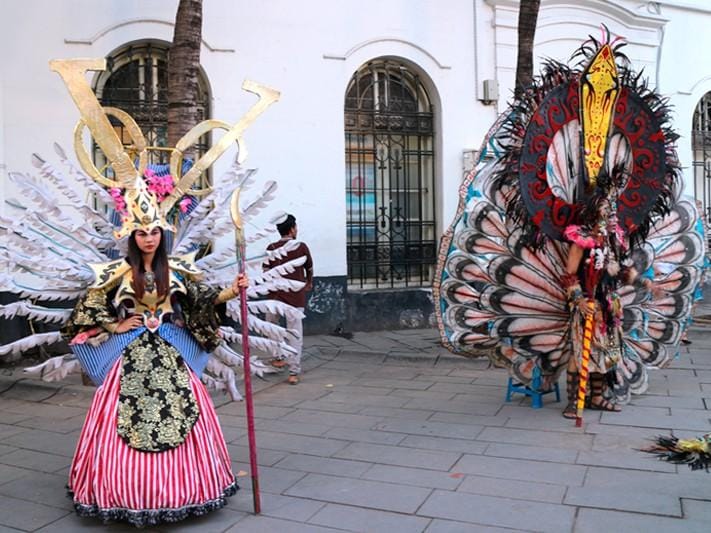
Fatahillah Square—also called Taman Fatahillah—is the natural starting point for exploring Kota Tua. The plaza is surrounded by historic façades, the former city hall and several museum buildings. Dutch colonial Batavia grew as an administrative and trading centre under the VOC, and the surviving architecture invites visitors to consider both the commercial past and its human cost.
What to Do Around the Square
Look for historical façades, temporary cultural events, street food and the colourful vintage-style bicycles commonly rented around the square. Rental availability, fees and pedestrian arrangements depend on the day’s management. It is better to negotiate rental terms clearly than assume the old prices still apply. For another city experience, explore our guide to Jakarta highlights.
A Note on Colonial History
The VOC economy relied on unequal colonial power and extraction of resources, not simply a romantic “age of discovery”. Museums around the square provide different perspectives on trade, urban development and the people who lived through those changes.
2. Jakarta History Museum / Museum Fatahillah
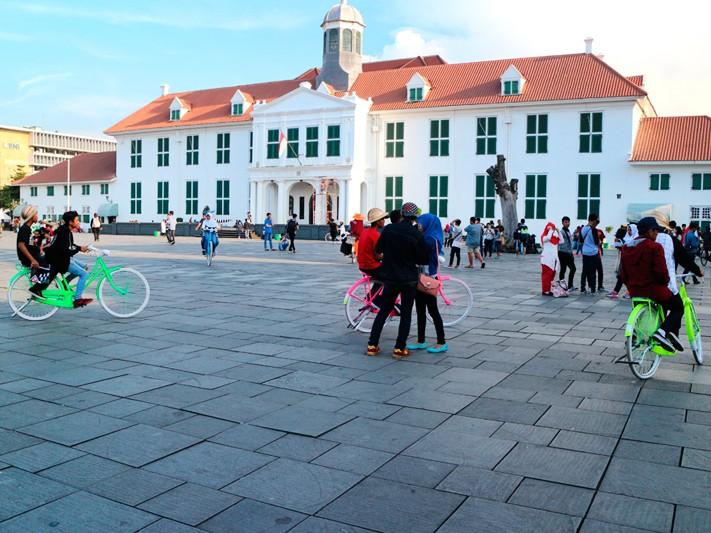
The former Batavia Stadhuis is now home to the Jakarta History Museum, Museum Sejarah Jakarta. The current historic building dates to the early eighteenth century, with a completed city-hall structure in 1710, rather than the entire museum being a seventeenth-century building. The displays trace the city’s earlier settlements, colonial period and subsequent urban transformation through maps, furniture, objects and records.
What to Look For
Collections can include archaeological pieces, historical maps, furnishing and items connected with Batavia’s administration. Some stories involve the harsh realities of imprisonment and colonial government; exhibitions and interpretation may change. The provincial cultural authority’s October 2025 heritage-museum visit report documents contemporary visitor interpretation of the museum.
Address and Visiting Advice
Jl. Taman Fatahillah No.1, Pinangsia. Do not assume every gallery, cellar or historic room is always accessible. Confirm current schedules, fees and facilities through the museum or local cultural authority. Jakarta has many museums beyond this complex; see Museum MACAN’s modern art experience for a contrasting itinerary.
3. Café Batavia: Historic-Style Dining by the Square
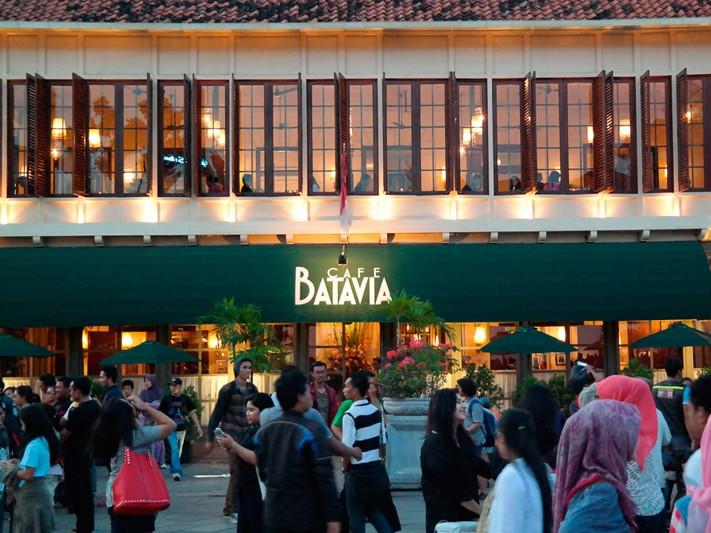
Café Batavia occupies a historic building overlooking Fatahillah Square and is known for its period-inspired interiors and dining rooms. It offers an atmospheric break after exploring museums, but decorative colonial imagery should be interpreted as ambience rather than an objective historical reconstruction.
Does Café Batavia Still Operate?
The venue’s official social and reservation hub includes a current menu and reservation channels. That is stronger evidence of an active operator than older directory descriptions. Check the current meal prices, reservations, dining hours and any special events directly.
Where to Find More Food Options
You can compare it with other Jakarta cafés and Indonesian restaurants in the city, remembering that some options outside Kota Tua require substantial travel across Jakarta.
4. Museum Wayang: Puppetry and Performance Heritage
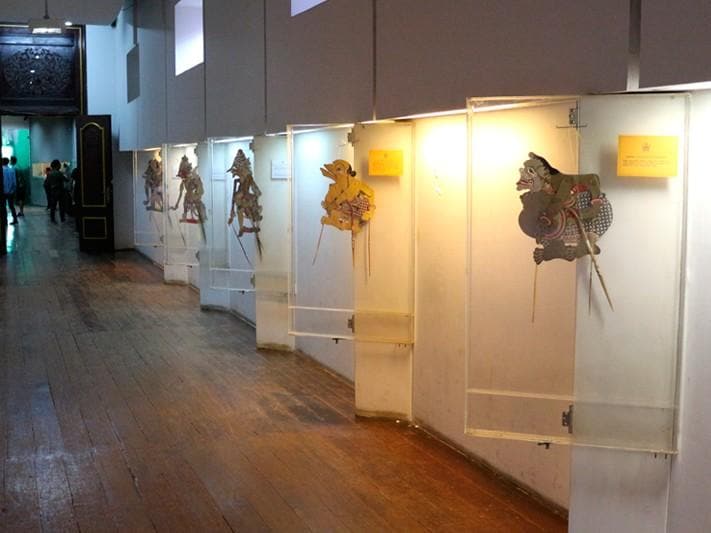
The Wayang Museum holds shadow puppets, wooden puppets, performing-arts artefacts and examples from other countries. It stands on a site associated with an earlier Dutch church, but its building history involves several periods of destruction and reuse—not a single untouched structure dating from 1640.
What’s New at Museum Wayang?
Jakarta’s provincial government announced a revitalised museum in January 2025, with modern interpretive features and interactive experiences. Contemporary material includes immersive displays that help visitors explore puppetry traditions. See the provincial government’s museum reopening announcement.
Practical Visiting Details
The museum is at Jl. Pintu Besar Utara No.27, close to Fatahillah Square. Check current exhibition and workshop availability before travelling. For wider context, read our guide to wayang kulit and traditional performing arts in Indonesia.
5. Fine Arts and Ceramics Museum
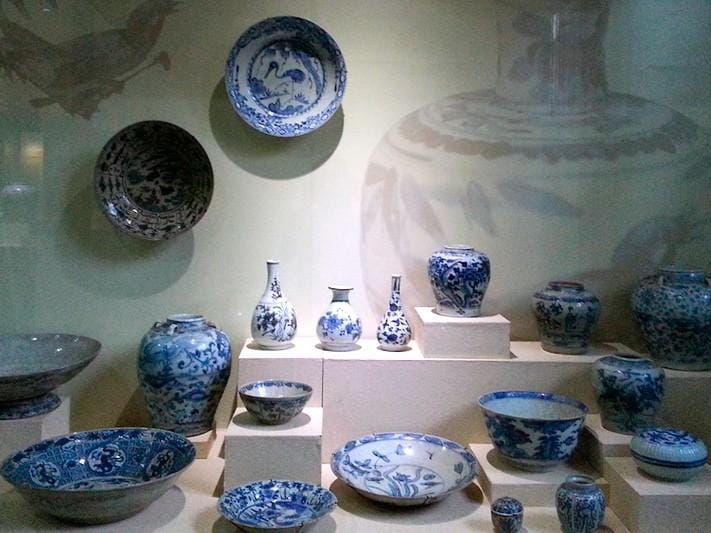
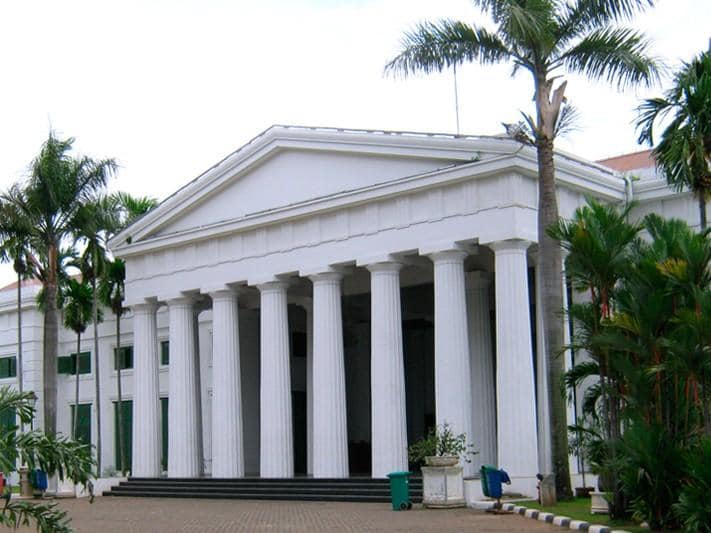
The Museum Seni Rupa dan Keramik sits in a neoclassical former court building at Jl. Pos Kota No.2, distinguished by its columned frontage. Jakarta’s cultural department describes construction between 1866 and 1870. Exhibitions feature Indonesian artworks and ceramics from a range of regions and historical periods.
Paintings, Ceramics and Creative Activities
Collections have included works by important Indonesian artists, as well as ceramic objects illustrating local and international exchange. Hands-on ceramic activities and special programmes may be offered, but not necessarily on every day or for walk-in visitors. The city’s official museum profile is a good starting point for more detail.
Photography and Accessibility
The building’s large columns are popular in photographs, but some galleries may limit flash or tripods. Ask about step-free access and whether practical workshops require advance booking. Creative travellers may appreciate our Indonesia photography inspiration.
6. Historic Kota Post Office and Art-Space Building
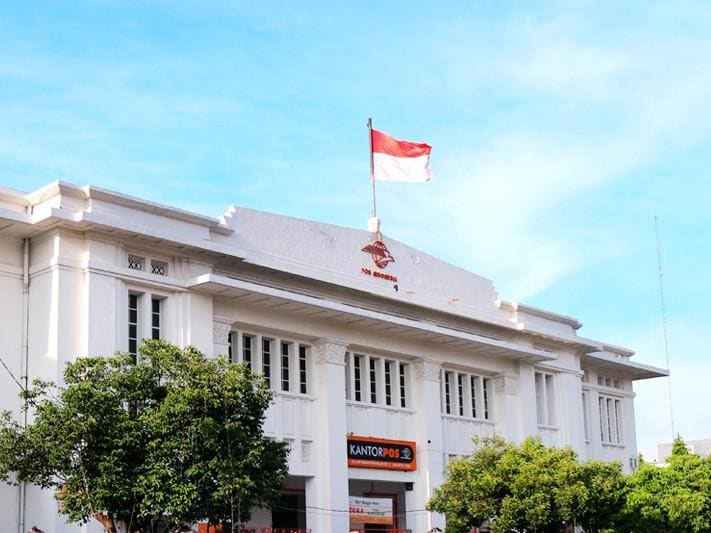
The historic post office near Fatahillah Square reflects the early twentieth century’s more streamlined colonial architecture. The earlier article associated its design with Nieuwe Zakelijkheid, a functional modern architectural approach. Postal services, tenancy and gallery programming can change, however.
Can You Still Send a Postcard Here?
Do not assume the building still offers the exact same postal counter or second-floor exhibition as described years ago. Verify current tenant information and public access on arrival. The outside architecture remains part of the square’s historical streetscape even when indoor functions change.
Explore Nearby Historic Architecture
For a broader view of urban heritage, consider Jakarta’s evolving urban landscape and Indonesian traditional architecture beyond the capital.
7. Museum Mandiri: Banking in a Historic Building
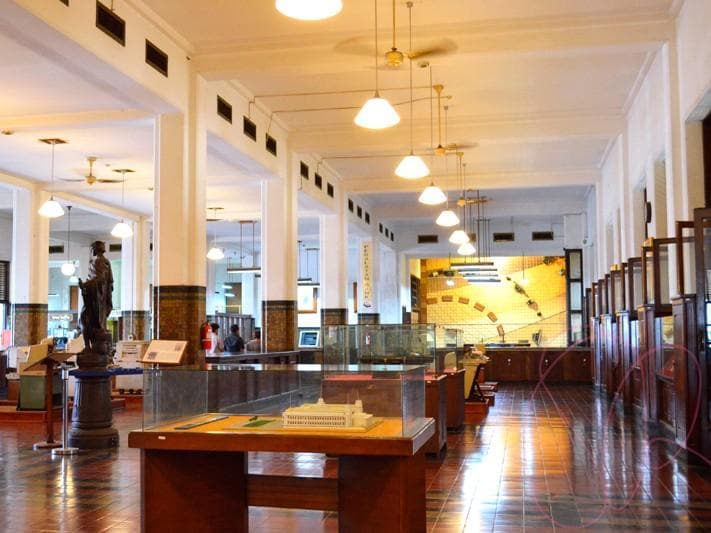
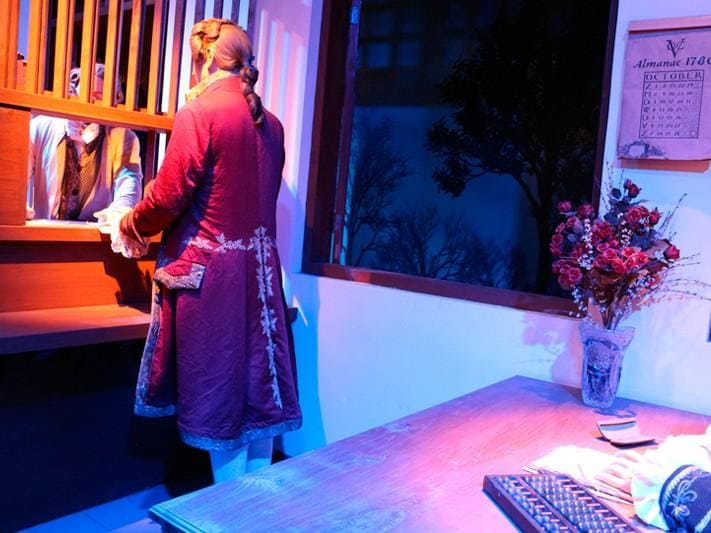
The Museum Mandiri building faces the vicinity of Jakarta Kota station and preserves a historic banking environment associated with the Netherlands Trading Society, the Nederlandsche Handel-Maatschappij. Its older bank interiors, vaults and equipment tell the story of banking practices and everyday work during the colonial period and after independence.
Collections and Modern Museum Programmes
Visitors may encounter bank counters, furnishings, safes, records and temporary exhibits. The museum now maintains an official visitor and reservation information hub with ticketing, group reservations and contact channels. Check directly for special immersive exhibitions and current access conditions.
Booking Advice
Confirm actual entrance arrangements rather than assuming the regular and special immersive experiences share one ticket. Families planning a broader city visit may also enjoy other family-friendly Jakarta experiences.
8. Museum Bank Indonesia: Money, Trade and Economic History
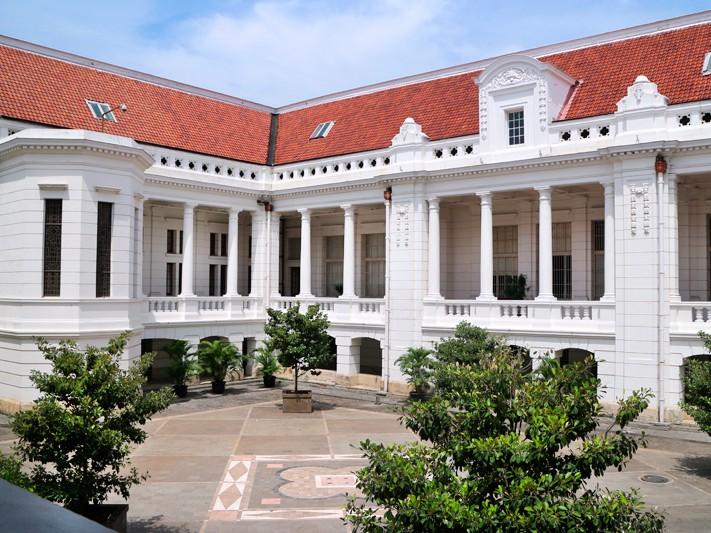
Housed in a former De Javasche Bank building on Jl. Pintu Besar Utara No.3, Museum Bank Indonesia explains the evolution of currency, banking and central-bank policy. The exhibition connects Indonesia’s monetary history to the city’s former role as a major trading port, making it especially interesting after a visit to Museum Mandiri.
What Does the Museum Show?
The museum’s official Bank Indonesia visitor page lists banknotes, coins, historical objects, educational programmes and guided-tour information. The guide services have published Tuesday–Sunday sessions; independently confirm the current visiting schedule and any admission conditions for the specific date.
How to Get There
The Bank Indonesia museum is convenient for visitors using Jakarta Kota station, with information about local buses and railway services on its official page. Explore Jakarta’s shopping districts on a different trip day if your main priority is museum-hopping.
9. Toko Merah: The Red Historic Building
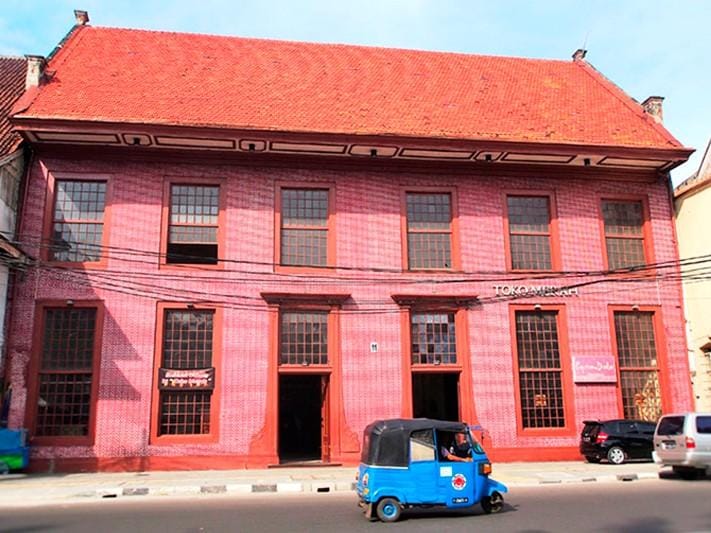
Toko Merah is a distinctive red-fronted historic property on the old commercial streets near the Kali Besar area. Its changing role—from private residence to trading premises and later adaptive uses—illustrates how former Batavia buildings have been reused. Some dates and individual owner details in the old version cannot be confidently confirmed from a current authoritative property record.
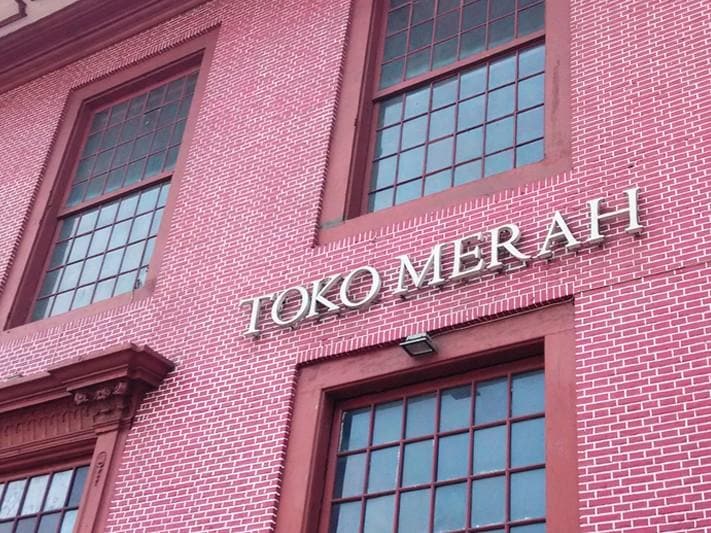
Can Visitors Enter Toko Merah?
Do not assume open public access. The original article stated that the building was privately owned and access required arrangements. Its current tenant, event schedule and permission rules should be checked directly if interior photography or a tour is essential. Exterior views can still be appreciated respectfully from publicly accessible areas.
Photography Etiquette
Do not enter a private event or a restricted building just to get a photograph. A wide view of the exterior often communicates its colour and scale better than a tightly cropped doorway.
10. Maritime Museum and Menara Syahbandar
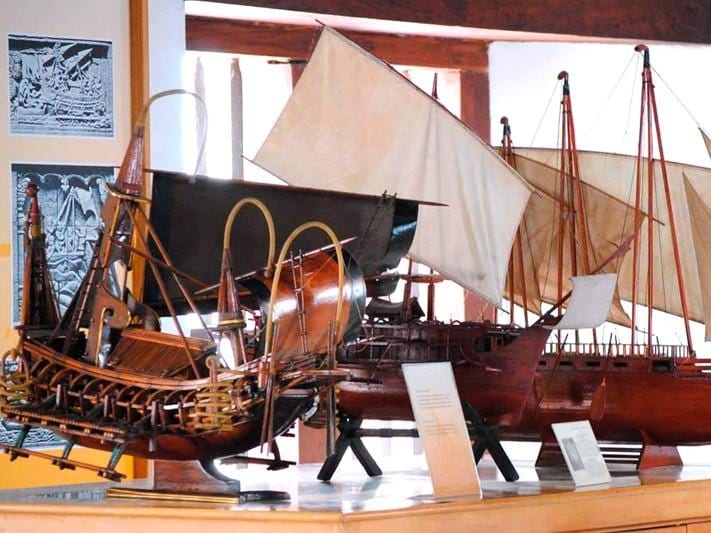
The Maritime Museum, Museum Bahari, occupies former VOC trading warehouses farther north near Sunda Kelapa. Built in stages during the seventeenth and eighteenth centuries, these structures reflect the region’s maritime and trading history. Nearby Menara Syahbandar served historic harbour-observation and customs functions.
What to See at Museum Bahari
Traditional boats, ship models, nautical tools and maritime displays introduce Indonesia’s relationship with the sea. The Indonesian Ministry of Culture’s museum registry describes the collection and museum history, while Jakarta’s official museum directory lists the museum at Jl. Pasar Ikan No.1, Penjaringan.
Menara Syahbandar and Sunda Kelapa
The historic tower helps interpret the former port environment, but tower access and the museum’s other facilities may have restrictions. A 2026 publication by the Jakarta Culture Department documents the building’s conservation significance. Maritime enthusiasts can read the story of Indonesian phinisi ships and the islands off Jakarta’s coast.
Allow Extra Time for This Extension
Museum Bahari is outside the compact Fatahillah Square museum cluster. Treat it as an extension requiring additional travel or walking time rather than assuming you can easily pop in between two short gallery visits. Confirm current admission and tower access beforehand.
Getting to and Around Jakarta Kota Tua
By KRL Commuter Rail
Jakarta Kota station is one of the most convenient arrival points for the historical centre. Follow pedestrian signage towards Fatahillah Square and allow time for crossings. The exact service route and fares depend on your starting station; check the current KRL information before departure.
By TransJakarta
The Kota terminal is served by bus routes including Corridor 1, according to Bank Indonesia’s official museum access information. Check the live TransJakarta trip planner because stops, route patterns and interchange arrangements may change. From elsewhere in Jakarta, a ride-hailing car may be convenient but traffic and pickup restrictions can make public transport preferable.
Walking and Bicycle Rentals
Fatahillah Square, the Wayang Museum, art museum and surrounding cafés form a compact cluster. Wear comfortable shoes, take drinking water and watch for slippery paving or crowded pathways. Vintage ontel bicycle rentals are part of the familiar atmosphere, but do not ride through unsafe pedestrian crowds.
Suggested Half-Day and Full-Day Routes
Half Day: Main Museum Cluster
Start at Jakarta Kota station, head to Fatahillah Square, choose the Jakarta History Museum and either the Wayang or Fine Arts and Ceramics Museum, then finish with a café break. This plan is flexible enough for those who do not want to rush through every collection.
Full Day: Add Banking and Maritime Heritage
Include Museum Mandiri and Museum Bank Indonesia earlier or later depending on operating hours. If transport and time permit, add the Maritime Museum and Menara Syahbandar as a separate port-area excursion. Several museums close on Mondays or certain holidays; verify the exact date before committing to a tightly scheduled day.
Where to Stay and What to Combine
Staying near Kota Tua can simplify early museum visits, but city-centre hotels around Bundaran HI are in another district. Compare different Jakarta hotel areas before booking. For food beyond the square, see Jakarta’s dining neighbourhoods and garden-style restaurants.
Visitor Safety and Cultural Etiquette
- Confirm schedules and ticket prices with the specific museum; do not assume all museums follow one timetable.
- Respect gallery restrictions on flash photography, tripods and video recording.
- Protect valuables in busy open squares, and book official transport or recognised ride-hailing services.
- Avoid entering restricted or unstable historic buildings; conservation work may limit access.
- Carry water and sun protection, and plan sheltered breaks in heavy rain or midday heat.
- Engage thoughtfully with colonial history; the human cost of extraction and power is part of the story.
Frequently Asked Questions
Is Kota Tua Jakarta Free to Visit?
Walking around accessible public areas of the Old Town may not require a museum ticket, but exhibitions, museums, activities and rentals can have separate entry charges.
Which Station Is Nearest to Fatahillah Square?
Jakarta Kota station is a convenient rail access point. The exact onward pedestrian route depends on station exits and temporary traffic arrangements.
Are All the Museums Open on Monday?
Many public museums close on Mondays, but schedules vary by institution and public holiday. Always consult individual operators for current arrangements.
Can I Visit Kota Tua in Half a Day?
Yes, if you focus on the Fatahillah Square cluster and choose one or two museums. The Maritime Museum extension requires more time.
Official Sources and Museum Information
- Jakarta Provincial Government — Museum Directory
- West Jakarta Government — 2025 Museum Visit
- Jakarta Government — Museum Wayang Revitalisation
- Jakarta Culture Department — Fine Arts and Ceramics Museum
- Bank Indonesia — Museum Visitor Information
- Ministry of Culture — Maritime Museum
- Café Batavia — Official Reservations and Menus
- Museum Mandiri — Official Visitor Hub
- Archived original Indonesia Travel source URL — verify modern site above
For more Jakarta travel ideas, follow iseeindonesia.com.