Lapis legit, sometimes called spekkoek or Indonesian layered spice cake, is one of the archipelago’s most recognisable baked treats. Its many thin, rich layers reflect both Indonesian adaptations and the history of Dutch colonial-era baking. An August 2016 CNN feature praised the cake, but a historic editorial mention is not a formal, timeless ‘world’s top cake’ certification. This refreshed guide explains the ingredients, demanding baking technique, regional variations and safe ways to buy and share a slice.
Related articles: 12 super tasty palembang dishes you can t miss and 10 restaurant that you must check out while in palembang.
5 Key Features
1. What is lapis legit?
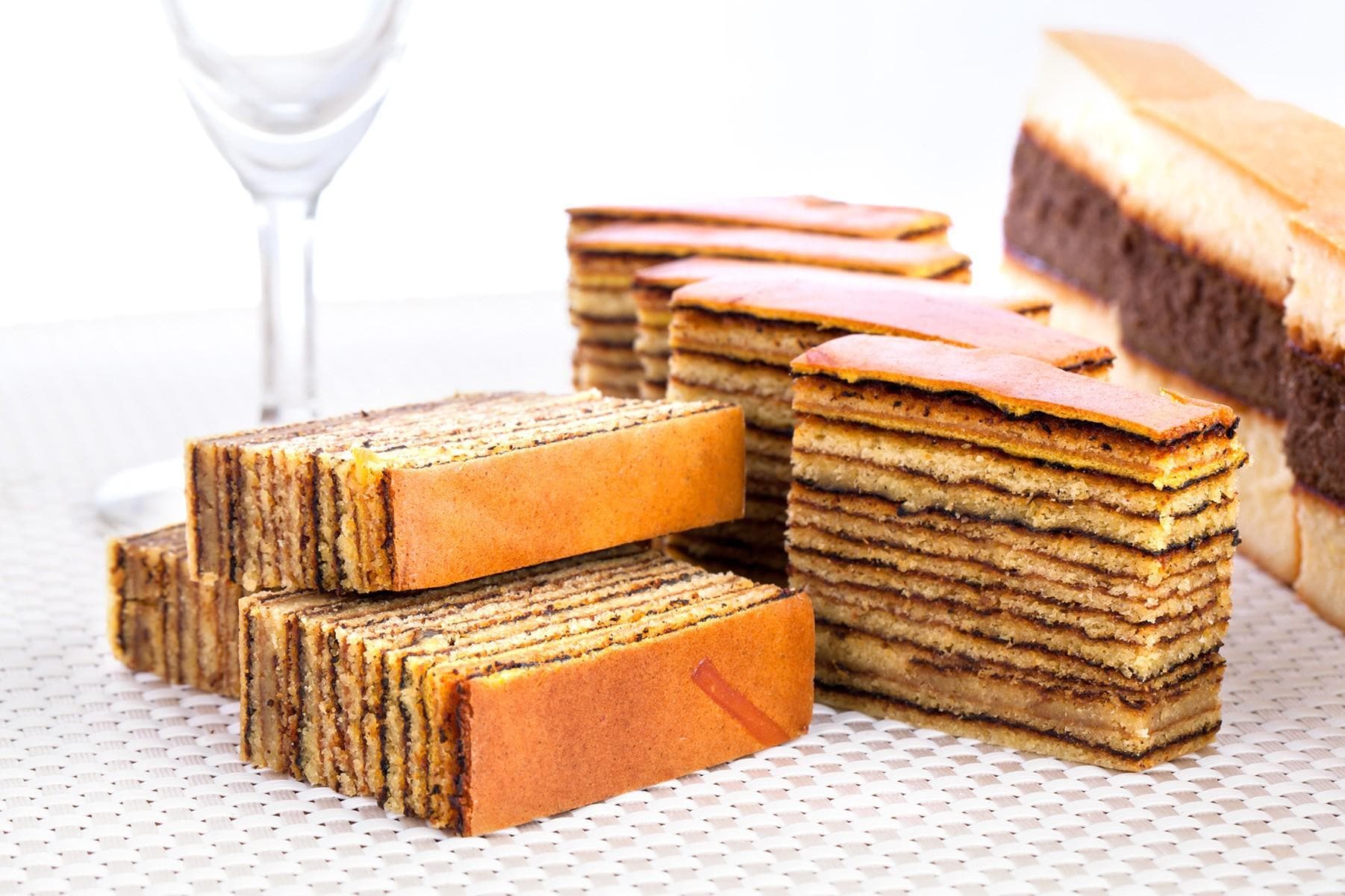
A dense, fragrant cake built from repeated thin layers of butter-and-egg batter rather than a light sponge or puff pastry.
Visitor tip
Expect a rich portion; the cake commonly contains eggs, butter or other dairy and wheat.
Explore related information: delicious satay indonesia s most famous dish.
2. Why does it have so many layers?
Traditional bakers carefully add and brown each layer before the next is poured, making timing and consistent heat especially important.
Visitor tip
The number of layers varies; a photograph alone does not prove artisan technique.
Explore related information: don t leave indonesia before you get a taste of these 12 favo.
3. Where do the spices come from?
Many versions use cinnamon, clove, cardamom or nutmeg blends, echoing historic spice-trade influences.
Visitor tip
Ask about specific spice ingredients when buying, as recipes differ among bakeries.
Explore related information: 10 iconic cuisine s that you must try on your next visit to b.
4. What are classic variations?
Plain spice, prune, cheese and other modern adaptations are encountered in Indonesian bakeries.
Visitor tip
Do not confuse a mass-produced flavoured loaf with a hand-layered traditional cake.
Explore related information: 7 delicious indonesian breakfasts you can recreate at home.
5. When is it served?
The cake often appears as a festive gift, for family gatherings or as a small sweet alongside coffee or tea.
Visitor tip
It is typically rich and sweet; smaller slices can be more enjoyable than large portions.
Explore related information: 5 popular indonesian foods you can make at home.
Detailed Background and Practical Tips
A home-baking overview
Traditional baking requires beating a butter-rich batter and browning successive thin layers, often under top heat. Accuracy is important, and baking time depends on equipment. New bakers should use a trusted tested recipe rather than improvising a high-temperature oven process from a vague description.
See also rendang minangkabau one of the world s best food s and yellow rice a fortune in a plate of rice.
Choosing a good bakery
Look for clean, even layers, a pleasant spice aroma, reliable food handling and a clearly labelled producer. Quality and price depend on ingredients and labour, not simply marketing claims about ‘authenticity’.
See also refresh your mind with these 5 famous indonesian icy desserts and 11 unique coffee s in indonesia all coffee lovers must try.
Storage, allergens and airline travel
Egg, wheat and dairy are common; fillings may add tree nuts or dried fruit. Ask about storage temperature and use-by date, especially before a long flight or a hot car trip.
See also culture and about indonesia.
Understanding the 2016 CNN reference
The earlier media mention is an archival accolade, not a current objective ranking. A responsible travel article can celebrate the cake without presenting a subjective list as a verified international award.
See also wonderful indonesia and staying safe in indonesia.
More to discover: currency.
More to discover: my search to find the best brunch spots in jakarta.
In-Depth Editorial and Visitor Guidance
A Step-by-Step View of the Layering Technique
The characteristic appearance comes from repeated small quantities of batter baked or browned in succession. Bakers aim for even colour and an integrated texture rather than thick alternating sponge layers. Egg yolks, fat, sugar, flour and spices commonly create a rich batter. Some recipes use top heat to brown each layer, but exact temperatures and timing depend heavily on the oven. If trying it at home, follow a proven tested recipe and stay near the oven rather than relying on an unverified universal cooking time.
The Cultural History of Spekkoek
The name spekkoek is associated with Dutch colonial-era culinary exchange, while the cake has become a distinctly Indonesian festive favourite. Regional bakers have adjusted spice blends, textures and presentation over generations. Acknowledging this history avoids describing the dessert as either entirely unchanged Dutch baking or a modern marketing invention. Coffee shops and family businesses may produce different versions, and the best one depends on personal preference.
How to Taste and Judge Lapis Legit
Look for thin, distinct but cohesive layers, a buttery aroma and balanced spice rather than raw batter or excessively dry edges. A careful baker should be able to explain key ingredients and safe storage. More layers do not automatically make a better cake, and a high price may reflect the time-intensive method as well as premium butter and eggs. Compare a classic spice version with one variation before deciding which you enjoy.
Buying the Cake as a Travel Gift
Lapis legit can be sensitive to heat and packaging conditions. Ask the producer about the use-by date, refrigeration requirements and whether fillings shorten shelf life. Store it securely during road or air travel, and declare any food if required by your destination country. Egg, dairy, wheat and potential nuts are important allergen concerns. A smaller authentic cake transported well is preferable to a larger one spoiled in a hot car.
Frequently Asked Questions
Are historical claims or prices still valid?
Verify the date and the responsible provider or authority. A former ranking, anecdote or marketing promise is not current evidence.
What precautions should travellers consider?
Follow safety and conservation advice, confirm permissions and be attentive to local cultural practices.