Indonesia’s tropical climate makes a chilled sweet treat welcome throughout much of the year. From fruit-filled ice to coconut-milk drinks and banana desserts, the country’s iced desserts are varied and colourful. This guide replaces the original pandemic-era ‘stay at home’ message with practical advice for travellers trying five traditional or popular chilled specialities.
Five Famous Indonesian Iced Desserts to Try
1. Sop Buah — Indonesian fruit soup
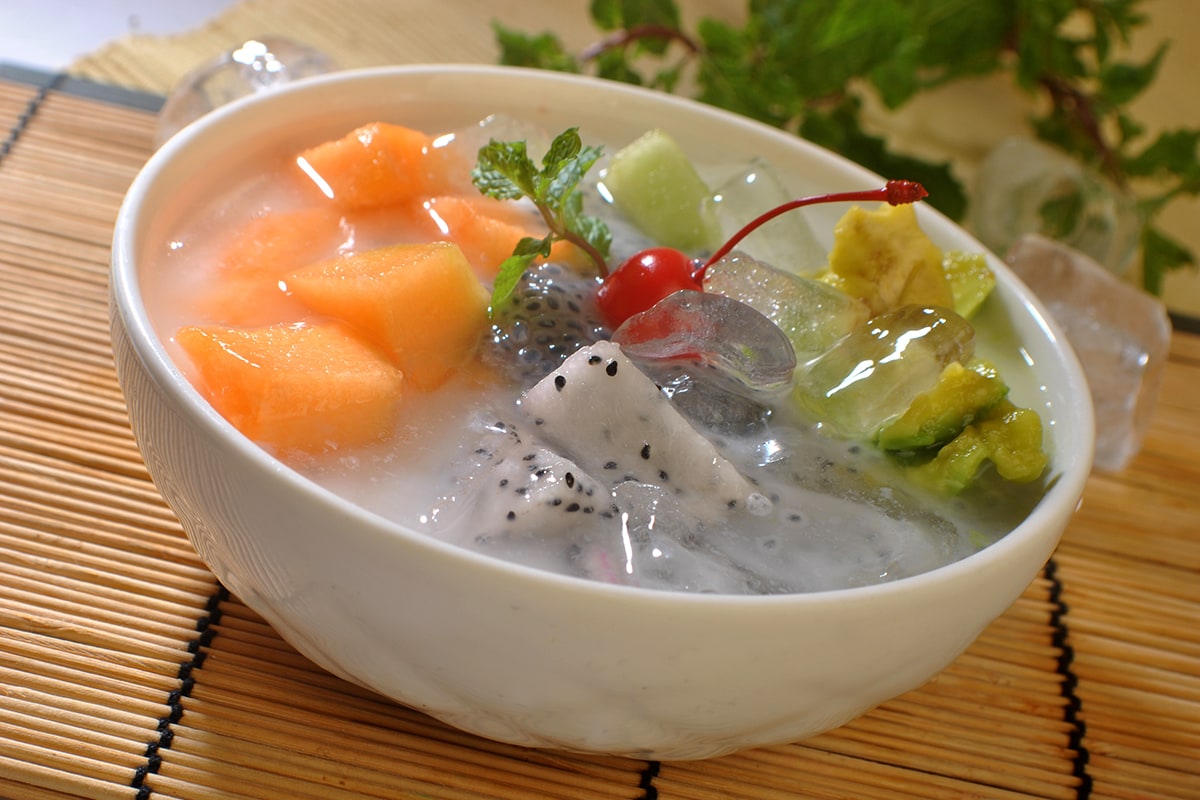
A mixed fruit dessert often combining melon, papaya, watermelon, apple or local fruit with crushed ice, milk or syrup. It is more accurately described as a refreshing mixed-fruit drink or dessert than a savoury soup. Recipes vary among vendors and families.
What visitors should know
Choose a busy, hygienic stall and check whether the fruit was freshly cut and refrigerated safely.
2. Es Doger — coconut-milk dessert
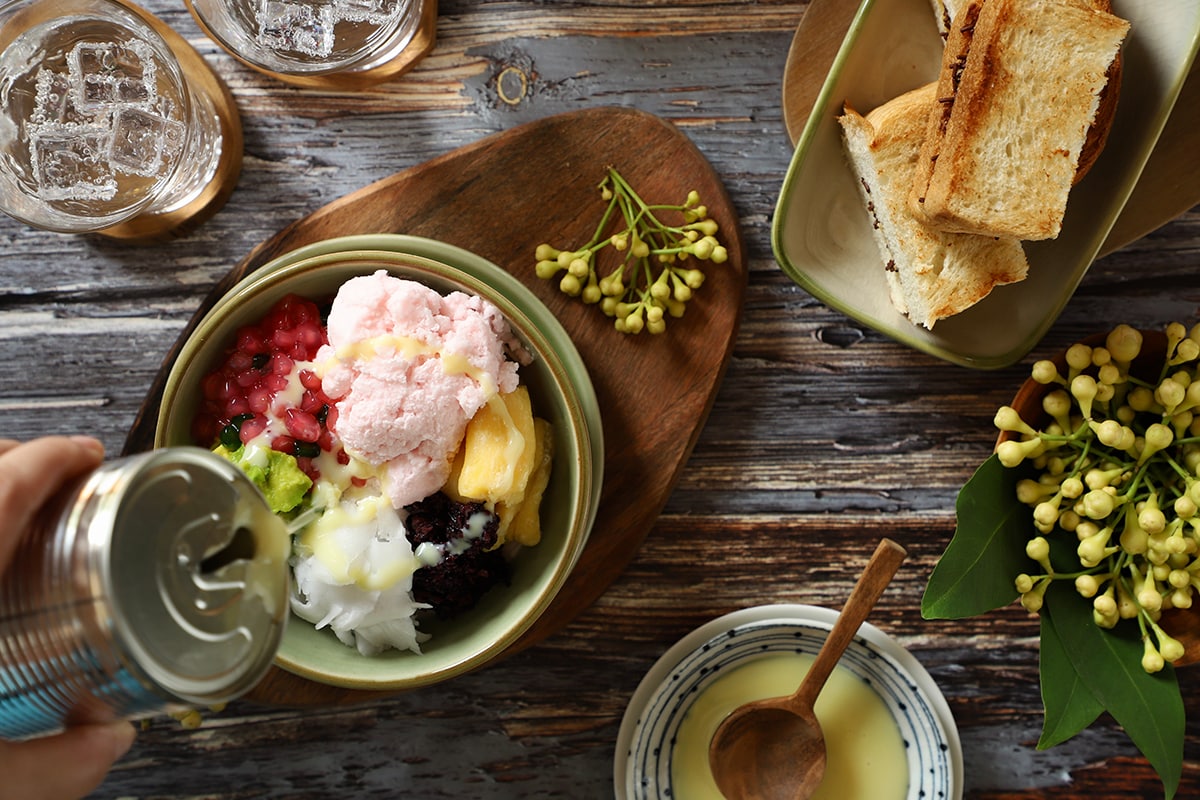
Es doger commonly features pink-tinted coconut-milk ice, fermented black sticky rice, cassava-based tape, coconut and condensed milk. It is associated with street-food carts in Java, and regional vendors alter toppings. The result is sweet, creamy and texturally varied.
What visitors should know
Ask if the mix contains fermented ingredients, dairy or peanuts and request less syrup if preferred.
3. Es Cendol — pandan jelly in sweet coconut milk
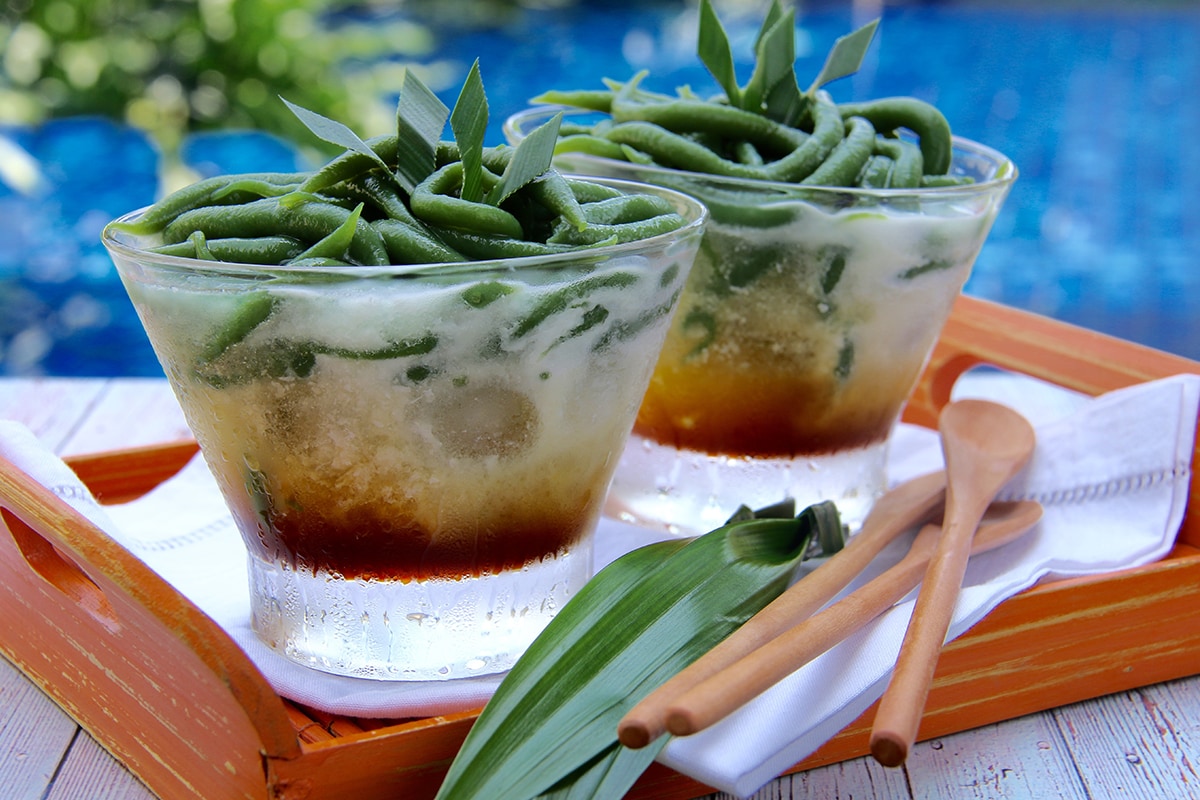
Cendol is known for short green jelly strands, often made with rice flour and pandan, served with coconut milk, palm-sugar syrup and ice. Many regions have related desserts such as dawet, with variations in the jelly base and garnishes.
What visitors should know
Choose clean ice made with potable water and confirm sweetener and dairy ingredients if needed.
4. Es Teler — tropical fruit and avocado ice
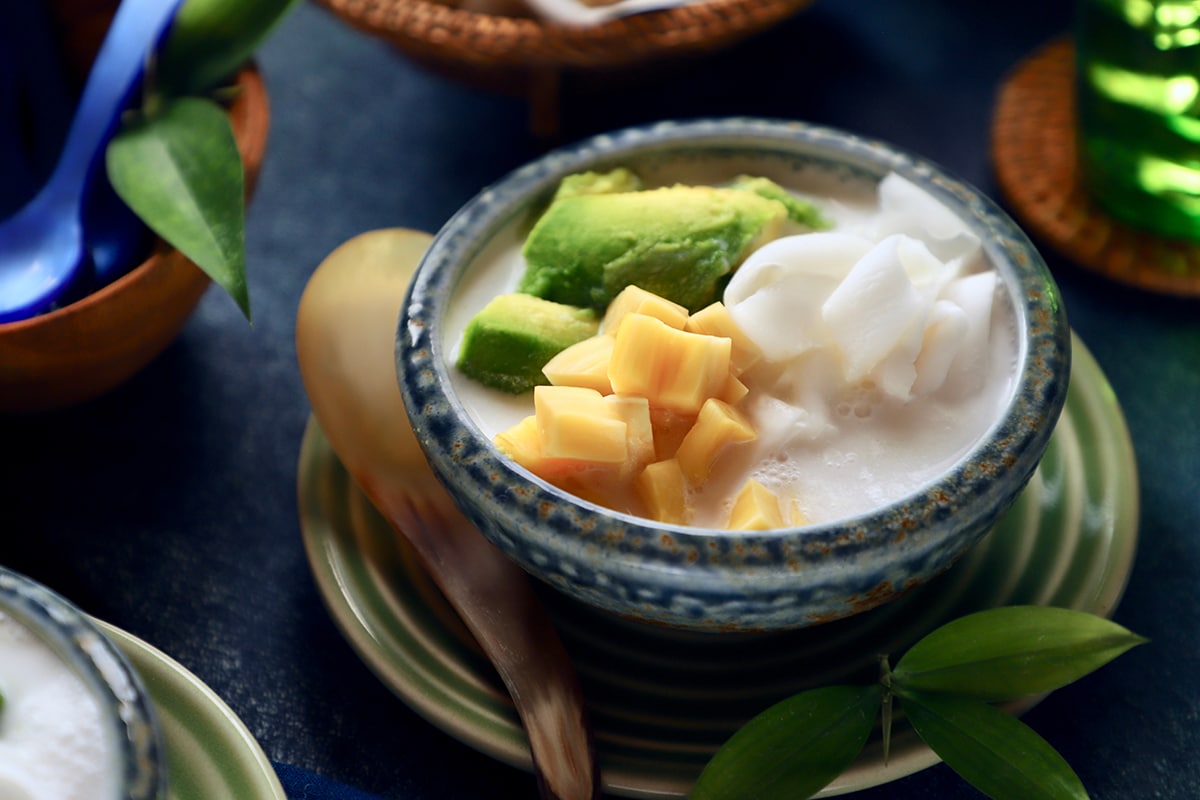
This modern classic often brings together avocado, young coconut, jackfruit, ice and a sweet milk mixture. Its name is playful, but it does not inherently contain alcohol. Individual shops may customise the toppings.
What visitors should know
Check for milk, coconut and fruit allergies. Avocado and jackfruit textures are central to the dish.
5. Es Palu Butung — South Sulawesi banana dessert
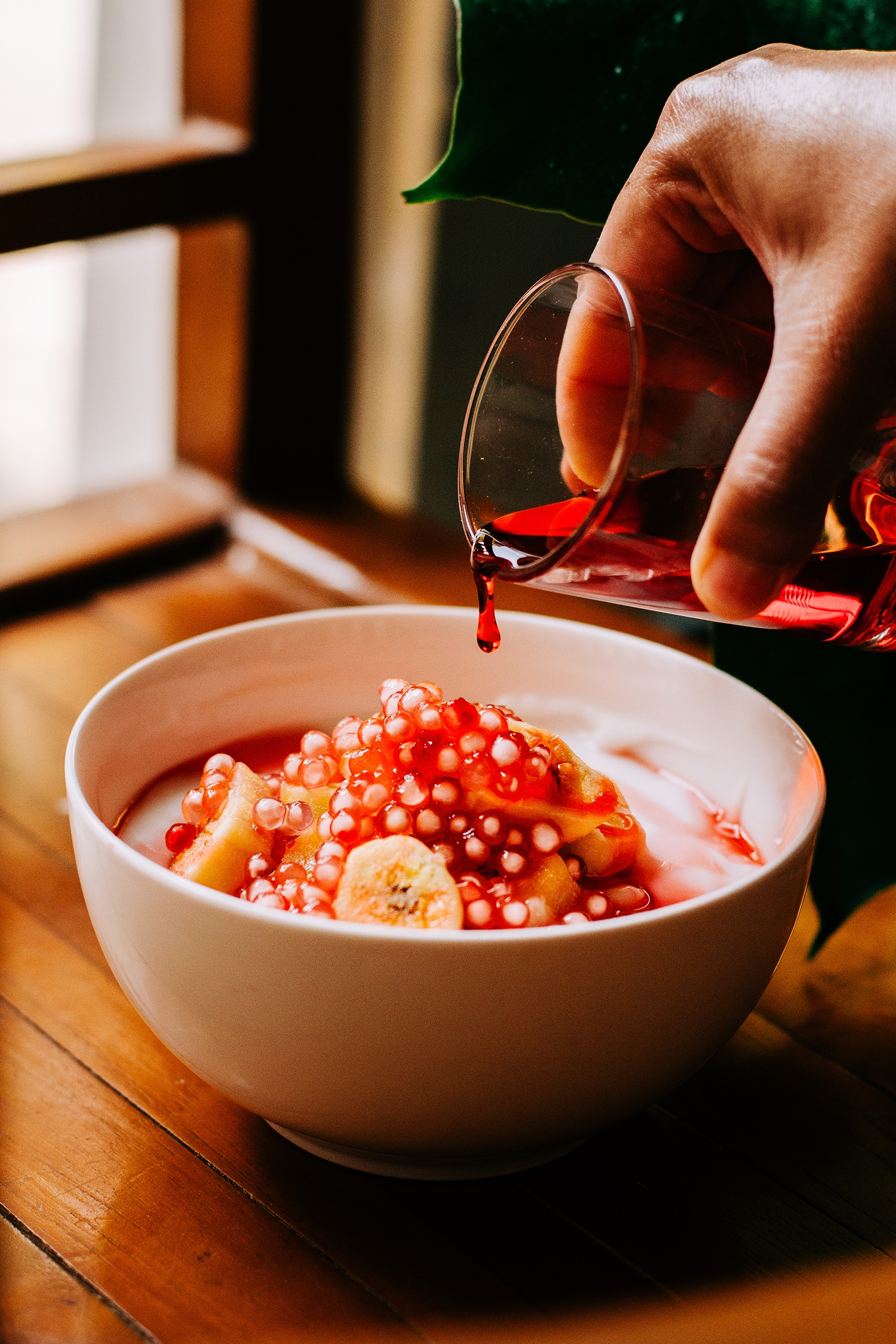
A well-known Makassar-area dessert using cooked banana pieces, a smooth sweet flour-and-coconut or milk mixture, syrup and crushed ice. The banana and custard-like sauce make it different from fruit soup or cendol.
What visitors should know
Ask whether the base includes dairy, coconut milk or wheat/rice flour and choose freshly prepared banana.
Regional culture and food context
Understanding the food begins with Indonesia’s cultural diversity and the islands and regions that shape its recipes. Across the archipelago, ingredients and serving traditions vary by community, season and household; a famous dish name is not a promise of one identical recipe.
How to find a good place to eat
Browse regional Indonesian cuisine and more traditional dish ideas for dishes to compare. Before ordering, check the menu for ingredients and request an explanation of local sauces and condiments.
Planning meals during your trip
Our guides to Indonesian breakfast, Jakarta’s regional dining options and additional traditional cuisine can help build a varied itinerary. Seek busy stalls that prepare ingredients safely, but don’t equate popularity alone with hygiene.
Food safety, allergies and dietary considerations
Talk to the cook about ingredients
Travellers with allergies, halal preferences or vegetarian requirements should ask about broths, sauces, animal products, peanuts, fish paste and cross-contact. Explore regional flavours and spice traditions and other Indonesian snacks for inspiration rather than assuming every dish has the same ingredients.
Keep street-food visits safe
Fresh cooking, protected ingredients, potable water and sensible food storage are important. Especially for seafood, chilled desserts and uncooked toppings, avoid stalls where food is exposed to contamination or held at unsafe temperatures. See Indonesia travel safety advice and use our rupiah and payments guide before shopping at small stands.
Practical itinerary ideas
Try more than one regional style
Sample one traditional speciality and one contemporary version where available. Compare different local restaurants and Indonesia’s café and drink traditions across regions without treating any single outlet as the definitive source.
Where to go next
For additional food experiences, discover Indonesian culinary travel ideas, the wider Indonesia guide, different dietary-friendly venues and related local destinations. Plan realistic travel times if you want to try cuisine from more than one island.
Frequently asked questions
Are the ingredients the same across Indonesia?
No. Regional and household recipes vary substantially. Always check the specific vendor’s preparation.
Can travellers with food allergies try local specialities?
Often, but communicate exact allergens clearly and avoid meals if staff cannot verify ingredients or cross-contact risks.
What should I budget?
Street-stall portions and restaurant menus differ widely, and rates can change. Check the local menu before ordering and pay in Indonesian rupiah.