The Batak Museum at the TB Silalahi Center is an important cultural stop near Lake Toba in North Sumatra. Its exhibitions introduce visitors to the art, daily life, architecture and customs of communities whose traditions continue beyond museum walls. Visiting with curiosity can transform a scenic trip into a more meaningful cultural encounter.
This practical guide explains what to expect, where the complex is located, why its collections matter and how to plan a respectful visit. To build a broader regional itinerary, read Lake Toba dishes and North Sumatra ecotourism.
Guide to the Batak Museum and TB Silalahi Center
1. What Is the TB Silalahi Center?

The TB Silalahi Center is a cultural and museum complex in the Balige area near the southern shore of Lake Toba, North Sumatra. It was established in connection with T. B. Silalahi and is dedicated to collecting, interpreting and preserving Batak cultural heritage. It offers a focused cultural stop on an otherwise landscape-oriented Lake Toba journey. For further context, see traditional Indonesian houses and Indonesian fabric traditions.
Tips for International Visitors
The museum is associated with different Batak communities, not a single homogeneous identity. Seek explanations that distinguish Toba, Simalungun, Karo, Pakpak and other regional traditions.
2. What Can You See at the Batak Museum?
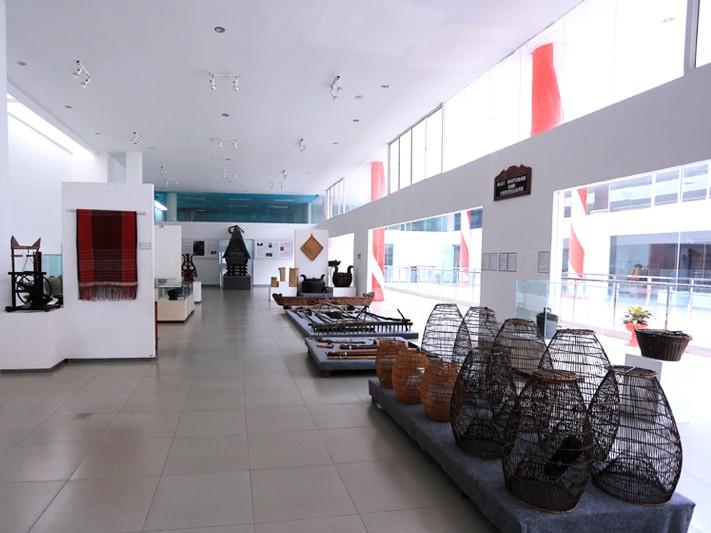
The museum introduces material culture, traditional crafts, architecture and historical narratives. Textile designs and decorative carvings can provide a starting point for understanding the links between objects and customs. Collection displays may change with exhibitions or maintenance. For further context, see weaving villages and cultural journeys.
Tips for International Visitors
Allow time to read exhibit interpretation and consider a guide if English descriptions are limited. Do not touch fragile items or use flash photography without permission.
3. Why Batak Houses and Ulos Matter
Traditional Batak houses use distinctive roof forms and carved decorations; ulos textiles carry meanings in social events and ceremonies. A display of these objects is a useful beginning, but living traditions are best understood through community voices. For further context, see Medan heritage landmarks and Medan dining context.
Tips for International Visitors
Ask artisans about weaving methods and motif meaning rather than assuming all cloth is interchangeable. Avoid purchasing textiles of unclear provenance.
4. How the Museum Connects with Lake Toba
The Balige area sits within the Lake Toba tourism landscape. A visit to the museum can complement cultural sites around Samosir, scenic lake viewpoints and community workshops. These attractions are spread out, so avoid trying to visit everything in one afternoon. For further context, see rural tourism and Lake Toba accommodations.
Tips for International Visitors
Plan road and ferry journeys separately. Boat schedules and lake weather vary, and driving around the caldera can take considerable time.
5. Visiting Hours, Tickets and Location
The official Indonesia Travel destination page currently lists Tuesday–Friday 08.00–17.00 WIB and weekends or public holidays 08.00–18.00 WIB, with Monday closure and a published ticket price of IDR 10,000. These are informational listings, not guaranteed live availability. For further context, see Lake Toba airport transfers and Sumatra’s geologic heritage.
Tips for International Visitors
Confirm operating hours, prices and exhibition access directly before travelling, especially around public holidays. Use a precise navigation pin for the complex near Balige.
6. A Respectful Cultural Visit
A museum can preserve artifacts, but it cannot represent every Batak experience or speak for all communities. Responsible travelers respect different religious and social practices, acknowledge who produced displayed objects and avoid stereotyping local residents. For further context, see Indonesian craft centers and responsible nature travel.
Tips for International Visitors
Combine the museum with an authorized community-led visit or craft activity. Do not photograph private ceremonies or people without their consent.
Planning Lake Toba beyond the Museum
Choose a Practical Base near Balige
Accommodation and road conditions affect whether you can visit the museum en route to Samosir or as a separate half-day activity. Check travel times with your driver and allow extra time after rain. Consider Sumatran conservation for environmental context.
Interpretation and Local Guides
Local guides can help explain the differences between Batak communities, and make the visit more informative than reading isolated exhibit labels. Ask about the guide’s experience and pay fairly. Wider museum itineraries in other regions appear in Java’s cultural museums and UNESCO-listed traditions.
How to Get More from a Batak Museum Visit
Look beyond the Objects
A textile, carved wooden panel or household implement may have a practical role as well as symbolic value. Rather than recording only its name, ask when it was used, who made it and whether the technique survives among contemporary artisans. Museum displays often compress centuries of cultural change into a limited space. A knowledgeable guide can help distinguish historical practices from traditions that continue in different forms today.
Understanding the Diversity of Batak Communities
Batak is a broad designation for several communities in North Sumatra with distinct languages, artistic practices and histories. It is not accurate to treat every motif, form of architecture or celebration as identical throughout the region. When reading an exhibit label, note which community and period it describes. This is especially important when comparing ulos textiles, traditional houses and ceremonial objects that can have different meanings in different places.
Combine Museum Learning with a Community Visit
After visiting the complex, consider a locally guided introduction to Balige or a wider Lake Toba itinerary. A craft workshop or cultural conversation can reveal how people use heritage in contemporary life. Such activities should take place only when the hosts welcome guests. Support local artisans directly if you purchase a textile, and ask before taking pictures of people or sacred spaces.
Accessibility and Timing
Museum buildings and nearby scenic grounds may involve stairs, uneven paths or different entrance areas. Travelers using mobility aids or visiting with young children should contact staff about accessible routes before arrival. Plan to spend enough time inside to understand the displays, then leave a separate block for lakeside sightseeing. Traffic and lake crossings can make transfers longer than they appear on a map.
Frequently Asked Questions
Is the Batak Museum on Samosir Island?
No. The TB Silalahi Center is in the Balige area on the southern side of Lake Toba.
Is it open on Mondays?
The official tourism listing says Monday is closed, but verify current operating days before visiting.
Can I photograph the collections?
Follow museum signs and staff directions; some items or areas may have photography restrictions.
Official Sources and References
Indonesia Travel: Museum Batak visitor details; Official Lake Toba museum guide.
Learn more about Indonesia’s heritage at iseeindonesia.com.