Indonesian cuisine varies widely across islands and communities, from the rich spices of West Sumatra to Javanese sweet-savory dishes and Balinese seafood. Rather than suggesting that every regional specialty tastes or is prepared the same everywhere, this guide explains ten dishes, their cultural connections and practical considerations for international visitors.
10 Must-Try Indonesian Foods: Regional Dishes and Travel Guide
1. Rendang from the Minangkabau Tradition
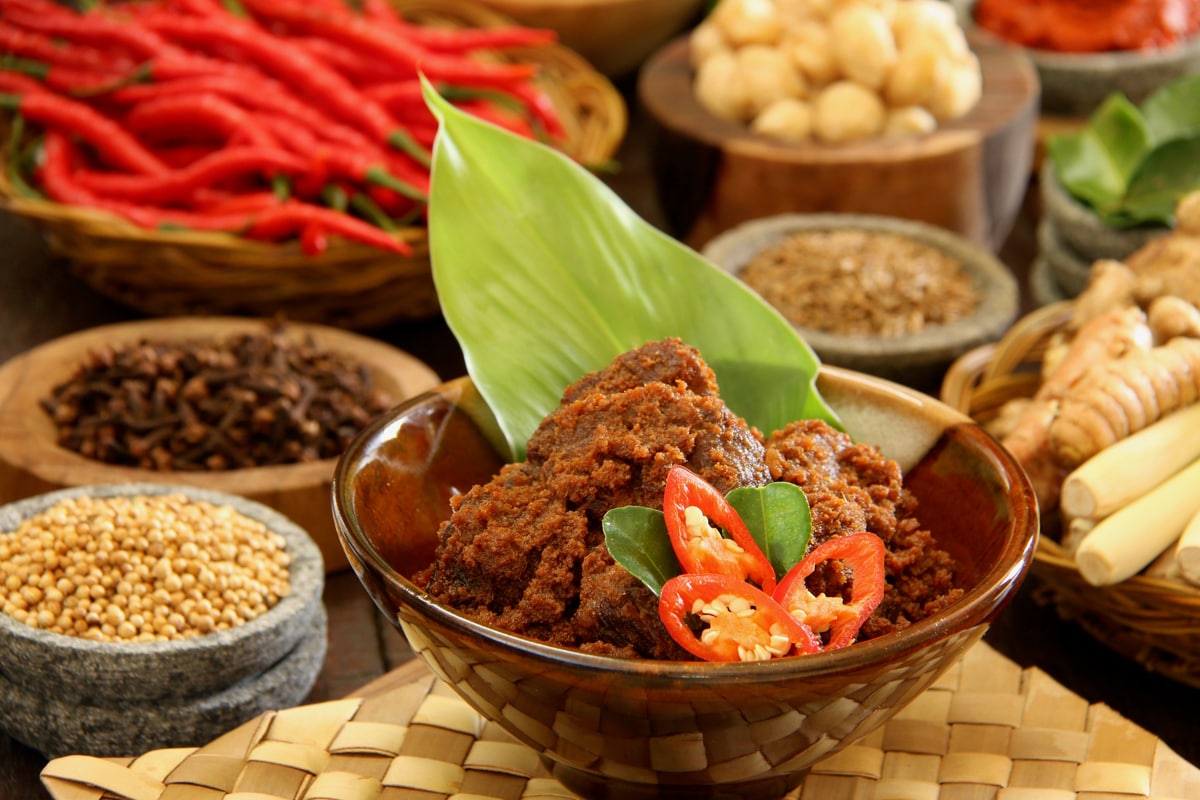
Rendang is associated with the Minangkabau people of West Sumatra. Beef is slowly cooked in coconut milk and an aromatic spice mixture until the sauce reduces and flavors deepen. Recipes vary by household and occasion. Explore related stories through rendang minangkabau one of the world s best food s and 12 super tasty palembang dishes you can t miss.
Visitor and Food Safety Tips
Ask about spice level and coconut allergies. Rendang is often prepared with beef but menus can offer other proteins.
2. Pempek from Palembang
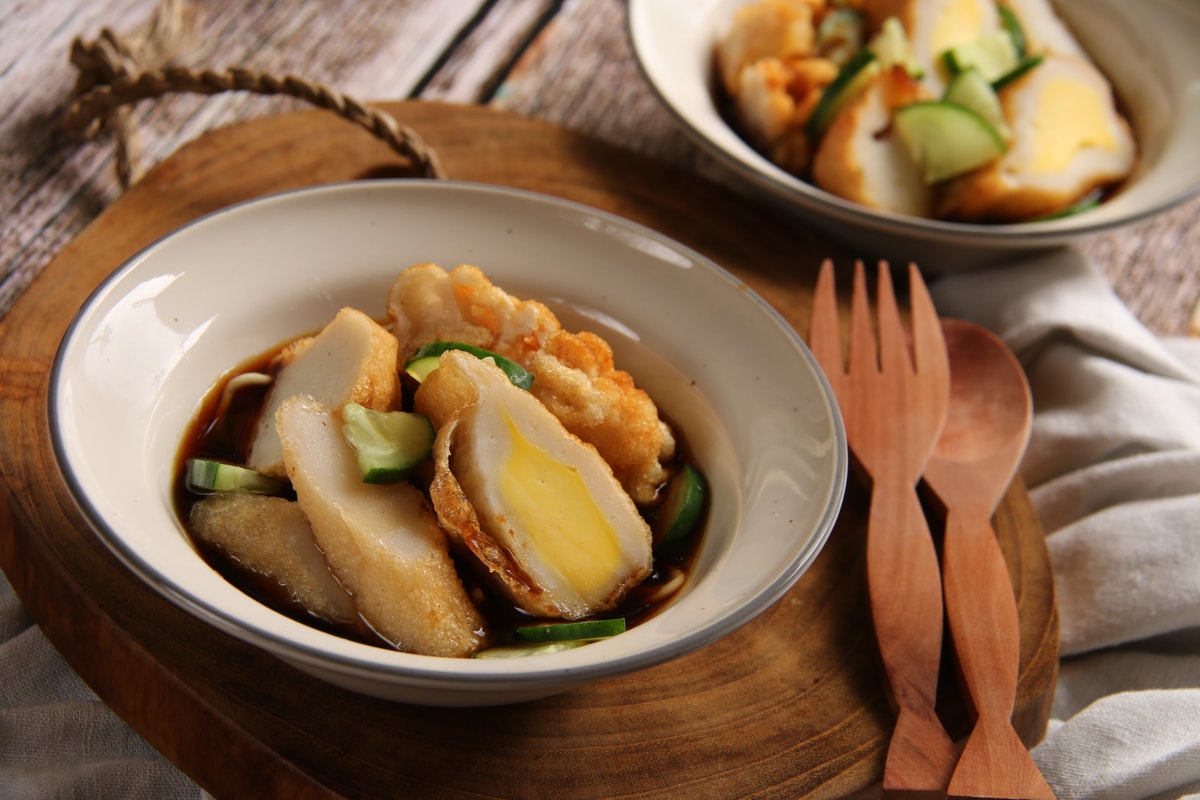
Pempek is a fish-and-tapioca preparation traditionally served with a tangy sweet-sour sauce called cuko. Styles include filled and unfilled cakes. Explore related stories through 10 restaurant that you must check out while in palembang and best indonesian restaurants in jakarta.
Visitor and Food Safety Tips
Contains fish and may contain egg; check allergens and sauce ingredients.
3. Ketoprak in Jakarta
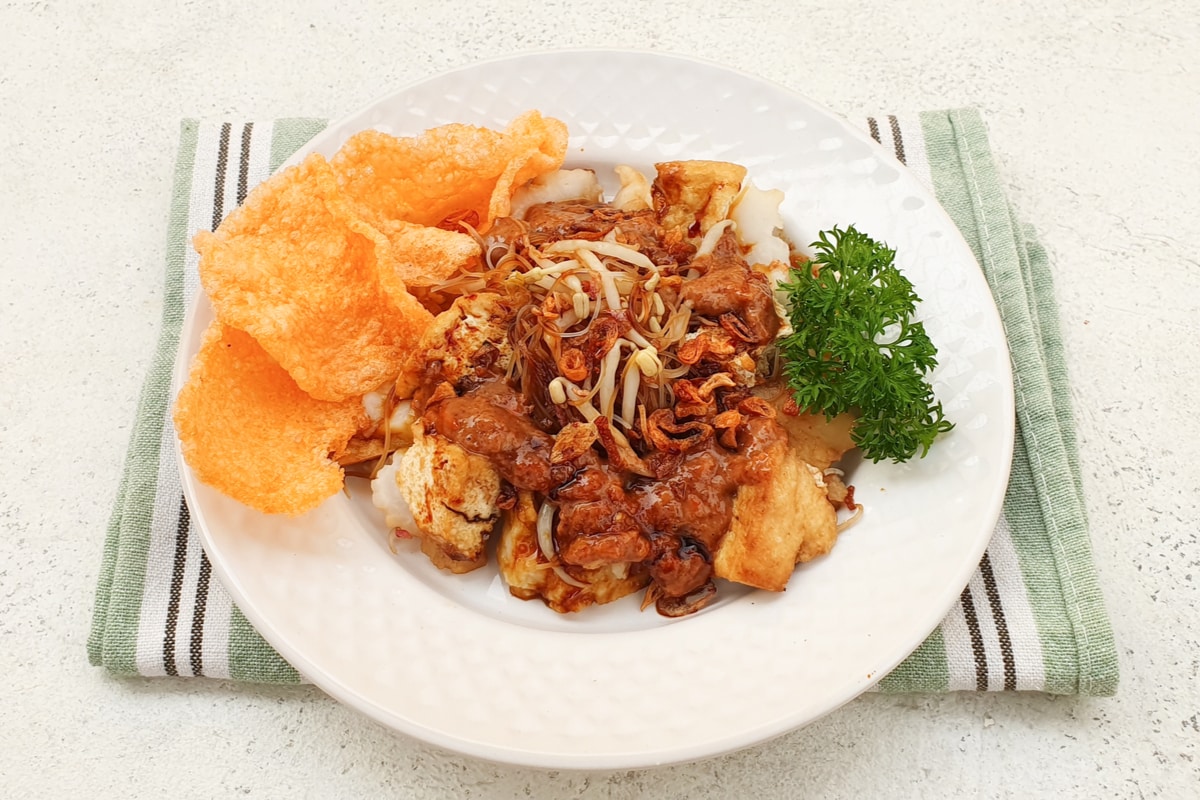
Ketoprak is a Jakarta-associated street-food dish with tofu, rice cake, vermicelli and peanut sauce, often served with crackers. Explore related stories through 11 indonesian speciality restaurant s to taste before you leave jakarta and 10 tasty halal food you must find in medan.
Visitor and Food Safety Tips
Check peanuts, garlic, soy and possible animal ingredients in crackers or sauce if you have restrictions.
4. Siomay Bandung
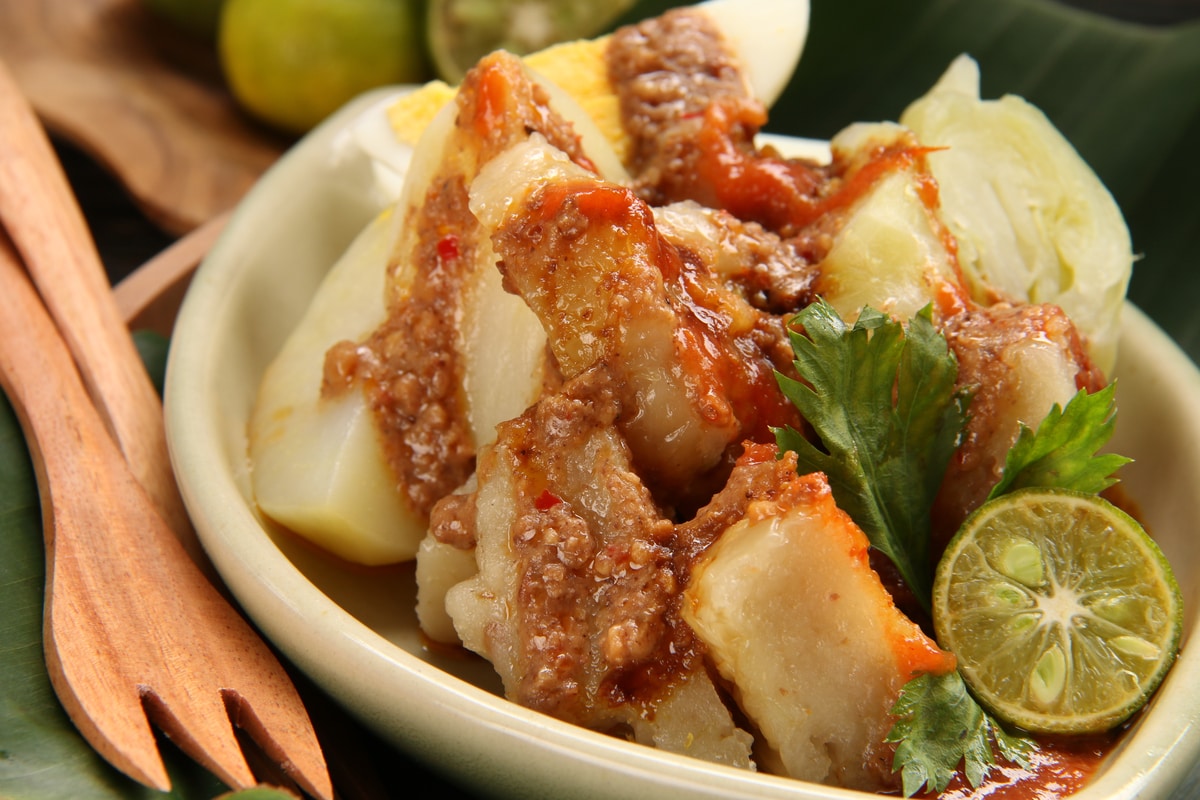
Siomay Bandung often combines steamed fish dumplings with vegetables, egg and peanut sauce. It is related to but distinctive from other Southeast Asian dumplings. Explore related stories through 7 local food s around lake toba that you should not miss and lombok s delicious halal cuisine.
Visitor and Food Safety Tips
Watch fish, peanut and egg allergies. Ask for less chili if needed.
5. Gudeg from Yogyakarta
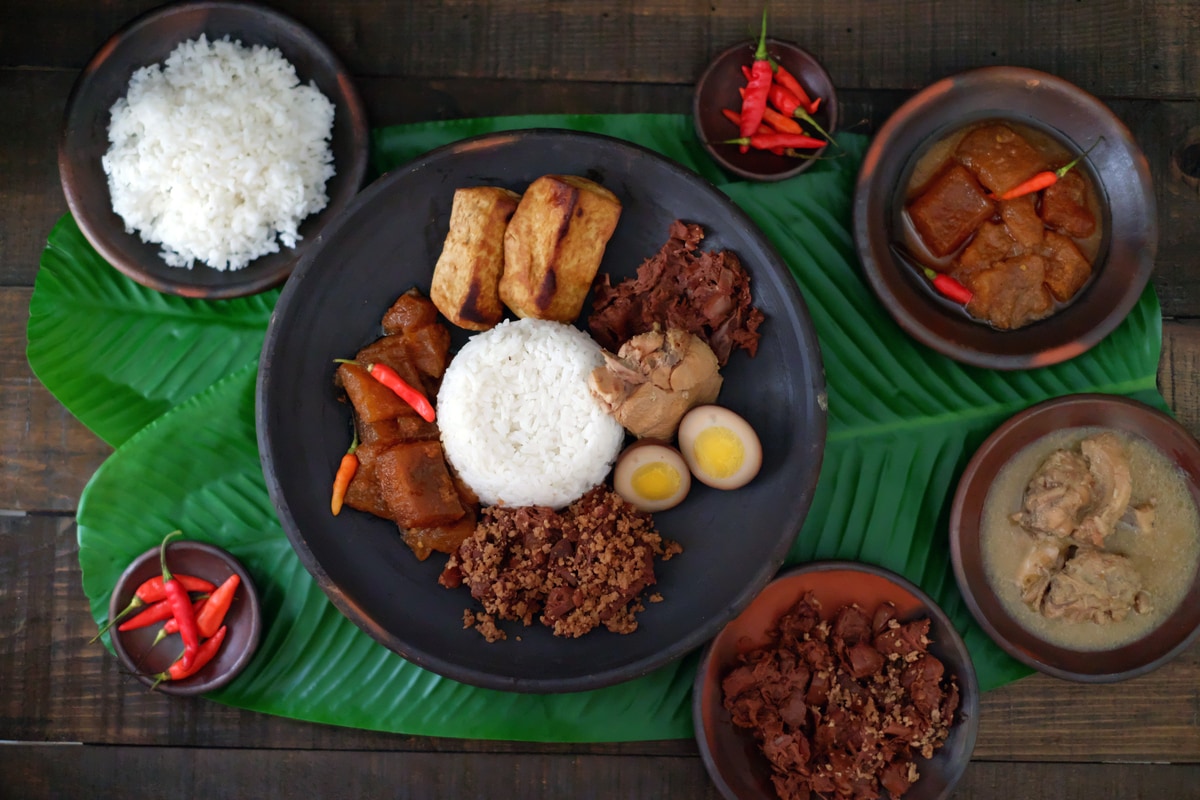
Gudeg is young jackfruit simmered with coconut milk and aromatics, producing a characteristic sweet profile. It may be served with chicken, eggs or spicy beef-skin stew. Explore related stories through vegetarian restaurants in indonesia and 5 vegetarian restaurants in bali that you may not have heard of.
Visitor and Food Safety Tips
The jackfruit itself is plant-based, but a complete gudeg plate may not be vegetarian.
6. Nasi Liwet Solo
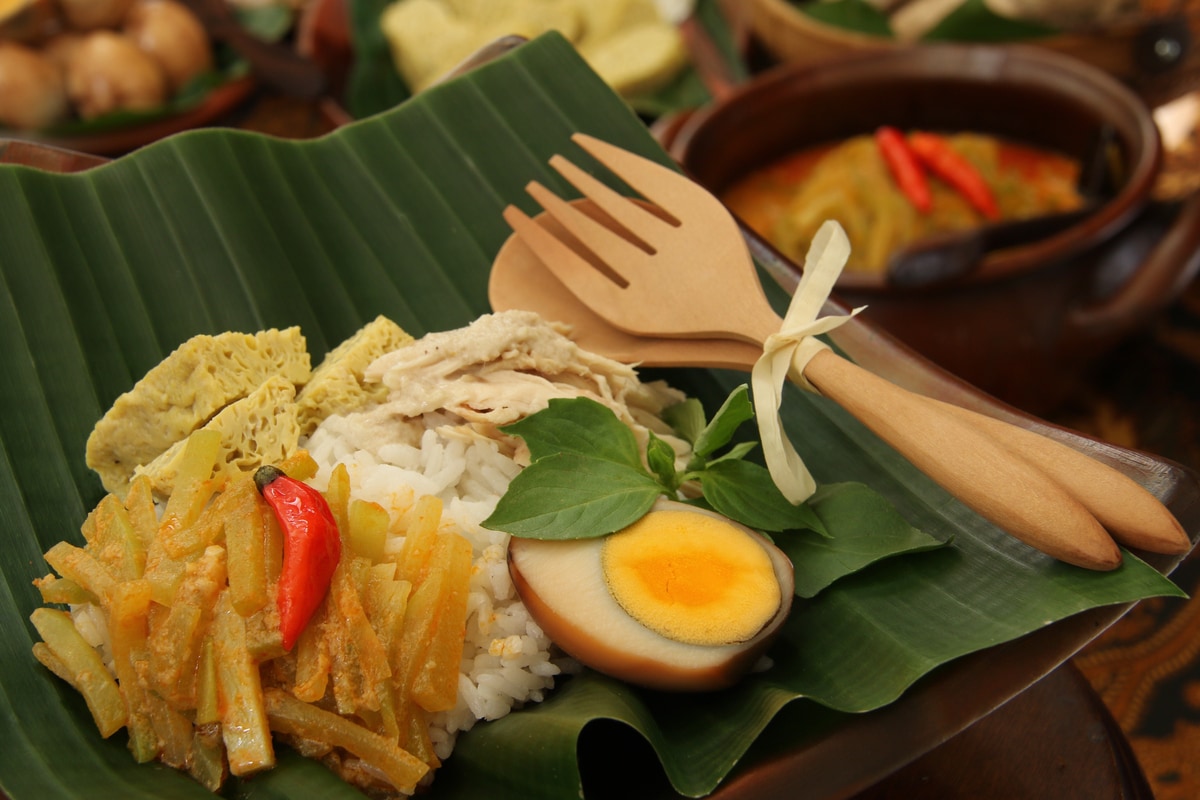
Surakarta’s nasi liwet features aromatic rice served with coconut-milk elements and savory accompaniments. It differs from other dishes also named nasi liwet. Explore related stories through 5 popular indonesian foods you can make at home and 7 delicious indonesian breakfasts you can recreate at home.
Visitor and Food Safety Tips
Check chicken broth, eggs and toppings before ordering a vegetarian version.
7. Lumpia Semarang

Semarang-style spring rolls reflect the city’s Chinese-Indonesian culinary heritage. Fillings commonly combine bamboo shoots and other ingredients, with differing fried and fresh preparations. Explore related stories through enjoy these 5 indonesian traditional snacks while stay at home and these 8 healthy herbal drinks from indonesia will keep you warm while stay at home.
Visitor and Food Safety Tips
Confirm shrimp, egg and pork content. Food stalls can have variable hygiene practices.
8. Rawon from East Java
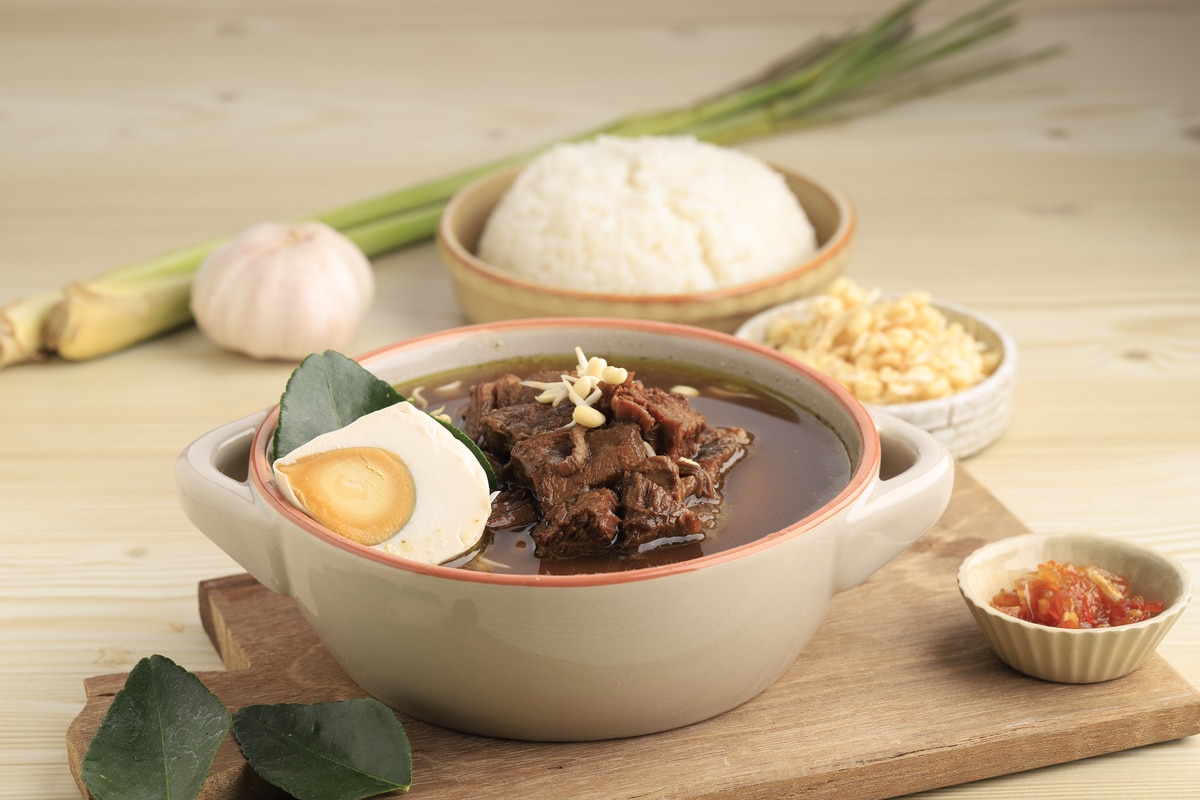
Rawon is a dark broth associated with kluwek or keluak nuts and beef. The nut contributes distinctive color and flavor when properly processed. Explore related stories through 11 unique coffee s in indonesia all coffee lovers must try and 7 bucket worthy ideas for the best cultural trip in indonesia.
Visitor and Food Safety Tips
Do not attempt to prepare raw, untreated kluwek yourself; follow established food-safe methods.
9. Bakso from Malang and Across Indonesia
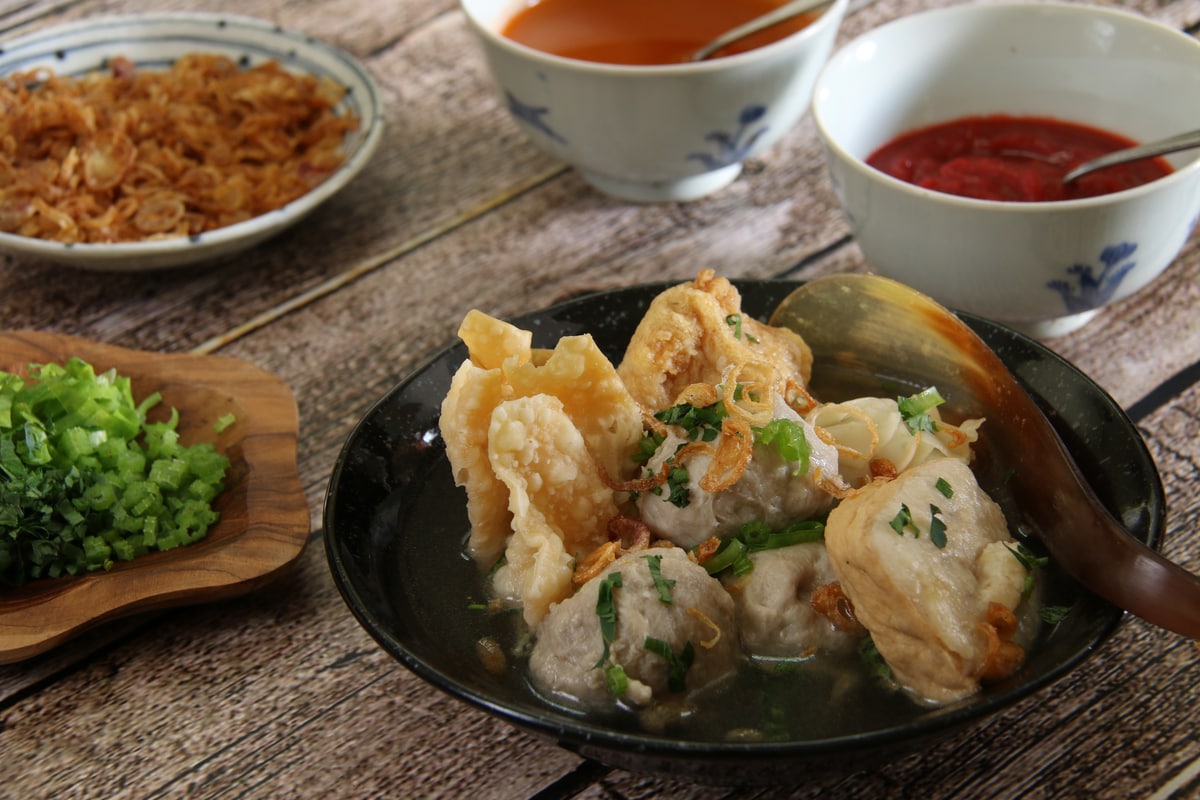
Bakso meatballs are popular nationally, with Malang known for versions featuring noodles, fried wontons and assorted toppings.
Visitor and Food Safety Tips
Ask about beef, chicken or other meat, and beware of allergies in broth or fried components.
10. Satay Lilit from Bali
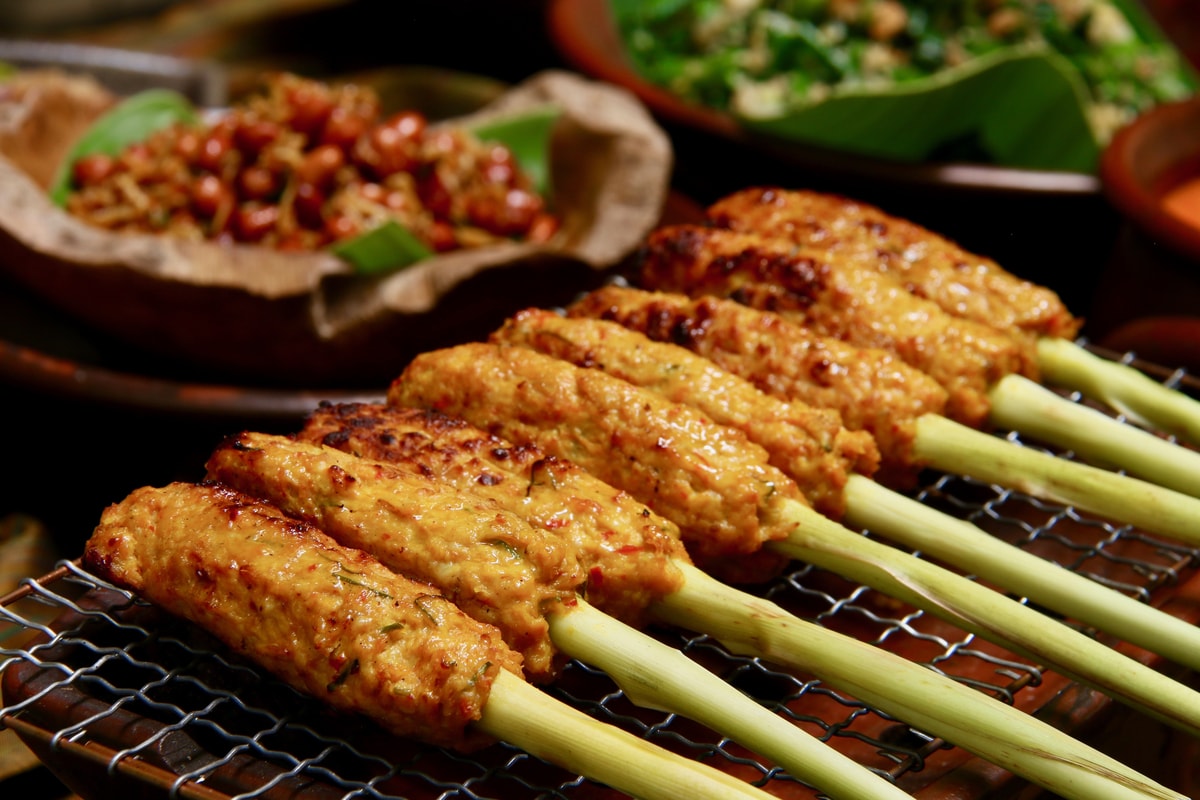
Satay lilit uses seasoned minced meat or fish wrapped around lemongrass or bamboo and grilled. Preparations differ by region and religion.
Visitor and Food Safety Tips
Ask about seafood allergens and whether the version uses pork or fish.
How to Experience These Traditions Responsibly
Culture beyond Social Media
Not every event, restaurant or regional dish is available on a fixed schedule. Ask local providers for current information and consider community-run experiences when possible. Additional reading: .
Safety, Access and Planning
Respect local people, cultural boundaries and practical restrictions. Allow adequate travel time between regions and follow current public notices. Find other perspectives in .
How to Build a Regional Indonesian Food Itinerary
Choose Dishes by Region, Not One Generic Menu
Rendang is closely associated with Minangkabau cooking, gudeg with Yogyakarta and its surroundings, and rawon with East Java. Regional food cultures often overlap and evolve through travel, so individual recipes are not identical even within one city. A good culinary trip might focus on Padang, Palembang, Java or Bali rather than insisting on finding every dish in a single restaurant. Food markets and family-run kitchens can offer excellent learning opportunities when hygiene standards are suitable.
Know Common Allergens and Hidden Ingredients
Peanut sauces are common in ketoprak and siomay, seafood appears in pempek or satay lilit, and coconut milk features in numerous soups and curries. Vegetable-forward dishes may use terasi shrimp paste, fish sauce, eggs or animal stock. Travelers with allergies or vegan, vegetarian and halal needs should ask about the actual recipe and shared cooking surfaces. Menu labels can be imprecise, especially when a vendor adapts a traditional dish for a tourist market.
Street Food Safety for International Visitors
Choose food cooked thoroughly and served hot, observe cleanliness of preparation areas and favor reliable drinking water. Fresh salads or ice-based drinks require attention to washing and water sources. A busy street stall can be promising but popularity does not guarantee safe temperatures or storage. Raw or poorly processed ingredients can carry risks. If you have a compromised immune system or are pregnant, seek suitable advice on foods to avoid rather than copying a social-media food challenge.
How to Order More Confidently
Useful phrases include ‘tidak pedas’ for not spicy, ‘tanpa kacang’ for without peanuts and ‘tanpa terasi’ for without shrimp paste. Ask ‘Apakah pakai daging babi?’ if you need to know whether pork is used. Confirm pricing when ordering seafood by weight and check whether rice, condiments or drinks are included. Try small portions from different vendors and be respectful of regional culinary traditions even when a flavor is unfamiliar.
Frequently Asked Questions
Are all experiences available year-round?
No. Local festivals, kitchens and cultural programs differ by region and season. Confirm their current availability.
What should visitors ask before participating?
Ask about permissions, dietary requirements if relevant, pricing, appropriate clothing and respectful photography.
Authoritative External References
Indonesia Travel culinary guide; World Health Organization food-safety guidance.
Originally posted 2023-09-05 17:43:54.