Indonesia’s warming drinks showcase spices, aromatic leaves, coconut milk and traditions from Sumatra, Java, Sulawesi and beyond. These beverages can be delicious, but earlier claims that herbal mixtures ‘boost immunity’ or prevent infections should not be overstated. The World Health Organization says that ginger, herbal teas and similar drinks have not been proven to prevent or cure COVID-19.
8 Indonesian Herbal Drinks: Ingredients, Traditions and Recipes
1. Teh Talua (Egg Tea)

A classic West Sumatran drink combining brewed tea, egg and sweetness. Preparation varies, and some versions may use minimally cooked egg. For a broader perspective, consider 6 traditional indonesian herbal drinks that can boost your immune and other Indonesian herbal drink traditions.
Traveler Advice
Use properly handled or pasteurized eggs when possible; pregnant or immunocompromised visitors should avoid raw-egg drinks.
2. Wedang Uwuh
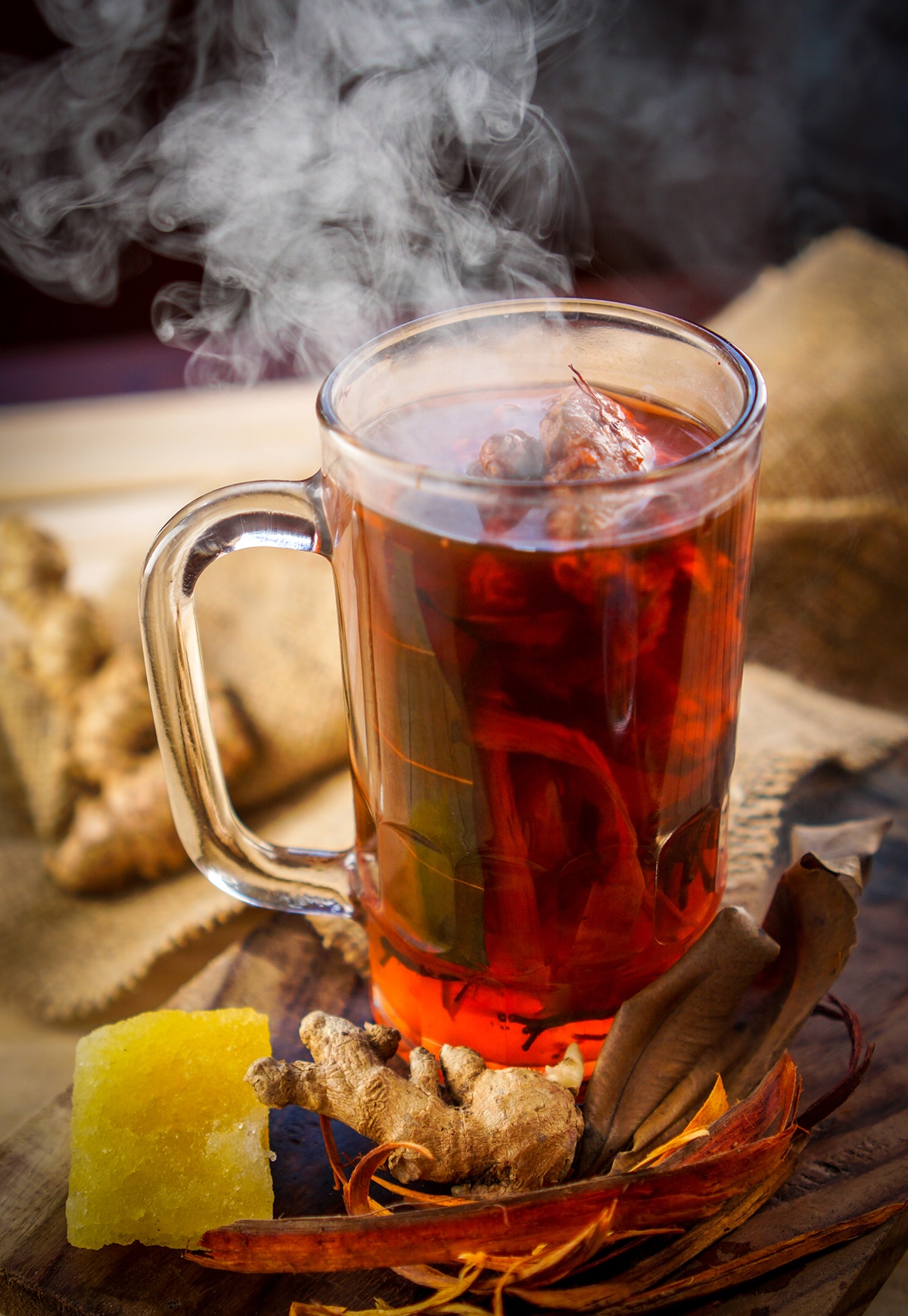
A fragrant Yogyakarta-area drink with ginger, cloves, cinnamon-like spices and wood or leaves used for their aroma and color. For a broader perspective, consider 5 popular indonesian foods you can make at home and 7 delicious indonesian breakfasts you can recreate at home.
Traveler Advice
Buy food-safe ingredients and do not assume every botanical sold as a herb is safe to consume.
3. Bajigur
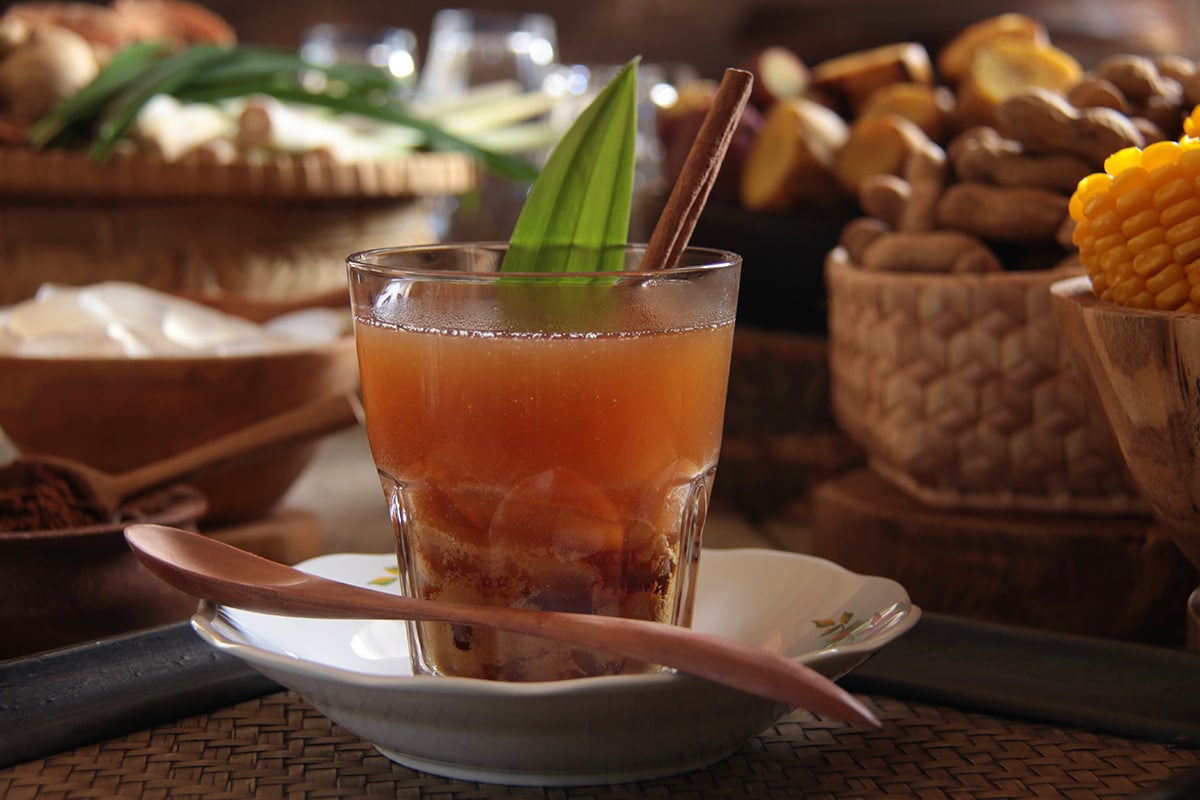
A comforting Sundanese drink often based on coconut milk, palm sugar and ginger, with regional variations. For a broader perspective, consider 11 unique coffee s in indonesia all coffee lovers must try and the ultimate guide to must try indonesian food.
Traveler Advice
Check for milk or coconut allergies and use hygienically stored ingredients.
4. Sarabba
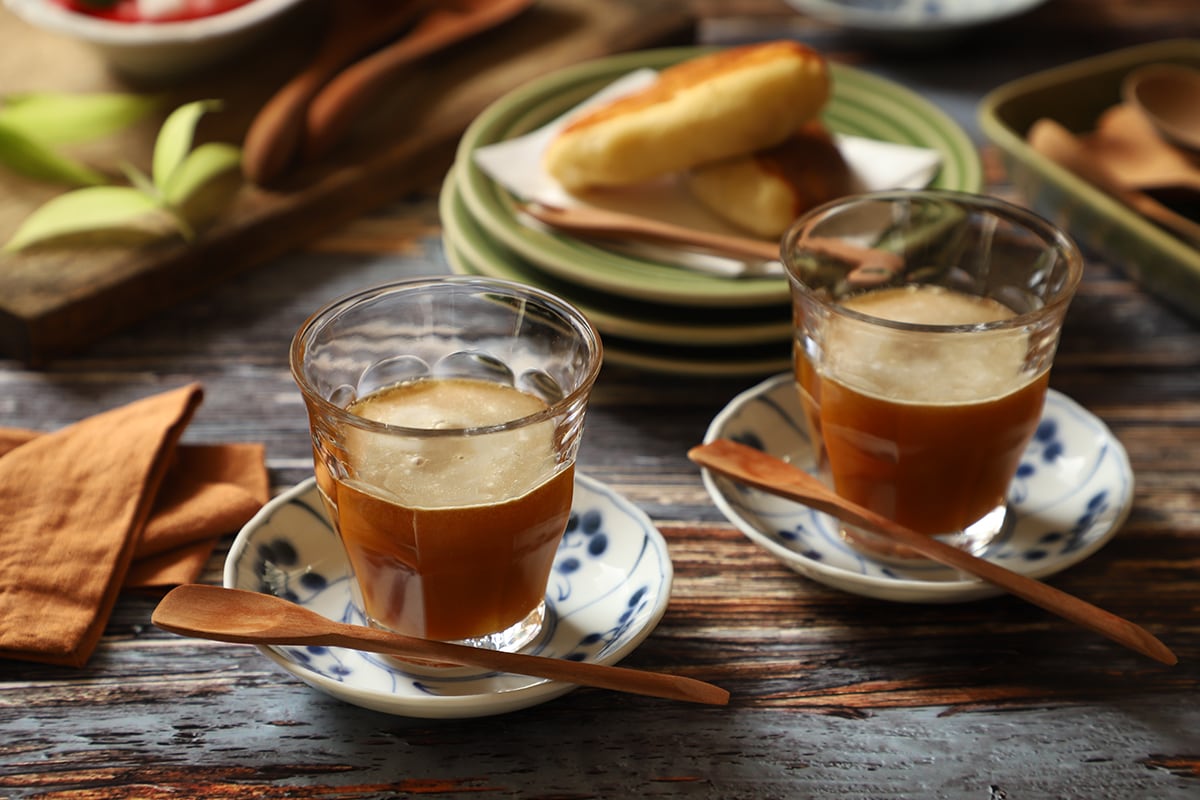
A warm Makassar/South Sulawesi ginger-based drink that may feature palm sugar, coconut milk or egg. For a broader perspective, consider rendang minangkabau one of the world s best food s and 10 tasty halal food you must find in medan.
Traveler Advice
Clarify whether eggs and dairy are included if you have dietary restrictions.
5. Bir Pletok
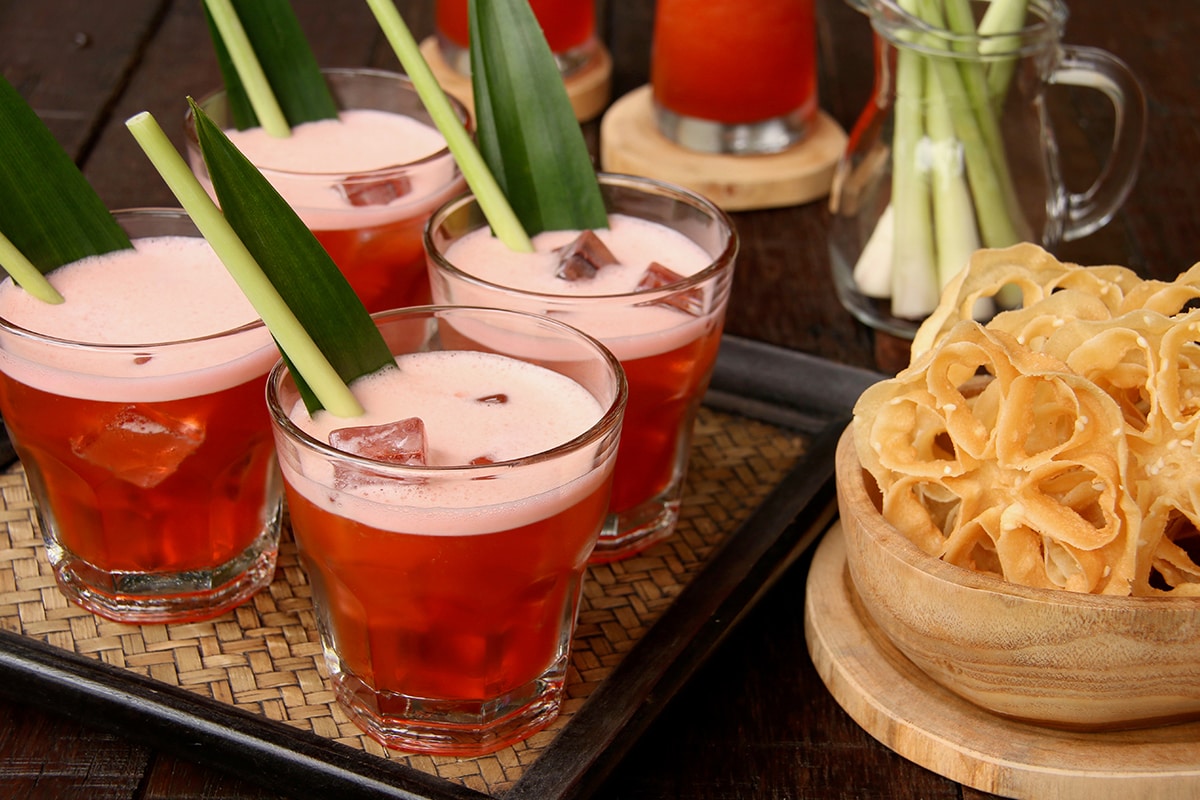
Despite its beer-like name, Betawi bir pletok is traditionally a non-alcoholic spiced drink. For a broader perspective, consider 7 local food s around lake toba that you should not miss and lombok s delicious halal cuisine.
Traveler Advice
Ask about specific preparation if you avoid alcohol or have allergies rather than relying only on a menu label.
6. STMJ
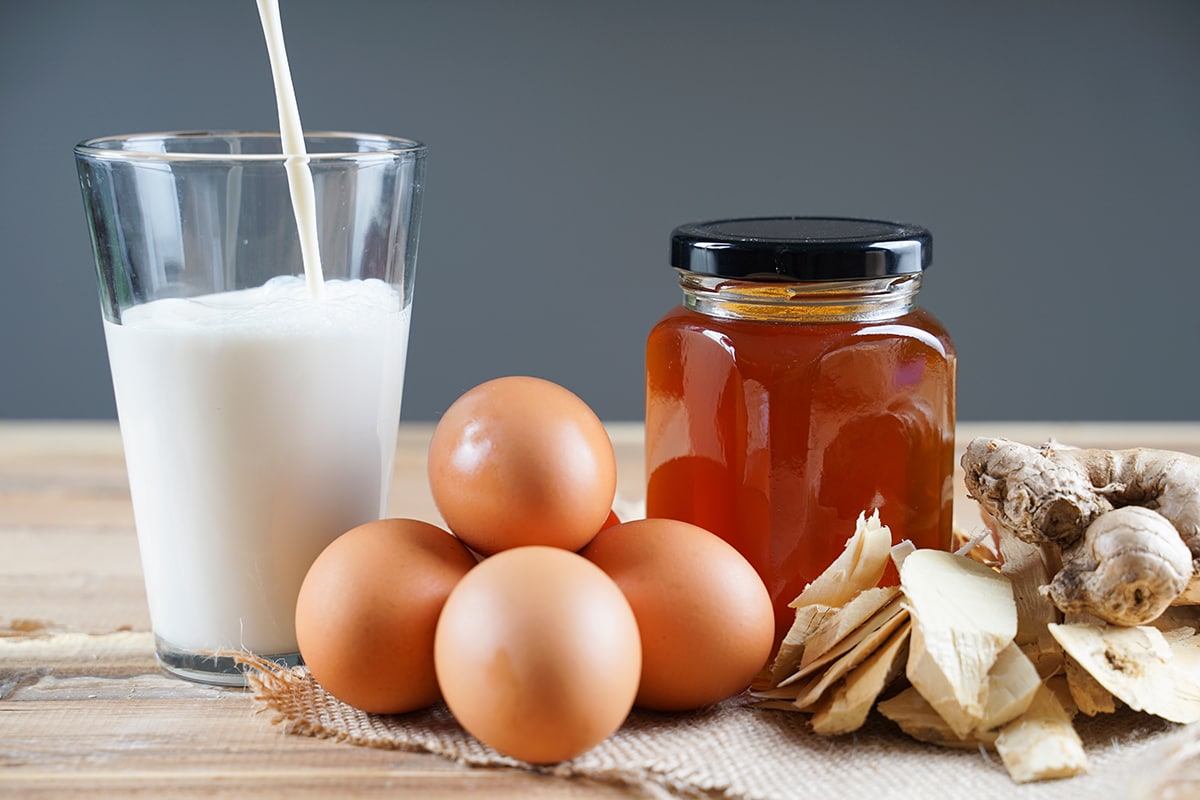
The acronym refers to susu, telur, madu and jahe—milk, egg, honey and ginger. Its popularity comes from its rich, warming taste. For a broader perspective, consider 5 vegetarian restaurants in bali that you may not have heard of and 7 bucket worthy ideas for the best cultural trip in indonesia.
Traveler Advice
Use pasteurized ingredients and note that honey should never be given to infants under 12 months.
7. Wedang Ronde
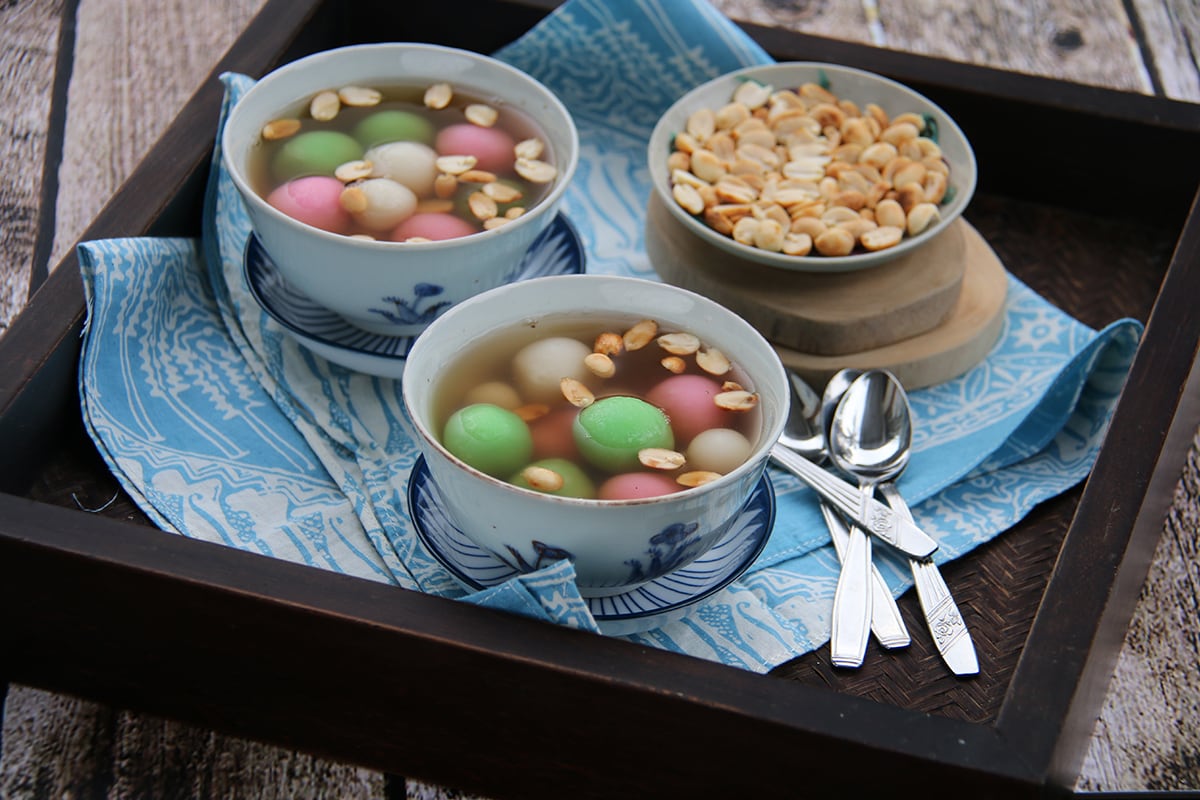
A warm ginger drink served with glutinous-rice dumplings that may contain peanuts or other fillings. For a broader perspective, consider 11 new skills to learn while you are staying in jakarta and best indonesian restaurants in jakarta.
Traveler Advice
Check peanut allergies and take care with hot syrup and chewy dumplings for young children.
8. Bandrek
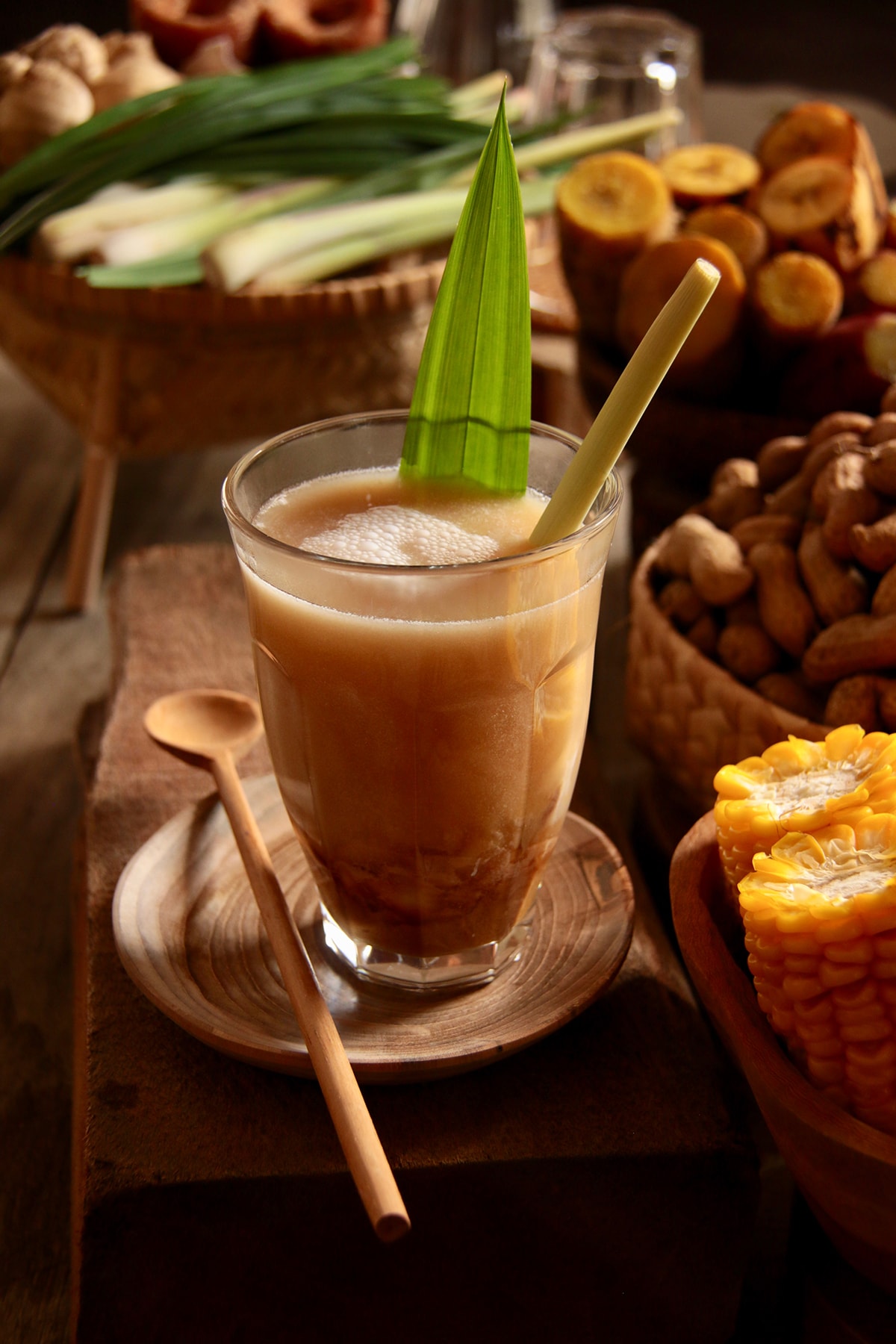
A West Javanese ginger-and-spice drink frequently made with palm sugar and sometimes milk or coconut components. For a broader perspective, consider 5 unique ecotourism experiences in indonesia and 11 indonesian speciality restaurant s to taste before you leave jakarta.
Traveler Advice
Adjust sugar levels to taste and avoid describing it as a medically proven treatment.
Practical Travel and Cultural Context
Verify Historical Information
Old room prices, operating hours, product availability and transport descriptions can become inaccurate. Confirm the named operator and the conditions that apply to your dates. For regional inspiration see .
Responsible and Safe Choices
Choose reputable providers, ask about relevant accessibility or food-safety needs and respect local communities. Supplement your planning with .
How to Prepare Traditional Drinks Safely
A Simple Ginger Base
For a basic warming drink, gently simmer sliced ginger in clean water, strain it, and sweeten lightly to taste. Cloves, pandan or cinnamon may add aroma depending on the style. Boiling time and ingredient amounts can vary by household; begin with small quantities of strongly flavored spices rather than following exaggerated ‘medicinal dose’ claims.
Food Safety for Milk and Egg Drinks
Teh talua, STMJ and some forms of sarabba may contain egg or milk. Raw eggs carry foodborne-illness risks, especially for children, pregnant people, older adults and those with weakened immunity. Use pasteurized products, clean utensils and safe refrigeration practices. Dairy and coconut milk should not be left at room temperature for extended periods.
Allergens and Added Sugar
A traditional drink may use coconut, milk, peanuts, egg or honey. Sweetened condensed milk and palm sugar can make recipes high in added sugars, so adjust portions to preference. Honey is inappropriate for infants under 12 months. Travelers with allergies should always confirm ingredients rather than assuming a drink described as herbal is suitable for them.
Traditional Enjoyment versus Medical Treatment
Spices are an important part of Indonesia’s culinary history, and a warm beverage can be comforting. However, herbal teas or ginger have not been demonstrated to prevent or cure COVID-19 or other infections. Use appropriate medical advice for health concerns and treat recipes as food culture, not substitutes for evidence-based treatment.
Frequently Asked Questions
Are historical prices and availability still valid?
No. Treat old amounts as historical unless confirmed by a current official provider.
How should international travelers plan?
Check transport, local weather, any appropriate regulations and verified supplier details before booking.
External Sources and References
WHO: herbs and teas do not cure COVID-19; WHO balanced diet guidance; Indonesia Travel.
Originally posted 2023-09-05 15:53:54.