This photography feature preserves the original photographer’s visual journey through Indonesia as a historical first-person account. Rather than pretending to have undertaken those encounters anew, this update adds practical guidance on consent, wildlife ethics, safer viewpoints and travel logistics for international visitors.
Explore related perspectives in indonesia s mighty tropical rainforests and unique endangere and 5 unique ecotourism experiences in indonesia.
6 Photography Themes and Practical Tips
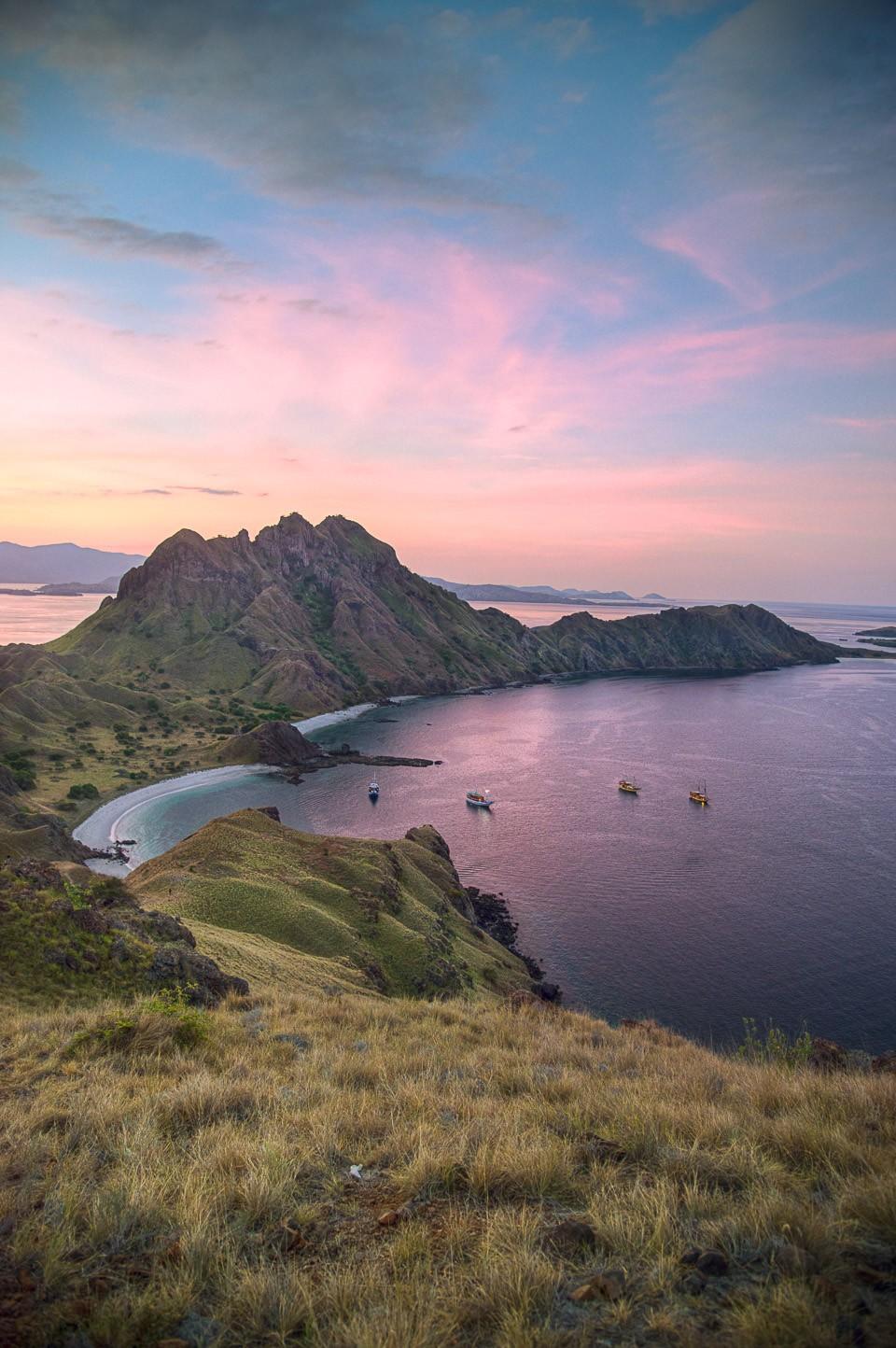
1. Photographing Indonesia’s landscape diversity
The original photographer’s travel diary captures the sense of curiosity that comes from moving between islands and ecosystems. Forests, terraces, mountains and coasts reward research, patience and changing light.
Practical advice
Research whether your viewpoint is public, protected or private before setting up a camera.
Related information: a glimpse of kalimantan the exotic beauty of borneo.
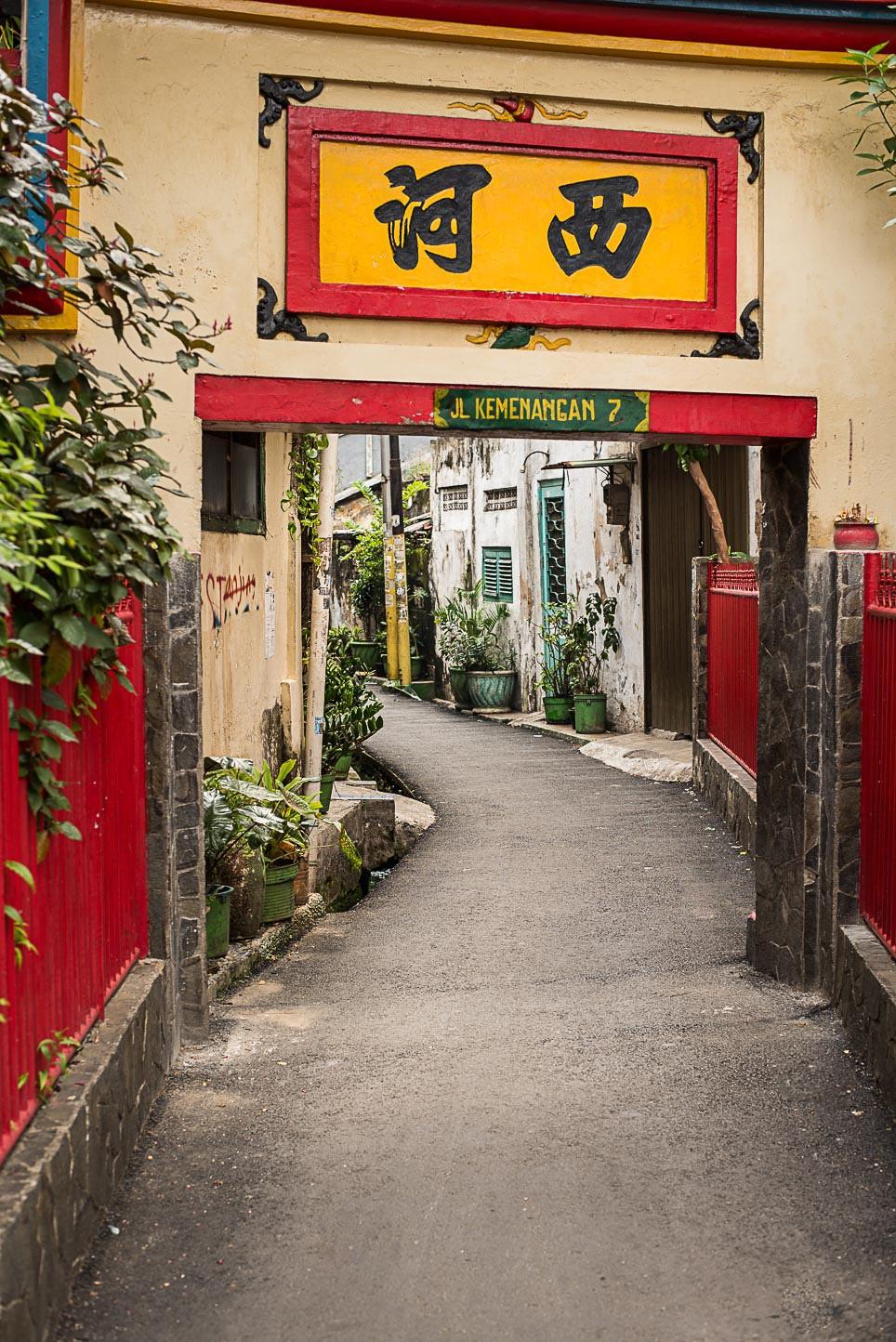
2. Portraits and people
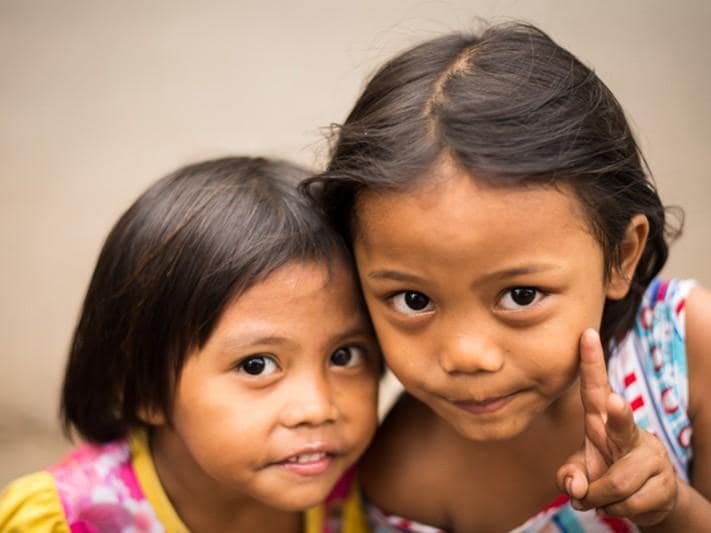
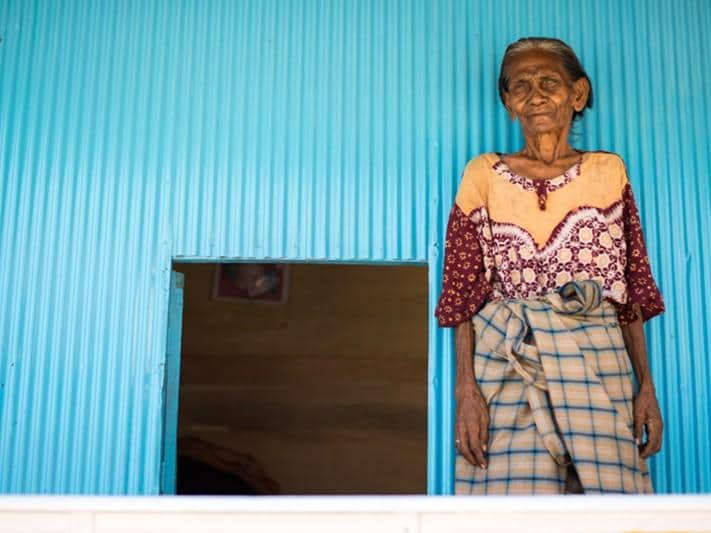
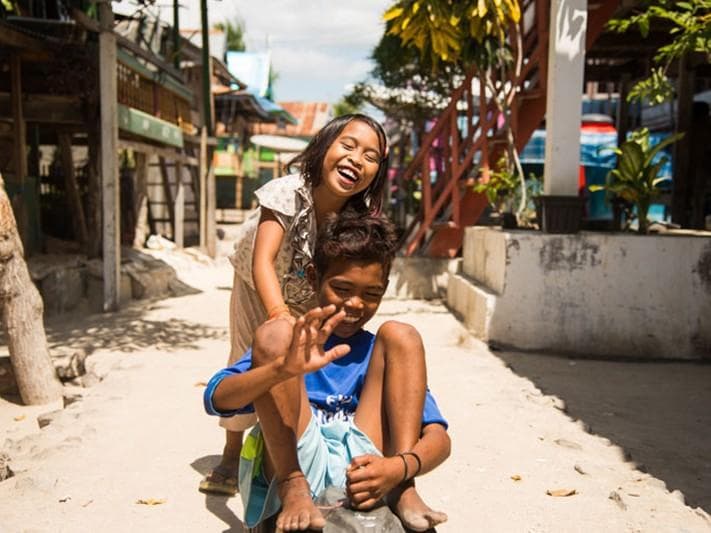
A strong photo essay records daily life without treating residents as decorative objects. The historic article used first-person travel memories, which this update keeps as an archival perspective rather than inventing fresh encounters.
Practical advice
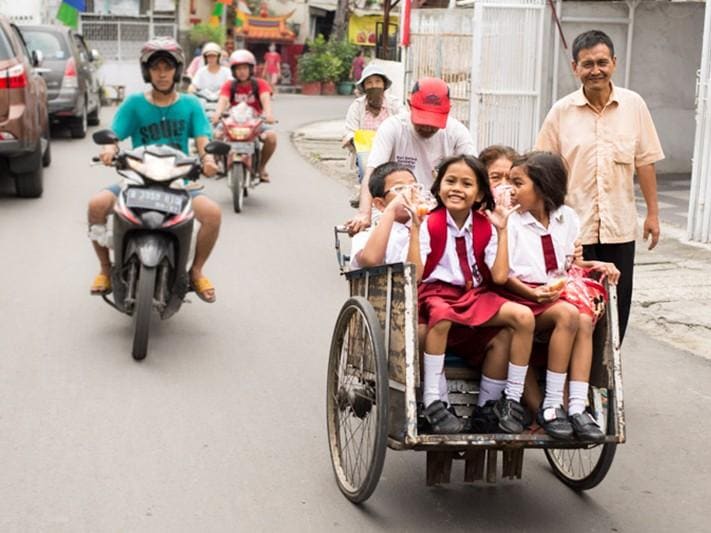
Ask for meaningful consent, especially from children and people participating in religious events.
Related information: 13 gorgeous instagrammable beaches in indonesia.
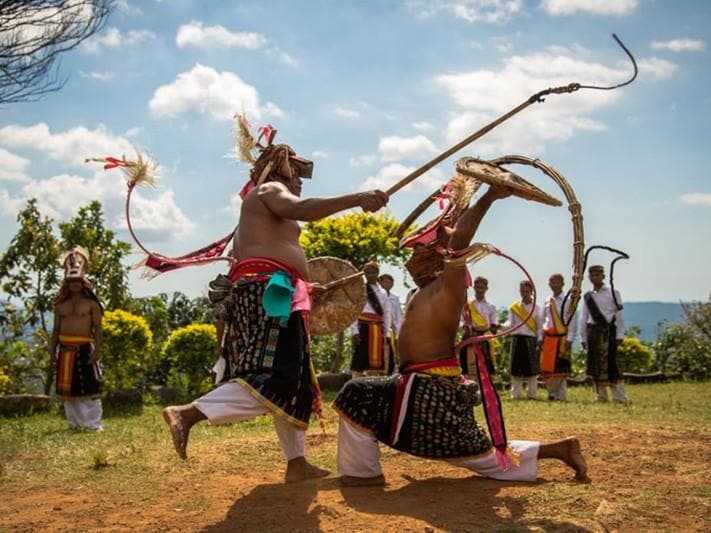
3. Temples and ceremonies
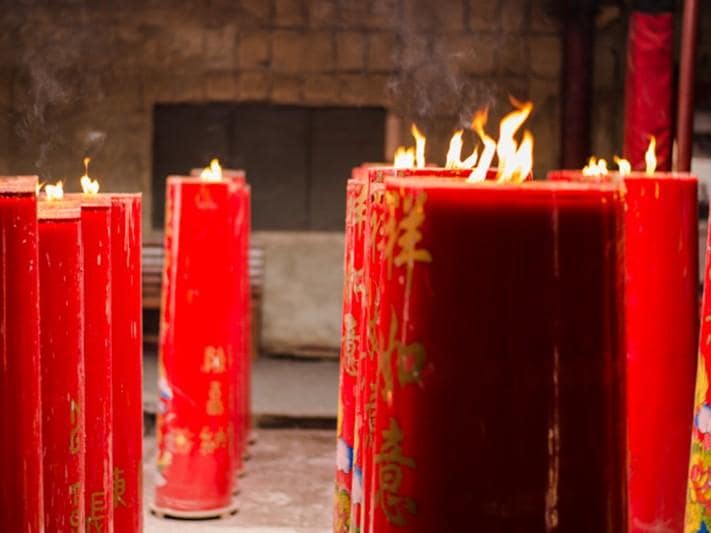
Ceremonies and sacred spaces have photography rules that differ across Hindu, Buddhist, Muslim and local traditions.
Practical advice
Never obstruct worship, use flash where prohibited or fly a drone over sacred gatherings without permission.
Related information: 7 amazing national park s in java and bali for thrill seeker.
4. Wildlife and conservation
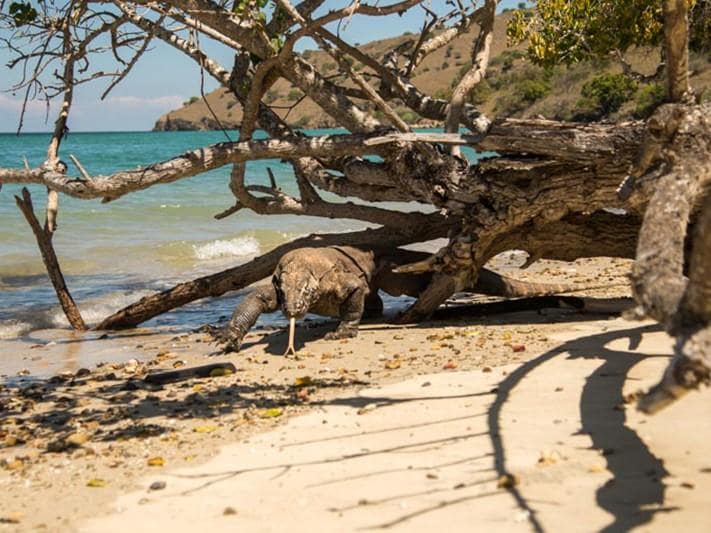
Orangutans, sea turtles, reef fish and endemic animals make compelling subjects without physical contact.
Practical advice
Use distance-appropriate lenses, avoid feeding animals and respect ranger restrictions.
Related information: 10 best escapes you can enjoy in beautiful lombok.
5. Seascapes and aerial viewpoints
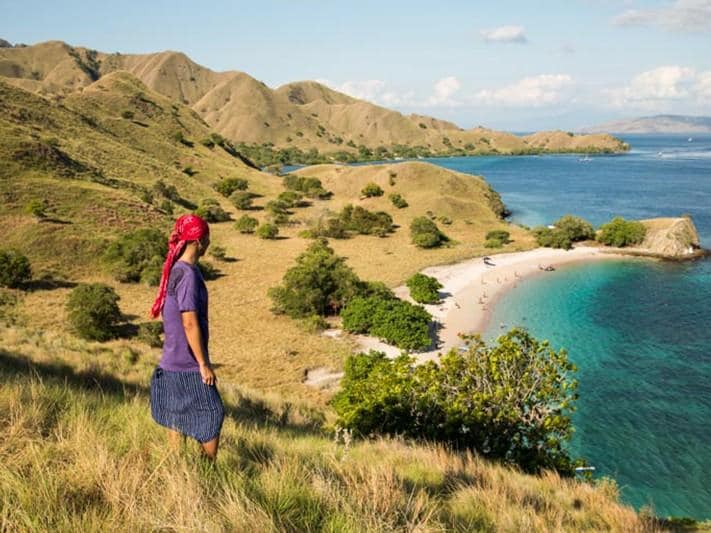
The archipelago provides beaches, islands and dramatic ridgelines, but cliffs, currents and weather produce serious hazards.
Practical advice
Keep safe setbacks and follow aviation and national-park rules for drones.
Related information: 11 irresistible ideas to get the best summer adventure in ea.
6. Planning a themed photo itinerary
A few days dedicated to one area can produce a better story than collecting rushed iconic images across five islands.
Practical advice
Include local transportation buffers, consent conversations and a weather backup.
Related information: the phinisi schooner icon of indonesia s seafaring tradition.
Planning and Safety
Planning the route
A photo story works best with context. Caption each scene with an accurate location, date and explanation of what is visible, rather than presenting an unexplained montage.
See also staying safe in indonesia.
See also about indonesia.
Safety and authorisation
Avoid claims that drone footage is universally permitted in Indonesia. National parks, airports, religious compounds and government sites can have distinct rules.
See also culture.
See also wonderful indonesia.
Respect for nature and people
Keep an offline backup, protect memory cards against humidity, and use a waterproof bag for boats and tropical rains.
See also currency.
See also time differences.
Budget, timing and identity
This page is an adaptation of an earlier personal travel-photography narrative. Original photographs and the original publisher link are preserved without falsely attributing the past trip to a new author.
See also indonesia tour packages.
See also beautiful pine forests in tropical indonesia.
Another useful travel perspective is going to raja ampat stay at these 5 resorts to make your tri.
In-Depth Travel Planning and Visitor Guidance
Choosing a Story Rather Than a Checklist
A memorable photo essay needs more than ten famous viewpoints. Begin with a theme such as traditional markets, coastal livelihoods, craft workshops or rainforest restoration, then research the people and places involved. Photograph the context—workspaces, landscapes and details—without interrupting daily life. Captions should distinguish what you personally observed from historical interpretation. Avoid applying a generic ‘untouched paradise’ label to communities facing real social or environmental pressures.
Working with Local Guides and Communities
A qualified local guide can explain where photographs are permitted and which events are private or sacred. Ask people whether they are comfortable being photographed and whether an image may be published online. Consent is especially important when photographing children, health conditions or religious ceremonies. If a workshop or traditional performance is part of the visit, compensate participants appropriately and credit their craft without turning them into anonymous scenery.
Rain, Humidity and Equipment Care
Tropical humidity can affect lenses and electronics. Carry rain protection, dry cloths and appropriate storage, and avoid sudden temperature changes that cause condensation. A lightweight travel setup may be more useful than a bulky tripod on boats or steep footpaths. Protect spare batteries and memory cards, back up photos securely and avoid placing electronic equipment on wet ground or unstable cliff ledges.
Using Drones Responsibly
Drone flights can be restricted near airports, national parks, government facilities, crowded gatherings and some temples. Regulations and local permits must be checked before flying; an operator’s online video does not prove authorisation. Never launch over worshippers, breeding wildlife, cliff crowds or boats without approval. The photographic value of aerial footage does not outweigh safety, privacy or habitat protection.
Frequently Asked Questions
Are all sites open and bookable now?
No. Check current legitimate operators, park authorities and weather guidance. Old photography does not confirm today’s access.
What is the safest way to explore?
Use appropriate local guides and transport, respect cultural privacy, and choose activities matching your abilities and the conditions.
Authoritative References
Original Photo Gallery