Indonesia’s traditional sports reflect local customs, teamwork, performance and skills passed between generations. Some are competitive disciplines, while others are ceremonial practices or community games. This guide revisits five sports from the original article and explains how visitors can watch respectfully, where training is appropriate and why demanding demonstrations should never be attempted without qualified supervision.
5 Places and Activities to Consider
1. Pencak silat — martial art and cultural heritage
Pencak silat incorporates martial practice, artistic movement and values that differ across regions. UNESCO inscribed its Indonesian traditions on the Representative List of Intangible Cultural Heritage in 2019.
Visitor tip
Attend a recognised cultural event or reputable training school. Beginners should start with safe movement practice rather than weapons or competitive sparring.
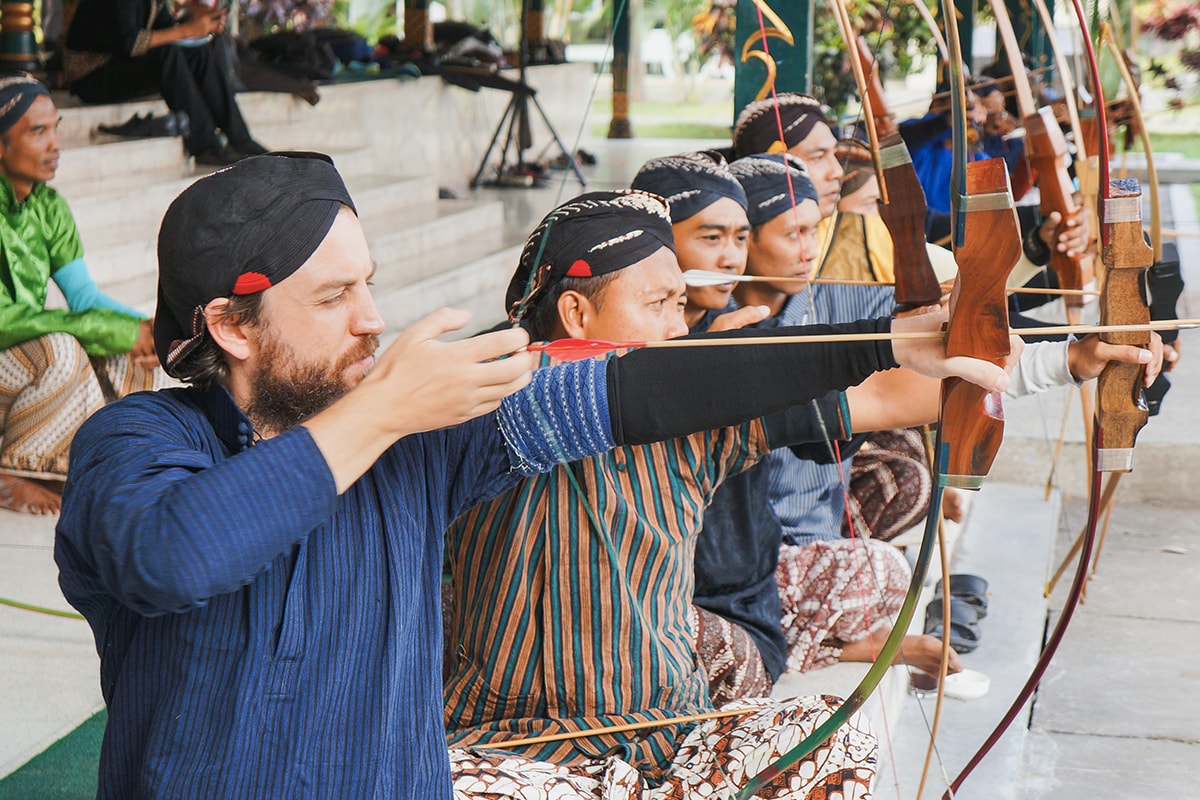
2. Jemparingan — Javanese archery tradition
Jemparingan is associated with Javanese court culture and a distinctive seated archery posture, particularly in Yogyakarta. Equipment, targets and formal etiquette differ from ordinary recreational archery.
Visitor tip
Watch an authorised session first and never handle bows or enter a shooting lane without instructor permission.
Understand the region through Culture, History, About Indonesia, 7 Echanting Stories Behind Indonesia S Famous Batik.
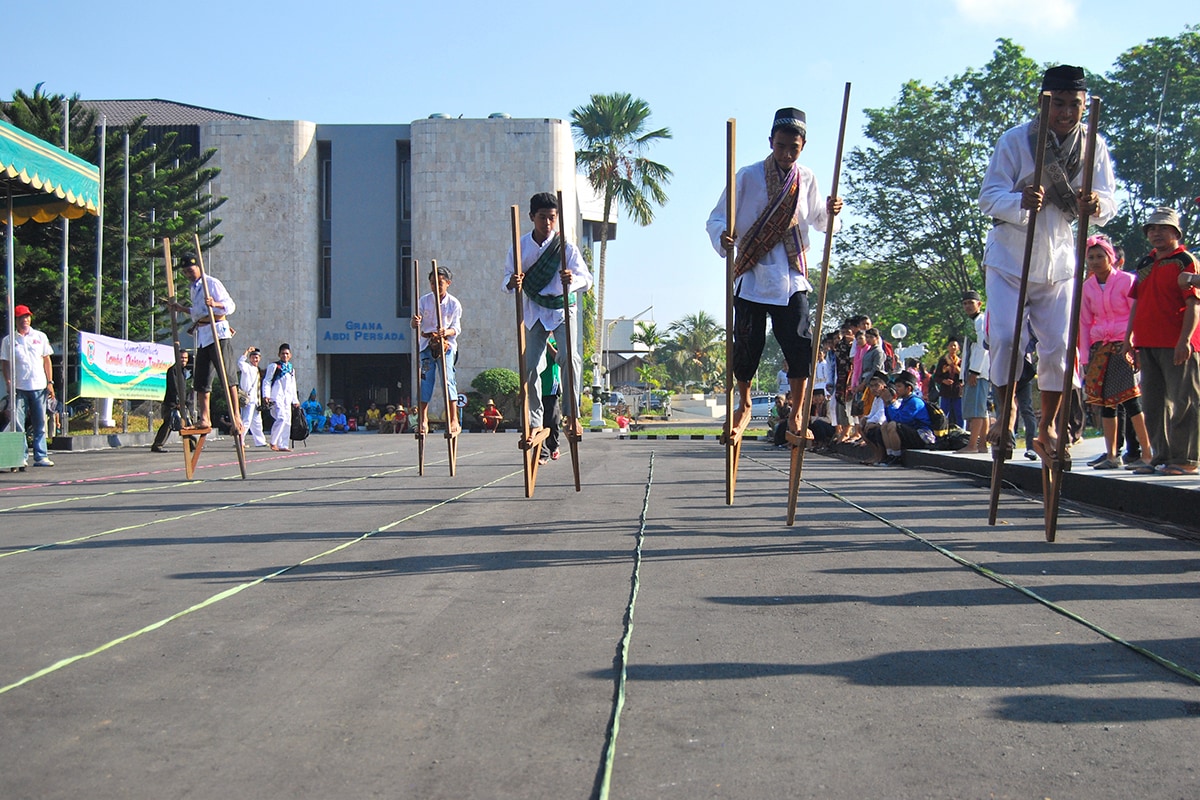
3. Egrang — bamboo-stilt walking
Walking on stilts is enjoyed in community games and Independence Day activities. Balance, coordination and safe playing surfaces are central to the activity; falls are possible.
Visitor tip
Children and first-time visitors should try low, appropriately fitted stilts with supervision in a clear, soft-surface area.
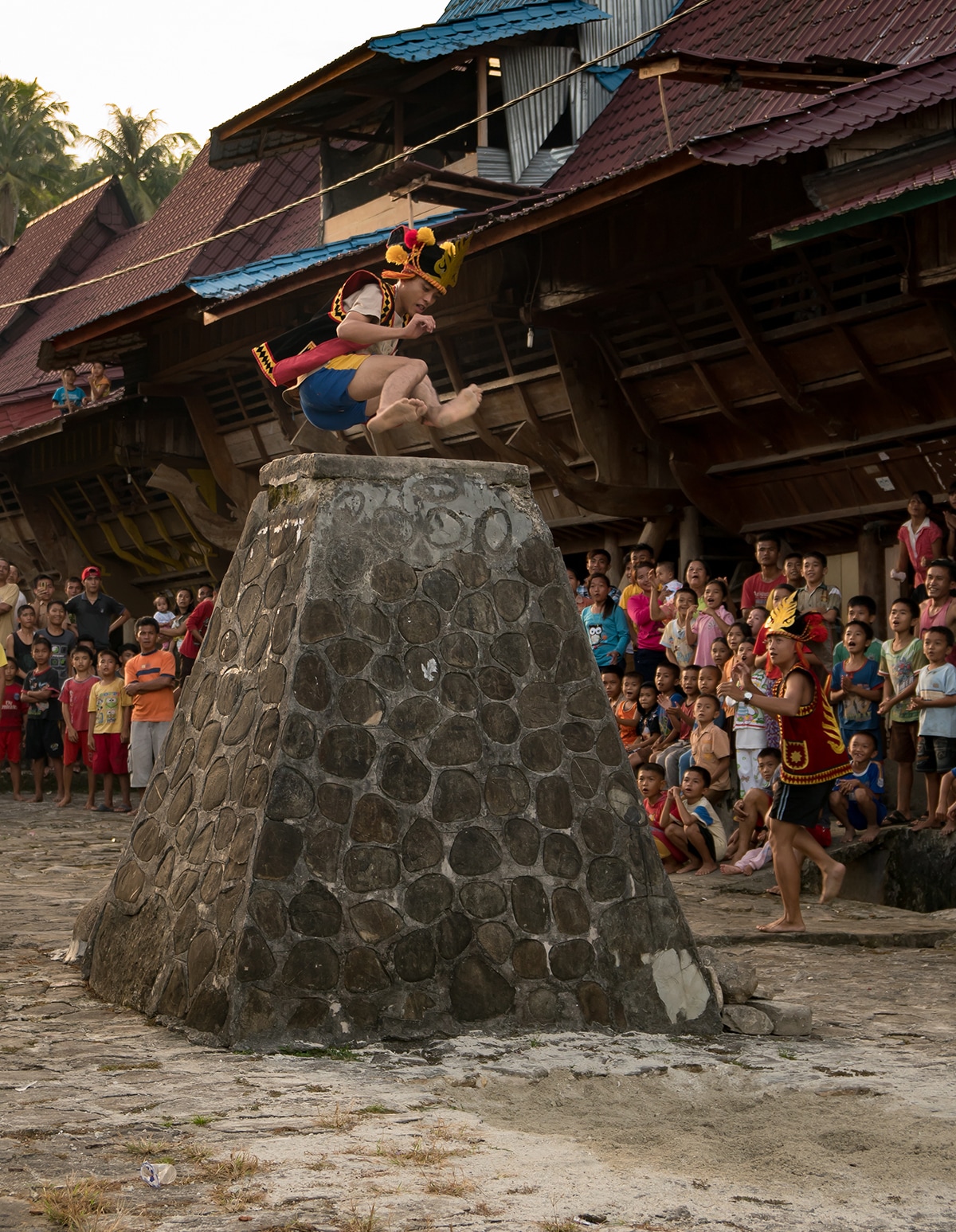
4. Fahombo — Nias stone jumping
Stone jumping on Nias has an important cultural history linked to bravery, skill and community identity. The tall traditional stone structures are not playground obstacles for tourists.
Visitor tip
Never copy a ceremonial jump without extensive training and local permission. A respectful demonstration is safer than participation.
Other useful ideas include 7 Handicraft Center S You Must Visit When Visiting Indonesia, 5 Unique Traditions And Rituals You Can Find In Indonesia, How Indonesian Celebrate The Eid Al Fitr, Reason S Why Indonesia Is The Best Place For You To Go During Rama.
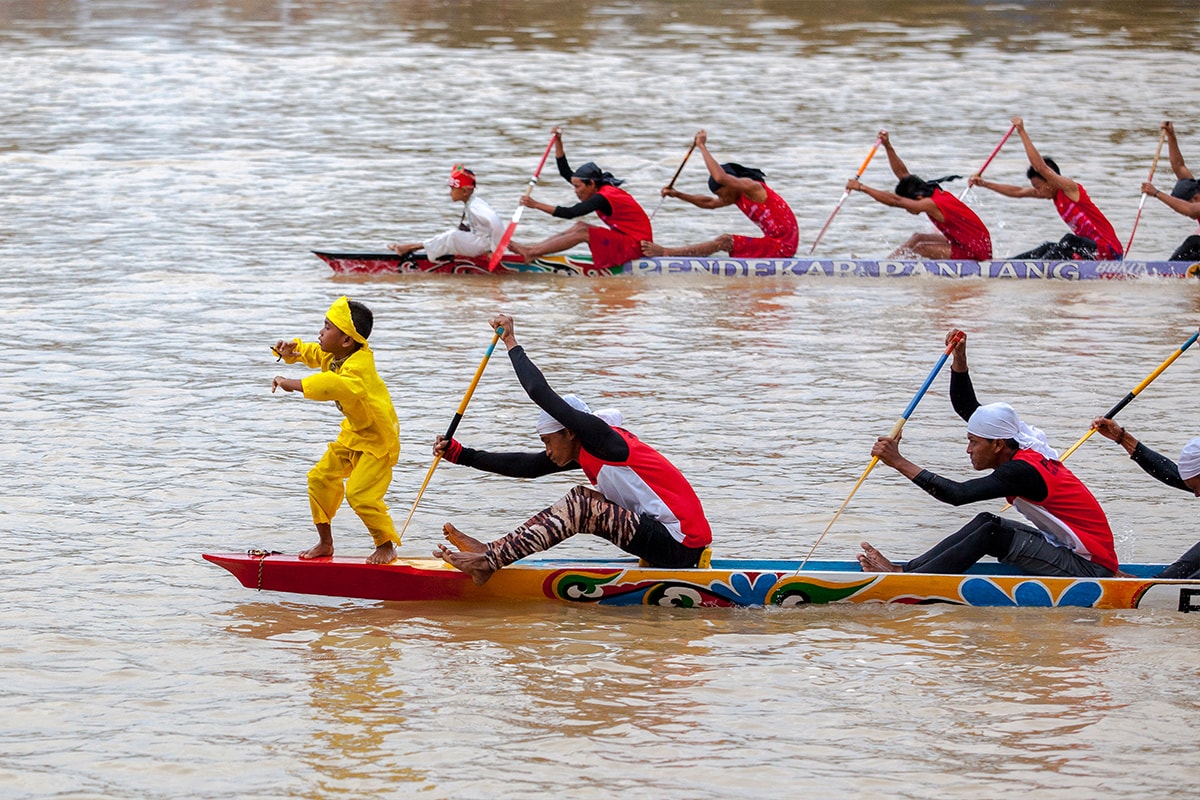
5. Pacu Jalur — longboat racing from Riau
Pacu Jalur is associated with Kuantan Singingi and highly coordinated longboat crews. The event is a community celebration, not simply a sport for spontaneous international participation.
Visitor tip
Watch from designated riverbank areas, follow crowd controls and do not board vessels without an approved organiser.
Planning Your Visit
National Sports Day in Indonesia
Indonesia observes National Sports Day, Hari Olahraga Nasional, on 9 September. Some schools and communities hold events, but exact programmes vary each year; check the relevant local organiser.
For relevant activities, read 8 Stunning Grand Mosque Around Indonesia S That You Will Always Re and Indonesia S Moslem Fashion Designers Create Exclusive Moslem Wear and verify current opening hours, weather and transport conditions.
How to watch without disrupting communities
Ask before photographing athletes and religious or ceremonial activities. Understand that some events have local ritual meaning, and avoid presenting those traditions as a tourist dare.
For relevant activities, read 5 Art Markets You Need To Visit In Bali and 12 Exciting Souvenir Spots You Need To Visit In Jakata and verify current opening hours, weather and transport conditions.
Can tourists try traditional sports?
Introductory silat or stilt practice may be offered by appropriate instructors, but weapons archery, stone jumping and high-intensity boat racing carry serious risks. Choose skill-appropriate authorised activities.
For relevant activities, read 5 Remarkable Churches In Indonesia and Staying Safe In Indonesia and verify current opening hours, weather and transport conditions.
Where sports connect with other cultural experiences
Explore local craft, music, theatre and village tourism to understand the broader background. Travelling for a single festival is more satisfying when you allow time to learn from its community.
For relevant activities, read Currency and Business Hours And Holiday and verify current opening hours, weather and transport conditions.
See Wonderful Indonesia for further Indonesian travel inspiration.
How Traditional Sports Are Passed to New Generations
Schools, clubs and ceremonies
Pencak silat can be taught formally in training schools and performed in cultural settings, while egrang may appear in school events or village games. Jemparingan maintains specialised archery etiquette and equipment traditions. Some sports, including Nias stone jumping, have origins and community meanings that differ sharply from casual recreational activities. Watch an event with a guide who can explain its context rather than assuming every tradition is open for tourist participation.
Safety, equipment and consent
A controlled introductory workshop may be suitable for beginners, but competitive sparring, arrows, high bamboo stilts, dangerous jumps and river races carry genuine injury risks. Do not attempt demonstrations without appropriate supervision. Ask local trainers about protective equipment, health restrictions, age suitability and medical arrangements. Photography permission matters especially when children or community rituals are involved.
Planning a Culture-Focused Sports Visit
Verify the actual event calendar
National Sports Day falls on 9 September, but a particular village or club does not necessarily hold public competitions on that date. Pacu Jalur has its own local schedule, and some archery or martial-arts performances occur at community celebrations. Check official announcements for dates, authorised spectator areas, entrance charges and event postponements.
Support host communities
Use recognised guides, purchase local crafts directly where possible and respect the difference between a competitive event and a sacred ceremony. Avoid blocking athletes or pushing into restricted performance zones to make photographs. A thoughtful visit can include music, food and craft traditions alongside sport, helping travellers appreciate the relationships among Indonesian communities.
Frequently Asked Questions
Are prices, facilities and opening hours guaranteed?
No. Confirm with the actual attraction or commercial operator for your chosen date. Online directories and older articles may be inaccurate.
What should international travellers pack?
Plan suitable clothes, a secure payment method, weather protection and necessary medication. Follow operator-specific safety requirements and cultural etiquette.
Authoritative External References
Original Article Photographs
All original inline images are preserved below without changing their attributes. Historic images do not guarantee that today’s facilities look the same.