The most rewarding temples in Bali are not simply beautiful backdrops. They are active Hindu places of worship where residents make offerings, celebrate temple anniversaries and maintain relationships with ancestors and the natural world. This guide revisits six memorable temple complexes—coastal, highland and inland—with cultural background, realistic sightseeing advice and the etiquette international visitors need to know.
Why Bali’s temples matter
Balinese Hindu religious life reaches far beyond a single shrine or festival. Temple complexes, community rituals, sacred springs and the agricultural landscape are linked to ideas about harmony between people, the divine and the environment. For cultural context, read our Bali cultural experiences guide and consider a day in Penglipuran traditional village.
1. Tanah Lot Temple: a sea temple at sunset

Why visit?
Tanah Lot sits on an offshore rock formation on Bali’s south-west coast in Tabanan Regency. At high tide it appears isolated by the surf; at lower tide visitors can view the base from nearby shore areas. The temple remains sacred, and entry into inner worship areas is restricted. The site is associated in local tradition with the priest Dang Hyang Nirartha; the legends are an important cultural story, not something tourists should treat as a verified construction record.
Planning tips
Late afternoon is atmospheric but crowded. Keep away from wave-washed rocks, follow staff directions, and allow extra journey time from Canggu or Seminyak. Early visits can be more peaceful if the sunset viewpoint is not essential. Nearby routes can be combined with Balinese craft markets on a longer day out.
2. Uluwatu Temple: clifftop spirituality and the Kecak performance
Why visit?
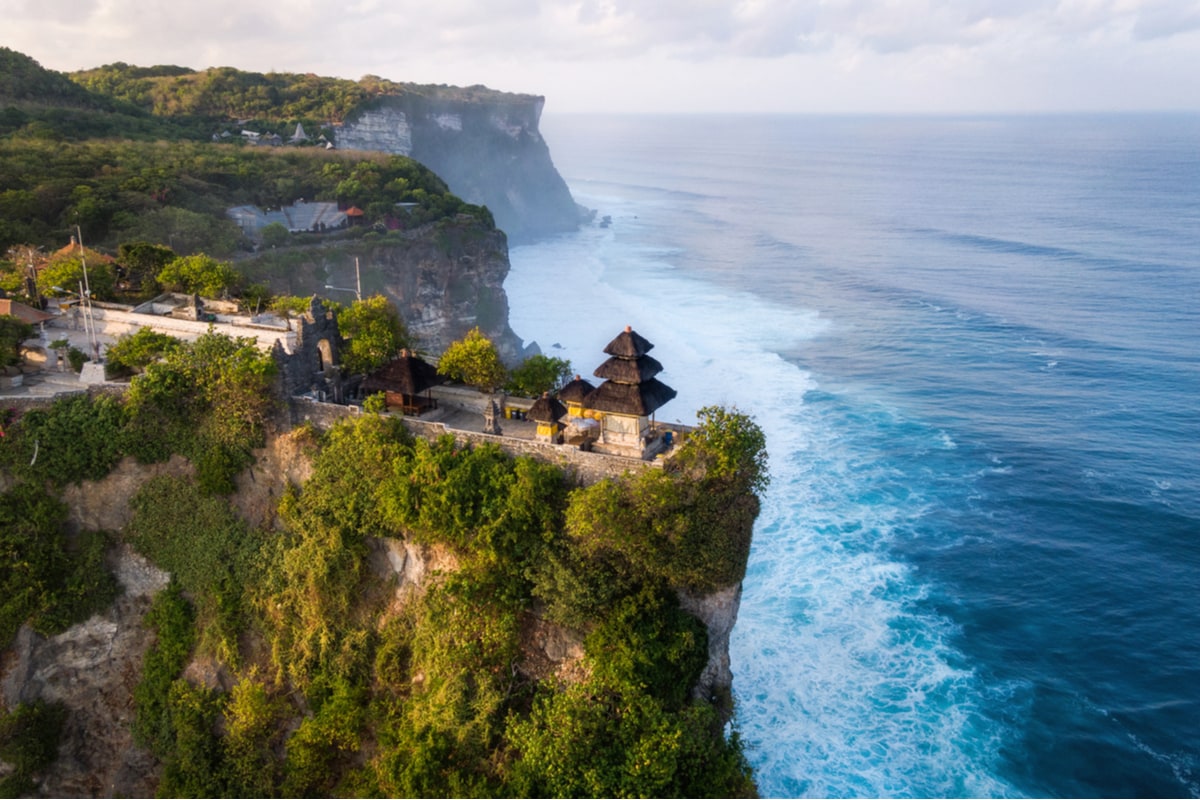
Pura Luhur Uluwatu stands above the Indian Ocean on the Bukit Peninsula. Its position and sacred significance make it an extraordinary place to appreciate temple architecture and the coastal landscape. Visitors often combine a late-afternoon walk through the public complex with an outdoor Kecak performance, which is separately ticketed and subject to the venue’s schedule.
Planning tips
Keep sunglasses, phones and loose accessories secure because the resident macaques can grab them. Never feed wildlife or approach it for selfies. Book performance seats through trusted channels, and use our Uluwatu Kecak dance guide to understand the cultural context. Our Bali monkey encounter guide also covers safe behaviour around macaques.
3. Ulun Danu Beratan Temple: lakeside highland scenery

Why visit?
On Lake Beratan in Bedugul, the multi-tiered shrines of Pura Ulun Danu Beratan are especially photogenic in soft morning light or mist. The complex is associated with Dewi Danu and the importance of water in Balinese life. Unlike the hot coast, the highlands can be cool, cloudy and wet even when beaches are sunny.
Planning tips
Dress for cooler weather and explore designated visitor areas without disrupting worship. Allow time for winding roads and combine the temple with North Bali’s lakes and villages or the scenery highlighted in our Bali rice-field guide. Check Bali seasonal weather before a mountain day trip.
4. Tirta Empul Temple: learn about the sacred water ritual
Why visit?
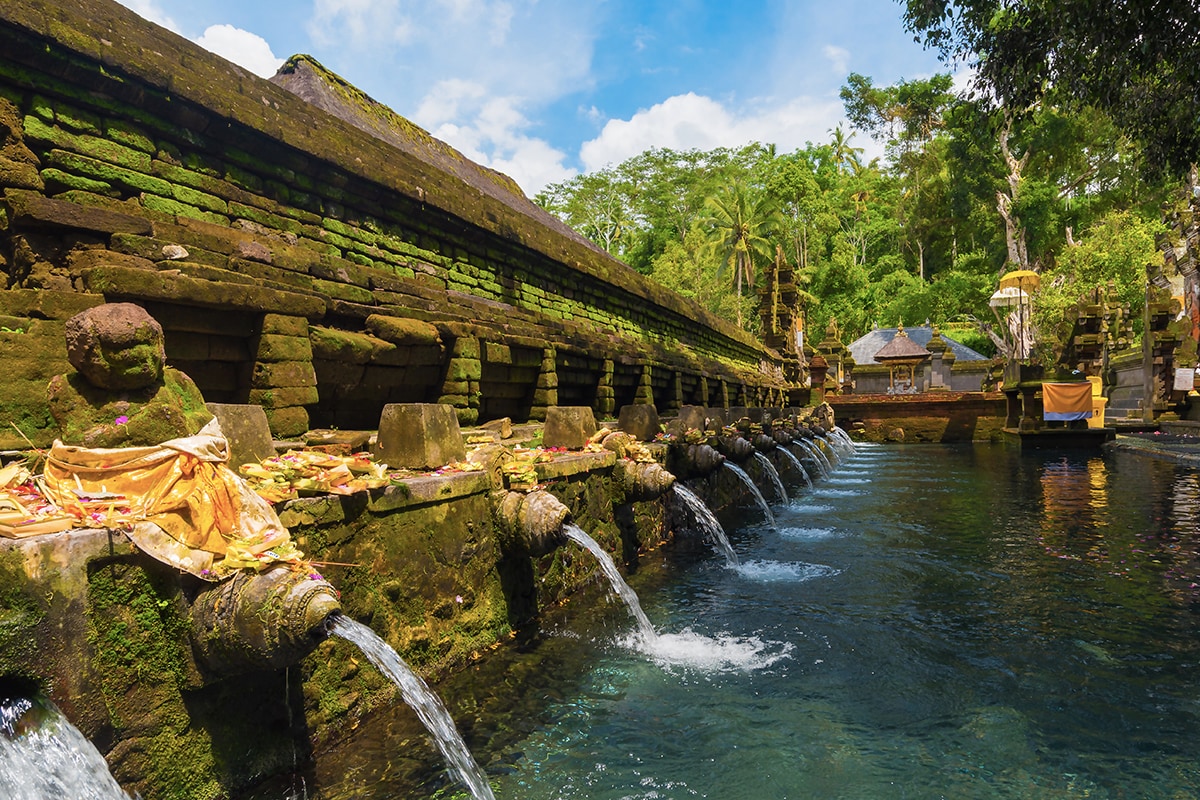
Tirta Empul in Tampaksiring is known for its spring-fed purification pools and the ritual called melukat. Balinese Hindus come for religious observance; tourists may be able to watch from appropriate areas, and visitor participation in designated activities depends on local rules. Do not describe this as a spa or assume that any water channel is open for recreational use.
Planning tips
Wear the required sarong and sash, follow attendants’ instructions, respect queueing worshippers and ask before taking close-up photographs. Some fountains have specific religious purposes; seek local guidance rather than copying a social media routine. For a less rushed itinerary, pair the site with the wider Ubud area and Tegallalang’s rice terraces.
5. Goa Gajah: an archaeological cave near Ubud
Why visit?
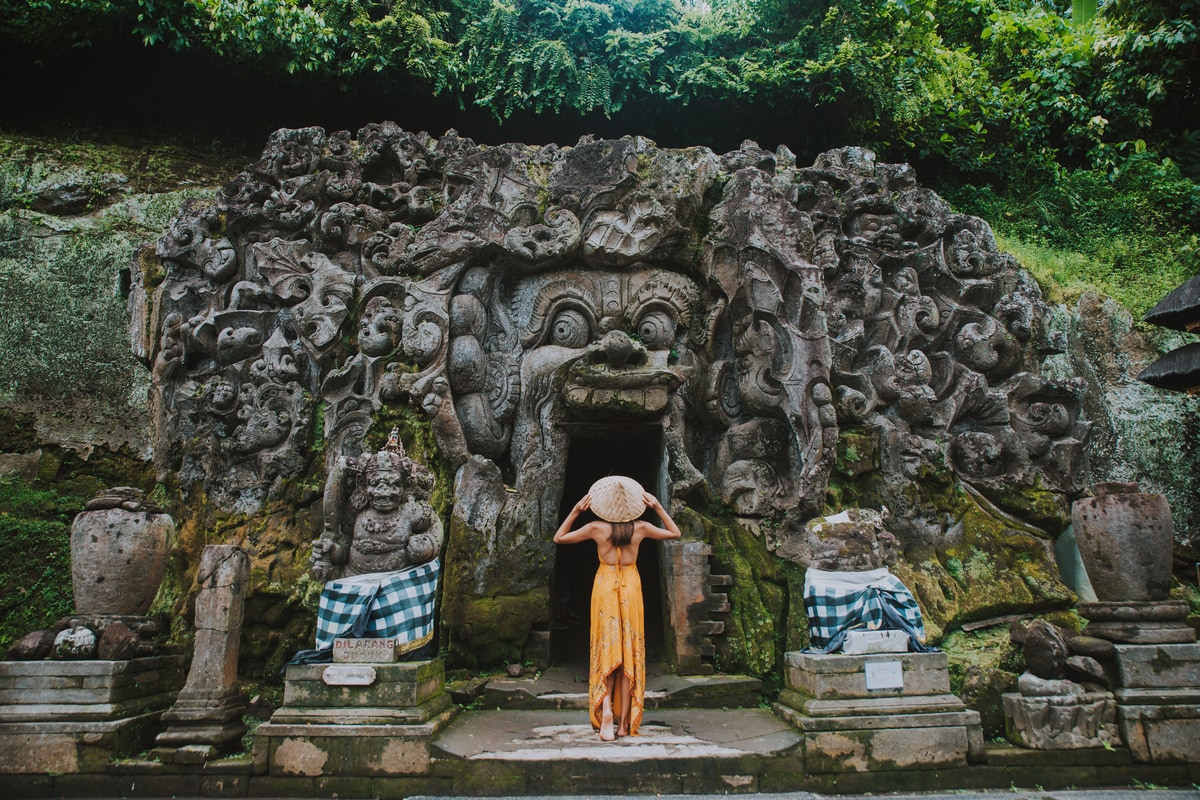
Goa Gajah, often called Elephant Cave, is an archaeological complex with an imposing carved entrance, courtyards and historic bathing-pool remains. Despite the name, it is not a cave filled with elephants. Its history reflects cultural layers that are best understood through interpretation on site rather than a brief photograph at the stone entrance.
Planning tips
Watch your footing on damp steps, avoid touching carvings, and bring small denominations for local services. Take time to learn how temple and archaeological landscapes differ. Travellers exploring heritage more deeply might combine the outing with Bali’s traditional tourism villages.
6. Taman Ayun Temple: elegant Mengwi royal heritage
Why visit?
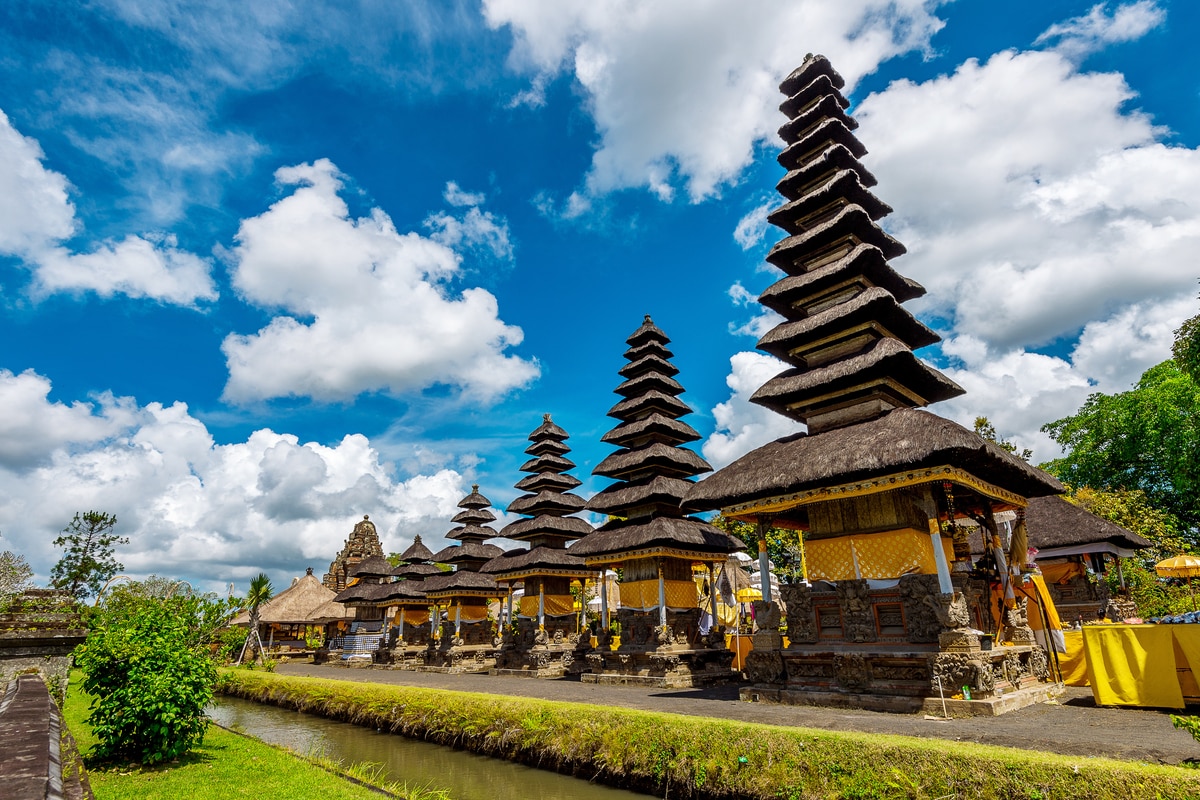
Taman Ayun, in Mengwi, is famed for its landscaped grounds, moats and graceful multi-tiered shrines. The temple is connected with the former Mengwi kingdom and forms part of UNESCO’s cultural landscape associated with Bali’s traditional subak water-management system. Visitors generally view important inner areas from designated perimeter paths.
Planning tips
Taman Ayun can work as a cultural stop between south-west Bali and inland destinations. Move slowly, enjoy the layered architecture and do not enter cordoned-off courtyards. For a deeper landscape experience see our Bali attractions overview.
Essential Balinese temple etiquette
Dress and conduct
Wear a sarong and sash when required, keep shoulders appropriately covered and remove hats or footwear where staff direct. Visitors should not cross barriers into spaces reserved for worshippers. Avoid loud conversations, pointing feet at sacred objects, climbing shrines or posing on temple structures. Rules affecting menstruation, religious participation and access may vary by sacred site: read local signage and follow temple staff rather than making assumptions.
Photographs and ceremonies
Never block a procession or insert a camera into a private religious moment. Ask permission before photographing worshippers or children and comply when photography is prohibited. Offerings and daily rituals are part of living community practice, not staged visitor entertainment. For another angle on ceremonial life, read about Nyepi, Bali’s Day of Silence.
How to plan a temple itinerary
Allow one day for Uluwatu plus nearby southern sites, one day for Ubud, Tirta Empul and Goa Gajah, and a separate day for Bedugul and Taman Ayun. Tanah Lot can be visited on the way between western and central Bali, but sunset road congestion is common. Combine stops geographically rather than attempting all six in a day. For extra stops to the east, explore East Bali’s lesser-known attractions, or adapt our three-day Bali travel ideas.
Frequently asked questions
Can tourists enter Balinese temples?
Most tourist-facing complexes allow entry to designated outer areas with tickets and dress requirements. Inner sanctuaries and ceremonial areas may be restricted, and rules change during religious events.
Which Bali temple is best for sunset?
Tanah Lot and Uluwatu are popular sunset choices. Both attract crowds and demand care around coastal edges.
Which temples work best from Ubud?
Tirta Empul and Goa Gajah are relatively convenient from Ubud. Taman Ayun and Ulun Danu Beratan are longer drives.
Do temple entrance fees change?
Yes. Check official destination operators or staff on arrival for current ticket categories, transport charges and any separately ticketed performances.