Komodo National Park in East Nusa Tenggara, Indonesia, protects some of the world’s most extraordinary island landscapes, giant monitor lizards and rich marine ecosystems. But a responsible visit requires more planning than booking a boat and photographing a dragon. These ten reasons to go explain what makes the park special, what lies outside the protected area, and how international visitors can travel safely and respectfully.
Komodo National Park at a glance
The park lies between Sumbawa and Flores and is most often visited from Labuan Bajo on Flores. It includes major islands such as Komodo, Rinca and Padar plus many smaller islands and surrounding waters. UNESCO inscribed the property on the World Heritage List in 1991 for its exceptional natural beauty and biological value. UNESCO lists the World Heritage property at 219,322 hectares; that figure is not interchangeable with every published administrative area for the national park. Our Komodo destination overview provides additional trip context.
1. See Komodo dragons in their natural habitat

What makes them extraordinary?
Varanus komodoensis is the world’s largest living lizard and an apex predator. Seeing a wild dragon on Komodo or Rinca can be the highlight of a trip, but sightings are not guaranteed. Modern research shows venom contributes to the animal’s bite; repeating the old claim that bacteria alone kill prey is misleading. Never approach a dragon, offer food, crouch near it or step away from your assigned ranger.
Safety comes before the photograph
Follow ranger instructions, keep the required distance and stay on approved paths. Visitors travelling with young children should check specific trail and escort rules in advance. Dragons can be dangerous even when apparently motionless.
2. Experience a rare savanna-and-sea landscape
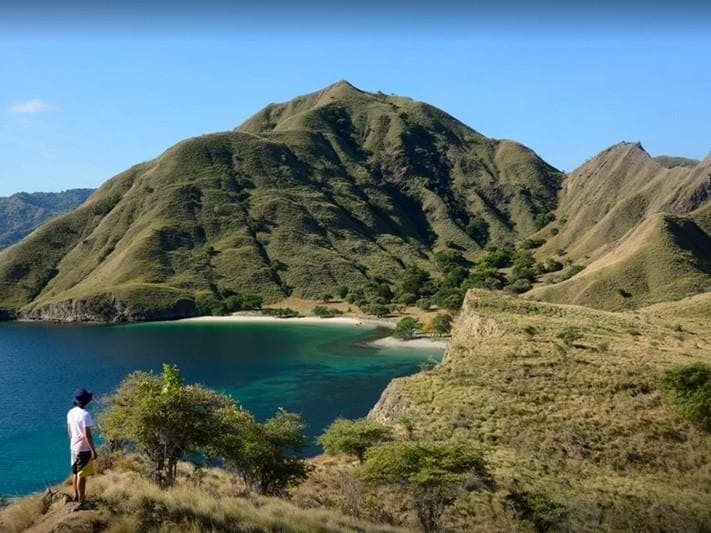
Dry, golden hills roll towards turquoise bays, while seasonal rains can transform parts of the land into vivid green. The contrast is unusually dramatic for an Indonesian archipelago often associated with rainforests. Carry sun protection and ample drinking water, particularly during dry months. For more nature-focused trips, compare other Indonesian national park adventures.
3. Discover wildlife above and below the water

Beyond the dragons, visitors may see Timor deer, wild boar, sea birds, turtles and—with luck—larger marine animals. The marine environment includes coral reefs, seagrass and mangroves, all of which support delicate food webs. Keep a respectful distance from animals, never chase them for a photograph and avoid feeding fish. For comparison, our Raja Ampat marine guide explores another biodiversity-rich Indonesian destination.
4. Dive and snorkel in exceptional marine habitats
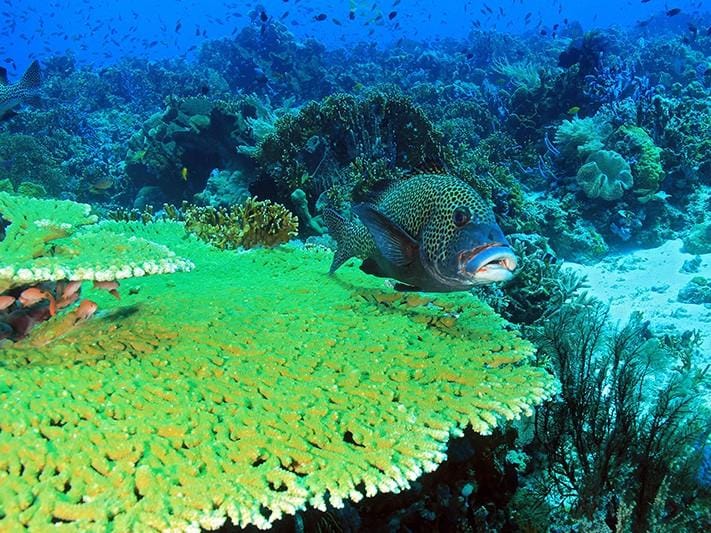
The Komodo region is celebrated for reefs, schooling fish, reef sharks and seasonal manta encounters. It is also renowned for powerful and variable currents. Sites that delight experienced divers can be inappropriate for novices; even snorkelling must be matched to conditions and ability. Choose qualified operators with oxygen, emergency procedures, well-maintained gear and a clear rescue plan.
How to choose a responsible dive operator
Ask about guides’ certifications, maximum group size, the exact sites proposed, surface support and the procedure if weather or tides change. Avoid operators that guarantee wildlife sightings or ignore no-go conditions. Never touch or stand on coral, and use reef-conscious practices throughout the trip.
5. Hike to Padar Island’s famous viewpoint

Padar’s stepped ridgeline reveals crescent-shaped bays in contrasting colours. The official walking route includes exposed steps and steep sections; plan to visit during cooler hours, wear shoes with grip and bring water. Trails may close for safety or conservation. Do not take shortcuts or cross protective barriers to recreate a photograph.
Combine the experience with a slower afternoon in Labuan Bajo; our Labuan Bajo sunset suggestions help avoid overpacking the same day.
6. Visit Pink Beach without damaging the shoreline
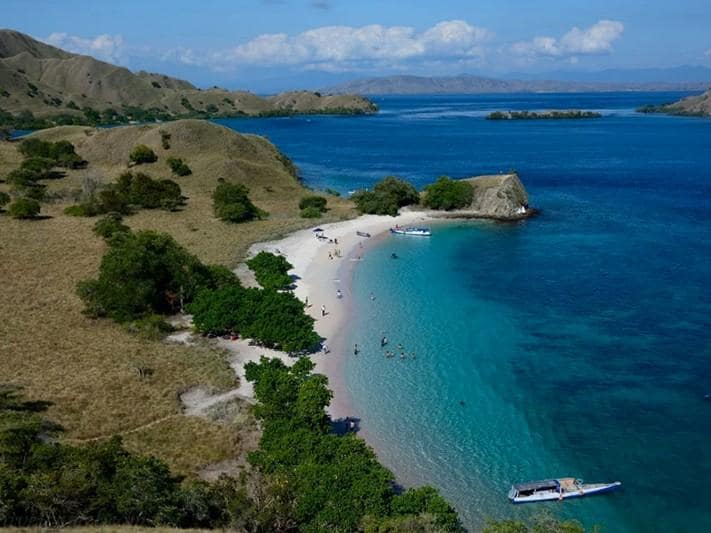
Pink Beach is admired for a blush tone created by light sand mixed with red-toned marine organisms and coral fragments. The colour varies with light and conditions; not every image on social media reflects what travellers see at midday. Enjoy it without taking sand, coral fragments or shells home, and keep sunscreen, litter and footwear impacts in mind when snorkelling.
Interested in other remarkable shores? Explore Indonesia’s scenic beaches and Bali beach alternatives.
7. Learn from the coastal communities around Labuan Bajo
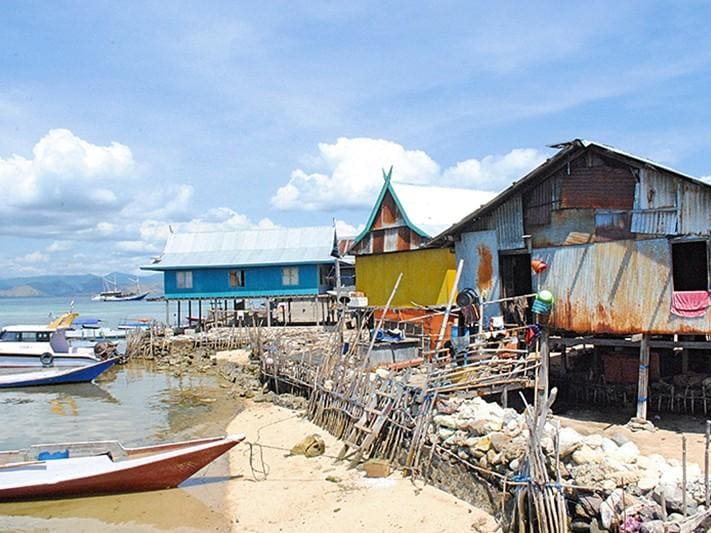
A Komodo itinerary should leave time for Flores and its maritime communities. Some older guides feature Mesa Island and Bajau communities as though they were attractions inside the park; they are part of a wider island region and should not be mislabeled as national-park stops. Any cultural visit should be locally led, properly consented to and respectful of residents’ daily lives—not a spectacle.
For nearby options beyond the protected islands, read seven places to discover around Komodo and Labuan Bajo experiences.
8. Explore nearby islands responsibly
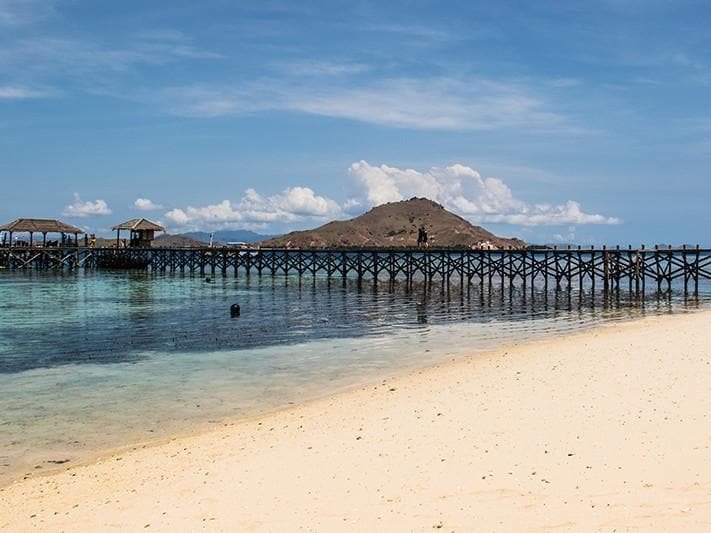
Kanawa and some other attractive snorkelling stops appear in itineraries departing Labuan Bajo, but individual islands’ conservation and management status should be checked separately from Komodo National Park’s boundaries. Confirm access rights, fees and reef conditions with your guide instead of assuming every stop shares the park’s rules. There is ample reward in slowing the itinerary rather than rushing across many beaches.
9. Watch flying foxes at sunset
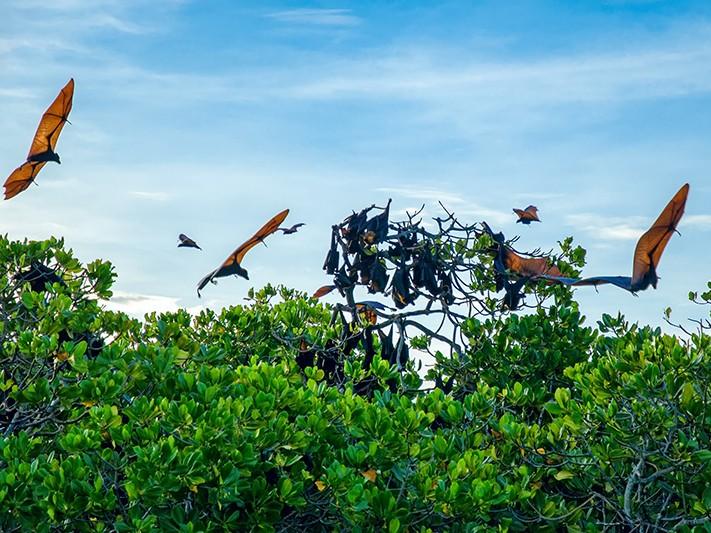
At Kalong, boats may gather to watch large fruit bats emerge from mangroves around dusk. Sightings and timing depend on conditions, and mangroves are fragile habitat. Choose a captain who maintains appropriate distance, avoids bright lights and does not harass roosting animals. To extend the peaceful mood back on land, see our Labuan Bajo scenic hideaways.
10. Experience Rinca Island with a trained ranger
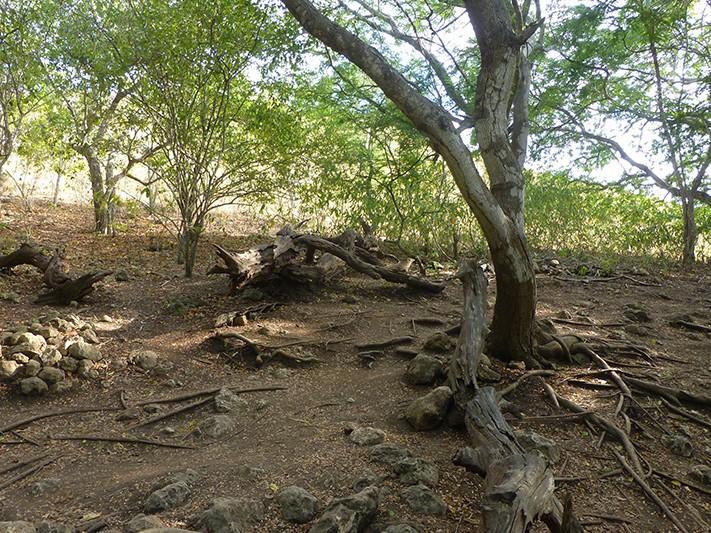
Rinca gives visitors another chance to learn about Komodo dragons and the island’s terrestrial environment. Visitor facilities and approved trail arrangements have changed over the years. Follow the current official route and ranger guidance; do not assume that descriptions of remote camping routes from older articles are still valid.
How to get to Komodo National Park
Fly into Labuan Bajo, Flores
Labuan Bajo’s Komodo Airport (LBJ) is the usual gateway. Flight schedules and connections change, so check itineraries from Jakarta or Bali and allow a buffer before boarding a liveaboard. Our Indonesian airports guide offers additional travel background. International travellers should also check current immigration requirements through the official government portal rather than rely on historical content such as our earlier e-VOA explainer.
Day boat versus liveaboard
Day trips offer a sample of the region with less time away from land; multi-day boats provide more flexibility but demand careful scrutiny of sleeping conditions, safety equipment, weather contingencies and operator qualifications. Compare accommodation before and after the voyage using our Labuan Bajo stay ideas.
When to visit and what to budget
The region is generally drier during the middle of the year, but wind and ocean conditions matter more than the calendar alone. Weather-related cancellations are possible in any season. Ask your operator to itemise park entrance charges, conservation levies, ranger services, harbour fees, gear hire and any additional activity permits. Fee schedules and daily entry rules can change; avoid trusting an old price quoted by a blog. If continuing to Bali, refer to Bali’s seasonal guide and consider quieter destinations from East Bali.
Essential responsible-travel rules
Never disturb dragons or other wildlife, take objects from protected habitats, fly drones without permission, discard waste or anchor on coral. Choose licensed local operators and respect community livelihoods. UNESCO identifies tourism pressure and safeguarding both land and marine ecosystems as important conservation concerns. Familiarise yourself with Indonesian visa types before departure, but verify eligibility on official immigration websites.
Frequently asked questions
Can I see Komodo dragons without a guide?
Do not attempt it. Use the park’s approved ranger-led visitor routes and follow all safety requirements.
Is Komodo safe for beginner divers?
Some selected sites may be suitable under professional supervision, but strong currents make many locations inappropriate. Choose activities based on conditions and certification, never just photographs.
How many days should I spend?
Two or three days allow several highlights, while longer trips work for experienced divers and travellers adding Flores attractions. Weather and availability may change your itinerary.
Are all Labuan Bajo island stops inside the park?
No. Island trips may combine destinations inside and outside the national park. Confirm which rules and fees apply at each stop.