Lake Toba is known for spectacular scenery, but its food culture offers just as much to discover. Batak cuisine brings together freshwater fish, herbs, andaliman and culinary customs associated with different communities and occasions. Not all dishes are suitable for every visitor’s dietary requirements.
This guide introduces seven local dishes associated with Lake Toba, updating the original article with clearer information about ingredients, raw-fish safety and foods that may contain pork or animal blood. For cultural context explore Batak cultural history and North Sumatra travel ideas.
7 Lake Toba Foods and Batak Specialties to Discover
1. Arsik: Spiced Fish with Andaliman

Arsik is a distinctive Batak fish dish featuring regional spices such as andaliman, often described as bringing a citrusy, tingling sensation. Traditional preparation differs between households and occasions. More Indonesian food context is available in halal dining in Medan and Indonesian cuisine.
Dietary and Food Safety Notes
Ask which fish is used and check bones carefully. Ingredients and cooking techniques vary.
2. Bagot Ni Horbo: Buffalo-Milk Specialty
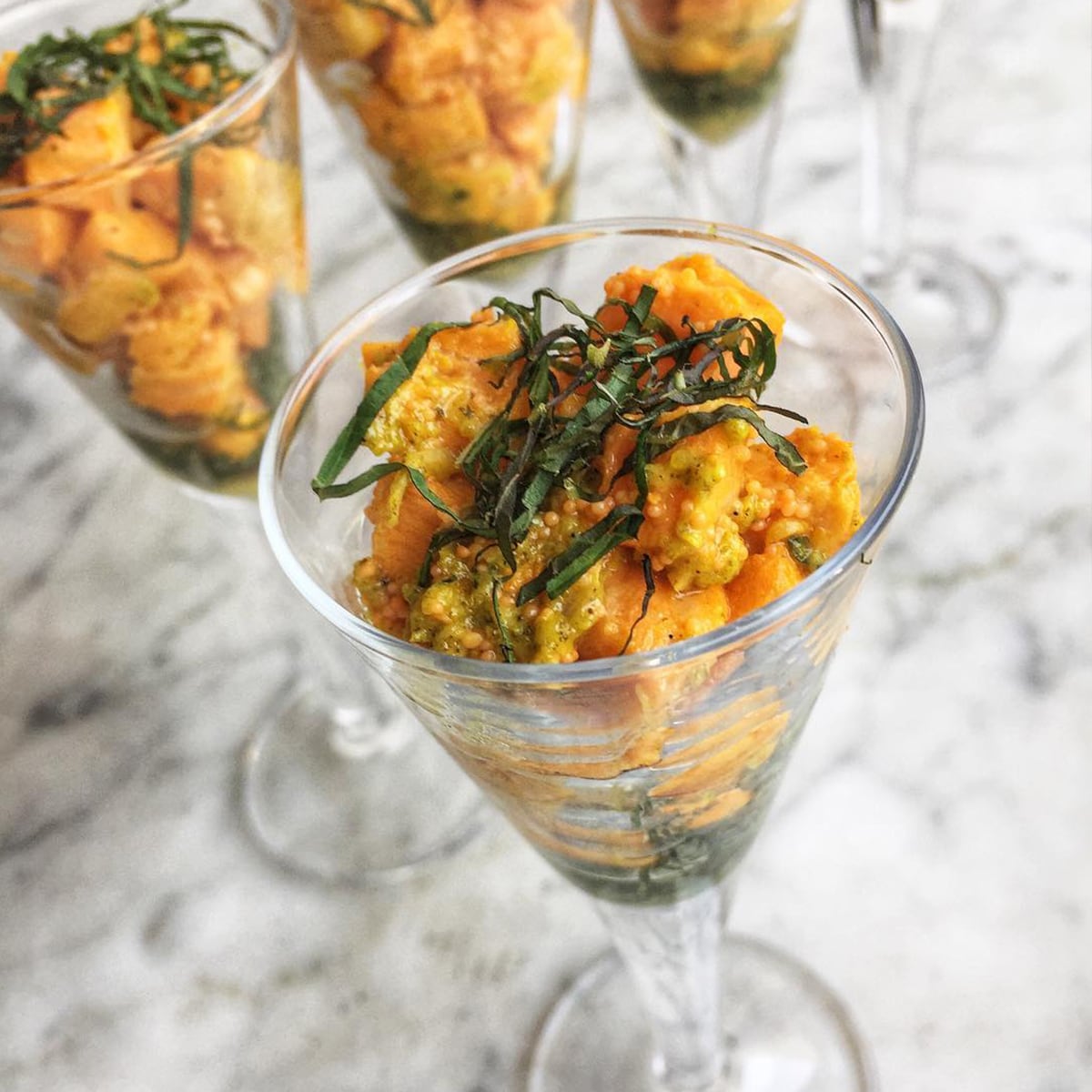
Bagot ni horbo is associated with buffalo milk in Batak food traditions. It is less common on general tourist menus than grilled fish or noodles and may be encountered through local hosts or specialty food sellers. More Indonesian food context is available in traditional breakfasts and Indonesian home cooking.
Dietary and Food Safety Notes
Milk-based foods can spoil without appropriate refrigeration. Ask about preparation and storage, especially if you have dairy sensitivities.
3. Mie Gomak: North Sumatra’s Hearty Noodles

Mie gomak is commonly associated with thicker noodles, distinctive spice blends and regional Batak cooking. Preparations can be stir-fried or served with broth depending on the place. More Indonesian food context is available in satay recipes and variations and vegetarian alternatives.
Dietary and Food Safety Notes
Ask whether stock or toppings contain pork, fish, egg or other ingredients relevant to your diet.
4. Naniura: Raw Fish in a Spiced Acidic Marinade
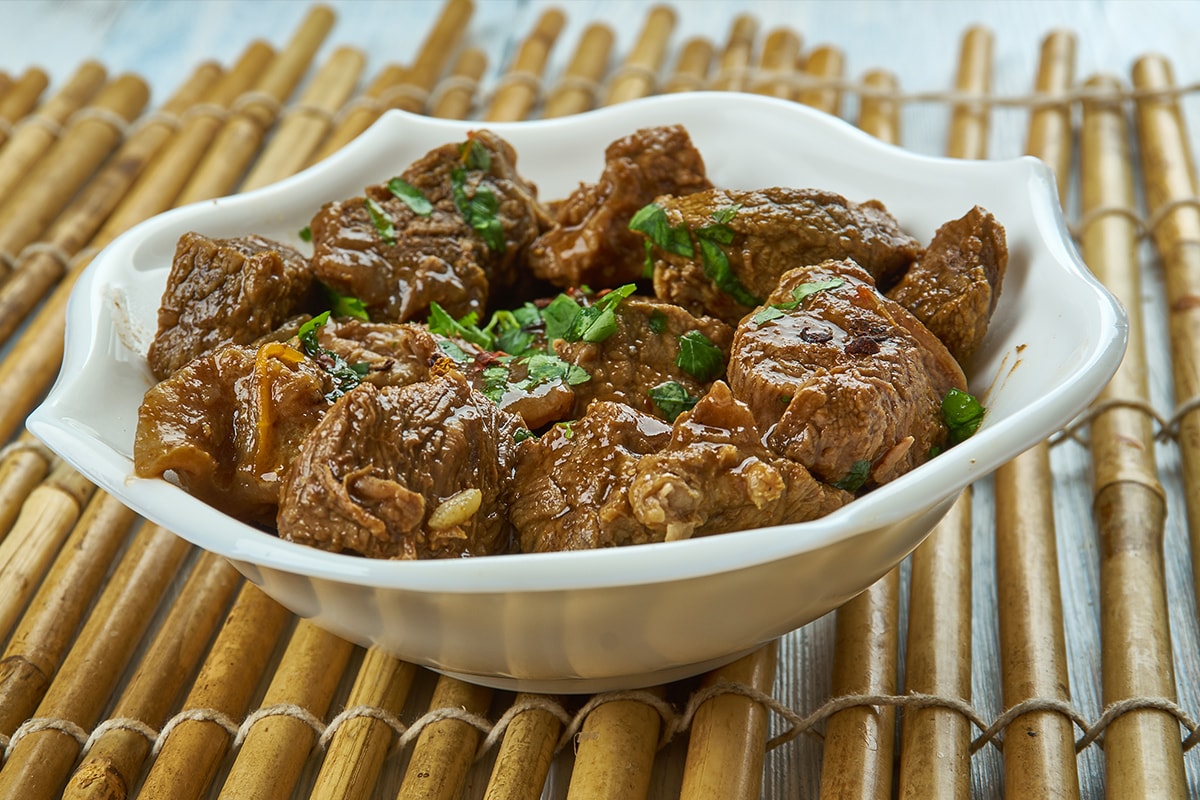
Naniura is a traditional Batak Toba preparation in which fish is marinated with acidic ingredients and aromatic seasonings rather than conventionally cooked by heat. It is an important culinary tradition but should not be described as automatically safe because lime juice has been added. More Indonesian food context is available in vegetarian dining around Indonesia and Lombok halal cuisine.
Dietary and Food Safety Notes
Food safety: raw freshwater fish can carry pathogens or parasites. Pregnant travelers, children, older adults and immunocompromised visitors should consider avoiding it. Acid does not reliably sterilize fish.
5. Natinombur: Grilled Fish with Spicy Seasoning
Natinombur is associated with grilled fish served with a flavorful regional spice sauce. Andaliman and other aromatics can create the assertive flavors characteristic of Batak cuisine. More Indonesian food context is available in Minangkabau regional dishes and rendang traditions.
Dietary and Food Safety Notes
Check whether the sauce is very spicy and ask about seafood allergens or other ingredients.
6. Saksang: A Dish with Important Dietary Considerations
Saksang is a richly seasoned Batak dish often made with pork, although other local versions may exist. Traditional recipes can use animal blood, making ingredient transparency particularly important. More Indonesian food context is available in North Sulawesi spicy food and Indonesian coffee.
Dietary and Food Safety Notes
Not automatically halal. Ask about meat and preparation explicitly. Travelers observing halal, vegetarian or other restrictions should choose a verified alternative.
7. Sambal Tuktuk: A Flavor-Packed Condiment
Sambal tuktuk is a regional spicy condiment frequently associated with andaliman and fish-based components such as dried anchovies in some recipes. It adds intense flavor to rice and other dishes. More Indonesian food context is available in cultural trips and Batak and other traditional houses.
Dietary and Food Safety Notes
Check for fish, shrimp and other allergens. Recipes vary, so do not assume it is vegan.
Eating around Lake Toba with Confidence
Know What Is in Your Food
Batak communities have diverse religious and culinary practices. Some restaurants or dishes use pork, fish or animal blood. If you need halal-certified food, ask about the actual ingredients and food preparation rather than assuming the dish is permissible because it is sold in a tourist town.
Be Careful with Raw Freshwater Fish
Traditional preservation methods are culturally meaningful, but acid alone does not remove all risks. Choose reputable restaurants with safe food-handling practices, and avoid raw fish when medical vulnerability or uncertainty is a concern.
Combine Culinary and Cultural Visits
Make time for museum visits, textiles and village experiences around the caldera. For a longer stay consult Medan’s architecture and Lake Toba accommodation.
A Food Lover’s Lake Toba Itinerary
Start with Well-Cooked Classics
For a first introduction to Batak cooking, a freshly prepared arsik or natinombur dish can provide strong regional flavors without the additional concerns associated with raw fish. Ask the restaurant to explain the spices and how the fish is prepared. If you are unfamiliar with andaliman, try a modest amount at first because its tingling sensation may be surprising.
Plan a Traditional Breakfast or Lunch
Mie gomak can be an accessible way to discover North Sumatra’s noodle traditions, although meat, stock and toppings vary. Ask about the broth rather than assuming a noodle dish is vegetarian. Snacks and dairy-based specialties can also be interesting, but food that contains milk or coconut may need careful refrigeration and should be consumed promptly.
Discuss Religious Dietary Needs Openly
Communities around Lake Toba follow different religious and culinary practices. A menu may include pork and other ingredients that some travelers avoid, while another kitchen may specialize in halal options. The appropriate choice is based on clear ingredient information, verified preparation and relevant certification where needed. Do not judge an entire regional cuisine by a single establishment’s menu.
Ask about Food Handling and Water Quality
Choose dishes prepared in a clean environment with safe drinking water and appropriate storage temperatures. If you have a serious allergy, write down the ingredient names in Indonesian and ask staff about shared utensils. Children, pregnant travelers and immunocompromised people should take particular care with raw fish and unpasteurized dairy. A cultural food experience should be enjoyable without compromising health.
Frequently Asked Questions
Are all Batak dishes halal?
No. Some traditional dishes contain pork or blood, so travelers should check every ingredient and preparation method.
Is naniura cooked?
It is acid-marinated rather than heat-cooked, which creates food-safety considerations.
What is andaliman?
A regional aromatic spice associated with a distinct tingling flavor in many Batak recipes.
Official References
Indonesia Travel: Lake Toba culture and culinary traditions; WHO food safety guidance; official Indonesia tourism portal.
Archived Image Credits
The original article credited images to Si_mir; grandmercuremedan. These are archived attributions, not current endorsements.
Discover Indonesia’s food cultures at iseeindonesia.com.