Indonesia’s historic and modern mosques reflect centuries of architecture, cultural exchange and Islamic community life. These buildings are active places of worship, not attractions whose facilities or prayer spaces are automatically open to photography. The original ten-mosque guide is a helpful historical selection, but several location descriptions and precise architectural claims need more care. This updated version preserves those ten names, clarifies locations and adds visitor etiquette for international travelers.
Updated for October 2026: Please respect local rules and independently confirm schedules, accommodation amenities or religious visitor policies. Explore 8 stunning grand mosque around indonesia s that you will always remember and 10 tasty halal food you must find in medan for related travel planning.
10 Unique Mosques in Indonesia: Architecture and Visitor Etiquette
1. Istiqlal Mosque, Jakarta
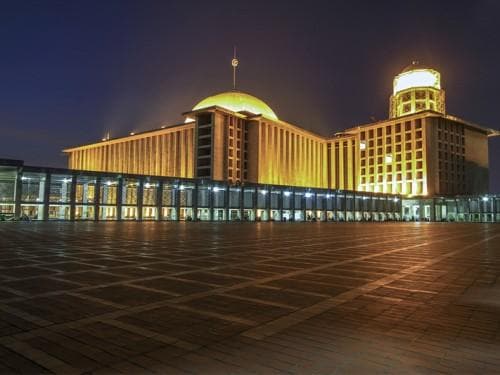
Istiqlal is Indonesia’s national mosque near Jakarta Cathedral and Merdeka Square. Its design expresses the nation’s post-independence civic identity; the surrounding urban ensemble also makes it an important setting for interfaith understanding.
Visiting and Booking Advice
Visitors should follow the mosque’s current guided-tour arrangements, dress rules and restricted prayer areas. Do not interrupt worship.
2. Dian Al Mahri Mosque, Depok
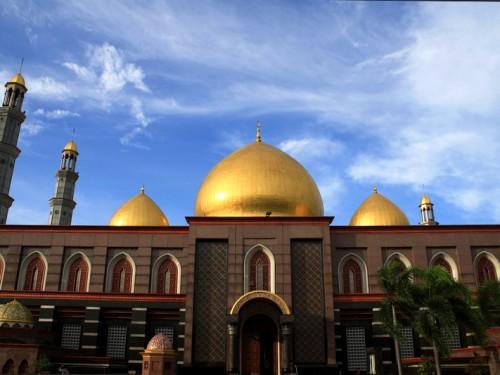
Dian Al Mahri is known for its golden domes in Depok, West Java, within the greater Jakarta metropolitan region. Its design is visually distinctive but its facilities are first and foremost for religious use.
Visiting and Booking Advice
Confirm visiting procedures and any restrictions on the property. Never assume the same opening pattern described in a 2010s blog is still in effect.
3. Soko Tunggal Mosque, Yogyakarta
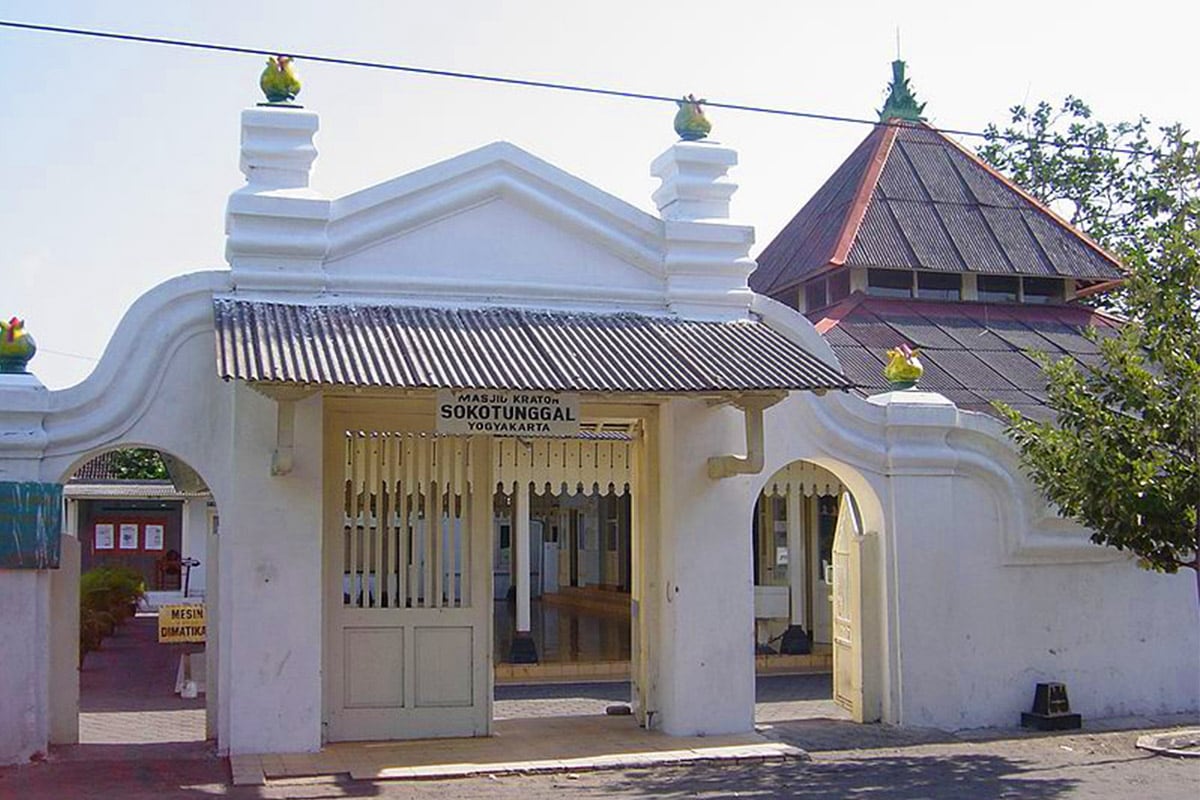
Soko Tunggal is associated with distinctive wooden architecture and a main pillar near the Taman Sari area of Yogyakarta. The structure invites discussion of how Javanese forms were adapted to Islamic worship.
Visiting and Booking Advice
Approach as a functioning neighborhood mosque, observe modest clothing rules and ask before photographing the interior.
4. Rahmatan Lil-Alamin Mosque, Indramayu
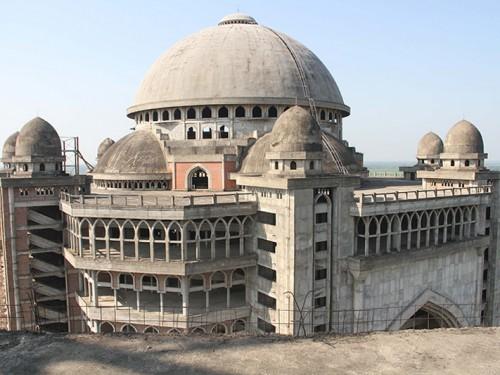
Photo source : wahidinfokita.blogspot.co.id (archived image attribution)
This large mosque is associated with the Al-Zaytun educational complex in Indramayu, West Java. Historic descriptions list ambitious dimensions and symbolic architecture, but individual access arrangements depend on the institution.
Visiting and Booking Advice
Confirm whether tourists are permitted to visit, and do not turn speculative stories or political controversy into unsupported heritage claims.
5. Great Mosque of Demak, Central Java
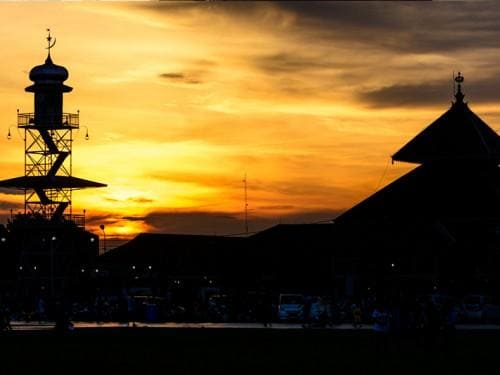
Demak’s historic mosque is linked to the development of Islam on the north coast of Java and the Wali Songo tradition. Its tiered roof and timber forms are notable examples of local Javanese Islamic architecture.
Visiting and Booking Advice
Historical origins can mix documentary evidence and religious tradition, so distinguish both when speaking with guides. Treat the complex and pilgrim activity respectfully.
6. Sunan Ampel Mosque, Surabaya
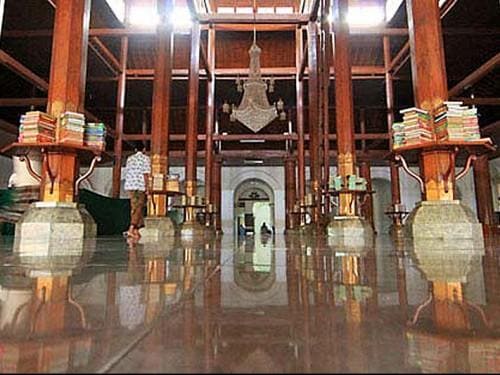
Masjid Ampel is associated with Surabaya’s historic Islamic learning and pilgrimage quarter. The area contains markets and buildings reflecting diverse communities and trading histories.
Visiting and Booking Advice
Follow pilgrimage and worship rules, shop respectfully and avoid photographing private activities without consent.
7. Muhammad Cheng Ho Mosque, Pandaan
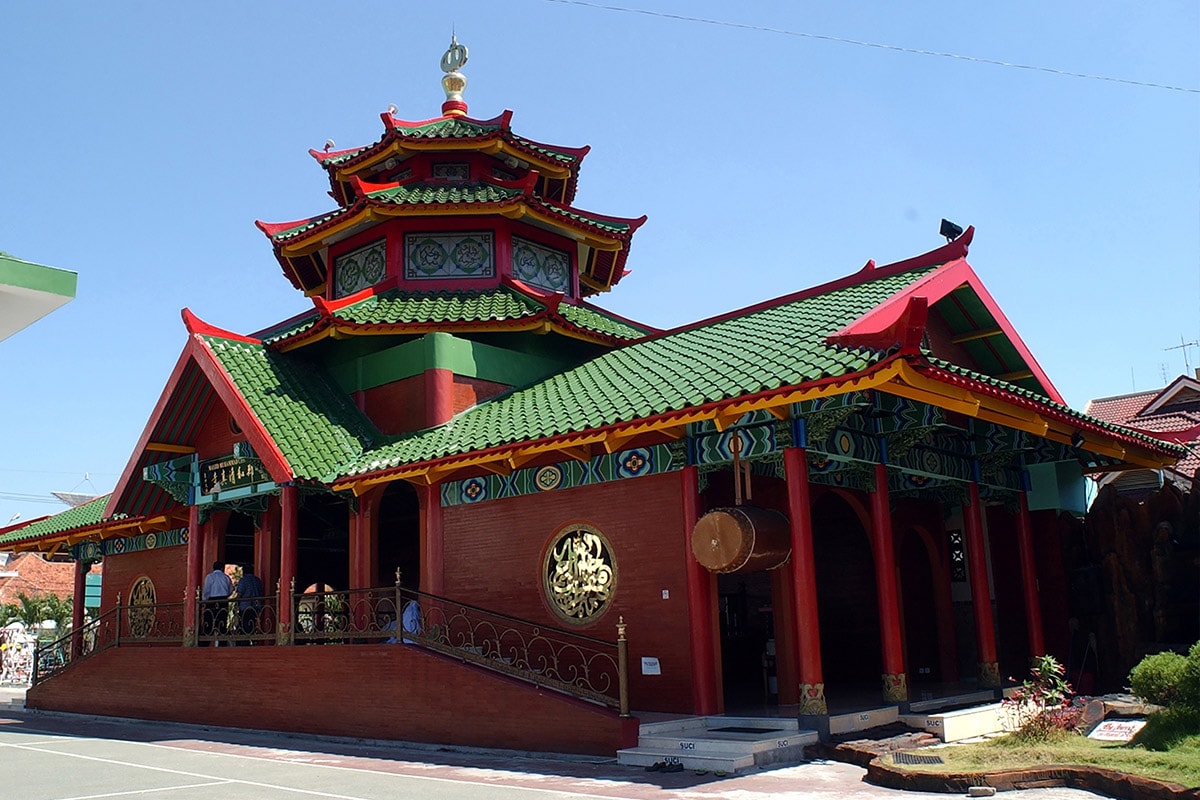
Photo source : www.skyscrapercity.com (archived image attribution)
The older guide highlights the Chinese-influenced Muhammad Cheng Ho mosque in Pandaan, East Java, rather than a similarly named mosque in Surabaya. Its colorful architectural elements reflect cultural exchange.
Visiting and Booking Advice
Enter the correct destination in navigation, and ask local staff about visiting rules and active worship times.
8. Al-Irsyad Mosque, Kota Baru Parahyangan
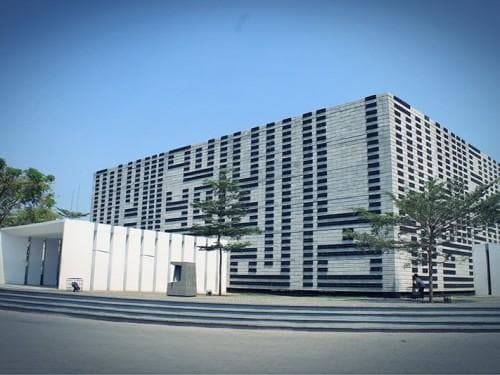
Photo source : www.id.wikipedia.org/Al_Irsyad_Mosque_Bandung (archived image attribution)
Al-Irsyad in Kota Baru Parahyangan, near Padalarang west of Bandung, is recognizable by its geometric modernist form and lack of a conventional dome. It is not in central Bandung city as the original article implies.
Visiting and Booking Advice
Allow travel time outside Bandung, and respect prayer-time restrictions, landscaping and photography rules.
9. Menara Kudus Mosque, Kudus
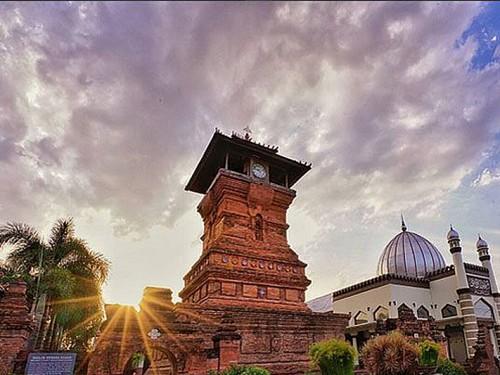
Photo source : www.lihat.co.id (archived image attribution)
The mosque is associated with the 16th-century religious history of Kudus and a prominent red-brick minaret with strong Javanese architectural influences. Its heritage is frequently discussed in relation to religious and cultural adaptation.
Visiting and Booking Advice
The site remains active for worship and pilgrimage. Never treat old masonry as a place to climb or touch for photographs.
10. Amirul Mukminin Floating Mosque, Makassar
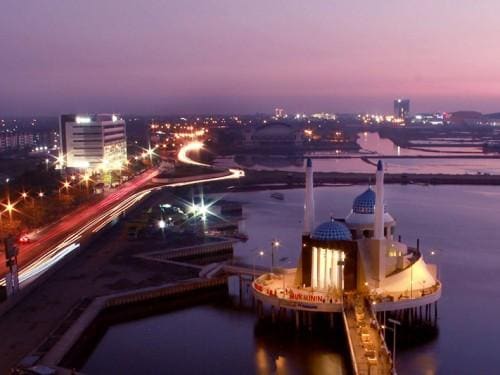
Photo source : www.vindhikahotel.com (archived image attribution)
Makassar’s floating mosque near Losari is visually associated with water and elevated supports. At certain tide levels it appears to rise above the sea, but it is a built structure, not a vessel.
Visiting and Booking Advice
Use designated walkways and follow local worship and weather conditions. Strong winds and slippery paths can affect waterfront access.
Traditional and Contemporary Mosque Architecture
Indonesian mosque architecture cannot be reduced to domes. Multi-tiered Javanese roofs, modernist geometric walls and waterfront pavilions each reflect regional building knowledge, climate and artistic traditions.
Visiting a Mosque as a Non-Muslim
Policies vary. Some prayer halls may admit respectfully dressed visitors outside prayer times, while other sections are reserved for worshippers. Ask local staff rather than assuming entry, and be ready to remove shoes where instructed.
When to Visit and When to Avoid Crowds
Avoid interrupting Friday congregational prayers and busy Eid periods. Some visitors prefer mornings or late afternoons for exterior photography, but suitable timing differs by site. Respect restrictions during Ramadan and important events.
Getting Geography Right
The ten mosques span Java, Jakarta-area districts, Surabaya and Makassar in South Sulawesi. Do not present them as one city itinerary. Pandaan and Surabaya are distinct, while Al-Irsyad is in the Padalarang/Kota Baru Parahyangan area outside Bandung.
Respectful Photography and Cultural Interpretation
Do not photograph people praying without consent. Keep commercial gear and drones away from restricted areas, and ask before photographing children’s activities. Local heritage guides can explain architectural symbolism without romanticizing or sensationalizing living religion.
Related iSeeIndonesia Travel Guides
lombok s delicious halal cuisine, 6 instagrammable landmarks in medan, semarang old town charming old time heritage atmosphere, explore the aesthetic and historical places in semarang, 15 amazing experience s you can get in yogyakarta, 9 iconic traditional houses to explore in indonesia, 7 bucket worthy ideas for the best cultural trip in indonesia, looking for a historical trip in jakarta these spots will send you back in time, explore jakarta kota tua today s old batavia, 5 amazing places in makassar that you never knew existed, 12 epic thing s to do that you can discover in south sumatra, 5 exciting ways to celebrate chinese new year in medan, climate, local law, staying safe in indonesia.
Understanding Mosque Architecture and Visitor Etiquette
What Makes Indonesian Mosques Architecturally Diverse
Centuries of contact among Javanese, Malay, Chinese, South Asian and other communities shaped local religious architecture. Some historic mosques use tiered timber roofs instead of large domes, while modern mosques experiment with geometric forms, shade, airflow and accessible public space. A building’s unusual appearance should never overshadow its primary role as a place of prayer. Historic stories sometimes combine written records and local tradition, and both deserve careful explanation rather than a simplistic claim about who built every wall.
A Route for Mosques in Central Java
Demak and Kudus are separate towns in Central Java, both associated with early Islamic history. Visiting their major mosques involves road travel, local walking and attention to prayer times. Semarang can serve as a transport base, but a meaningful visit to each location requires more than a brief photo stop. Dress modestly, keep voices low and follow site staff regarding entry to active prayer halls, burial areas and historic structures. Cultural guides may offer context about artisanship and local pilgrimage traditions.
Jakarta and West Java Locations
Istiqlal lies in central Jakarta close to the cathedral, making it more accessible by urban public transport than Dian Al Mahri in Depok. The latter may involve a substantial road journey depending on traffic. Al-Irsyad in Kota Baru Parahyangan is west of Bandung rather than in Bandung’s downtown area. An itinerary that treats all three as neighboring landmarks would mislead visitors. Verify the exact navigation pin and any tour reservations before departure.
Respecting Friday and Religious Holidays
Friday congregational prayers can bring large gatherings, while Ramadan evenings and Eid holidays involve additional activities and crowd management. Photography access may be limited at these times. Before entering, look for posted signs and ask staff if a visitors’ route exists. Non-Muslim guests should not assume that every room is accessible, and worshippers should be given priority. If someone asks you to remove shoes or move to a designated area, comply without treating it as a tourist inconvenience.
Mosques and Cultural Exchange
Menara Kudus is often discussed through its red-brick minaret and Javanese architecture, while Muhammad Cheng Ho mosques reflect Chinese-Indonesian influences in different locations. These design choices do not prove that every local community shares one historical experience. Be attentive to differences in building dates, founder narratives and the role of the mosque today. A respectful explanation acknowledges that cultural exchange is complex and that living congregations continue to adapt their spaces.
Photography, Dress and Personal Boundaries
Wear clothing that covers shoulders and knees, and use a head covering when required by local guidance. Avoid flash photography near worshippers and never pose in a way that obstructs a prayer line or religious ceremony. Ask before filming children, staff or women in private spaces. Drones can raise safety, privacy and airspace issues, and should not be flown without authorization. For commercial projects, contact mosque management in advance to request permission and understand conditions.
Flooding, Heat and Physical Access
Waterfront locations such as Makassar’s floating mosque face different conditions from inland heritage buildings. Hot afternoons can be uncomfortable in open courtyards, while wet steps and busy walkways require care. Older structures may have thresholds or narrow passages that challenge visitors with mobility needs. Ask about wheelchair access and accessible toilets before visiting, particularly when traveling with older relatives. Bring water while observing rules about food and drink inside prayer halls.
What to Ask a Local Heritage Guide
A good guide can explain the mosque’s role in its neighborhood, the meaning of distinctive building elements and which areas visitors are permitted to enter. Ask whether the guide can distinguish architectural facts from legends and how they handle questions about religious practices. Avoid demanding access to private ceremonies. Visitors can support local markets and businesses nearby while staying mindful of the community’s daily rhythms. A mosque visit is most meaningful when it includes listening as well as looking.
Planning Mosque Visits by Region
A North Coast of Java Heritage Journey
Demak and Kudus can be paired with a wider Central Java route, but they should not be described as part of Semarang city itself. Plan suitable transport between towns, then allow time to understand architecture and religious history. Local guides may discuss the Wali Songo tradition and the relationship between trade, scholarship and Islamic life along Java’s coast. Respect worshippers, and keep visits flexible around Friday prayers or special religious occasions.
A Jakarta and West Java Architecture Trip
Istiqlal in Jakarta can be explored within a central-city heritage itinerary, while Dian Al Mahri in Depok and Al-Irsyad near Padalarang need separate road journeys. Choose hotels according to geography, not just the number of stops you want to photograph. Modern mosques may have impressive façades or distinctive lighting, but a prayer hall is not an exhibition space. Ask staff before photographing interiors or bringing professional camera equipment.
Architectural Interpretation without Overclaiming
Some building features are associated with symbolism, local religious traditions or designers’ intentions. A guide should distinguish documented design explanations from popular stories that have been repeated online. For example, a tiered Javanese roof may evoke older regional building traditions without proving a simple one-to-one religious origin. Try to learn when the mosque was built, who maintains it and how its congregation uses the space today.
A More Inclusive Visitor Experience
Travelers of different faiths can often appreciate architecture respectfully when local rules allow. Explain any cultural uncertainty politely to mosque staff, follow modest clothing requirements and make room for worshippers. Visitors who need step-free access should ask about entrances, ablution areas and toilet arrangements before traveling. No photograph is worth interrupting prayer, damaging historic stonework or entering a restricted area.
Frequently Asked Questions
Can non-Muslim visitors enter Indonesian mosques?
Sometimes, subject to local rules. Ask staff and avoid interrupting prayer.
Is the Al-Irsyad Mosque in downtown Bandung?
No. It is in Kota Baru Parahyangan near Padalarang, west of Bandung.
Are historic religious sites always open to photographers?
No. Photo rules and access depend on worship activity and local management.
External Authoritative References
Indonesia Travel’s current guide to ten mosques; Indonesia Ministry of Religious Affairs mosque directory; Official Muslim-friendly religious attractions.