Palembang’s Musi River has shaped centuries of trade and settlement. Among the city’s distinctive neighborhoods is Kampung Arab Al-Munawar in 13 Ulu, where family homes and community heritage reveal links between Palembang and wider Indian Ocean exchanges.
This guide builds on an older personal essay by Ivone Suryani and offers an updated, respectful approach to visiting a living community. It avoids repeating sweeping claims about marriage or lineage as facts about all residents today. Pair a visit with a two-day Palembang itinerary and Palembang regional food for a meaningful Palembang stay.
Kampung Arab Al-Munawar: A Cultural Guide to Palembang
1. Where Is Kampung Arab Al-Munawar?
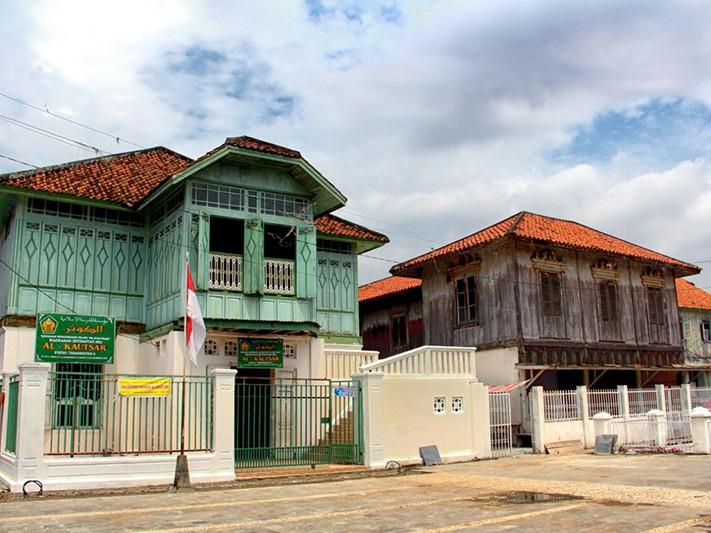
Kampung Arab Al-Munawar is a historic riverside neighborhood in 13 Ulu, Palembang, South Sumatra. It belongs to the social geography of the Musi River, rather than to Jakarta or a generic collection of Middle Eastern-themed attractions. Explore related historical and cultural stories in Palembang dining stops, Chinese-Indonesian heritage in Jakarta, Riau region celebrations.
Visitor Etiquette
Arrange a local guide or respectful walking visit. Its houses remain connected to residents’ lives, and public access may be different from a museum admission.
2. How Arab-Indonesian Communities Shaped Palembang
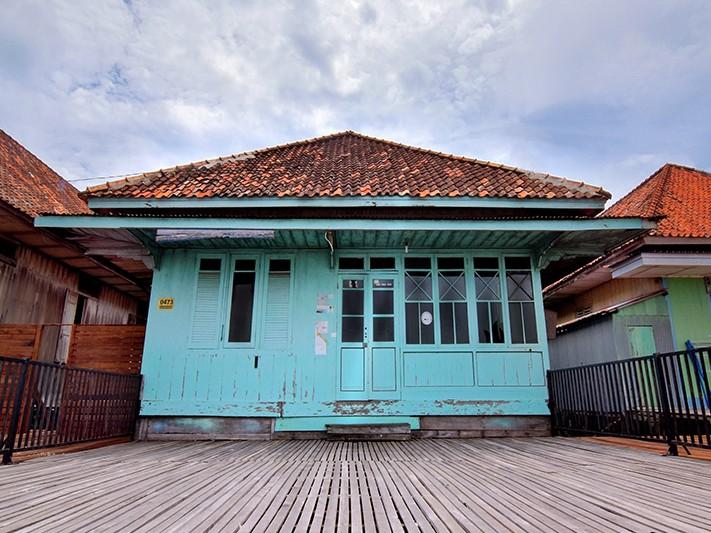
Traders, teachers and families with Hadhrami and other connections contributed to the city’s religious and commercial history alongside Malay, Chinese and other communities. These exchanges are part of Palembang’s identity and cannot be summarized by one rigid rule about ethnicity. Explore related historical and cultural stories in another riverside trading city, vernacular Indonesian houses, community-centered cultural travel.
Visitor Etiquette
Do not assume every Arab-descended family has the same history or religious practice. Ask community members about the specific places they wish to interpret.
3. Traditional Architecture along the Musi
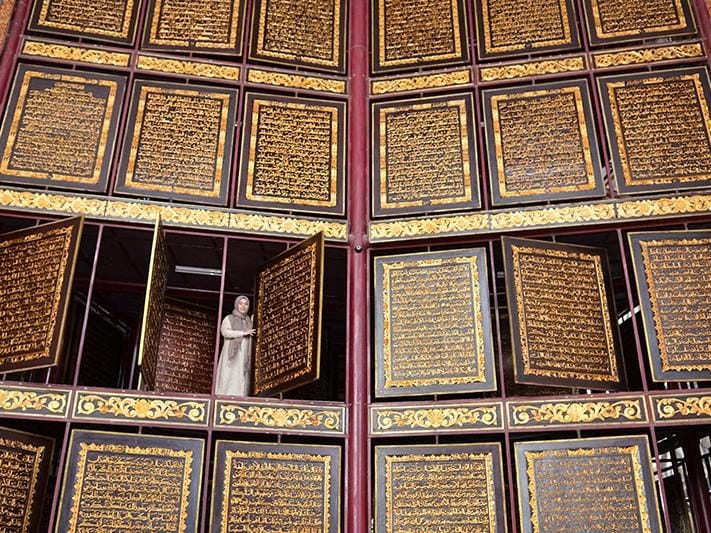
Houses in the neighborhood can show forms of traditional Palembang architecture, including raised structures and interior courtyards or communal spaces, depending on the building. Preservation requires attention to everyday needs as well as tourism photography. Explore related historical and cultural stories in historical neighborhoods elsewhere, traditional craft traditions, Indonesian artisan centers.
Visitor Etiquette
Many heritage homes are private. Photograph exteriors from permitted locations and do not enter without the residents’ approval.
4. Family Life, Community Customs and Changing Traditions
The original personal essay discussed marriage customs as if a single historical convention applied uniformly to everyone. That generalization should not be presented as a contemporary fact. Family decisions are diverse, and visitors should not question residents about intimate family matters. Explore related historical and cultural stories in Medan’s multicultural history, other Indonesian religious architecture, mosques in Indonesia.
Visitor Etiquette
Avoid stereotyping women’s choices, religious status or lineage. Interviews and portraits require voluntary consent and sensitivity.
5. Children, Games and Everyday Encounters
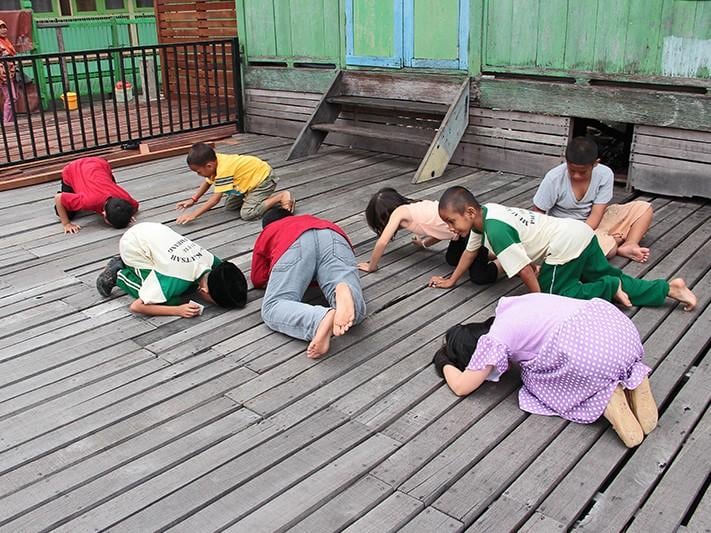
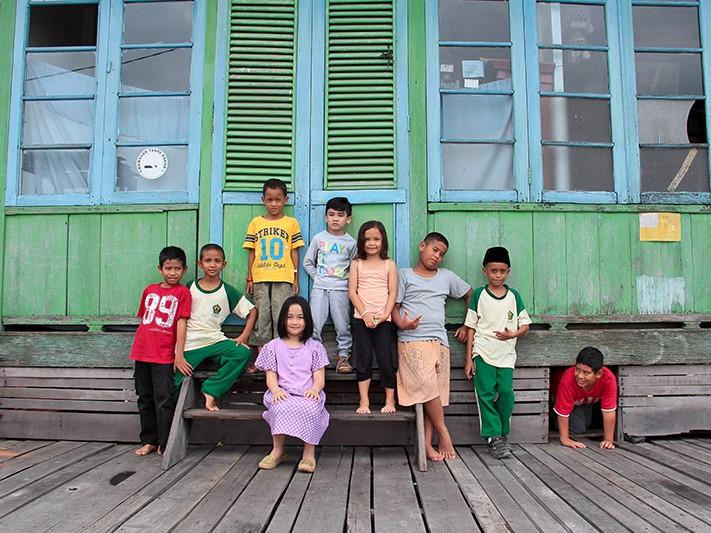
The original travel narrative by Ivone Suryani described meeting children and seeing traditional games. Such encounters can be heartwarming, but visitors should not approach children for photographs without a responsible adult’s permission. Explore related historical and cultural stories in community-run tourist villages, rural Indonesian life, creative cultural workshops.
Visitor Etiquette
Give way to residents, avoid turning everyday play into a performance and keep streets and household entrances clear.
Planning Your Visit
Location and Transport
Plan your route to the 13 Ulu district along the Musi and allow enough time to approach the neighborhood without disrupting traffic or residents. Public transport and boat options vary, so confirm with a local guide rather than assuming direct access from every riverside terminal.
Private Homes Are Not Open Attractions
Do not step into a household or photograph its occupants simply because architecture looks historic. Community-based tours should explain which routes are public and which locations are invitation-only.
Support Local Communities
Spend with local guides, buy directly from makers where available and listen to people’s own perspectives about their heritage. There is no need to treat a neighborhood as a frozen ‘traditional’ display.
A Thoughtful Half-Day in Al-Munawar
Arrange a Local Introduction
Before entering the neighborhood, ask a local guide or community representative which routes are appropriate for visitors. A structured introduction can explain how settlement along the Musi relates to trade, faith and family networks. Travelers should not presume that traditional houses are publicly accessible. Private residents are under no obligation to open their doors or answer personal questions.
Observe Architecture without Intruding
Notice how building forms respond to the river environment, communal spaces and local materials. Compare different structures carefully rather than labeling every home an identical ‘Arab house’. Some buildings have been altered or adapted as families’ needs change. A respectful guide may help distinguish original features from later renovation, as well as interpret the broader architectural heritage of Palembang.
Understand the City’s Multicultural Past
Palembang’s history includes Malay, Chinese, Arab and other communities linked by trade and religious exchange. A neighborhood’s identity is not proof that its residents all share one ancestry or follow the same customs. Historical practices described in an old personal travel essay may be limited to a time, family or narrator’s understanding. Contemporary residents should be able to speak for themselves if they choose to.
Photography, Children and Community Consent
Do not photograph children simply because they are playing in a picturesque lane. Seek explicit consent from a parent or responsible guardian and respect refusals. Use small groups where possible, keep passageways clear and avoid distracting religious gatherings. Support local food sellers and guides on fair terms, but never make residents feel that performing for tourists is required.
Frequently Asked Questions
Is Kampung Arab a museum?
No. Al-Munawar is a living residential and historic neighborhood.
Is Kampung Arab in Palembang?
The site described in the source is Al-Munawar in 13 Ulu, Palembang, South Sumatra.
Can I take photos of residents?
Ask permission first, especially for children and private homes.
External References
Indonesia Travel: Kampung Arab Al-Munawar; Palembang municipal government; Indonesia tourism portal. Original personal narrative credited to Ivone Suryani.
Discover more local cultural stories at iseeindonesia.com.