An older promotional article described Lombok Elephant Park as a new sanctuary offering elephant rides, bathing and close-contact encounters. Such descriptions need critical reassessment: a venue’s use of the word ‘sanctuary’ does not establish that its practices meet high welfare standards. World Animal Protection’s 2026 advice urges travelers to avoid elephant riding, bathing and other direct-contact entertainment and instead seek observation-only experiences that allow animals freedom of choice. This guide keeps the original photographs as historical documentation while no longer recommending those activities.
Editorial update — October 2026: This evidence-based non-commodity explanatory guide is intended for international visitors. Individual transport, opening hours and legal requirements can change; always confirm live bookings and relevant safety conditions. For an introduction to responsible Indonesian travel, see lombok s wonderfully refreshing waterfalls and 10 best escapes you can enjoy in beautiful lombok.
Lombok Elephant Park: An Animal-Welfare Travel Guide
1. What the Historic Article Claimed
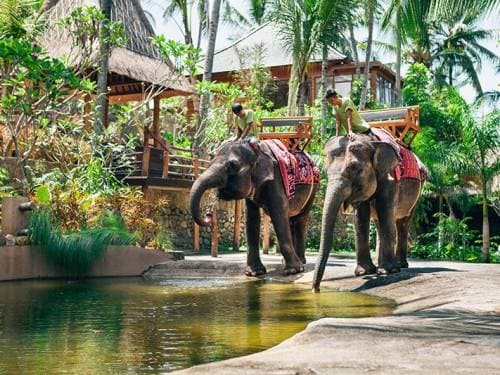
Photo source : www.lombokelephantpark.com (archived image attribution)
The original article presented a meet-and-greet program, elephant feeding, washing and safari rides as a conservation experience. It cited the venue’s own publicity rather than independent welfare assessments. The content was created before contemporary scrutiny of the animal-entertainment industry and should not be read as an endorsement of current operating practices.
What to Check Before You Go
Historic marketing claims are not welfare certifications. Separate what the venue advertised from what an independent animal-welfare audit has documented. Related travel advice: 5 best places to practice yoga in lombok.
2. Is Lombok Elephant Park Still Operating?
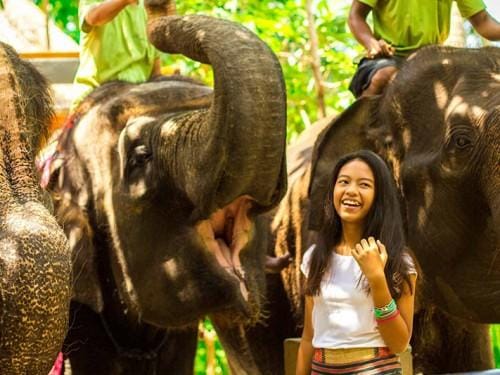
Photo source : www.lombokelephantpark.com (archived image attribution)
Web searches show a current Lombok Wildlife Park website with programs that include elephant feeding, meet-and-greet and mud-bathing. However, similarity of branding and location is not proof that every original service, ownership arrangement or park name remains unchanged. Travelers should verify the legal operator and latest entry policies directly.
What to Check Before You Go
The presence of a booking page is not a welfare recommendation. Ask for the park’s current animal-management policy, veterinary arrangements and independent inspection results. Related travel advice: lombok s delicious halal cuisine.
3. Why Elephant Riding Raises Welfare Concerns
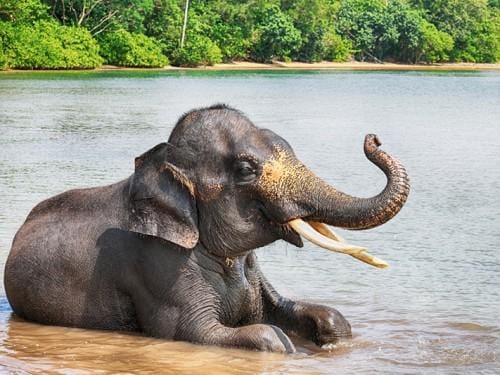
Image source : Shutterstock (archived image attribution)
Elephants are intelligent, social, wide-ranging animals. World Animal Protection describes the coercive training and restricted behavior associated with riding and performance experiences. A ride that appears gentle to tourists may involve a lifetime of controlling behavior and close human contact.
What to Check Before You Go
Avoid purchasing elephant rides or performances. Advertising such experiences as conservation without scrutiny risks driving demand for harmful captivity practices. Related travel advice: 5 leisure sports activities you must try in indonesia.
4. Why Washing and Feeding Are Not Automatically Ethical
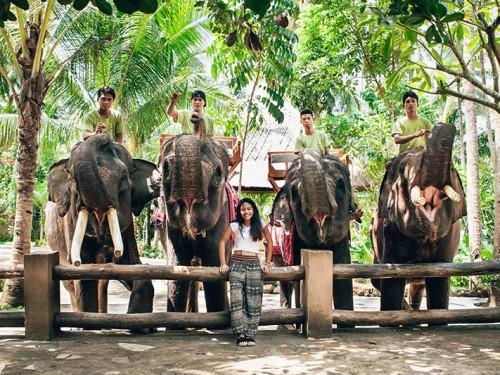
Photo source : www.lombokelephantpark.com (archived image attribution)
Marketing often replaces riding with elephant bathing, feeding baskets or trunk-touching. The charity’s current guidance explains that these interactions may still require elephants to submit to regular tourist contact and may affect safety. A venue can use reassuring words such as care or rescue while still offering activities that limit choice.
What to Check Before You Go
Prefer facilities where visitors observe from a distance, rather than touching, feeding, washing or taking selfies with elephants. High welfare is about the animals’ needs, not visitor proximity. Related travel advice: 10 wonderful beache s in mandalika for you to explore.
5. How to Assess a Wildlife Venue Independently
Ask whether animals roam freely in social groups, receive independent veterinary care, have shaded environments and can retreat from visitors. Investigate whether calves are bred for entertainment, whether elephants are chained or managed with sharp hooks and how an operator responds to complaints.
What to Check Before You Go
Look for independent audits and transparency; an ‘animal sanctuary’ label and positive visitor reviews alone do not verify animal welfare. Related travel advice: going on a trip to lombok here are 5 activities you should try there.
A Better Way to Explore Lombok’s Nature
Lombok has waterfalls, scenic beaches, Sasak cultural experiences and community-led nature excursions. Visitors can support local guides and conservation initiatives without paying for captive wildlife contact. Consider walking trails, birdwatching or marine activities conducted under appropriate conservation rules.
Questions to Ask Before Booking a Park
Request written information about the animals’ origins, group housing, enclosure area, freedom to avoid guests and current welfare oversight. If staff cannot explain these practices or require direct contact as part of the ticket, choose another activity. Avoid equating a large property with high-quality welfare.
Continue planning with indonesia s mighty tropical rainforests and unique endangered wildlife.
Animal Welfare and Tourist Safety
Even calm-looking elephants can be unpredictable. Close contact, riding and bathing also expose staff and visitors to potential injury. Professional keepers may need to work near animals for legitimate care, but that does not justify making forced interaction part of a tourist product.
How to Support Credible Conservation
Conservation is best evaluated through habitat protection, population research, education and tangible welfare outcomes. When donating, check the organization, financial transparency and independence of its animal-management assessment. Do not assume a ticket or paid feeding basket automatically funds meaningful wild-elephant conservation.
Continue planning with 10 indigenous animals that you can meet in indonesia.
Practical Planning Checklist
Confirm current schedules, weather, location and entry restrictions rather than relying on archived promotions. Travelers can explore 5 of lombok s gili trawangan best villas, 5 best places you should stay at during your holiday on gili air lombok, 5 unique ecotourism experiences in indonesia, 7 amazing national park s in java and bali for thrill seekers, 8 unique experiences and adventures in indonesia, climate, staying safe in indonesia, 5 reason s why north sumatra is the perfect destination for ecotourism for related Indonesian destinations.
Understanding Ethical Elephant Tourism in Greater Depth
Why the Word Sanctuary Requires Evidence
The word ‘sanctuary’ is often used in advertising and may not reflect a legally defined standard of care or independent certification. Look for verifiable information about the animals’ origins, whether they are able to move freely, how they interact with other elephants and what veterinary support is provided. A genuine welfare-first facility should be able to explain why it restricts interactions, not simply sell a higher-priced activity labeled ethical. Be wary of promises that elephants enjoy carrying visitors or that every animal-contact encounter is voluntary. Good travel writing must separate promotion from observable evidence.
The Problem with Elephant Rides
Elephants are not domesticated animals like riding horses, and their size does not make routine tourist riding harmless. Captive elephants may be trained to tolerate saddles, commands and handling, but this process can involve coercion and restrictions on natural movement. Riding also creates safety risks for people and animals. Travelers who want to support wildlife protection can instead choose observation-based activities or donate to independently scrutinized conservation efforts. A photo opportunity that lasts fifteen minutes should not outweigh the animal’s welfare throughout the rest of its life.
Why Tourist Bathing Is Not a Substitute for Riding
As public concern about elephant riding has increased, some venues have marketed bathing, washing or feeding as compassionate alternatives. World Animal Protection’s research explains that forced proximity with humans can remain stressful and that the animals may not be free to refuse. Bathing may seem gentle in a promotional video but still requires elephants to be repeatedly controlled for tourists. Choose a venue where trained carers can carry out necessary care without public entertainment and where visitors watch from appropriate distances. The important test is whether the elephant’s choice and social behavior guide the activity.
Five Questions for Any Captive-Wildlife Venue
First, can the animals move away from guests when they choose? Second, do elephants have meaningful social groups, outdoor space and natural enrichment? Third, is breeding managed for welfare rather than customer demand? Fourth, does an independent veterinarian and qualified auditor inspect animal care? Fifth, are handlers and other staff protected through humane procedures? Incomplete answers are a warning, particularly if the only evidence offered is a celebrity photo or a visitor-review score. Humane management should be explainable without making tourists buy or participate in direct contact.
Elephants in the Wider Indonesian Landscape
Elephants occur naturally in parts of Sumatra and Borneo, not as free-ranging wild populations native to Lombok. That distinction is essential when a captive animal park markets itself as a local nature sanctuary. Any conservation argument should explain how the venue’s work benefits elephants and their natural habitats elsewhere. Visitors should not assume that a captive elephant encounter on Lombok is equivalent to seeing wildlife in a natural Sumatran ecosystem. Wildlife travel should be educational and grounded in species conservation rather than novelty alone.
Alternatives for Families Visiting Lombok
Children can learn about nature through guided village walks, coastal habitats, responsible snorkeling and local craft activities without touching large captive animals. Choose a guide who explains ecosystems, community rules and wildlife from a safe distance. Lombok’s waterfalls and highlands require weather awareness, while sea activities involve tides and currents. Children should never be encouraged to approach animals for selfies and should be taught to leave nests and marine life undisturbed. These activities can be memorable precisely because they focus on habitats instead of staged performances.
What This Article Can and Cannot Verify
The park’s public marketing pages describe certain elephant encounters, but a current website does not by itself demonstrate welfare standards, inspection outcomes or the absence of coercion. No independent audit specific to this facility was established in this research. Therefore, the safest editorial treatment is to report the historical claims, present the best-available scientific and animal-welfare guidance and avoid recommending direct-contact programs. Visitors wanting to make an informed decision should investigate current third-party assessments and choose experiences that protect animals and staff.
Recognizing Better Wildlife Education
What Observation-Based Learning Looks Like
A responsible wildlife experience may involve an educator explaining elephant communication, social structure, diet and habitat loss while visitors observe animals from a distance. The animals should be able to move away rather than being trained to perform for a queue of tourists. Staff can share information about human-elephant conflict, veterinary care and conservation challenges without requiring guests to buy feeding baskets or interact with an elephant’s trunk.
How to Discuss Wildlife Tourism with Children
Children often want to touch animals, especially when advertisements portray elephants as gentle and friendly. Explain that a large wild animal may feel stressed or threatened by close contact even if it appears calm. Encourage questions about where the species lives naturally and how habitats are protected. Photograph an animal only from a safe viewing area. Teaching respect is a more lasting experience than a supervised ride or bathing session.
Why Independent Evidence Matters
A venue may provide photos of well-kept enclosures or testimonials from visitors while failing to document how elephants spend the remaining hours of the day. Reliable welfare assessment looks at housing, social interaction, behavioral choice and veterinary standards over time. Ask whether an external animal-welfare body has audited the site. If that documentation is unavailable, avoid describing it as certified or high-welfare based only on appearance.
An Ethical Checklist You Can Use Before Traveling
A practical decision should be based on animals’ everyday welfare rather than a venue’s photographs or the marketing title ‘rescue center.’ Request evidence of independent welfare assessment, appropriate veterinary care, space for social behavior and the ability to avoid visitors. If an elephant is required to carry, bathe with or pose beside customers, that direct interaction conflicts with observation-first guidance from World Animal Protection. Visitors can appreciate elephants without demanding contact. A more humane trip may include a guided discussion about wild elephant habitats and threats in Sumatra, and a donation to a credible conservation organization whose financial and welfare practices can be checked. This article does not verify an independent welfare rating for the specific Lombok facility.
Frequently Asked Questions
Is Lombok Elephant Park an independently certified ethical sanctuary?
The article does not establish that it meets independent observation-only welfare standards. The ‘sanctuary’ label alone is insufficient.
Should travelers book elephant rides or mud bathing?
No. World Animal Protection recommends avoiding riding, bathing and close-contact activities.
Can travelers enjoy Lombok without visiting a captive-wildlife park?
Yes. The island offers coastal walks, cultural experiences, waterfalls and guided nature outings that do not depend on captive-animal entertainment.
Authoritative External References
World Animal Protection’s 2026 elephant-friendly tourism guidelines; World Animal Protection’s 2026 welfare research; Lombok Wildlife Park’s publicly advertised activities (not a welfare endorsement).