North Bali rewards travellers willing to slow down. Instead of the fast-paced beach clubs and shopping districts of the south, expect black-sand coastline, misty highlands, waterfalls, villages and the quieter shores of Buleleng Regency. The old version of this guide also included Amed, Mount Batur and several Tabanan waterfalls; these are worthwhile Bali attractions, but they are not all in North Bali. This revised seven-stop itinerary focuses on a more geographically sensible northern route.
Where is North Bali, and how long do you need?
For most visitors, “North Bali” means the Buleleng coastline—Lovina, Singaraja, Pemuteran—and its inland mountain villages such as Munduk and the area around Sekumpul. Bedugul and Lake Beratan are in neighbouring Tabanan Regency but make a natural gateway to the north. Allocate three to four nights if you want to enjoy beaches, waterfalls and the highland landscape without constant driving. For seasonal context see Bali’s weather guide and the best times to visit Bali.
1. Watch dolphins responsibly in Lovina
What to experience
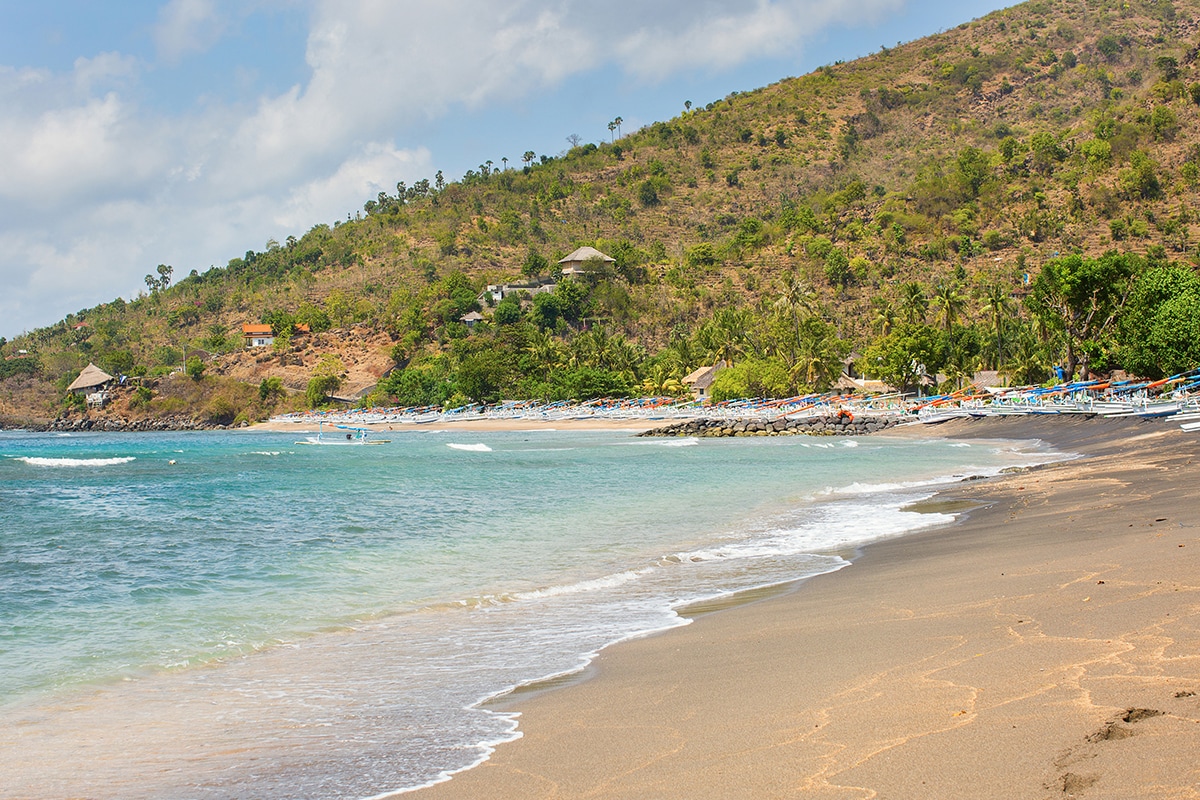
Lovina is a collective name for several north-coast beaches known for gentle mornings, volcanic sand and dolphin-watching boat trips. Sunrise departures can offer memorable encounters with wild dolphins, but appearances are never guaranteed. Avoid operators that aggressively chase, encircle or cut across pods; select a captain who keeps distance and turns off or slows engines when appropriate.
Travel tips
Ask about life jackets, weather limits, maximum passengers and wildlife-viewing practices before boarding. If an excursion is crowded or conditions are poor, enjoy the beach instead. Pair a relaxed afternoon with local food, a walk along the coast or a visit to nearby Singaraja.
2. Walk the waterfall trails around Munduk
Munduk is a cool highland village surrounded by forest, coffee farms and scenic walking routes. Several waterfalls can be explored on foot, but paths range from easy to steep and become slippery after rainfall. Wear shoes with traction, carry cash for local admission and guides, and allow enough time to avoid racing the afternoon rain.
Munduk deserves at least one overnight stay for travellers who enjoy nature and slower mornings. If you are comparing waterfall scenery elsewhere, our Tabanan waterfall guide covers a different region rather than additional Buleleng attractions.
3. Visit Sekumpul Waterfall with a local guide
Sekumpul is among Bali’s most striking waterfall landscapes, with water cascading over a steep forested valley. Access involves uneven steps, potentially wet river crossings and local visitor management, so check the current route, the genuine ticket office and any guide requirements on arrival. Some advertised “short walks” omit difficult sections.
How to make the visit responsible
Respect village arrangements, avoid entering dangerous plunge pools and do not take unapproved paths through agricultural property. Heavy rain upstream can create flash-flood risk even when the immediate weather appears manageable. To plan more rural experiences, explore Bali’s tourism villages and the island’s scenic rice fields.
4. Stop at Ulun Danu Beratan and the lakeside highlands
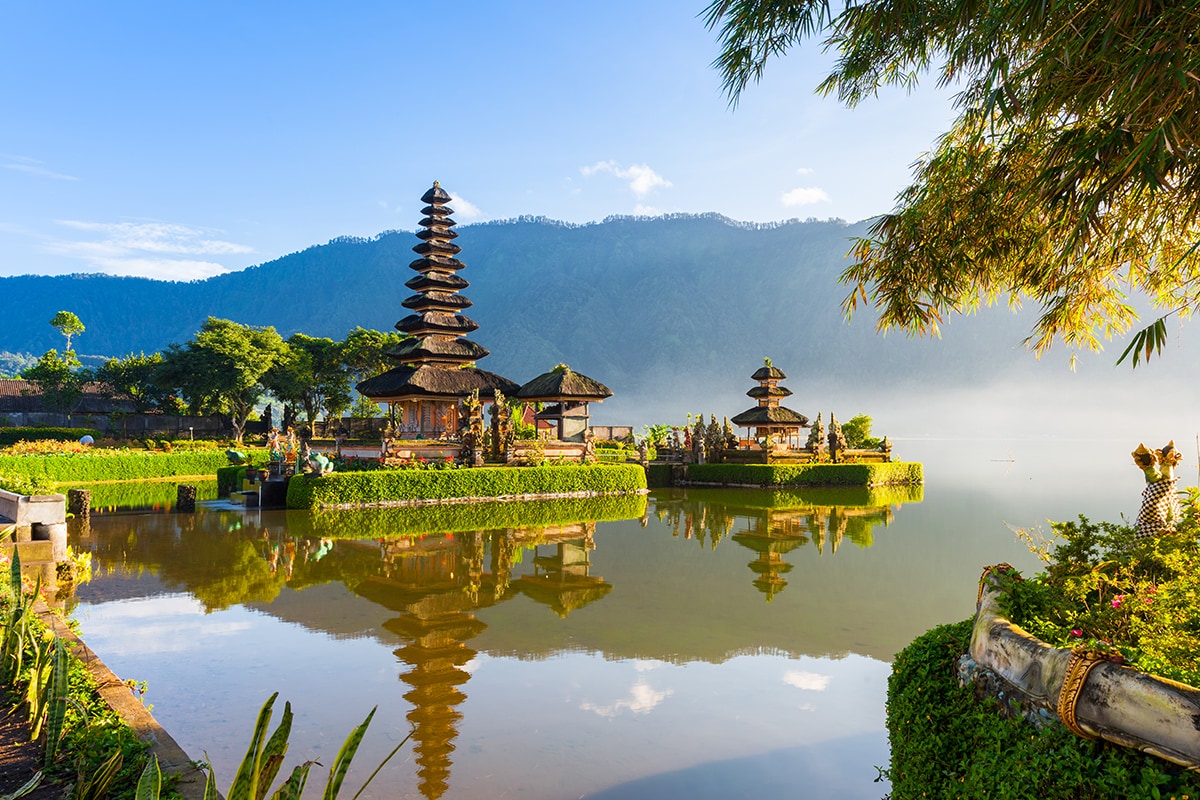
Pura Ulun Danu Beratan stands beside Lake Beratan in the Bedugul highlands. Although technically in Tabanan Regency rather than Buleleng, it is a natural stop on a drive north from the south or Ubud. Cool mist, water gardens and multi-tiered shrine architecture create a distinctive change of scenery. This is an active sacred place: dress respectfully and use visitor areas.
Consider the temple as part of a wider cultural day using our Bali temple guide. Travellers who favour agricultural landscapes can also make a separate visit to Tegallalang near Ubud, but it is not located in North Bali.
5. See Handara Gate and Lake Buyan viewpoints
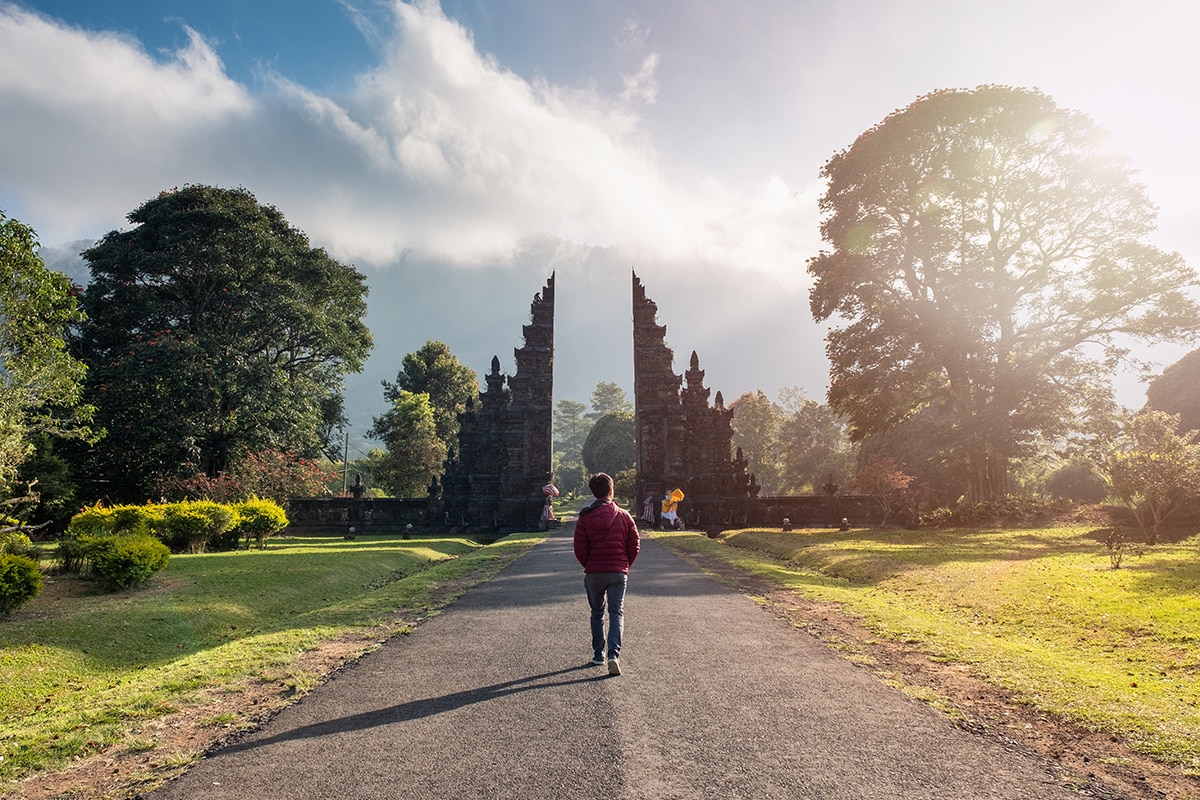
The iconic split gate near the Bali Handara resort is a popular photography stop on the approach to Buleleng. It is not an ancient public temple and photo-access arrangements may change; check the operator’s rules and fees rather than assuming free access. Around Buyan and Tamblingan, pause at authorised overlooks rather than blocking mountain roads.
Some northern viewpoints offer photo props or swings, but do not assume every installation is an active adventure ride. Read our Bali swing comparison for questions about safety and current operation.
6. Discover Brahmavihara Arama and Banjar Hot Springs
Brahmavihara Arama in the Banjar area is a Buddhist monastery with landscaped courtyards and a peaceful hillside setting. Visitors should observe appropriate dress, voices and photography rules, and remember this is a religious place rather than a theme park. Nearby Banjar Hot Springs offers a different experience focused on warm pools set among tropical greenery.
Before entering the pools
Check posted hygiene guidance and current water conditions. Shower when required, supervise children, and consider medical advice if hot bathing may affect an existing condition. Follow opening-hours information from the operators rather than assuming year-round access.
7. Snorkel or relax near Pemuteran
Pemuteran on the north-west coast is known for a slower seaside pace and access to reef-focused snorkelling. Conditions vary by season and site, so choose a local marine guide who protects reefs, does not handle wildlife and can explain currents and visibility. Menjangan-area trips may involve separate park arrangements and boat fees. For more background, consult our Pemuteran nature guide.
Visitors who prefer a more active beach trip elsewhere might contrast Pemuteran with other Bali seaside destinations.
Places in the old guide that are not really in North Bali
Mount Batur: Kintamani in Bangli
Mount Batur’s sunrise walks are part of the Bangli highlands, not the north-coast route. They can be fantastic with a permitted guide and suitable volcanic conditions, but should be scheduled as a separate Kintamani trip. For other inland attractions, browse Ubud excursions.
Amed: East Bali in Karangasem
Amed’s beach settlements and dive sites are in eastern Bali. Driving there from Lovina or Pemuteran takes considerable time; do not combine both coasts on a rushed day trip. For a distinct east-coast itinerary see East Bali hidden gems.
Leke Leke and other Tabanan waterfalls
These are also beautiful, but they belong to Tabanan rather than a tight Buleleng itinerary. Treat them as optional stops on a transfer day instead of presenting them as North Bali highlights.
Suggested four-day North Bali itinerary
Day 1: Bedugul to Munduk
Leave the south early, visit Ulun Danu Beratan and a designated lake viewpoint, then continue to Munduk for an afternoon walk. Stay overnight in Munduk.
Day 2: Waterfalls and village life
Choose either a substantial Sekumpul outing or a cluster of more accessible Munduk trails. Allow a flexible afternoon for rain or simply enjoying the highlands. Do not stack multiple strenuous waterfalls into one short day.
Day 3: Lovina, Singaraja and Banjar
Consider an ethical early dolphin tour, then see a monastery or hot springs before sleeping on the northern coast.
Day 4: Pemuteran and the north-west coast
Enjoy a snorkelling session if conditions allow, or take a slow coastal morning. If returning to southern Bali, build in significant transfer time and consider an overnight stop.
Travellers planning multiple regions can use our short Bali itinerary ideas as background, but should extend the total number of days for a genuine north-coast exploration. Add Bali craft markets on a separate south or central Bali day, not a rushed detour.
Practical travel advice
Transport and driving
A private car with a driver is often the most manageable choice for mountain roads and dispersed sights. Journey times are highly variable, and some routes may become difficult during heavy rain. International visitors should confirm licence and insurance requirements before riding a motorbike.
Budget and local guides
Budget separately for accommodation, guide fees, parking, entrance tickets, boat trips and meals. Verify legitimate village-managed ticketing at each attraction. Hire local guides where requested and pay fairly; their knowledge of routes and conditions is valuable.
Responsible nature travel
Do not harass dolphins, fly drones without permission, touch coral or climb over waterfall barriers. The landscapes are living ecosystems and community places, not unlimited-access photo studios. Find broader inspiration in our Bali activity roundup. Travellers seeking a contrasting coastal base can compare Canggu, keeping the long transfer distance in mind.
Frequently asked questions
Is North Bali worth visiting?
Yes, especially for independent travellers, waterfall lovers and people who prefer smaller communities to large beach-club districts.
Where should I stay?
Munduk works for highland walks; Lovina for a northern-coast base; Pemuteran for a relaxed marine-focused retreat. Two bases can reduce driving.
Can you do North Bali in one day from Seminyak?
You can visit a selected highland site, but you cannot see the northern highlights comfortably in a single day. Spend at least two nights, ideally more.
Are the waterfalls accessible year-round?
Access depends on rain, trail conditions and local management. Always check the latest on-site guidance and avoid unsafe crossings.
Official sources and additional reading
- Wonderful Indonesia — official Bali destination information
- Wonderful Indonesia — heritage and cultural travel
- Love Bali — current foreign visitor levy information
Original article photography
These seven photographs are retained from the earlier Bali itinerary. Some depict Amed, Mount Batur or Tabanan rather than destinations in the revised North Bali route.