Jakarta’s best-known landmarks offer a revealing introduction to Indonesia’s capital: independence history, colonial-era architecture, major places of worship, family attractions and a stadium that has hosted international sporting events. This practical guide to six iconic places in Jakarta explains what you can see today, how to organise the stops and why several details in older visitor guides—particularly ticket prices, opening hours and stadium capacity—should not be trusted without checking current operators.
Which six Jakarta landmarks should you visit?
The six attractions cover three useful geographic clusters: Central Jakarta for Monas, Istiqlal Mosque and Jakarta Cathedral; Old Town for Fatahillah Museum; and separate trips to Ancol or the Gelora Bung Karno complex. These stops give more variety than a sightseeing tour based entirely on malls. For background, read our Jakarta introduction and the Kota Tua heritage guide.
1. National Monument (Monas): Indonesia’s independence landmark

Standing in Merdeka Square, the National Monument commemorates Indonesia’s struggle for independence. Its approximately 132-metre structure is topped by a gold-coloured flame; some older articles quote inconsistent heights and gold weights. Beneath the monument, historical displays and dioramas introduce important periods in Indonesian history. The observation deck, when open, offers a different view of Central Jakarta, but tickets and queues are managed separately from the surrounding grounds.
How to plan your visit
Arrive early to allow for security checks, ticket availability and walking across the grounds. Do not assume the observation deck opens whenever Merdeka Square is accessible. Monas is particularly rewarding alongside Jakarta’s modern-art experiences for a contrast between national history and contemporary creativity.
2. Jakarta History Museum: the former Batavia City Hall
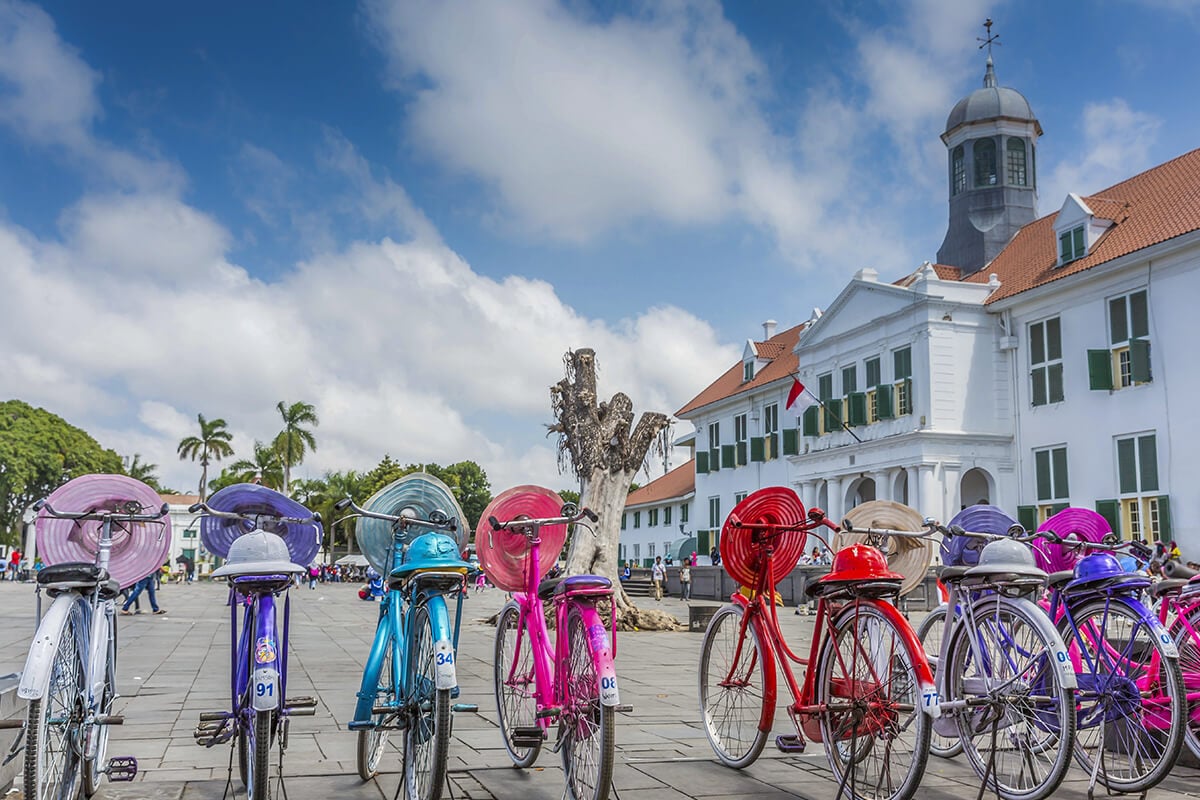
The Jakarta History Museum, commonly called Museum Fatahillah, occupies the former municipal building on Fatahillah Square in Kota Tua. Its exhibitions describe the city’s past from precolonial settlements through the Dutch colonial era and subsequent development. Some displays have changed over time, so descriptions and collection counts in earlier guidebooks may not match what visitors see today.
Getting the most from Kota Tua
Spend time walking around Fatahillah Square and visiting nearby historic structures, museums and cafés. A guide familiar with Jakarta’s colonial and independence history can add context without romanticising colonial exploitation. Combine it with Jakarta craft and souvenir stops or choose a meal from our Indonesian restaurant recommendations.
3. Ancol Dreamland: seaside leisure and amusement parks
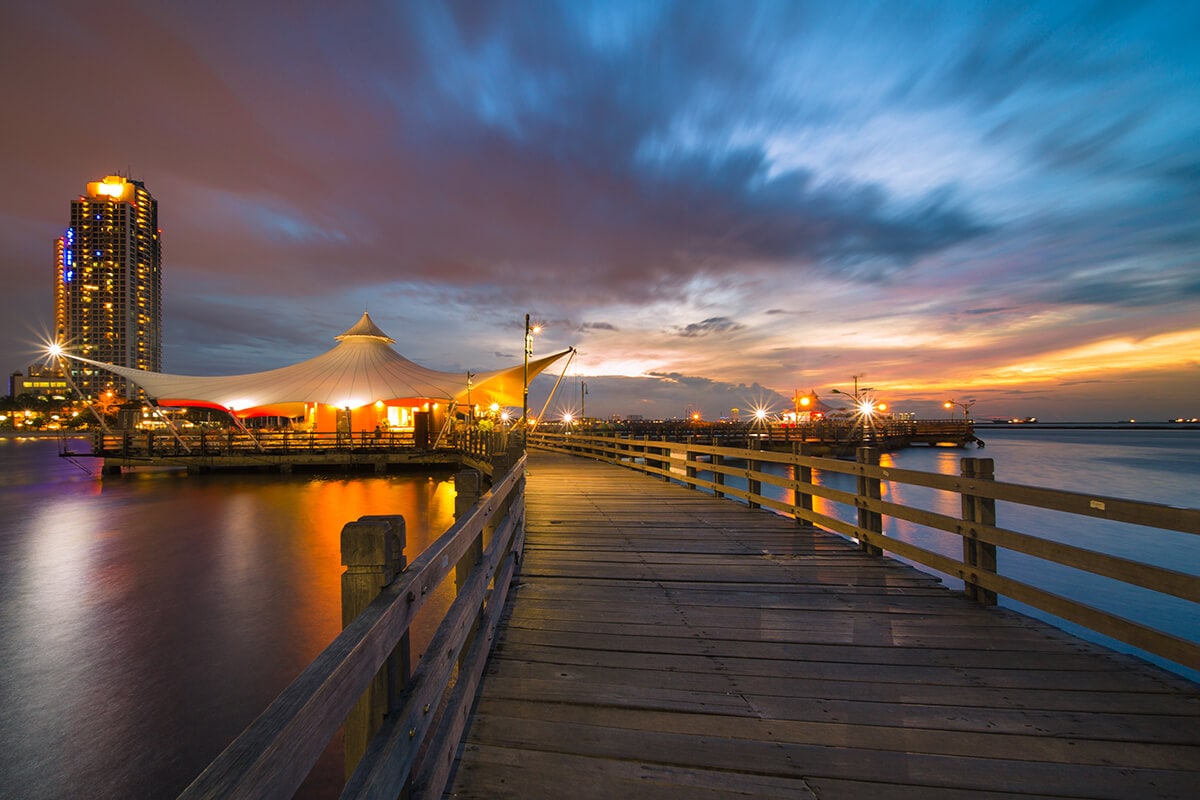
Taman Impian Jaya Ancol in North Jakarta includes multiple separately ticketed attractions, including Dunia Fantasi (Dufan), Sea World Ancol and water-based family entertainment. Some experiences change seasonally; check official venues for current rides, ticket bundles and maintenance closures. This is not the same as a quiet natural beach: the complex is an urban recreation area.
For families and short stays
Choose one or two attractions rather than rushing through every ticketed zone. Families should check height limits, weather restrictions, accessibility and transport arrangements. Read our Ancol activity guide and family things to do in Jakarta before travelling with children.
4. Gelora Bung Karno (GBK): sporting and civic landmark

The Gelora Bung Karno sports complex in Senayan is associated with major national sporting events, international competitions and concerts. The main stadium’s present seating capacity is far lower than its historical pre-renovation capacity of more than 100,000, so an old ranking based on that number is misleading. Visitors often enjoy jogging or walking around designated public areas when access is permitted.
Access, crowds and public transport
Event days can bring road restrictions and limited pedestrian routes. Check the complex operator’s schedule before making a special trip, and consider MRT Jakarta or other public transport where practical. Those staying nearby can explore Central Jakarta shopping or cafés for a relaxing break.
5. Istiqlal Mosque: architecture and religious significance
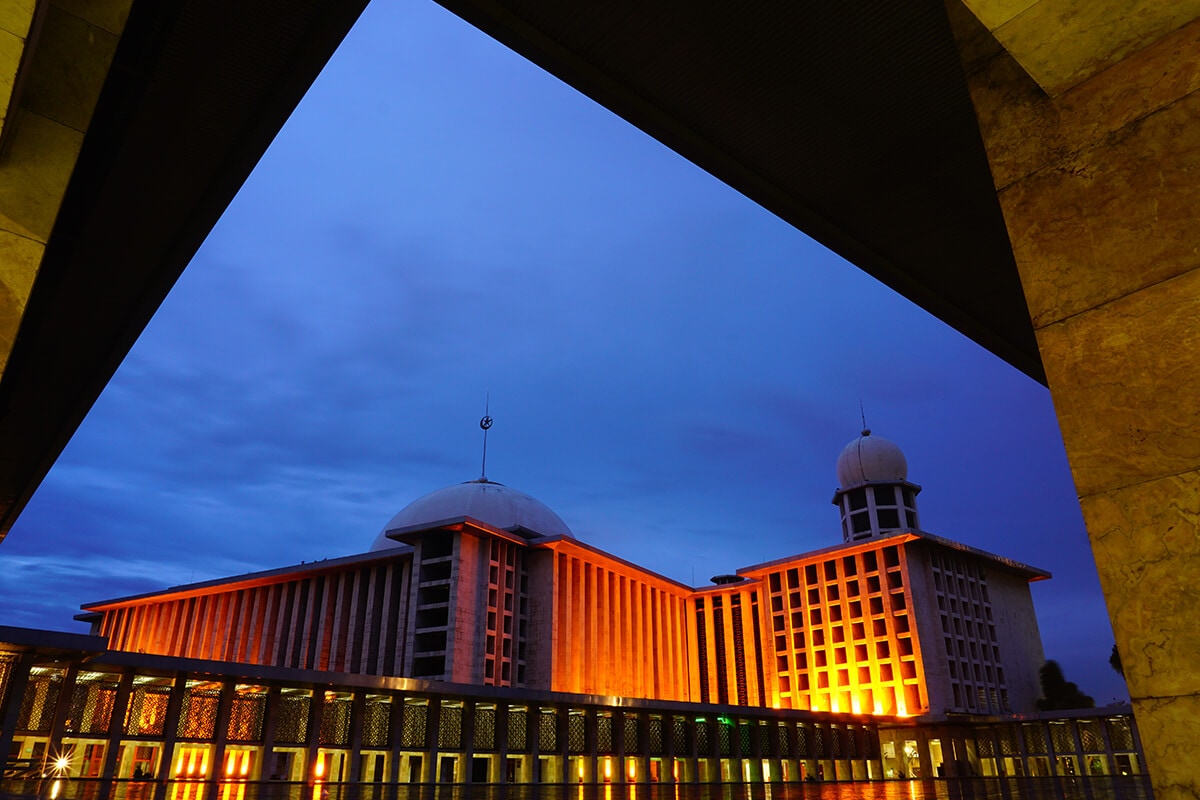
Istiqlal Mosque, near Merdeka Square, is a major centre of Muslim worship and a landmark of post-independence Indonesian architecture. The mosque’s spacious prayer halls and courtyard illustrate the ambitions of its design. It remains an active religious building, not just a tourist destination. Visiting arrangements and access routes can vary around prayers and important religious holidays.
Visitor etiquette
Dress modestly, follow local guides and security staff, avoid interrupting prayers and ask before taking portraits. A non-Muslim visitor should confirm the permitted visitor tour rather than entering restricted worship areas. For wider heritage context, see other landmark mosques across Indonesia and Indonesian cultural traditions.
6. Jakarta Cathedral: neo-Gothic landmark across from Istiqlal
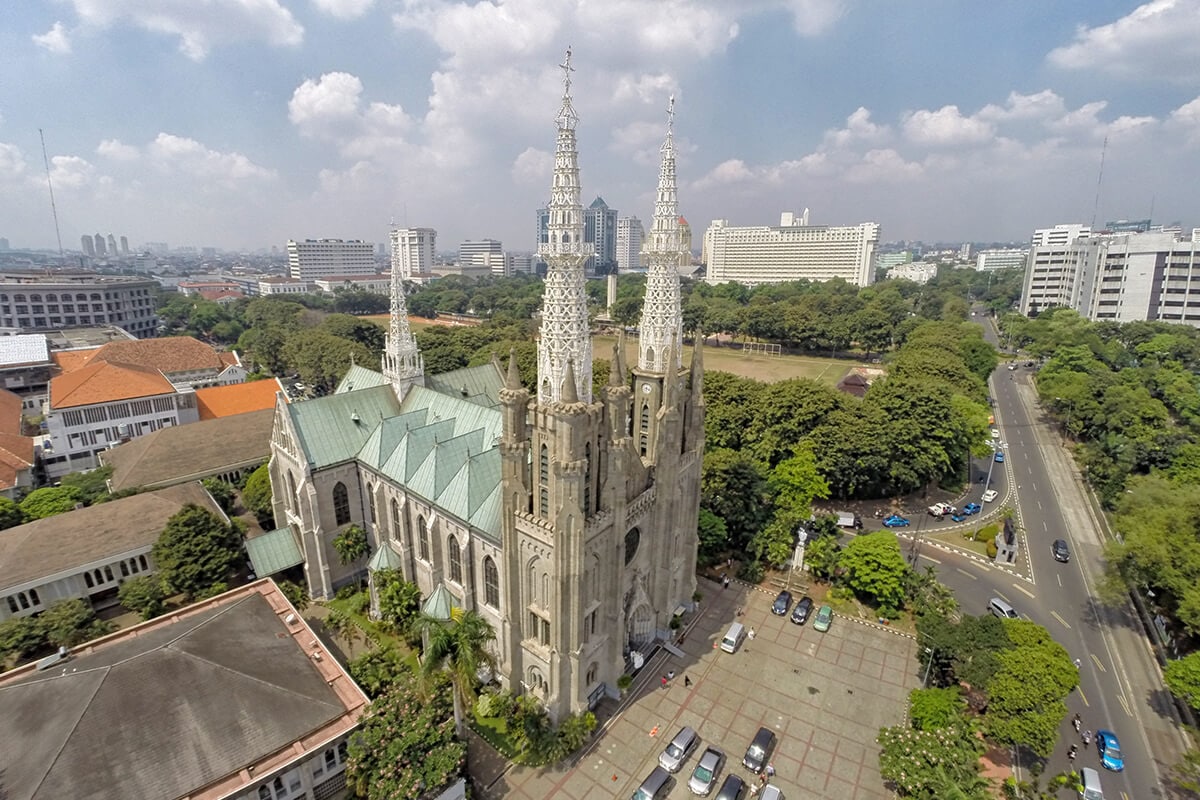
Directly opposite Istiqlal stands Jakarta Cathedral, formally the Church of Our Lady of the Assumption. The present neo-Gothic building dates to the early twentieth century and remains an active Roman Catholic place of worship. The proximity of mosque and cathedral makes this a meaningful setting for learning about Indonesia’s religious diversity, but visiting hours and access to museum areas depend on services and religious events.
Respect services and photography rules
Church services take priority over sightseeing. Keep voices low, avoid photographing worshippers without consent and follow on-site information about any museum exhibits. To place this visit within Indonesia’s varied religious heritage, explore notable churches in Indonesia and our Indonesia culture guide.
How to see Jakarta’s landmarks in two days
Day one: Central Jakarta’s history and houses of worship
Start with Monas, then visit Istiqlal and the Cathedral with suitable religious-event timing. Consider the National Museum of Indonesia nearby: its official schedule has changed in 2026 and currently lists Tuesday–Thursday 08:00–18:00, Friday–Sunday 08:00–20:00 and Monday closure, subject to holiday exceptions. This museum is distinct from the exhibition beneath Monas.
Day two: Kota Tua or family entertainment
Choose Kota Tua for history or Ancol for a family-centred day. GBK can be a separate sports and city-life stop if your accommodation is in the Senayan area. Continue your city exploration with Jakarta culinary districts and our brunch guide.
Practical Jakarta tips for overseas visitors
Transport and payment
Traffic can make a short distance unexpectedly slow. MRT, commuter rail and TransJakarta are useful on supported routes, while registered taxis and app-based rides help with the final leg. Carry rupiah or a supported electronic payment method; our Indonesian currency guide explains cash denominations and payment options.
Time, heat and personal safety
Jakarta uses Western Indonesia Time (WIB, UTC+7). Expect humidity and sudden heavy rain, carry drinking water and keep valuables secure in crowded places. For broader advice see travel safety in Indonesia and Indonesia’s time zones.
Frequently asked questions
Are Monas and the National Museum the same attraction?
No. Monas has its own historical displays; the National Museum is a separate institution located west of Merdeka Square.
Can tourists visit Istiqlal Mosque and Jakarta Cathedral?
Yes, within the visitor arrangements at each active religious site. Follow dress codes and restrictions around worship services.
Are all six attractions close together?
No. The central landmarks are relatively close, but Ancol, Kota Tua and Senayan lie in different parts of Jakarta and should be grouped sensibly.