Jakarta showcases designers who reinterpret the country’s diverse batik, kebaya and textile traditions alongside contemporary runway styles. The original five-name list is best understood as a designer introduction rather than a guarantee that every 2023 gallery is open in 2026. Historic careers should be separated from current brand offerings.
See also 12 fun ideas for a heartwarmingly exciting holiday trip in j and explore 6 iconic spots in jakarta.
5 Original Features and Current Visitor Guidance
1. Ghea Panggabean
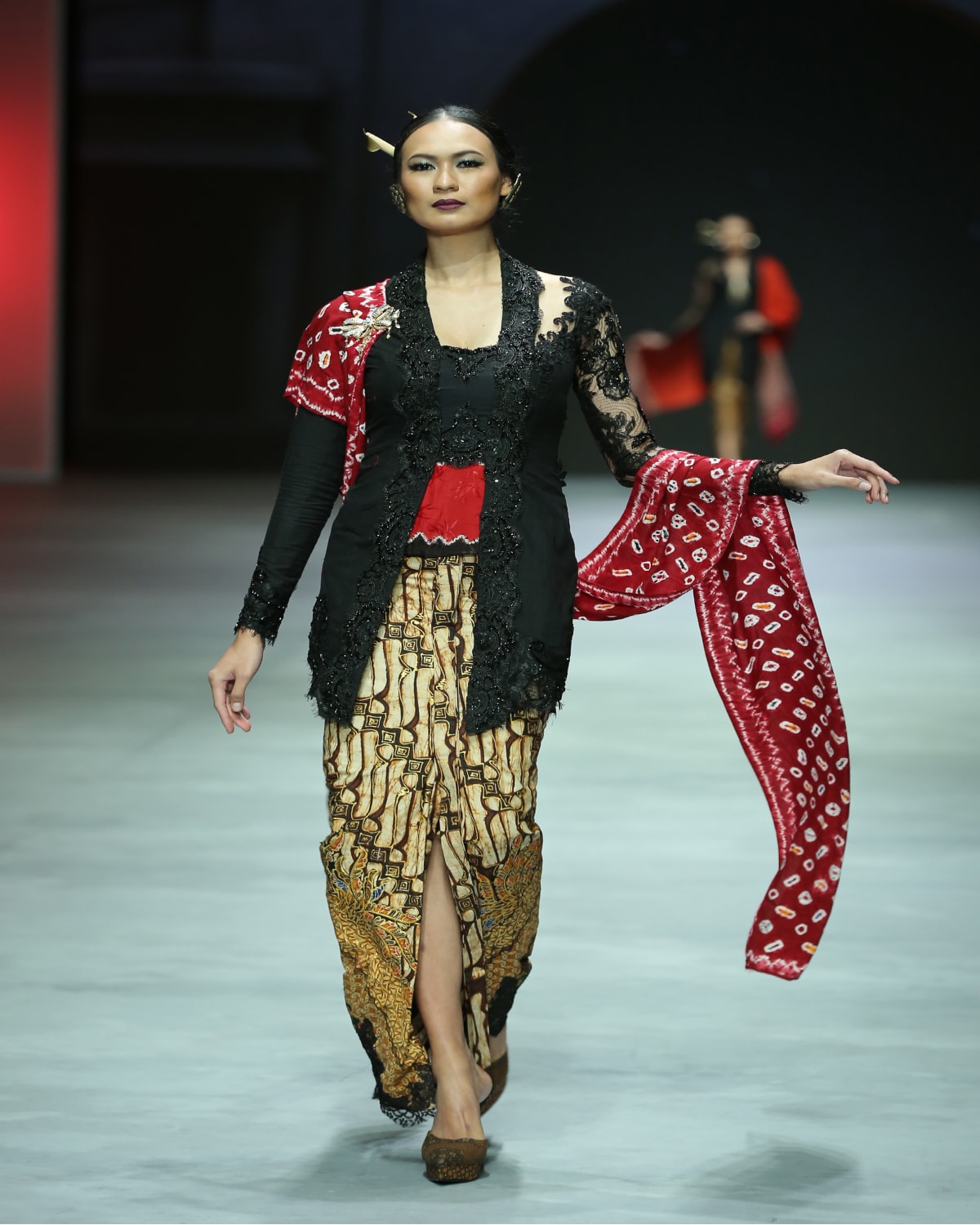
Her fashion work is associated with prints and textiles inspired by Indonesian traditions.
Visitor tip
Ask the present brand operator where pieces can legitimately be viewed and whether appointments are necessary.
Useful context: museum macan jakarta s new iconic art space.
2. Iwan Tirta
The late Iwan Tirta helped raise batik design’s profile; modern label products should not be confused with a new personal collection from the deceased designer.
Visitor tip
Verify provenance, batik production method and current operator before making a premium purchase.
Useful context: 8 among jakarta s luxurious hotels to fit your lifestyle.
3. Anne Avantie
Known for expressive interpretations of kebaya clothing and contemporary styling of traditional dress.
Visitor tip
Check current boutique inventory and fitting appointments rather than an old gallery address.
Useful context: my search to find the best brunch spots in jakarta.
4. Biyan
Biyan Wanaatmadja’s collections have been associated with sophisticated tailoring and complex decorative details.
Visitor tip
Compare sizes, alterations, care requirements and return terms directly.
Useful context: 11 indonesian speciality restaurant s to taste before you le.
5. Tex Saverio
Historic runway work included theatrical designs and dramatic couture silhouettes.
Visitor tip
Treat former collection images as archival; confirm current commercial availability independently.
Useful context: 20 restaurant s to start your culinary adventure in jakarta .
Planning, Heritage and Safety
Couture versus regional heritage
Designer clothing and living craft traditions are related but not interchangeable. Wax-resist batik techniques require knowledge that goes beyond a digitally printed motif.
Related reading: 6 luxurious mall s in jakarta for your one day shopping spre and 12 exciting souvenir spots you need to visit in jakata.
UNESCO and the kebaya
UNESCO’s 2024 kebaya recognition is multinational; it recognises knowledge and cultural practice rather than certifying a particular shop. Batik was inscribed in 2009.
Related reading: 7 echanting stories behind indonesia s famous batik and culture.
A sensible Jakarta fashion itinerary
Choose one or two verified studios, a relevant museum and a legitimate shopping district rather than chasing obsolete boutiques throughout the city.
Related reading: history and about indonesia.
Buying and photographing respectfully
Ask before photographing fittings or workrooms, purchase through approved sellers, keep receipts and respect artisan credits and intellectual property.
Related reading: wonderful indonesia and currency.
For broader context also read staying safe in indonesia.
For broader context also read indonesia s moslem fashion designers create exclusive moslem.
In-Depth Editorial and Visitor Guidance
How Indonesian Designers Reinterpret Heritage
Indonesia’s fashion history cannot be reduced to one signature textile or one runway city. Batik, ikat and songket traditions come from different communities, while kebaya forms vary between regions and neighbouring Southeast Asian countries. A designer may use a traditional weaving method, an adapted motif or a contemporary print. Travellers benefit from asking which parts were crafted by hand, who supplied the materials and how a garment relates to the makers’ communities.
Understanding Batik Production and Pricing
Hand-drawn batik tulis involves applying hot wax and dyes in multiple stages; stamped batik uses patterned copper tools, while printed motifs are made through different methods. None of these categories alone determines whether a garment is fashionable, but they affect labour, price and authenticity claims. If a premium boutique calls a textile handmade, ask which technique was used and how it should be cared for. Keep supporting documentation for expensive purchases.
Couture Galleries, Fashion Events and Studio Visits
Designer presentations may be private appointments, limited-run retail collaborations or runway installations rather than year-round public galleries. Before making a special Jakarta journey, verify the label’s official website or present operator and ask whether visitors can browse without buying. Enquire about sizes, shipping, alterations, taxes, deposits and whether a particular design is ready-to-wear or made to order. Avoid making payments to an unverified account using an old magazine listing.
Build a Cultural Fashion Day in Jakarta
A comfortable itinerary could combine a verified designer boutique with a museum or craft-focused exhibition and a textile or fashion district. Choose locations in the same part of the city to reduce time in traffic. Pair shopping with food and a short cultural walk, then consider other craft centres across Java on a separate trip. Respect studio privacy, do not photograph unreleased collections without permission and credit local designers and artisans when sharing photographs.
Frequently Asked Questions
Are old prices, schedules or sales addresses still guaranteed?
No. Check directly with legitimate current operators before spending money or arranging transport.
How should international visitors plan responsibly?
Use appropriate licensed services, follow safety warnings and community etiquette and respect environmental restrictions.
Official and Authoritative Sources
- ich.unesco.org/en/RL/indonesian-batik-00170
- ich.unesco.org/en/RL/kebaya-knowledge-skills-traditions-and-practices-02090
- www.indonesia.travel/