Indonesia’s tea-growing landscapes are among the most beautiful highland environments in the country. The original guide included seven tea gardens but mistakenly placed Kayu Aro in ‘Jambi, West Sumatra’. Kayu Aro is in Kerinci Regency, Jambi Province; Padang in West Sumatra is one possible gateway. This revised guide retains all seven gardens and focuses on scenery, agricultural knowledge, realistic travel times and responsible visiting. Walking outdoors can be relaxing, but tea estates should not be promoted as medical wellness treatments.
For context on destinations and responsible travel, read Indonesia S Best Mountain Climbing Experiences and 10 Best Short Escape S Near Jakarta After The 2018 Asian Games Fr.
7 Tea-Growing Landscapes to Explore
1. Sidamanik Tea Gardens — Simalungun, North Sumatra
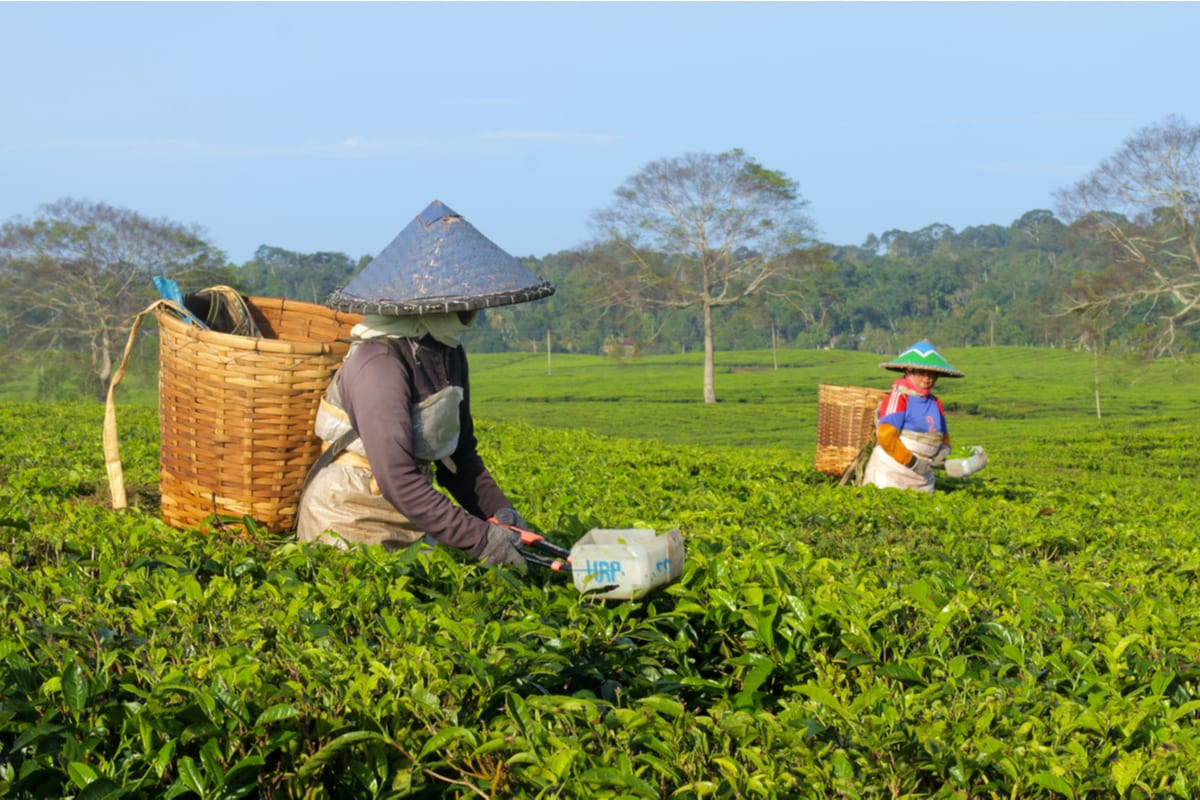
The Sidamanik region near Lake Toba is known for green tea-growing slopes and cool upland scenery. The exact ownership, visitor entrance and which plots allow walking may vary between estates.
Practical visitor advice
Combine with a North Sumatra highland itinerary rather than expecting the gardens to be in Medan itself.
Stay on marked visitor paths and never take tea shoots without the estate’s permission.
For a complementary perspective, explore 15 Outdoor Adventure S In Bandung You Must Accomplish This Summer.
2. Kayu Aro — Kerinci, Jambi
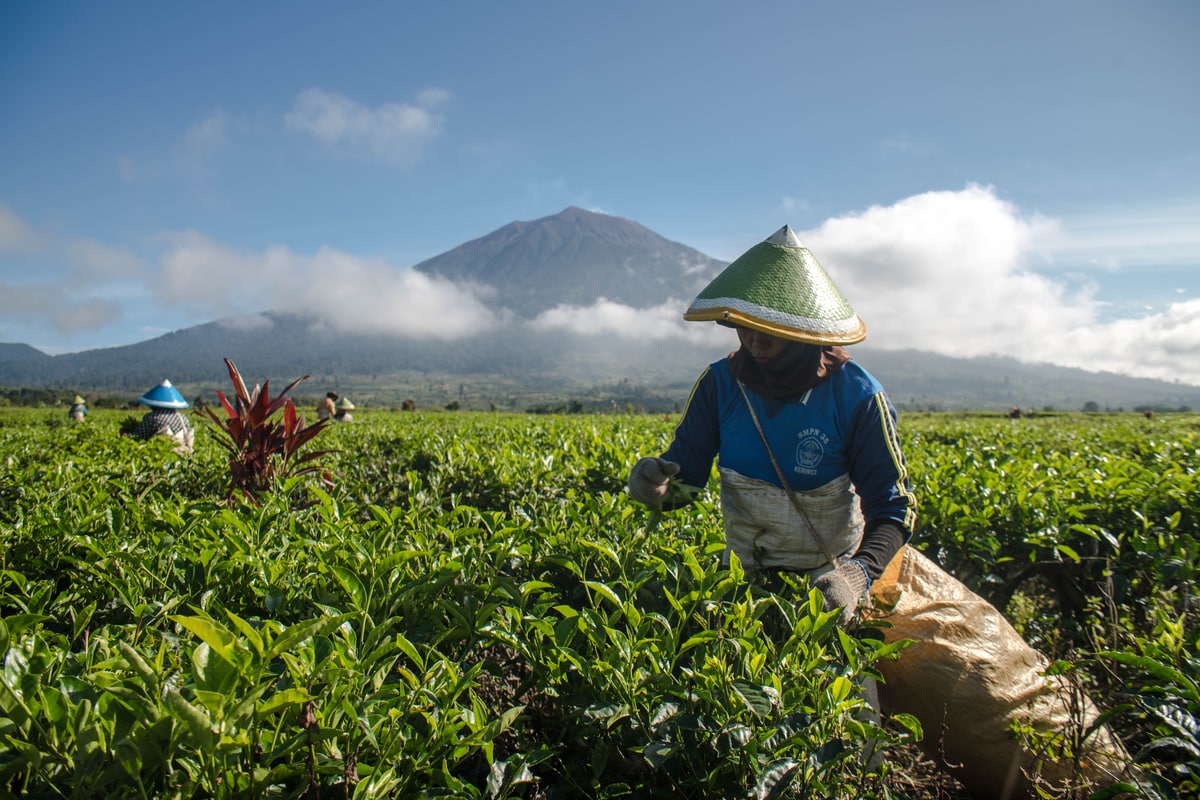
Kayu Aro near Mount Kerinci is among Indonesia’s best-known historic tea-production landscapes. The tourism ministry places it in Jambi, close to the Kerinci area; using an airport in Padang does not move the plantation across a provincial border.
Practical visitor advice
Allow significant mountain-road travel time. The original text’s ‘Jambi, West Sumatra’ label was geographically incorrect.
Check estate-tour arrangements and do not walk into working processing facilities unescorted.
For a complementary perspective, explore 9 Alluring Villages In Indonesia For A Trip To Back To Nature.
3. Gunung Mas — Puncak, West Java
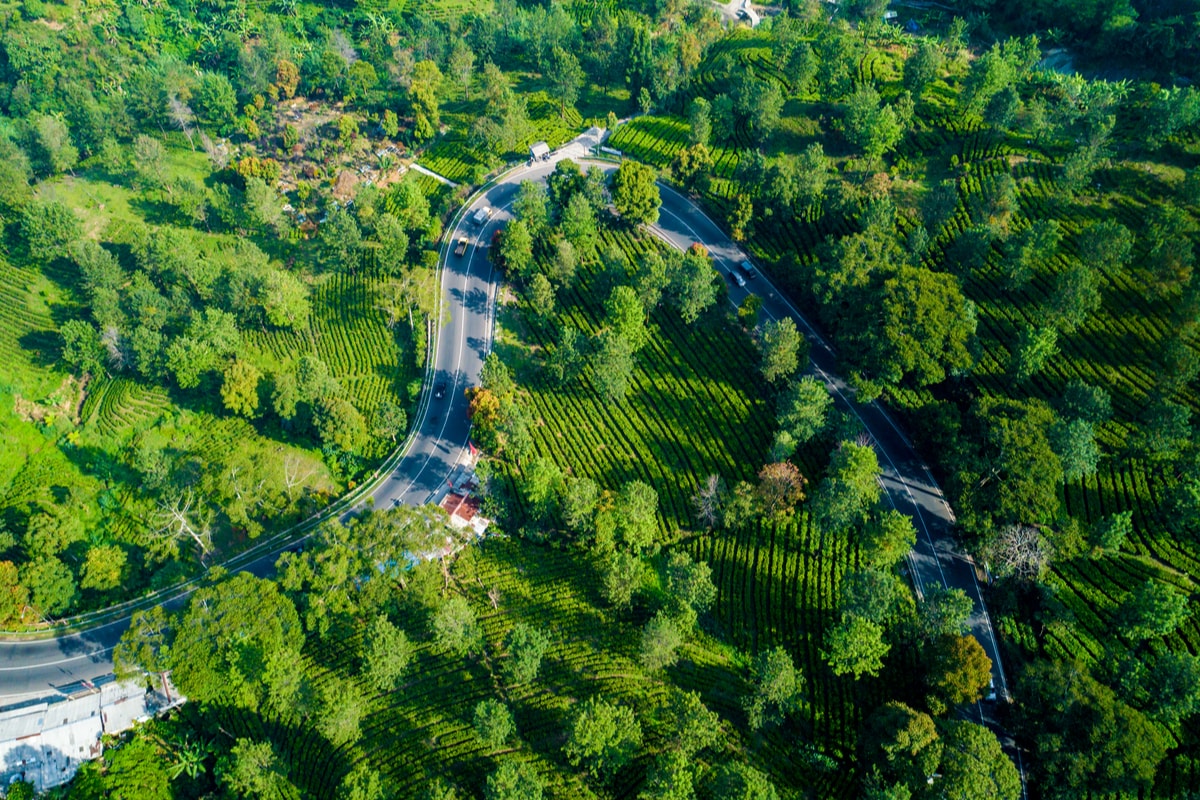
Gunung Mas is a familiar Puncak tea tourism area popular with visitors from greater Jakarta. Tea-field walks and recreational offerings have changed over time.
Practical visitor advice
Expect weekend traffic, cool mist or rain, and separate ticketing rules for specific facilities.
Avoid entering steep plantations during lightning or intense rain.
For a complementary perspective, explore 4 Things To Do In Banyuwangi That Will Make Your Trip Unforgettab.
4. Rancabali — Ciwidey, West Java
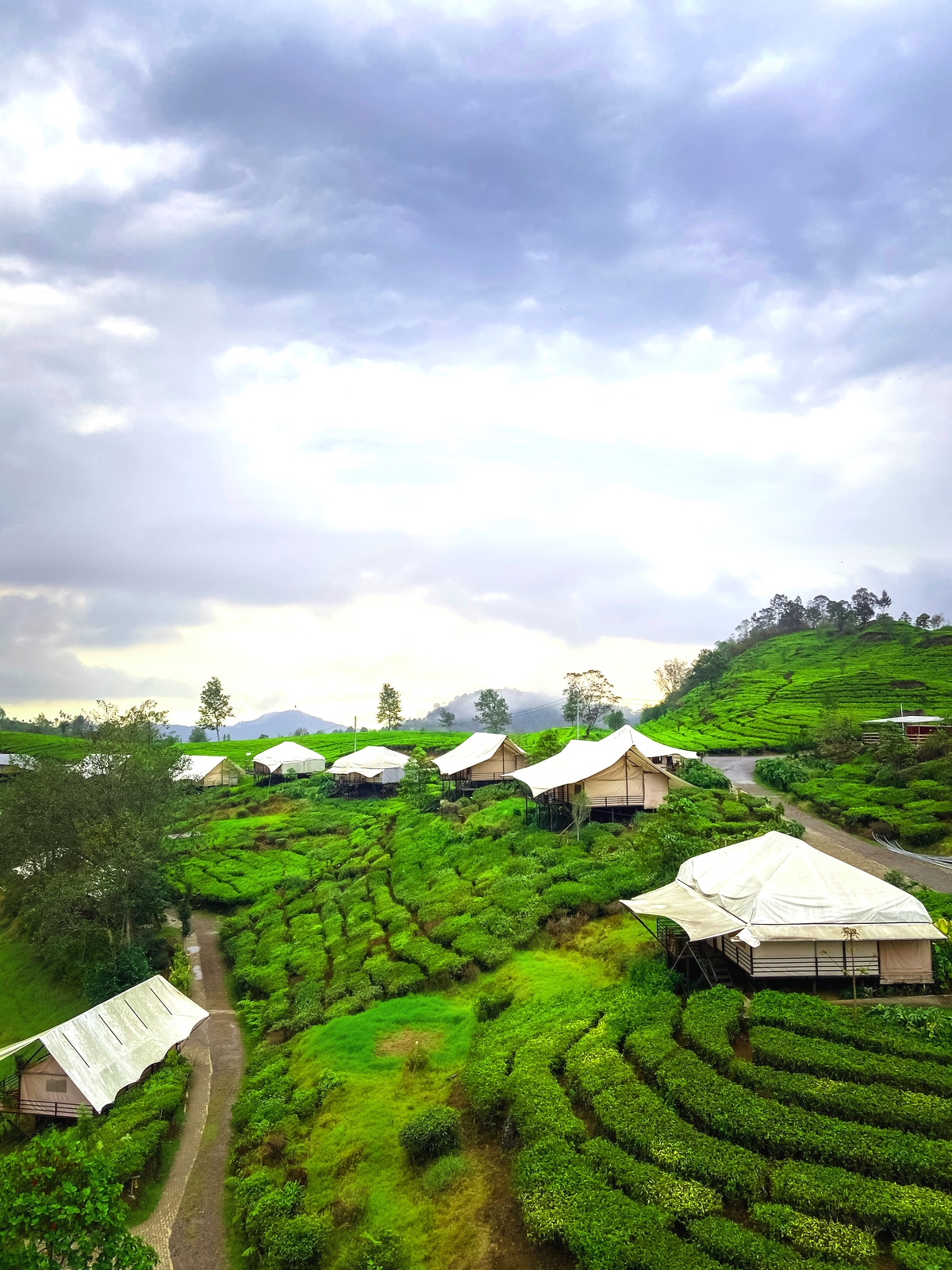
Tea-covered hills around Rancabali and Ciwidey form part of the Bandung highlands, often combined with lakes or other attractions. These agricultural landscapes are actively managed.
Practical visitor advice
Dress for cooler air and distinguish public roads or designated tours from private estate machinery areas.
Choose a geographically sensible route rather than driving repeatedly between central Bandung and the highlands.
For a complementary perspective, explore 10 Unique Things To Do In East Java.
5. Nglinggo — Kulon Progo, Yogyakarta
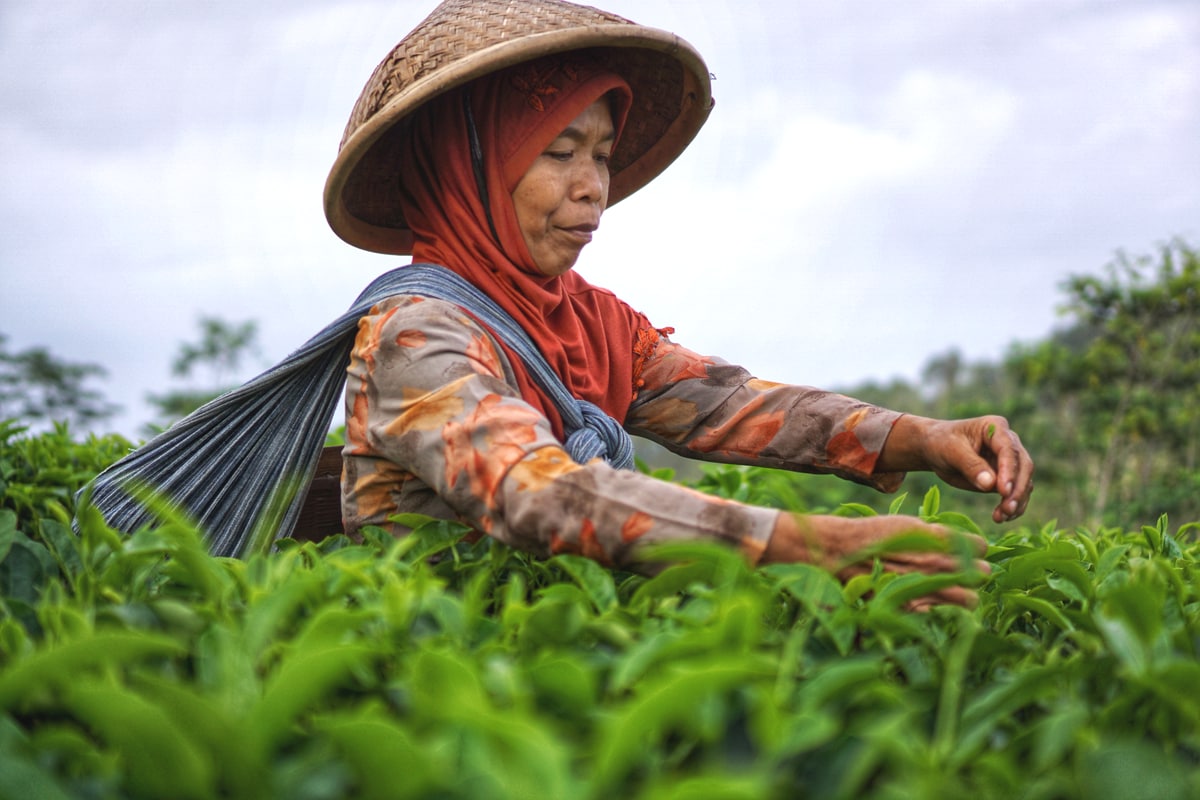
Nglinggo’s tea terraces in the Menoreh Hills offer rural views and some community-managed visitor experiences. The winding road and steep slopes require care.
Practical visitor advice
Consider local guides and appropriate footwear, especially after rain.
Buy locally grown tea from legitimate community sellers and respect residents’ farms.
For a complementary perspective, explore 7 Amazing National Park S In Java And Bali For Thrill Seekers.
6. Kemuning — Karanganyar, Central Java
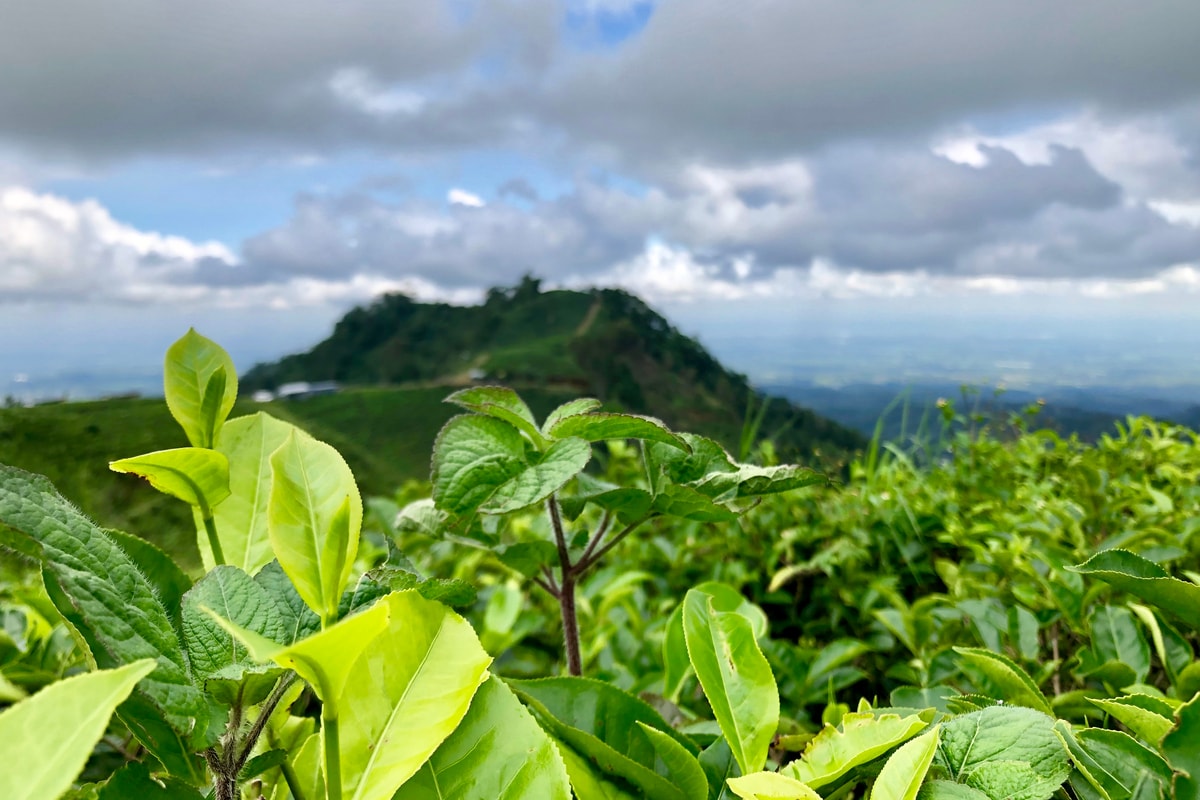
The Kemuning tea landscape lies on the slopes of Mount Lawu, east of Solo. Tourism-related cafés, viewpoints and recreational businesses can change names or hours.
Practical visitor advice
Confirm the exact viewpoint and estate access before making a special journey from Surakarta.
Follow weather warnings; mist can limit visibility on mountain roads.
For a complementary perspective, explore 5 Unique Ecotourism Experiences In Indonesia.
7. Wonosari — Lawang, East Java
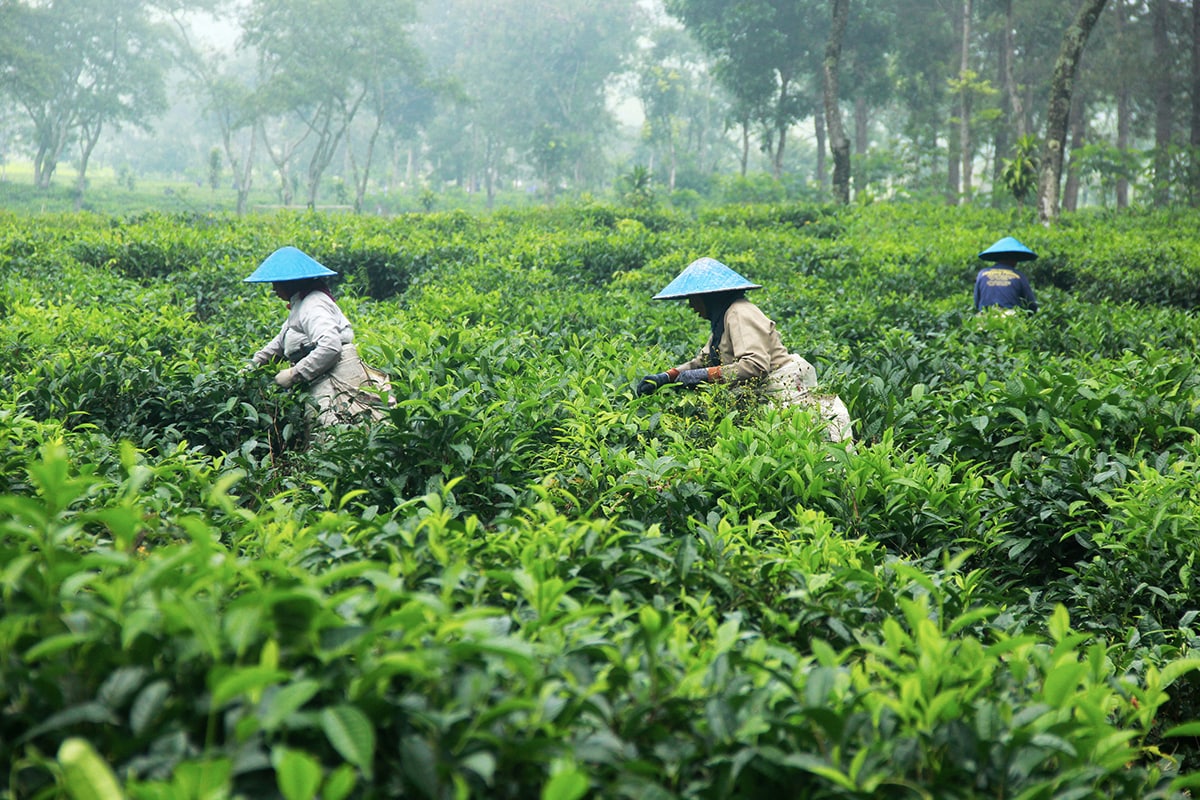
The Wonosari tea estate is associated with the Lawang and Mount Arjuno foothill area north of Malang. The landscape can provide a quieter outing than packed urban theme parks.
Practical visitor advice
Verify current authorised tea-factory tours and estate ticket details with the operator.
Farm operations take priority over photography or recreational shortcuts.
For a complementary perspective, explore 11 Unique Coffee S In Indonesia All Coffee Lovers Must Try.
Planning an Informed, Responsible Visit
When to visit and what to wear
Highland weather varies across Sumatra and Java, so there is no single guaranteed ‘best month’. Check rain forecasts, pack grippy shoes and a light rain layer, and avoid steep fields in storms. Tea leaves and factory equipment should not be handled without authorisation.
For practical comparisons, see Beautiful Pine Forests In Tropical Indonesia and Culture.
Learn about tea instead of only taking photos
If a plantation offers a real processing tour, ask about picking the young leaves, withering, rolling, oxidation and drying. Different tea types use different steps. Do not repeat old claims about production rankings or percentages unless supported by a dated agricultural source.
For practical comparisons, see Wonderful Indonesia and About Indonesia.
Make a sensible regional route
Sidamanik and Kayu Aro are far apart; the five Java estates also span major distances. Combine one garden with nearby museums, markets or villages rather than trying a seven-stop trip in two days.
For practical comparisons, see Staying Safe In Indonesia and Currency.
Respect workers and the environment
Ask before photographing pickers or entering field shelters, support legitimate local tea sales, carry rubbish away, and avoid damaging bushes by walking between working rows. A village guide can help explain agricultural traditions.
For practical comparisons, see Business Hours And Holiday and Time Differences.
Frequently Asked Questions
Can I rely on an old price or itinerary?
No. Access rules, operator names, accommodation facilities and opening dates can change. Confirm current information from the managing authority.
How do I choose a responsible local experience?
Use reputable community hosts, follow site permits and weather advice, respect privacy and pay fairly for guiding and artisan work.
Authoritative References
- Indonesia Tourism — Kayu Aro in Jambi
- Wonderful Indonesia — Indonesian highland travel
- BMKG — local mountain weather warnings