Indonesia’s coffee culture is as diverse as its islands. Beyond Arabica and Robusta beans, travellers may discover 11 unusual Indonesian coffee drinks prepared with coconut shells, egg foam, leaves, fragrant spices or even an upside-down cup. This updated guide explains what each drink actually is, where it comes from and which older café claims should be verified before planning your trip.
Important distinction: some entries are traditional recipes or serving methods, not separate coffee species. Regional names and preparations can vary between communities. Discover the bigger picture through Indonesia’s cultural traditions and the country’s regional customs.
11 Indonesian coffees and unusual preparations worth knowing
1. Kupi Khop / Kopi Tabalek, Aceh
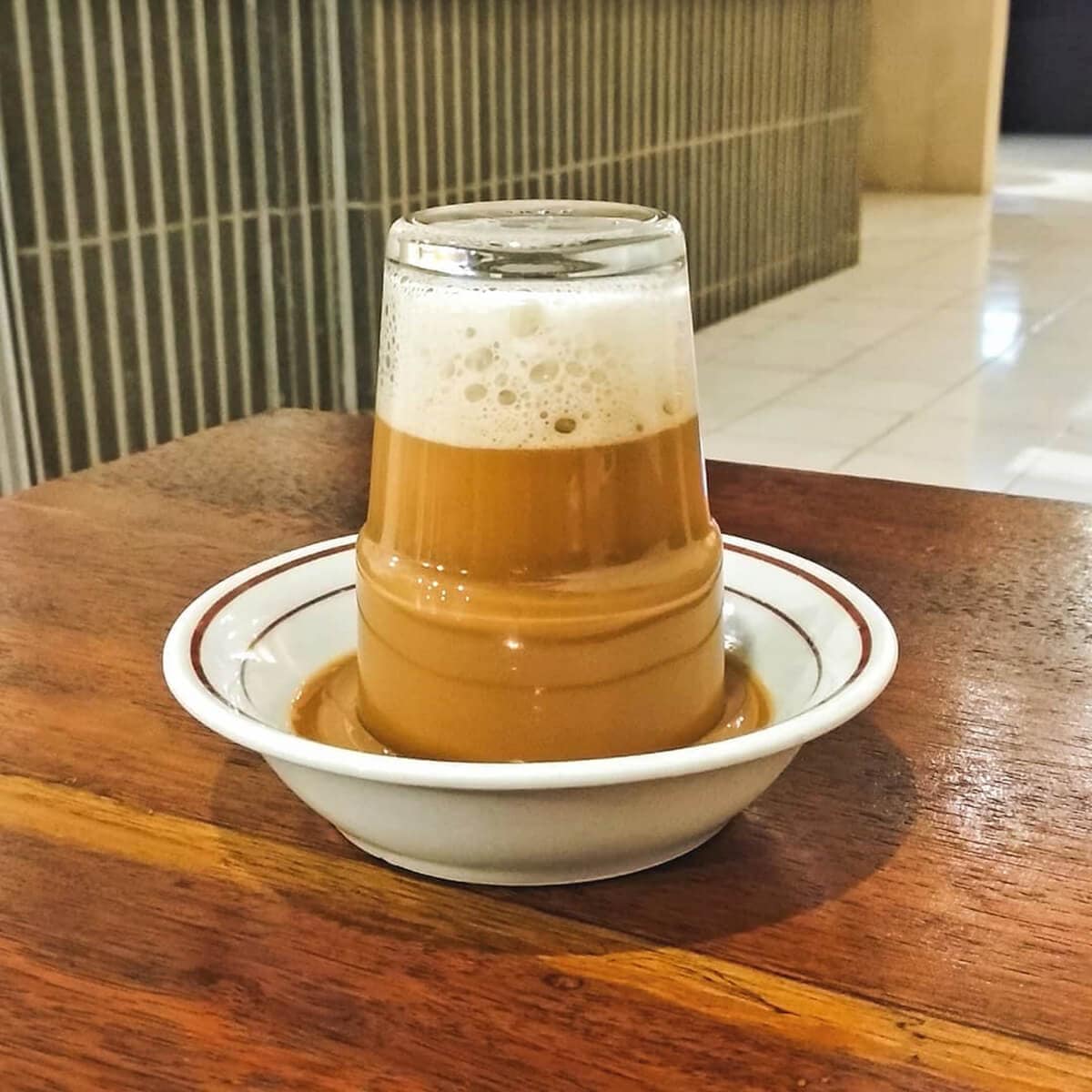
This Acehnese coffee is served in an upside-down glass on a saucer. Drinkers gently lift the rim to let a little coffee escape and sip from the saucer or use a straw according to the local style. The novelty is not a different coffee bean but a distinctive serving tradition. Ask your host to demonstrate first so you do not spill hot liquid.
2. Kopi Takar, Mandailing Natal
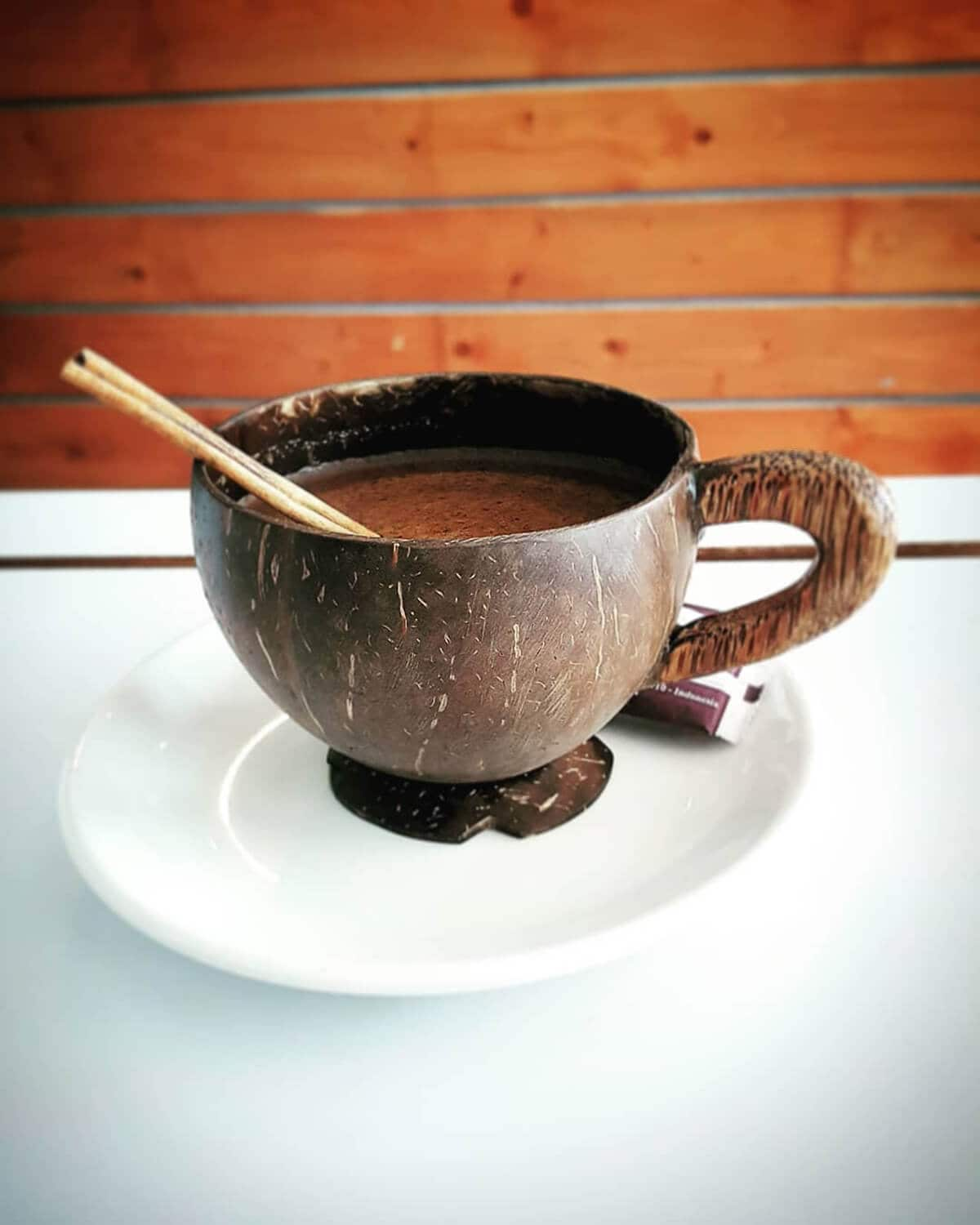
In parts of North Sumatra, this coffee is presented in a cleaned coconut shell with a cinnamon stick as a stirrer or drinking aid. Some recipes include palm sugar and fragrant spices. The precise preparation differs by café. Interested travellers can seek coffee-growing areas in Mandailing and enjoy the experience with respect for the maker’s technique.
3. Kopi Talua, West Sumatra

Kopi talua typically combines brewed coffee with whipped egg yolk and sweeteners, sometimes condensed milk and cinnamon. The resulting foam creates a rich, creamy drink rooted in Minangkabau food culture. Raw or lightly heated egg introduces foodborne-illness risk; anyone making it at home should use pasteurised egg products and avoid assuming hot coffee fully cooks the mixture.
4. Kawa Daun, Tanah Datar

Kawa daun is an infusion made from processed coffee-plant leaves rather than roasted coffee beans. Often served in a coconut shell, it offers a distinctive aromatic experience and illustrates the many uses of the coffee plant. Caffeine levels vary, and it should not be marketed as a treatment for illness or a guaranteed caffeine-free alternative.
5. Kopi Manggar, Belitung

Manggar is a coffee-drinking hub on Belitung Island with traditional kopitiam culture. The draw is the communal setting, sweet coffee and conversation in local shops rather than a universally standardised recipe. Look for long-running local coffee houses, verify opening times, and explore the island’s maritime and food history.
6. Kopi Durian, Lampung and Sumatra
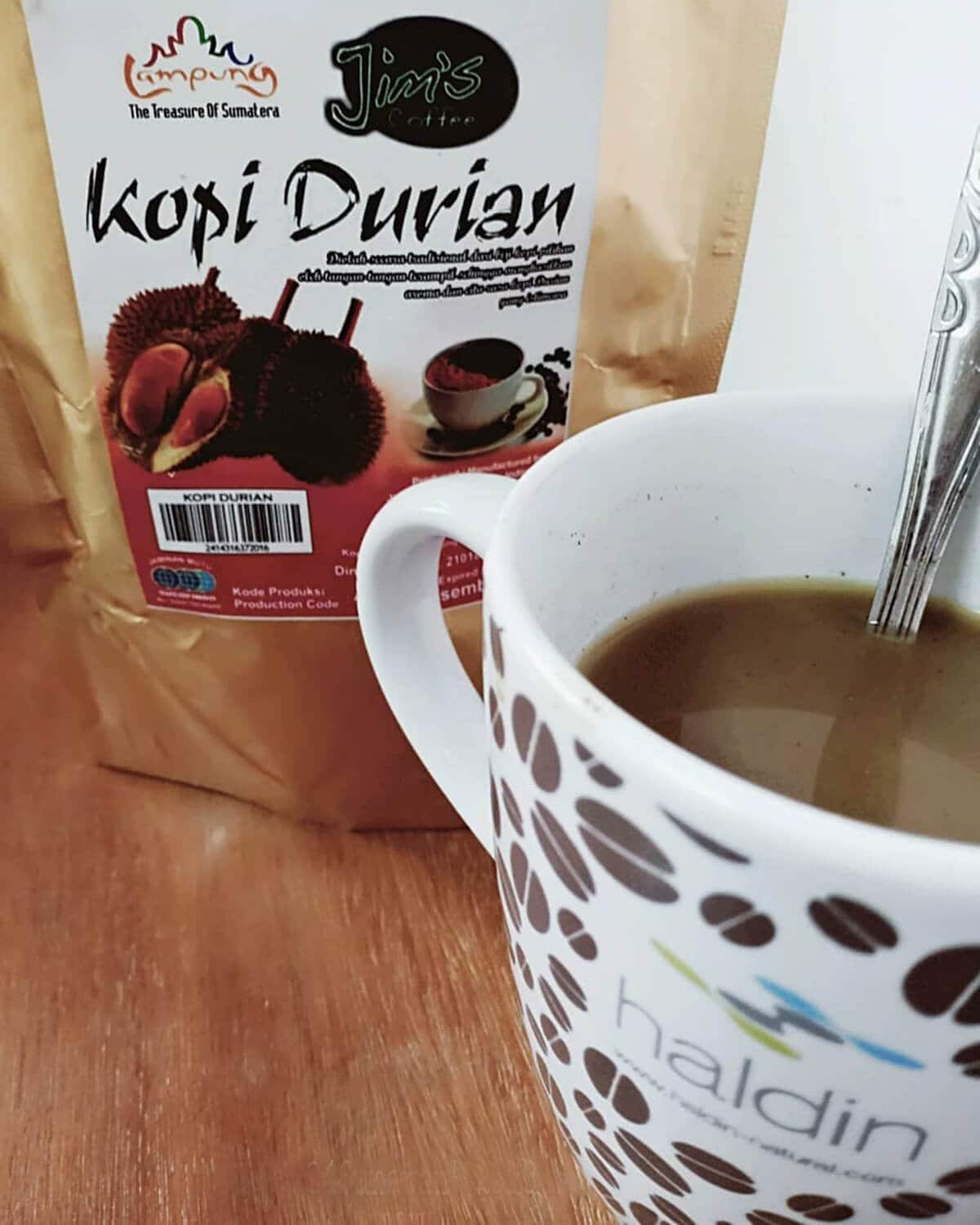
Durian coffee combines brewed coffee with the strong aroma of durian fruit, sometimes in creamy or sweetened preparations. Not every cup contains fresh durian; some stalls use flavourings or packaged ingredients. Ask before ordering, particularly if you dislike durian’s distinctive scent or have dietary restrictions.
7. Kopi Joss, Yogyakarta
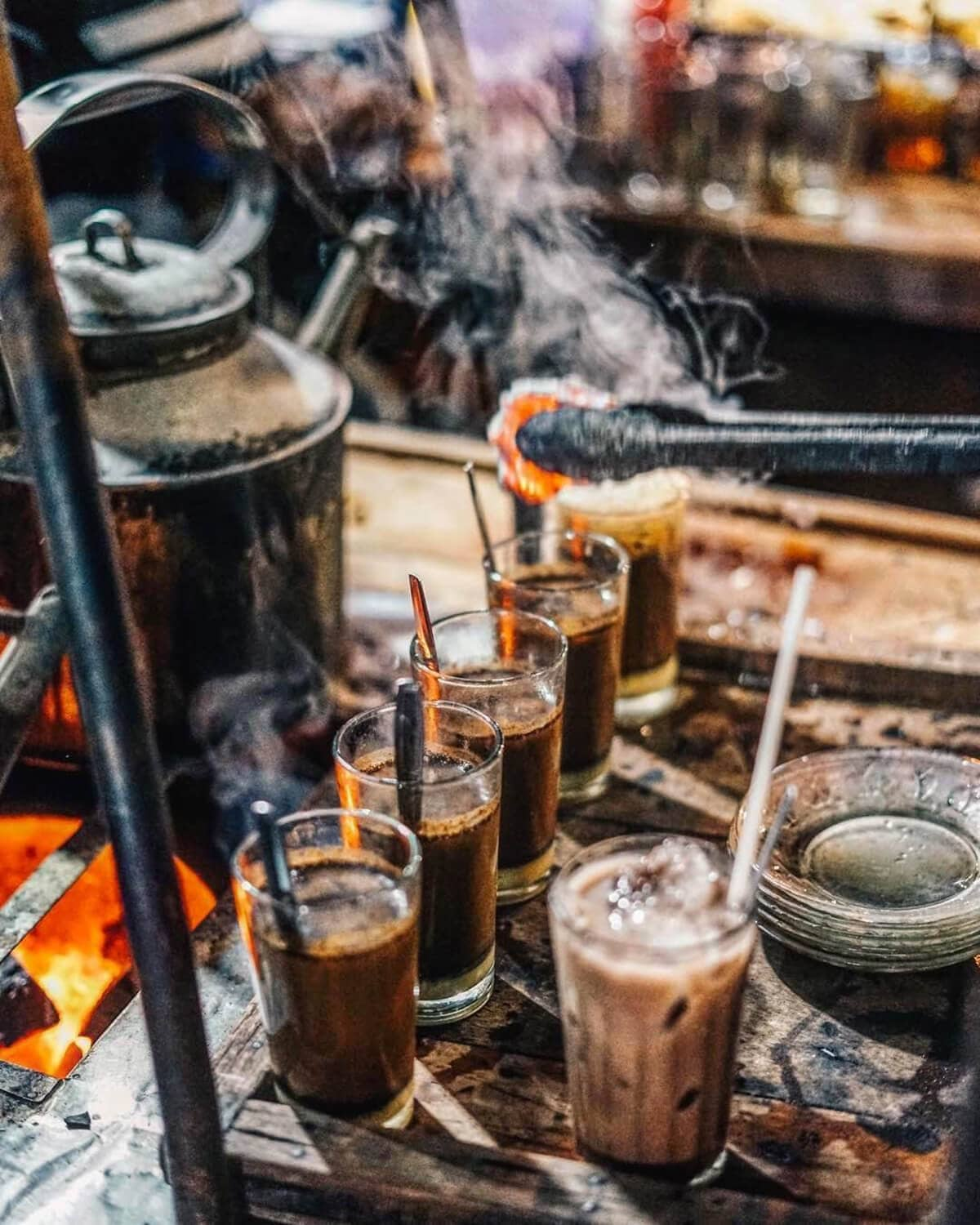
This well-known Yogyakarta speciality famously involves dipping a piece of glowing charcoal into black coffee, producing a hissing sound. It belongs to the local angkringan tradition, but visitors should not copy the method at home or presume charcoal contact has health benefits. Ask the vendor about the preparation and choose professionally handled drinks.
8. Kopi Kopyok, Gresik
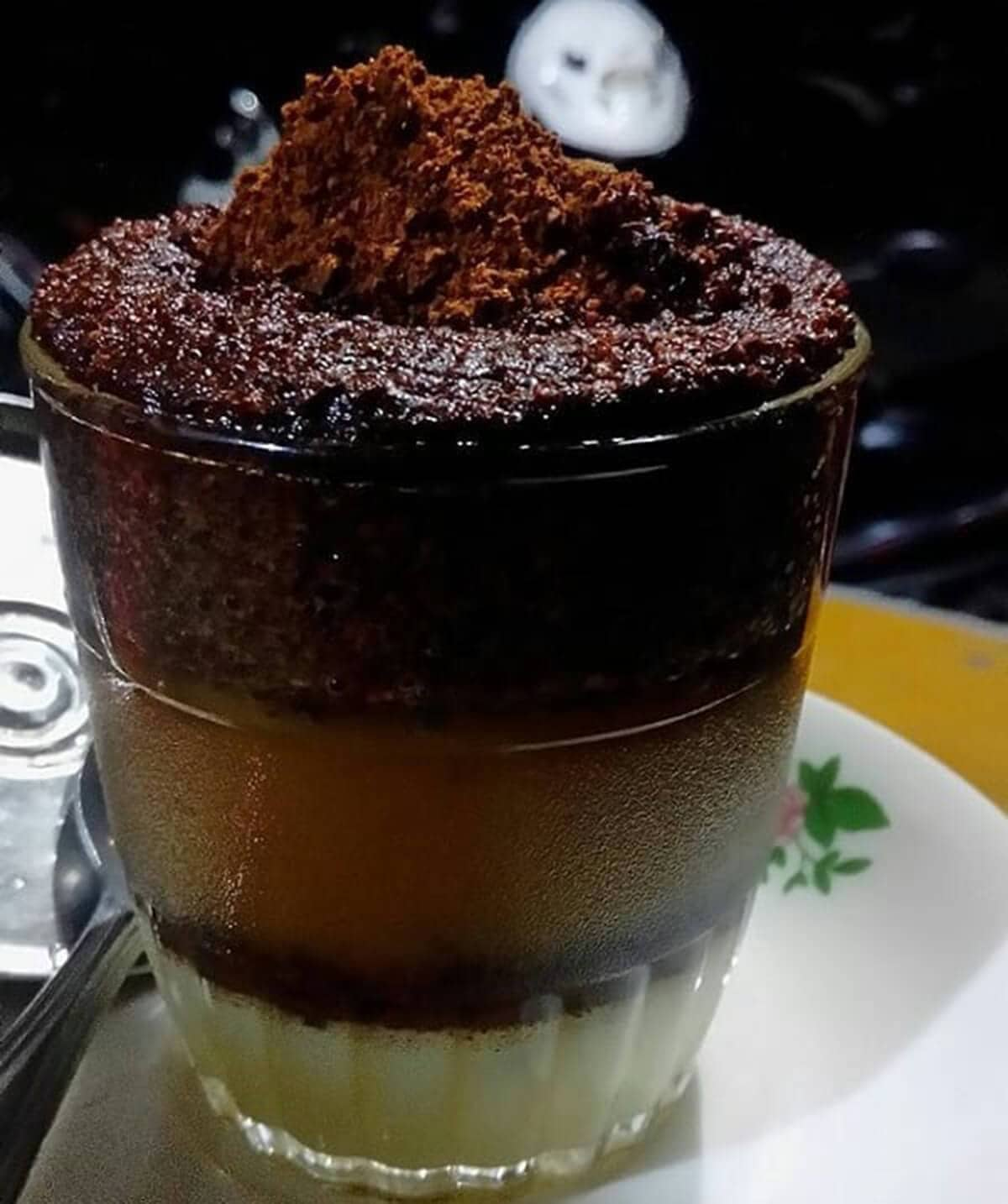
Kopi kopyok is associated with local East Java coffee culture and a deliberately coarse, concentrated style of preparation. Recipes and descriptions vary by stall, so ask the vendor what goes into the glass and how to drink it. Appreciate it as a regional custom, not as a particular globally recognised coffee variety.
9. Kopi Ijo, Tulungagung
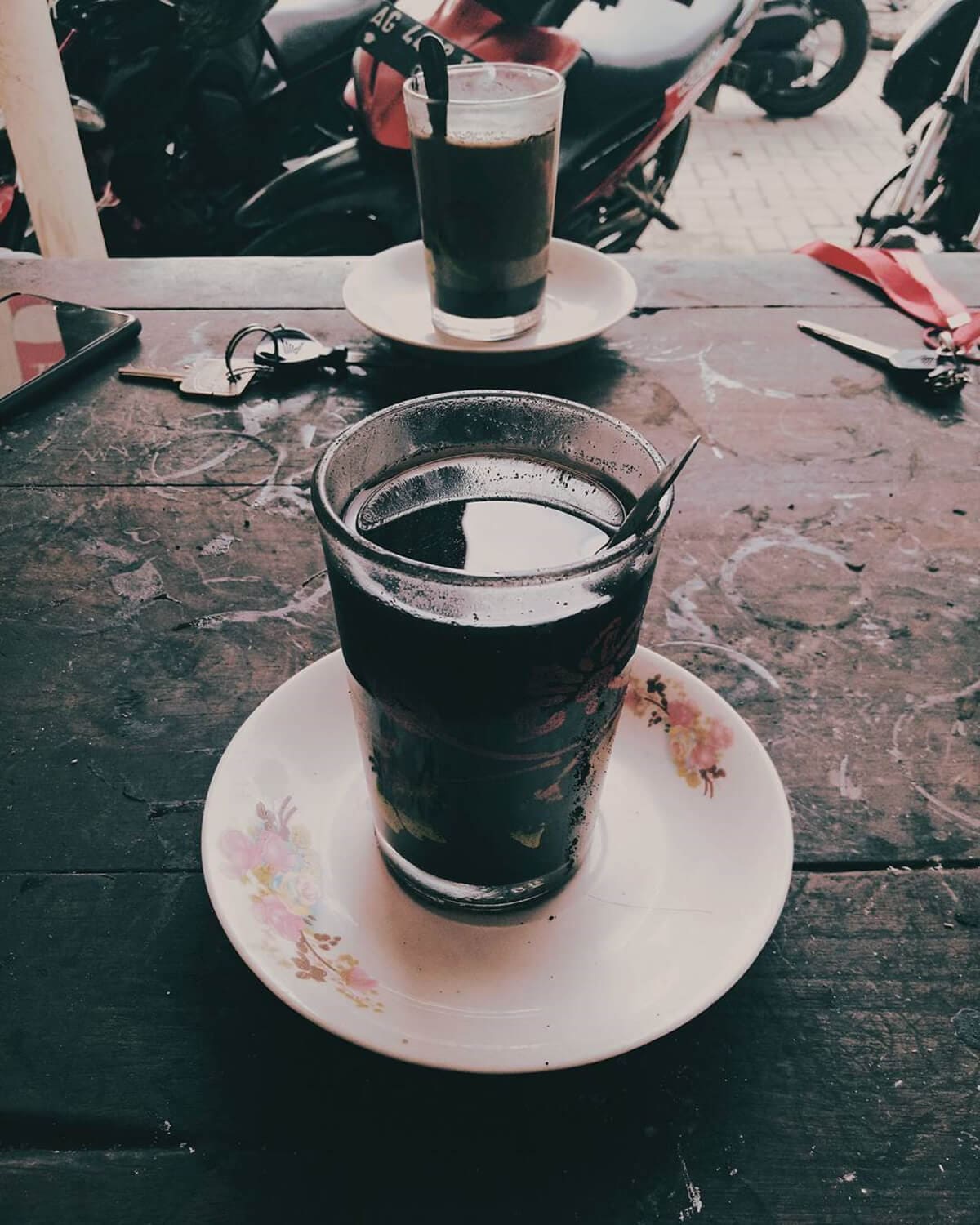
Kopi ijo, or green coffee, can refer to a locally recognised style of roasted and ground coffee distinguished by its preparation and appearance. It is not necessarily a modern unroasted ‘green coffee’ dietary product. Because recipes vary, try it at a trusted local stall and do not treat the colour as a marker of a medical benefit.
10. Kopi Rarobang, Ambon and Maluku
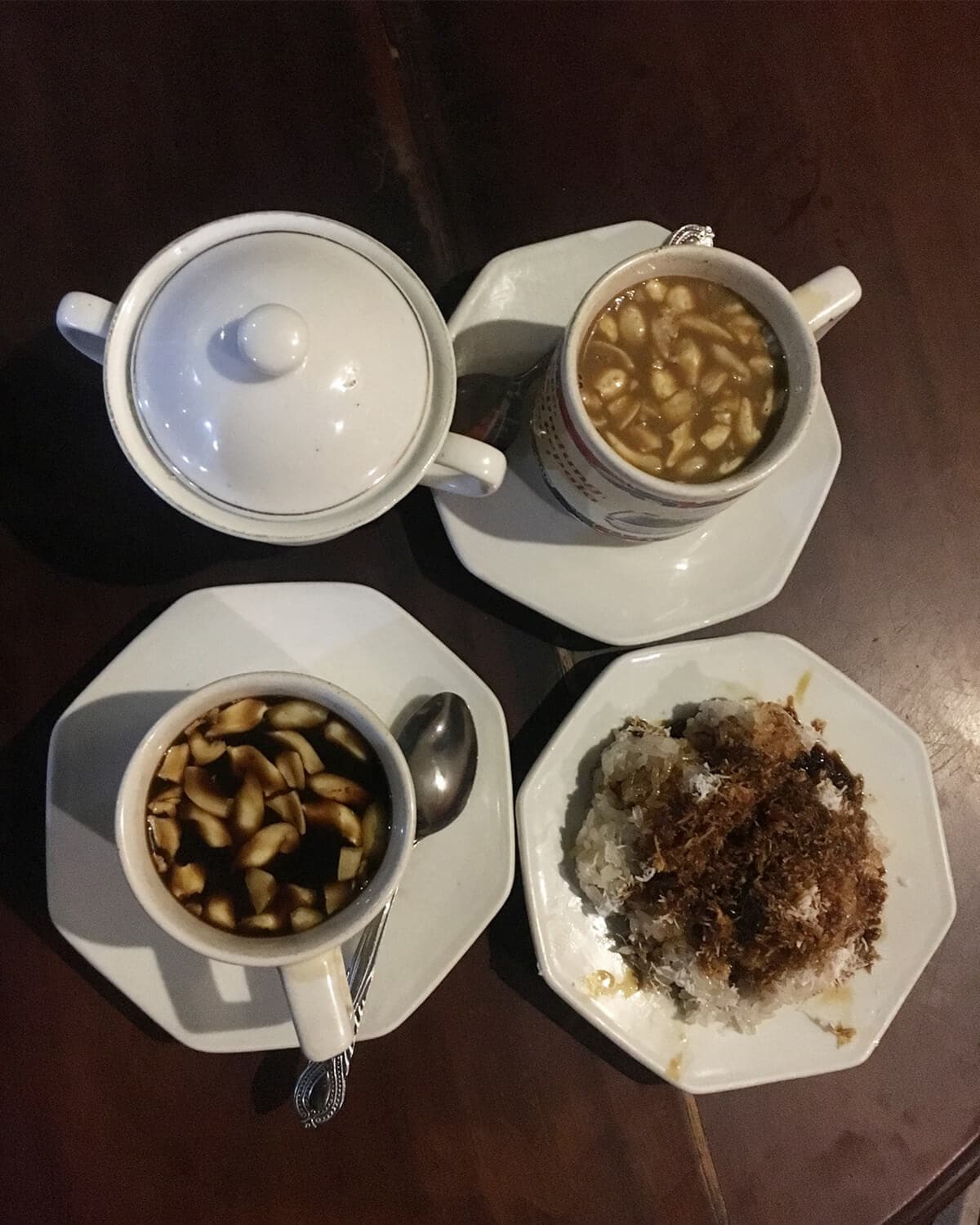
Rarobang blends coffee with warming spices; recipes may include ginger, cloves, cinnamon and sometimes walnuts or other garnishes. The flavour reflects Maluku’s famous spice heritage. Ask about nuts if you have allergies, and enjoy the drink alongside the region’s wider culinary traditions.
11. Kopi Bening, a clear-coffee experiment
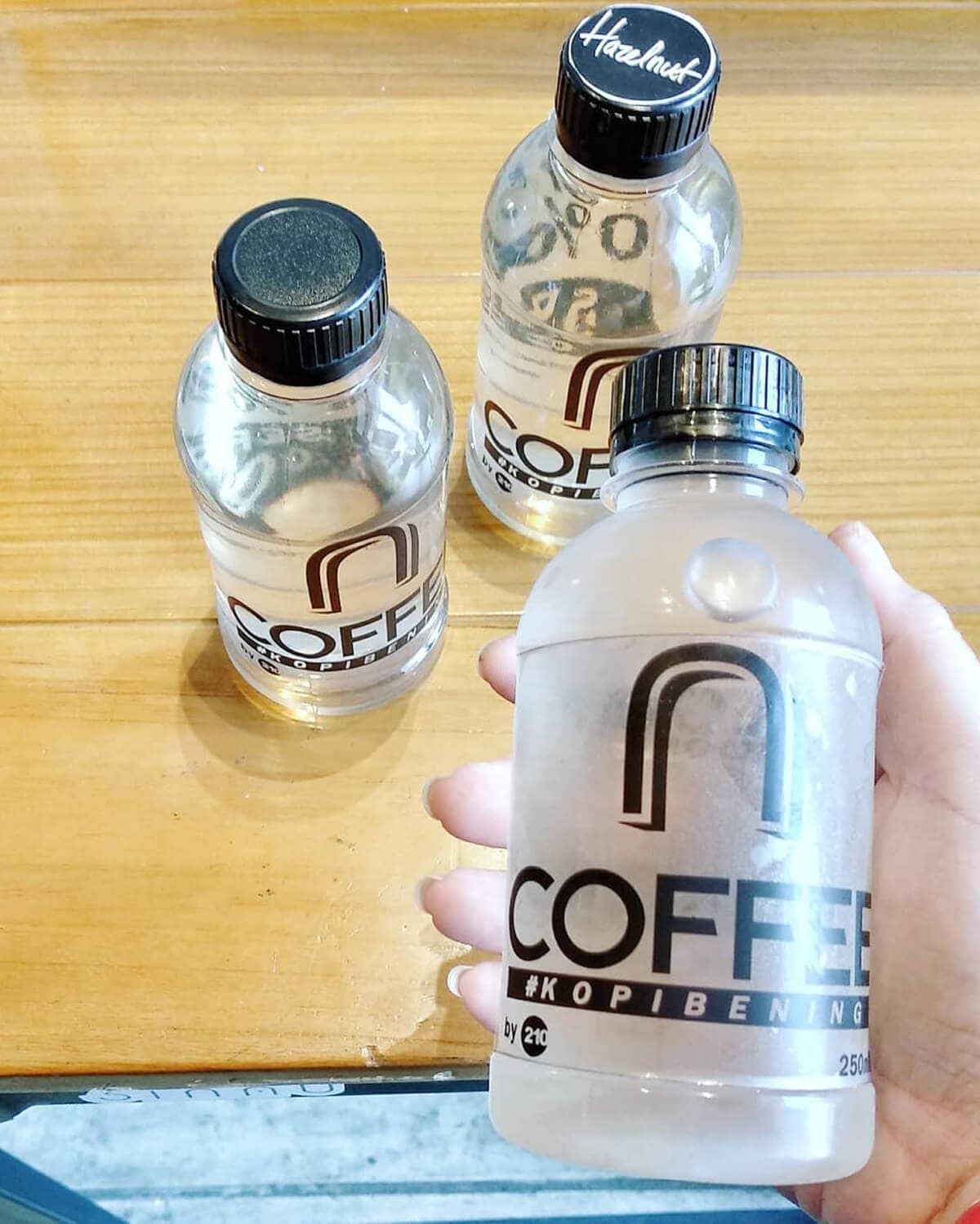
The original list ended with a clear-coffee style associated with a Jakarta roastery. This is best regarded as a specialty café innovation and historical menu item, not a drink that is necessarily sold at the same venue in 2026. Call ahead if you specifically want to try it; do not assume the coffee remains available.
Indonesian coffee regions versus coffee drinks
Arabica, Robusta and regional growing areas
Gayo, Kintamani, Toraja, Flores and Java are famous growing regions, but a geographic origin is different from a prepared drink such as kopi talua. Coffee processing, cultivar, elevation, roast and brewing can all change the cup. The International Coffee Organization provides background on varieties and sustainability. After sampling coffee, explore Indonesian home cooking or traditional Indonesian breakfasts.
Why origin labels matter
Some Indonesian coffee origins have geographical-indication protections. Coffee labelled with an origin should be traceable to a relevant producing area, but buyers should ask the café or roaster for clear provenance. A popular social media name does not prove a drink is genuinely from that region.
Where to experience Indonesia’s coffee culture
Yogyakarta and its angkringan coffee tradition
Yogyakarta is a natural place to try kopi joss alongside street-food culture. Choose a busy, reputable vendor and stay aware of hot charcoal and traffic. Our Yogyakarta food-and-hangout guide introduces more places to explore.
Jakarta cafés and specialist roasters
Jakarta offers both traditional coffee shops and new specialty roasters. For an enjoyable morning, compare Jakarta café ideas, local brunch locations and the capital’s dining neighbourhoods. Always check whether a rare drink remains on the menu.
Bali and other island destinations
Travellers can explore Indonesian bean origins at modern cafés while experiencing regional food. See Canggu’s cafés and restaurants, Bali vegetarian eating options and Bali’s traditional markets to build a day beyond coffee.
How to order coffee politely in Indonesia
Words and common ingredients
Kopi means coffee, gula means sugar, susu means milk, and tanpa gula means without sugar. Some traditional stalls default to condensed milk or sweeteners, so confirm the recipe when avoiding dairy or added sugar. Visitors with allergies should ask about egg, coconut and tree nuts.
Safety and ethical buying
Very hot drinks and unconventional serving equipment deserve care. For kopi talua, seek pasteurised eggs if preparing it yourself. For charcoal coffee, do not attempt a home version with unknown fuel or burnt wood; no health benefit is established. Consider sustainably sourced beans and avoid supporting exploitative animal-associated coffee production. Travellers can also read payment tips in rupiah before visiting traditional stalls.
Pair coffee with Indonesian food
Coffee tastes different alongside salty or sweet snacks, spicy breakfasts or desserts. Discover Minangkabau rendang, North Sulawesi food traditions and Indonesian dining in Jakarta. A local coffee break can be one part of a much richer cultural trip.
Frequently asked questions
Is kopi joss safe?
It is a distinctive traditional preparation but involves red-hot charcoal. There is no reason to infer medical benefits, and homemade attempts with unknown charcoal are not recommended.
What is the difference between kopi talua and a latte?
Kopi talua uses whipped egg yolk and sweeteners, not simply espresso with steamed milk; it has different food-safety considerations.
Where can I drink kopi khop?
It is associated with Aceh, particularly coastal coffee-drinking traditions. Look for an established local seller and ask how the upside-down cup is served.
Are all 11 drinks available everywhere?
No. Several are distinctly regional, and the historical clear-coffee example may no longer be offered.
References
- Indonesia Baik — regional coffee preparations
- DetikFood, October 2026 — Indonesian coffee traditions
- International Coffee Organization — coffee sector information
Original photo and creator credits
These links preserve the photographic attribution recorded in the previous article, but do not confirm a venue’s current menu.
- instagram.com/erickhezekiel/
- instagram.com/luqi_khuluqi/
- instagram.com/liveriandono/
- instagram.com/widy_a/
- instagram.com/warkop_millenium2000_belitong/
- instagram.com/46unawan/
- instagram.com/briandsumito/
- instagram.com/kopi.gresik/
- instagram.com/rio.wp/
- instagram.com/alettanitha/
- instagram.com/ika__nur/