Indonesia’s natural landscapes range from Sumatran rainforest to East Java’s savanna and the coral-rich seas of eastern Indonesia. Visiting a protected area can be memorable, but simply taking a nature holiday does not automatically make it ecotourism. The most responsible trips respect conservation rules, use properly authorised local guides and help communities benefit without disturbing habitats.
Here are five different national-park experiences from the original Iseeindonesia.com guide: Gunung Leuser, Baluran, West Bali, Komodo and Bunaken. They represent different ecosystems and require different travel plans, permits, levels of fitness and conservation precautions. For context before travelling, explore Indonesia’s rainforest and wildlife heritage, rural community tourism and nature-led adventures across the archipelago.
Five Ecotourism Destinations in Indonesia Compared
National park |
Region |
Best-known experience |
Main conservation concern |
|---|---|---|---|
Gunung Leuser |
Aceh and North Sumatra |
Guided rainforest walking and wild orangutan habitat |
Wildlife disturbance and forest protection |
Baluran |
East Java |
Bekol savanna, forest and Bama coast |
Wildlife distance and staying on approved routes |
West Bali / Bali Barat |
Northwestern Bali |
Birdwatching, forest ecology and Menjangan reef trips |
Bali myna habitat and coral protection |
Komodo |
East Nusa Tenggara |
Ranger-guided dragon viewing and marine landscapes |
Wildlife safety, visitor quotas and sensitive reefs |
Bunaken |
North Sulawesi |
Snorkelling and diving near coral walls |
Reef contact, currents and responsible operators |
What Makes a Nature Trip Genuine Ecotourism?
Ecotourism involves more than scenic photography. In practice, look for low-impact activities, credible habitat protection, respect for local cultural life and economic benefits for residents. A guided walk on an approved trail can be ecologically preferable to unauthorised wildlife feeding or off-trail shortcuts. A licensed boat operator who follows mooring rules and avoids damaging coral can make a meaningful difference.
Responsible Choices Before You Book
- Use recognised local operators and check whether entry, ranger accompaniment or a park permit is compulsory.
- Keep your distance from wildlife; do not feed, touch, chase or bait animals for photographs.
- Stay on approved trails and choose operators who manage litter, sewage and reef impacts.
- Ask whether guides and boat crews are locally employed and properly equipped.
- Confirm present-day entry rules, marine zoning, boat conditions and seasonal closures with park management.
Our related North Sumatra ecotourism guide and national parks in Java and Bali offer ideas for planning different environments.
1. Gunung Leuser National Park: Sumatran Rainforest and Orangutans
Gunung Leuser National Park spans parts of Aceh and North Sumatra and protects large areas of rainforest. It is especially associated with the endangered Sumatran orangutan and wider forest ecosystems also supporting other threatened wildlife. A visitor may encounter forest plants, streams, birds and signs of animal life on a guided route, but sightings of any particular species can never be guaranteed.

Where to Visit and What to Expect
Bukit Lawang, near the park’s eastern edge, is a commonly used gateway for guided rainforest treks. Different itineraries range from shorter walks to more demanding multi-day outings. Travel into deep forest is not an improvised day stroll: local regulations, trail conditions, guides and suitable fitness matter. Avoid guides who promise close-contact orangutan selfies or feed wildlife to attract it.
Understanding Its UNESCO Status
Gunung Leuser forms one component of the Tropical Rainforest Heritage of Sumatra UNESCO World Heritage property, together with Kerinci Seblat and Bukit Barisan Selatan national parks. The entire serial World Heritage property was inscribed in 2004 and has appeared on the UNESCO World Heritage in Danger list since 2011 because of threats such as habitat loss, encroachment and poaching. The old article incorrectly implied that a separately measured section of Gunung Leuser alone was placed on the list.
For other Sumatra travel inspiration, browse Indonesia’s endangered wildlife or outdoor adventure ideas. Choose guides who support conservation and follow ranger advice rather than promising a fixed number of orangutans.
2. Baluran National Park: East Java’s Savanna Landscape
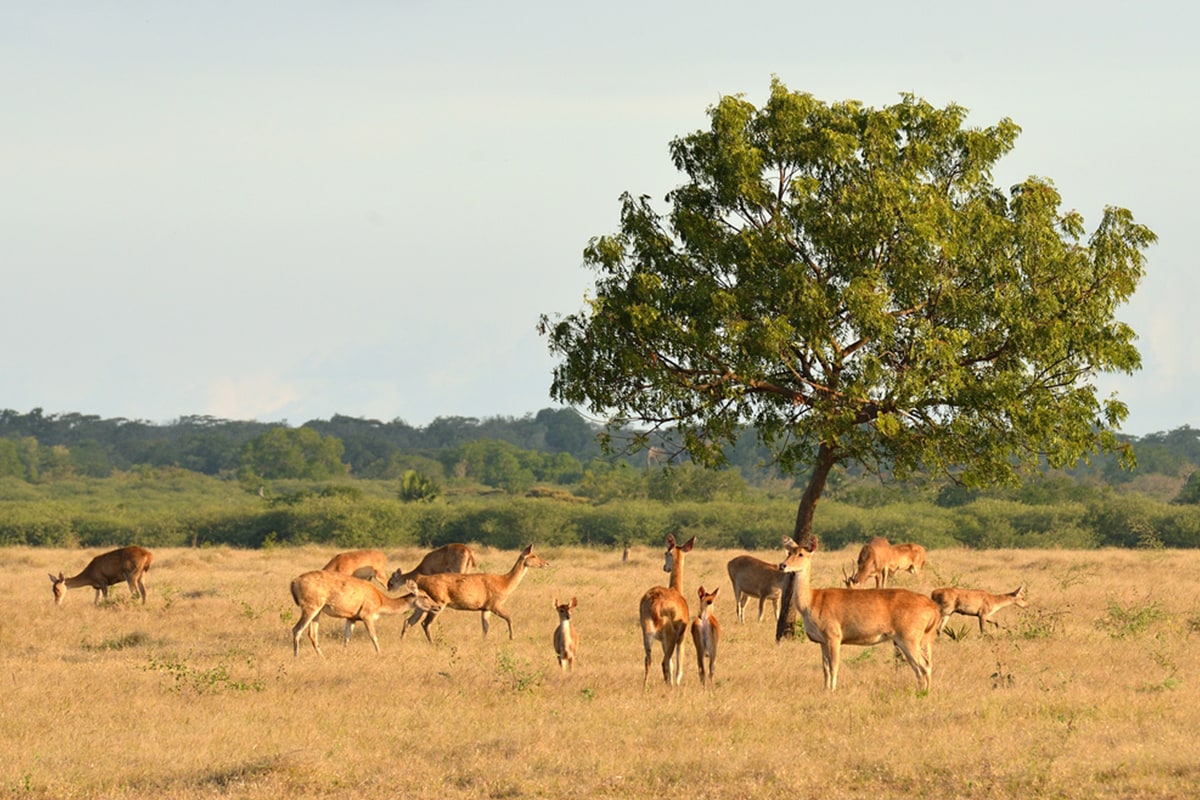
Baluran National Park in the Situbondo–Banyuwangi area of East Java is distinctive for the open Bekol savanna, framed by Mount Baluran, alongside dry forest and coastal habitats. Visitors often compare the golden grassland to an African savanna, but its ecology and animal communities are distinctly Indonesian.
Bekol Savanna and Wildlife Photography
The open landscapes offer opportunities to observe animals such as banteng and deer at a distance when conditions allow. Bring binoculars or a telephoto lens instead of approaching wildlife or blocking roads for pictures. Animal behaviour, grass colour and road access change with rainfall and park management. A visit does not guarantee that a particular species will be visible.
Bama Beach and Coastal Ecology
Bama on the park’s eastern coast introduces mangroves, beach scenery and marine habitats. Do not assume that diving or snorkelling is available every day, or that any stretch of sea is safe without an authorised operator and suitable conditions. Consult the Indonesia Travel overview of Baluran for the destination’s ecological setting, and check local park notices for visitor routes.
How to Build an East Java Nature Trip
Baluran is better grouped with East Java destinations than combined with faraway Sumatra or Flores. Our East Java attraction guide, nature experiences in East Java and Java mangrove destinations can help plan related excursions without overstating travel times.
3. West Bali National Park: Forests, Bali Mynas and Menjangan
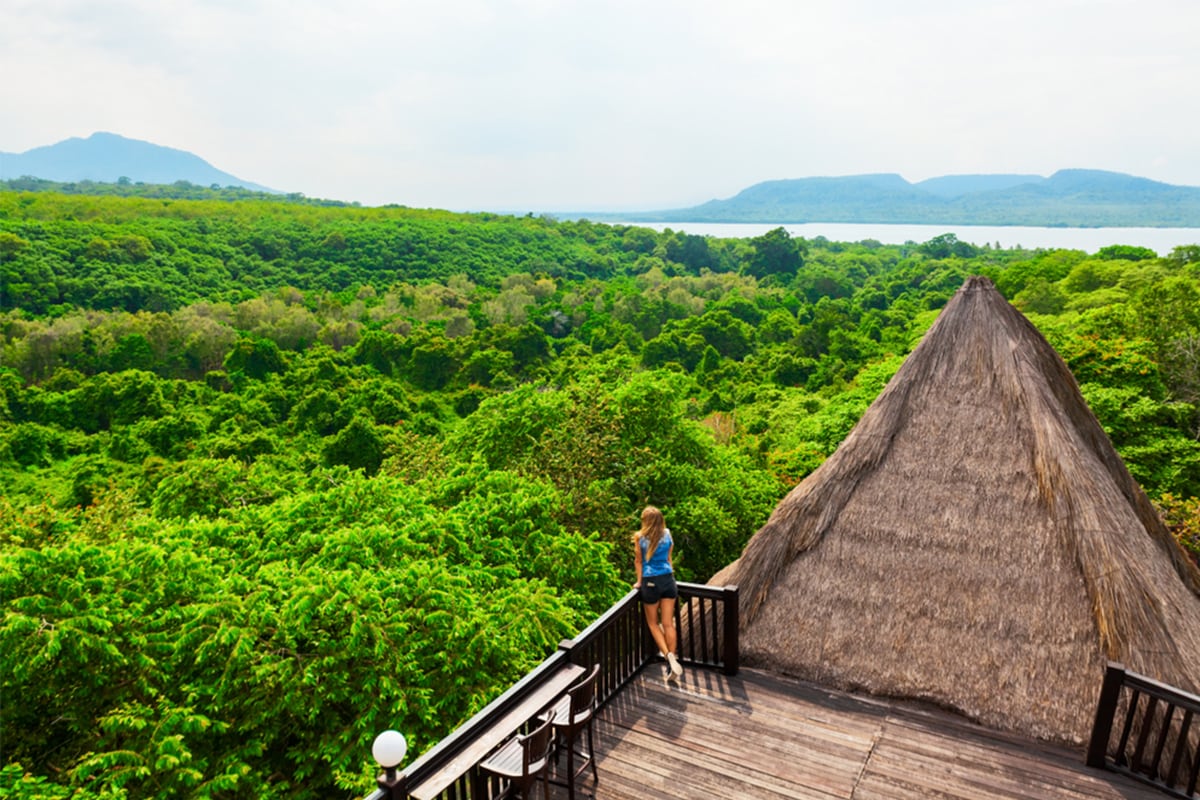
West Bali National Park, also called Taman Nasional Bali Barat, protects habitats in northwestern Bali that differ markedly from the island’s southern resort districts. Dry forest, savanna-like vegetation, mangrove habitats and marine environments make it particularly interesting for visitors who want to look beyond temples and beaches.
Birdwatching and Bali Starling Conservation
The rare Bali starling, or Bali myna (Leucopsar rothschildi), is central to conservation work associated with this region. Birdwatching should be quiet and patient: a sighting is a privilege, not an entitlement. Avoid recordings played loudly to attract birds, nest disturbance and unauthorised approaches. Ask park authorities which habitats are open to guided visits.
Snorkelling Around Menjangan Island
Trips to Menjangan may offer reef viewing and snorkelling through authorised local boats. Confirm whether your activity is permitted in the relevant park zone, ask about equipment and weather safety, and use a marine guide. Never stand on or collect coral, and do not treat protected animals as photo props. For a coastal conservation comparison, see Pemuteran’s community-linked reef restoration story and North Bali itinerary ideas.
Visitor Access and Permits
The older article’s blanket statement that the park is “always open for eco-tours” should not be relied on. Entry arrangements and site closures vary, especially for protected habitats and marine activities. Check the Indonesia Travel park guide and confirm current rules directly with park management. If you would rather base yourself in a village setting, review Balinese tourism villages.
4. Komodo National Park: Wildlife Encounters and Marine Conservation
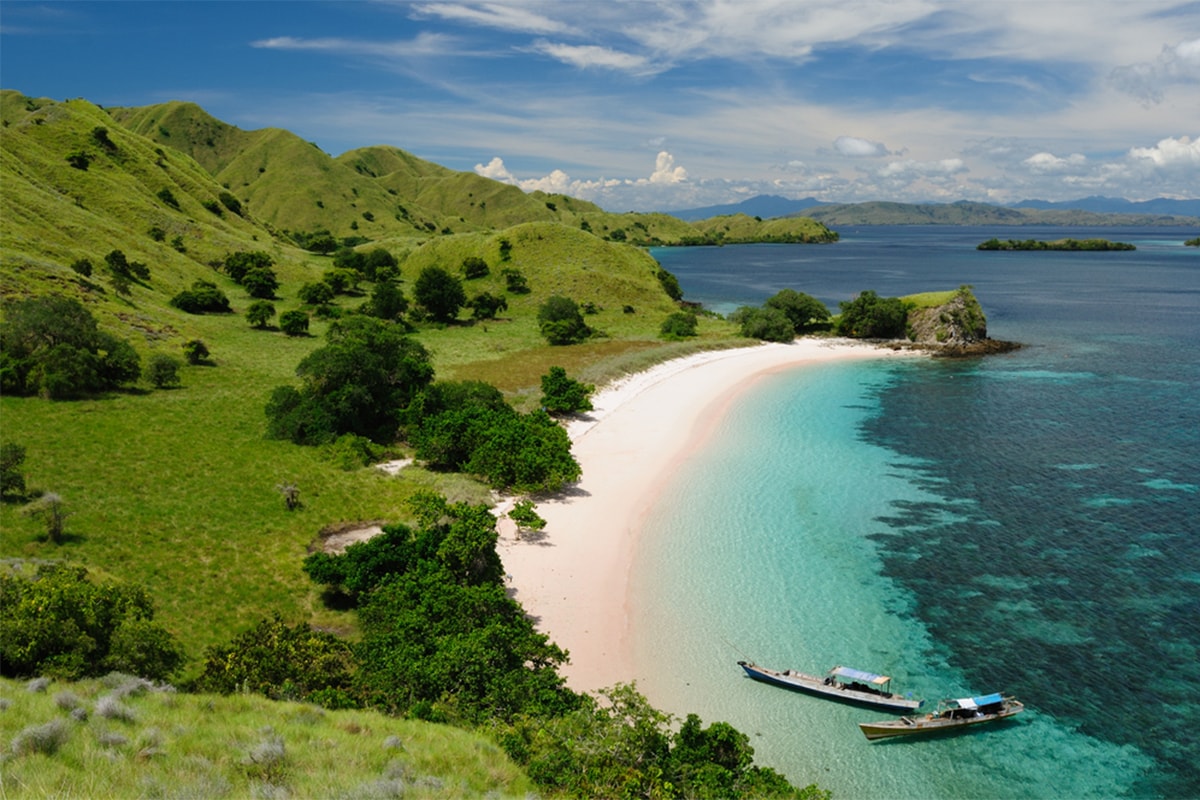
Komodo National Park lies in East Nusa Tenggara, with Komodo and Rinca islands and extensive surrounding waters among its best-known landscapes. It safeguards habitat for the Komodo dragon as well as reefs, mangroves and marine species. An environmentally conscious visit means accepting ranger instructions and the park’s restrictions, not pursuing a dramatic close-up.
Komodo Dragons: Watch, Do Not Approach
Komodo dragons are large wild predators. Observe them with authorised park personnel, remain on approved tracks and maintain the distance specified by rangers. Never approach a dragon, offer food or leave a designated group to photograph it. The original article used a 1986 UNESCO recognition date; the official UNESCO park listing confirms inscription in 1991.
Snorkelling, Boats and Protected-Zone Rules
Many visitors explore the area by boat from Labuan Bajo. Currents can be strong around some reefs and narrow channels, so choose operators who assess local conditions, provide safety equipment and comply with park zoning. Activities such as diving and visiting particular islands may need additional arrangements.
2026 Visitor Reservations
Indonesia Travel reports a visitor-management limit introduced in April 2026, with registration through the SIORA reservation system. Do not assume tickets or access are guaranteed on arrival: verify the actual rules, quotas and approved site access close to your planned dates via the official Indonesia Travel Komodo visitor guide and park-authority channels. Broader context is available in our Komodo National Park guide, responsible ways to visit Komodo and Flores destinations beyond the park.
5. Bunaken National Park: Coral Walls and North Sulawesi’s Marine Life
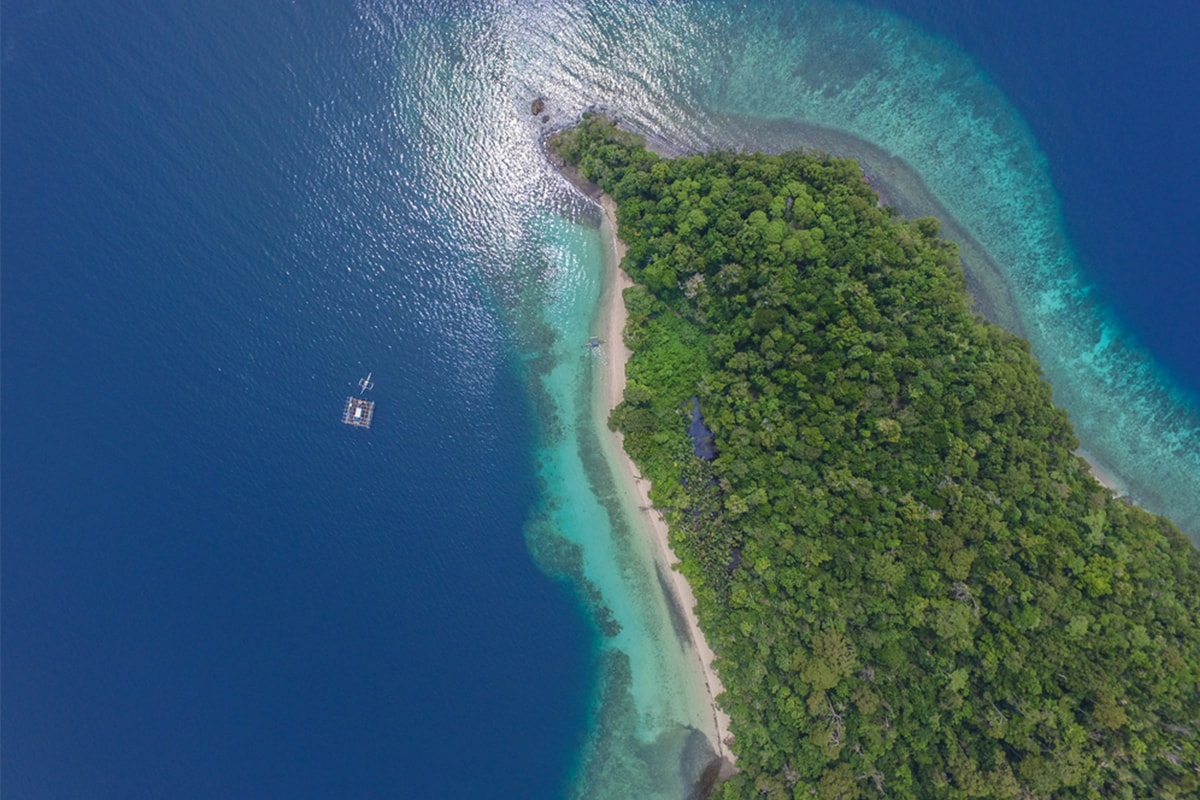
Bunaken National Park, offshore from Manado in North Sulawesi, is famous for its marine ecosystems and steep underwater reef walls. This is a different ecotourism experience from trekking or savanna viewing: responsible diving, careful buoyancy and supporting professional marine operators are at the centre of the trip.
Snorkelling and Diving Responsibly
In suitable conditions, snorkellers may see coral and reef fish near protected marine habitats, while experienced divers may explore deeper sites with qualified guides. Never touch the reef, chase sea turtles, remove shells or damage coral with fins and anchors. Avoid claiming that a specific species or coral count will be visible on every trip.
Travel Planning from Manado
Boat transfer times depend on departure point, destination, sea conditions and the operator. Ask what national-park fees, snorkelling gear, local boat crew, safety briefings and marine guides are included before booking. Research the area’s wider activities in things to do around Manado, Indonesian diving resort ideas and Raja Ampat’s conservation-sensitive marine landscapes.
Why Local Marine Stewardship Matters
Marine conservation depends not only on fees but also on community livelihoods, sustainable fishing, reef monitoring and careful tourism operations. Rather than assuming all tour revenue automatically goes into conservation, ask an operator what the park fee covers and whether local residents are employed.
How to Choose an Indonesian Ecotourism Experience
Travel style |
Good starting point |
Preparation |
|---|---|---|
Rainforest walking |
Gunung Leuser |
Reliable local guide, fitness and wildlife etiquette |
Open landscapes |
Baluran |
Road access checks, sun protection, binoculars |
Birdwatching and reefs |
West Bali |
Park permissions, appropriate reef operator |
Large wild reptiles |
Komodo |
Park reservations, rangers, careful boat planning |
Marine photography |
Bunaken |
Qualified guides and suitable sea conditions |
Weather and Safety Considerations
Indonesia’s rainfall patterns vary between islands and even between neighbouring coasts. A season that is relatively dry in one park may be unsuitable for marine activities elsewhere. Do not use a single national “best month” for all five parks. Check BMKG weather and hazard information and ask local operators about park closures and boat advisories.
Respect Cultural and Community Life
Some ecotourism routes pass through villages where farming, fishing, customary traditions and conservation work coexist. Ask before photographing residents, use established paths and purchase local services without assuming every cultural activity is a tourist performance. For additional inspiration, read future nature-trip ideas.
Frequently Asked Questions
Is Ecotourism the Same as Any Nature Holiday?
No. Ecotourism requires care for ecosystems and people, responsible visitor conduct and meaningful efforts to reduce negative impacts.
Can I See Orangutans in Gunung Leuser?
The park is part of their natural habitat, but sightings vary. Ethical guides do not promise close contact, feeding or touching wildlife.
Is Komodo National Park a UNESCO Site?
Yes. UNESCO inscribed Komodo National Park on the World Heritage List in 1991.
Can I Go Snorkelling in All Five Parks?
No. Bunaken, Menjangan in West Bali and Komodo have marine experiences, while Gunung Leuser and Baluran are primarily known here for terrestrial ecosystems. Access depends on site-specific conditions and permitted zones.
Authoritative Sources and Park Information
- UNESCO — Tropical Rainforest Heritage of Sumatra
- UNESCO — Komodo National Park
- Indonesia Travel — Baluran National Park
- Indonesia Travel — West Bali National Park
- Indonesia Travel — Komodo Visit Planning
- BMKG — Weather and Hazard Information
For more Indonesian travel ideas, follow iseeindonesia.com.