Wayang kulit is among Indonesia’s most enduring performing arts. Its shadow puppets connect masterful leather craftsmanship, a puppeteer’s storytelling, music and the audience’s interpretation of legends and social life. UNESCO first proclaimed Wayang Puppet Theatre a Masterpiece of Oral and Intangible Heritage of Humanity in 2003 and incorporated it on the Representative List in 2008. This guide helps travellers understand a real performance in Java or Bali instead of treating an ancient tradition as a standardised tourist puppet show.
Discover a wider range of related experiences in Culture and History.
6 Elements of Wayang Kulit Theatre
1. What are wayang kulit puppets?
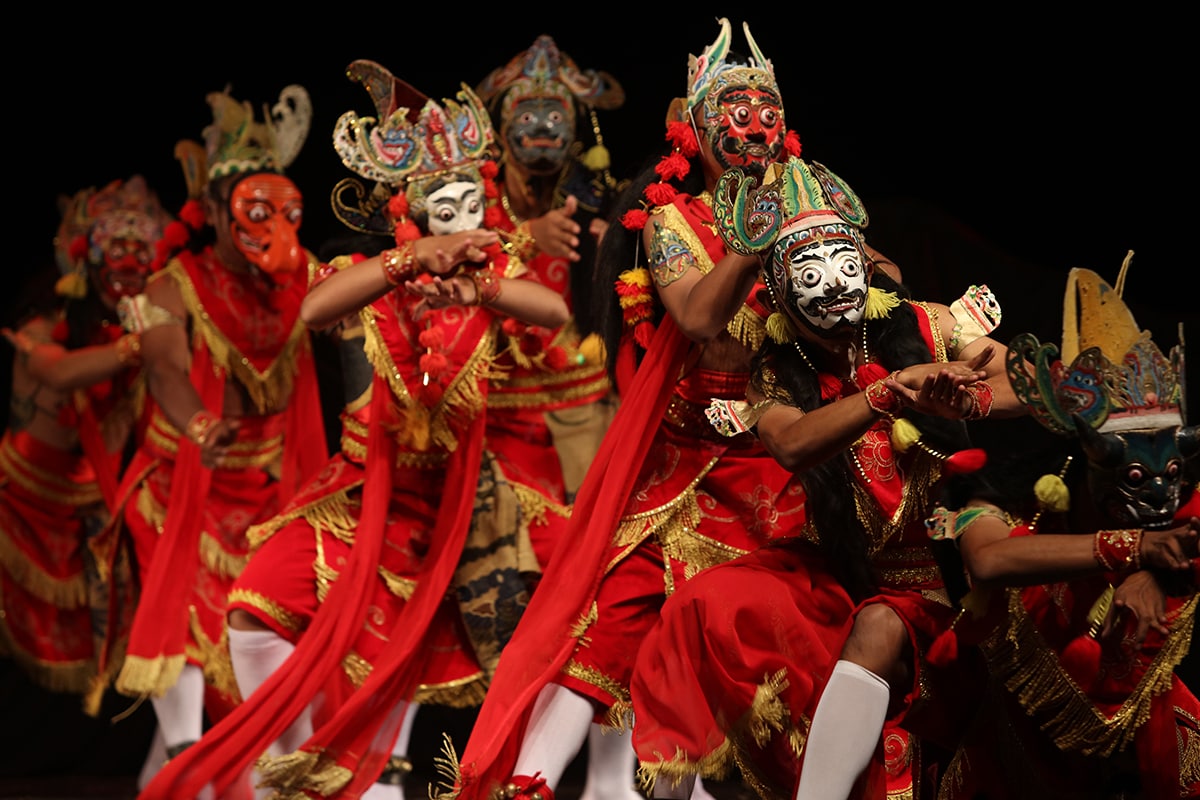
Wayang kulit commonly uses intricately cut and painted flat leather puppets operated with rods in front of a lit screen. The silhouettes and carved details combine into a distinctive visual performance. Wayang is also a broader word encompassing other forms, including wooden puppets and human theatre.
What visitors should know
A leather puppet may be an object of skilled artistic production with local symbolic meanings. Ask before handling, copying or buying historic pieces.
For a connected experience, see 7 Echanting Stories Behind Indonesia S Famous Batik.
2. Who is the dalang?

The dalang manipulates characters, voices dialogue and leads the storytelling, frequently coordinating with an accompanying ensemble. A skilled dalang uses humour, pacing and moral reflection, drawing on techniques developed over many years.
What visitors should know
A performance can contain both formal narration and contemporary jokes; not every section can be understood through literal English subtitles.
For a connected experience, see 5 Handicraft Shopping Spots In Yogyakarta.
3. Gamelan and the musical atmosphere

Gamelan ensembles create rhythmic, melodic and dramatic frameworks, often using gongs, metallophones and drums. Music and singing interact with the puppeteer’s scene changes and moods.
What visitors should know
Sit where staff direct and avoid standing in front of musicians or handling instruments.
For a connected experience, see 7 Handicraft Center S You Must Visit When Visiting Indonesia.
4. Stories, heroes and everyday commentary

Some productions draw on the Ramayana and Mahabharata, while others incorporate local mythologies or stories of daily life. Comic servants and supporting characters can provide commentary on social concerns.
What visitors should know
A familiar Hindu epic plot can take on different interpretations depending on the region and the dalang.
For a connected experience, see 5 Unique Traditions And Rituals You Can Find In Indonesia.
5. Java and Bali are not identical
Java has strong regional styles including Yogyakarta and Surakarta; Bali’s wayang parwa and other traditions may use different performance conventions, accompaniment and ritual contexts.
What visitors should know
Do not assume the duration, language, set of puppets or religious purpose is universal across the two islands.
For a connected experience, see 5 Traditional Indonesian Sports You Should Experience On National.
6. Where can international visitors watch respectfully?
Some museums, cultural centres and organised performances welcome visitors, but traditional all-night shows or temple-linked events may not be open in the same way. Official calendars, local guides and hosts provide the best access details.
What visitors should know
Dress and behave respectfully, ask before filming or using flash, and support performers and craft workshops fairly.
For a connected experience, see 9 Iconic Traditional Houses To Explore In Indonesia.
Planning, Etiquette and Practical Advice
UNESCO recognition: what it actually means
UNESCO recognises Wayang Puppet Theatre’s traditions and living knowledge; it does not certify every commercial show or puppet for sale. The craft and performance survive through communities, teachers and families, and can adapt over time.
Plan further with 5 Award Winning Tourist Villages You Should Visit In Your Lifetim and 5 Captivating Tourism Villages You Need To Visit In Bali.
How to understand a performance without Indonesian or Javanese
Read a short plot synopsis before arrival, pay attention to the changing voices and music, and ask your guide which characters are central. A shorter interpretation session may be easier for first-timers than an overnight village performance.
Plan further with Cultural Experience In Bali Uluwatu Kecak Dance and 5 Unique Bali Creations Not To Miss For Your Shopping Spree.
Making and buying a puppet responsibly
Learn about carving, painting and the role of the puppet in performance. Ask whether a souvenir is contemporary craft or an antique, request a receipt and avoid buying artifacts whose origins or legal export are questionable.
Plan further with About Indonesia and Wonderful Indonesia.
Respectful photography and cultural practices
Do not block other viewers, touch a working dalang’s equipment or photograph religious ceremonies without permission. Some shows are communal occasions and may involve customs unfamiliar to international travellers.
Plan further with Staying Safe In Indonesia and Currency.
For another relevant perspective, consult Business Hours And Holiday when planning your Indonesian journey.
What Happens During a Wayang Kulit Performance?
Before the story begins
Visitors may see a screen, puppets arranged in rows, the gamelan ensemble and the dalang’s working area. Different performances use different arrangements: a ceremonial village event can feel very different from a short museum demonstration. If you have the opportunity, ask a local guide which characters belong to the opening episode and how the puppet silhouettes indicate noble, comic or antagonistic roles.
Voice, rhythm and movement
The dalang can switch voice and posture across characters, cue musicians and direct a scene’s emotional pace. Rhythm and percussion may build tension during a confrontation while quieter moments make space for dialogue, reflection or humour. These changes are meaningful even when you cannot understand all the words. Avoid describing the accompanying gamelan as generic background music; it is integral to the performance’s structure.
Why some shows last much longer than others
Some Javanese performances traditionally run through much of the night, whereas museums and visitor centres may present shorter selections. A short version can be an accessible introduction but may omit complex passages, prayers or moral commentary. Check whether an event is a ticketed arts demonstration, a private ceremony or a community occasion before attending.
Differences Between Shadow Puppets and Other Wayang Forms
Wayang kulit uses flat leather figures and a screen. Wayang golek typically refers to three-dimensional wooden puppets, widely associated with Sundanese traditions; wayang wong or wayang orang uses human performers. They share storytelling histories but are not the same physical technique. The UNESCO inscription recognises a broad tradition whose regional practitioners have their own repertories and teaching lineages.
Planning a Wayang-Themed Cultural Day
In Yogyakarta or Surakarta, pair an authorised performance with a craft workshop or museum visit rather than treating the show as a short shopping opportunity. Ask what is included in the tour and who leads the interpretation. A puppet-maker’s workshop can reveal the time required for carving, painting and articulating a puppet, while a museum provides historical context. Purchasing a new handmade puppet from a living artisan can support the continuation of the craft.
Questions to Ask Before Photographing or Recording
Does the organiser allow recording? Is flash photography prohibited? Is the performance linked to a sacred ceremony or offered publicly? Are the audience’s children or community members comfortable being photographed? Permission varies. A respectful traveller can often enjoy the sound and atmosphere more fully by putting the camera away during key scenes.
Frequently Asked Questions
Are the details in the original article still current?
Not all. The original article documents an earlier period. Check present-day admission, venue status, prices, food menus or permissions with responsible operators.
How can I visit or book responsibly?
Check current official sources, respect community privacy and cultural rules, and choose appropriate transport and insurance for your activities.
Authoritative References
- UNESCO — Wayang Puppet Theatre, 2008
- UNESCO — Indonesian wayang performance documentary
- UNESCO — Wayang Kulit Parwa Bali performance technique