Indonesia’s best handicraft destinations are not simply places to buy souvenirs. They are communities where makers preserve knowledge of wax-resist dyeing, puppet carving, silverwork, ceramics, rattan weaving, wood sculpture and ikat textiles. This guide revisits seven Indonesian handicraft centres from the original article, corrects broad geographical claims and gives international visitors practical advice on finding genuine workshops and buying responsibly in 2026.
Where should you go for Indonesian handicrafts?
Java is especially convenient for batik, wayang, silver, ceramics and some rattan traditions. Bali is a major destination for carving, and the island of Sumba is celebrated for intricate woven textiles. Each craft is linked to specific communities; the label “Indonesian craft” should never erase who designed and made it. Explore our introduction to Indonesian cultures and the country’s regional diversity when planning your route.
Seven handicraft destinations to explore
1. Batik workshops in Solo (Surakarta) — Central Java
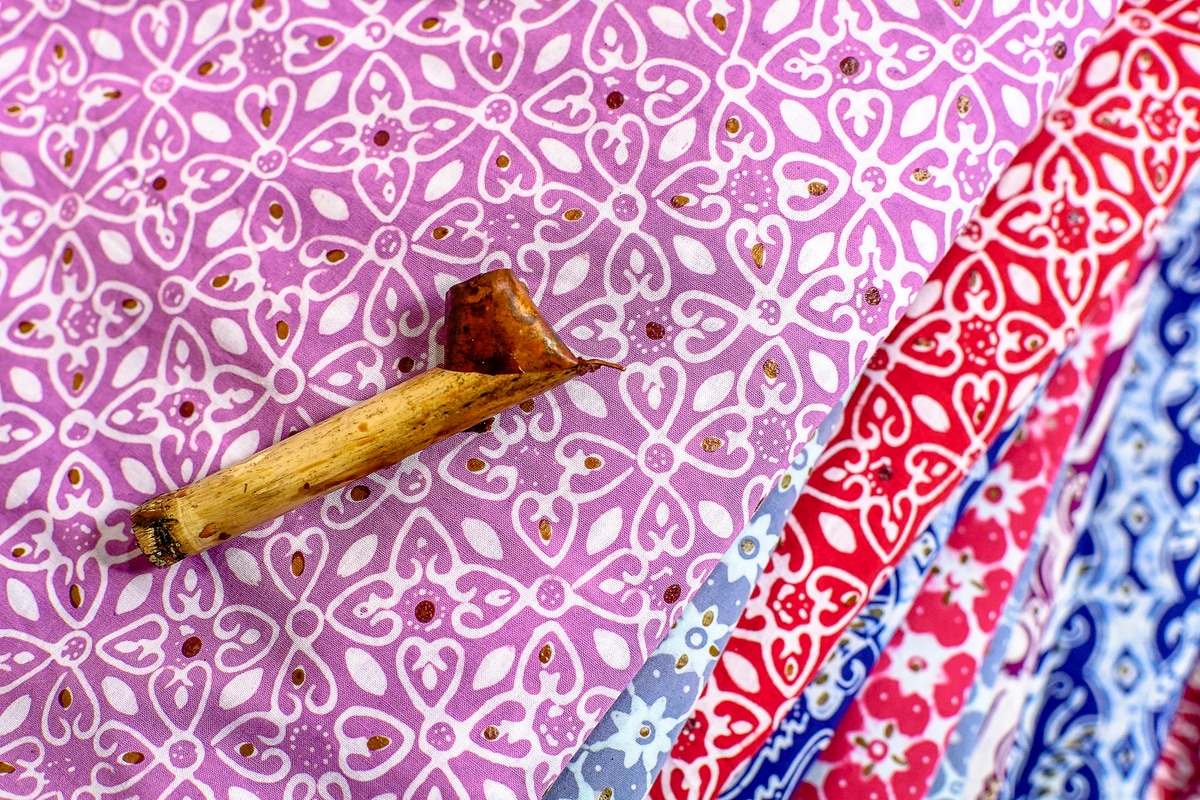
Solo is an important centre for hand-drawn and stamped batik, with batik businesses and workshops around Kampung Batik Laweyan and Kauman. Traditional patterns often have their own social and ceremonial meanings. Indonesian batik is included on UNESCO’s Intangible Cultural Heritage list, but that inscription recognises the knowledge and social traditions of batik, not every mechanically printed fabric.
How to visit and shop respectfully
Ask whether the item is batik tulis (hand-drawn), cap (stamped) or printed fabric. Look at the wax-resist process and compensate artisans who demonstrate their skills. Pasar Klewer offers shopping, but a working studio may provide a deeper educational experience.
For more about the wax-resist tradition, read the stories behind Indonesian batik.
2. Wayang kulit artisans in Yogyakarta — Yogyakarta
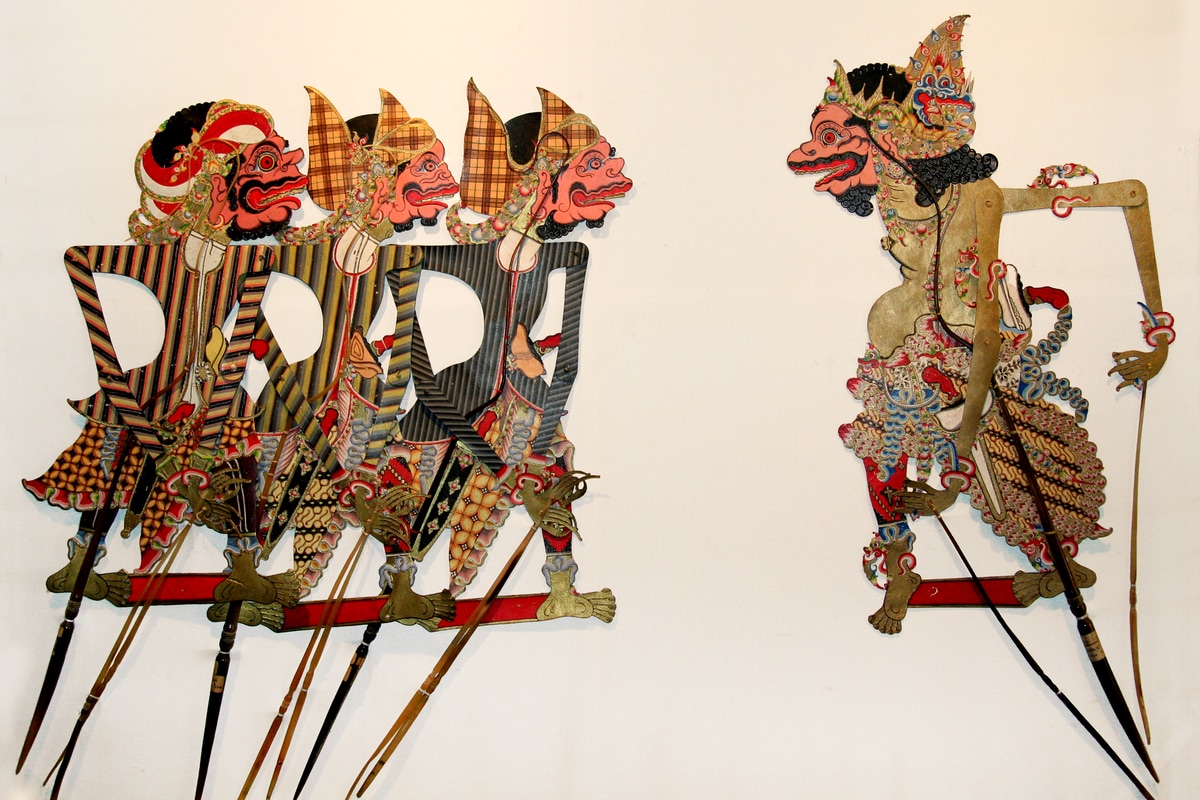
Wayang kulit puppets are carefully cut and painted from treated hide, with articulated components that cast shadows during a performance. Their characters and forms belong to a living storytelling tradition often accompanied by gamelan. UNESCO recognises wayang puppet theatre as intangible heritage, reflecting the knowledge of puppeteers, musicians and craftspeople.
How to visit and shop respectfully
Buy from an authentic maker rather than assuming every tourist-market puppet is hand-carved. Ask about materials and any customs or export rules relevant to animal-derived products.
Understand the performances behind the objects in our wayang kulit explainer.
3. Kotagede silverwork — Yogyakarta
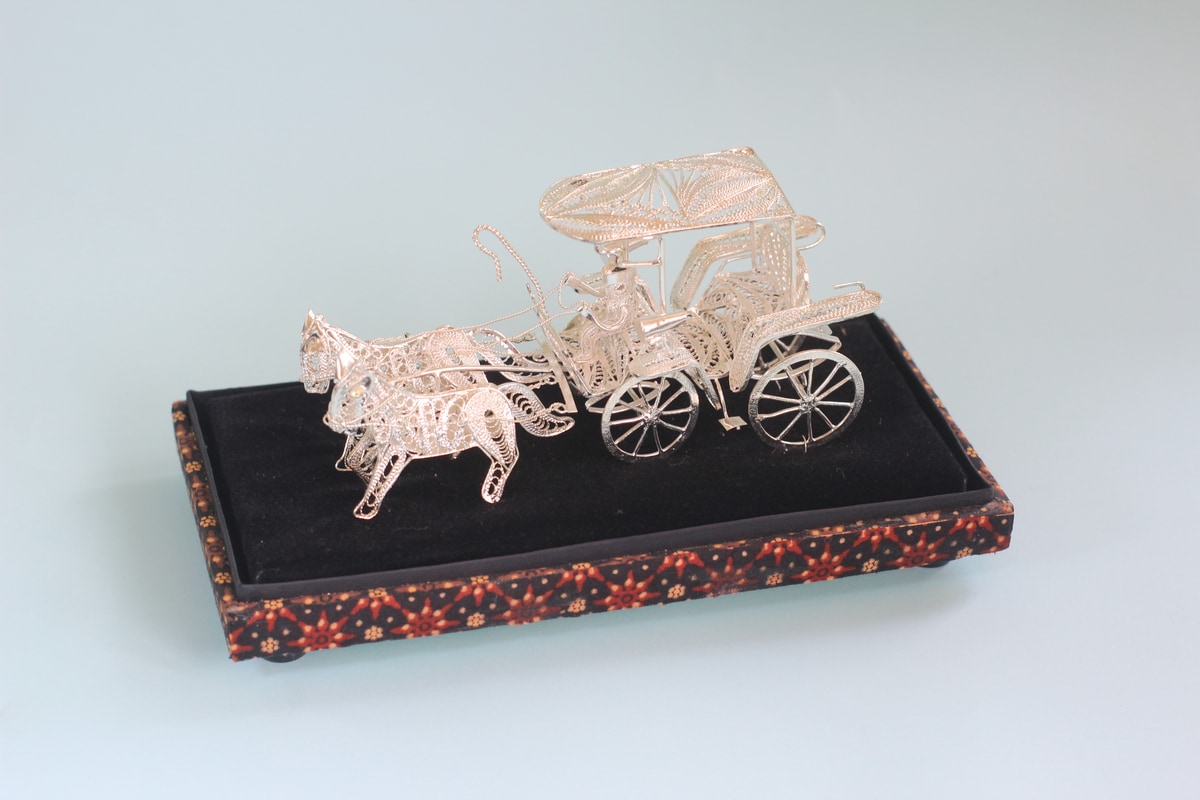
Kotagede has a long association with precious metalwork. Visitors can find artisan workshops producing jewellery, filigree and decorative objects, often alongside streets of older urban architecture. Some workshops offer short craft experiences, but opening times, booking rules and even individual shop identities change.
How to visit and shop respectfully
Ask for material composition, hallmarks where relevant, written prices and receipts. A silver-plated souvenir and a sterling silver item differ in both cost and care.
Consider more Yogyakarta shopping workshops as a complementary route.
4. Ceramics around Klaten and Bayat — Central Java
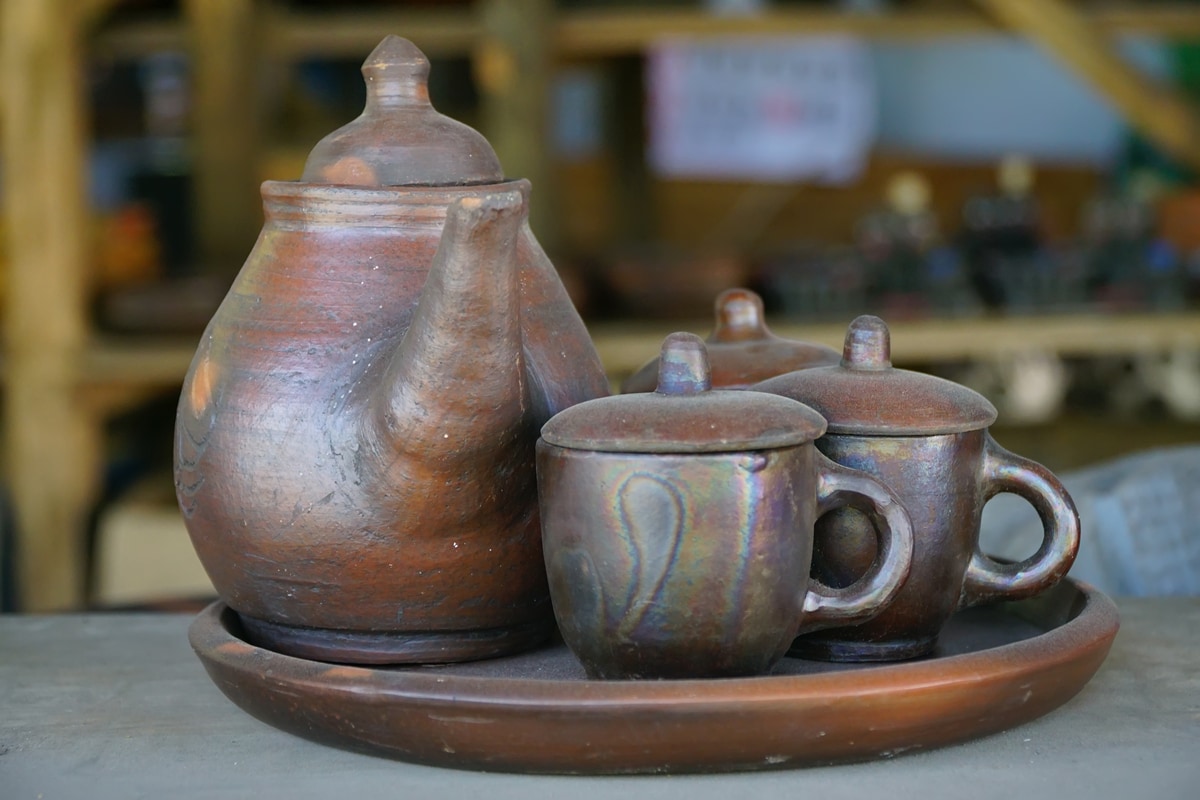
Ceramic traditions around Klaten and Bayat include wheel-thrown, hand-built and decorated vessels. The region sits along routes between Solo and Yogyakarta, but workshops may be distributed across villages rather than concentrated in one easily walkable street. Designs range from utilitarian cookware to contemporary decorative ceramics.
How to visit and shop respectfully
Ask whether a local workshop accepts guests and whether firing demonstrations operate that day. Protect fragile purchases for long-distance transport.
5. Rattan crafts in the Semarang region — Central Java
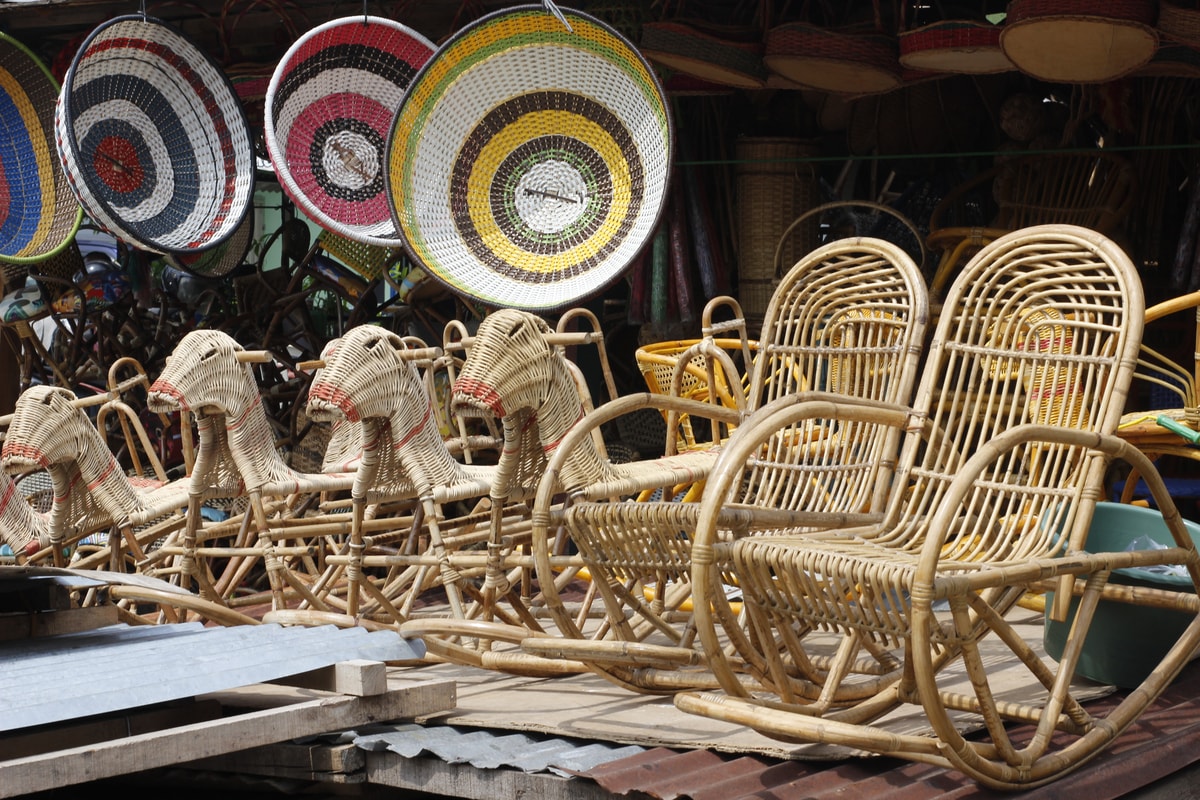
Rattan weaving and cane furniture are important Indonesian craft sectors. Semarang is a useful gateway for exploring Central Java workshops and showrooms, although major manufacturing clusters are also located elsewhere, including around Cirebon. Therefore, the older article should not imply all Indonesian rattan manufacturing is centred in Semarang.
How to visit and shop respectfully
Choose legally sourced materials and request a proper invoice, especially for larger furniture or goods requiring import declarations. Ask about packing and shipping costs before buying.
6. Balinese wood carving — Bali
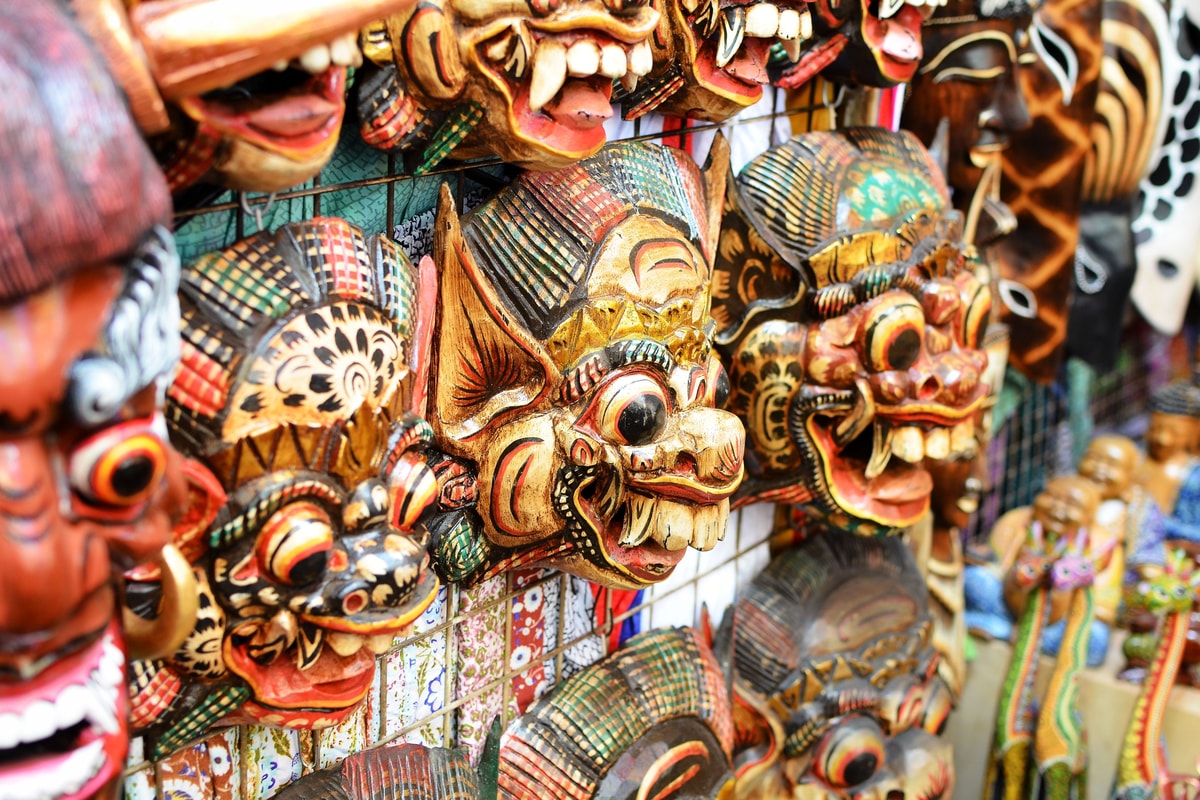
Wood-carving communities around Ubud, Mas and other Balinese craft centres produce sculpture, ritual objects and decorative art. Styles and subject matter vary, from sacred imagery to contemporary designs. Not every carved figure is intended as a religious object, and not every sacred design is appropriate for casual decoration.
How to visit and shop respectfully
When entering a gallery or workshop, ask about the artist, material and intended cultural meaning. Beware of protected timber and wildlife-product restrictions. Do not photograph people or sacred carvings without permission.
Other local shopping ideas include Bali art markets and cultural travel beyond southern Bali.
7. Sumba ikat weaving — East Nusa Tenggara
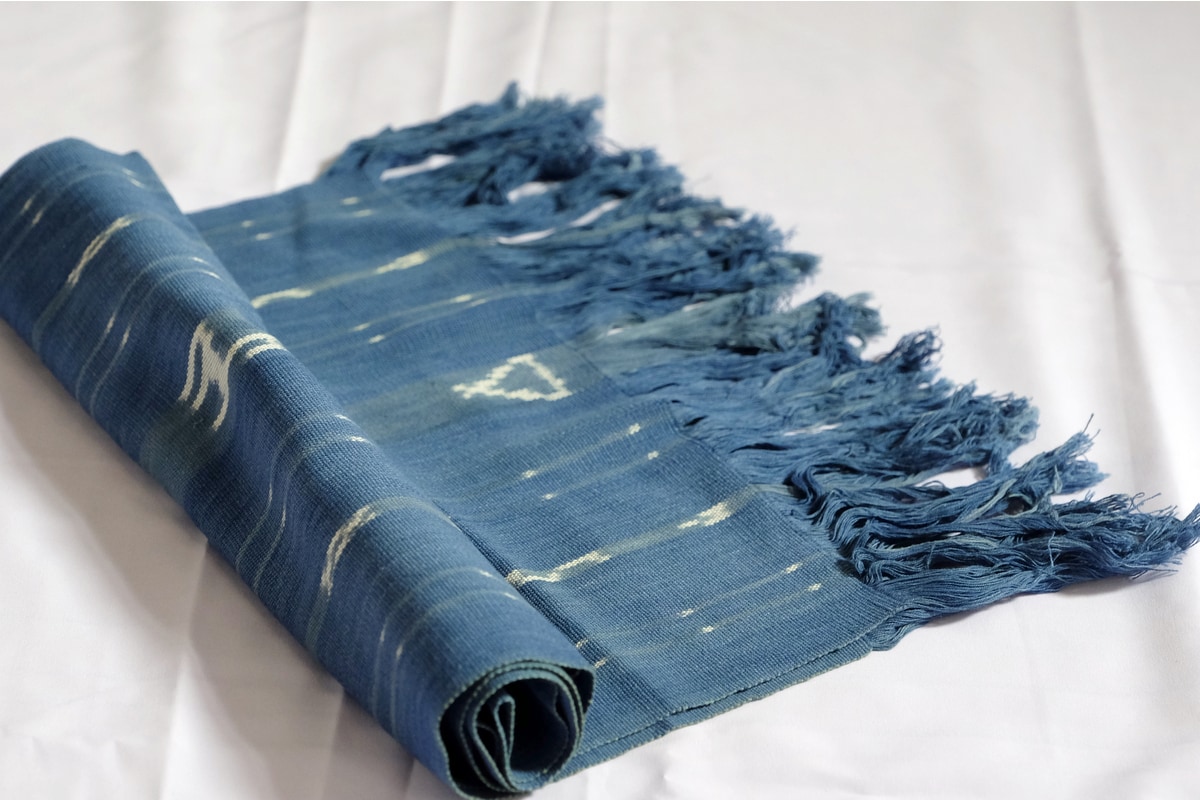
Sumba’s complex woven textiles reflect regional identity and skilled labour. Traditional ikat processes may involve tying yarn, colouring it in stages and weaving motifs with family and community meanings. Patterns, natural dyes and methods differ across eastern and western Sumba. Handwoven textiles can require substantial time and should not be priced as mass-manufactured fabric.
How to visit and shop respectfully
Choose a community workshop, ask whether the textile is handwoven, and pay fairly for time-intensive work. Respect motifs associated with specific ceremonial meanings.
For a broader itinerary see Sumba’s natural and cultural landscapes.
How to tell traditional handcraft from factory-made souvenirs
Ask about the process
Well-informed craft sellers can explain the materials, production techniques, maker’s name and whether the item was hand-created, semi-mechanised or fully printed. An expensive object is not automatically authentic; a modestly priced item can still represent skilled community work. Look for workshops that welcome questions without pressuring visitors into a purchase. See regional Indonesian architecture for another way materials and forms reflect local knowledge.
Understand the meaning of patterns
Textile motifs, puppets and carved objects can convey status, ritual functions or stories. Not every motif is restricted, but it is respectful to ask what it represents. Indonesian rituals and traditional music introduce related expressions of living heritage.
Protect artists’ livelihoods
Pay makers fairly and ask before photographing production techniques or publishing images of artists. Where possible, purchase directly through trusted studios or community cooperatives. In tourist markets, polite bargaining may be appropriate, but should not ignore materials and hours of labour.
Can international visitors take Indonesian handicrafts home?
Customs and restricted materials
Rules differ by your destination country and the item’s materials. Wood, bamboo, rattan, seeds, animal hide and antique-looking objects can require inspection or import documentation. Protected species and illegally traded heritage objects are not acceptable souvenirs. Ask for receipts and material declarations before international travel.
Packing and shipping
Silver needs scratch protection, ceramics need sturdy wrapping, and large carved or woven objects may be easier to ship professionally. Confirm the seller’s export experience, shipping insurance and responsibility for customs duties. Set a budget in rupiah using our Indonesian currency guide.
Suggested craft-focused travel routes
Four days in Central Java and Yogyakarta
Visit Solo batik artisans, then use Yogyakarta as a base for Kotagede silver and puppet workshops. Klaten pottery may fit a separate day if the chosen studio offers visits. Combine these crafts with performing-arts experiences and community tourism principles when designing a trip.
Five days in Bali or a dedicated Sumba journey
Take your time exploring Balinese galleries, markets and genuine carving studios instead of visiting many anonymous souvenir outlets. Sumba deserves a separate itinerary rather than being treated as a quick craft detour from Bali. Check transport, local cultural permissions and guides, and consult the broader Indonesia travel guide.
Practical etiquette for workshops and markets
Contact studios before travelling, especially on religious holidays. Avoid blocking artisans while they work, keep children away from hot wax or pottery kilns, and follow local dress and footwear conventions. Ask before filming and use ethical travel photography guidance. Read traveller safety advice before visiting remote workshops.
Frequently asked questions
Is Indonesian batik recognised by UNESCO?
Yes. Indonesian batik was inscribed on UNESCO’s Representative List of Intangible Cultural Heritage in 2009.
What is the difference between batik tulis and printed batik?
Batik tulis is wax-resist decoration done by hand, whereas printed cloth may imitate the appearance without using the traditional technique.
Where can I see authentic wayang crafts?
Yogyakarta has workshops and craft sellers, but confirm makers, methods and whether the chosen object is new and exportable.
Is Sumba ikat usually cheap?
Authentic handwoven textiles can take considerable time; the price should reflect production methods and maker expertise.