Komodo National Park is not simply an island where you can see a giant lizard. This protected archipelago in East Nusa Tenggara combines dry savannah hills, bright bays, coral reefs, coastal villages and one of the world’s most distinctive wild animals: the Komodo dragon. The main park islands are Komodo, Rinca and Padar, surrounded by smaller islands and marine habitats between Sumbawa and Flores.
For international travellers, the gateway is Labuan Bajo on the western tip of Flores. You can visit parts of the park on a boat day trip, or join a carefully planned multi-day voyage. The most rewarding approach is to choose activities that suit your fitness, swimming experience and conservation responsibilities rather than trying to tick off every famous location in a few hours. For a complementary perspective, see our responsible Komodo travel ideas and things to experience around Labuan Bajo.
Komodo National Park at a Glance
| Location | West Manggarai Regency, East Nusa Tenggara, Indonesia |
|---|---|
| Main gateway | Labuan Bajo, Flores |
| Well-known islands | Komodo, Rinca and Padar |
| Heritage status | UNESCO World Heritage Site, inscribed in 1991 |
| Common experiences | Ranger-guided dragon observation, Padar viewpoints, boat travel, beaches, diving and snorkelling |
| Important safety rule | Do not approach wildlife, wander off marked trekking routes or dive beyond your certification and conditions |
UNESCO recognises the landscape and biodiversity of Komodo National Park as a natural World Heritage property. It is a conservation area, not a wildlife attraction where animals can be approached for photographs.
Ten Reasons to Visit Komodo National Park
1. See Komodo Dragons in Their Natural Habitat
The Komodo dragon (Varanus komodoensis) is the largest living lizard. It is a powerful wild predator, not a tame tourist exhibit. Visitors may observe dragons on designated trails on Komodo or Rinca, under the direction of authorised naturalist guides and park personnel. Sightings depend on animal behaviour and are not guaranteed. This is one reason it is better to book a guided experience than to improvise a walk through wildlife habitat.

Respect the Rangers and the Animals
The park’s official visitor protocol prohibits ignoring ranger instructions, leaving authorised routes, getting too close to animals, feeding wildlife and entering without the required tickets. Keep children close, avoid sudden movements and never step towards a dragon for a close-up selfie. More context on conservation destinations appears in our guide to Indonesian ecotourism experiences.
2. Hike to Padar Island’s Panoramic Viewpoint
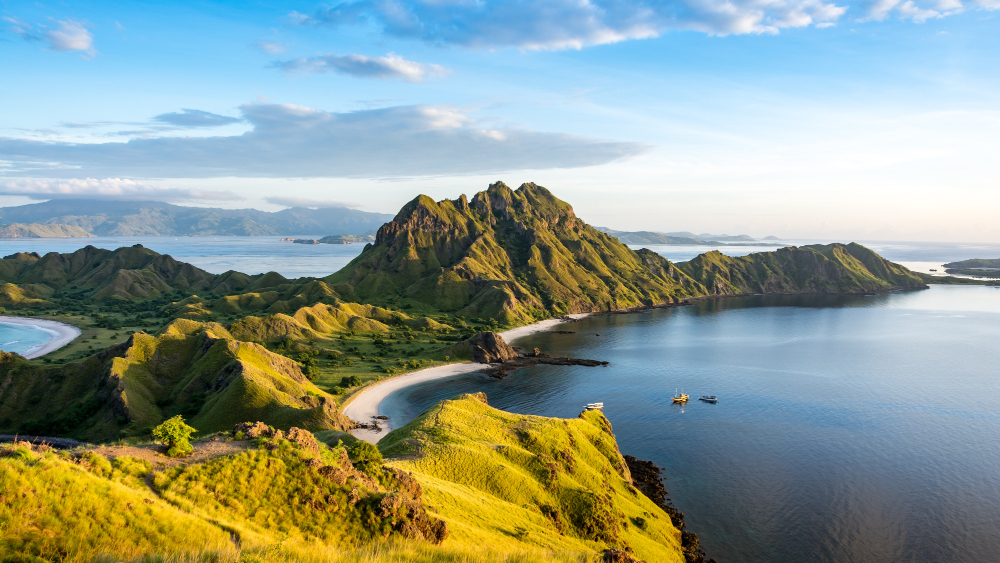
Padar Island is famous for its dramatic ridgelines and differently shaped bays. The climb is steep, exposed and can feel hot even early in the day. Its defining attraction is the view rather than a promise of dragon sightings. Wear footwear with traction, carry drinking water and follow any timed-entry restrictions or route closures. The island’s dusty hills are often brown in drier conditions and greener after rain.

Sunrise and late afternoon can bring attractive light, but the best accessible time is whatever your operator and the park permit. If you love landscape photography, combine this with the sunset viewpoints around Labuan Bajo before or after your boat trip.
3. Experience Pink Beach and Colourful Coastlines
Pink Beach on Komodo Island is known for subtle reddish-pink tones created by natural materials mixed with lighter sand. Its appearance shifts with the light and sea conditions; do not expect every photograph to show the same shade. Visitors may swim or snorkel when conditions permit, but should avoid stepping on coral or taking sand home. Indonesia’s national tourism portal provides a useful Pink Beach destination overview.
If quiet beaches are part of your wider Indonesia holiday, compare striking beaches elsewhere in Indonesia and tropical coastal scenery in Sumba.
4. Snorkel Above a Remarkable Marine Ecosystem
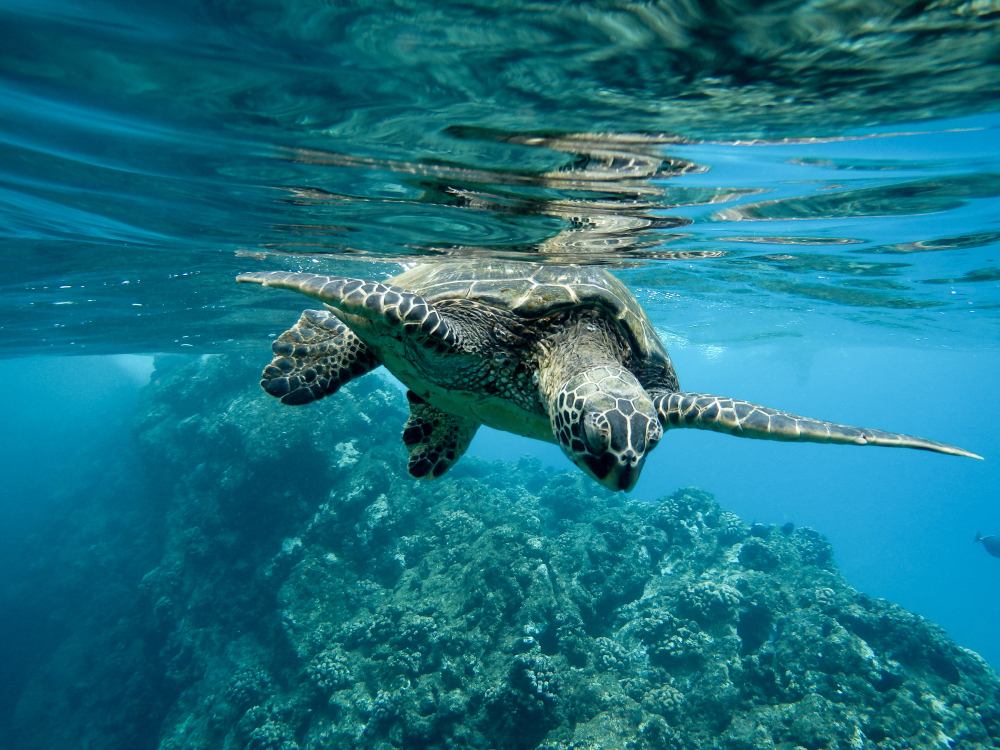
The national park protects marine habitats as well as its dry islands. Coral gardens support reef fish, turtles and a wide range of other species. However, sites differ substantially: some have easy conditions on a given day, while others are affected by strong currents. Select spots based on current conditions and swimming ability, not only on social media photographs.
A responsible snorkelling guide should explain where to enter, where currents move and when to stay aboard. Our feature on Indonesia’s dive resort destinations offers further inspiration without treating every reef as suitable for beginners.
5. Dive with Qualified Operators Around Komodo
Experienced divers visit Komodo for its dramatic marine environment and sites such as Batu Bolong, Castle Rock and Crystal Rock. Conditions can be demanding. The national park requires appropriate certification for diving, and local operators must assess divers and conditions rather than promising a fixed dive site regardless of weather.
Ask about equipment, guide-to-diver ratios, emergency procedures, insurance and the availability of evacuation support. Travellers comparing world-class marine destinations may also appreciate Raja Ampat’s reefs and nature.
6. Cruise Through an Island Landscape
A boat journey is part of the appeal. The route between Labuan Bajo and the islands may include sheltered bays, open-water crossings, steep island silhouettes and beaches accessible only by sea. Boats vary from simple day-trip vessels to liveaboard accommodation, including some styled after the traditional Indonesian phinisi. For background on this maritime tradition, read the story of the phinisi schooner.
Do not choose by photographs alone: check the operator’s safety equipment, crew, published itinerary, cancellation policies, sleeping arrangements and what happens in rough weather. Compare alternative accommodations and routes in our Labuan Bajo escapes guide.
7. Explore Savanna, Monsoon Forest and Coastal Wildlife Habitats
Komodo’s landscape is not the dense green rainforest often pictured in broader Indonesia promotions. UNESCO describes dry grasslands, savanna and seasonal woodland interwoven with marine ecosystems. The striking contrast is itself part of the park’s heritage significance. Observe birds and other wildlife quietly, and remember that animals other than dragons are also protected.
If you enjoy comparing protected Indonesian landscapes, explore national parks in Java and Bali or unusual outdoor experiences across Indonesia.
8. Add Cultural Experiences Around Flores
The protected islands are not the whole story of western Flores. Communities around Labuan Bajo and across Flores have their own languages, foodways, maritime traditions and village experiences. Cultural visits should be undertaken respectfully and preferably with local guides rather than treating inhabited villages as museum displays.
Extend the journey with Flores attractions beyond the national park or our collection of East Nusa Tenggara travel ideas.
9. Watch the Changing Light Across the Islands
Komodo’s distinctive hills and inlets look different from morning to evening. Morning light may illuminate the layered bays of Padar, while sunset can be beautiful from a viewpoint or safely anchored boat. A photo plan should be flexible: park schedules, wind, cloud, boat conditions and permits come before an ideal camera angle. See our adventure travel inspiration for other nature-led journeys.
10. Make a Multi-Day Journey Through East Nusa Tenggara
Komodo can serve as one stop in a larger journey through Flores and the islands of Nusa Tenggara. Rather than returning immediately after a crowded day excursion, leave time for local markets, views around Labuan Bajo or another carefully planned boat day. Travellers continuing through the region can find more ideas in our Sumba weekend itineraries and things to do in Lombok.
How to Get to Komodo National Park
First Reach Labuan Bajo
Most travellers begin at Labuan Bajo, a town and tourism harbour on western Flores. Komodo International Airport serves the area, but flight routes and airline schedules can change; check official airline services for your travel dates. From town, access to park islands is by boat with an appropriately authorised operator. The national park cannot be explored by simply hiring a motorbike from Labuan Bajo.
Choose a Day Boat or Liveaboard
Day trips can cover selected highlights but depend on vessel type, sea conditions and the operator’s departure schedule. Overnight boats may spread activities across more days; the quality, safety, cabin configuration and route can differ substantially. Check precisely which islands, snorkelling points, guides, meals and park charges are included. Those looking for onshore accommodation first can explore Labuan Bajo villa ideas.
Tickets, Permits, Quotas and 2026 Visiting Rules
Do not rely on the fixed entrance-fee figures found in older Komodo guides. Official park rules require relevant entrance and activity tickets, and diving, guiding and other charges may be separate. The current framework references Indonesian government PNBP regulations, including Government Regulation No. 36 of 2024. Check the park authority’s official site and ask your operator for an itemised breakdown before payment.
In April 2026, Indonesian news agency ANTARA reported that park management had introduced a 1,000-visitor-per-day quota effective 1 April 2026. Quotas, timed entries and booking practices may evolve. Confirm the applicable limit and any advance-booking arrangements with the park authority before finalising travel, especially in high-demand periods. Follow the park’s visitor protocols and timed-entry requirements.
When Is the Best Time to Visit Komodo?
Many travellers consider the relatively drier months, often around April–October, attractive for viewpoints and boat outings. Nevertheless, rough seas, seasonal wind, storms and strong currents can occur during any month. Conditions at sea and individual dive sites may differ from a forecast for Labuan Bajo. July and August can also be busy, making early planning valuable.
For land activities, carry water and sun protection; for marine activities, ask the captain or dive operator to reassess conditions on the day. Avoid any itinerary that assumes a particular hike or dive must go ahead regardless of official closures.
Suggested Komodo Itineraries
One Day: A Focused Day Trip
Choose a reputable boat tour to a small number of permitted highlights, such as a Padar viewpoint, a ranger-guided wildlife visit or a safe snorkelling stop. The actual order is determined by your vessel and park access slots, not a universal timetable. A one-day trip is often too short to cover every attraction comfortably.
Two to Three Days: More Time on the Water
A multi-day journey allows the schedule to be less rushed, though it does not guarantee access to specific sites. Choose a vessel with suitable safety arrangements and realistic connections between islands. If you want to spend time on Flores as well, add a separate land day rather than combining distant inland attractions with a full boat itinerary.
Komodo National Park FAQs
Can I Walk Alone to Look for Komodo Dragons?
No. Follow park-authorised trails and the instructions of a naturalist guide or ranger. Komodo dragons are dangerous wild animals.
Are Komodo Dragons Found on Padar Island?
Padar is best known for its viewpoint and scenery. Do not plan it as your principal location for a dragon encounter; Komodo and Rinca are the usual guided wildlife stops.
Can Beginners Dive at Komodo?
Some conditions and sites may be suitable for different certification levels, but the area’s strong currents make site selection critical. Book with a qualified operator who evaluates experience and conditions, and do not dive without the required certification.
How Much Should I Budget?
Request an itemised quotation for the boat, guides, meals, equipment, accommodation and current park tickets. Fees and inclusions vary too much to present one unverified price as a reliable total.