Indonesia’s beaches range from volcanic black sands to granite islands, reef-fringed bays and striking limestone cliffs. The 13 photogenic Indonesian beaches in this guide are remarkable for different reasons, but an Instagram-worthy view does not necessarily mean safe swimming, easy access or unrestricted photography. This refreshed travel guide preserves the original thirteen locations while adding realistic transport, tide, conservation and safety information.
13 remarkable beaches across the Indonesian islands
1. Sumur Tiga Beach, Aceh

Sabang on Weh Island is known for clear-looking bays, palms and island views. Ferry access and swimming conditions vary, so confirm local restrictions and never rely on water colour as a safety indicator.
Travel tip
Confirm current access, weather, tides and swimming advisories with local authorities. Avoid risky cliff edges, do not collect protected natural materials and ask permission before photographing local people.
2. Gigi Hiu, Lampung
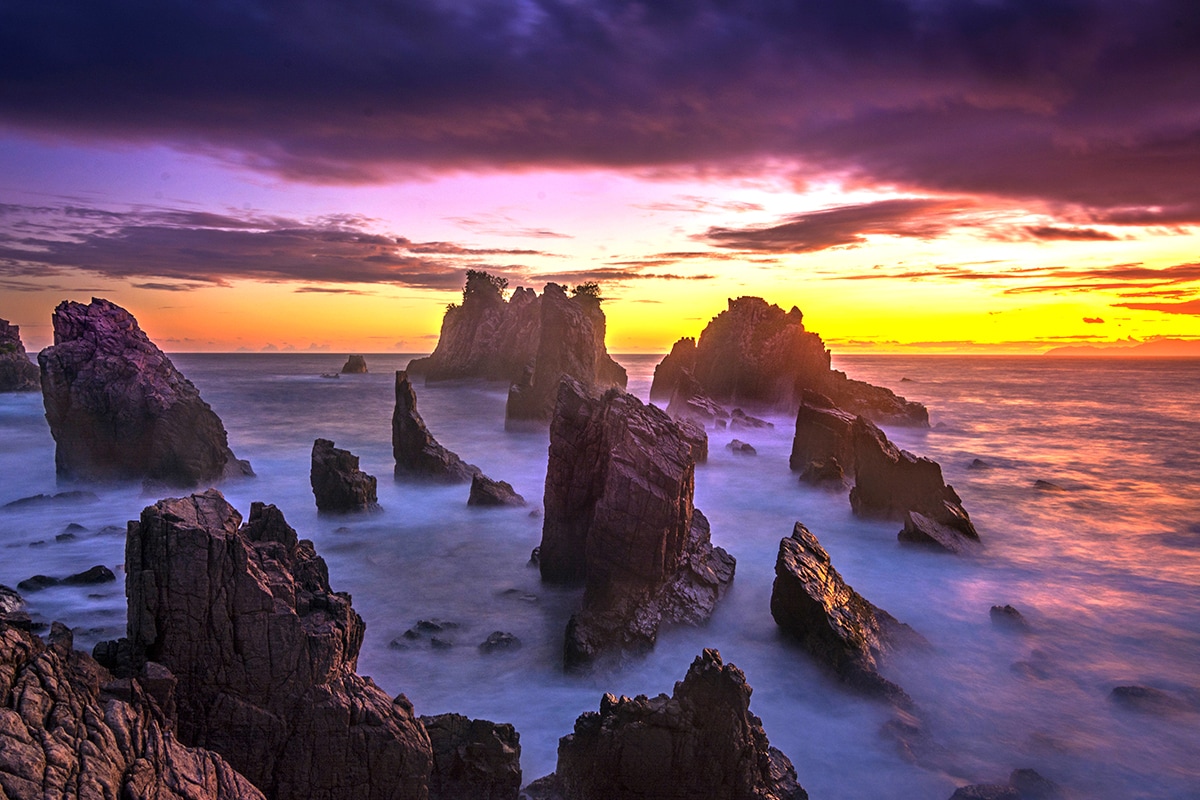
Jagged rock towers create an unusual coastal landscape. This is primarily a viewing and photography destination, not a swimming beach. Breaking waves, sharp rocks and slippery surfaces are dangerous.
Travel tip
Confirm current access, weather, tides and swimming advisories with local authorities. Avoid risky cliff edges, do not collect protected natural materials and ask permission before photographing local people.
3. Parai Tenggiri, Bangka
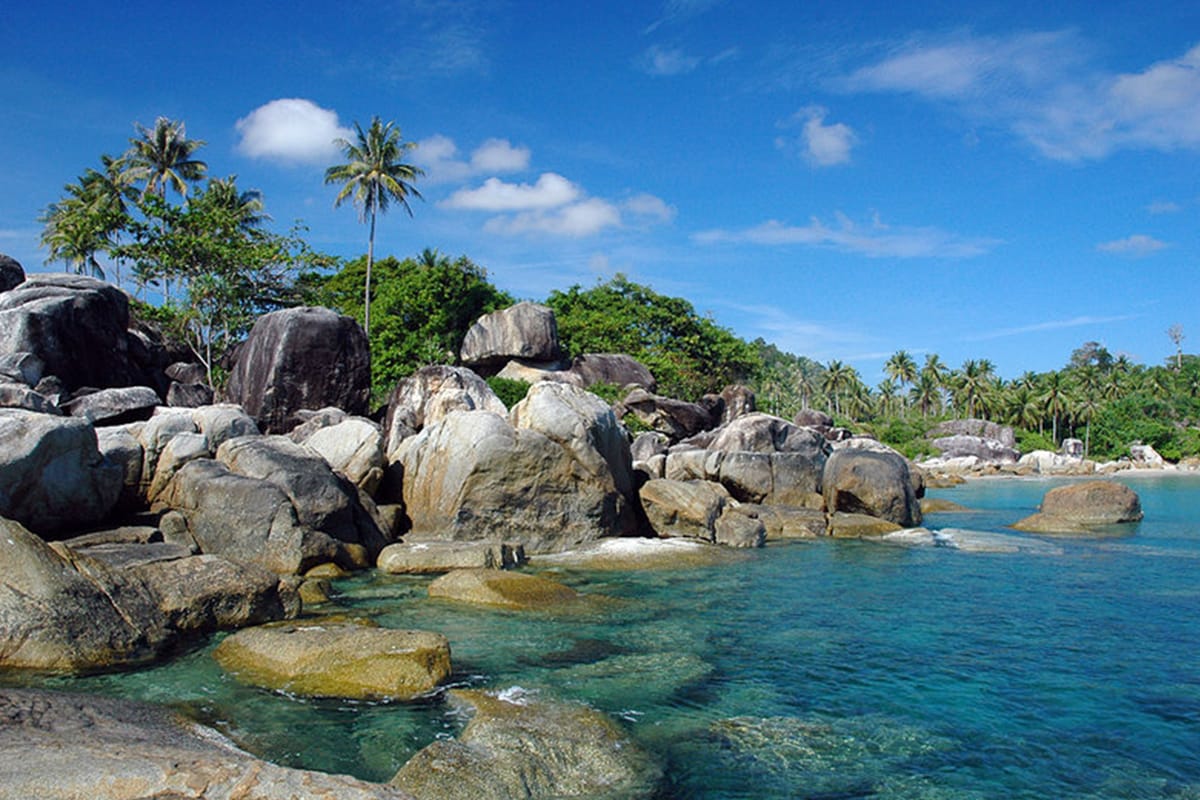
Granite rocks, white sand and nearby resort infrastructure make this a scenic stop. Access arrangements and managed-beach fees change, and a private resort photograph is not proof of public facilities.
Travel tip
Confirm current access, weather, tides and swimming advisories with local authorities. Avoid risky cliff edges, do not collect protected natural materials and ask permission before photographing local people.
4. Lengkuas Island, Belitung
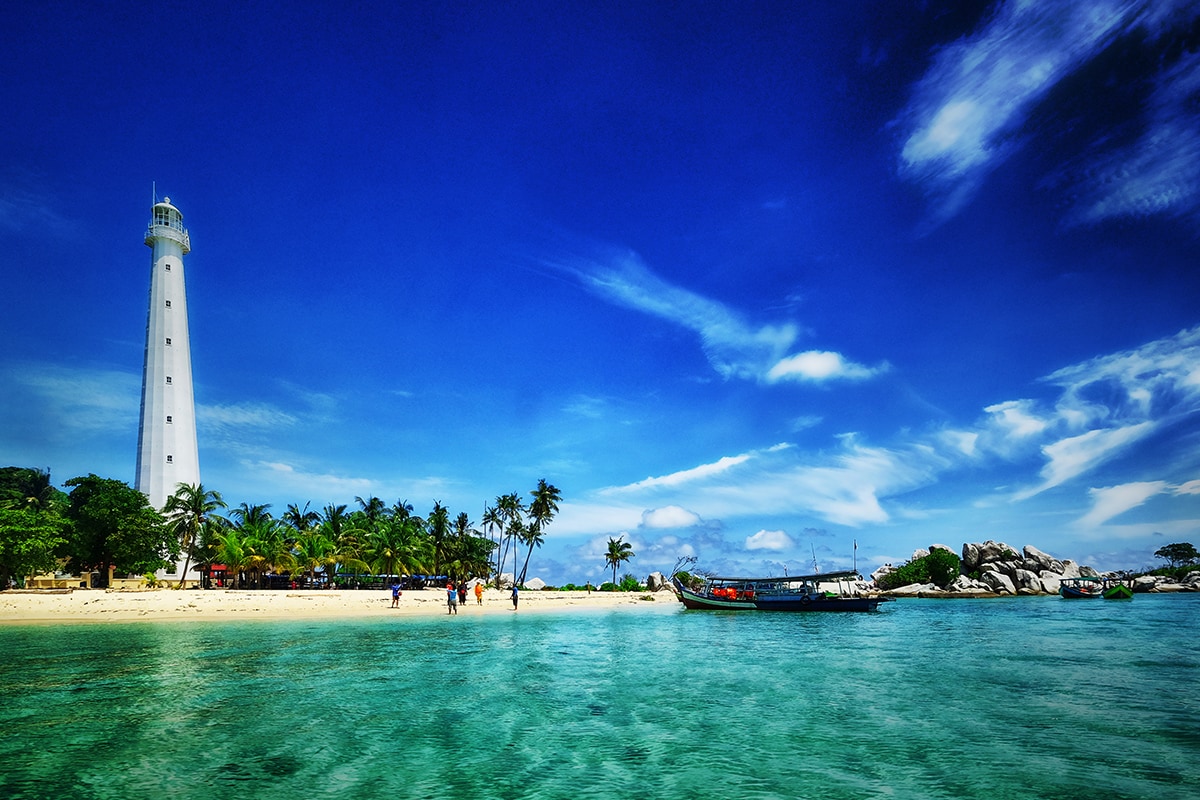
A historic lighthouse stands among turquoise water and granite formations. Landing depends on marine weather, and lighthouse-climbing permissions may change for operational or maintenance reasons.
Travel tip
Confirm current access, weather, tides and swimming advisories with local authorities. Avoid risky cliff edges, do not collect protected natural materials and ask permission before photographing local people.
Explore Belitung attractions for a regional itinerary.
5. Jogan Beach, Gunungkidul
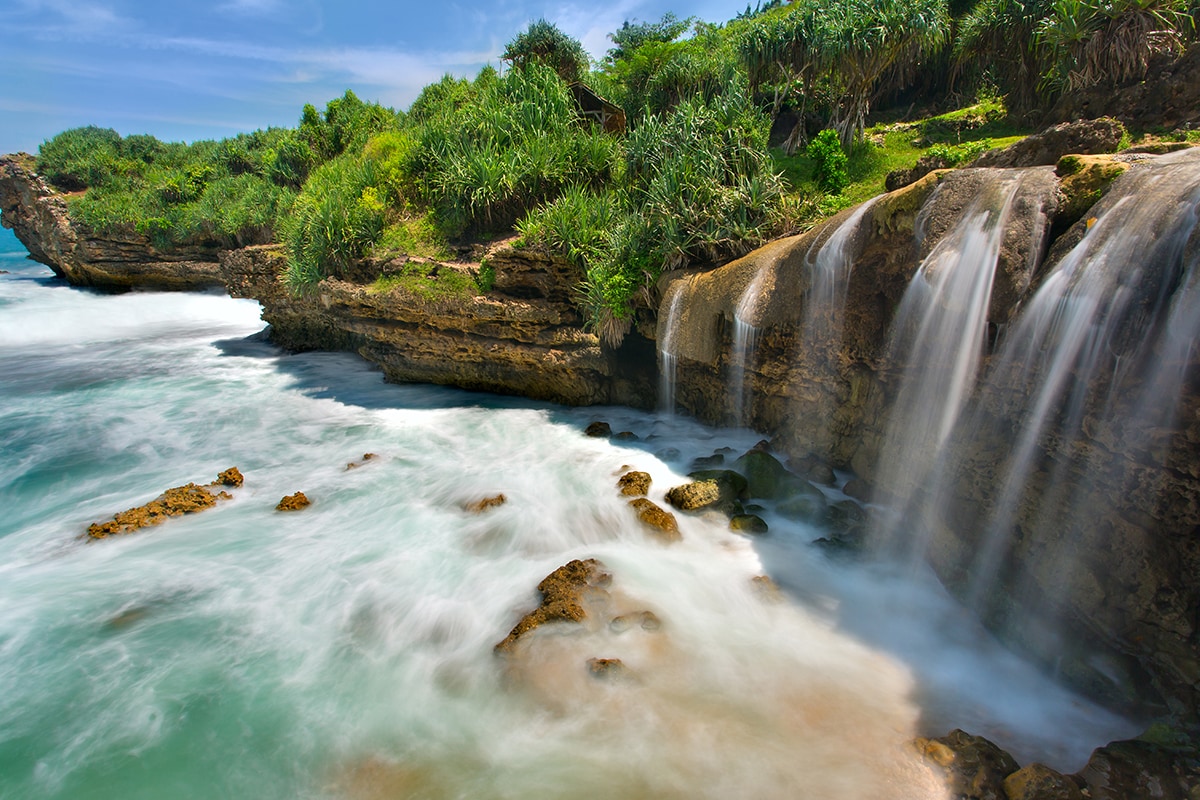
This cliff-side coastal waterfall varies with rainfall and season. Wet limestone and exposed drops are hazardous, so admire the waterfall from authorised safe viewpoints.
Travel tip
Confirm current access, weather, tides and swimming advisories with local authorities. Avoid risky cliff edges, do not collect protected natural materials and ask permission before photographing local people.
6. Klayar Beach, Pacitan
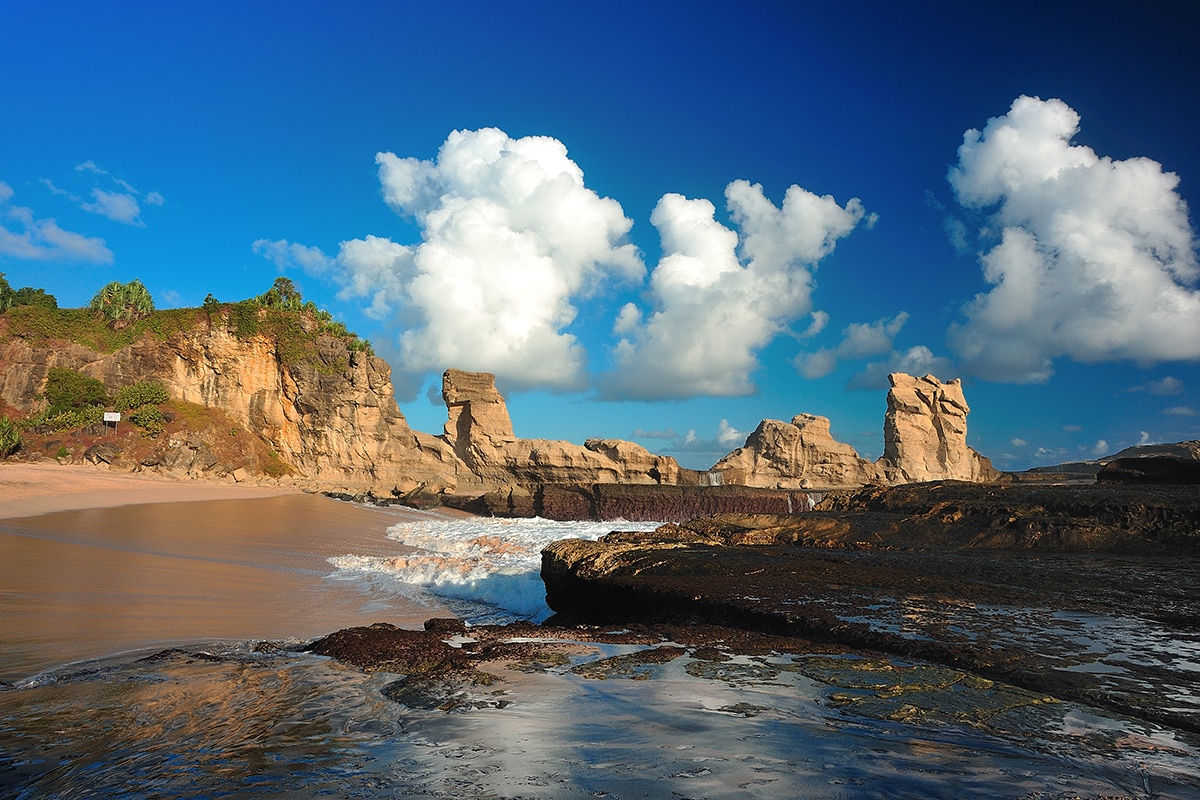
Klayar’s wave-washed rocks and dramatic coastal forms attract photographers. Surging waves can overwhelm areas that look calm moments earlier; follow safety cordons and avoid swimming in dangerous sections.
Travel tip
Confirm current access, weather, tides and swimming advisories with local authorities. Avoid risky cliff edges, do not collect protected natural materials and ask permission before photographing local people.
Discover East Java sightseeing beyond the coastline.
7. Kelingking Beach, Nusa Penida

Kelingking offers an extraordinary cliff-top view, but the steep descent and powerful southern-ocean surf can pose serious risks. Access rules and safety restrictions should be checked with local authorities.
Travel tip
Confirm current access, weather, tides and swimming advisories with local authorities. Avoid risky cliff edges, do not collect protected natural materials and ask permission before photographing local people.
Check Bali’s seasonal climate guide.
8. Amed Coast, Bali
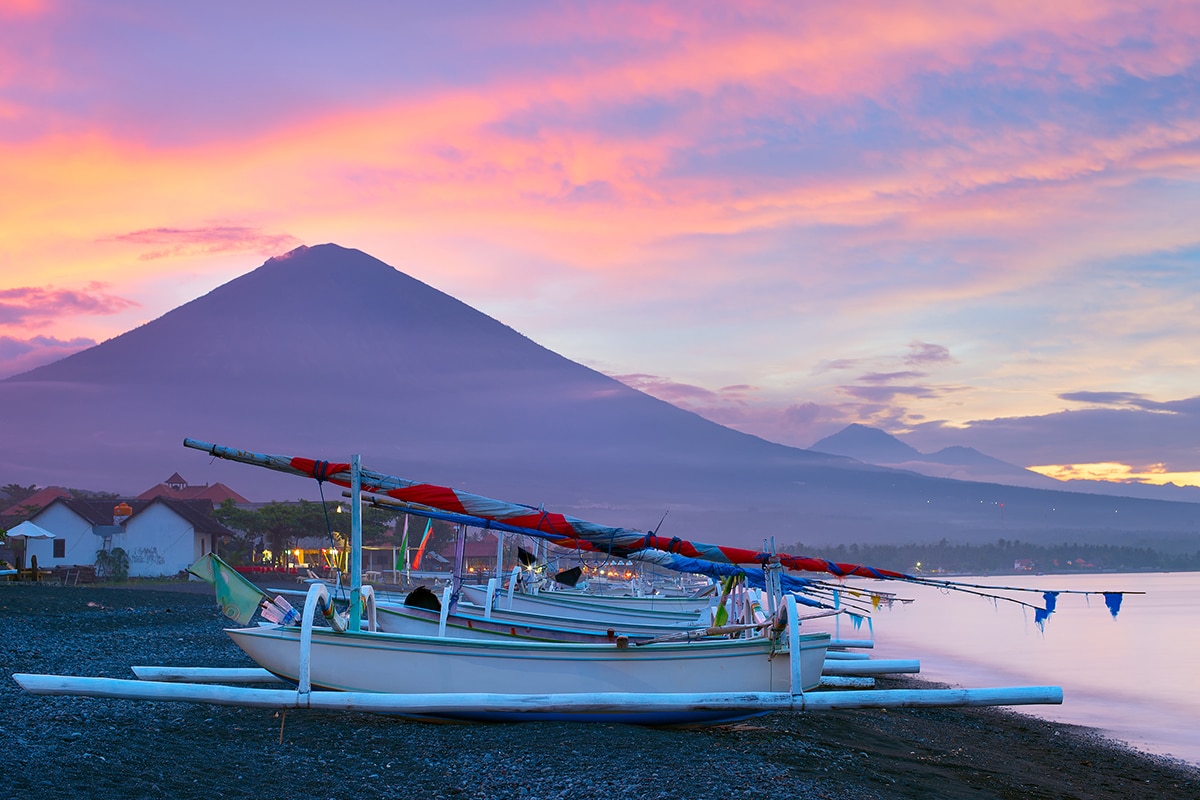
Amed’s volcanic sand, fishing villages and coastal reef sites offer a different view of Bali. Snorkelling and diving conditions vary by individual bay, tide and current; use appropriate local guides.
Travel tip
Confirm current access, weather, tides and swimming advisories with local authorities. Avoid risky cliff edges, do not collect protected natural materials and ask permission before photographing local people.
9. Tanjung Aan, Lombok
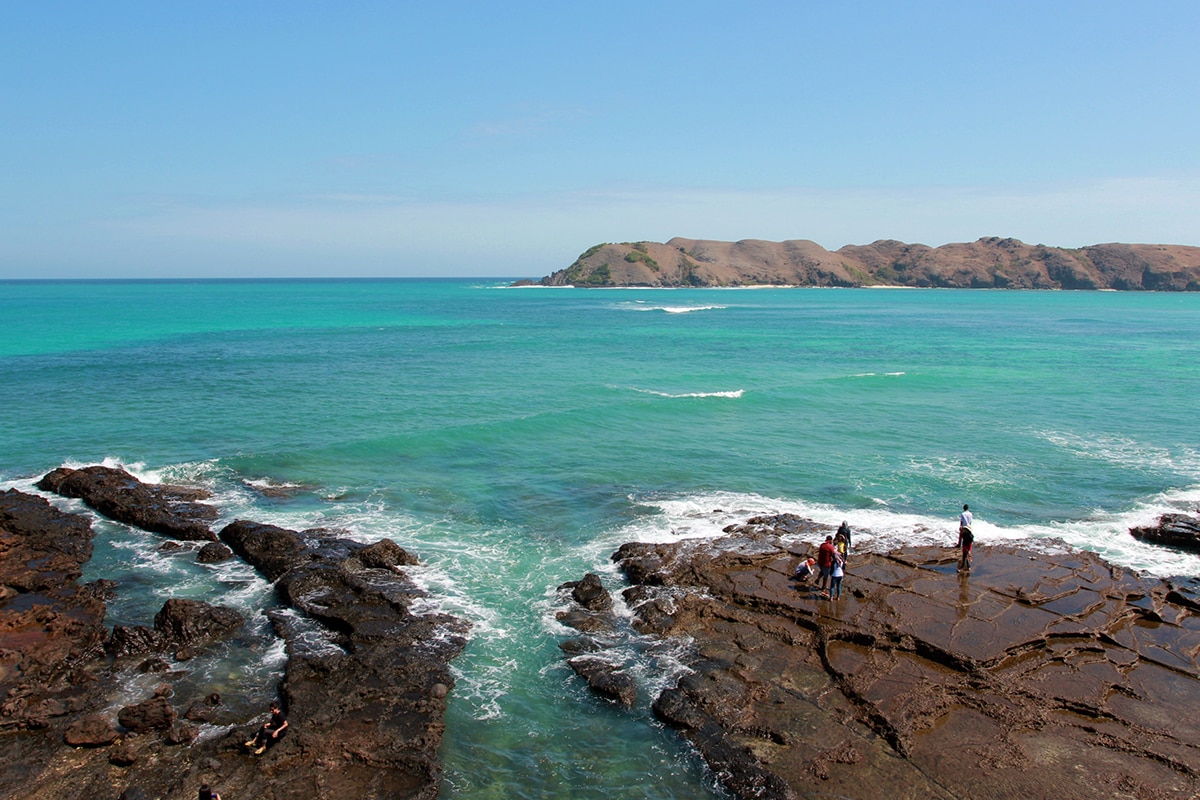
Pale sand and the surrounding Mandalika coastline make this a popular photo stop. Water safety, crowds and access differ by zone, and the shore is part of a working local community.
Travel tip
Confirm current access, weather, tides and swimming advisories with local authorities. Avoid risky cliff edges, do not collect protected natural materials and ask permission before photographing local people.
For nearby choices see Lombok travel ideas.
10. Pink Beach, Komodo
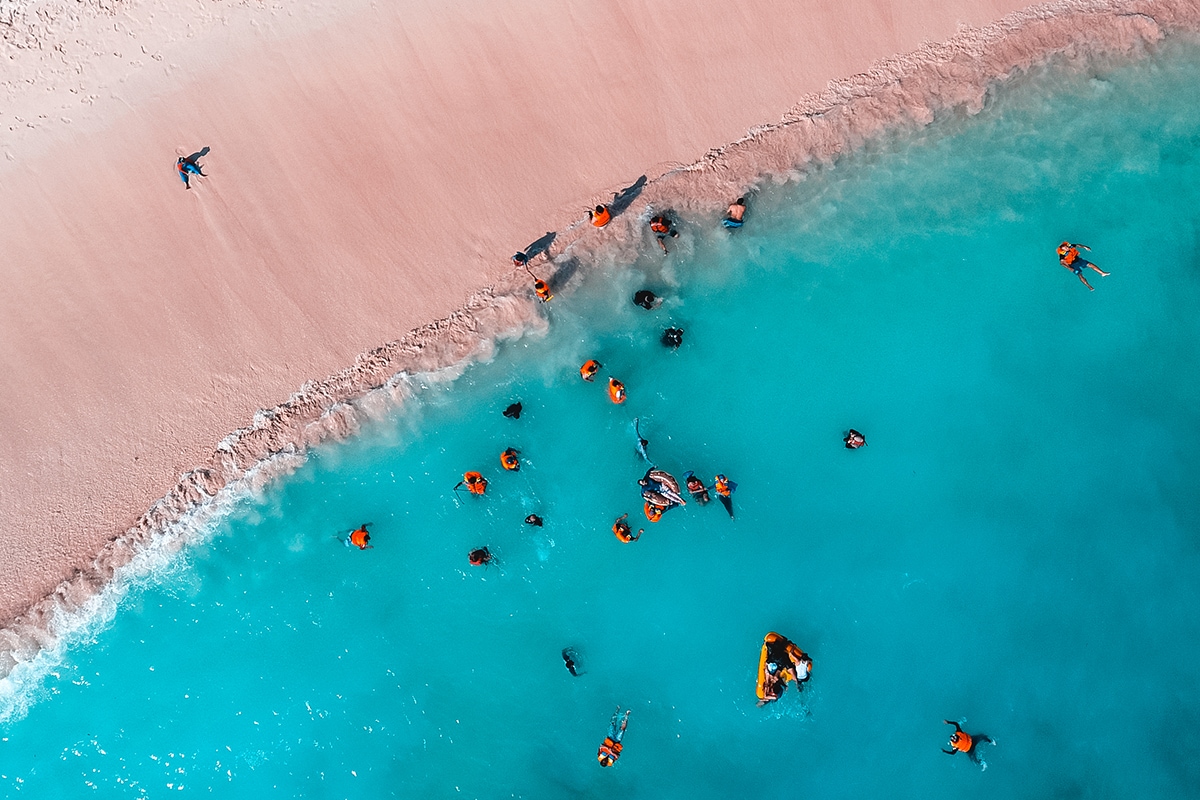
Its pale pink colour comes from tiny reddish particles mixed with light sand, and appearance changes with lighting. Park permits matter; never remove coral, sand or wildlife.
Travel tip
Confirm current access, weather, tides and swimming advisories with local authorities. Avoid risky cliff edges, do not collect protected natural materials and ask permission before photographing local people.
Read the Komodo park guide and responsible Komodo travel.
11. Bawana Beach, Sumba
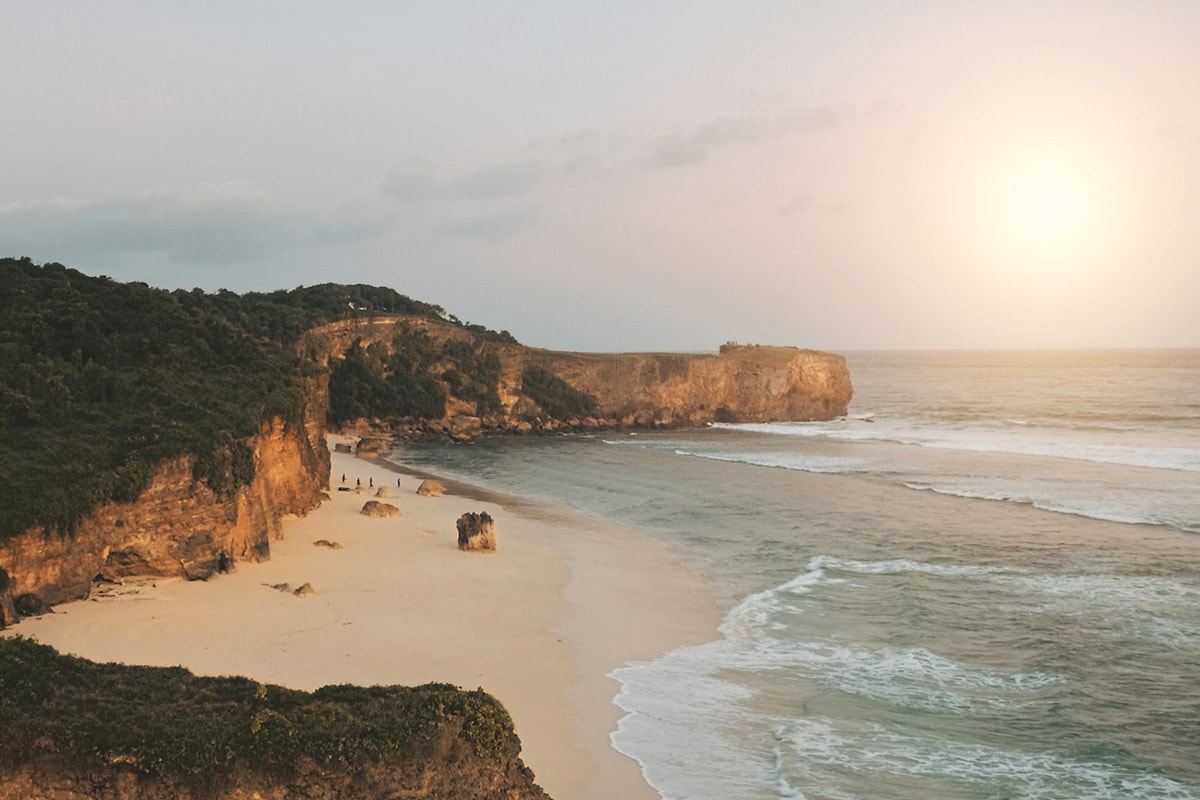
The coastal cliffs and rock formations may differ from older photographs as erosion reshapes the shore. Road access can be slow; do not climb unstable features for a dramatic image.
Travel tip
Confirm current access, weather, tides and swimming advisories with local authorities. Avoid risky cliff edges, do not collect protected natural materials and ask permission before photographing local people.
More eastern island landscapes appear in Sumba highlights.
12. Kolbano Beach, West Timor
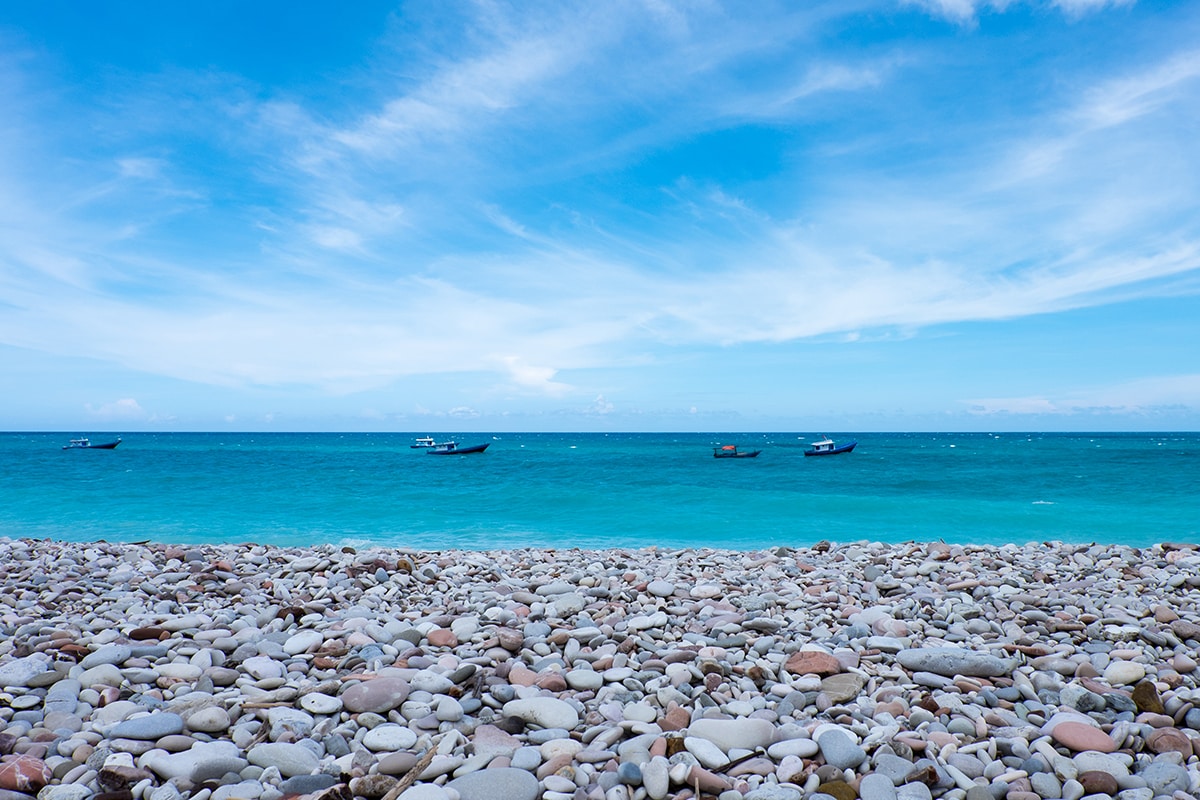
Pebbles and coastal cliffs produce distinct textures and colours. Respect local rules, avoid removing natural material and treat swimming safety as a separate decision.
Travel tip
Confirm current access, weather, tides and swimming advisories with local authorities. Avoid risky cliff edges, do not collect protected natural materials and ask permission before photographing local people.
13. Ngurtafur, Kei Islands
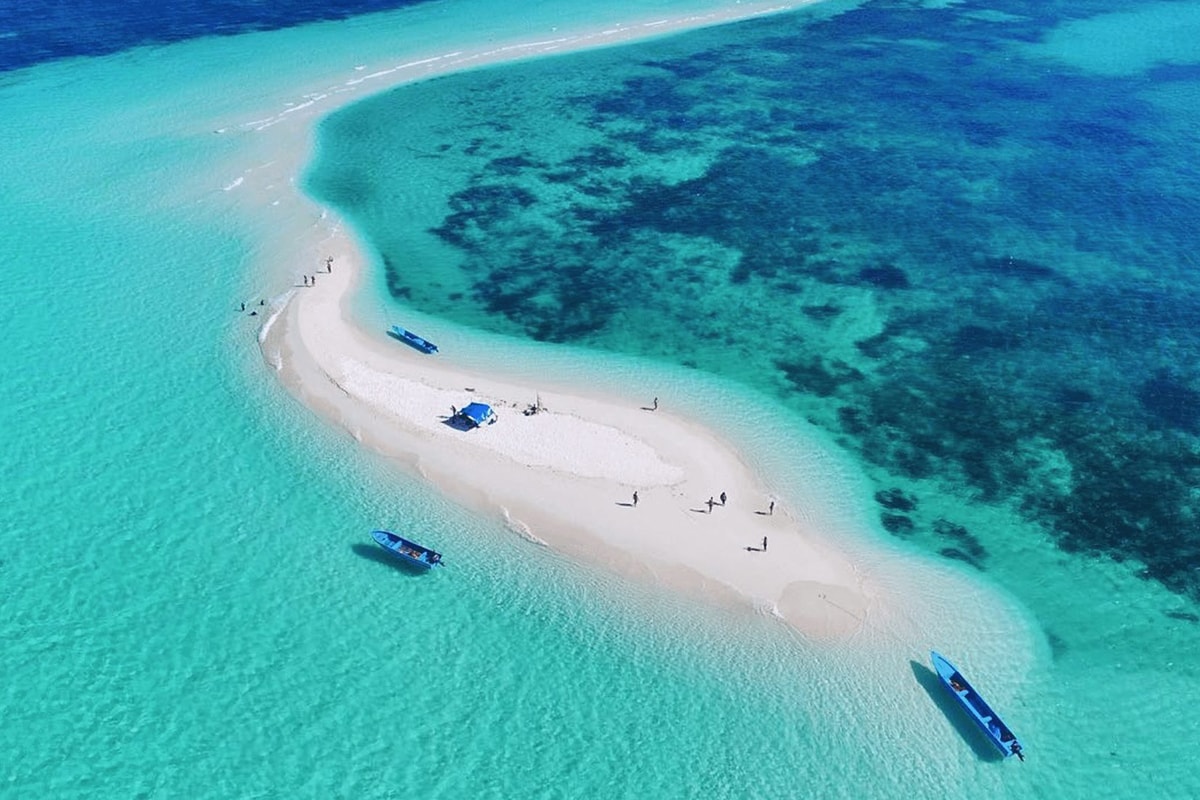
This remote sandbank can stretch into shallow sea during the right tidal conditions. Check boat access and changing tide windows carefully, and never become stranded on an isolated spit.
Travel tip
Confirm current access, weather, tides and swimming advisories with local authorities. Avoid risky cliff edges, do not collect protected natural materials and ask permission before photographing local people.
Beach safety for international travellers
Strong surf and coastal cliffs
Southern coastlines may have powerful shore breaks and rip currents even when the beach looks quiet. At Kelingking, Jogan and Gigi Hiu, reaching the viewpoint and entering the water are very different activities. Never ignore local barriers to get a photograph. Read Indonesia’s safety guide and our surfing and wave-conditions guide.
Marine wildlife and coral etiquette
Do not touch sea turtles, coral or other marine life. Use responsible snorkelling operators and keep feet and fins away from shallow reefs. Indonesia has important protected marine zones; Wakatobi’s marine guide and low-impact ecotourism ideas offer background.
How to plan a coastal photography itinerary
Concentrate on one island group
These thirteen beaches stretch from Aceh and Lampung through Java, Bali, Lombok, Komodo, Sumba, Timor and Maluku. Do not try to see them all in a week. Choose a realistic region and build in delays for flights, ferries and changing marine weather. Explore Indonesia’s sea connections and time zone differences.
Photograph respectfully
Seek consent from residents, do not disturb ceremonies and check drone restrictions near airports, national parks and private sites. Our photography etiquette guide explains how to document trips with less disruption.
Allow budget and weather buffers
Protected-area entry, guides, boat transfers and inland transport may be extra. Pay legitimate operators and never pressure a boat captain to sail in hazardous weather. See Indonesian currency basics, the island geography guide and more travel inspiration.
Frequently asked questions
Is Kelingking a beginner swimming beach?
Do not assume so. The descent can be difficult and the surf dangerous. Follow the latest official conditions.
Can I take sand from Pink Beach?
Do not remove sand or other natural materials from protected destinations.
What is the best time to see Ngurtafur?
The sandbank’s appearance depends strongly on tides. Arrange an authorised trip with a knowledgeable local boat crew.
Authoritative references
- Wonderful Indonesia — regional beach travel
- BMKG — marine and weather alerts
- Original Wonderful Indonesia beach catalogue
Original outbound source links
- www.indonesia.travel/content/indtravelrevamp/gb/en/trip-ideas/6-secluded-white-beaches-inv
- beachbeacho.blogspot.com/2014/12/sumur-tiga-beach.html
- sengpaku.blogspot.com/2017/06/pantai-parai-tenggiri-adalah-pantai-terbaik-bangka-belitung.
- steemit.com/travel/@alamjroh/ngurtafur-beach-in-warbal-island-southeast-maluku