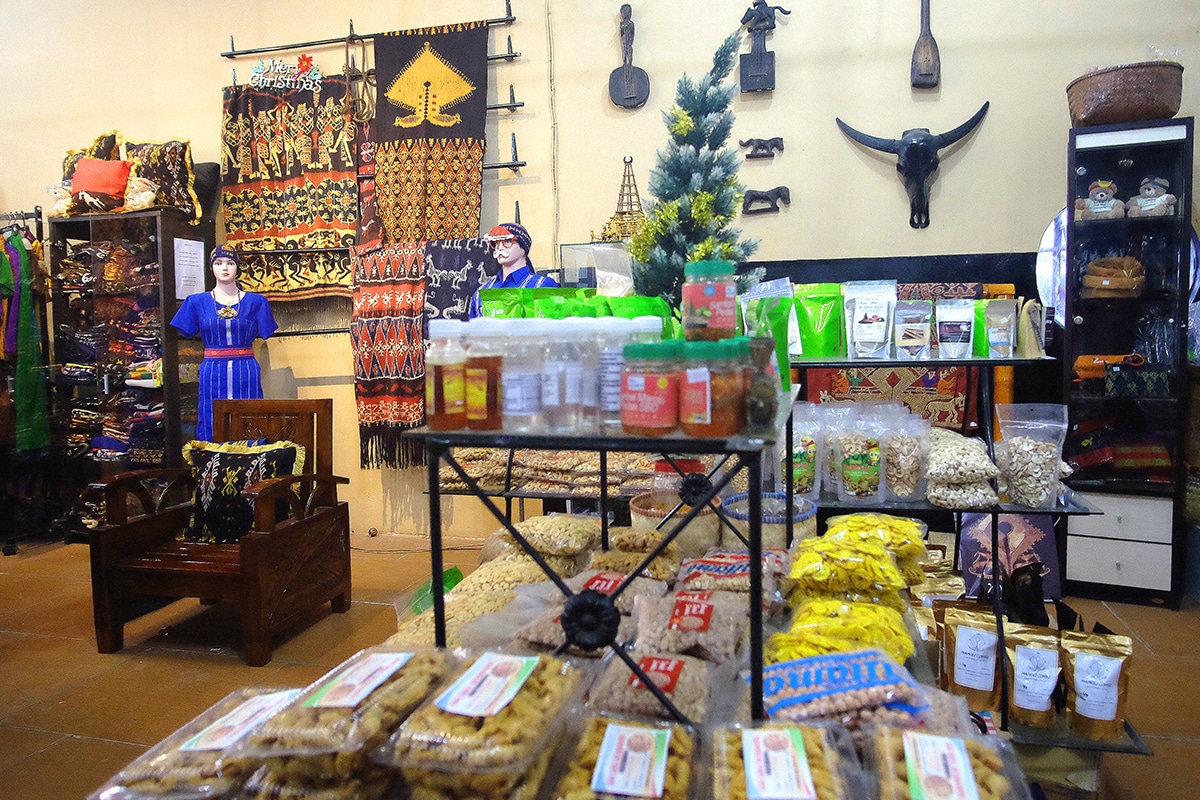
Sumba in East Nusa Tenggara is known for rolling savannahs, distinctive villages, beaches and remarkable textiles. It is not a small destination where twelve experiences comfortably fit in an ordinary two-day weekend. This refreshed guide keeps the original twelve themes, separating East Sumba around Waingapu from West Sumba destinations such as Weekuri and Mandorak, and encouraging community-sensitive visits rather than rushed photo stops.
Related travel inspiration: 11 irresistible ideas to get the best summer adventure in ea and 6 unique things you should experience in labuan bajo.
12 Experiences Across Sumba
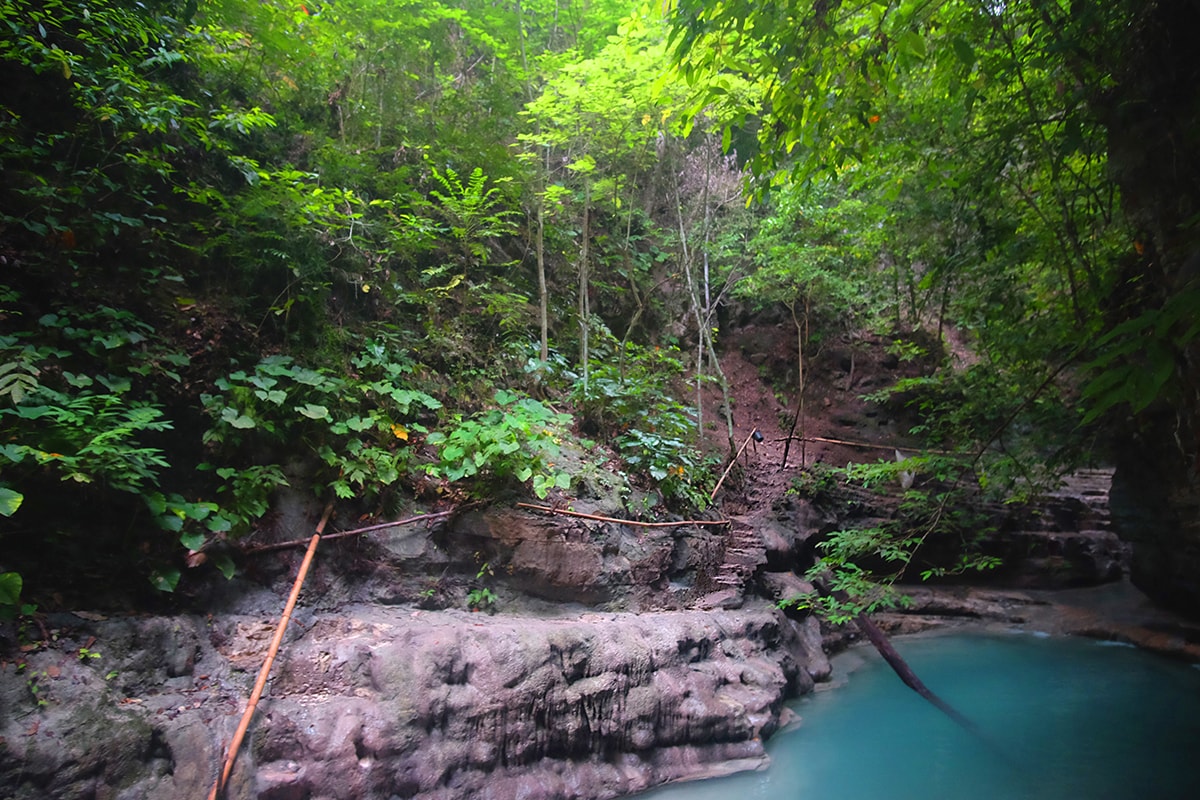
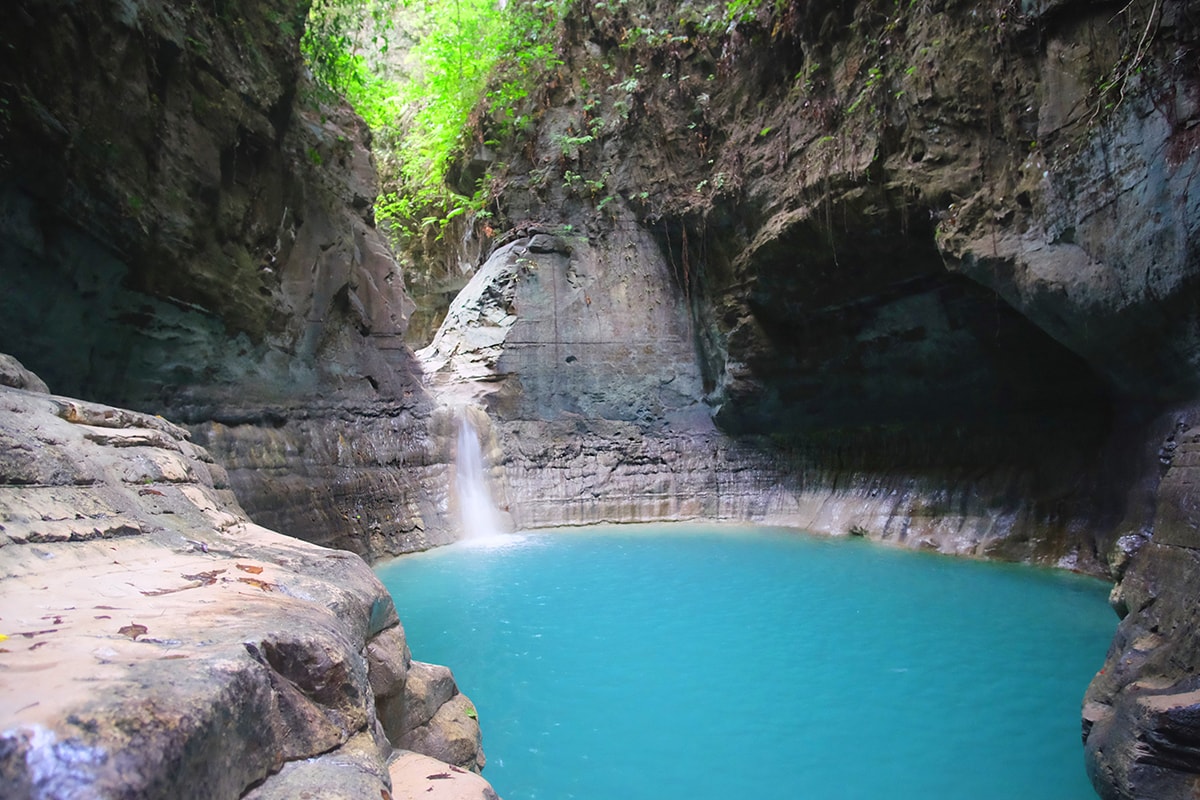
1. Waimarang Waterfall
A forest waterfall associated with Eastern Sumba and a walk through natural terrain.
Visitor tip
Follow current trail instructions; avoid entering pools after heavy upstream rain.
Related guide: 13 gorgeous instagrammable beaches in indonesia.
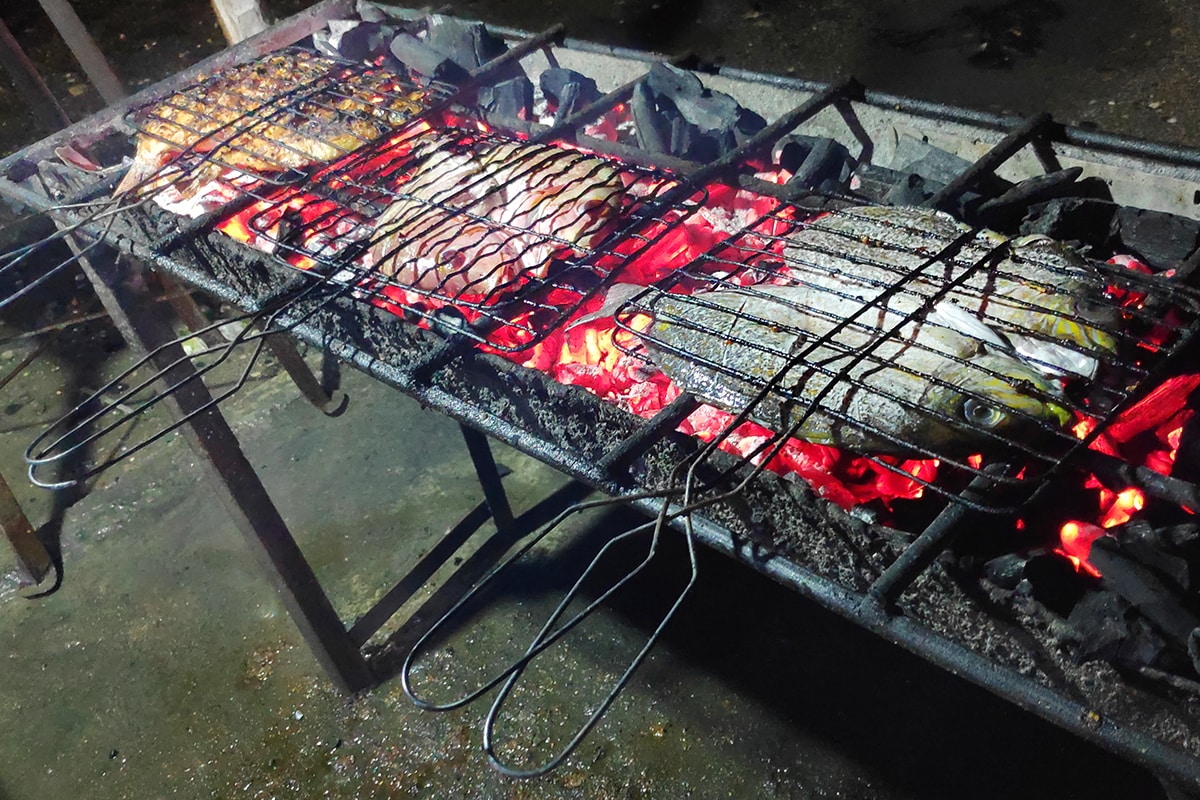
2. Fresh seafood by the coast
Coastal communities serve fresh fish and local dishes that vary by market and season.
Visitor tip
Ask about cooking methods, fish bones and fair pricing rather than expecting one universal menu.
Related guide: 10 best escapes you can enjoy in beautiful lombok.
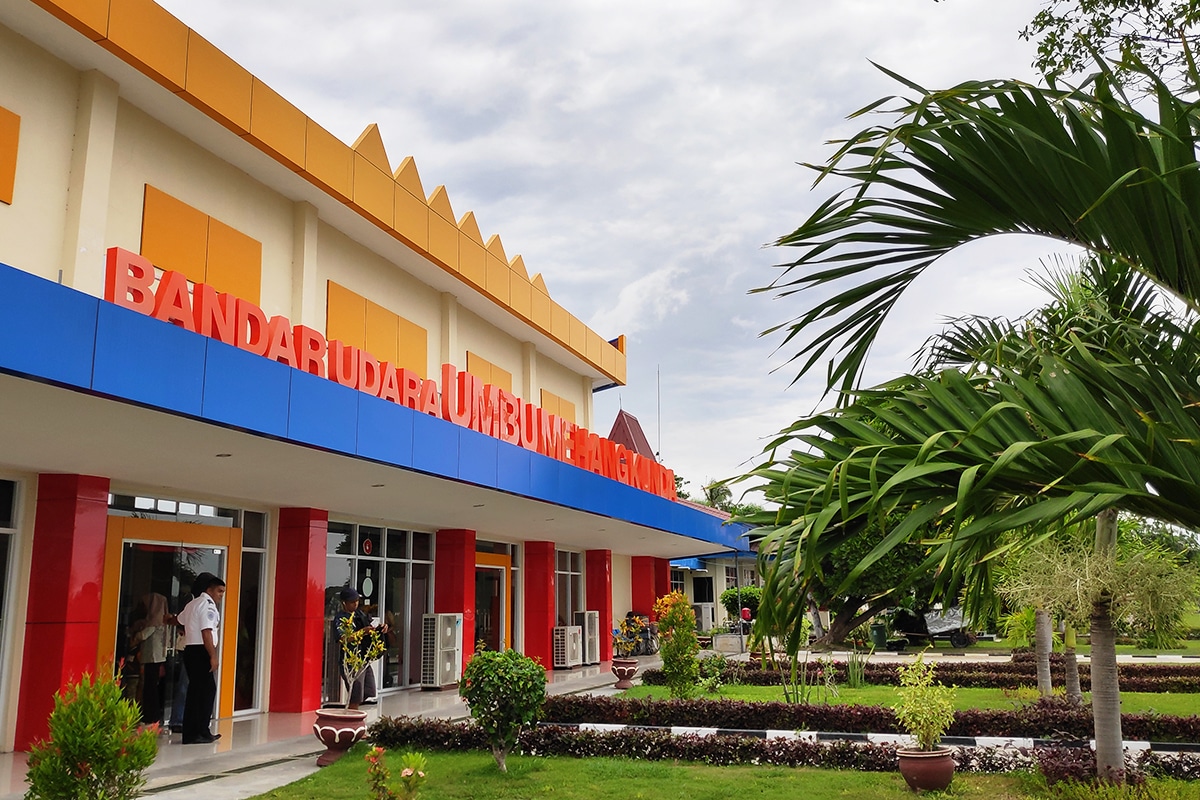
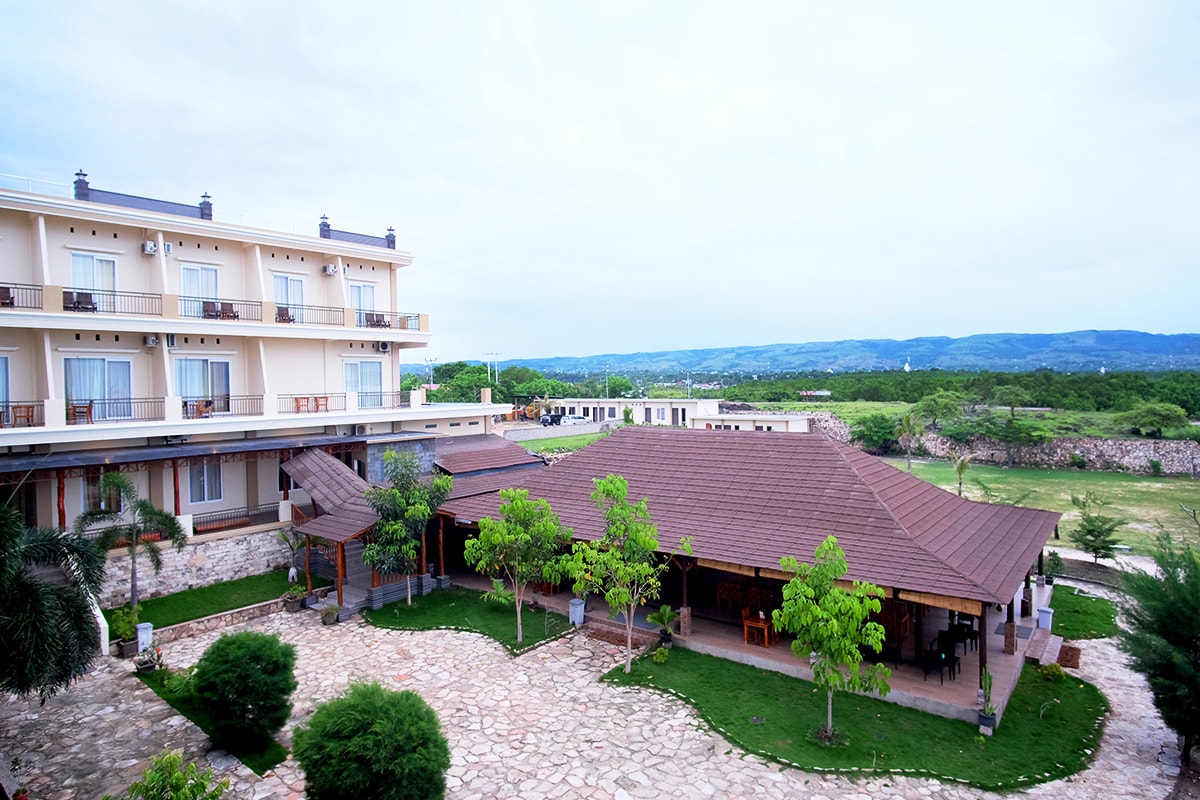
3. Waingapu accommodation with views
Waingapu is an east-island gateway with different lodging options, and older hotel ratings may be outdated.
Visitor tip
Book using a verifiable property contact and understand road distances before setting out.
Related guide: 5 award winning tourist villages you should visit in your li.
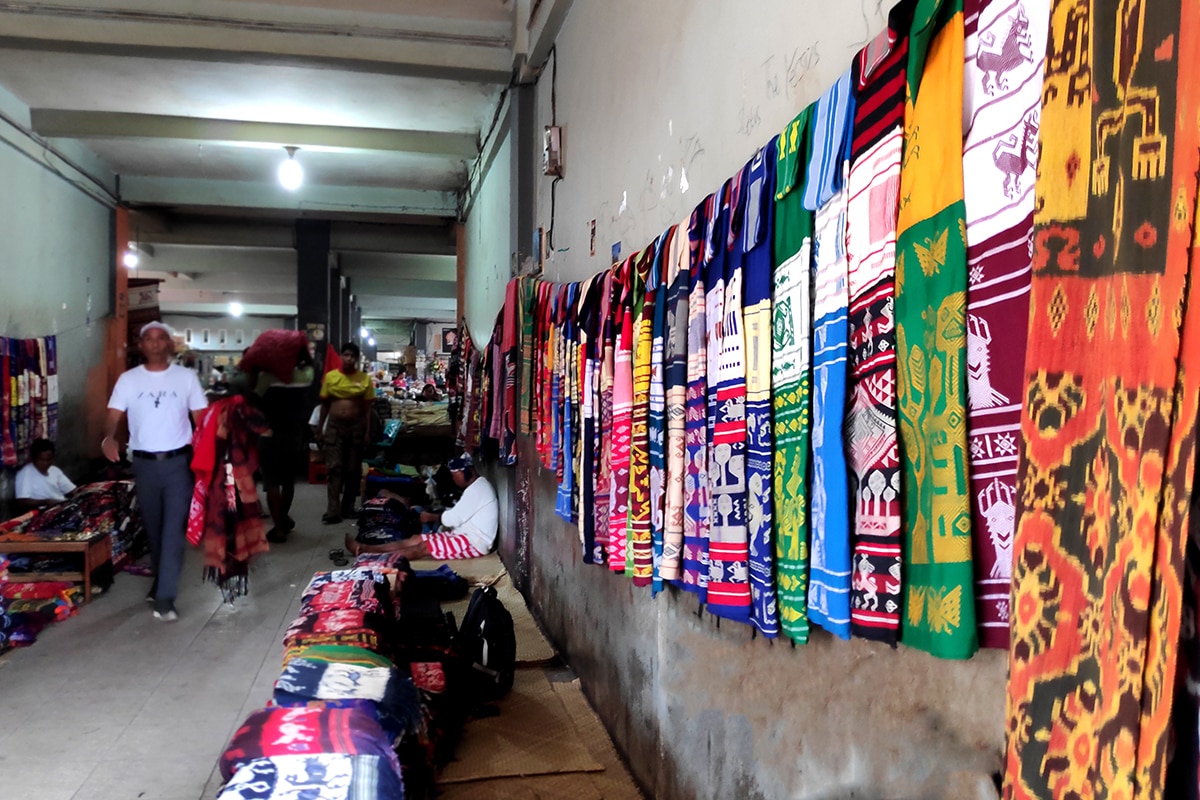
4. Local markets
Town markets offer textiles, daily goods and an introduction to Sumba’s foodways.
Visitor tip
Seek consent for close portraits and respect vendors’ working hours.
Related guide: 5 unique ecotourism experiences in indonesia.
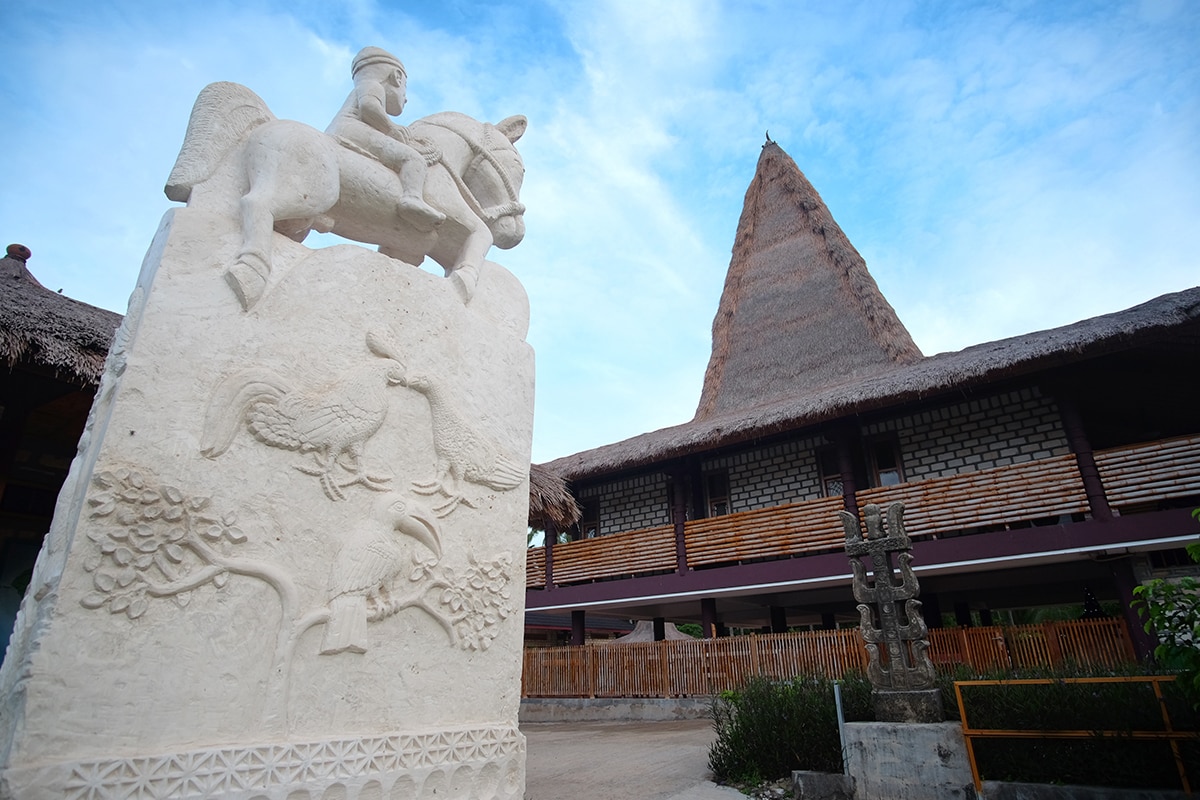
5. Traditional villages and architecture
Prailiu and other villages preserve different forms of house building, ritual and weaving.
Visitor tip
Arrange community-hosted visits; don’t enter family homes or ritual spaces uninvited.
Related guide: 9 alluring villages in indonesia for a trip to back to natur.
6. Regional Sumba cooking
Try locally prepared meals and ask about ingredients and traditions rather than treating every region as identical.
Visitor tip
Food availability varies in rural districts; carry safe water and communicate dietary needs.
Related guide: the phinisi schooner icon of indonesia s seafaring tradition.
7. Wairinding hills
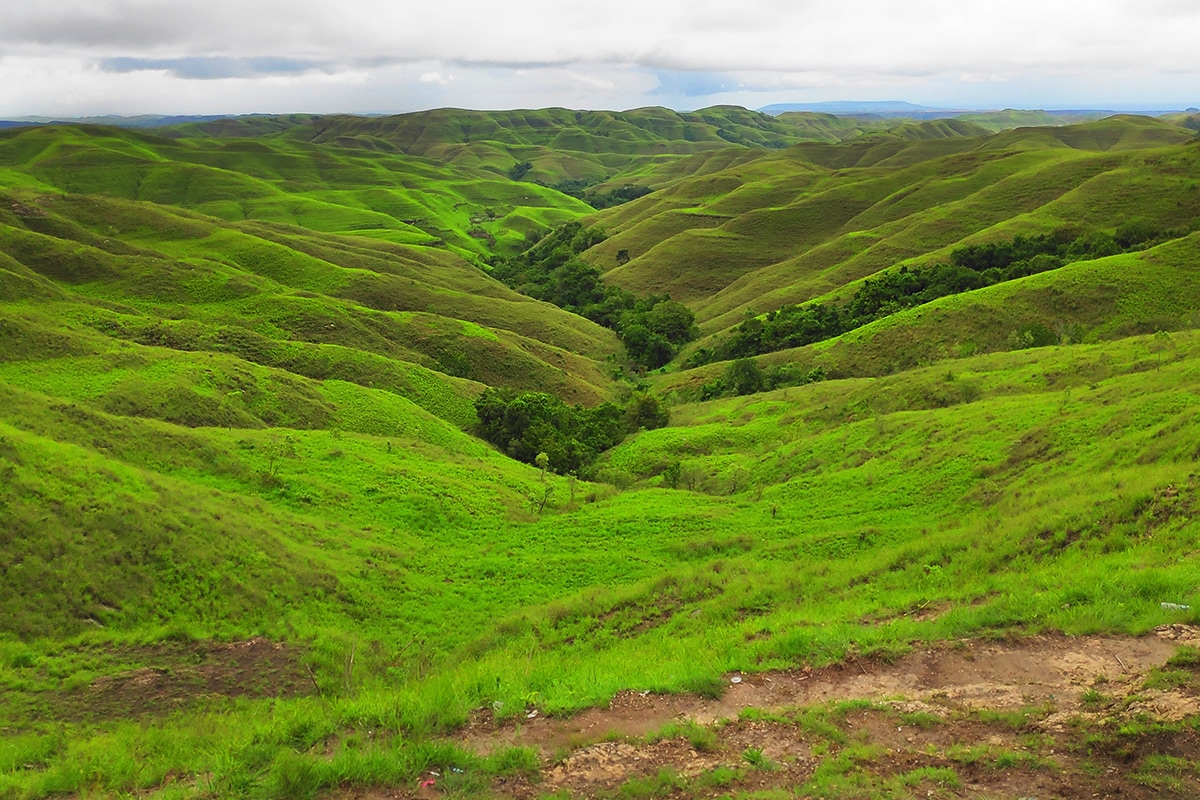
The rolling savannah landscape near Waingapu changes appearance across wetter and drier months.
Visitor tip
Use a designated viewpoint and avoid disturbing livestock or farmland.
Related guide: travel photography in indonesia a trip through a wonderful l.
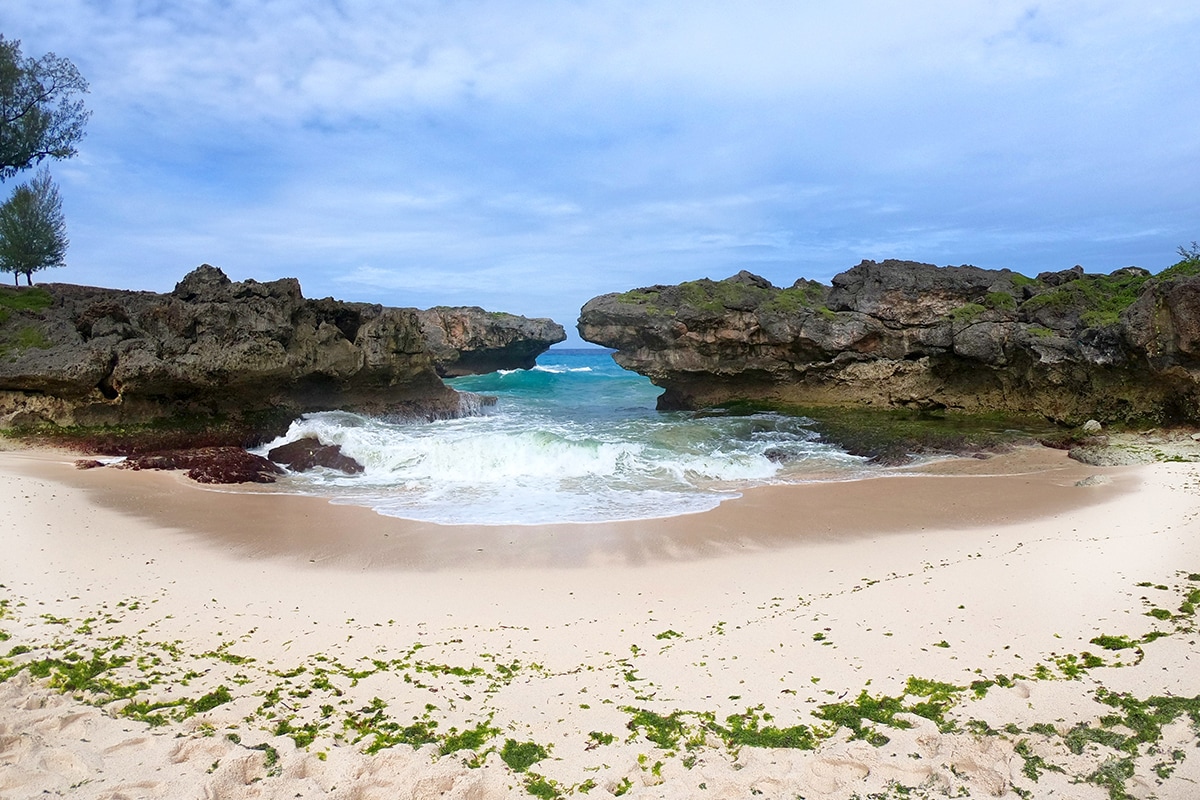
8. Mandorak Beach
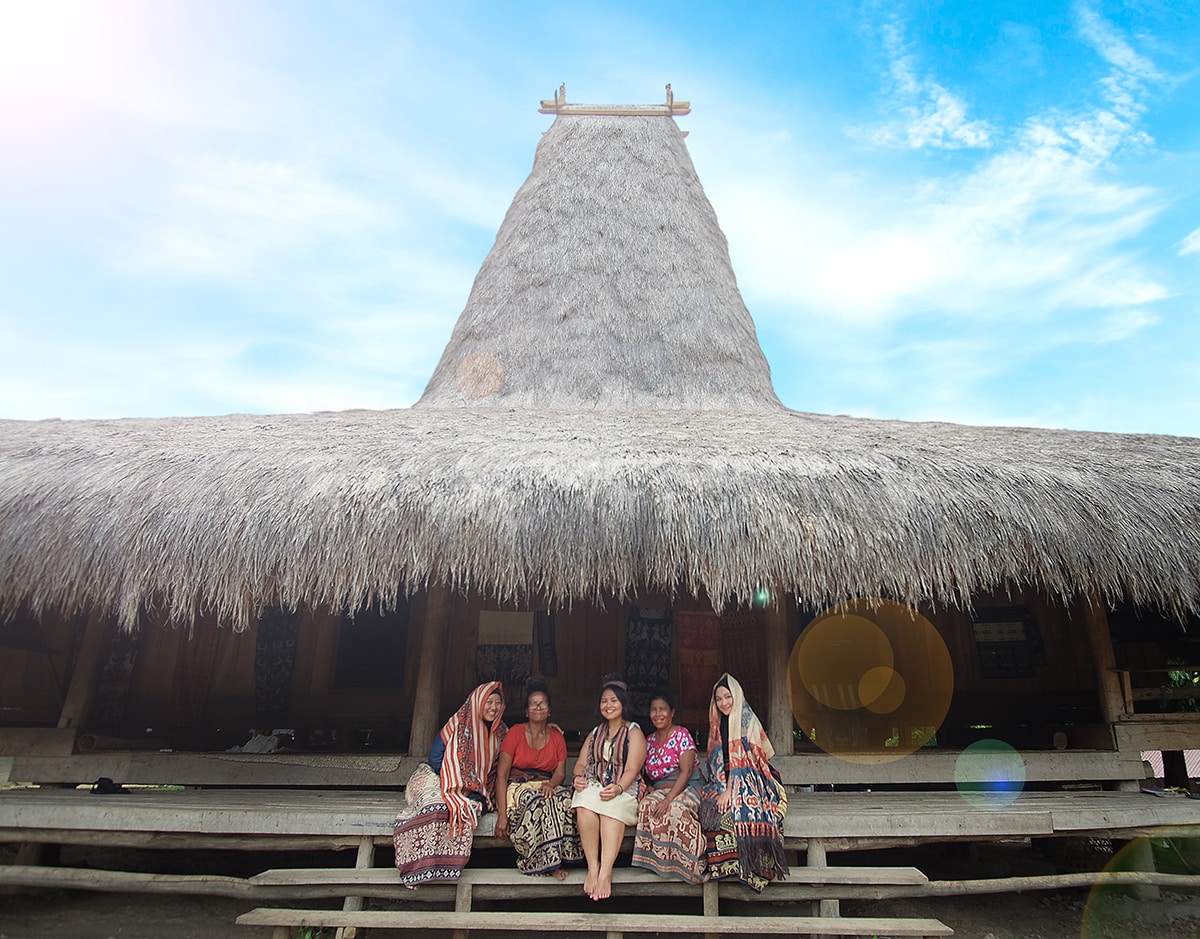
A western Sumba coastal area known for striking rock formations and strong open-sea character.
Visitor tip
Respect wave warnings and avoid climbing unstable rocks.
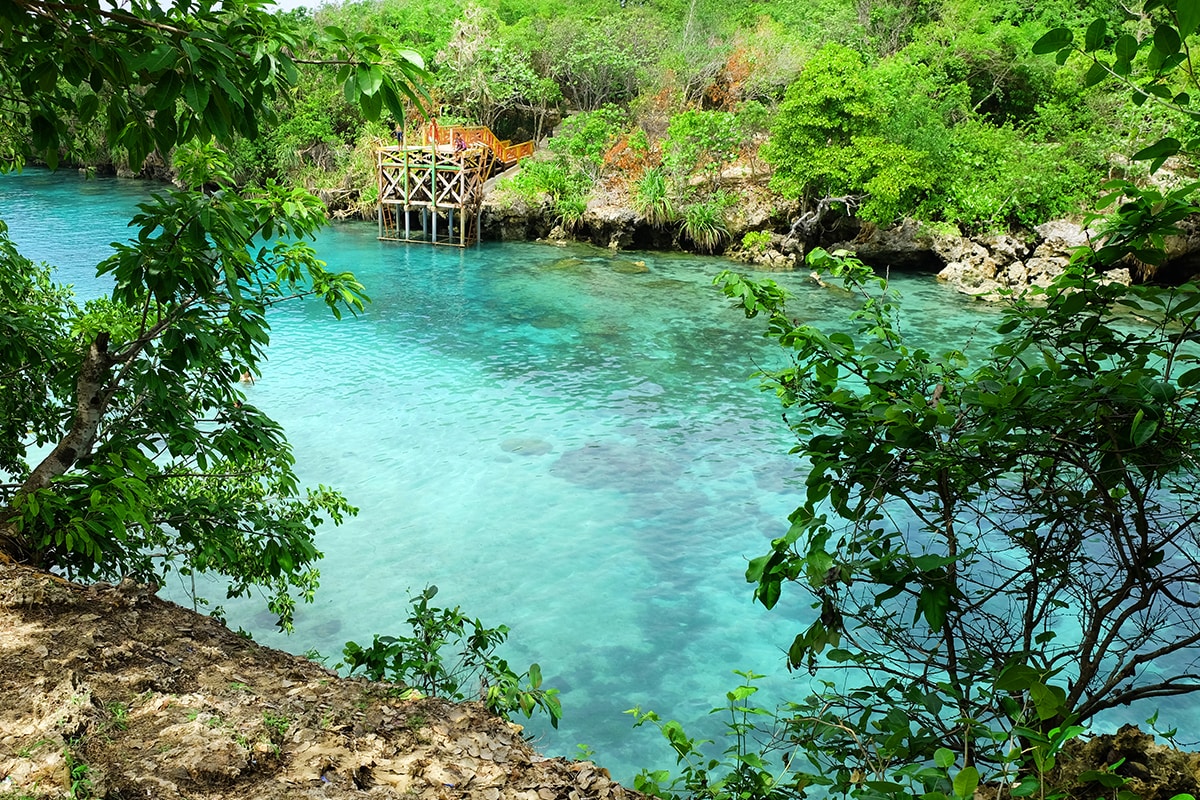
9. Weekuri Lagoon
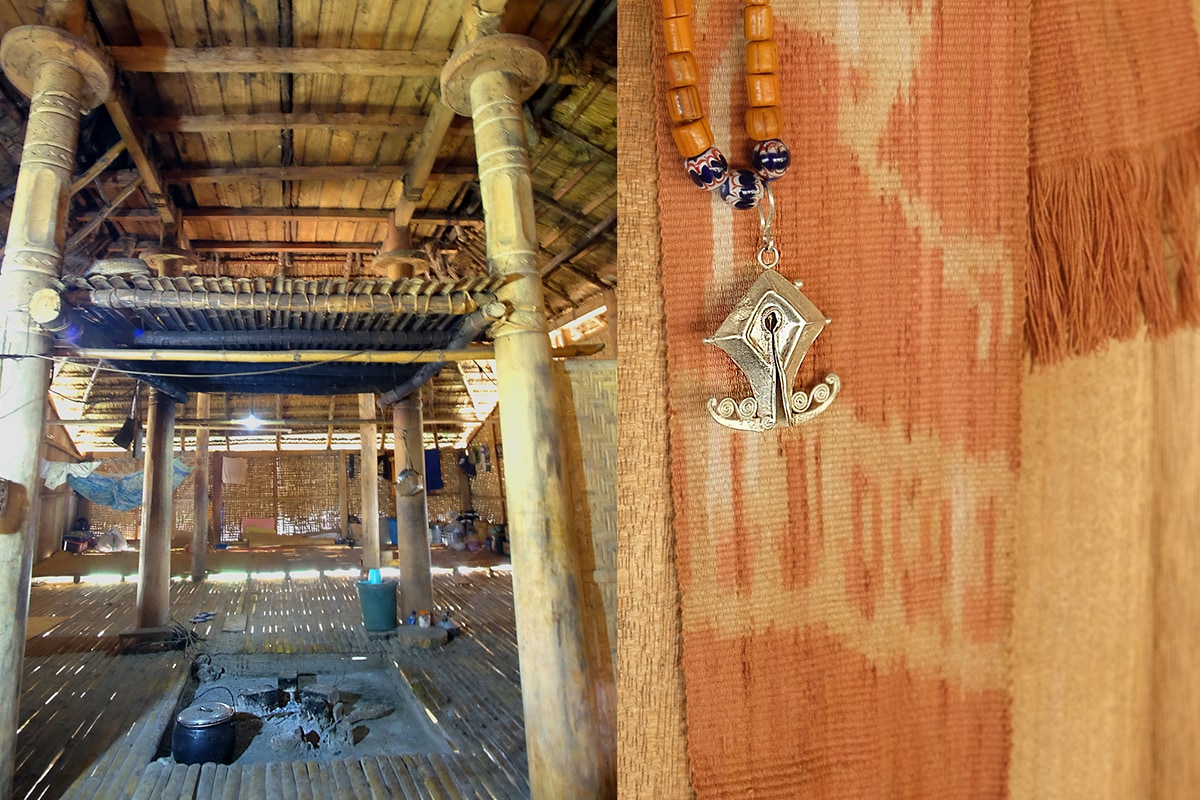
Weekuri is a coastal lagoon in southwest Sumba, famous for clear water at certain conditions.
Visitor tip
Check swimming zones, tide influence and access restrictions; do not assume all deep sections are safe.
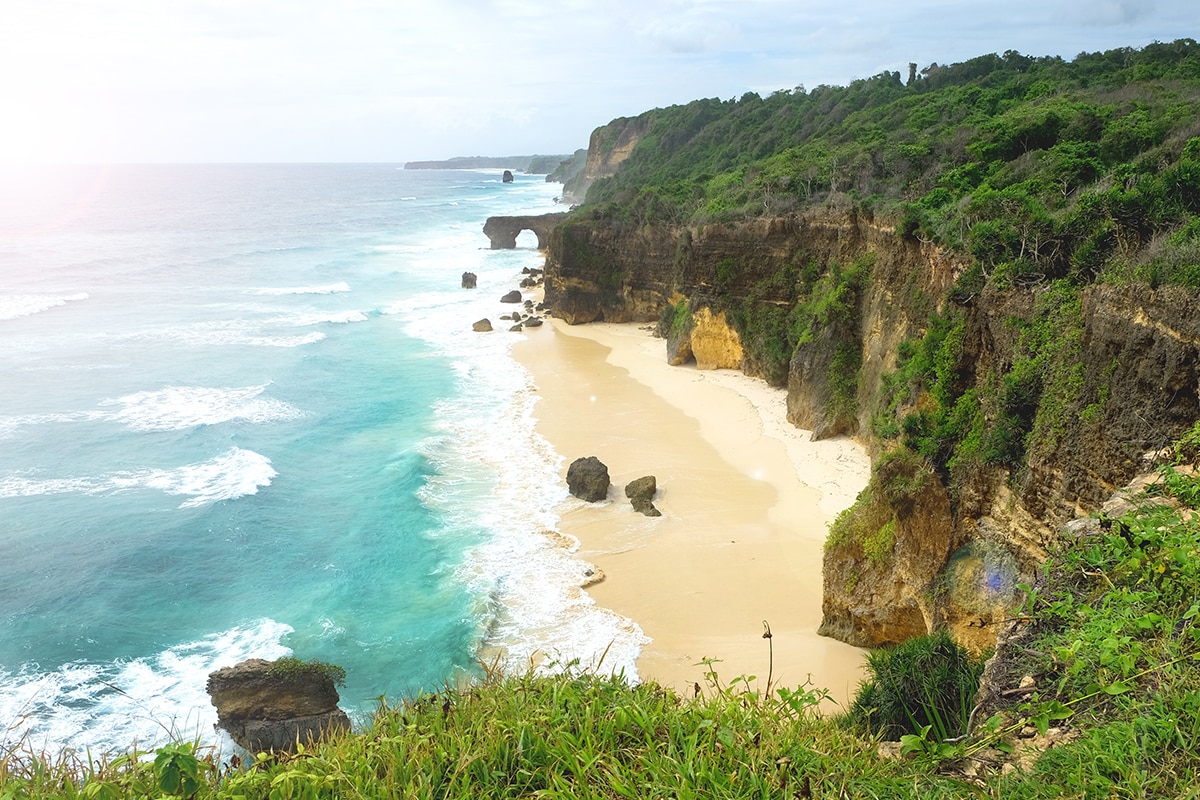
10. Bawana Beach and Mareha viewpoints
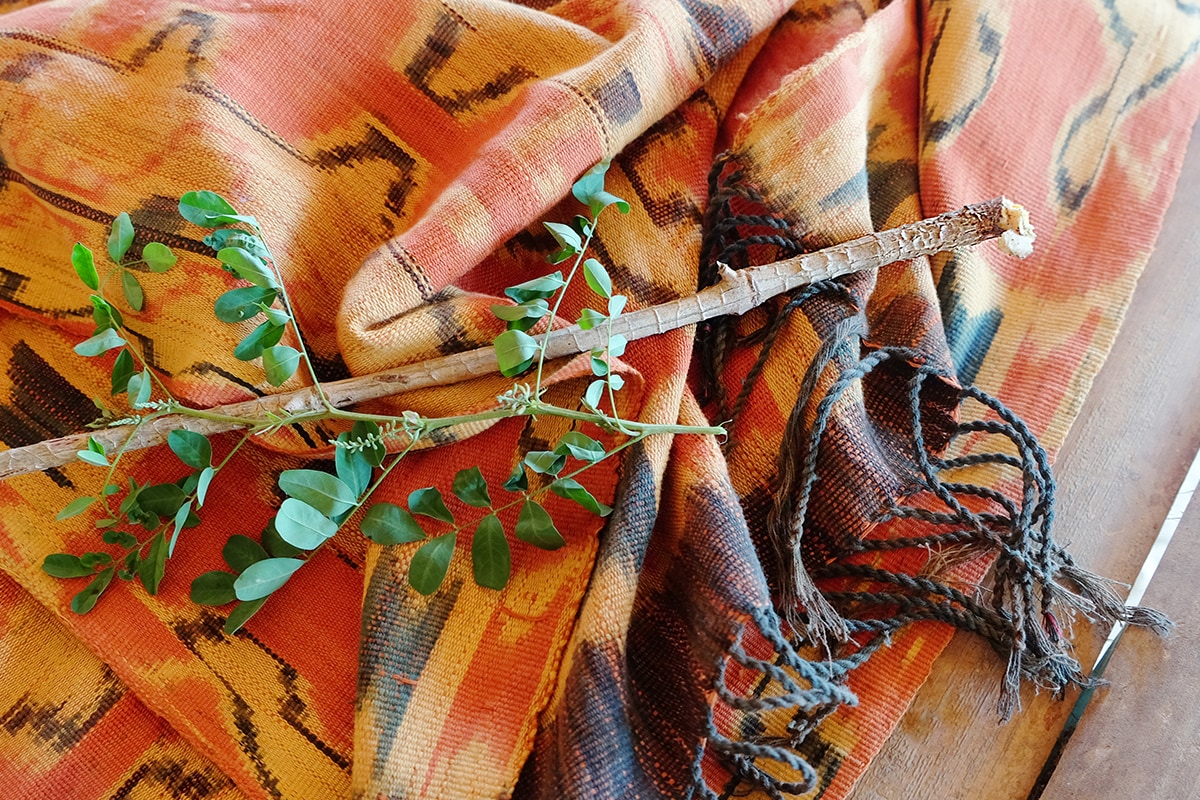
The historical article includes dramatic coastal rock scenery and elevated viewpoints.
Visitor tip
Access conditions may change; use authorised paths and don’t cross cliff barriers for photos.
11. Sumba cultural learning
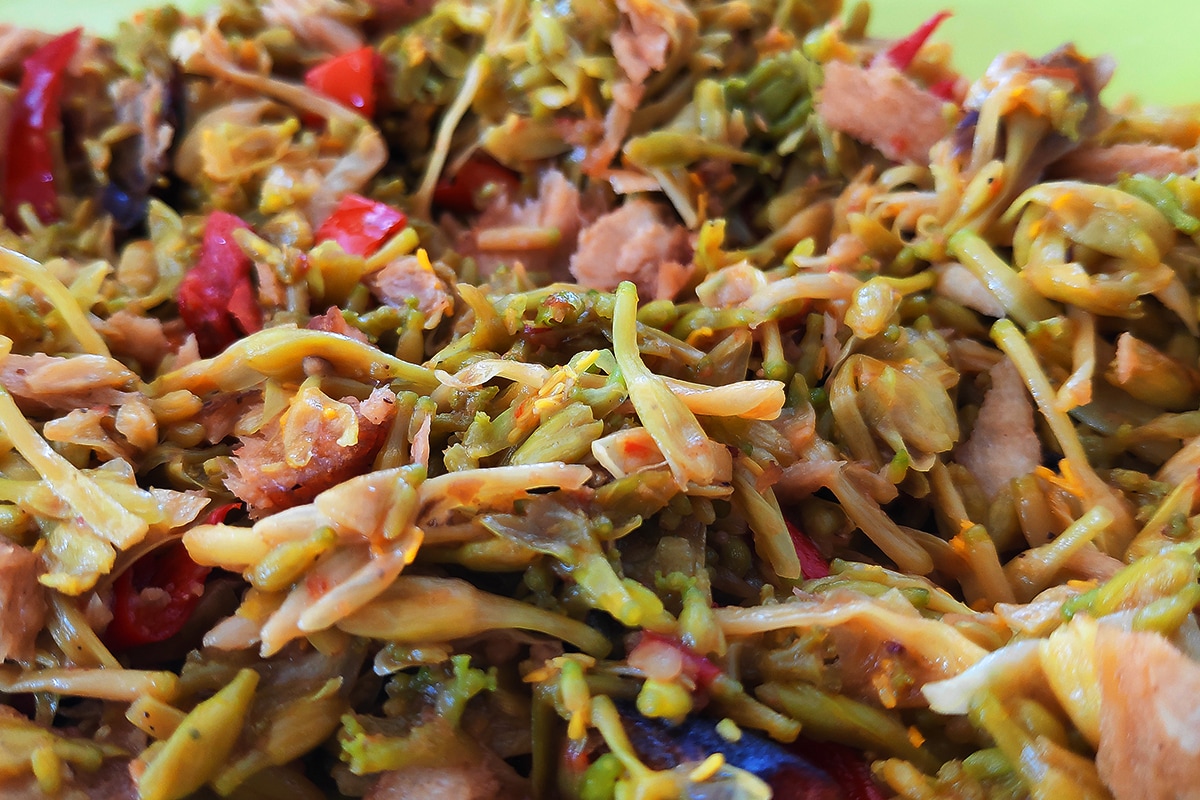
Weaving, village hospitality and cultural traditions are best learned from recognised local guides.
Visitor tip
Pay fairly for artisan visits and ask before photographing sacred objects.
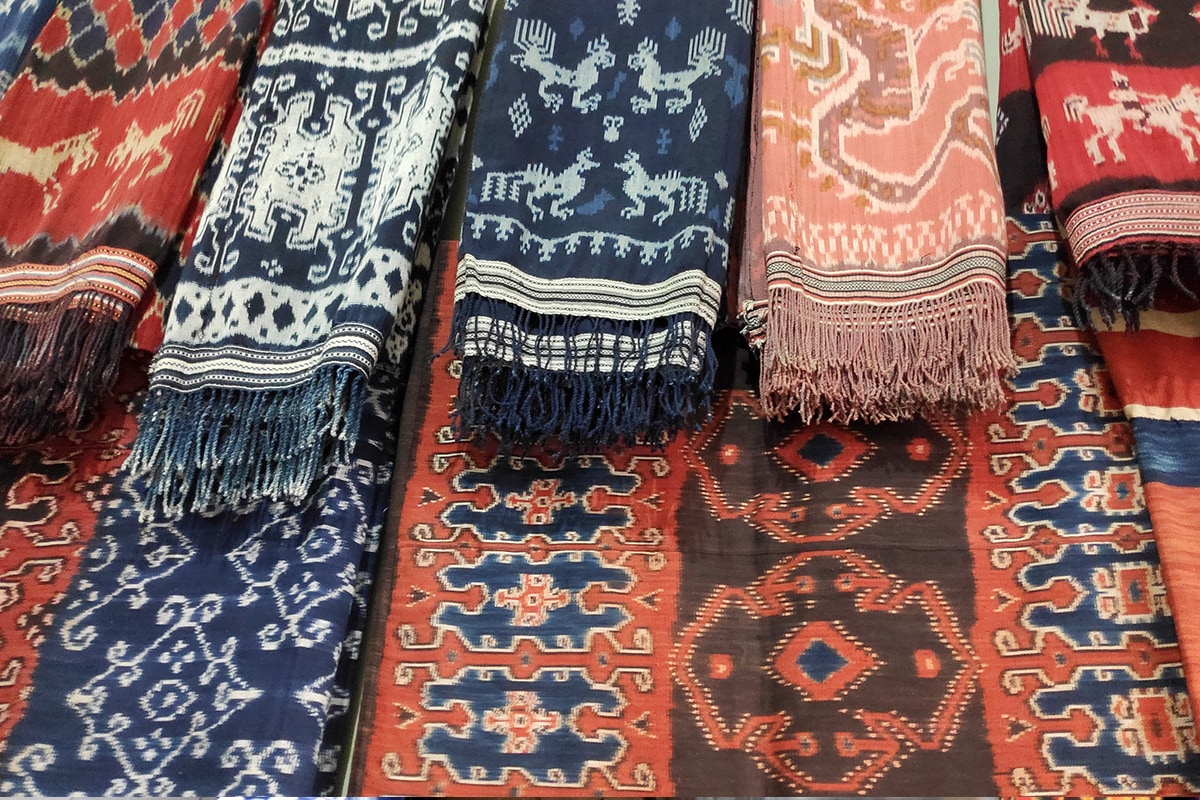
12. Traditional souvenirs
Ikat textiles and other handmade objects can make meaningful gifts when provenance is transparent.
Visitor tip
Ask about materials, respectful use and airline import or export limitations.
Practical Planning and Responsible Travel
How many days do you need?
Waingapu in East Sumba and the West Sumba lagoon and beach destinations are far apart. A realistic route may require several days with overnight stops, particularly when weather delays occur.
See also staying safe in indonesia and currency.
Village and textile etiquette
Recognise that villages are lived-in homes rather than theme parks. Arrange a local host, respect ceremonies and ask whether photographs or entry fees are appropriate.
See also time differences and about indonesia.
Water safety and access
A scenic waterfall or blue lagoon is not a guarantee of calm or safe swimming. Check local guidance, supervise children and avoid dangerous cliff edges.
See also culture and wonderful indonesia.
Responsible landscape tourism
Stay on paths in the savannah, protect farm fields, buy local crafts fairly and avoid treating people, houses or ritual practices as props.
See also 6 inspiring ideas for a unique family vacation in indonesia and 6 best sunset spot s you can enjoy in labuan bajo.
In-Depth Travel Research and Practical Advice
East Sumba and West Sumba Need Separate Plans
Waingapu and its nearby Wairinding hills offer a practical east-island cluster, whereas Weekuri Lagoon, Mandorak and several dramatic western beaches lie a substantial overland journey away. Sumba’s roads and landscapes are varied, and a nominal weekend itinerary should not pretend all twelve attractions are within a quick taxi ride. Consider at least one overnight stay nearer each regional cluster if travelling across the island.
Understanding Sumba’s Living Traditions
Sumba’s architecture, textiles and community ceremonies reflect rich local traditions whose meanings differ among villages. Some communities maintain Marapu-related customs, but visitors should never assume rituals are open for participation or filming. A respectful visit begins with a local host, permission to enter, and fair compensation where appropriate. Ask before photographing sacred houses, ancestral sites and people performing daily work.
Weaving and Responsible Souvenir Purchases
Handwoven ikat takes significant time and knowledge. Patterns may hold meanings connected to family, status or customary use; not all cloth is appropriate for casual decorative consumption. Ask which materials and techniques were used, whether the work was created locally and how to clean the fabric. The price can reflect many weeks of labour. Avoid bargaining aggressively with small-scale artisans or treating original ceremonial heirlooms as ordinary souvenirs.
Waterfall and Lagoon Safety
Waimarang, Weekuri and other water sites can change with tide, rainfall and visitor numbers. A lagoon’s beautiful colour gives no information about its depth, rock edges or water quality. Follow posted safe-use instructions, use an experienced guide when required and never assume a waterfall pool is suitable for cliff jumping. Bring dry clothes, adequate drinking water and a weather backup plan.
Choosing Accommodation and Transport
Compare legitimate hotel contacts, vehicle availability and distance from both airports or ferry terminals. Some rural routes have limited fuel, medical services or mobile signal. Plan food and water stops before departure, travel during daylight when possible and allow road-time flexibility. Families and mobility-limited travellers should ask directly about access to viewpoints and village pathways.
A Meaningful Four- to Six-Day Itinerary
Reserve initial days for Waingapu and eastern landscapes, then move west for villages and selected lagoons or beaches. Enjoy local meals and markets rather than turning each day into a race between ten photo stops. The extra time supports local businesses and gives visitors space to understand the landscapes and communities behind their photographs.
Frequently Asked Questions
Can I visit all the listed places on one day?
Not necessarily. Arrange experiences in realistic geographic groups and allow time for local transport or weather delays.
Can I rely on old prices and descriptions?
No. Verify service availability, access and safety through responsible operators and authorities.
Official External References
Additional Original Editorial Images