Yogyakarta—or Jogja—has a rich mix of heritage streets, evening public squares, creative coffee houses and Javanese food. This guide revisits the 22 cafés, viewpoints and hangout places featured in an older travel list, but with an essential 2026 correction: many of those businesses were originally recommended years ago, and their current operation is not established simply by appearing in an old article. Here is how to use the list intelligently and combine it with reliably visitable public landmarks and cultural experiences.
How to plan food, friends and sightseeing in Yogyakarta
Start by choosing a compact area to explore: the Kraton and southern square, Malioboro and central heritage streets, or the Prawirotaman dining district. Views from Gunungkidul and hill cafés are often farther from the centre than a map suggests. For deeper cultural context, read Javanese shadow puppetry and local craft workshops.
22 classic Yogyakarta hangout ideas: a 2026 status-aware guide
The following names are retained in their original order for editorial continuity. Some are public spaces or long-established brands, while several cafés are historical listings needing a live status check before visiting.
1. Alun-Alun Selatan
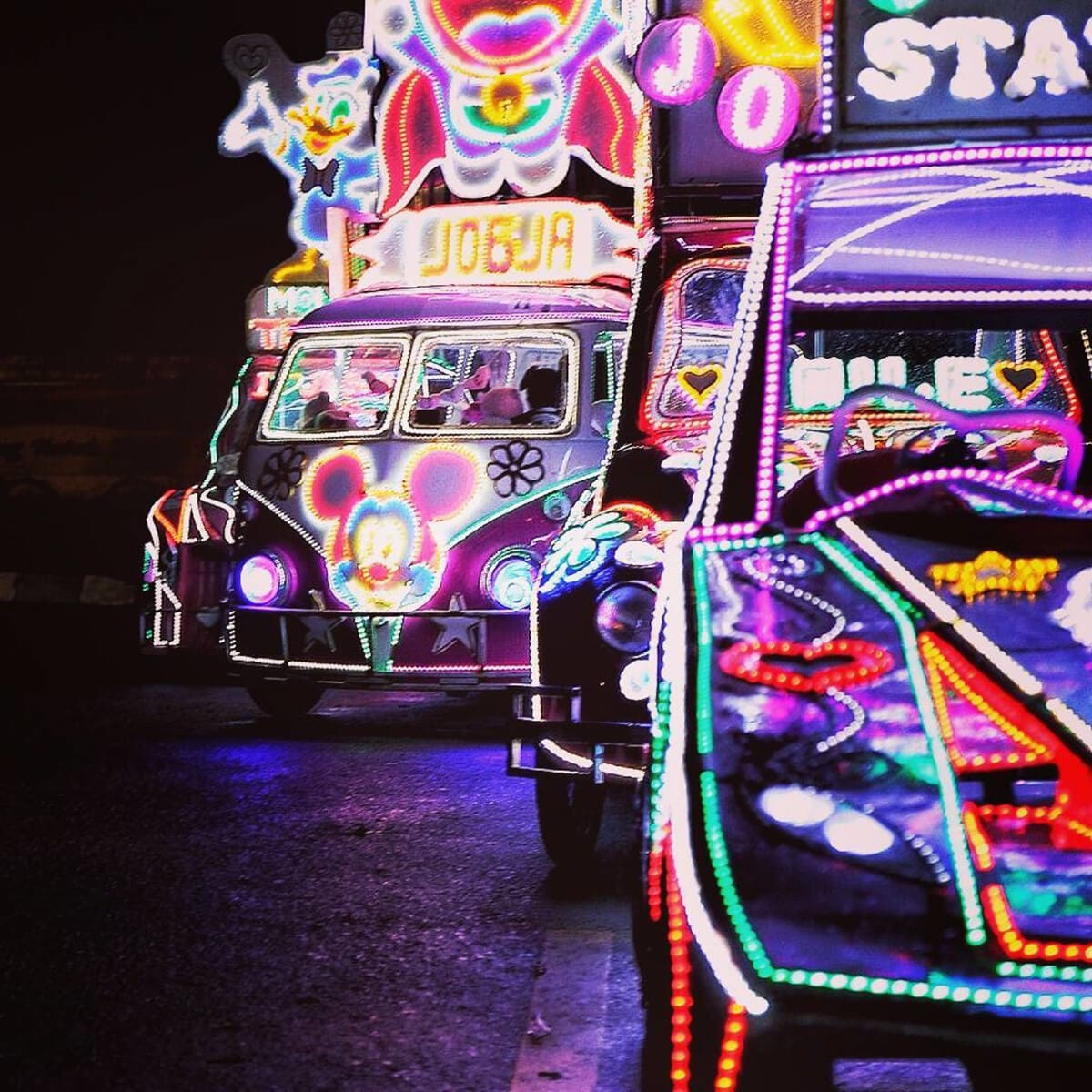
This public square south of the Yogyakarta Kraton remains an important social landmark. People come for evening snacks, family time and the famous masangin folklore about walking between two banyan trees with closed eyes. Treat the belief as a local tradition rather than a guaranteed wish-granting ritual, and respect pedestrians and nearby residents.
2. Awor Coffee
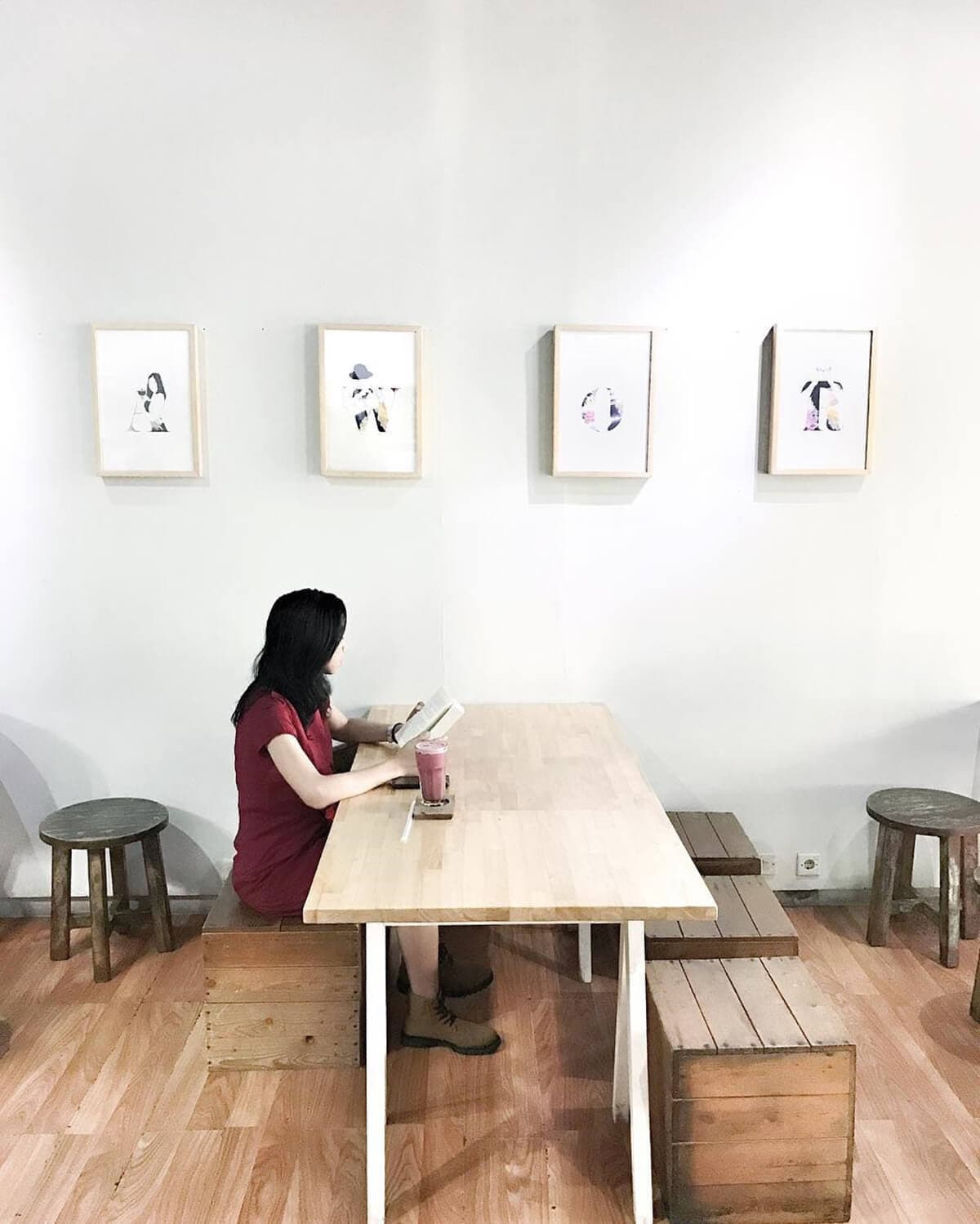
Awor Coffee appeared in the older list for its café atmosphere and visual presentation. Business addresses, branch concepts and ownership can change; check the exact operating location rather than using a years-old map pin. Coffee-focused travellers should also ask whether the venue roasts or sources its beans locally.
3. Blanco Coffee and Books
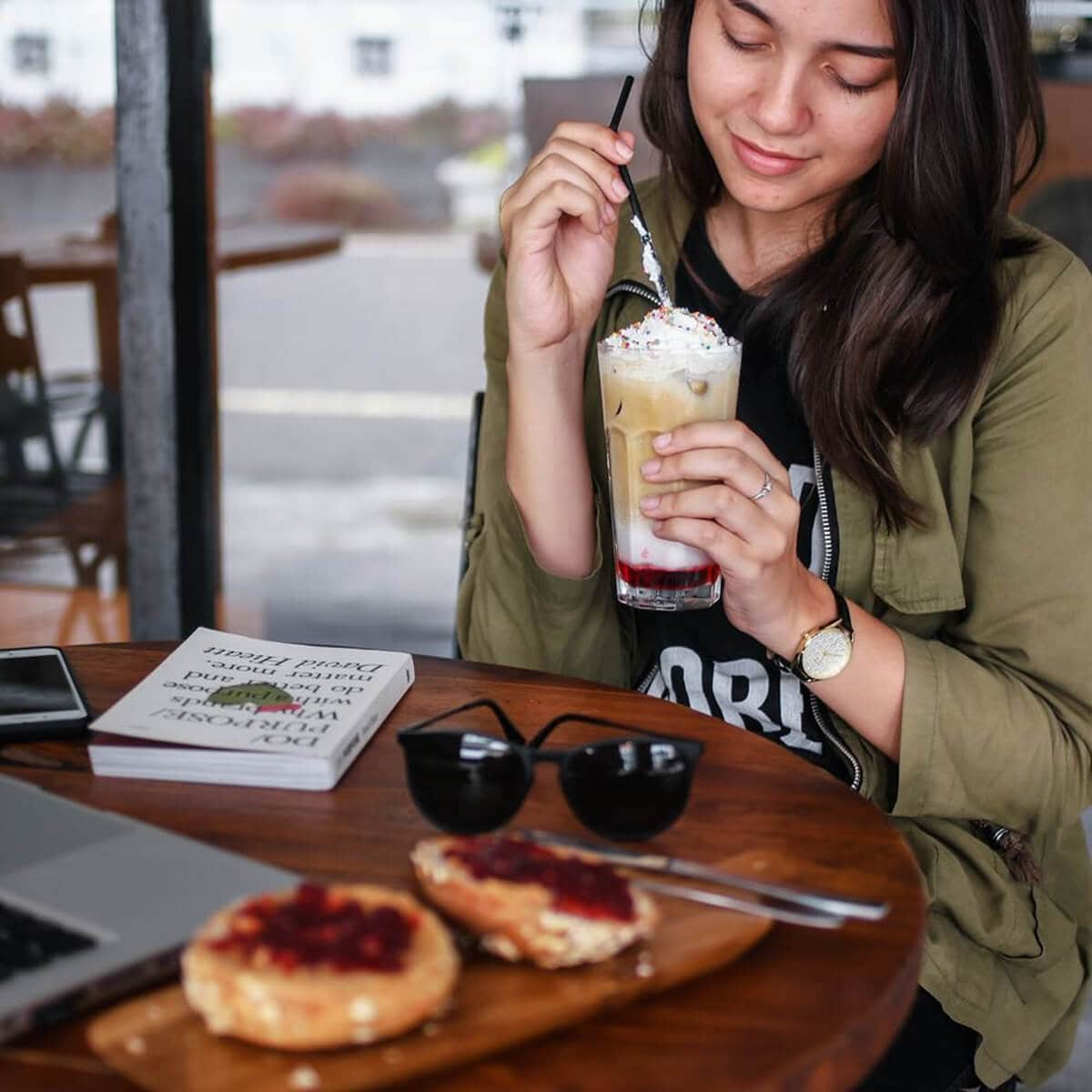
Blanco was associated with the combination of coffee, books and a relaxed creative setting. Whether a specific historic branch or book-focused concept still operates as described is a matter for live confirmation. The idea remains attractive to visitors who prefer reading and conversation to a crowded nightlife district.
4. Bukit Bintang
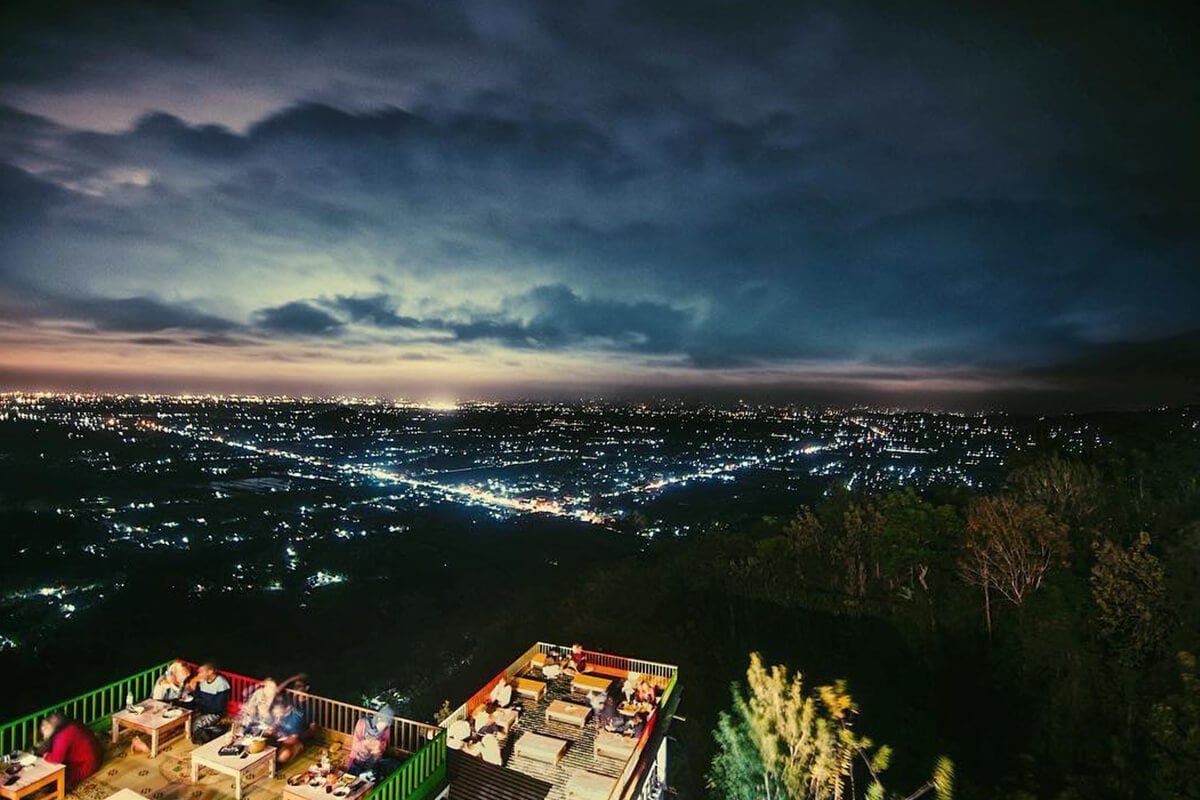
The ridge area around Bukit Bintang in Gunungkidul is known for views towards the lights of Yogyakarta. It is a scenic viewpoint area rather than one fixed restaurant, and the evening drive may require extra caution on winding roads. Conditions are weather-dependent; visit recognised establishments and avoid stopping on dangerous bends.
5. Brick Café
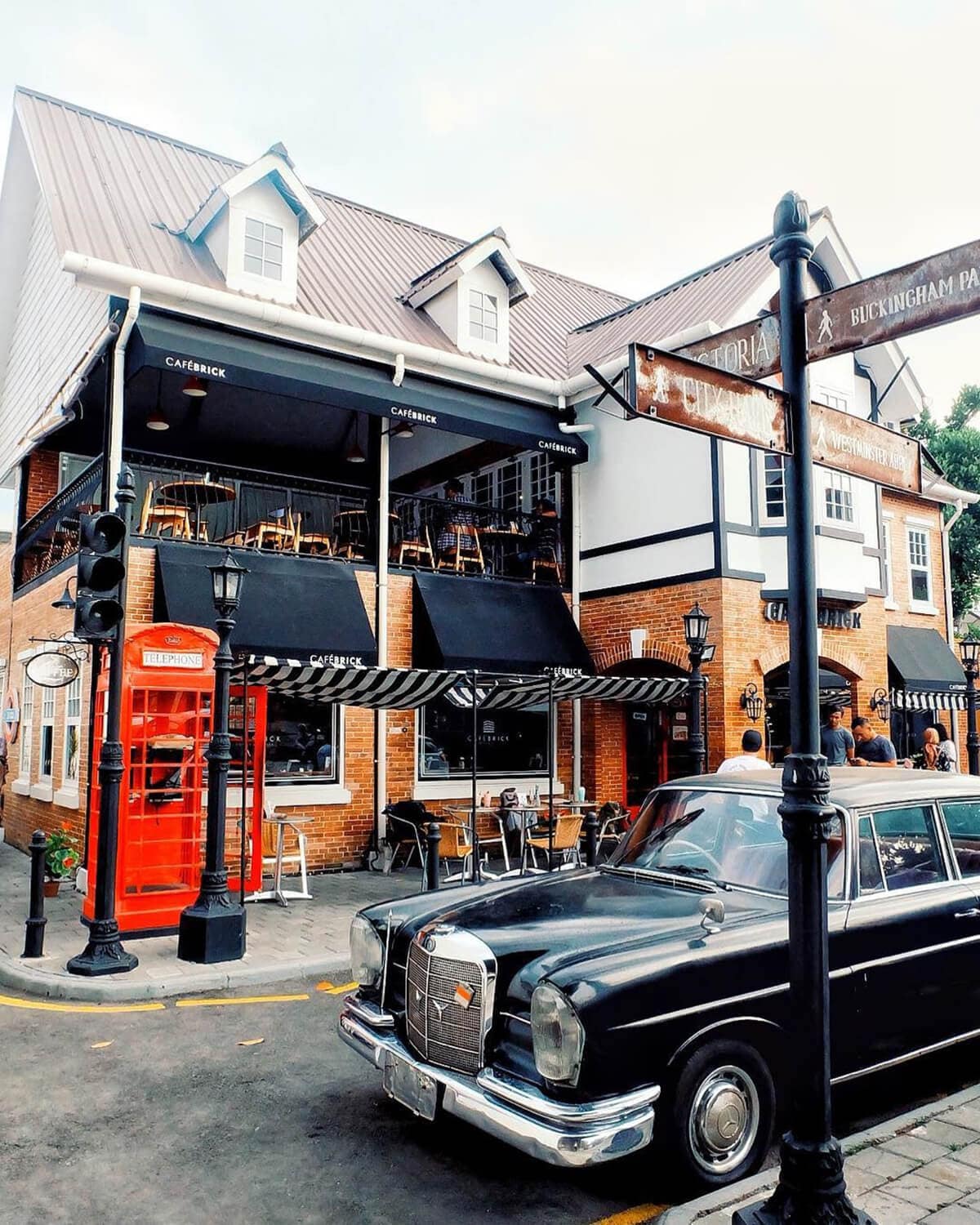
The historic Brick Café listing described a photograph-friendly café concept. As an older commercial listing, it should not be treated as a guaranteed present-day restaurant. Check a recently maintained operator page for the actual address, menu and reservation requirements before adding it to your itinerary.
6. Canting
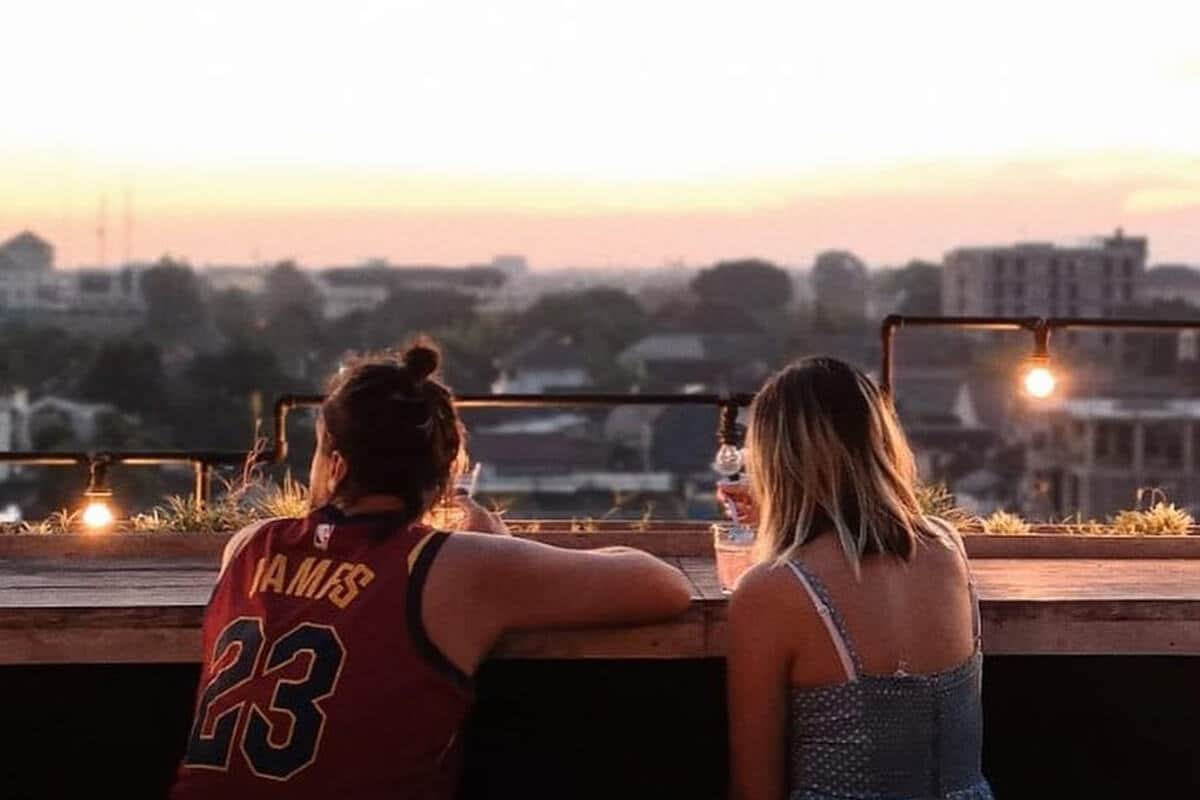
Canting was included among contemporary Yogyakarta dining spaces in earlier years. Its name also refers to the traditional wax-application tool used in batik making, so a search result may point to unrelated businesses. Verify the exact venue and current offering; if you want to learn about the craft, visit a legitimate batik workshop.
7. D’padukan Pie and Resto
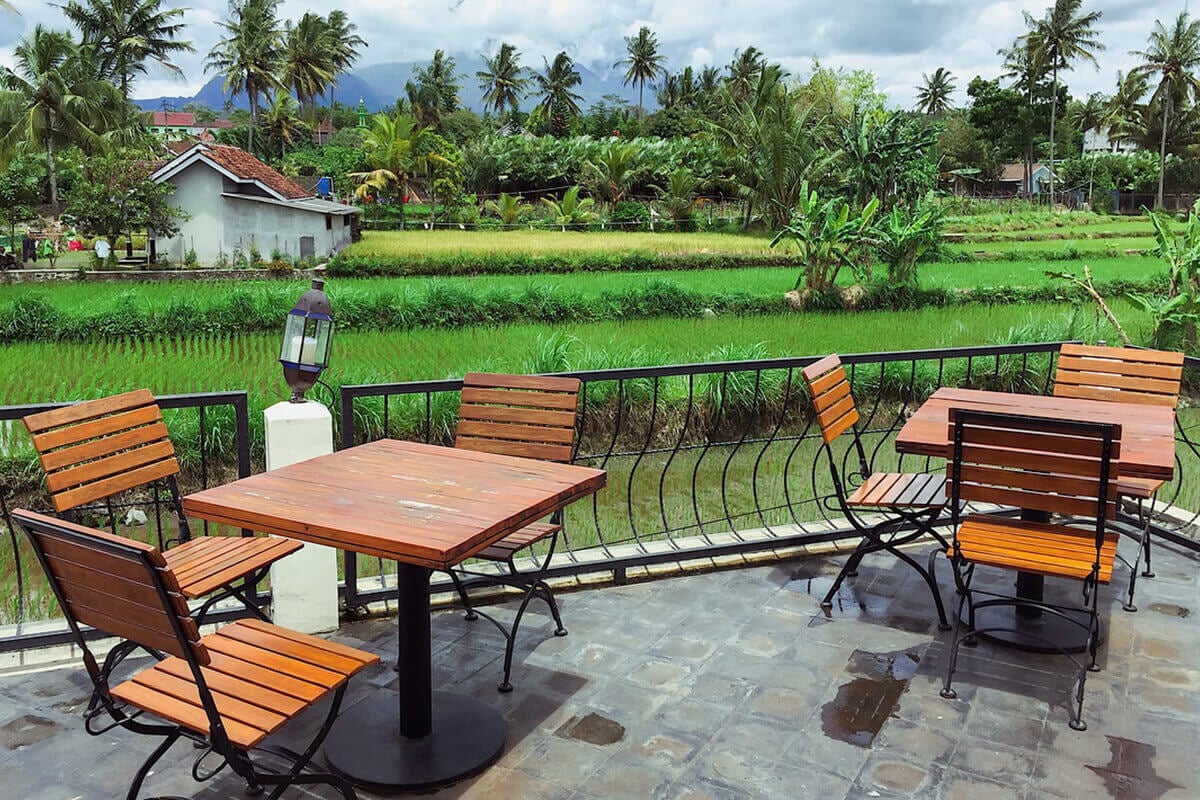
This earlier recommendation highlighted sweet pies and relaxed dining. Menu items, operators and addresses can change, so do not rely on old food photographs to plan a trip. Consider it an archival café reference, and look for a currently operating bakery if you are specifically seeking dessert.
8. Epic Café
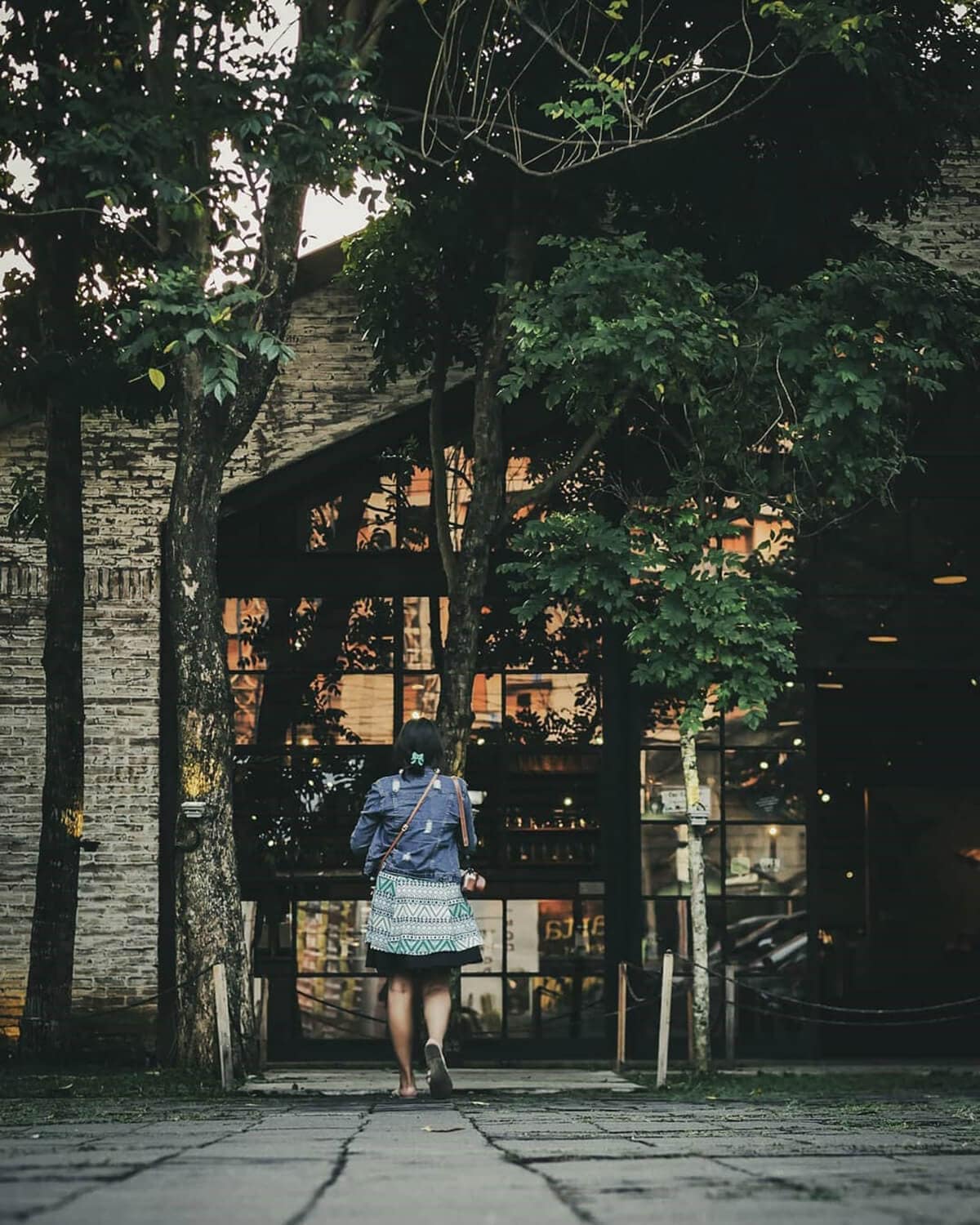
Epic Café became known in earlier guides for its design-led interiors. Check the present-day business identity and branch before travelling; some old café accounts remain visible after operations change. Visitors looking for a quiet work location should confirm laptop policies and the availability of electrical outlets.
9. House of Raminten
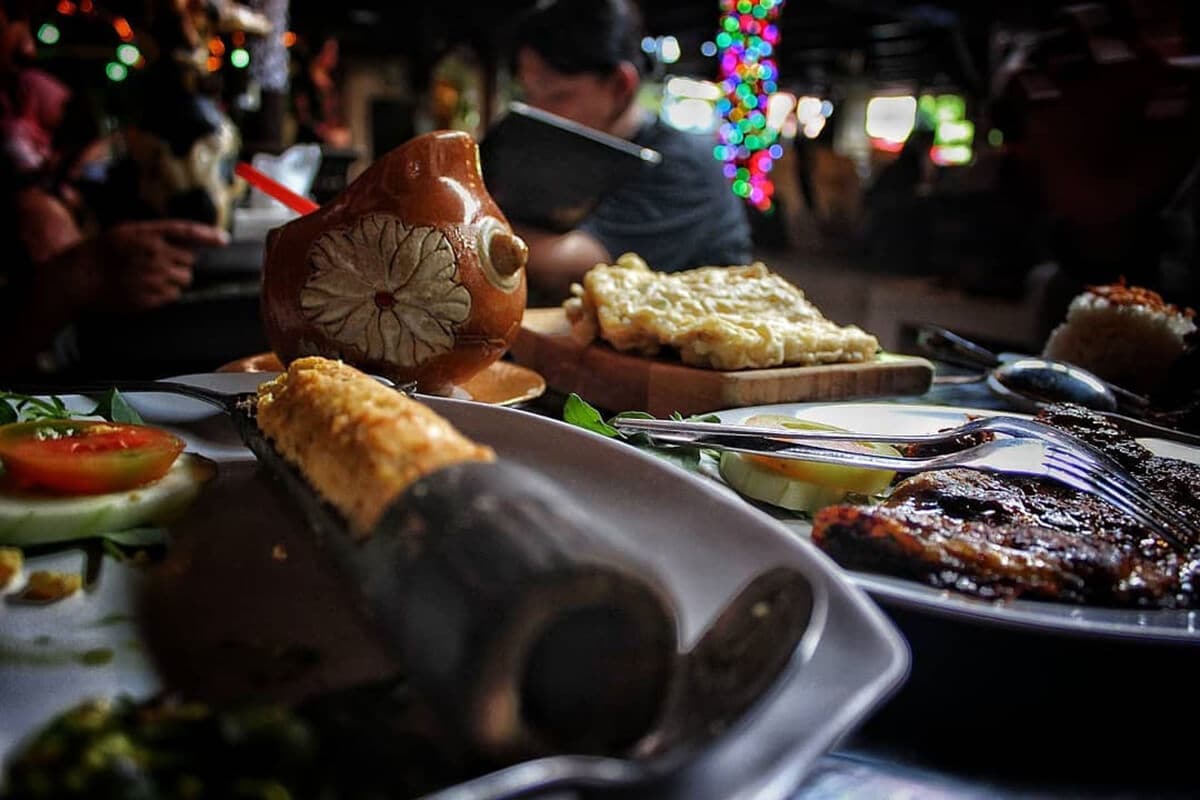
House of Raminten is an important name in Yogyakarta’s distinctive dining culture, known for its theatrical Javanese décor and local dishes. It has been a popular stop for tourists and residents, but demand and menu availability can vary. Confirm the current address, operating hours and queue expectations directly with the establishment.
10. Joglo Pari Sewu
Joglo Pari Sewu appeared in scenic dining recommendations with a traditional Javanese architectural character. The operator’s current location, reservation rules and facilities should be checked in advance. A traditional joglo building is part of regional architectural heritage, not just a decorative restaurant theme.
11. Kamikoti
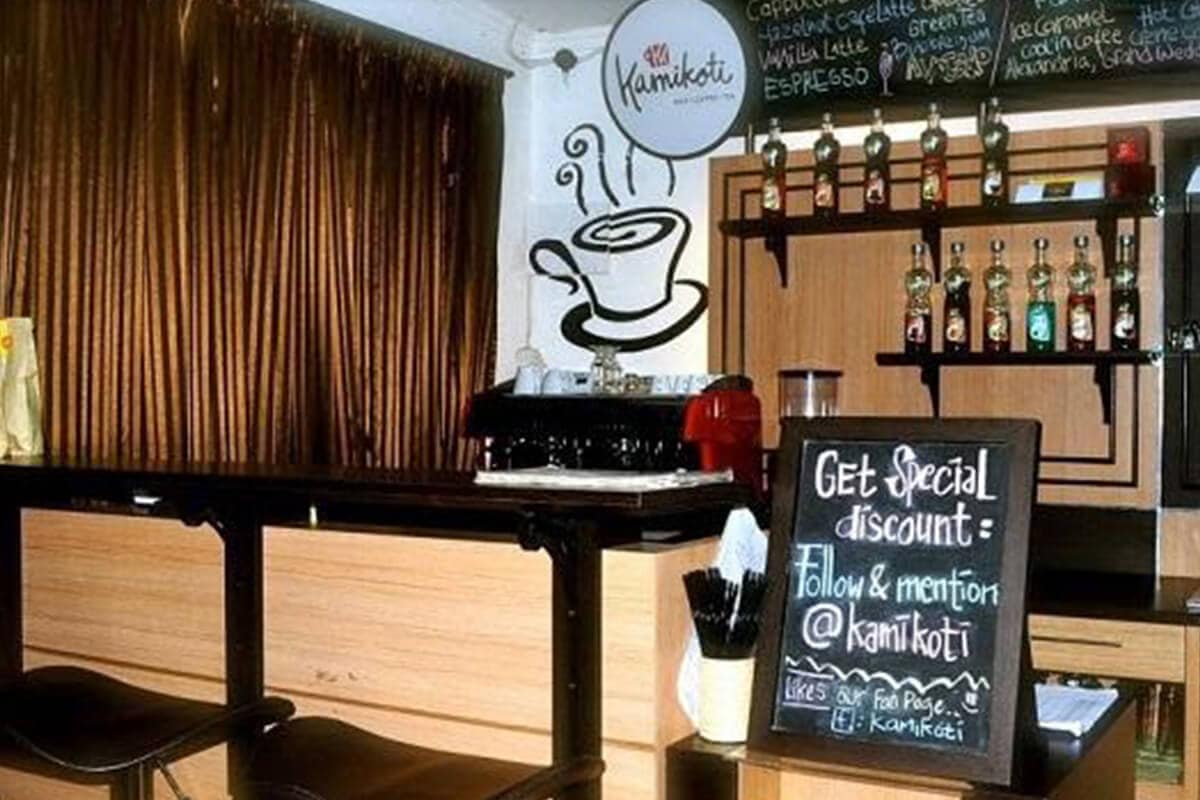
Kamikoti was featured in earlier café roundups. Its age as a listing makes it unsuitable to promise that the original concept, prices and service still exist. For a coffee-centred outing, choose an active shop with verifiable recent service information, and consider trying a traditional Yogyakarta-style coffee preparation.
12. Kalimilk
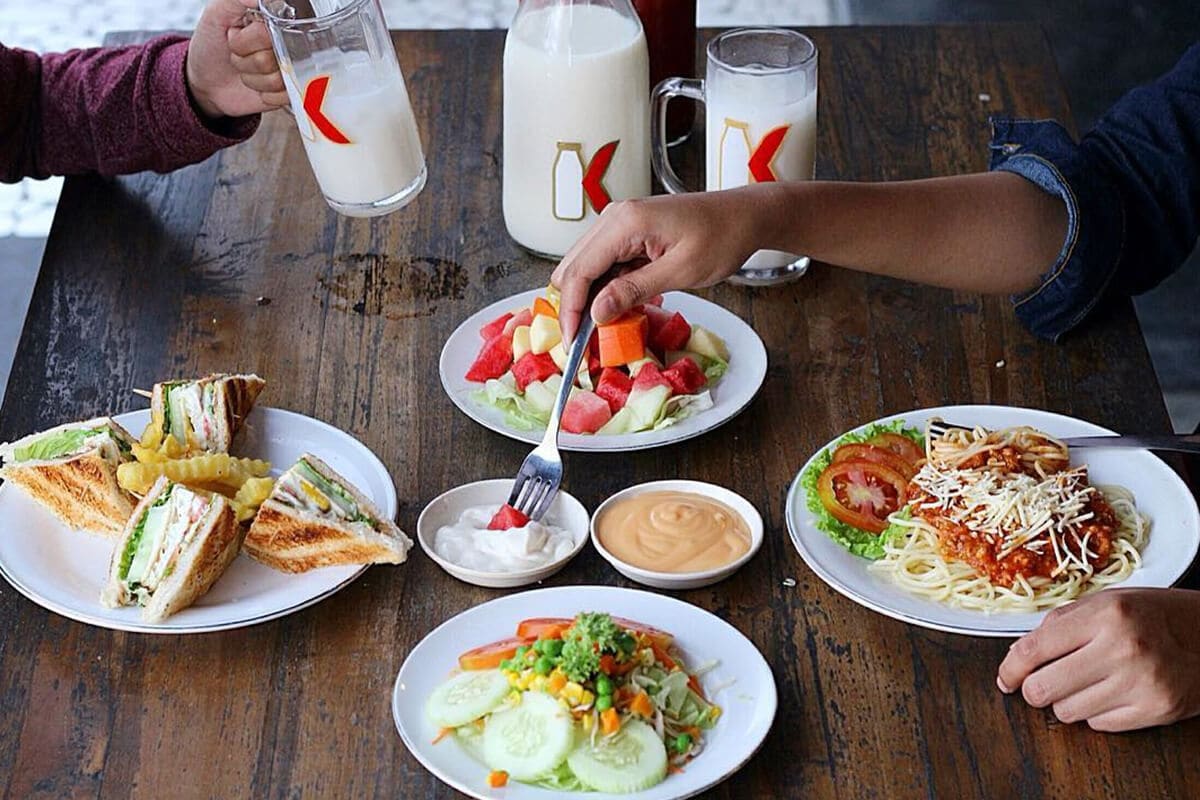
Kalimilk was widely discussed as a milk-themed hangout in Yogyakarta. The older list’s descriptions of menus and branches are not reliable for today without direct confirmation. If you’re travelling with children or have dairy allergies, check the current menu and ingredients rather than assuming milk-based products have suitable alternatives.
13. Lokal Resto
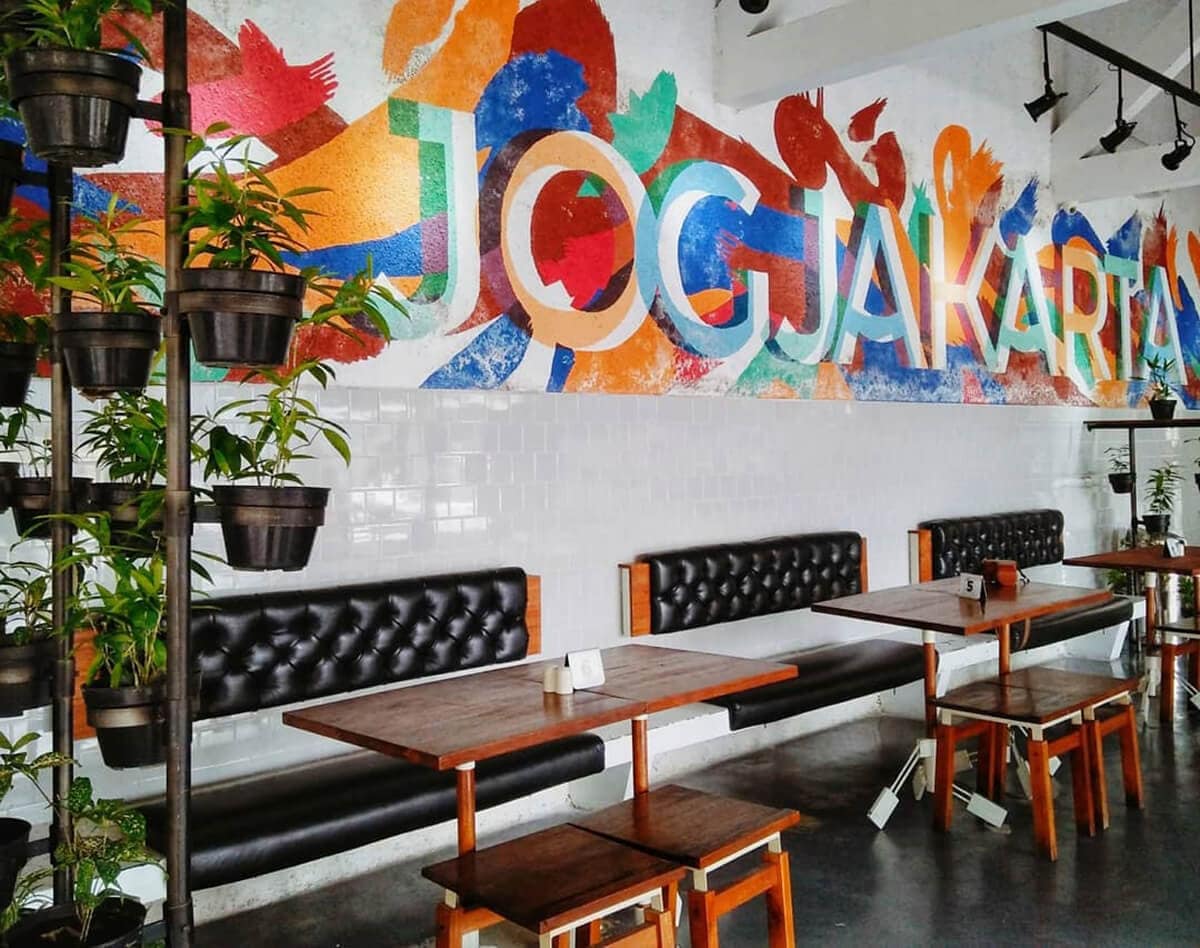
Lokal Resto was associated with a relaxed hotel-linked dining ambience in older travel writing. Venue concepts and access rules can change. Ask whether it welcomes outside guests and whether a meal needs to be reserved. This is a historical recommendation rather than a verified current listing.
14. Makan Minum Bistro
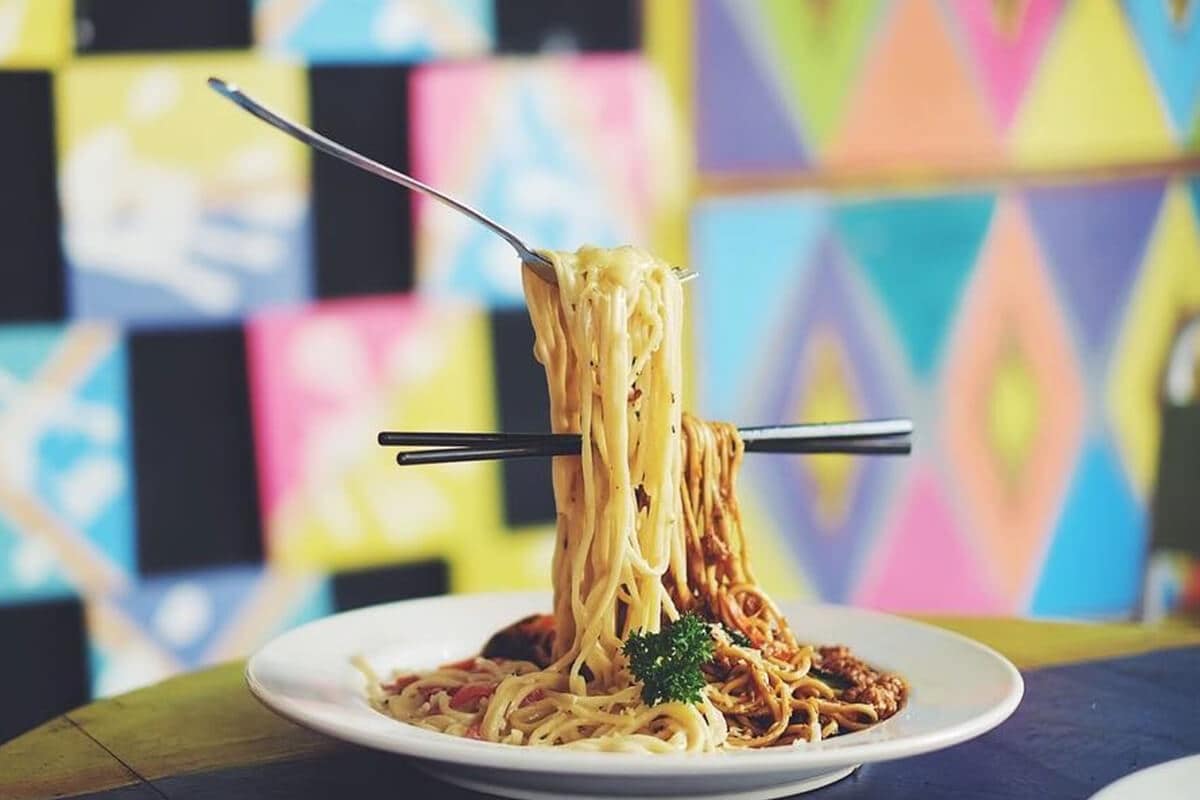
The earlier article listed Makan Minum Bistro for its food and social setting. Before visiting, verify that the venue exists under the same business name and compare its latest menus. Yogyakarta’s dining scene changes quickly, and archival photo credits should not be confused with a current opening announcement.
15. Mezzanine Eatery and Coffee
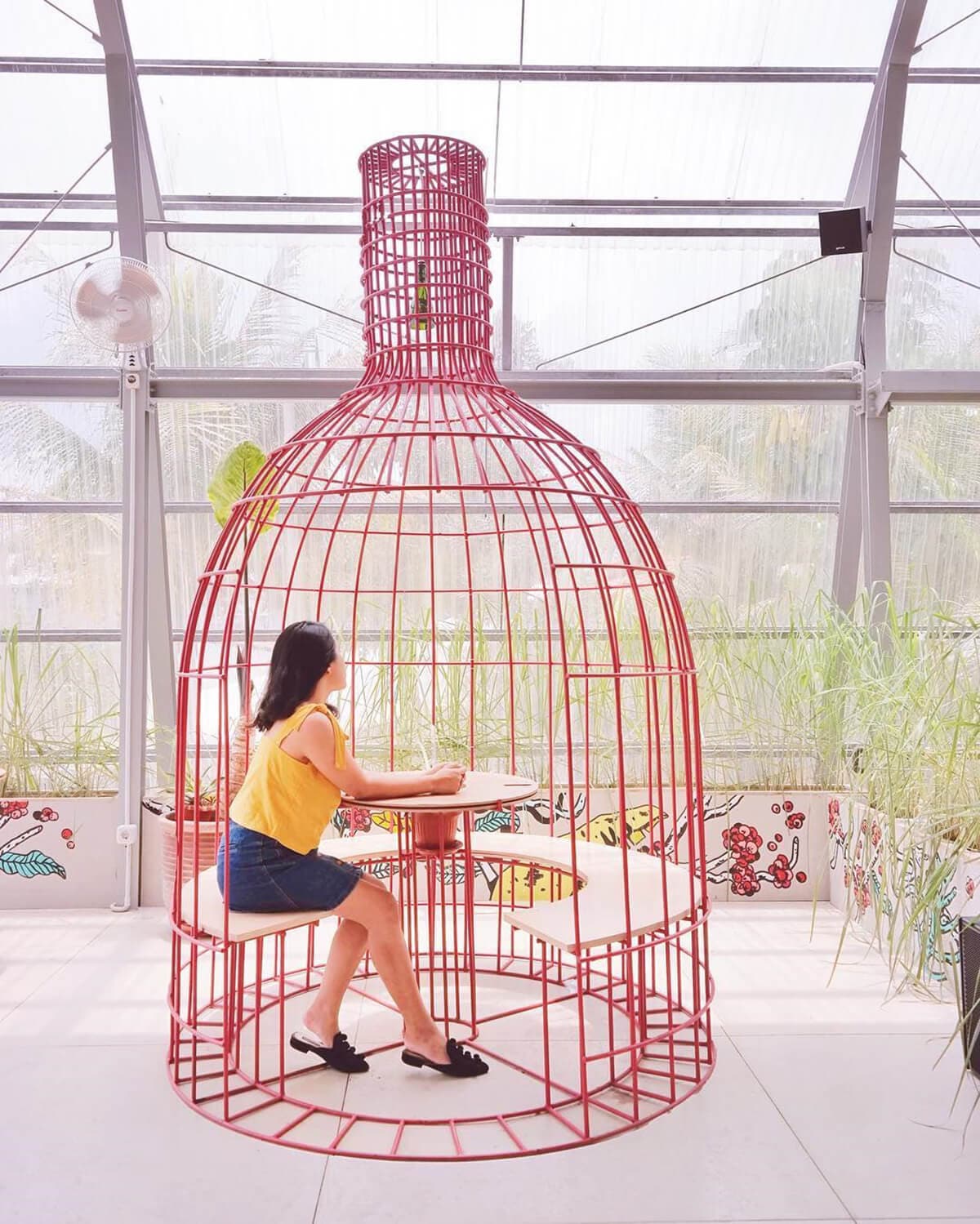
Mezzanine appeared in the historic list as a visually appealing place for food and coffee. Its public access, branch and operating conditions should be checked independently before travelling. If working remotely, ask about Wi-Fi and seating rules rather than assuming the venue functions as a coworking space.
16. Manglung Coffee
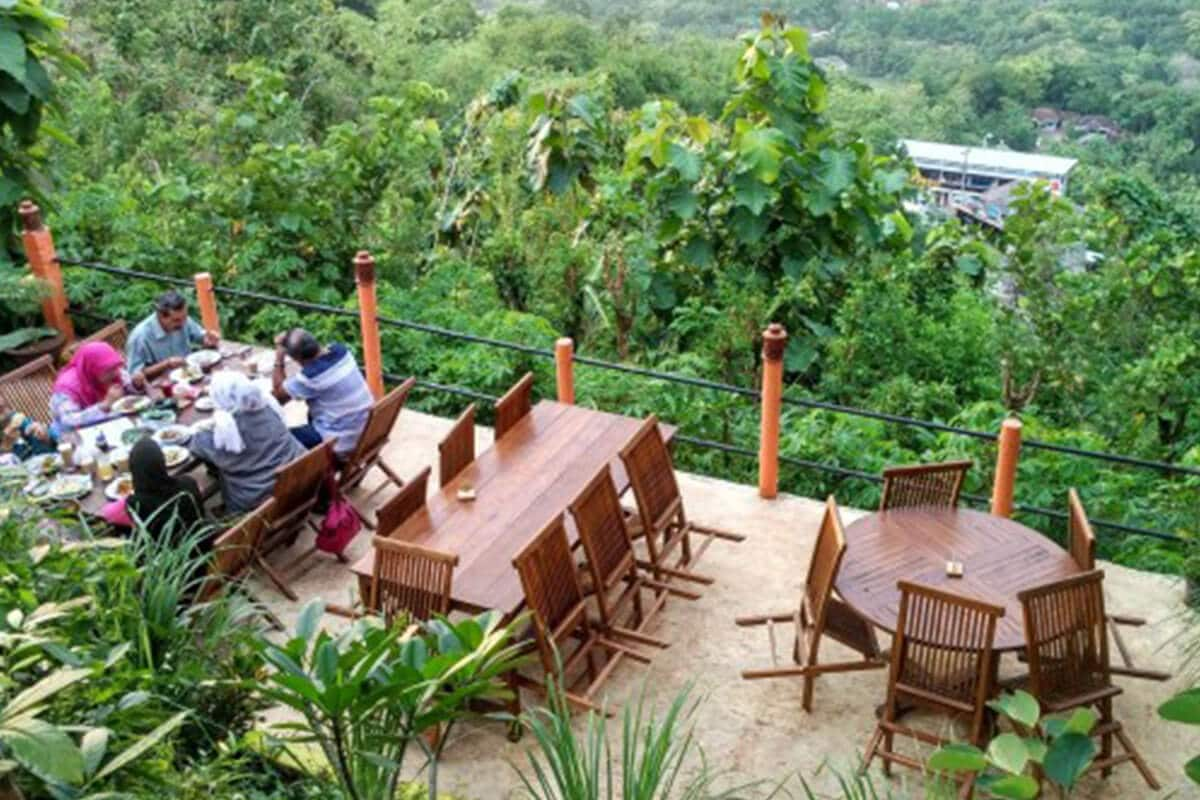
Manglung Coffee was known for a viewpoint-style experience in the hills outside the city centre. If the specific location is operating, the scenery may depend on weather and time of day. Plan daylight or sunset transport responsibly and avoid scheduling a difficult late-night return on unfamiliar roads.
17. Roaster and Bear
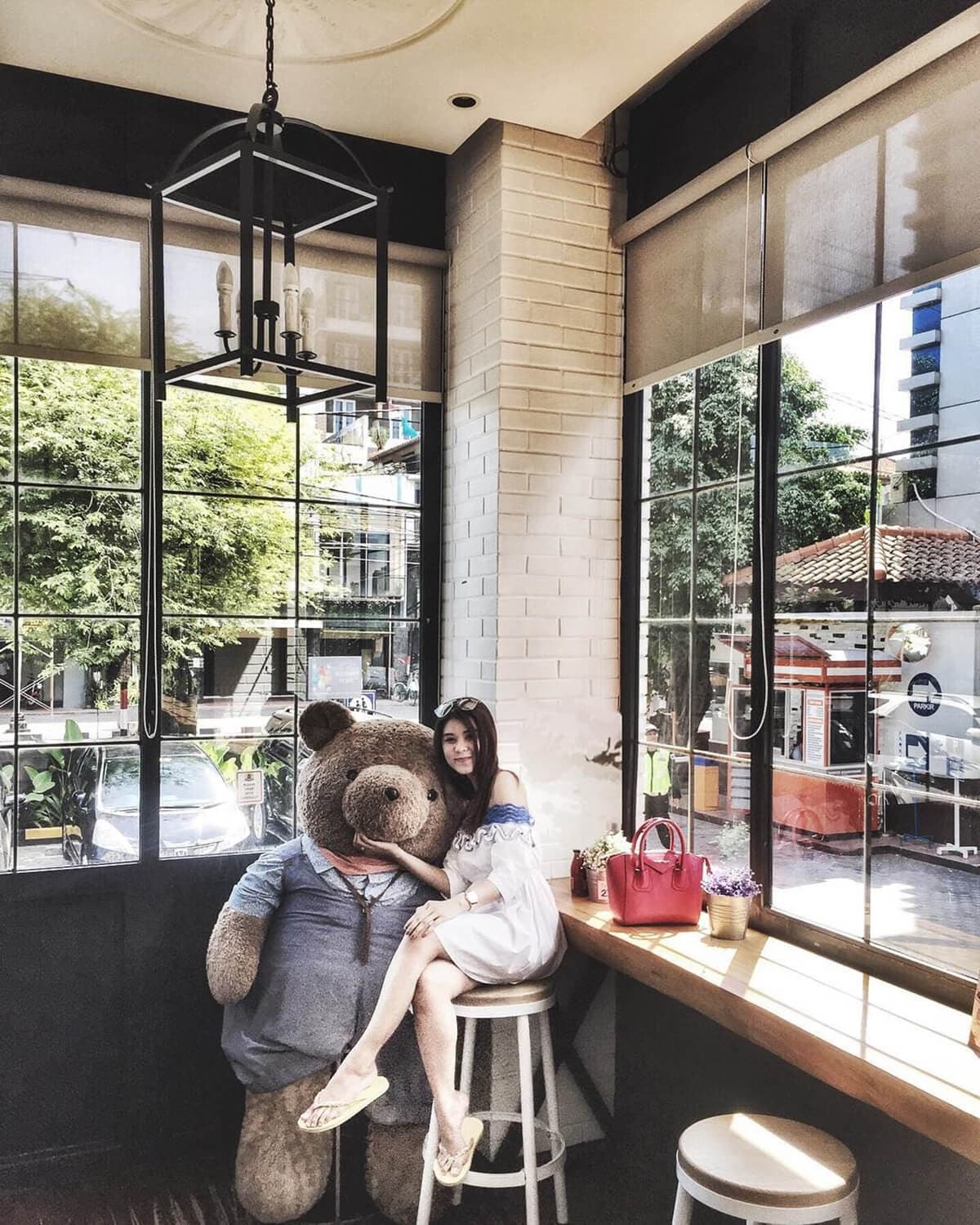
Roaster and Bear became a recognisable café name associated with themed interiors and coffee in Yogyakarta. Check the actual current outlet and any branch changes. A café photo can be useful for inspiration, but should not substitute for a confirmed menu or opening schedule.
18. Tap House Beer Garden & Beer House
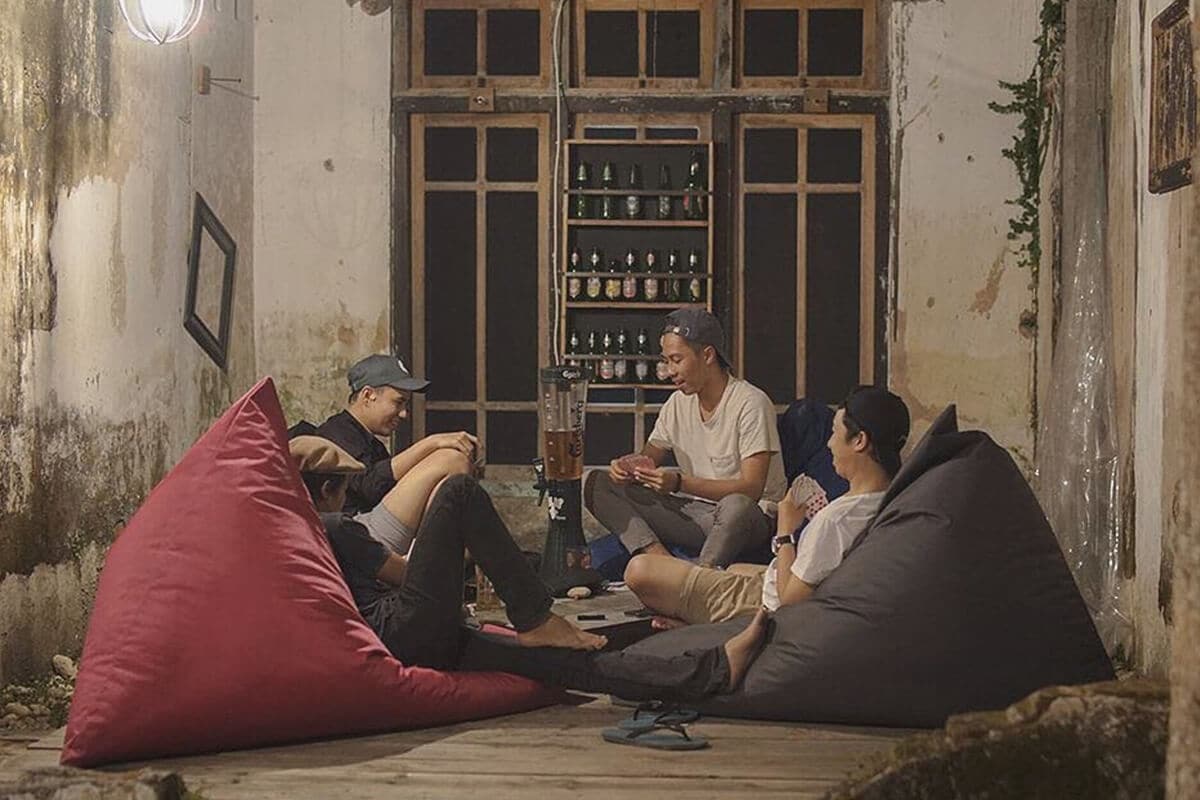
This venue was listed for evening leisure and drinks in an older Yogyakarta scene. Its current operational status must be confirmed; old event posters or user-uploaded photos may remain online long after a business changes. Check age restrictions, late-night transport and current house rules before visiting.
19. Tempo Gelato
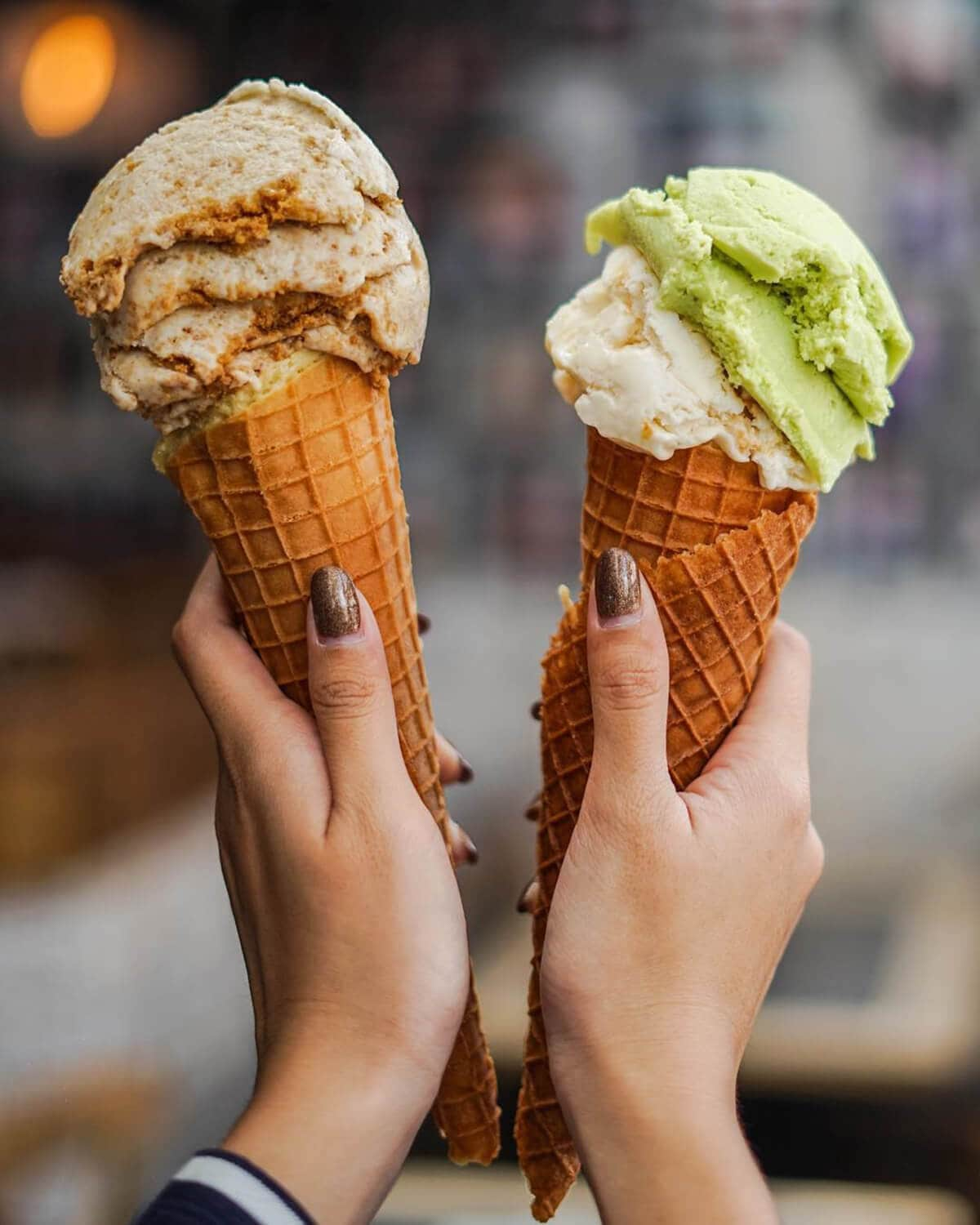
Tempo Gelato is a well-known Yogyakarta dessert name associated with gelato in the Prawirotaman area and other locations. Its offering and queues can differ by branch, so verify the exact outlet and today’s hours. It is a good type of stop for a family or afternoon break after cultural sightseeing.
20. The Captain Urban and Lounge
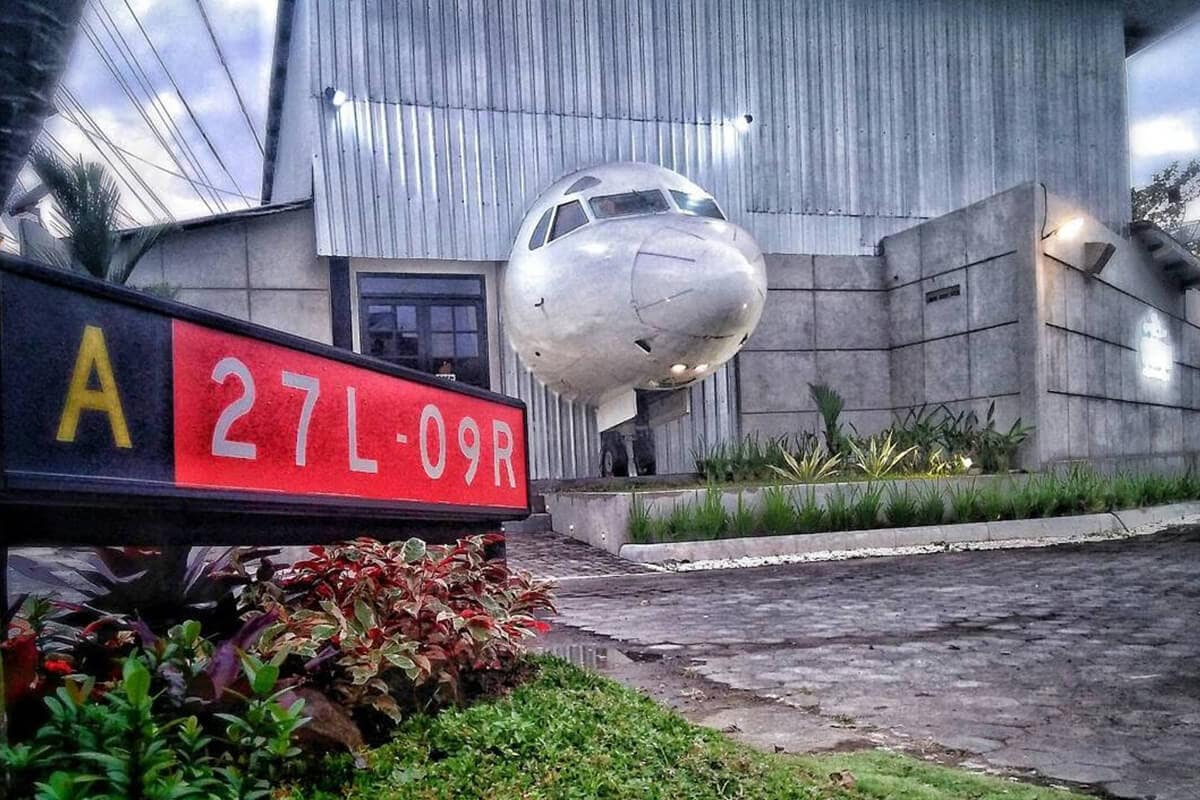
This earlier recommendation used an aircraft-inspired interior theme for its lounge concept. Theme cafés can change operators or close, so confirm the business before planning a trip specifically for the decoration. Prioritise official current information over archived photographs.
21. Uncle’s Kitchen
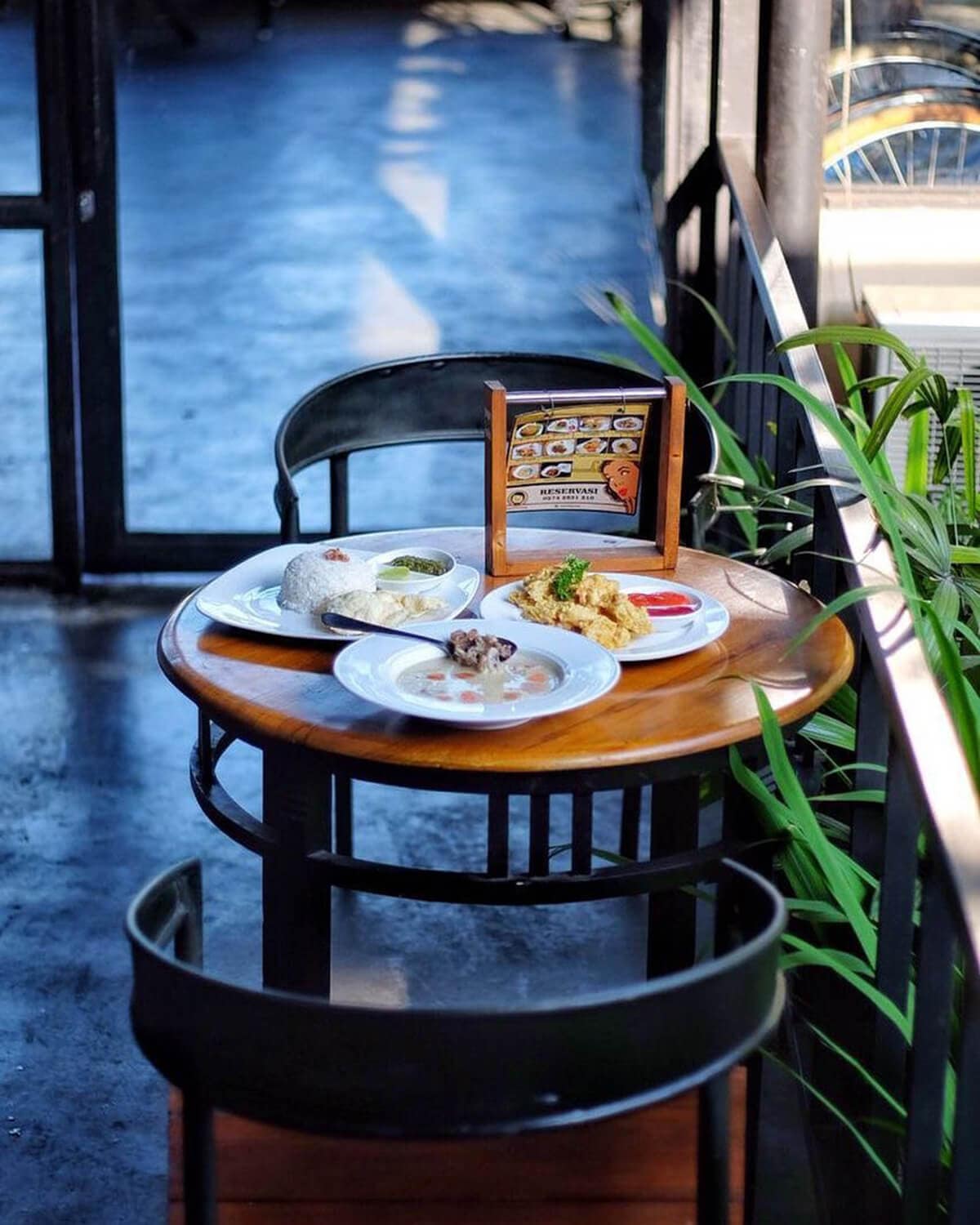
Uncle’s Kitchen appeared in the historic list for informal dining. Whether the same venue operates today should be established through a recent, trustworthy operator source. A more reliable food itinerary can focus on the city’s traditional meals and markets rather than one unverified restaurant name.
22. Warung Kepik Sawah
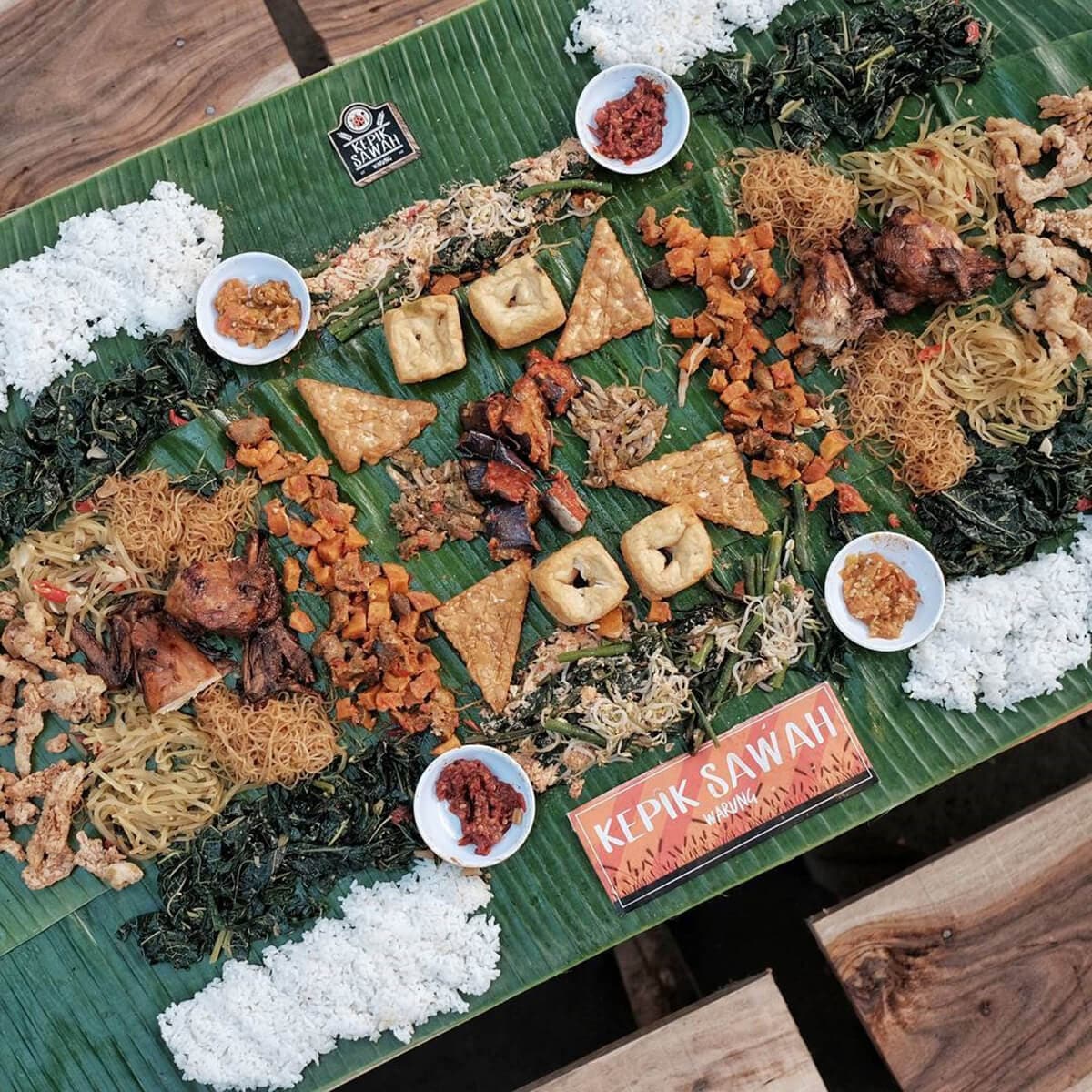
Warung Kepik Sawah was associated with a rural, rice-field atmosphere. Access, seating and current business identity should be verified before leaving the city. Respect farmers and surrounding communities, and do not enter planted fields solely for photographs.
More dependable cultural and nature activities around Jogja
Explore the Kraton and surrounding heritage streets
Yogyakarta’s royal traditions offer more lasting value than a single café’s décor. Check official visitor arrangements and performances before arrival. Learn about traditional Indonesian dances and regional architecture to appreciate the details you see.
Choose a batik experience, not only shopping
Traditional batik involves specialised tools, wax and skilled pattern-making. Seek a workshop that credits and pays local artisans fairly. Our batik heritage guide gives useful background, and Indonesia’s customs guide places craftsmanship in a wider cultural context.
Enjoy Merapi-area scenery with a weather-aware plan
The landscape around Mount Merapi is magnificent but lies within a dynamic volcanic environment. Follow official closures and local volcanic hazard guidance rather than attempting a viewpoint based on an old photograph. Read our Mount Merapi guide and Indonesian mountain travel advice.
Where to enjoy local food and coffee
Gudeg, angkringan and regional breakfast dishes
Jogja is known for gudeg and informal food traditions, from evening rice plates at angkringan stalls to breakfast stalls serving warm meals. Coffee enthusiasts can seek kopi joss from a reputable vendor, with caution around the extremely hot charcoal used in its preparation. Browse unique coffee traditions and Indonesian breakfast ideas.
Traditional versus trendy dining
Try small locally run eateries as well as a modern café. Check menu prices including any service charges and respect vendors who may not have a digital booking system. Local tastes differ by neighbourhood and season, so a great meal need not be the one with the longest social-media queue.
Suggested two-day Yogyakarta itinerary
Day one: central culture and evening square
Walk around designated palace and heritage areas, enjoy a local meal, and visit Alun-Alun Selatan after dark if conditions and access permit. For souvenirs, choose workshops over anonymous bulk goods. Photography enthusiasts can find inspiration in ethical Indonesia travel photography.
Day two: cafés and a separate outer-city destination
Spend the morning in Prawirotaman or a confirmed active café, then choose either a hill viewpoint or a village/heritage excursion—not both if road conditions make the journey impractical. Broader inspiration includes tourism villages and romantic travel destinations across Indonesia.
Practical tips for international travellers
Transport, money and operating hours
Use recognised taxis or ride-hailing, carry some rupiah and check whether a destination has a safe pickup point after dark. Ask about parking and opening times for viewpoints outside the city. Our rupiah guide explains money basics, while the culture overview helps with local etiquette.
Weather and health
Jogja can be hot and humid, with heavy seasonal downpours. Bring sun protection and avoid steep roadside viewpoints during dangerous weather. Choose safe drinking water and seek medical advice promptly if unwell. For travel inspiration beyond this region, read films that introduce Indonesian destinations and East Java trip ideas.
Frequently asked questions
Are all 22 places currently open?
The historical list has not been verified as 22 currently trading businesses. Confirm each commercial venue before travelling.
What is a good neighbourhood for cafés?
Prawirotaman and central Jogja have a variety of dining experiences; the right choice depends on your accommodation and transport.
Is Alun-Alun Selatan open to visitors?
It is a public square with evolving local access and event rules. Respect residents and follow any restrictions.
Do I need to speak Indonesian?
Not necessarily, but a few polite phrases can improve your interactions with local market and café staff.
External references
- Wonderful Indonesia — Yogyakarta and cultural travel
- Yogyakarta Provincial Tourism — current local travel information
- MAGMA Indonesia — volcano safety information
Original photographer attributions
The original article credited the following photographers and social accounts. These credits are kept for archival context.
- www.instagram.com/petteriparv/
- www.instagram.com/simon._.loo/
- www.instagram.com/blancoyk/
- www.instagram.com/a.dit.ya.kur.ni.a.wan/
- www.instagram.com/cafebrickjogja/
- www.instagram.com/cantingjogja/
- www.instagram.com/irwantan/
- www.instagram.com/ivananjas/
- www.instagram.com/abrarsetiawan/
- www.instagram.com/jogjaeat/
- www.instagram.com/kalimilk/
- www.instagram.com/anita.kurniawatty.khatulistiwa/
- www.instagram.com/makan_minumjogja/
- www.instagram.com/j_anandary/
- www.instagram.com/chiee_anggraeny/
- www.instagram.com/taphouse_jogja/
- www.instagram.com/foodirectory/
- www.instagram.com/thecaptainjogja/
- www.instagram.com/uncleskitchenid/
- www.instagram.com/kepiksawah/