Lombok is famous for its beaches, but the island’s forested slopes and river valleys offer a very different experience. Around Mount Rinjani you can find waterfalls hidden in dense vegetation, streams flowing across mossy rocks and rural paths that reward slower exploration. The scenery is beautiful, but visiting safely matters more than getting the perfect photograph.
This refreshed guide covers the five waterfall locations in the original article: Sendang Gile and Tiu Kelep, Benang Stokel and Benang Kelambu, Mayung Putek, Jeruk Manis, and Tiu Teja. It also explains which routes are easier, why some lesser-known waterfall sites require additional local confirmation, and how to avoid unsafe swimming or flash-flood conditions. For a wider island itinerary, explore things to do in Lombok and Lombok nature escapes.
Which Lombok Waterfalls Should You Visit?
Waterfall area |
Location |
What to expect |
|---|---|---|
Sendang Gile and Tiu Kelep |
Senaru, North Lombok |
Popular forested falls; Tiu Kelep involves river crossings |
Benang Stokel and Benang Kelambu |
Aik Berik, Central Lombok |
Paired waterfalls with water filtering through vegetation |
Mayung Putek / Mayang Putek |
Bilok Petung area, East Lombok |
Lesser-known waterfall; check trail access and water conditions locally |
Jeruk Manis / Jukut Waterfall |
Near Tetebatu, East Lombok |
Forested footpath and a waterfall amid the Rinjani foothills |
Tiu Teja / Tiu Tedja |
North Lombok |
Less widely documented; verify location and access before visiting |
Descriptions such as “easy” or “safe for swimming” cannot be applied permanently to a waterfall: conditions depend on rainfall, maintenance, stream level and any local closures. The official Indonesia Travel guide to Lombok identifies Tiu Kelep and Benang Kelambu among notable waterfall experiences.
1. Sendang Gile and Tiu Kelep Waterfalls, Senaru
Senaru on Lombok’s northern side is the starting point for visits to two of the island’s best-known cascades. Sendang Gile is typically reached first by descending steps from the village area. Tiu Kelep lies farther along a forest and river trail, making the second stop a more demanding excursion.
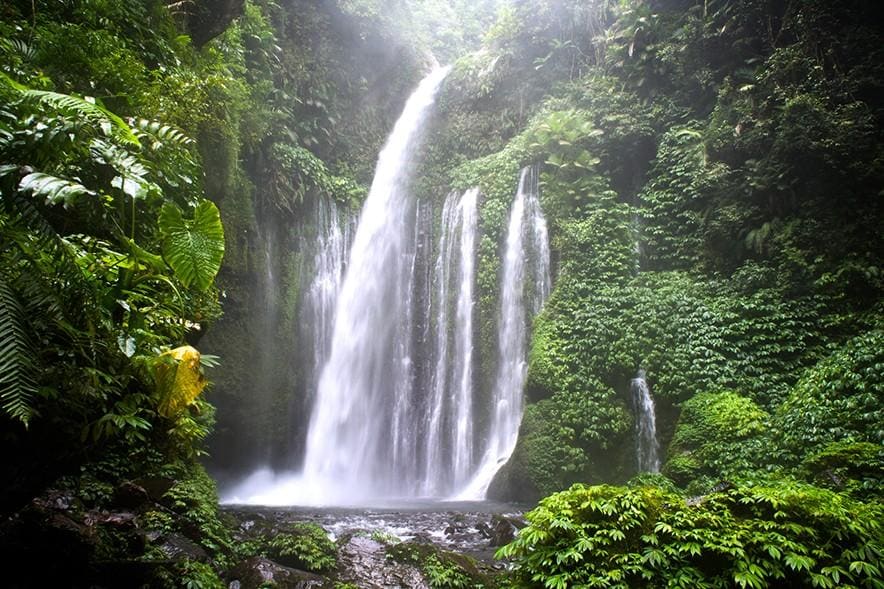
Sendang Gile: A Shorter Forest Walk
Sendang Gile is the more accessible of the two, but it still involves stairs and wet or uneven ground. If you have limited time or are uncomfortable with slippery river crossings, a single-fall visit can be a sensible decision. Ask at the entrance whether the stairs and viewing areas are currently open and safe.
Tiu Kelep: Longer River Crossings and Powerful Spray
Continuing to Tiu Kelep generally means walking through forest and negotiating slippery rocks and sections of stream. Guides can help with route decisions, but they cannot guarantee safety during heavy rainfall. A September 2026 Lombok local operator guide and the Indonesia Travel tourism portal both describe the Senaru area as a rewarding but weather-dependent natural excursion. Arrange a qualified local guide as required and follow any closure instructions.
Can You Swim at Tiu Kelep?
Do not assume the plunge pool is always suitable for swimming. Falling water, changing stream depth and powerful currents near the cascade can be dangerous; never stand directly below the main flow or dive from boulders. If rain has been heavy upstream, avoid entering the water even when the immediate sky appears clear. The original article’s blanket suggestion to swim at Sendang Gile is not an all-conditions safety recommendation.
Visitors looking for a less wet outing can explore yoga and wellness on Lombok or plan a coastal day using the beaches of Mandalika.
2. Benang Stokel and Benang Kelambu Waterfalls, Aik Berik
In the Central Lombok foothills, Benang Stokel and Benang Kelambu make another rewarding pair. Benang means thread: the name reflects the slender strands of water and natural curtains of vegetation that help distinguish these falls from a single, forceful drop over open rock.
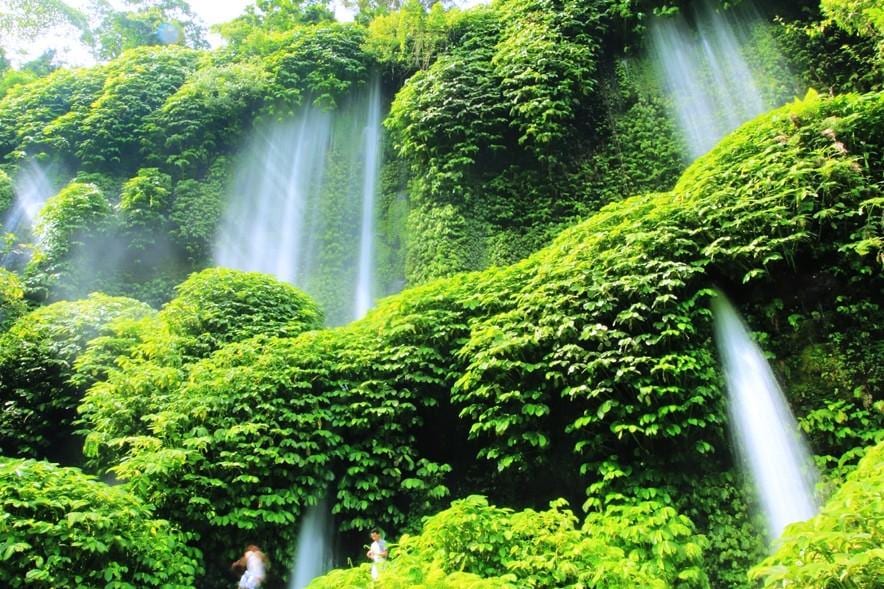
Benang Stokel: Waterfall Strands Through Greenery
Benang Stokel is a good first stop from the Aik Berik trail area. The route may include paved sections, stairs, wet ground and small local facilities. Depending on season, the streams can look quite different from promotional photos. Take time to enjoy the forest setting rather than treating this as a race to another viewpoint.
Benang Kelambu: The Veiled Waterfall
Benang Kelambu is especially distinctive because the water emerges through and around lush plants, giving it a curtain-like appearance. The Indonesian tourism board describes both falls together in its Aik Berik and Mandalika excursion overview.
Is the Water Safe to Drink?
No untreated waterfall or stream water should be assumed safe to drink. Clear water can still contain pathogens or contaminants. Bring your own drinking water or use a properly maintained treatment system. Likewise, waterfall swimming should only be considered when specifically permitted and conditions are suitable.
Waterfall trips can be paired with a longer rural village itinerary or compared with waterfalls in Bali’s Tabanan region on a separate island journey.
3. Mayung Putek Waterfall, East Lombok
Mayung Putek, also written Mayang Putek in older guides, is associated with the Bilok Petung area in East Lombok. Its name is often explained through local folklore involving a white deer. The original article described sulphur-bearing water and repeated traditional beliefs that bathing there could heal illness; these are unverified cultural claims, not medical evidence.
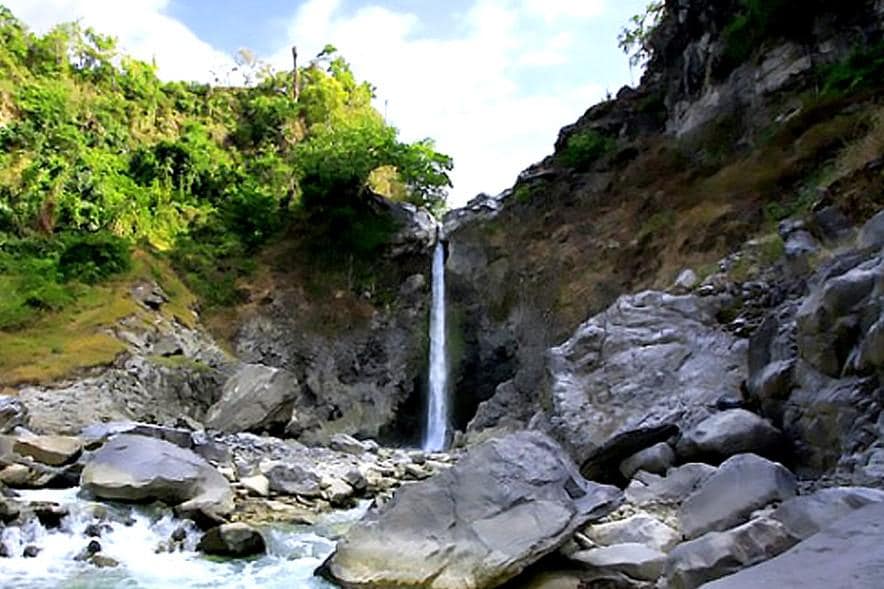
What Should Visitors Expect?
The older description suggests a descent across slopes and a stream. Because current official trail access, permitted bathing, entrance procedures and operating hours were not confirmed, visitors should ask the local tourism authority or a trusted guide whether the site is open and suitable for their fitness before setting out. Do not rely on the old estimate of a 30-minute walk.
Avoid Claims of Healing or Guaranteed Health Benefits
The presence of mineral-rich or sulphurous water does not establish safe drinking, skincare benefits or effective treatment of medical conditions. Keep the waterfall experience focused on the landscape and local stories. Avoid contact with pools if signs warn against bathing or if water quality is uncertain.
If you are looking for outdoor adventures elsewhere in Indonesia, browse adventure travel ideas and distinctive nature experiences around the archipelago.
4. Jeruk Manis Waterfall, near Tetebatu
Jeruk Manis is a waterfall in East Lombok near the Tetebatu countryside and the southern flanks of Mount Rinjani. Its other name, Jukut, appears in earlier local descriptions. The waterfall is associated with a forested trail, changing vegetation and a cool mountain atmosphere. Indonesia’s tourism board includes it among eastern Lombok destinations in its East Lombok nature overview.
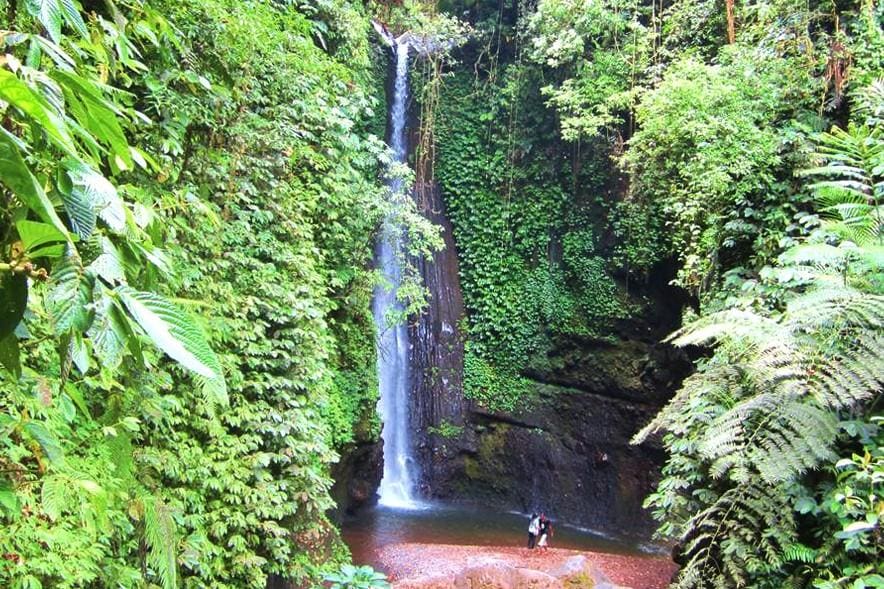
Walking the Trail
Expect stairs or uneven paths rather than a step-free promenade. The older post’s exact combination of distances, stairs and travel time was not consistently verifiable from an authoritative current source, so confirm the route at the gate. Wet stone can be extremely slippery, and access or guiding arrangements may differ with park management.
Respect the Forest and Local Traditions
Some local folklore associates the waterfall with health and beauty benefits. Respect the tradition without treating it as verified medical advice. Keep to permitted paths, avoid feeding wildlife, and take out all rubbish. The Rinjani foothills contain sensitive habitats and visitor facilities may be limited.
For broader conservation-minded travel, read Indonesia’s ecotourism guide and another forest-focused experience in North Sumatra.
5. Tiu Teja Waterfall, North Lombok
Tiu Teja, sometimes written Tiu Tedja, appeared in the original list as a waterfall with an easier walking route in North Lombok. Its name has been linked in local explanations to rainbows or light around the falls. However, the present-day official trailhead, path condition, entrance rules and whether swimming is permitted could not be reliably confirmed.
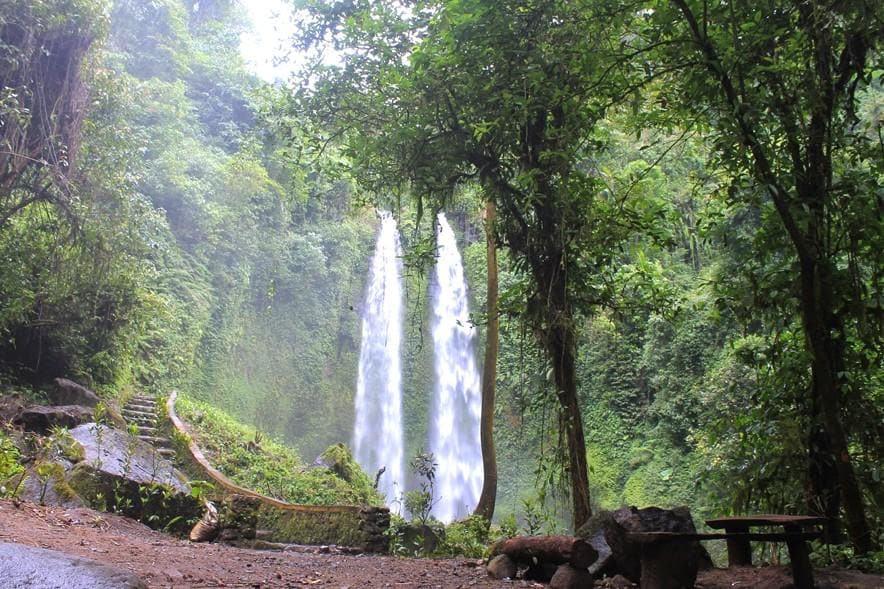
Why You Should Confirm Access First
Do not take the former description of a fixed 15-minute walk or shallow swimming pool as a current guarantee. Check the exact local place name and route with a qualified local guide or tourism contact, particularly after heavy rain. If you cannot establish the trailhead or safety information, choose one of the better-documented waterfall sites instead.
Better-Documented Alternatives
Sendang Gile is a straightforward alternative for travellers who want a well-known sightseeing route, whereas Benang Kelambu is memorable for its vegetated cascade. Longer stays can incorporate other scenic escapes in Lombok and a relaxing Gili Air break.
Getting Around Lombok for Waterfall Trips
Choose a Base That Matches the Region
Senaru is in North Lombok, the Aik Berik pair is in Central Lombok, and Jeruk Manis and Mayung Putek are in eastern areas. They are not all clustered together. Travelling between them involves mountain roads and rural routes, so group nearby places over one or more days instead of assuming you can see every fall on a short excursion.
Hire a Suitable Vehicle or Guide
For visitors unfamiliar with the roads, a licensed local driver or reputable operator can make planning easier. Do not treat old claims such as “90 minutes from Senggigi” or “two-and-a-half hours from Mataram” as fixed journey times. Road conditions, rain and departure point change the itinerary.
Allow Extra Time for Trail Closures
Waterfall areas may restrict access after heavy rain, landslides or damaged pathways. Check official park or local government notices and listen to guides who know current conditions. Never attempt to cross a flooded stream because you have already paid for a tour.
When Is the Best Time to Visit Lombok’s Waterfalls?
The relatively drier months often make trail conditions more predictable, although waterfalls may carry less water. Rainier periods can create dramatic flows and greener surroundings but greatly increase the risk of slippery ground and rapidly rising streams. A bright morning at the trailhead does not guarantee that rain has not fallen upstream.
For broader planning, compare outdoor travel in neighbouring East Nusa Tenggara and Sumba’s landscapes while keeping each island’s actual weather and journey distances in mind.
Waterfall Safety and Packing Checklist
- Footwear: grippy closed-toe shoes or hiking sandals suitable for slippery tracks and occasional shallow crossings.
- Weather: check current rainfall and advisories; turn back if water rises, becomes muddy or flows unusually fast.
- Water: carry safe drinking water and snacks; do not drink untreated stream water.
- Equipment: bring a dry bag, a change of clothes, sun protection and a basic first-aid kit.
- Swimming: only swim where explicitly permitted and confirmed safe by local authorities; stay away from plunge zones and cliff edges.
- Photography: keep clear of unstable rocks and never climb behind or under a falling cascade for a picture.
- Etiquette: respect village customs, ask before photographing residents and avoid leaving rubbish on forest paths.
Suggested Lombok Waterfall Itineraries
Half Day: Senaru Waterfalls
Choose Sendang Gile as your principal stop, adding Tiu Kelep only if the trail is open, water levels permit and your guide judges the conditions suitable. Include time for the return climb and a meal in Senaru.
Half Day: Aik Berik Waterfall Pair
Arrange a local visit to Benang Stokel and Benang Kelambu. Leave plenty of flexibility for trail conditions and the time needed to walk back through the forest.
Longer Trip: East Lombok Countryside
Combine a well-planned Jeruk Manis visit with appropriate nearby countryside activities. Consider Mayung Putek only after confirming its current trailhead and accessibility. For a contrasting coastal stop on a later day, see Gili Trawangan activities and Gili Islands beachfront dining ideas.
Frequently Asked Questions
Which Lombok Waterfall Is Easiest for First-Time Visitors?
Sendang Gile is generally a less demanding option than the Tiu Kelep river route, but stairs and wet pathways still require care. Ask locally about current accessibility.
Is Tiu Kelep Swimming Safe?
Never assume so. Strong currents, submerged rocks and falling water can be dangerous, especially during or after heavy rainfall. Follow current site restrictions.
Can I Drink Water from Benang Kelambu?
No untreated natural water source should be considered safe to drink without proper testing and treatment.
Do I Need a Guide?
Requirements vary by location and may change. A qualified local guide is especially advisable on longer forest routes and any path involving river crossings.