Sumba, in Indonesia’s East Nusa Tenggara province, rewards travellers with coastal lagoons, grass-covered hills, cultural villages, textiles and waterfalls. It is a large island where drives between regions take time. A responsible itinerary gives places space rather than turning Sumba into a race between ten photographs.
This refreshed guide keeps the original ten featured experiences and nine images, while updating practical context and replacing unsupported promises about swimming, tubing and exact journey times. If you are considering a longer visit, see Sumba weekend ideas and more responsible nature adventures in Indonesia.
Best Places in Sumba at a Glance
Location |
Region |
Main attraction |
|---|---|---|
Weekuri Lake |
Southwest Sumba |
Explore a Saltwater Lagoon |
Ratenggaro |
Southwest Sumba |
Traditional Houses Beside the Coast |
Bawana Beach |
Southwest Sumba |
See the Rock Arch and Cliffs |
Waimarang Waterfall |
East Sumba |
A Cool East Sumba Escape |
NIHI Sumba |
West Sumba |
The Former Nihiwatu Resort |
Walakiri Beach |
East Sumba |
Photograph Mangrove Silhouettes |
Tanggedu Waterfall |
East Sumba |
View Its Layered Rock Formations |
Kampung Tarung |
Waikabubak, West Sumba |
Learn About Weaving Heritage |
Waikabubak |
West Sumba |
Markets, Crafts and Village Connections |
Wairinding Hill |
East Sumba |
Rolling Savanna Near Waingapu |
Ten Sumba Highlights: Beaches, Nature and Traditions
1. Weekuri Lake: Explore a Saltwater Lagoon
Location: Southwest Sumba.
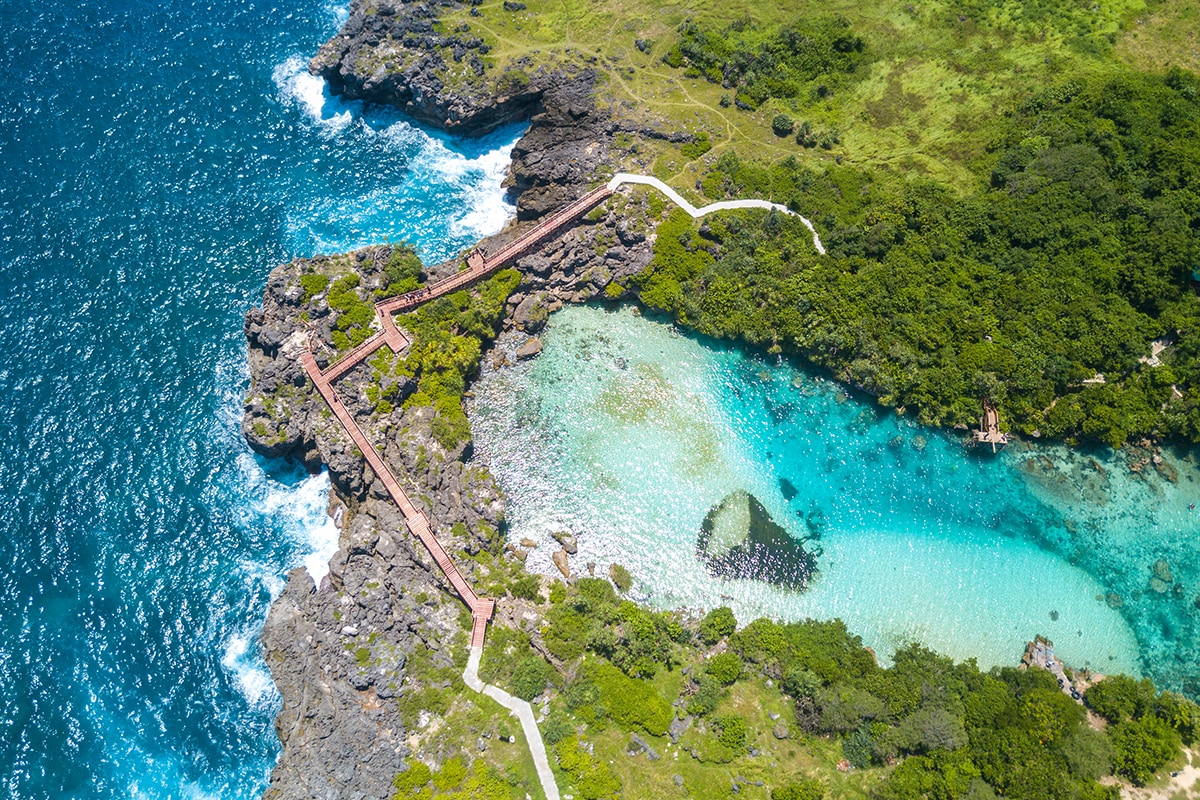
Weekuri is an unusual turquoise lagoon where seawater passes through gaps in coastal rocks. The scene changes with sunlight and tide. Though photographs can make it look like a sheltered swimming pool, the water is natural and depth and footing can vary. Paths, viewing platforms and small visitor facilities are described in official tourism material.
Visiting Tips
Stay on available paths and confirm whether swimming is permitted and suitable on the day. Sharp rocks and slippery areas require suitable footwear. A regional loop can also take in Mandorak Beach, where powerful surf calls for caution rather than casual swimming. Read our additional Sumba itinerary ideas before choosing a route.
The older claim that visitors can reach the lagoon only by foot or motorbike is not a permanent access rule; check current approach-road conditions with a local guide.
2. Ratenggaro: Traditional Houses Beside the Coast
Location: Southwest Sumba.

Kampung Ratenggaro is known for striking tall-roofed houses, an impressive coastal setting and ancestral stone-tomb traditions. The community’s heritage is living and evolving, not merely an open-air museum. The original post gave very exact numbers and ages for megalithic graves, but these should not be repeated as verified archaeological measurements without strong primary evidence.
Visiting Tips
Ask community representatives before entering compounds or photographing people, ceremonies and graves. Visitors may encounter local guidelines and contributions. The architectural features also appear in our guide to Indonesian traditional houses.
Respect residents’ privacy; arrange interpretation through a knowledgeable local guide rather than assuming every house or tomb is publicly accessible.
3. Bawana Beach: See the Rock Arch and Cliffs
Location: Southwest Sumba.
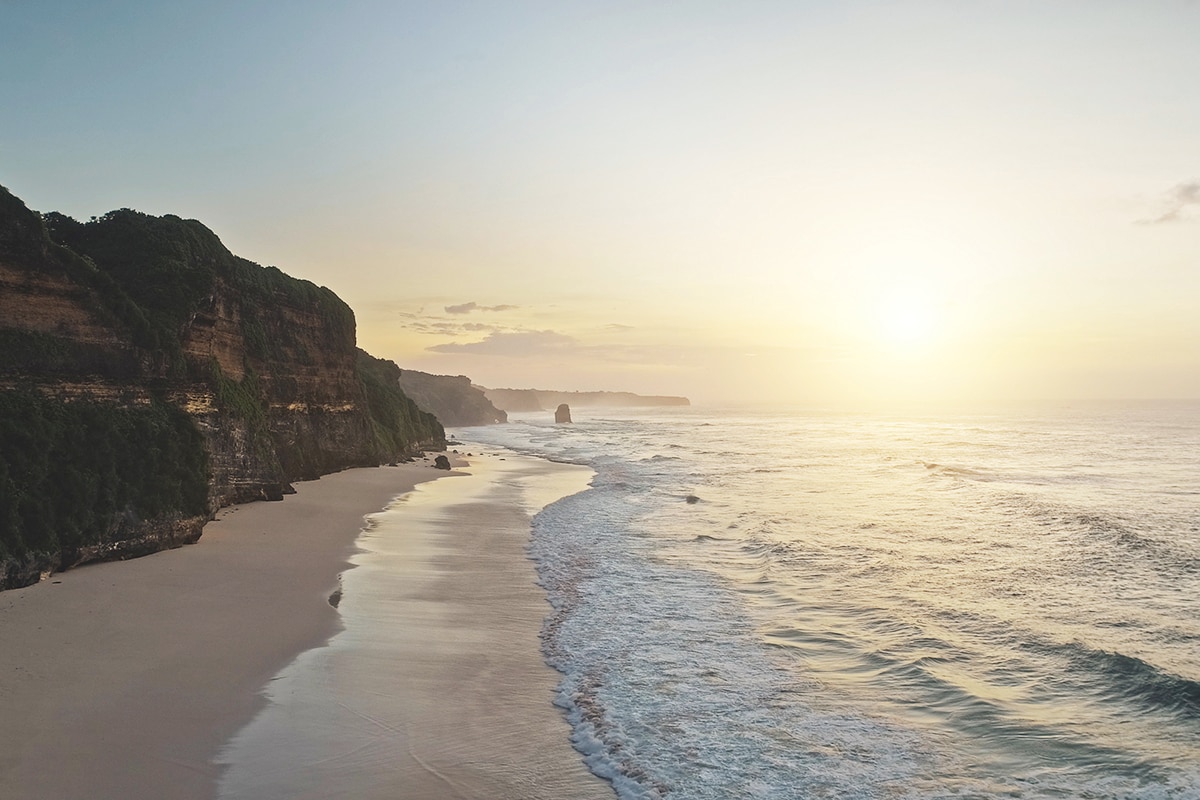
Bawana, sometimes written Mbawana, is associated with dramatic sea cliffs, a rocky coastal arch and white sand. It makes a memorable stop for landscape photography, but access down to the beach is subject to tides and safe trail conditions. The water can be rough even on a sunny day.
Visiting Tips
Official Indonesia Travel guidance advises arriving when the tide permits; when it is high, the Mareha Hill viewpoint offers a safer alternative. Never continue along a beach exit route as the tide rises.
If your priority is dramatic coastal scenery, compare other Indonesian nature-adventure ideas without turning this trip into an unsafe cliff scramble.
4. Waimarang Waterfall: A Cool East Sumba Escape
Location: East Sumba.
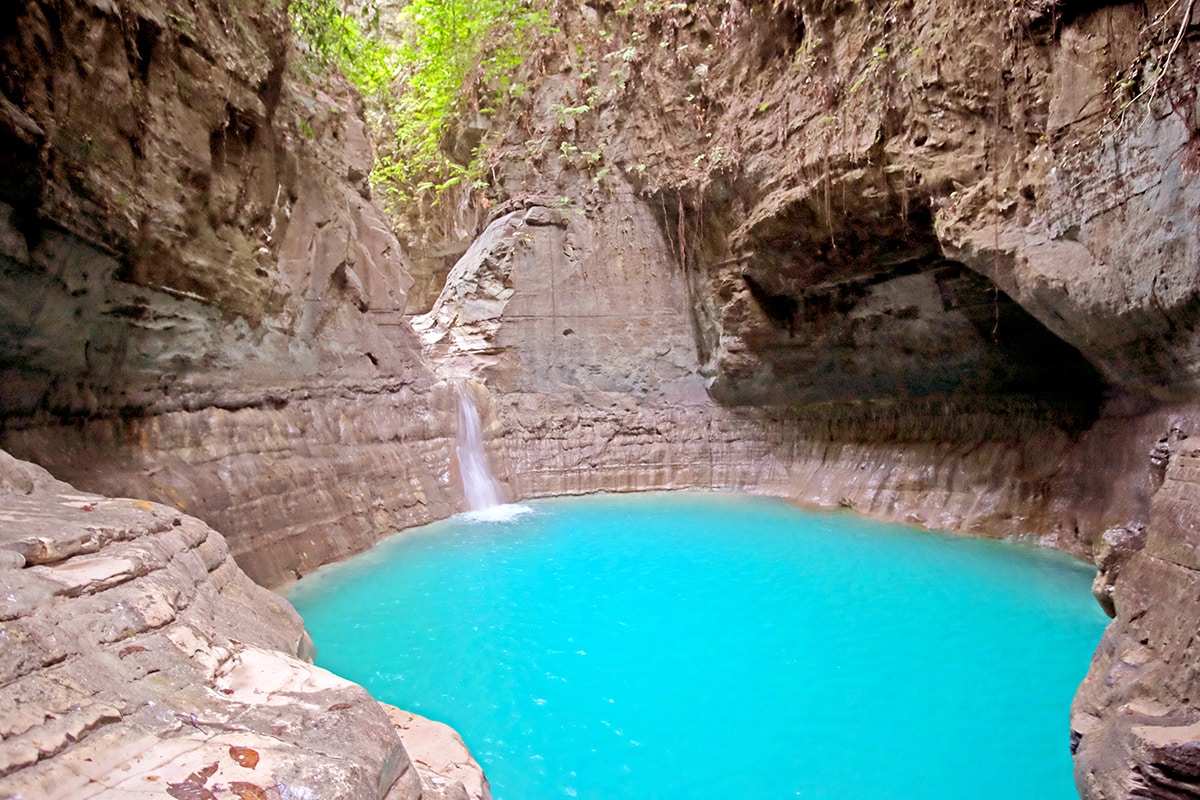
A greener landscape and a rock-lined waterfall pool make Waimarang a contrast to Sumba’s open savanna. Visitors should prepare for an unpaved approach, changing ground conditions and a walk back to the parking area. Descriptions of calm blue water cannot establish swimming safety after upstream rain.
Visiting Tips
Ask a local guide about current access, stream levels and restrictions before entering any water. Wet limestone and mossy steps may be slippery; closed shoes or grippy walking sandals are useful. Official Sumba itineraries include the site but are not a guarantee that it is open daily.
For waterfall comparisons across Indonesian islands, see our Lombok waterfall safety guide.
5. NIHI Sumba: The Former Nihiwatu Resort
Location: West Sumba.
The original article referred to Nihiwatu Resort. Its current public-facing brand is NIHI Sumba, an accommodation business on the scenic Nihiwatu coast. Official resort information describes villas, wellness, surfing and facilitated cultural experiences. These are operator-led experiences; do not assume resort facilities or access to the beach are freely available to non-guests.
Visiting Tips
Review the resort’s official website for booking conditions and available experiences. Sea activities are weather dependent. Verify current prices and inclusions directly rather than relying on any older resort award, package or social-media post.
For a different island-hopping journey, explore other experiences around Flores.
6. Walakiri Beach: Photograph Mangrove Silhouettes
Location: East Sumba.
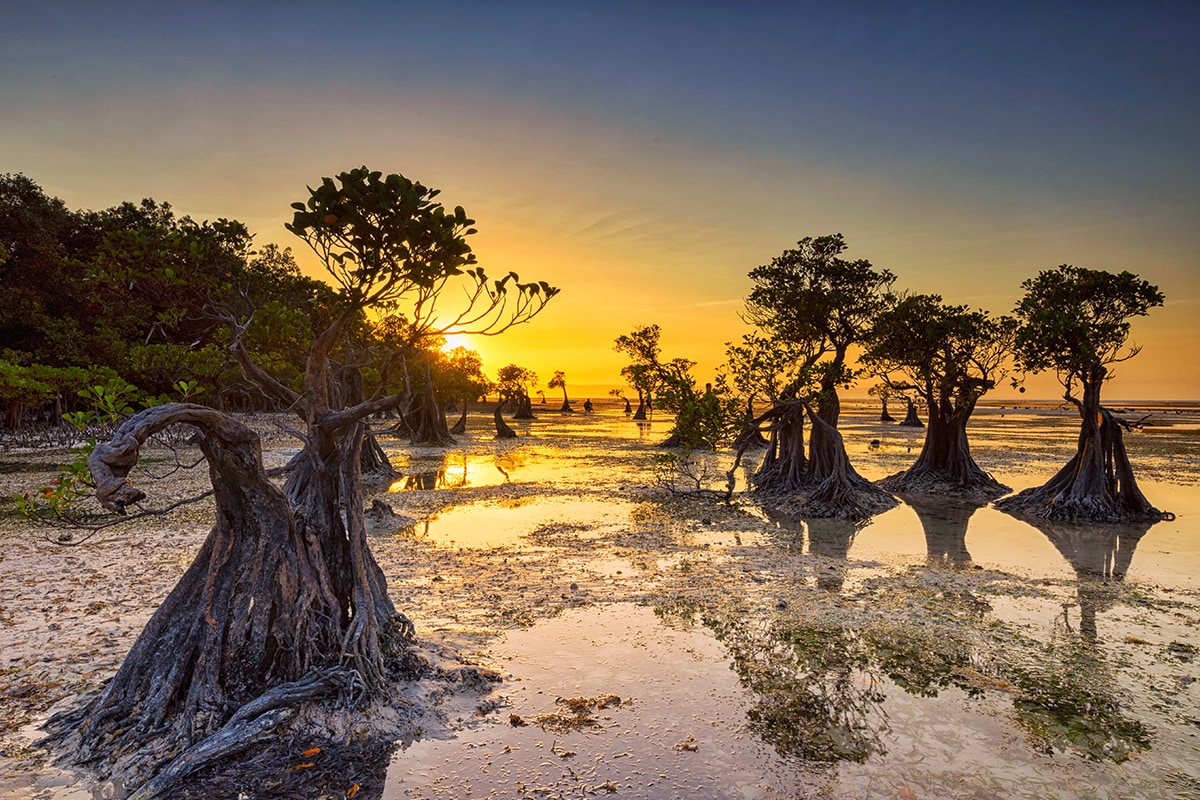
Walakiri is celebrated for mangrove silhouettes and tidal reflections, particularly near sunset and low tide. The trees are not props: they shelter coastal wildlife and help stabilise shorelines. Conditions change with the tidal cycle, weather and the health of the surrounding habitat.
Visiting Tips
Never stand on mangrove roots or bend branches to improve a photograph. Keep sufficient distance from seedlings and local restoration work. Swimming should not be presumed safe merely because the water looks shallow. The official East Nusa Tenggara overview includes Walakiri among Sumba attractions.
For more environmentally considerate choices, browse our responsible ecotourism guide.
Image by alistabernadeth93
7. Tanggedu Waterfall: View Its Layered Rock Formations
Location: East Sumba.
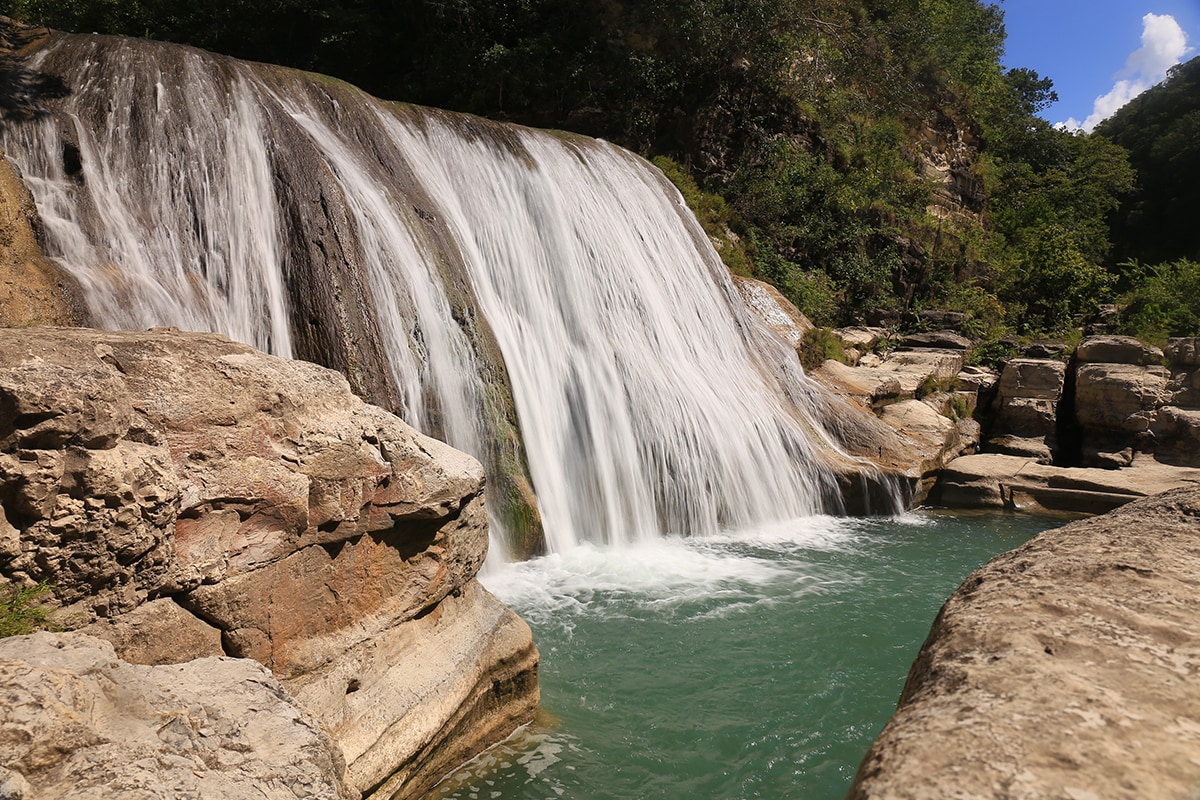
Tanggedu is an attractive river and waterfall landscape with striking layered rock formations. The former article confidently recommended rafting and tubing on the grounds that the water was not very deep. That is not a safe or reliable assessment of flowing water. Depth, turbulence, access and weather can all change.
Visiting Tips
Do not improvise a tubing trip on fast-moving water. Only participate in activities that are expressly permitted and run by competent local operators who assess conditions and supply safety equipment. After heavy rain, remain clear of the river and avoid crossing flooded stretches.
This is best treated as an outdoor viewing and guided-hiking stop unless actual activity conditions are verified. For more regional nature inspiration, read East Nusa Tenggara travel ideas.
8. Kampung Tarung: Learn About Weaving Heritage
Location: Waikabubak, West Sumba.
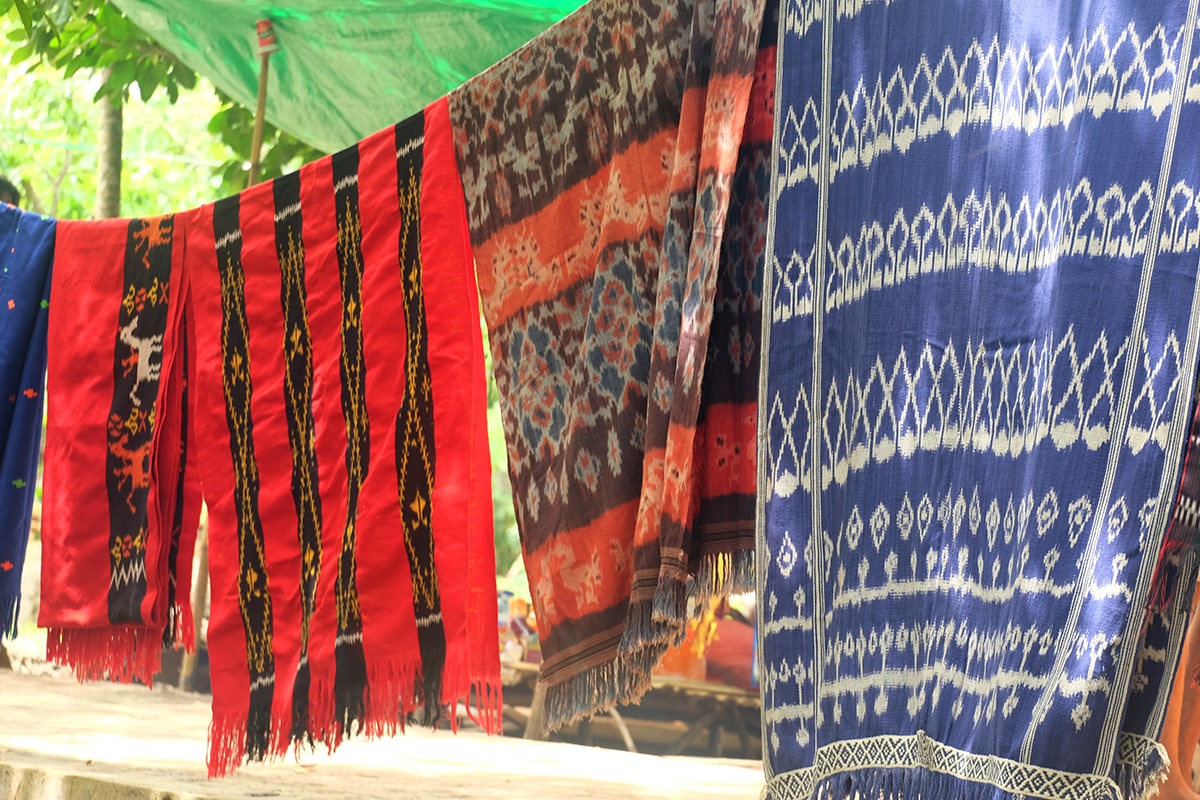
Kampung Tarung is a cultural settlement associated with Sumbanese traditions and handcrafted textiles. Ikat weaving requires knowledge of patterning and dyeing that takes time to develop. Motifs may relate to animals, ancestors and customary social values; meanings vary by community and individual artisan.
Visiting Tips
A community visit should be arranged respectfully, and a demonstration may not be available every day. Ask before entering homes or photographing weavers. Our Indonesian weaving village feature and traditional fabrics overview provide useful comparisons.
Buying directly from the maker, where possible, helps visitors appreciate the labour and provenance behind a textile.
9. Waikabubak: Markets, Crafts and Village Connections
Location: West Sumba.
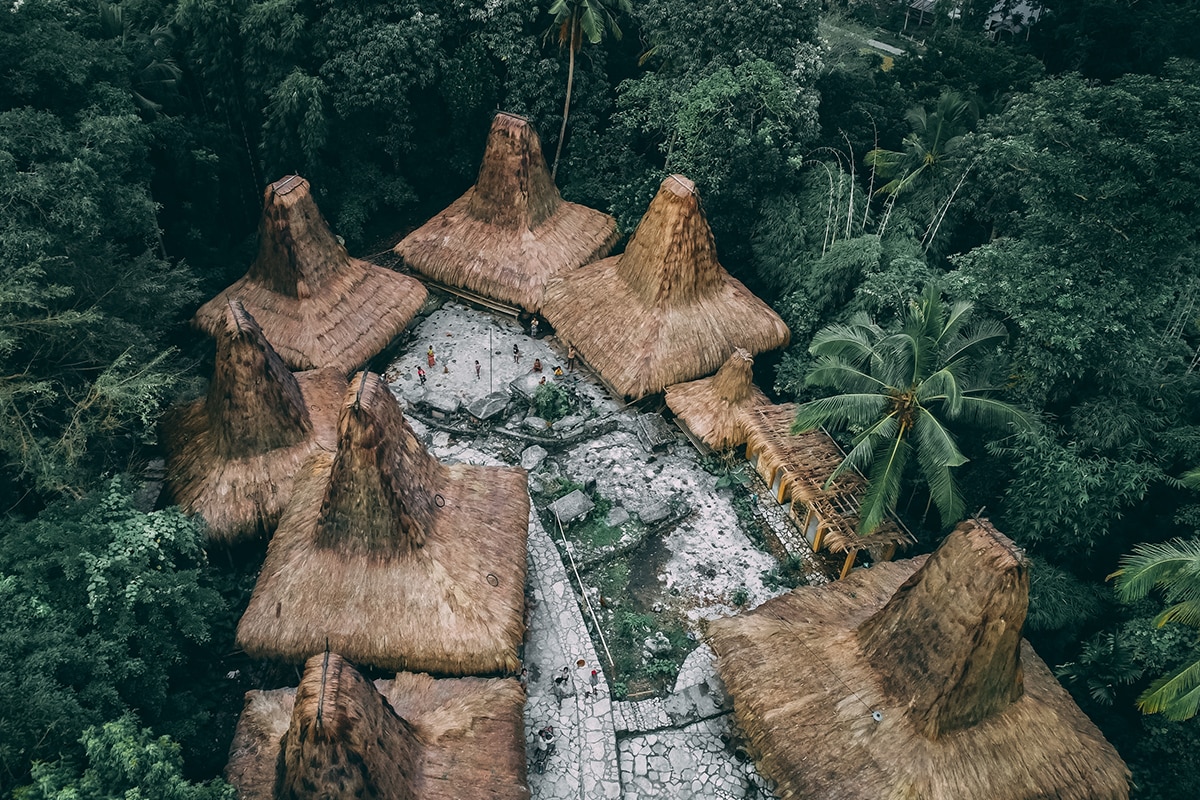
Waikabubak’s markets and workshops offer a way to see everyday commercial life and learn about regional crafts. Older guides mention the Inpres Market and woven textiles, but market arrangements, vendors and inventories can change. Not every item for sale is necessarily made in Sumba.
Visiting Tips
Ask vendors about materials and origin. For traditional woven textiles, pay attention to workmanship rather than seeking only the cheapest souvenir. Some traditional blades are sold as cultural items, but air-travel and customs restrictions apply. For further ideas see Indonesian craft centres.
If visiting nearby traditional houses such as Praijing, follow village-entry and photography rules. Our village travel guide explains why community-led tours matter.
10. Wairinding Hill: Rolling Savanna Near Waingapu
Location: East Sumba.
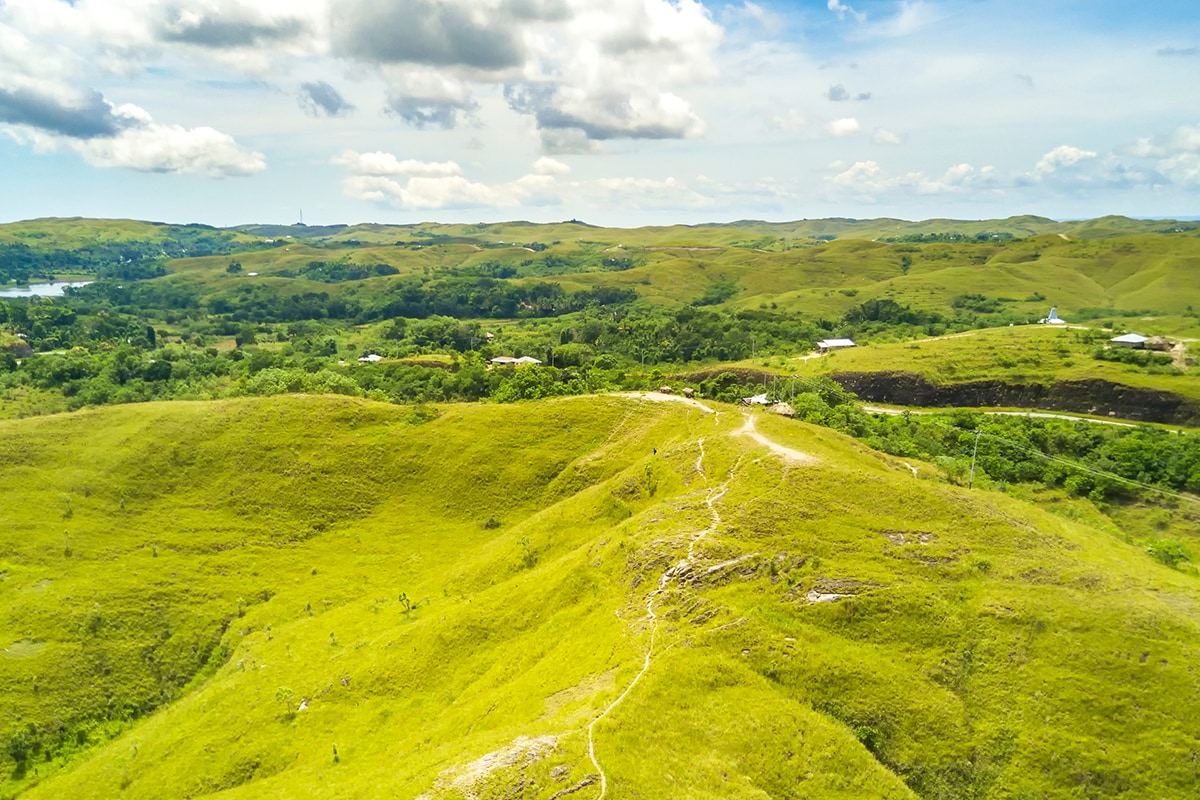
The undulating savanna of Wairinding changes from green during wetter periods to gold or brown when conditions are dry. A particular colour is never guaranteed on a specific calendar date. The setting is ideal for slower landscape photography and looking at the shape of the hills rather than scrambling to an unsafe viewpoint.
Visiting Tips
Bring water and sun protection and ask for the current route before driving onto rural tracks. The official Wairinding destination page discusses its shifting seasonal colours. Protect grasses, respect grazing animals and ask before photographing people.
An East Sumba route might also include Walakiri on a different part of the day. For a related coastal viewpoint itinerary see sunset spots in Labuan Bajo.
Image Source: Shutterstock
Plan a Sumba Trip That Works
Where Should You Base Yourself?
Tambolaka is a useful gateway for parts of the southwest, Waikabubak for West Sumba cultural stops, and Waingapu for East Sumba landscapes. Group neighbouring attractions into a day’s route. For nature-oriented alternatives on a separate island journey, consider Lombok escapes or Komodo National Park.
How Much Time Do You Need?
Four or five days allow one or two geographic clusters with reasonable travel time. A week or more creates space for both the southwest and the east, assuming suitable road conditions and flights. Avoid copying precise times from old promotional articles; construction and weather can change the drive substantially.
When to Visit Sumba
The hills often look greener after rain and more golden during drier periods. The scenic differences are part of the appeal, but heavy rainfall increases waterfall and track risks. When planning rural journeys check BMKG forecasts and warnings and ask a local operator about the particular route.
Safety and Community Etiquette
- Use a knowledgeable local driver or guide for unfamiliar roads, especially after dark.
- Ask before photographing people, rituals, grave sites and household compounds.
- Stay out of flood-prone rivers, rough surf and closed coastal paths.
- Carry drinking water, suitable shoes, sun protection and offline directions.
- Never climb mangrove trees or disturb breeding areas for photographs.
- Pay local guides fairly and verify entry and activity requirements directly.
Frequently Asked Questions
Is Weekuri a Freshwater Lake?
No. It is a coastal saltwater lagoon influenced by seawater through the surrounding rock.
Can Visitors Swim at Tanggedu or Waimarang?
Only where activities are permitted and conditions have been professionally assessed. Flowing water and plunge pools can become dangerous even when photographs look inviting.
Is Nihiwatu Resort Still Called Nihiwatu?
The present resort brand is NIHI Sumba. Confirm current experiences and guest access through its official website.
Is Wairinding Green All Year?
No. Its appearance varies with rainfall and seasonal vegetation conditions.
Sources and Further Information
- Indonesia Travel — Sumba Route and Access
- Indonesia Travel — East Nusa Tenggara Tourism
- NIHI Sumba — Resort’s Official Website
- Indonesia Travel — Wairinding Hill
- Original source URL as published in the earlier article
For more travel inspiration, follow iseeindonesia.com.