Choosing more responsible accommodation in Indonesia requires more than finding a resort surrounded by trees. A hotel may claim to conserve water, support local staff or avoid plastic, but travelers should look for recent evidence, transparent reporting and credible independent assessment.
This guide revisits seven hotels once described as ‘green’ across Jakarta, Yogyakarta, Solo, Bali and Lombok. Their current environmental performance and certification status cannot all be independently verified; the list is intended to help you ask better questions, not to imply all seven hold recognized sustainability certification. Learn more about responsible travel activities.
7 Indonesian Hotels to Research for Environmentally Mindful Travel
1. Hotel Borobudur Jakarta
The central Jakarta hotel has landscaped grounds and a long hospitality history. Gardens and nearby cultural attractions can make a convenient urban stay, but greenery alone does not establish independent sustainable-hotel certification. For related regional planning, see Jakarta hotels and Jakarta heritage stops.
Sustainability Questions to Ask
Ask the hotel for current data about energy use, waste, water-saving systems and environmental certification before labeling it green.
2. Greenhost Boutique Hotel Yogyakarta

Greenhost’s official sustainability page is unusually specific, outlining materials reuse, greywater treatment, recycling, local procurement and efforts to reduce single-use plastic. It reports recognition among top sustainable hotels at the Wonderful Indonesia Awards 2025. For related regional planning, see Yogyakarta travel experiences and local craft businesses.
Sustainability Questions to Ask
These are published operator claims and awards, not automatic proof of GSTC-accredited third-party certification. Confirm live details with the hotel.
3. Rumah Turi Green Boutique Hotel, Solo
Rumah Turi has long been associated with an intimate greenery-focused hospitality concept in Surakarta. Cultural design and a compact footprint may appeal to travelers seeking a different hotel style. For related regional planning, see Solo’s accommodation options and Indonesian architecture.
Sustainability Questions to Ask
Verify that the property is currently accepting bookings, and request actual environmental performance evidence rather than relying on the historic ‘first green hotel’ claim.
4. The St. Regis Bali Resort
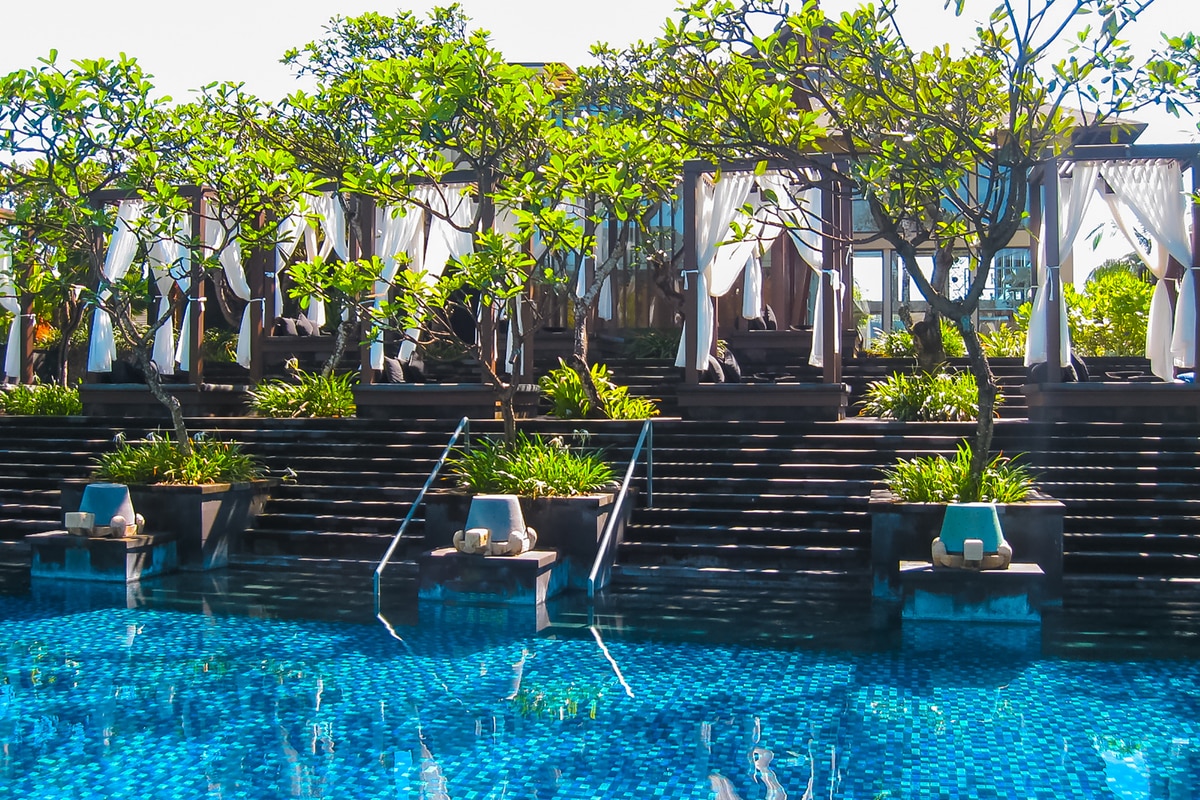
This luxury property in Nusa Dua offers beach access and extensive resort facilities. Environmental responsibility in an upscale property should be measured through energy, water, labor, sourcing and conservation practices rather than marketing descriptions of a spa. For related regional planning, see other Nusa Dua hotels and Bali’s seasons.
Sustainability Questions to Ask
Ask for specific current certifications, audited metrics and beach-management information; certifications must be independently checked.
5. Soori Bali
Soori is a design-led resort in Tabanan surrounded by rice fields and coast. Historic materials mention sustainability measures and design standards, but an award or design claim from past years does not verify current certified status. For related regional planning, see Bali cultural experiences and Bali artisan markets.
Sustainability Questions to Ask
Check the property’s latest operator reports, sourcing practices, coastal impacts and certification registry before calling it independently certified.
6. Capella Ubud, Bali
Capella Ubud’s tented accommodation in a forested setting makes for a memorable design experience. A lush setting is not the same as proving low emissions or biodiversity benefits; luxury tented resorts still use resources. For related regional planning, see design-led Bali hotels and Bali nature excursions.
Sustainability Questions to Ask
Ask how the hotel manages wastewater, electricity, local employment and sensitive habitats. Follow local rules for forest safety.
7. Former Kila Senggigi Beach Hotel, Lombok
The article originally used the older Kila Senggigi branding. Historic hotel names can change, so they are unreliable booking directions without identifying the present operator and management. For related regional planning, see Lombok travel ideas and Gili Islands accommodation.
Sustainability Questions to Ask
Treat the hotel as a historic listing until current operating status, brand and sustainability claims are independently verified.
How to Identify Credible Sustainable Accommodation
Look for Independent Certification
The Global Sustainable Tourism Council explains that independent certification by an accredited certification body provides stronger assurance than self-assessment. Ask for the certification body’s name, the standard applied, the certificate expiry date and a publicly verifiable record. There is no universal rule that a resort with ‘eco’ in the name is certified.
Evaluate the Full Environmental and Social Picture
Water treatment, waste management and energy consumption are important, but so are workers’ rights, cultural respect, biodiversity, local sourcing and resident benefits. A resort can excel in one area and need improvement in another.
Support Community Enterprises
Choose guides and restaurants run locally when practical, and respect village and conservation regulations. For ideas beyond accommodation, explore other scenic stays and community-oriented villages.
Questions to Ask Before Booking a Green Hotel
Is Sustainability Independently Verified?
Ask the property for the name of any recognized standard and the accredited certification body responsible for assessment. A past award, membership logo or environmental policy statement does not have the same evidential strength as an active third-party certificate. If the property claims GSTC-based certification, confirm what was certified, for which site and during which dates. Hotels without formal certification may still take meaningful steps, but their claims should be evaluated on their merits.
How Does the Property Use Water and Energy?
Air-conditioning, laundry and pools can make accommodation resource-intensive. Look for specific action such as greywater management, metered resource use, renewable electricity procurement or meaningful efficiency improvements. Ask whether the hotel reports results over time rather than only listing future plans. In water-stressed regions, landscaping and guest amenities may be particularly important to evaluate.
Do Local Communities Benefit?
Responsible tourism includes employment conditions, fair wages, local sourcing and respect for local culture. A hotel that purchases handicrafts or produce from neighboring businesses may provide benefits beyond its property, although evidence still matters. Ask whether tour experiences are conducted with communities’ agreement, and whether the property has a clear process for responding to local concerns.
How Can Guests Reduce Their Own Impact?
Reuse towels when practical, avoid unnecessary linen changes, limit food waste and refill water bottles at safe refill stations. Respect coastal habitats and do not remove coral or shells. Choose tours operated responsibly. These actions can complement, but do not replace, the environmental responsibilities of the accommodation provider.
Frequently Asked Questions
Are these seven hotels all GSTC certified?
That has not been established. Each hotel’s current certification must be checked separately.
Does Greenhost publish specific sustainability measures?
Yes. Its official sustainability page provides detailed claims about materials, water reuse, waste and sourcing.
Is a hotel surrounded by rainforest automatically eco-friendly?
No. Resource use, habitat effects and community outcomes must also be considered.
External References
Greenhost Hotel’s sustainability reporting; Global Sustainable Tourism Council’s certification guidance; Indonesia Travel.
Archived Image Credits
The original article credited photography or image sources including Capellaubud. These attributions reflect the archived content and do not imply current endorsement or transfer of image rights.
Explore thoughtful Indonesia trips at iseeindonesia.com.