What makes Yogyakarta special is the contrast. One day might begin with mist over ancient temples, continue with sweet jackfruit stew and live gamelan, and end on a vibrant city street. Another might take you into Gunungkidul’s rugged coastline or toward the dramatic foothills of Mount Merapi. For international visitors, the best trip combines these experiences without underestimating the distances between them.
Here are 15 memorable things to do in and around Yogyakarta, based on the destinations and traditions that have made the region famous. We’ve updated the advice for 2026, including temple ticket types, seasonal displays, health claims, changing attraction schedules and the serious safety rules for the southern beaches and Mount Merapi.
15 Unforgettable Experiences in Yogyakarta, Central Java and Gunungkidul
1. Watch sunrise near Borobudur Temple
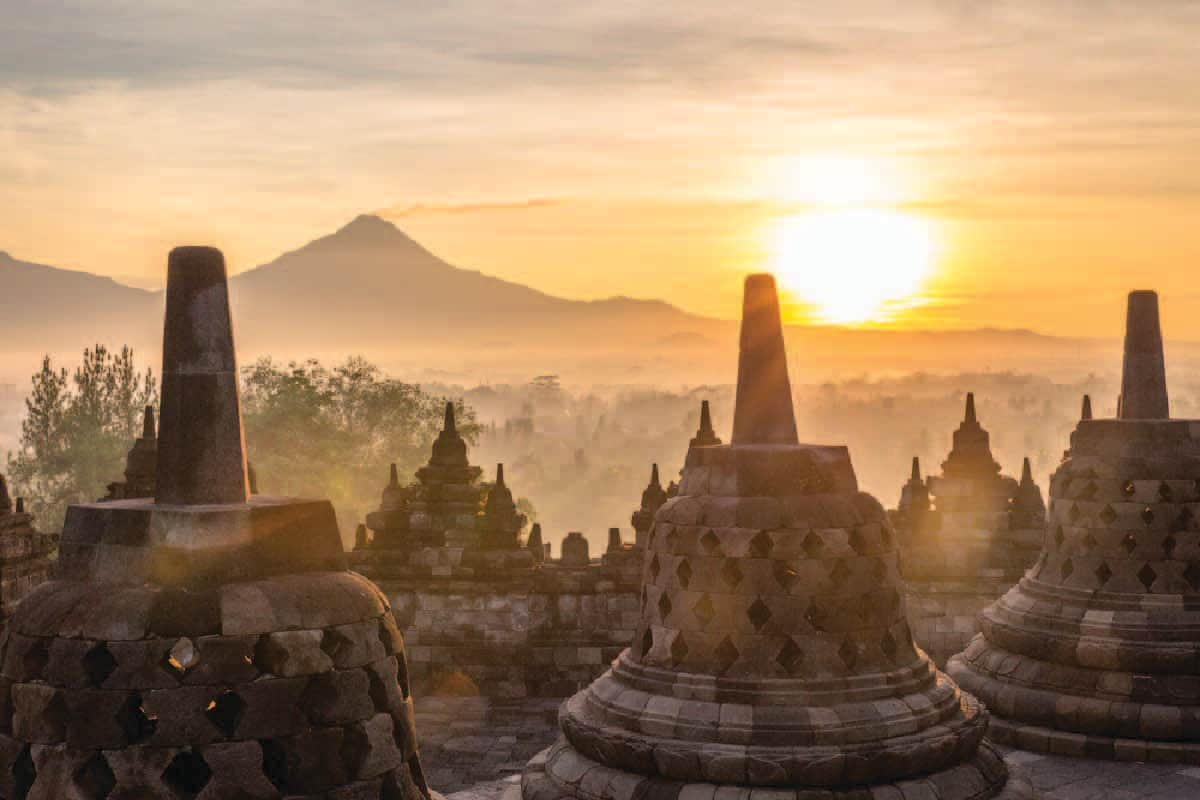
The broad valley around Borobudur is one of Central Java’s most memorable early-morning landscapes. Look for a legally accessible viewpoint, including some elevated areas around the temple, to watch soft light spread across misty hills and volcanic silhouettes. Do not assume that a sunrise viewpoint ticket includes access to climb the monument: the official operator sells separate temple-ground and temple-structure admissions, with visitor conditions that depend on the chosen product.
Tips for First-Time Visitors
Book well ahead during peak holiday periods and check the opening arrangements for your actual date. Borobudur lies in Magelang, Central Java, outside the Yogyakarta city boundary, so transport needs planning. For other sunrise ideas, see our guide to beautiful Borobudur-area viewpoints. The official ticket platform is InJourney Destination’s ticket website.
2. Explore Watu Lumbung’s wild coastal landscape
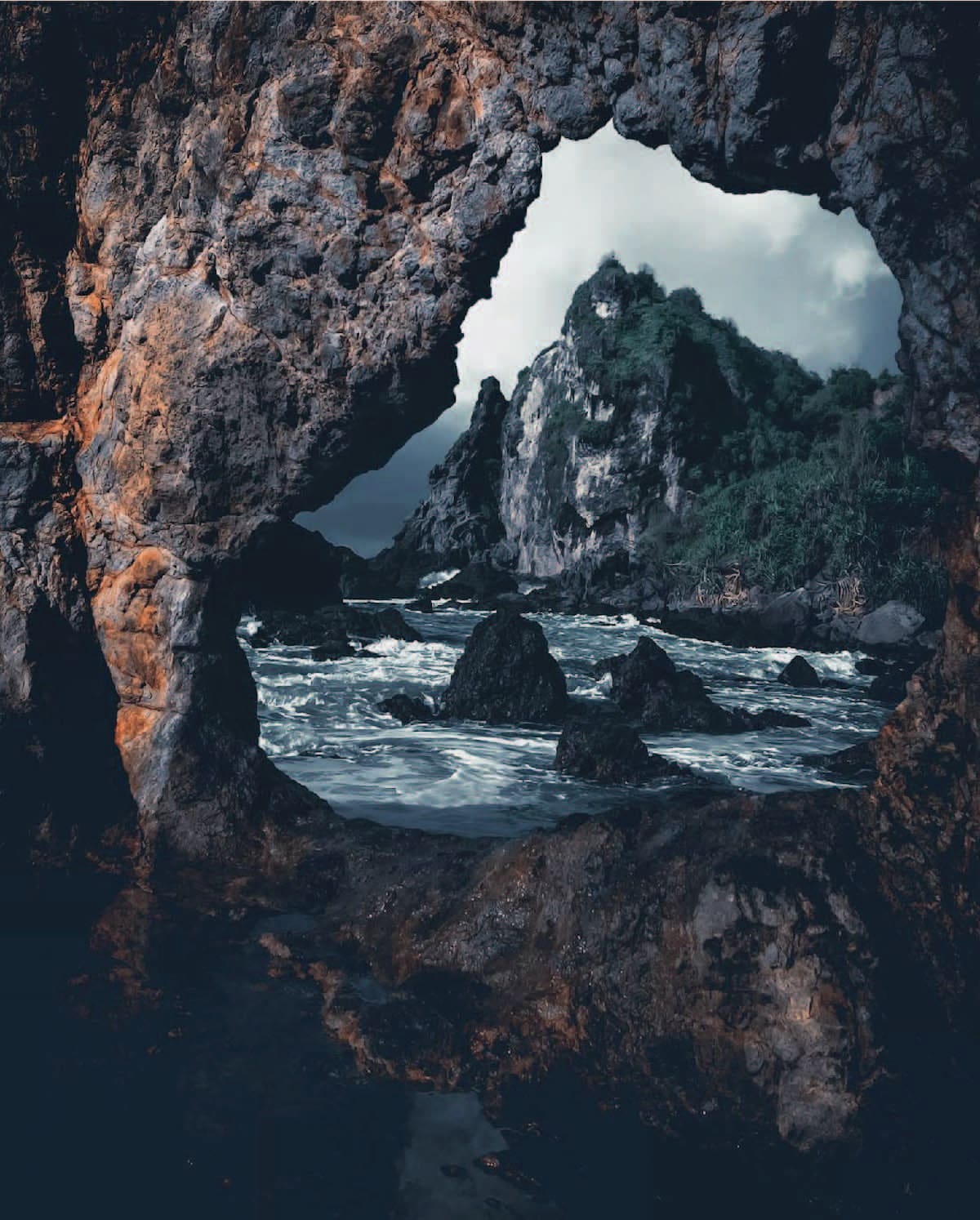
Original photo credit: Image by asmasyarief
Watu Lumbung is a rocky section of the southern Gunungkidul coast, valued for sea stacks and dramatic coastal scenery rather than a broad, easy swimming beach. Its rough terrain and relatively remote location suit travelers who love photography and are comfortable walking carefully. Arrive during daylight and check local guidance on trail access and tides; slippery rocks become hazardous when waves rise.
Tips for First-Time Visitors
This is a location for admiring the ocean from a safe distance. Do not climb sea stacks or step onto wave-washed ledges for a photograph. Travelers looking for a very different Indonesian shoreline can explore the nature-led destinations in our Java and Bali parks guide.
3. Enjoy the scenery at Wediombo Beach
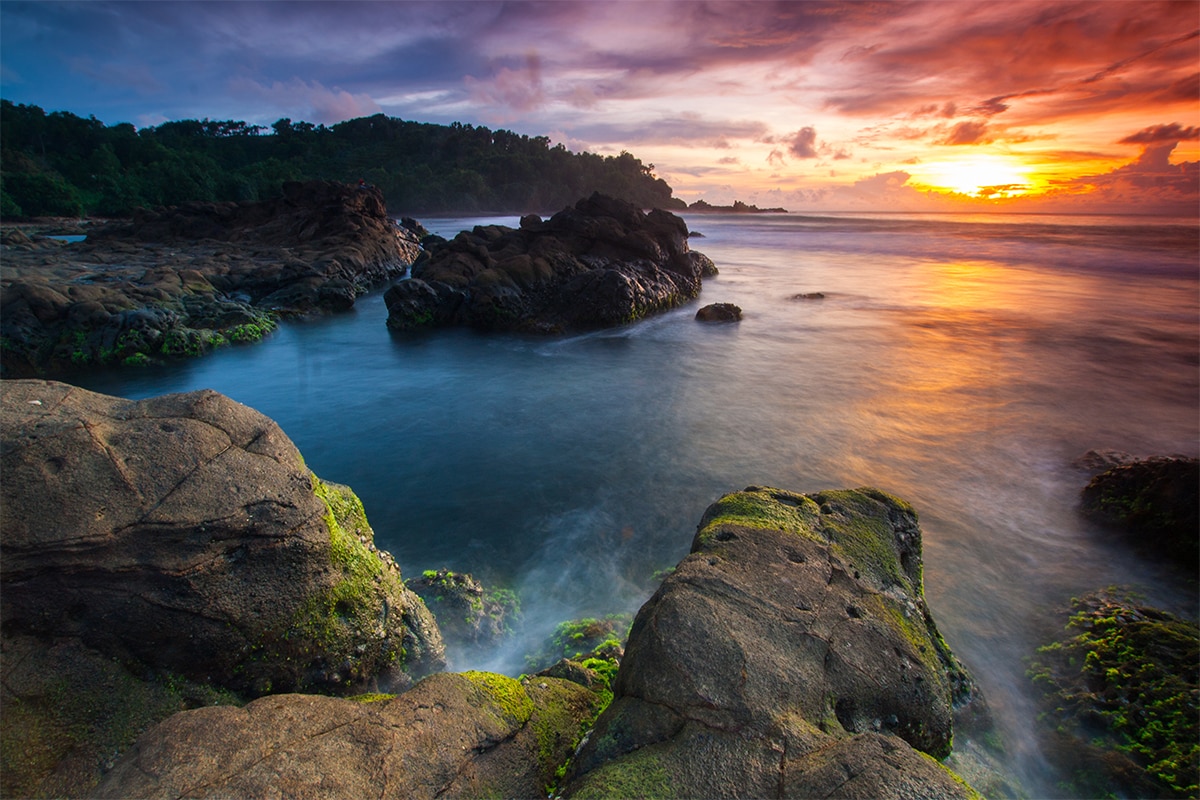
Wediombo, another Gunungkidul coastal destination, is known for its expansive bay, rock formations and surf. It can make a rewarding beach afternoon with seafood and photography. Some sources describe a natural rock pool, but that does not make the open sea safe for swimming. Yogyakarta’s official tourism agency specifically cautions that the surf in Wediombo’s sea is powerful and swimming there is prohibited.
Tips for First-Time Visitors
Check tide and weather conditions, follow lifeguards and local restrictions, and never treat a picturesque tidal pool as risk-free. Avoid promising snorkeling, surfing lessons or equipment hire unless today’s operator confirms them. See Yogyakarta Tourism’s Wediombo safety information.
4. Seek seasonal flower displays around Samas
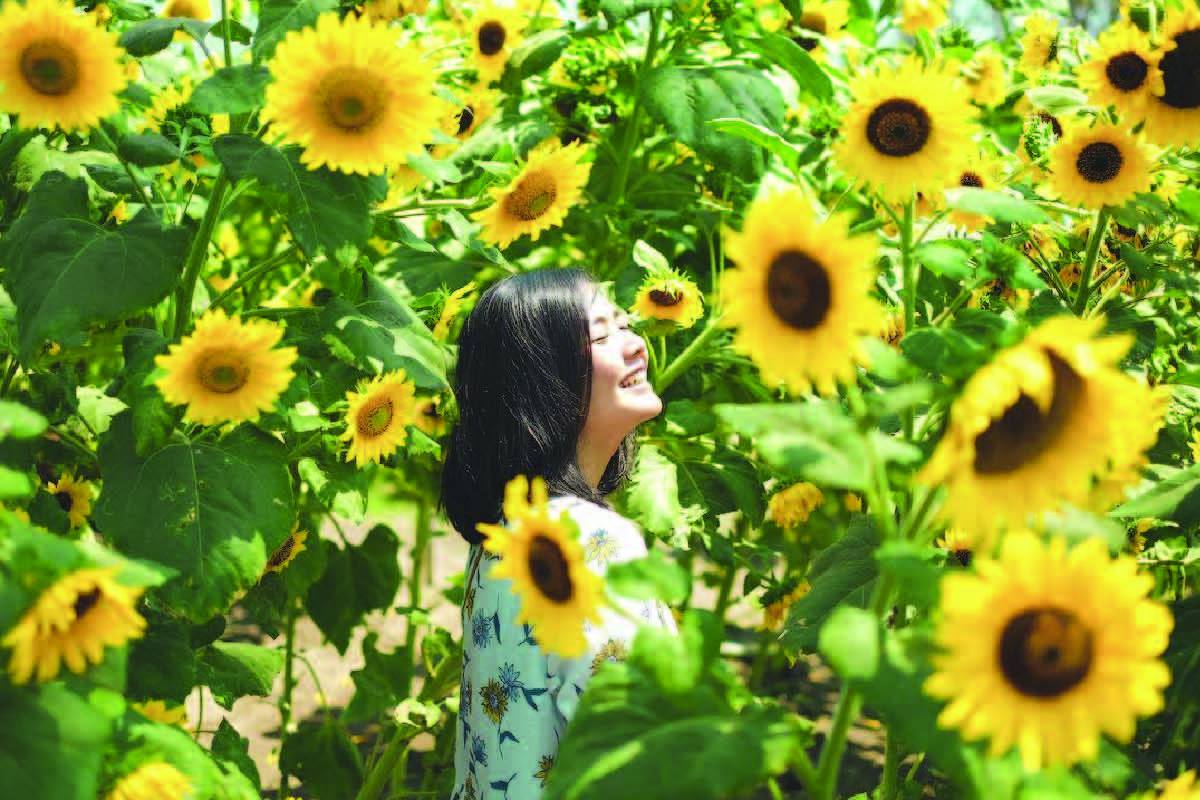
Original photo credit: Image by ajengkp
Samas is a coastal area in Bantul with agricultural landscapes that have occasionally supported attractive sunflower photo fields. Those flower displays are seasonal, and some were created for temporary visits rather than permanent attractions. An old photo of a golden field does not mean the flowers will be in bloom when you arrive.
Tips for First-Time Visitors
Ask local tourism or farm operators which fields are open, whether photography is permitted, and what stage the plants have reached. If nothing is blooming, use the trip as a coastal sightseeing detour rather than expecting a fixed selfie attraction. For a different kind of photogenic Indonesian environment, see our villages for nature travel.
5. Look toward Mount Merapi from Klangon Hill—only if access is permitted
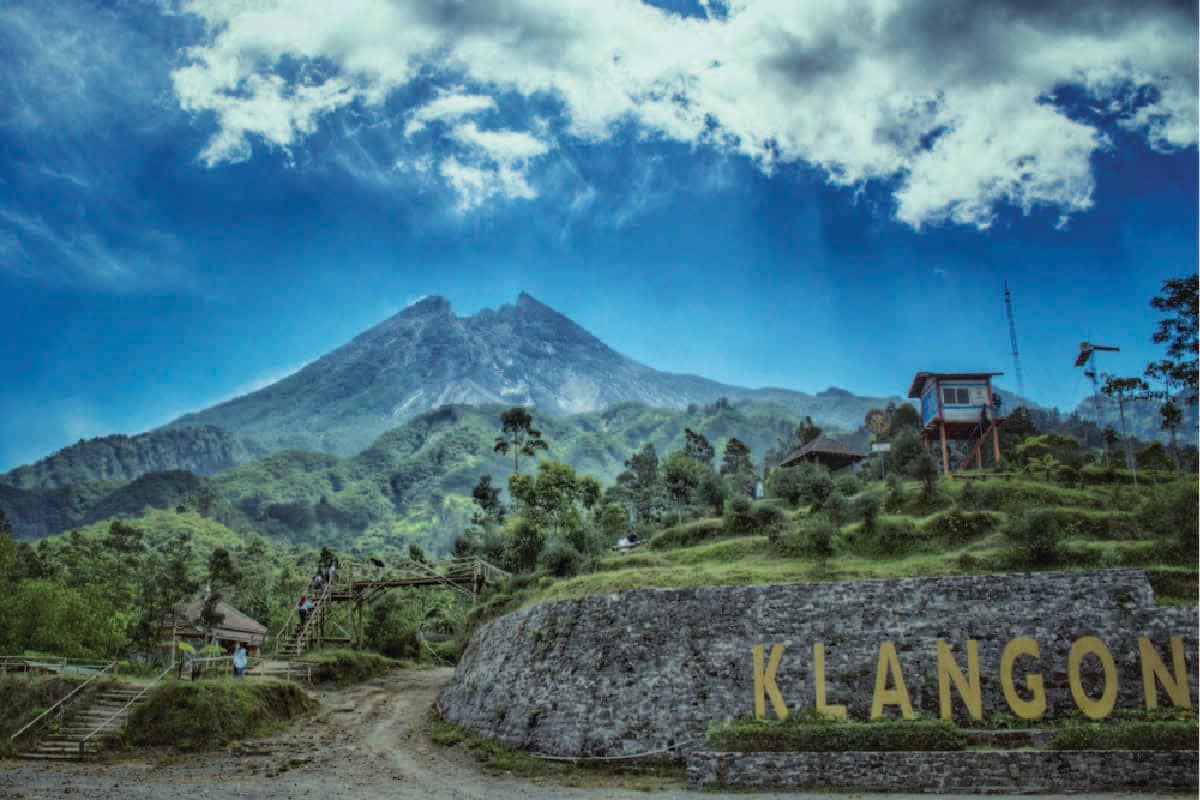
The mountain views around Bukit Klangon are a reminder that Yogyakarta’s landscape is shaped by an active volcano. On clear mornings, authorized viewpoints can offer striking photography opportunities. Clouds, rain, volcanic ash, road closures and hazard-area restrictions may prevent a visit. Never treat an older travel itinerary as a reliable guide to which approach roads or trails are open today.
Tips for First-Time Visitors
Check MAGMA Indonesia and PVMBG alerts before departing, then follow local authorities and the attraction operator. Do not enter restricted slopes, river channels or high-risk valleys. Families may prefer the lower-slope attractions discussed in our Kaliurang family guide.
6. Discover the Gedangsari Green Village landscape
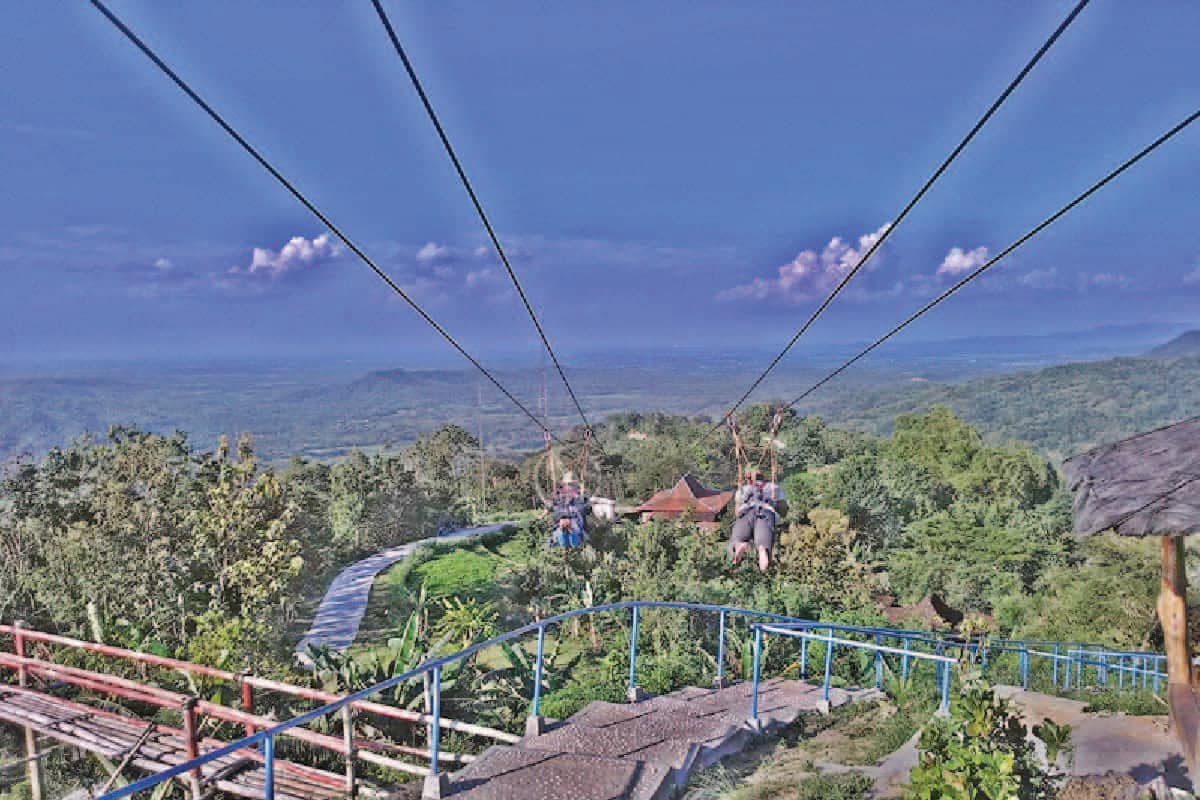
Original photo credit: Image by http://gunungkidul.sorot.co
Gedangsari lies among Gunungkidul’s hills, where rural views can be as enjoyable as any theme-park attraction. Historical coverage of its long flying-fox zipline made the location famous, but a past claim about its length or record status is not proof that the ride remains open. Treat the adventure component as conditional.
Tips for First-Time Visitors
Before booking a trip specifically for the zipline, contact a current local operator to confirm that equipment has been inspected, staff are trained, weather is suitable and age or weight rules allow you to ride. You can still appreciate the district’s scenic roads and village atmosphere even if no ride is running. For other outdoor alternatives, browse Indonesia’s glamping destinations.
7. Try gudeg, Yogyakarta’s signature jackfruit dish
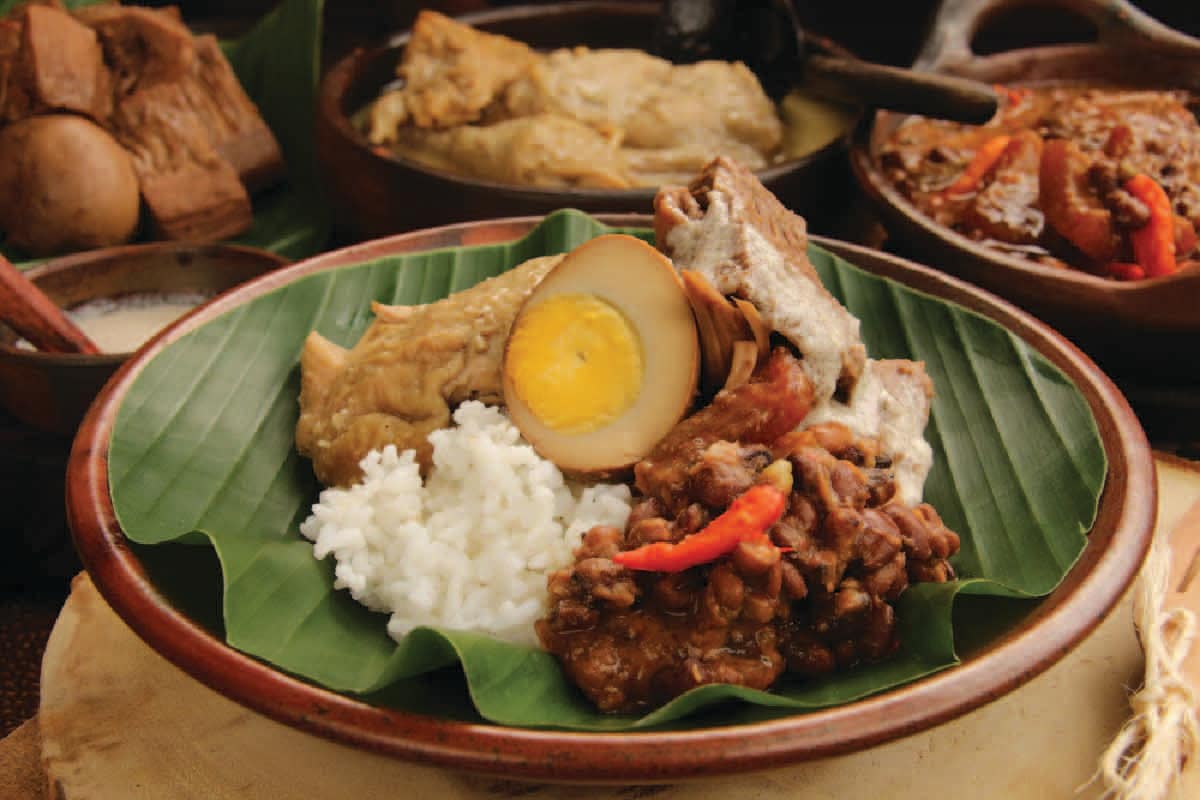
Gudeg is one of the city’s defining foods. Young jackfruit is cooked slowly with coconut milk, palm sugar and fragrant spices until it becomes tender and deeply flavored. Typical accompaniments include rice, chicken, eggs, tofu or tempeh, and a savory or spicy sambal krecek preparation. Some versions taste sweeter than others, and different stalls offer their own family recipes.
Tips for First-Time Visitors
For vegetarian travelers, ask specifically about accompanying meat stock or animal-based side dishes, not just whether the jackfruit itself is plant-based. Local breakfast and dinner stalls both serve gudeg, but opening hours vary. For more dining ideas in town, use our Yogyakarta food and gathering guide.
8. Taste jamu and learn about herbal wellness traditions

Jamu is a diverse Indonesian tradition of drinks and preparations made from plant ingredients such as turmeric, ginger and tamarind. The cultural practice includes recipes passed between generations, and was inscribed on UNESCO’s Representative List in 2023. A glass of jamu can be a fascinating introduction to the flavors and history of Indonesian wellness.
Tips for First-Time Visitors
Enjoy it as part of local food culture, but avoid claims that jamu guarantees immunity or cures illnesses. If you have allergies, are pregnant or take medications, discuss herbal products with a qualified clinician rather than assuming natural ingredients are harmless. Learn about herbal beauty shopping in Bali and refer to UNESCO’s jamu heritage decision.
9. Watch a wayang kulit show and meet the characters
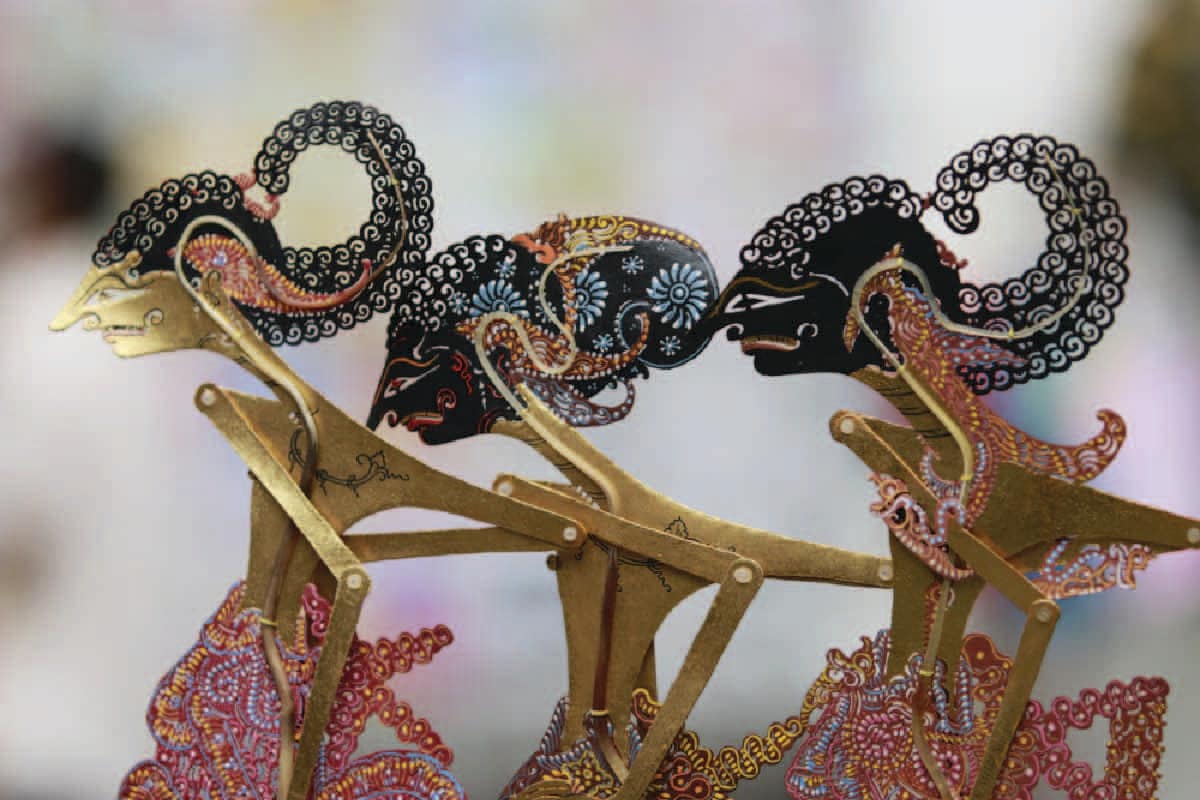
The silhouettes of Javanese leather puppets, an expressive dalang and the layered sound of gamelan make wayang kulit an extraordinary introduction to Indonesian storytelling. A short museum performance may be more practical for first-time visitors than a traditional all-night show. Check the current program: not every performance features the same epic or character.
Tips for First-Time Visitors
A little preparation makes the show richer. Read our retelling of Gatotkaca and Aji Narantaka and our wider introduction to shadow-puppet traditions of Java and Bali. When shopping for a puppet, ask whether the piece was hand-carved and whether it is a performance instrument or a decorative souvenir.
10. Listen to gamelan music
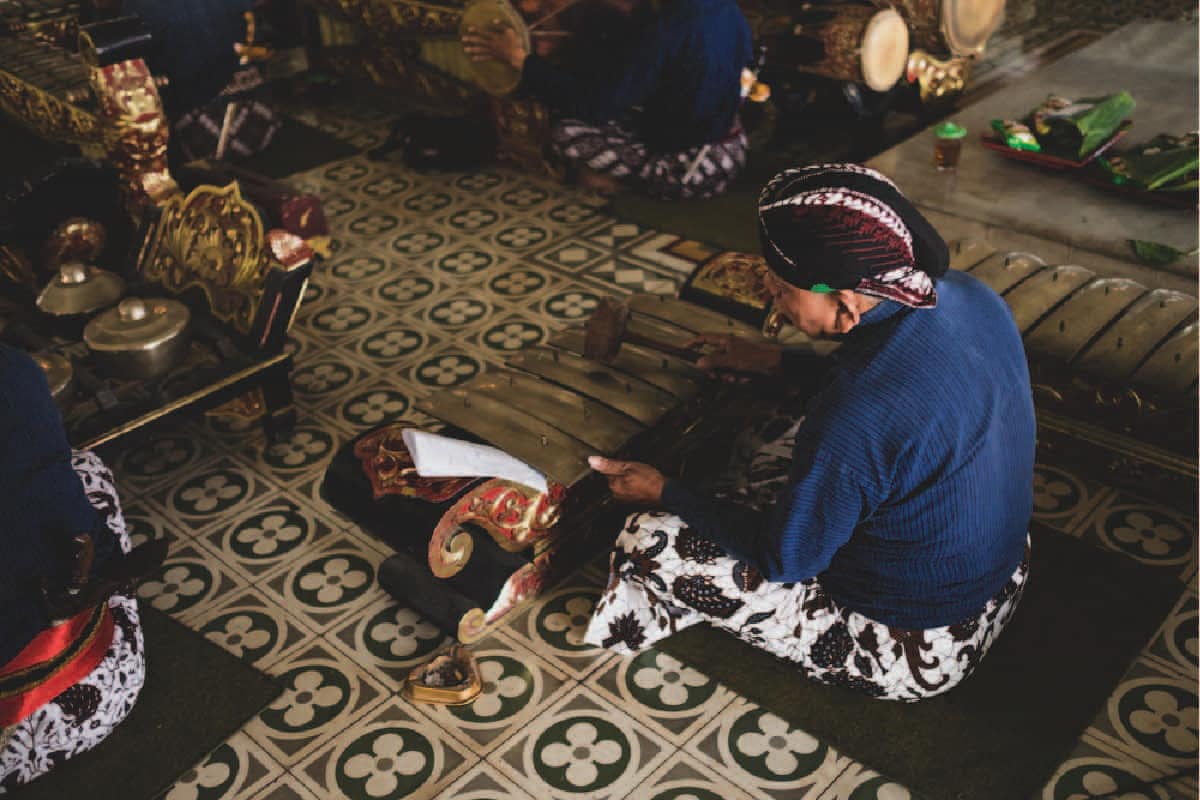
Gamelan is an ensemble tradition in which metallophones, gongs, drums and other instruments interact through distinctive patterns and cycles. Hearing it live reveals the subtleties that a short recording rarely communicates. It accompanies some puppet, court and dance productions, although particular ensembles and instruments vary by region.
Tips for First-Time Visitors
UNESCO inscribed gamelan on the Representative List in 2021, recognizing the knowledge shared through makers, musicians and communities. If a studio offers a participatory session, handle instruments only when invited. Continue your cultural exploration in our guide to Indonesian musical instruments and UNESCO’s gamelan entry.
11. See the Ramayana Ballet near Prambanan
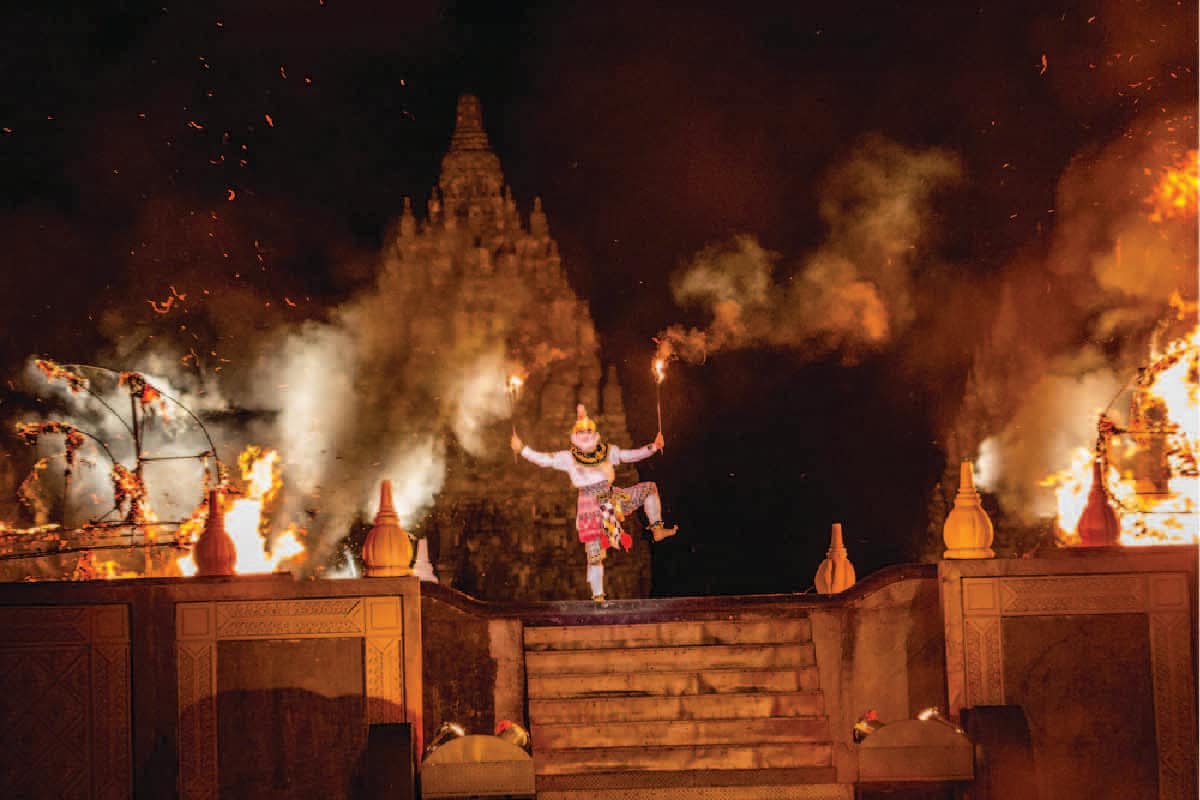
Prambanan is an extraordinary Hindu temple complex east of Yogyakarta, while staged Ramayana performances bring an epic tale to life through movement, music and theatrical expression. Depending on the event calendar and conditions, productions may use indoor or outdoor settings; the familiar open-air Prambanan backdrop is not guaranteed for every date.
Tips for First-Time Visitors
Visit the temple and a performance as two separately planned experiences, checking the exact entry products and schedules rather than assuming a combined ticket. Official information is available through the Borobudur and Prambanan operator. Travelers interested in other dramatic traditions can read our guide to Bali’s Kecak dance.
12. Try local snacks along Jalan Kaliurang
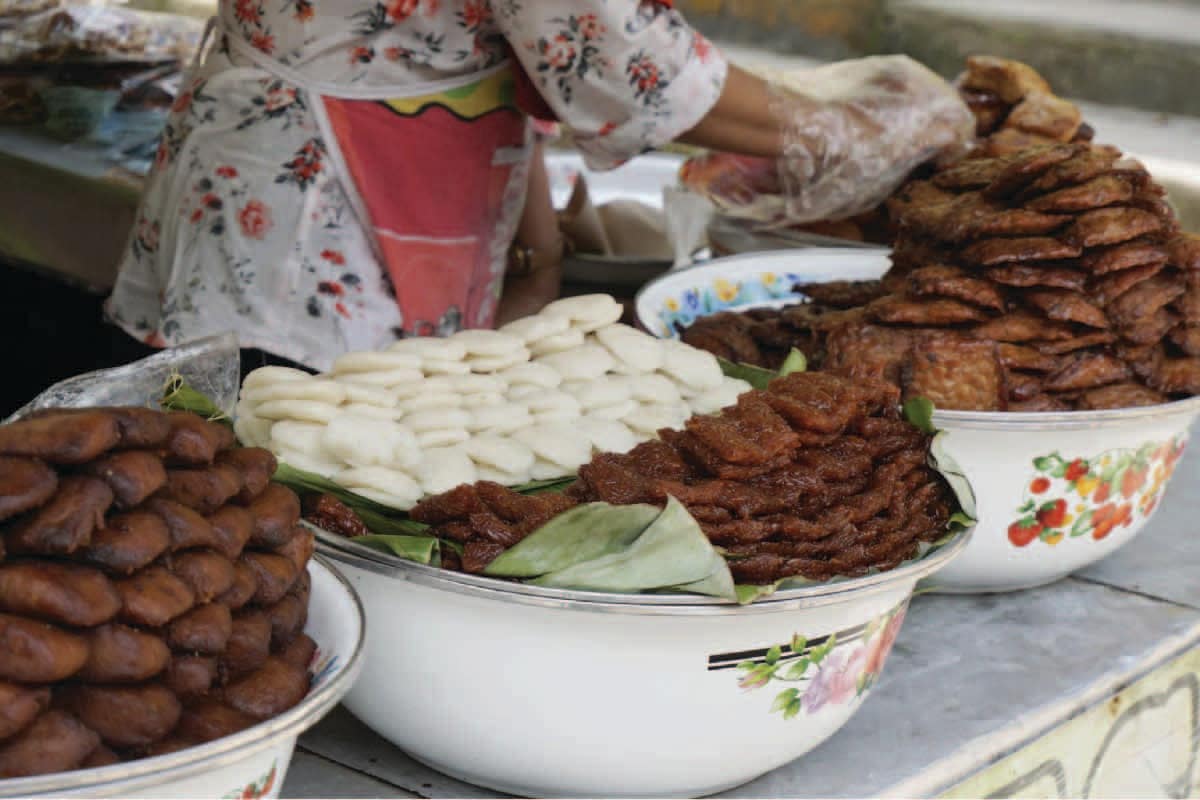
Original photo credit: Image by http://www.diahdidi.com
Jalan Kaliurang stretches north from the city toward Merapi’s foothills and has long been associated with cafés, eateries and local snacks. A food stop can also break up a longer day trip. Look for freshly cooked regional dishes and seasonal specialties, and ask vendors about spice levels, allergens and ingredients.
Tips for First-Time Visitors
Opening times and businesses change, so rely on current shop listings rather than a dated list. If you are traveling with children, combine your food outing with the gentler activities in Kaliurang; for accommodation inspiration, see Yogyakarta’s unusual hotels.
13. Shop for batik and crafts at Beringharjo Market
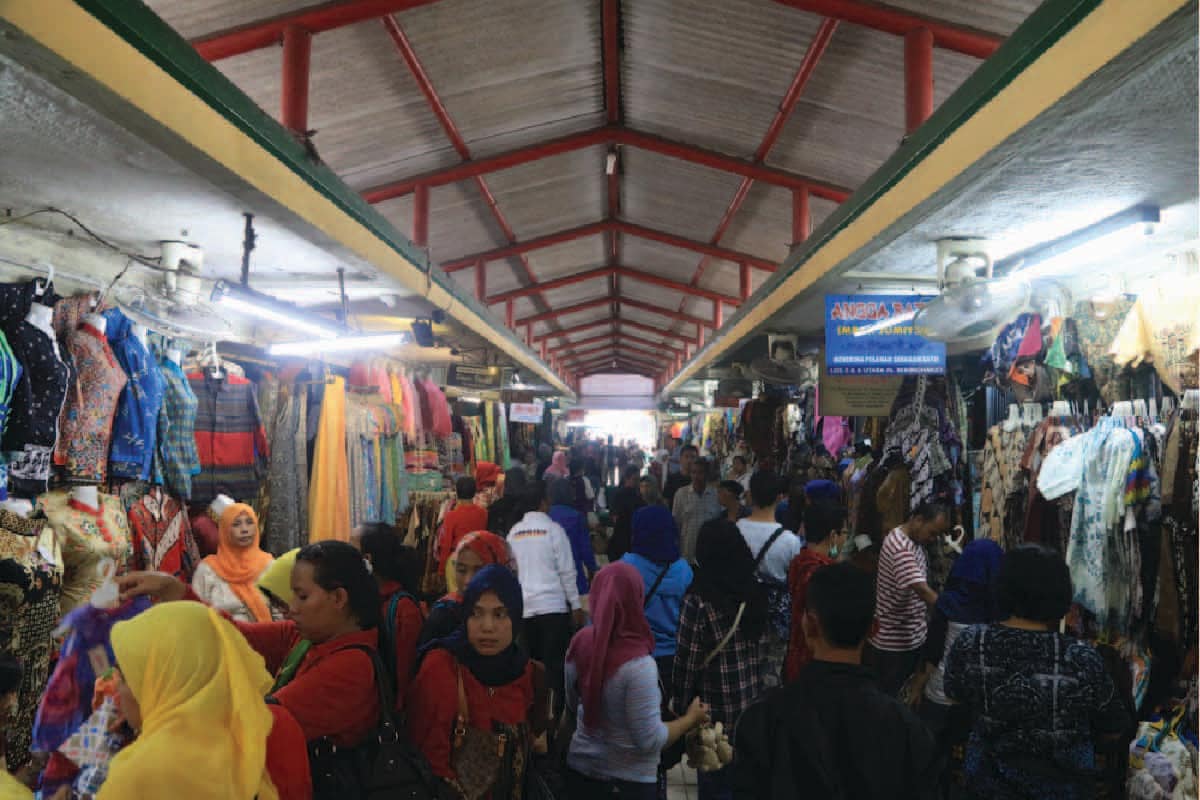
Beringharjo Market near Malioboro is a classic place to compare textiles, snacks and everyday goods. Some stalls sell hand-drawn batik, others sell stamped or printed cloth; these are different techniques and should be priced and described accordingly. Ask about the method, fabric material and care before buying.
Tips for First-Time Visitors
Bargain politely where appropriate and respect sellers who do not want their merchandise photographed. For helpful context, browse our batik heritage guide and Yogyakarta handicraft-shopping ideas.
14. Watch sunset at Parangtritis from the shore

The broad beach at Parangtritis, south of Yogyakarta, is associated with expansive views and atmospheric sunsets. The coastline is visually dramatic, but it is not a safe place to swim. Strong waves and rip currents are documented hazards, and local police again issued warnings following incidents in March 2026.
Tips for First-Time Visitors
Enjoy the sunset from an approved, dry area of the beach. Never enter the surf, especially to rescue a floating object or stage a photograph. Obey warning flags, signs and lifeguard instructions. See Yogyakarta Police’s March 2026 safety notice.
15. Experience Malioboro and the alun-alun after dark
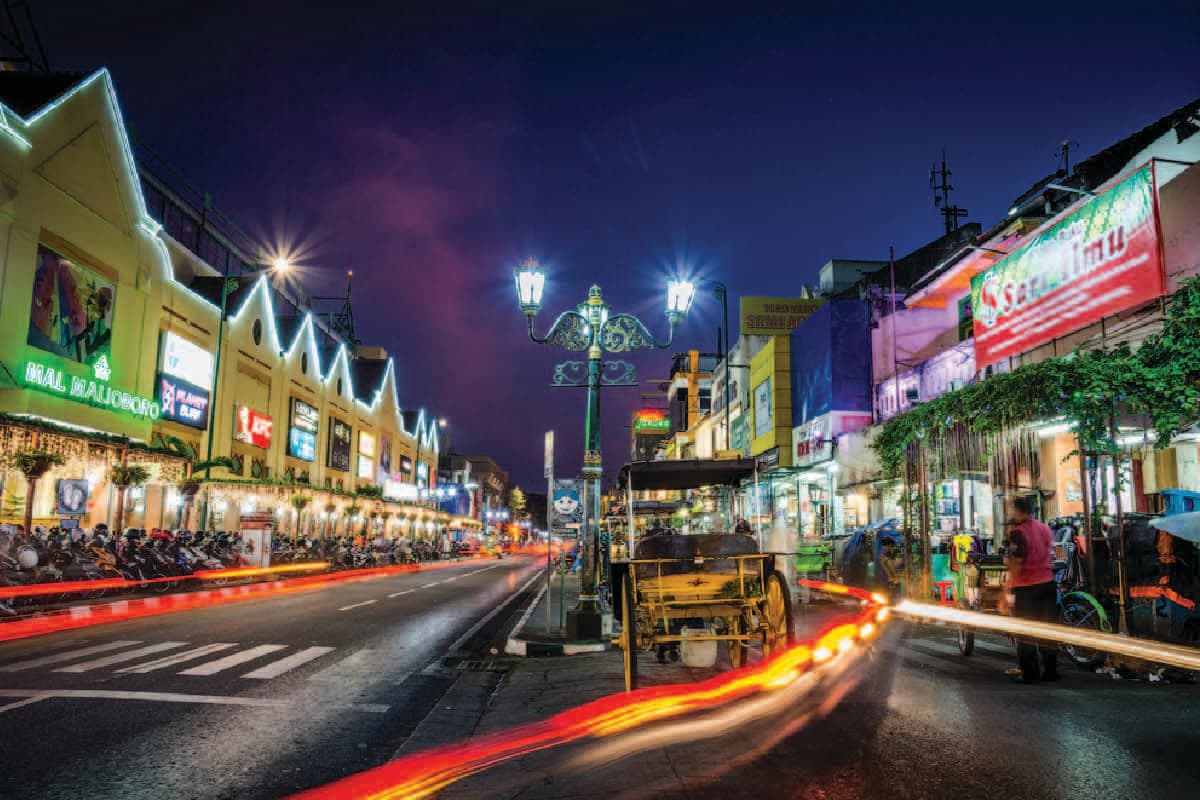
Malioboro’s evening atmosphere is a major part of the Yogyakarta experience: shoppers, street food, lively pedestrian spaces and a steady flow of local people and visitors. Around the city’s historic squares, you may encounter food vendors or illuminated pedal vehicles, depending on the location and current rules.
Tips for First-Time Visitors
Keep belongings secure in crowds, agree on transport arrangements in advance and ask permission before photographing people at close range. Support small businesses and leave space for residents who use these public areas every day. To plan a longer city stay, compare Yogyakarta’s luxury hotel guide with our broader family hotel ideas.
How to Organize Your Yogyakarta Itinerary
Day 1: Historic City and Culture
Start near the city center with markets, workshops and local food. Include an afternoon visit to cultural museums or a batik session, then attend a verified wayang or gamelan performance. Keep your transport flexible and avoid trying to cover distant temples and southern beaches on the same day. For more traditional activities, browse Indonesia’s handicraft centers.
Day 2: Borobudur and Prambanan
Book a separate morning around Borobudur, checking whether you have courtyard or temple-structure access. Prambanan lies on another side of the wider region, so combining both monumental sites requires a long travel day and sensible departure times. Consider staying nearer Borobudur if sunrise is a priority; our guide to accommodation near Borobudur offers planning ideas.
Day 3: Choose a Coastal or Mountain Excursion
Choose one: the Gunungkidul beaches, Parangtritis, or the permitted Kaliurang foothill attractions. The southern coast is not a day of casual swimming, and Merapi access is controlled by changing volcanic guidance. A hired vehicle and a realistic return time help. Travelers looking beyond this region can also explore the Pansela southern Java road route.
Essential Planning Notes for Overseas Travelers
How Many Days Do You Need?
Three full days is a workable introduction to central Yogyakarta, a temple excursion and one carefully selected outdoor outing. Four or five days offer a more comfortable pace if you also want craft workshops, sunrise viewpoints and rural villages.
When Is the Best Time to Visit?
Dry-season months can make sightseeing easier, but conditions vary. Temple areas are hot at midday; southern coast conditions depend more on wave and wind safety than the sunshine; Merapi visibility can disappear behind cloud even on a promising morning. Make reservations for popular shows and temple access in advance.
Is It Easy to Get Around?
Ride-hailing works in central urban areas, but attractions in Magelang, Gunungkidul and the upper Merapi foothills are far apart. A private vehicle or tour with carefully confirmed stops may be more convenient. Allow for traffic and avoid using driving-time estimates from an article as a guarantee.
Frequently Asked Questions
Can I watch sunrise from the top of Borobudur Temple?
Not necessarily. The operator sells distinct tickets for the temple grounds and the temple structure; permitted access and hours depend on the product and day. Confirm your ticket details before making sunrise plans.
Can I safely swim at Wediombo or Parangtritis?
Do not treat the open southern sea as a swimming beach. Yogyakarta tourism information specifically warns against swimming in the sea at Wediombo, and authorities have highlighted dangerous rip currents at Parangtritis. Follow local rules and lifeguard guidance.
Is climbing Mount Merapi included?
No. This itinerary suggests authorized viewpoints and lower-slope attractions only. Summit access and higher-risk areas are regulated according to volcanic activity.
Are traditional performances accessible without speaking Indonesian?
Yes. The visual storytelling and music are rewarding in themselves. Read a short synopsis beforehand and verify if your selected show offers printed or spoken explanations in English.
Official Sources and Further Reading
For trip updates, check official Borobudur and Prambanan ticketing; Yogyakarta’s provincial tourism portal; MAGMA Indonesia volcanic warnings; UNESCO on gamelan; and UNESCO on jamu wellness culture. Confirm temporary activity operators and seasonal attractions directly before traveling.
Follow iseeindonesia.com for more travel inspiration inside Indonesia!