A single figure rises against a glowing screen: broad shoulders, a dramatic silhouette and the legendary ability to take flight. This is Gatotkaca, one of the most recognizable heroes of Javanese wayang. In the shadow-puppet story Aji Narantaka, his extraordinary power matters less than the difficult lesson that comes with pursuing it. Rivalry, impatience, self-control and reconciliation all shape this interpretation of an epic much older than any modern performance.
For visitors to Yogyakarta, understanding the characters before the curtain rises makes a wayang kulit evening especially memorable. This guide explains the plot, introduces its key figures, separates Javanese storytelling from the broader Mahabharata tradition, and offers updated advice on finding a performance. If you are new to shadow puppetry, begin with our overview of wayang kulit performances in Java and Bali.
What Is Wayang Kulit and Why Is It Important in Indonesia?
Wayang refers to forms of Indonesian puppet and dramatic performance; kulit literally means leather, the material traditionally used for flat shadow-puppet figures. During a performance, a dalang (puppet master) animates the characters behind a screen, drawing on dialogue, music, movement and carefully timed dramatic effects. A gamelan ensemble often provides the musical world in which the story unfolds.
Wayang is not a single fixed script. Over generations, storytellers in different regions have developed versions of the Ramayana and Mahabharata epics alongside local legends, philosophical teachings, comedy and reflections on everyday life. UNESCO inscribed Indonesian wayang puppet theatre on its Representative List of the Intangible Cultural Heritage of Humanity in 2008, after an earlier proclamation in 2003. Explore the broader context in our guide to Indonesia’s recognized intangible cultural traditions and the UNESCO heritage description.
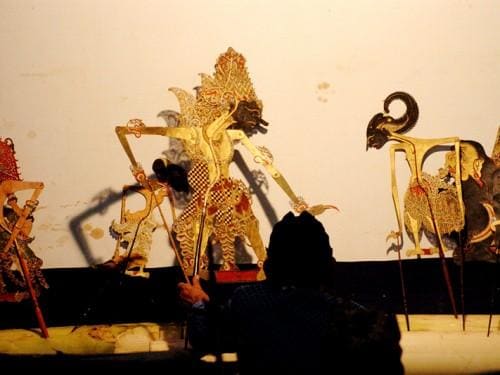
Original image credit: Shutterstock.
How a Wayang Kulit Performance Works
Audience members traditionally see the characters’ shadows on a lit screen, although staging arrangements can vary. The dalang controls several characters, delivers their voices and signals musical changes. The gamelan helps mark battles, tender moments, tension and humor. Visitors interested in Indonesian performance traditions can make connections with traditional musical instruments and regional dances across Indonesia.
Who Is Gatotkaca? The Flying Hero of Javanese Wayang
Gatotkaca (also spelled Gatotkoco or Ghatotkacha) is the son of Bhima—known in Java as Bima—and the giantess Hidimbi in the wider Mahabharata tradition. In Javanese visual and performance arts, he has developed a striking heroic identity: immense physical strength, dramatic ornaments and the ability to move through the air. He is connected to the Pandava family as Bima’s son, rather than being one of the five Pandava brothers himself.
Stories about this hero vary substantially between classical Sanskrit literature, Javanese wayang performance and later adaptations. The Aji Narantaka account below follows the particular Javanese narrative preserved in the original travel story; it should not be mistaken for the only authoritative version of the Mahabharata.
The Main Characters in the Aji Narantaka Story
Gatotkaca — The Hero Who Must Learn Restraint
Gatotkaca begins as a formidable warrior but discovers that strength alone does not guarantee victory. His search for aji—mystical power or an esoteric capability, depending on the retelling—becomes a test of discipline.
Dursala — The Proud Challenger
Dursala, described in this version as the son of Dursasana, represents the arrogant opponent who deliberately provokes a confrontation. He is associated with a potent mystical force called Aji Gineng, which gives him an advantage in combat.
Resi Seta — The Spiritual Teacher
Resi denotes a sage or spiritual master. Resi Seta becomes the mentor who teaches Gatotkaca that acquiring greater power requires prolonged self-control, not merely physical practice.
Dewi Sumpani — The Turning Point
Dewi Sumpani is crucial to this version’s moral dilemma. The hero’s failure to treat her with patience and dignity interrupts his spiritual quest; the plot eventually links her with the power he seeks. Her role is best understood as part of a traditional dramatic retelling, rather than as a historical claim or a model of acceptable real-world behavior.
Antareja — A Relative and Ally
Antareja is another son of Bima in Javanese wayang traditions and therefore a brother or half-brother of Gatotkaca, depending on the family lineage being told. In this story, he belongs to the hero’s powerful circle of kin and allies.
Aji Narantaka: The Story of Gatotkaca’s Supernatural Power
Act 1: A Provocation on the Training Ground
The narrative opens before the great Bharatayudha war. Gatotkaca and his companions train at Tegal Kurusetra, a place tied to the epic’s forthcoming conflict. Representatives from Astina—also called Hastinapura in related versions—order the warriors to stop. Dursala, the leader of the delegation, wants more than obedience: he hopes to goad his rivals into a fight that could be used to justify political retaliation.
Gatotkaca refuses to back down. Pride turns the disagreement into open conflict, illustrating a recurring wayang theme: leaders who allow anger to drive decisions can turn a minor dispute into a destructive struggle. Similar questions of duty and restraint appear throughout Indonesia’s living theatrical traditions, from Javanese puppetry to Bali’s Kecak performances.
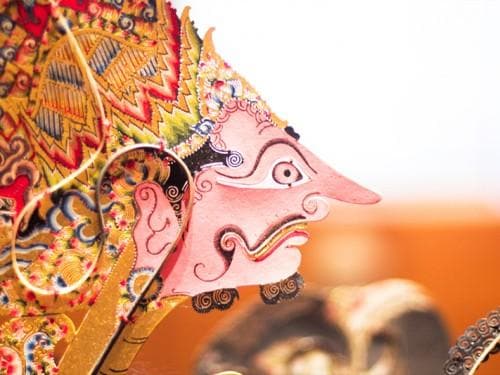
Original image credit: Shutterstock.
Act 2: Dursala Wins the First Confrontation
Despite his immense strength, Gatotkaca is overcome by Dursala’s Aji Gineng. The attack leaves him unconscious. Allies take him away and he is revived through the story’s mystical healing water, Tirta Amerta. Recovery does not resolve the central problem: Gatotkaca now knows that his opponent commands a force he does not yet possess.
This first defeat is narratively important. The hero’s reputation for power is suddenly insufficient; what follows is not simply a search for a stronger weapon, but a lesson in the responsibilities of having strength.
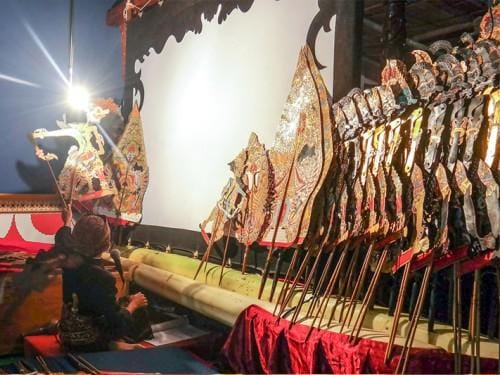
Original image credit: Shutterstock.
Act 3: Forty Days of Meditation and a Test of Character
Seeking guidance, Gatotkaca visits Resi Seta. The sage tells him to undertake an ascetic retreat lasting forty days and forty nights. During that period, he must resist temptation and control his temper. The conditions are difficult precisely because they measure qualities a fierce warrior may not have developed.
Near the end of the retreat, Sumpani appears. In the version told here, Gatotkaca reacts impatiently and strikes her. The action violates the terms of his training. A modern reader need not accept that violence as honorable; within the drama it marks the hero’s moral failure and the loss of the reward he expected to receive.
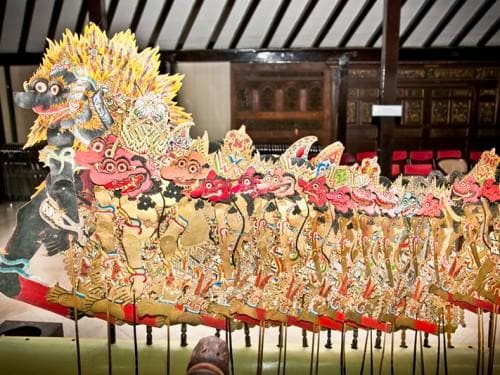
Original image credit: Shutterstock.
Act 4: Sumpani Receives the Power
Resi Seta explains that because Gatotkaca has failed his test, Aji Narantaka has passed to Sumpani. The original plot then has Gatotkaca marry her, and their relationship becomes the narrative means by which he gains access to the power. Different dalang and regional schools may emphasize different elements, so audiences should regard this as one story variant rather than a universally fixed canon.
The emotional heart of the episode is the relationship between power and conduct. An apparently invincible hero learns that mystical training cannot compensate for impulsiveness, and the woman he mistreats becomes central to his future. That is what makes the tale more than a sequence of spectacular battles.
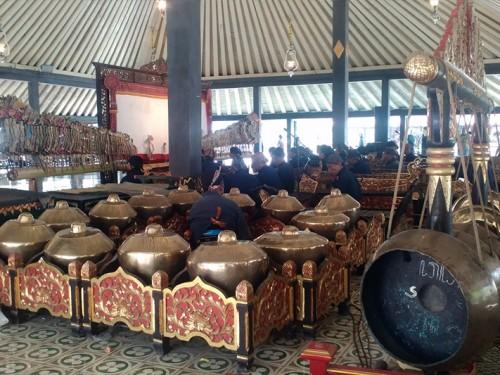
Original photo credit: hhaphaptangkap.blogspot.co.id.
Act 5: The Final Battle
Gatotkaca faces Dursala a second time. This time the outcome changes: in the preserved narrative, Aji Narantaka defeats Dursala and reduces him to ashes. The extraordinary finale rewards the dramatic arc with a decisive ending, but it also prompts a question that wayang often leaves its audience to consider: what should a warrior do with the power he now possesses?
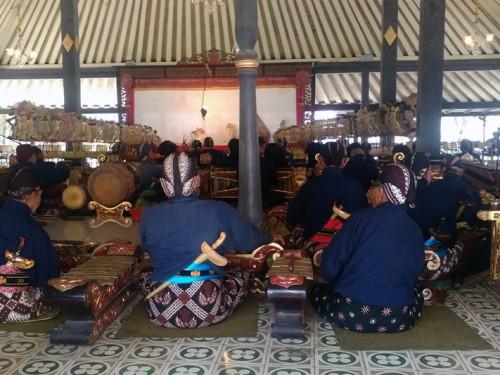
Original photo credit: hhaphaptangkap.blogspot.co.id.
What Does Aji Narantaka Mean? Themes Behind the Drama
Power Without Wisdom Can Fail
Gatotkaca’s first defeat shows that visible physical strength and high status do not always translate into good judgment. The story uses supernatural abilities as a way to explore an ordinary human problem: success can be undone by rash decisions.
Self-Control Is Part of Leadership
Resi Seta’s demanding instructions make patience a requirement, not an optional virtue. The hero’s final-day lapse dramatizes how quickly anger can undo prolonged effort. Families watching the performance may enjoy discussing which choices the hero could have made differently.
Javanese Traditions Give the Epic a Distinct Voice
The Mahabharata arrived in the archipelago through long histories of cultural exchange, but Indonesian storytellers did not merely repeat a foreign text. They transformed it through language, music, humor, clothing, movement and local philosophical concerns. Beyond the theater, this creative blending appears in the symbolism of Indonesian batik, stories embedded in regional textiles and village hand-weaving traditions.
Where to Watch Wayang Kulit in Yogyakarta
Museum Sonobudoyo: A Convenient First Choice
Museum Sonobudoyo in central Yogyakarta is an accessible starting point for visitors interested in Javanese culture. It sits at Jl. Trikora/Pangurakan No. 6, near the city’s historic core, and hosts exhibitions and a changing calendar of performances. Unlike older articles that list shadow puppetry every weekday at a fixed price, the museum now publishes specific events online. For example, its official October 2026 calendar advertises a Ramayana wayang kulit performance on 30 October 2026, 8:00–9:30 p.m.; this is not confirmation that the Aji Narantaka episode will be performed.
Consult the Sonobudoyo official visitor information and current event calendar close to your visit. The museum lists its permanent exhibition as generally open Tuesday to Sunday, with Monday closed. Separate performances and ticket types may follow different arrangements; confirm the exact event and fee before booking or traveling.
Yogyakarta Palace and Sasono Hinggil
Wayang has long been connected with royal and community cultural life around the Yogyakarta Kraton. Sasono Hinggil has a history of traditional performances, including extended shows, but do not assume that historical second- and fourth-week schedules or older admission prices still apply in 2026. Ask the relevant organizer or palace cultural office for the next confirmed event.
Pasar Beringharjo and Craft Shopping
Visitors can also explore puppet-inspired crafts and souvenirs in the central market area, although stock, artisan provenance and prices differ from stall to stall. Seek an explanation of the figure, ask permission before photographing sellers and consider buying from makers who can explain the carving and painting process. Pair the market with our guide to handicraft shopping in Yogyakarta and browse craft centers throughout Indonesia for further ideas.
Practical Tips for International Visitors
Do You Need to Speak Indonesian or Javanese?
Not necessarily. Traditional performances are often delivered in Javanese and may not have English subtitles, but the visual movements, music and character designs communicate a great deal. Reading a short plot summary beforehand is especially helpful. If you are bringing children, check whether the chosen show is a compact performance or an all-night traditional format.
How Should You Behave During a Show?
Arrive early, silence your phone, follow photography policies and avoid blocking sight lines. If a performer or venue asks audiences not to use flash, respect the request. The puppets can look fragile because they are carefully crafted objects; do not handle them without permission.
How to Build a Cultural Itinerary
Make wayang part of a full Yogyakarta journey rather than a stand-alone evening. During the day you could explore some of the city’s cultural and recreational experiences; for a nature-focused following day, consider the family-friendly lower-slope attractions in Kaliurang near Mount Merapi. Further afield, Borobudur-area sunrise viewpoints make a distinctive change of pace.
Visitors staying several nights can compare unusual places to stay with Yogyakarta’s luxury accommodations. For other cultural experiences, the architecture of Indonesia’s traditional houses offers another way to learn how local communities express identity.
Frequently Asked Questions About Aji Narantaka
Is Aji Narantaka the same as the Mahabharata?
No. The characters are related to the Mahabharata tradition, but Aji Narantaka is a particular Javanese wayang storyline or episode. Its plot details should not be applied to every Sanskrit, Indian or Indonesian adaptation.
Is Gatotkaca one of the five Pandava brothers?
No. Gatotkaca is the son of Bima, one of the five Pandavas, and therefore belongs to the next generation of the epic family.
Can I see the Aji Narantaka play every night?
Do not count on it. Venues program different episodes and art forms; check the specific performance title and date with the organizer. A night advertised simply as wayang kulit may tell an entirely different story.
Are all wayang shows performed throughout the night?
No. Traditional all-night formats exist, but museums and cultural venues also stage shorter presentations intended for modern audiences and visitors.
References and Official Resources
For cultural heritage context, read UNESCO: Wayang Puppet Theatre and UNESCO’s audiovisual wayang overview. For the Javanese episode summarized above, consult Indonesia Travel’s original Aji Narantaka narrative. Check Museum Sonobudoyo for current visitor information and show programming.
Original header image source: Shutterstock. Additional original photographs and photographer/source credits have been retained above.
Follow iseeindonesia.com for more travel inspiration inside Indonesia!