Indonesia’s cultural diversity comes from its thousands of islands, different languages and remarkable living traditions. A meaningful cultural trip offers more than photographs of dancers or buildings: it creates opportunities to meet the people who carry that heritage, learn why a ritual matters, and recognize how contemporary communities reinterpret their past.
This guide explores seven cultural experiences across Indonesia, from traditional houses beside Lake Toba to batik workshops near Borobudur, a Balinese Kecak performance and the mountain village of Wae Rebo. Some are readily accessible cultural venues; others require advance planning, local guides and physically demanding travel. For a broader overview, see Indonesia’s UNESCO-recognized intangible heritage.
7 Cultural Experiences to Add to Your Indonesia Travel Itinerary
1. Lake Toba, North Sumatra: Batak Houses and Cultural Traditions
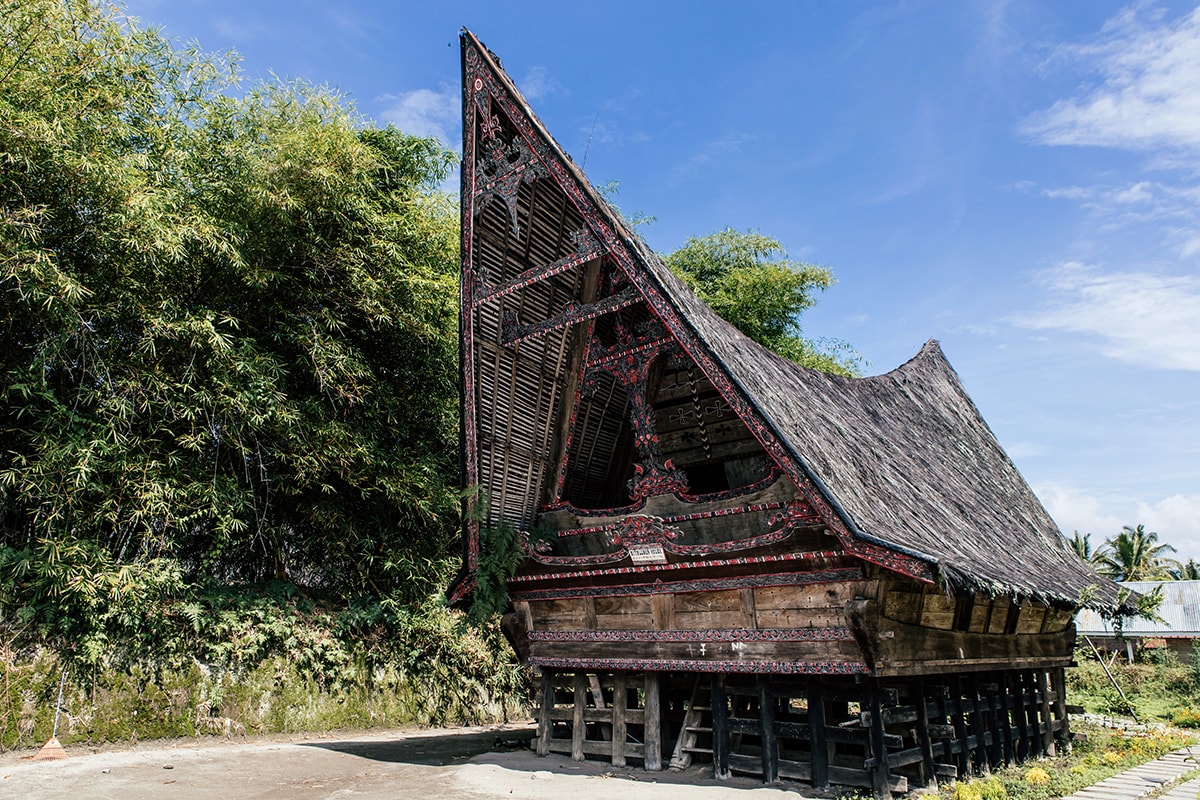
The highlands and volcanic lake around Toba are known for Batak heritage, including wooden houses with distinctive rooflines and elaborate motifs. On Samosir Island, sites such as Siallagan and Tomok offer opportunities to learn local history through architecture, storytelling and cultural displays.
How to Experience It Respectfully
Seek a local guide who can explain the differences between Batak communities, house designs and historical practices. Some traditional buildings are still linked to living families and customary uses; do not enter without permission. For more historical background, visit the Batak Museum and TB Silalahi Center and Indonesia’s traditional houses.
2. Setu Babakan, Jakarta: Betawi Arts and Bir Pletok
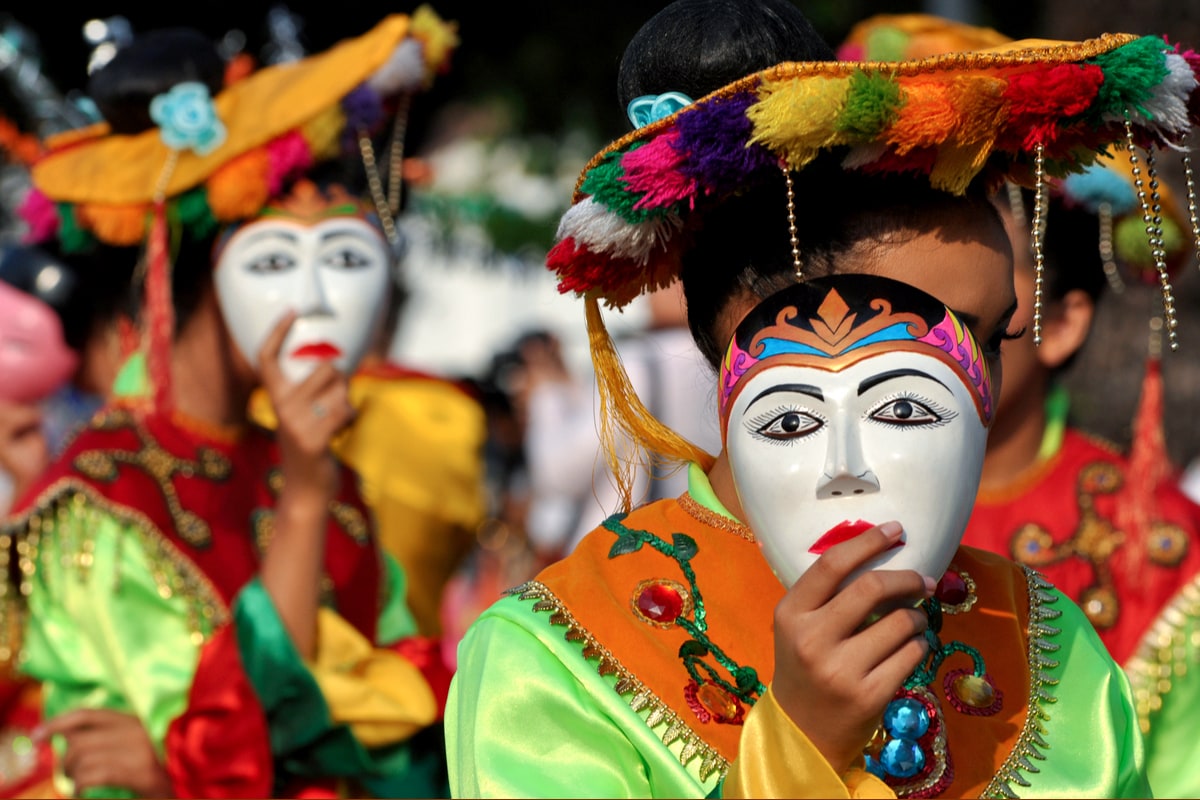
Setu Babakan is a cultural area associated with the Betawi people of Jakarta. On suitable event days, performances may showcase dance, music, traditional clothing and local foods. Bir pletok, despite the word ‘bir’, is a nonalcoholic spiced drink historically made with ingredients such as ginger and sappanwood.
How to Experience It Respectfully
Ask about the current performance program and operating hours before traveling; cultural shows are not necessarily staged throughout every day. For context on the capital’s communities, read our Jakarta overview and the story of old Batavia.
3. Karangrejo near Borobudur: Batik, Gamelan and Village Learning
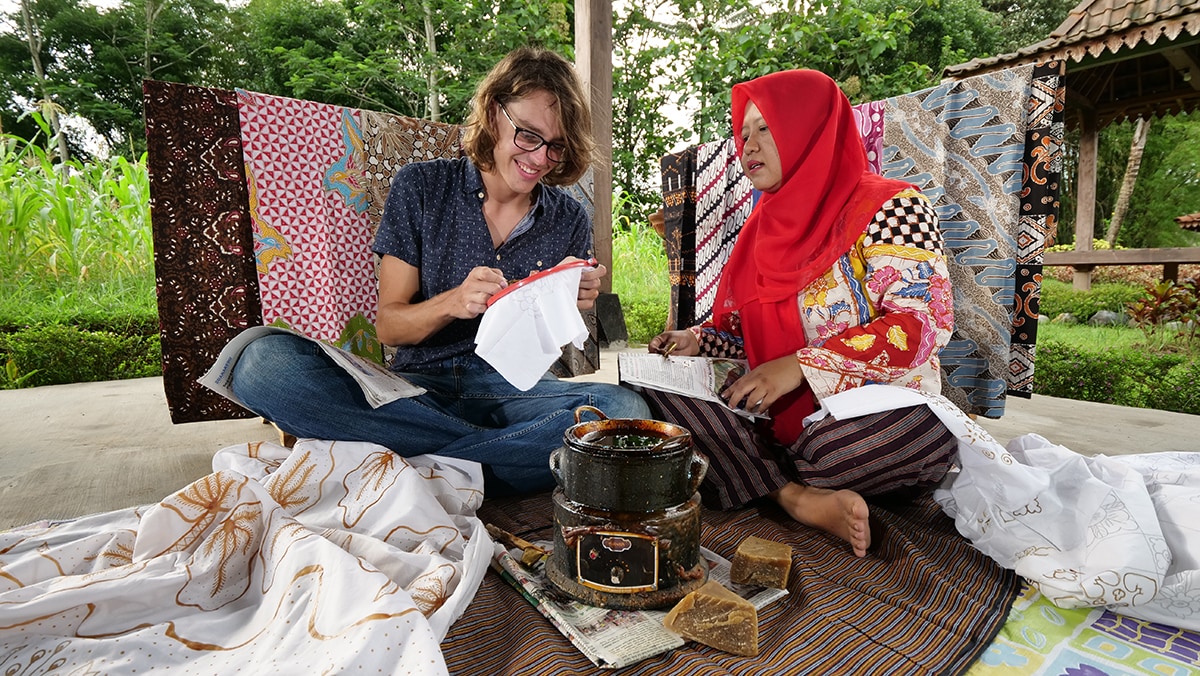
Borobudur’s surrounding villages can enrich a temple visit with workshops that introduce batik and music. Karangrejo, near Borobudur in Magelang, is one local village associated with cultural tourism and views from the hills. A short workshop may teach how a batik pattern is drawn, or how a musician fits into a gamelan ensemble.
How to Experience It Respectfully
Book directly through a reputable local community or operator and ask how much time is set aside for actual participation. Do not assume temple-structure admission is included in a village excursion. For more, explore Borobudur-area sunrise viewpoints and the meaning of Indonesian batik.
4. Uluwatu, Bali: Kecak Dance against the Evening Sky
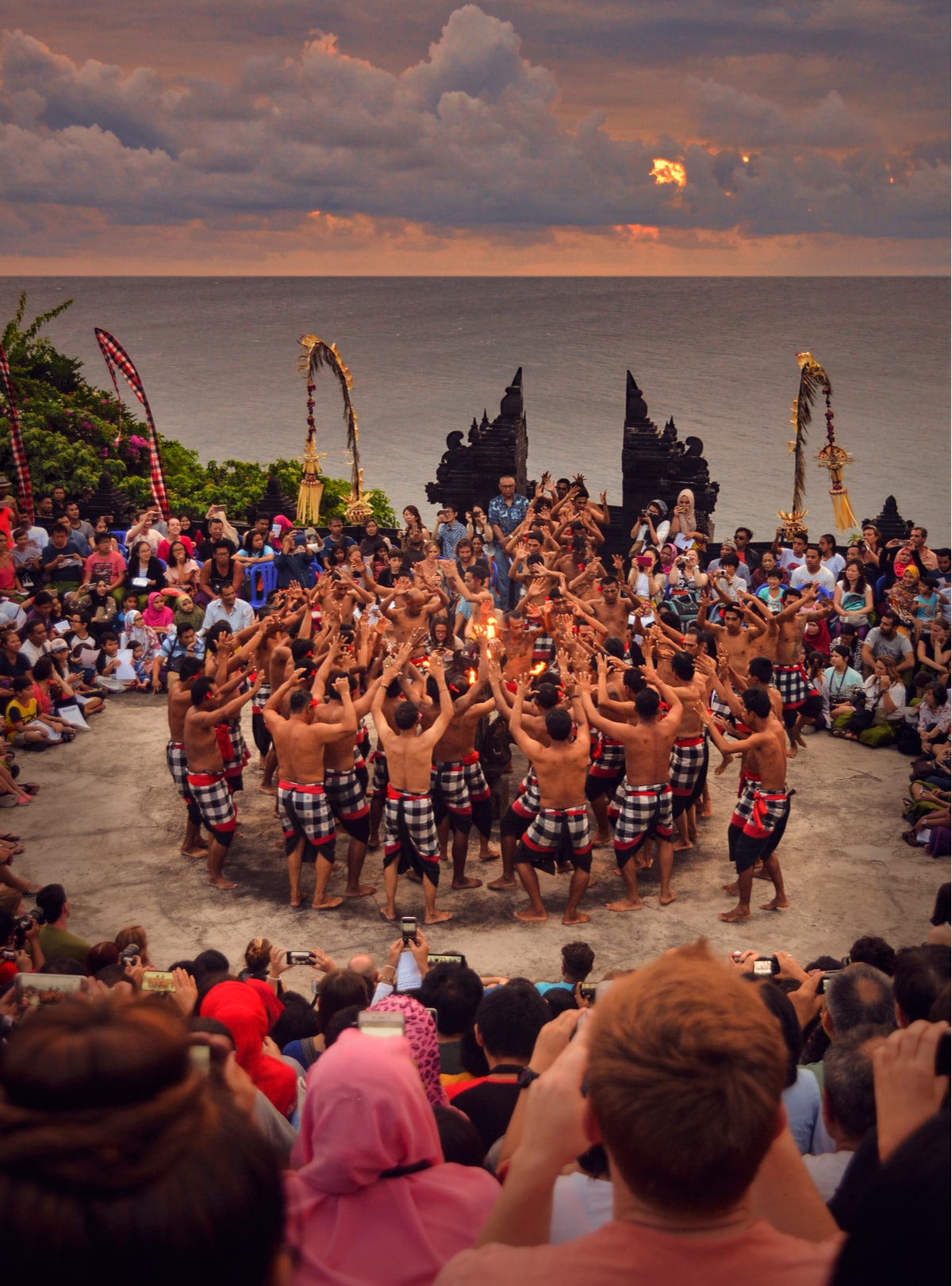
The Kecak performance at Uluwatu is an expressive interpretation of episodes from the Ramayana, performed with rhythmic chanting and choreographed storytelling. A dramatic cliff and sunset are part of the appeal, but a performance is a cultural work, not just an Instagram backdrop.
How to Experience It Respectfully
Buy legitimate tickets, confirm showtime and arrive early if permitted. Follow temple dress requirements, avoid interfering with performers and keep belongings safe around monkeys. Read our dedicated Uluwatu Kecak guide and Bali’s temple attractions.
5. Sukarara, Lombok: Sasak Songket and Ikat Weaving
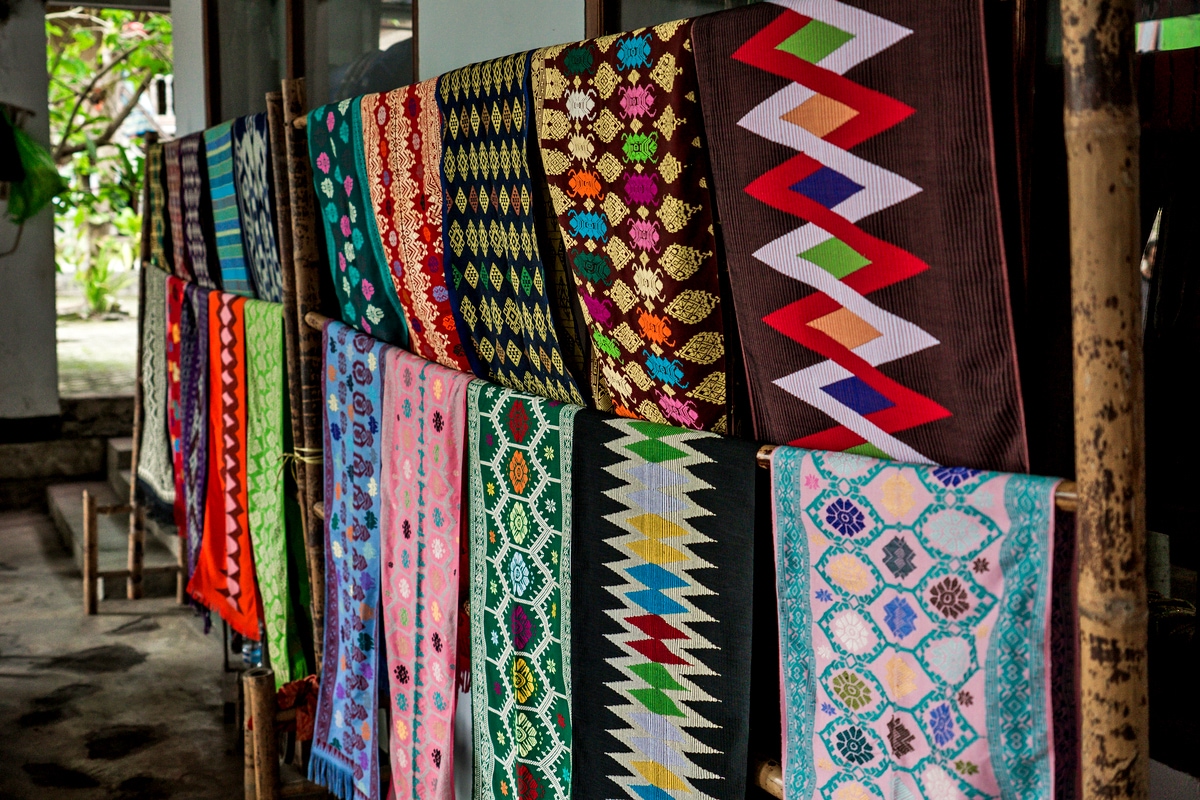
Sukarara in Central Lombok is known for traditional textile weaving and visual motifs that connect craft with the local community. Visitors may be offered demonstrations on wooden looms and the chance to see how threads are prepared. The finest handwoven textiles can require substantial time and skill.
How to Experience It Respectfully
Before buying, ask who made the cloth, whether it was woven by hand, and which dye and weaving methods were used. Read our village weaving guide and five Indonesian textile traditions for a broader understanding.
6. North Sulawesi: Kabasaran War Dance and Minahasan Heritage

Kabasaran is a vigorous traditional dance associated with Minahasan communities in North Sulawesi. Distinctive costume elements, martial movements and percussion distinguish it from casual social dancing. The cultural meaning and performance context should be explained by knowledgeable local hosts rather than reduced to a theatrical ‘warrior show’.
How to Experience It Respectfully
Arrange performances through a legitimate cultural event or community organizer, and avoid assuming it is held at a particular Likupang resort every evening. Enjoying such a program with respect also helps support artists. Other traditions are described in regional dance styles and traditional instruments.
7. Wae Rebo, Flores: Mountain Village and Conical Houses
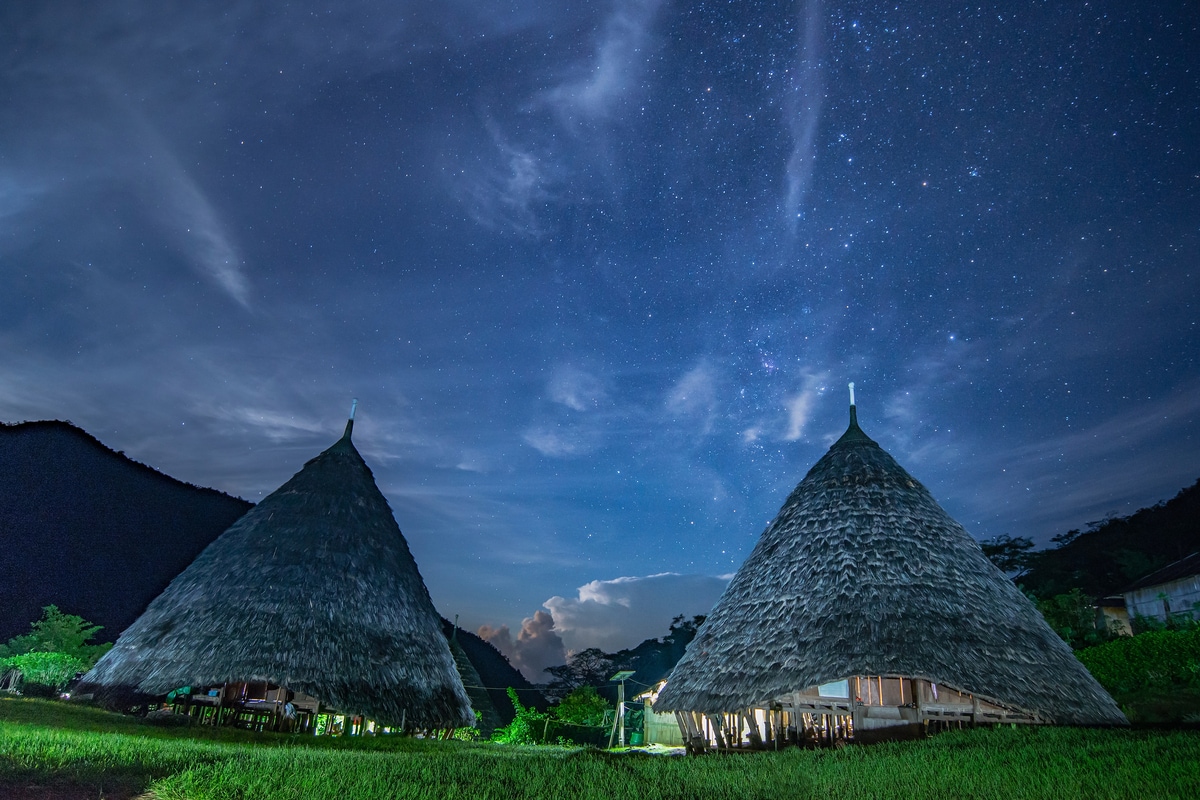
Wae Rebo is known for its remote setting in Manggarai, Flores, and distinctive mbaru niang conical houses. The journey involves mountain roads and a trek, so this is not a sightseeing stop that can be casually added to a short Labuan Bajo city tour.
How to Experience It Respectfully
Visitors should arrange a local guide, check current access procedures and respect the community’s rules for welcome rituals, staying overnight and photographing residents. Weather, trail conditions and overnight facilities can change. For wider context, see Indonesia’s village escapes and award-winning tourism villages.
How to Plan a Cultural Journey across Indonesia
Keep Distances in Perspective
Lake Toba, Jakarta, Magelang, Bali, Lombok, North Sulawesi and Flores are spread across separate islands and provinces. Exploring all seven requires a multi-week itinerary and multiple flights or ferries. For a first visit, pair one major cultural region with nearby destinations: for example Yogyakarta, Borobudur and village workshops. Our Yogyakarta experience guide offers an accessible starting point.
Respect Living Communities
Ask before photographing artisans and residents. Some traditional houses are private homes and some performances are connected to worship or community ceremony. Do not treat participation in sacred events as guaranteed entertainment. Local guides can help interpret context and distribute tourism spending more fairly.
Support Craft Makers Directly
Choose community-led workshops and ask who actually made the souvenir. Compare hand-woven and printed textiles, understand cultural symbolism and avoid reselling designs without permission. For a complementary craft route in Yogyakarta, explore handicraft shopping and Indonesian artisan centers.
Check Performance and Entry Information
Rituals, dance schedules and public attractions change with seasons and local observances. Buy from recognized operators and confirm inclusions before booking. In Indonesian cities, transport times can be longer than expected. Travelers adding an urban day can see Jakarta’s history museum itinerary.
Frequently Asked Questions
Can I see all seven experiences on one trip?
Yes in principle, but not in a short itinerary. They are dispersed across Indonesia, so several weeks and considerable transport planning may be necessary.
Are these activities suitable for children?
Short workshops, museum visits and staged cultural performances often suit families, depending on ages and accessibility. Wae Rebo’s trek is more physically demanding and needs separate suitability assessment.
What is the difference between batik and ikat?
Batik uses wax-resist decoration on fabric; ikat uses resist-bound and dyed threads before weaving. Different communities may combine or adapt textile methods.
Are all these cultural sites UNESCO World Heritage Sites?
No. UNESCO recognizes certain monuments, practices and landscapes through separate systems, and many meaningful community traditions are not individually inscribed. Do not label every village or dance UNESCO-listed.
Official References and Further Reading
Learn about UNESCO’s Indonesian batik entry, UNESCO’s gamelan entry, UNESCO’s wayang puppet theatre entry, Indonesia Travel’s weaving-village guide and Indonesia’s official tourism portal. Check current local visitor and ceremony rules before arrival.
Follow iseeindonesia.com for more travel inspiration inside Indonesia!