Semarang Old Town, or Kota Lama, is a walkable historic district in North Semarang where old trading buildings, a domed church, art galleries and restored streets reflect centuries of port-city history. UNESCO placed Semarang Old Town on its Tentative List in 2015; that is not the same as inscription on the World Heritage List. The wider Semarang Old City heritage landscape includes historic Malay, Chinese and Javanese neighborhoods as well as the former European commercial quarter. This updated guide separates what you can see outdoors from attractions with their own admission and opening hours.
Editorial update — October 2026: This evergreen non-commodity heritage walking guide is intended for international visitors. Individual transport, opening hours and legal requirements can change; always confirm live bookings and relevant safety conditions. For an introduction to responsible Indonesian travel, see explore the aesthetic and historical places in semarang and semarang attractions not to be missed.
Semarang Old Town Travel Guide: Kota Lama Heritage Walk
1. Blenduk Church and Taman Srigunting

Photo source : www.metafamtoursemarang.wordpress.com (archived image attribution)
GPIB Immanuel, widely known as Blenduk Church, is famous for its distinctive dome and historic Protestant congregation. Across the public space, Taman Srigunting is a natural starting point for understanding the district’s streets and photography perspectives.
What to Check Before You Go
Remember it is an active place of worship. Do not enter during services without permission, and avoid photographing worshippers or interfering with ceremonies. Related travel advice: java road trip pansela southern route.
2. Semarang Tawang Station and the Railway Story

Photo source : www.berita.suaramerdeka.com (archived image attribution)
Tawang Station has long been part of Semarang’s railway heritage and lies near the Old Town district. Its station facilities serve contemporary passengers, so a heritage interest should not obstruct commuters or restricted railway areas.
What to Check Before You Go
Follow station safety and ticket-access rules. Do not walk onto tracks or treat a working transport hub as an open museum. Related travel advice: 9 iconic traditional houses to explore in indonesia.
3. Marba Building and the Trading Streets

Photo source : www. (archived image attribution)
Historic façades and former warehouses along Jalan Letjen Suprapto show the area’s history as a commercial port center. Some structures have been rehabilitated or adapted to new uses and others remain private property.
What to Check Before You Go
Enjoy exterior architecture from public paths and ask before entering shops, offices or private buildings. Photography for commercial purposes may require permits. Related travel advice: 7 bucket worthy ideas for the best cultural trip in indonesia.
4. Antique Shops and Galleries

Photo source : www.travel.kompas.com (archived image attribution)
Kota Lama supports art and craft businesses as well as antique sellers. The Semarang Gallery near Srigunting has a published visitor schedule, while other retailers vary by day and may not be open on public holidays.
What to Check Before You Go
Check provenance before buying antiques; avoid archaeological objects or items whose export is restricted. Support living local creators as well as the older built environment. Related travel advice: 5 handicraft shopping spots in yogyakarta.
5. Spiegel and Other Heritage Cafés

Photo source : www.travel.kompas.com (archived image attribution)
Restaurants and cafés occupy some adapted old buildings. They offer a chance to take a break in the shade and experience the neighborhood’s changing creative economy.
What to Check Before You Go
Avoid promising a specific menu or former owner from an old blog post. Check opening hours, dietary options and any reservations directly. Related travel advice: 15 amazing experience s you can get in yogyakarta.
6. Museum Kota Lama and Historical Interpretation
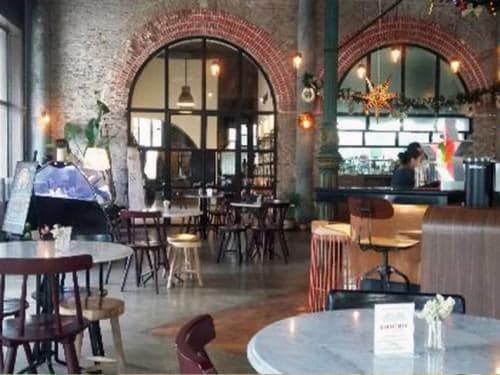
Photo source : www.tripadvisor.com/Spiegel (archived image attribution)
Semarang’s newer heritage museum near Bubakan uses multimedia and interpretive displays to tell the city’s history. Its rules and reservations are separate from the free access to public Old Town streets.
What to Check Before You Go
Check the municipal tourism portal for current reservation procedures. Allow time to interpret exhibitions rather than relying solely on Instagram photographs. Related travel advice: 6 instagrammable landmarks in medan.
7. Kampung Melayu, Kauman and Pecinan Connections
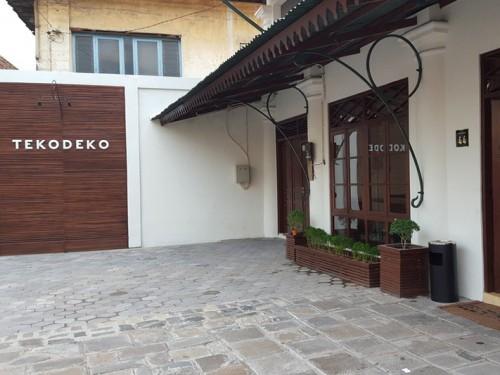
Photo source : www.seputarsemarang.com (archived image attribution)
The Old City heritage story is larger than its best-known European-style core. Malay, Javanese and Chinese-Indonesian districts help reveal the port’s multiple communities and evolving religious and commercial life.
What to Check Before You Go
Visit with a knowledgeable local guide and avoid treating residential streets or prayer spaces as staged attractions. Related travel advice: looking for a historical trip in jakarta these spots will send you back in time.
8. Evening Walks and Respectful Photography
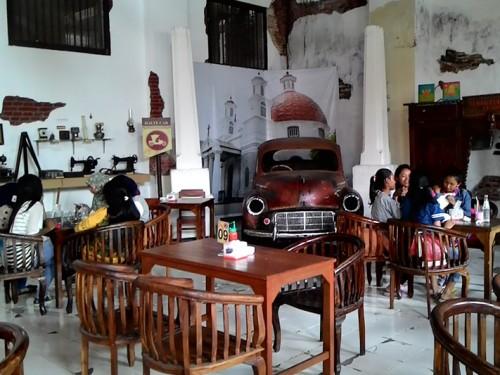
Photo source : www.anekawisata.com (archived image attribution)
The area can be atmospheric at dusk, with illuminated buildings and cooler temperatures. Public pedestrian spaces remain accessible but individual attractions close at different times.
What to Check Before You Go
Use pedestrian crossings, protect valuables, carry drinking water and watch for unexpected heavy rain or street-level water during wet periods.
A Self-Guided Three-Hour Kota Lama Walk
Start around Srigunting and Blenduk Church, look at the surrounding commercial façades, pause in a local café and continue to a museum or gallery if open. Add Tawang Station only with sufficient time and awareness of traffic. This makes a more manageable walking plan than trying to combine Ambarawa Railway Museum, which is outside the city.
UNESCO Status and Why It Matters
The official UNESCO listing describes Semarang Old Town as a tentative nomination, submitted in 2015. That recognizes its potential significance for evaluation, but it has not become a UNESCO World Heritage property by virtue of that status alone. Avoid inaccurate social media captions saying the Old Town is already UNESCO-inscribed.
Continue planning with explore jakarta kota tua today s old batavia.
Architecture, Heritage and the Port Environment
Semarang’s built heritage reflects changing colonial administrative and trading systems as well as Indonesian urban life. Conservation is not merely about repainting façades: the area faces challenges including subsidence, flooding, building maintenance and changing everyday use. Respect conservation barriers and follow advice if a street is temporarily affected by works.
Practical Tips for International Travelers
Lowland Semarang is typically warm and humid. Comfortable shoes, a refillable bottle, modest dress for religious interiors and a rain layer are useful. Public Old Town access is usually free, while galleries and museums set separate terms. Always check current municipal visitor information for accessible routes and special events.
Continue planning with 10 most unique mosques in indonesia.
Practical Planning Checklist
Confirm current schedules, weather, location and entry restrictions rather than relying on archived promotions. Travelers can explore 8 stunning grand mosque around indonesia s that you will always remember, 17 creative economy subsectors in indonesia that you must know, 5 unique ecotourism experiences in indonesia, climate, staying safe in indonesia, 5 best hotels in kemayoran jakarta nearest to jakarta international expo jie for related Indonesian destinations.
Deep Dive into Semarang’s Old Town Heritage
How the Old Port Shaped Kota Lama
Semarang’s location on Java’s north coast made it a commercial gateway between inland Central Java and regional trade networks. The old district’s warehouses, offices, railway connections and religious buildings are reminders that cities grow through work, migration and exchange rather than only through grand architecture. Look for the relationship between large commercial façades, smaller side streets and former transport routes. Many buildings changed function over time, and their current owners or tenants may have different needs from their historical occupants. Responsible preservation has to keep the area useful to residents and businesses.
The Difference between a Tentative List and World Heritage Status
UNESCO’s World Heritage Tentative List records sites that countries may consider nominating in the future. Semarang Old Town was submitted to that list in 2015, and this is useful evidence of heritage ambition and research. It does not mean UNESCO has completed a World Heritage inscription or that international funding automatically protects every building. When using the phrase ‘UNESCO-listed,’ explain the precise status to avoid misleading readers. The distinction matters because prospective nominations, national cultural-heritage designations and final World Heritage inscription are separate processes.
A Walking Route from Blenduk to the Galleries
Start near the domed Blenduk Church and look across Taman Srigunting to understand the district’s scale. Continue on established pedestrian paths past historic façades and independent businesses, stopping at a gallery if its schedule allows. Semarang Gallery publishes visiting details and sits near the park, making it a useful indoor break during a hot afternoon. Walk toward other official heritage sites only if traffic and weather permit. Rather than treating every old doorway as public, check signs and ask before entering any building. A knowledgeable walking guide may reveal how individual streets relate to the wider port’s story.
Connecting Kota Lama with Other Semarang Communities
The central European-style streets are only one chapter in Semarang’s history. The wider old-city landscape includes Kauman, Kampung Melayu and Pecinan, reflecting Muslim, Malay, Chinese-Indonesian and other community histories. These areas have their own residents, markets and religious institutions. If you extend your heritage route, respect the fact that these are living neighborhoods, not museum exhibits. A guide can help you understand distinctive local food, architecture and community roles without presenting traditions as exotic props for photography.
Buildings under Pressure from Water and Urban Change
UNESCO’s tentative-list description acknowledges serious threats including flooding and land subsidence. Visitors may encounter restoration projects, barriers or streets with drainage works. These are signs of active urban management rather than reasons to ignore safety advice. Avoid climbing damaged structures or leaning on fragile architectural details. A city’s heritage can only endure when repairs account for climate, commercial activity, accessibility and the needs of people who work there each day. Paying attention to such pressures gives depth to an otherwise superficial sightseeing experience.
Food, Art and Small Businesses
A heritage walk can support contemporary local economies through cafés, galleries, craft shops and walking tours. Choose establishments that explain the history of their building without making unsupported claims, and buy arts and crafts from creators who can identify their materials. Some antique products may have restrictions or uncertain origins, so ask about provenance before shipping or carrying objects abroad. Local food stops provide another way to experience the city, but street-vendor hours and menus can change. Ask about allergies and food-preparation methods rather than relying on an old recommendation.
A Rainy-Day and Family-Friendly Version
For families, shorten the walk to a small set of nearby landmarks, combine a museum or gallery with a café and leave plenty of time for breaks. Semarang’s lowland heat can be tiring, and rain can make paving slippery. Bring water, sun protection, suitable footwear and a light waterproof layer. Ensure younger children stay away from vehicle lanes and fragile historic staircases. If a museum uses a reservation system, book ahead and check its holiday schedule. A manageable half-day often produces a more memorable visit than rushing through every location on a social media list.
Extra Details for a Thoughtful Kota Lama Walk
How to Research Individual Buildings
An impressive exterior does not tell you when a building was constructed, who occupied it or whether its interior is accessible today. Look for municipal heritage plaques, gallery interpretation and credible historical sources. A local walking-tour guide may explain changing uses and the contributions of different communities. Avoid inventing romantic stories about a building solely because it has stained glass, a dome or an unusual façade.
Why Sunset Is Popular but Not Mandatory
Late afternoon offers softer light and often more comfortable walking, yet mornings can be quieter and better suited to visitors who prefer museums. Check gallery hours when choosing a start time and avoid arriving after an institution closes. During heavy rain, prioritize indoor spaces rather than pushing through puddles for a photograph. A flexible route is more useful than insisting on the same hour for every visitor.
Frequently Asked Questions
Is Semarang Old Town a UNESCO World Heritage Site?
No. It is on UNESCO’s Tentative List; tentative status does not mean World Heritage inscription.
Does Kota Lama charge an entrance fee?
Public streets and squares can generally be visited without a district admission fee. Individual museums and venues have separate arrangements.
Can I see the area on foot?
Yes. Many key heritage streets are walkable, but follow pedestrian routes and plan separately for attractions outside central Semarang.
Authoritative External References
UNESCO Semarang Old Town Tentative List; Central Java tourism authority’s Old Town guide; Semarang Gallery official visitor information; Indonesia Travel Old Town guide.