Where can you see wild monkeys in Bali without putting yourself or the animals at risk? The island’s long-tailed macaques inhabit forest sanctuaries, sacred temples and some mountain landscapes. Watching them can be a memorable part of a Bali holiday, but they are wild animals, not pets or selfie props. The updated guide covers five places from the original article, explains where sightings are predictable and includes practical precautions based on sanctuary and Bali conservation guidance.
What species of monkey will you encounter in Bali?
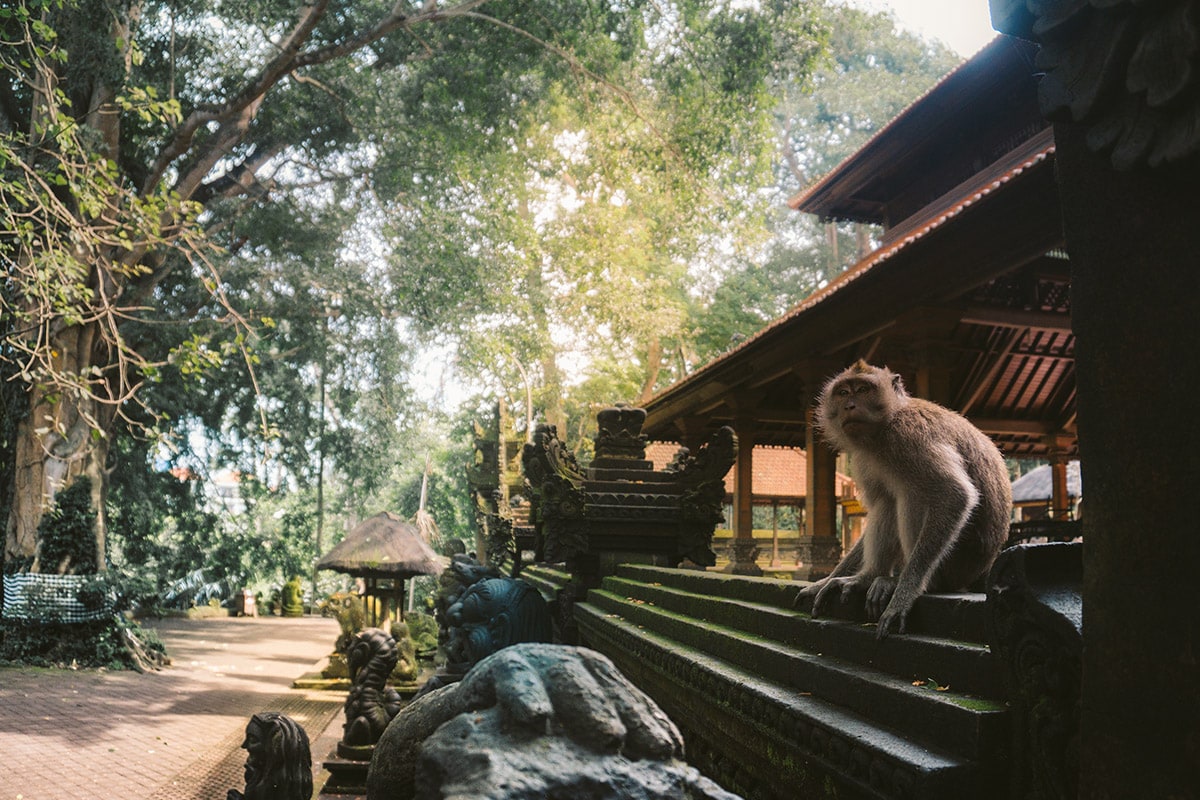
The long-tailed macaque (Macaca fascicularis) is frequently observed in visitor areas. These social primates may approach people, food and unsecured belongings, but behaviour differs by group and location. They can bite or scratch if provoked, and contact creates health concerns. For wider context see Indonesia’s wildlife guide and ethical nature experiences.
5 places to observe Bali’s macaques
1. Sacred Monkey Forest Sanctuary, Ubud
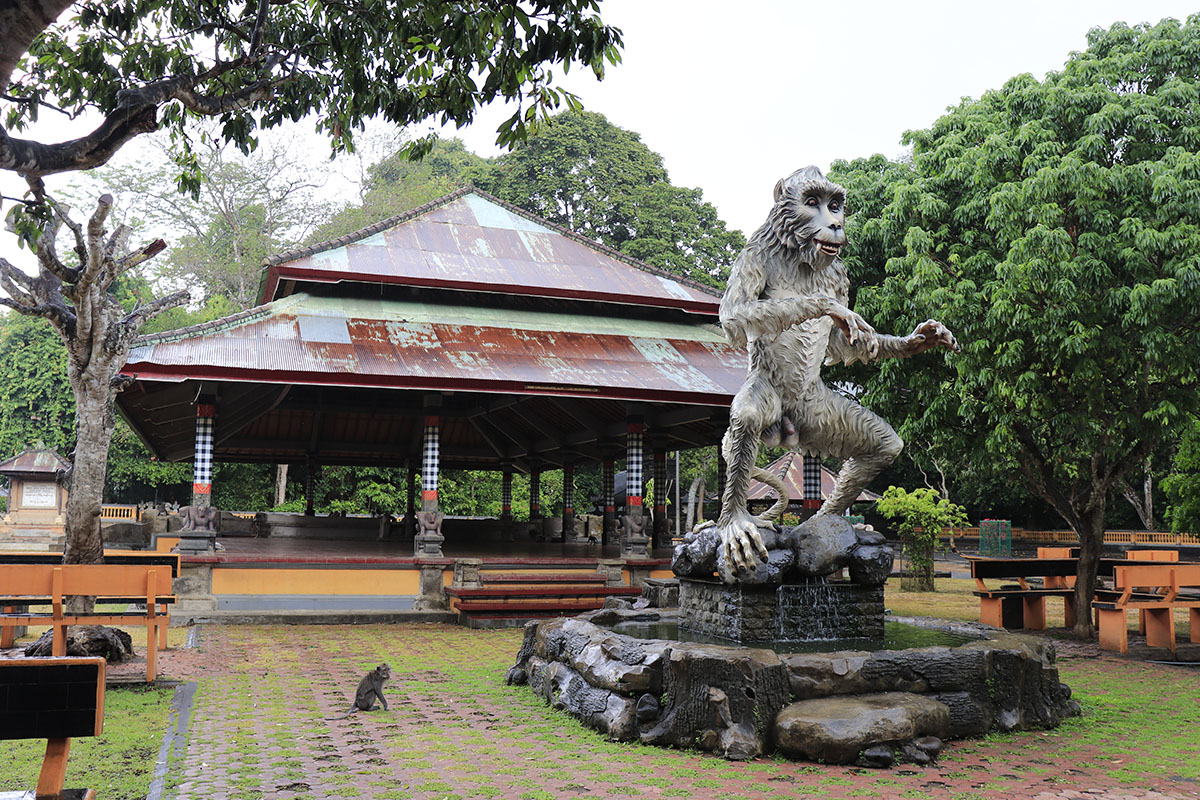
In central Ubud, the Sacred Monkey Forest Sanctuary combines a forest habitat with Balinese Hindu temple structures and locally managed tourism. Macaques move freely through the pathways; visitors should stay on designated routes, secure bags and follow all instructions from staff. The sanctuary explicitly prohibits visitors from feeding the monkeys, and its online FAQ advises staying calm and seeking immediate assistance following a bite.
What to plan around Ubud
The location makes it practical to combine with cultural stops, food and highland landscapes. Give yourself enough time to explore without rushing near the animals. Browse things to do near Ubud and Tegallalang Rice Terrace for nearby ideas.
2. Sangeh Monkey Forest, Badung
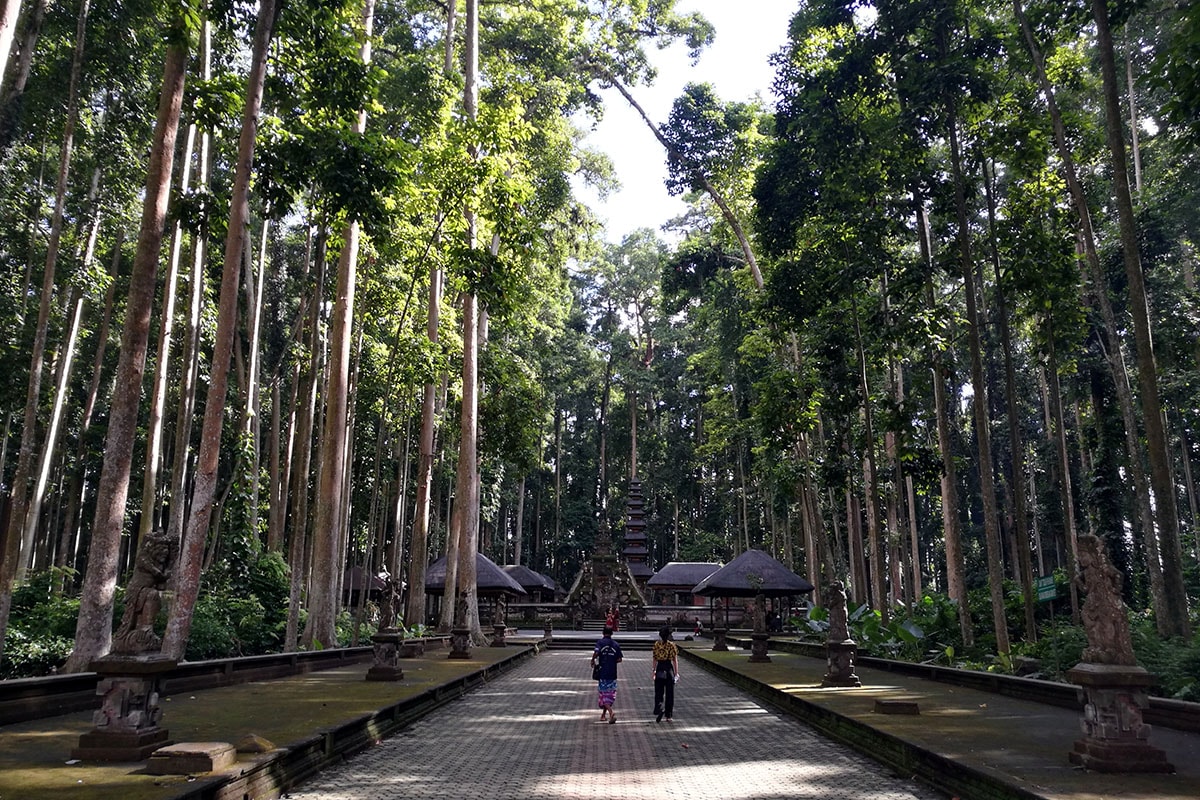
Sangeh, north of Denpasar, is recognised for its tall nutmeg forest and macaque population. The forest also has a spiritual dimension and local conduct requirements. Current tourism coverage and Bali authorities discuss safety and responsible interactions; particular local rules may differ from those at Ubud, so ask staff on arrival. Avoid offering food directly to monkeys even where a tourist activity or sales stall encourages it.
Visit respectfully
Follow dress and access requirements around the sacred forest areas, and keep children close. A community guide can help explain the site’s heritage without encouraging monkey contact. Travellers interested in village culture can explore Bali’s tourism villages and traditional Indonesian customs.
3. Alas Kedaton Monkey Forest, Tabanan
Alas Kedaton is a wooded temple site associated with macaques and another important example of the relationship between forest ecosystems and local belief. Avoid relying on historic counts of “2,000 animals” because macaque populations and managed visitor routes change over time. Check the current opening arrangements and whether a local guide is recommended.
Build a manageable Tabanan itinerary
Many travellers combine the wider Tabanan area with scenic stops, but not every attraction is close. Plan by real driving times and avoid racing between temples or forest areas at sunset. Learn more through Tabanan waterfalls and Bali’s rice-field landscapes.
4. Uluwatu Temple, Bukit Peninsula
Uluwatu Temple is renowned for its clifftop setting, Hindu religious significance and macaques that sometimes approach tourists’ sunglasses, hats or small objects. Keep phones, spectacles and accessories secured before walking near the temple. Do not attempt to recover stolen items by chasing or bargaining with an animal; ask trained temple staff for assistance.
Combine nature with a cultural performance
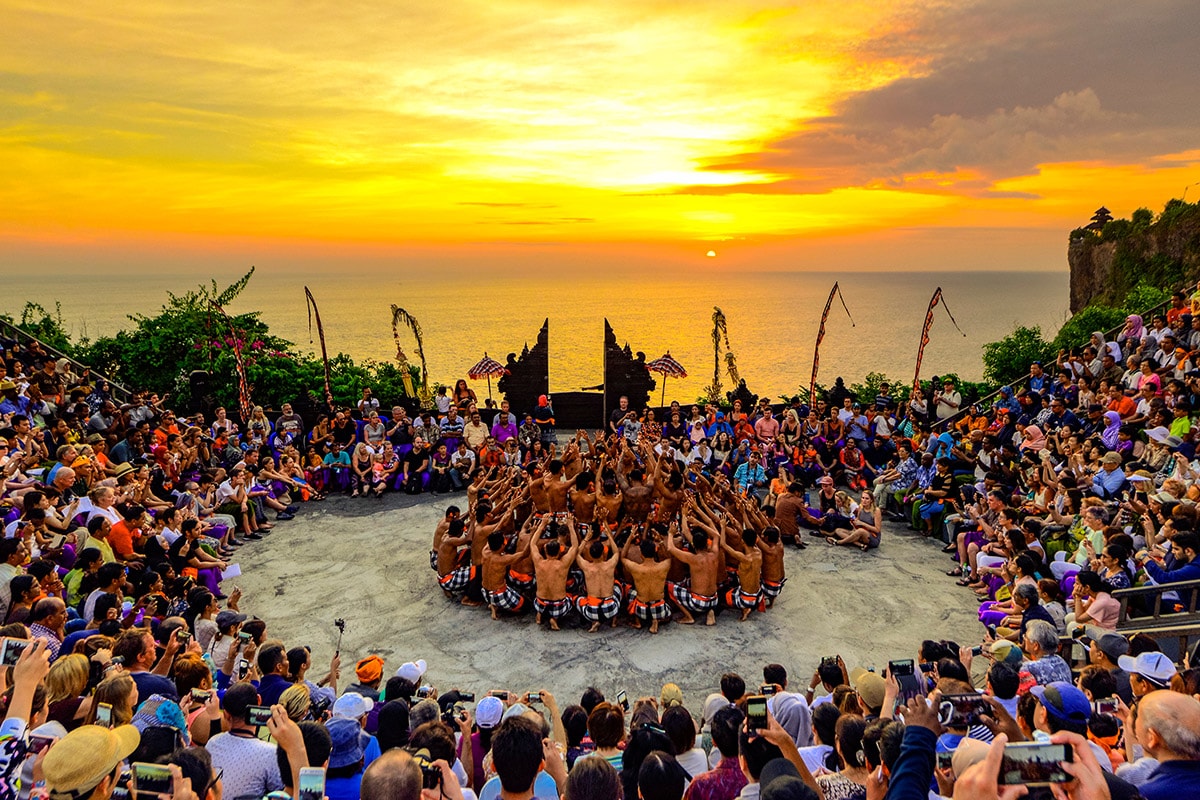
Visitors may plan around an authorised Kecak performance, but its ticketing and schedule should be checked locally. The temple is an active sacred site, and appropriate dress is essential. Consult our Uluwatu Kecak guide and Bali’s temple etiquette.
5. Mount Batur area, Kintamani
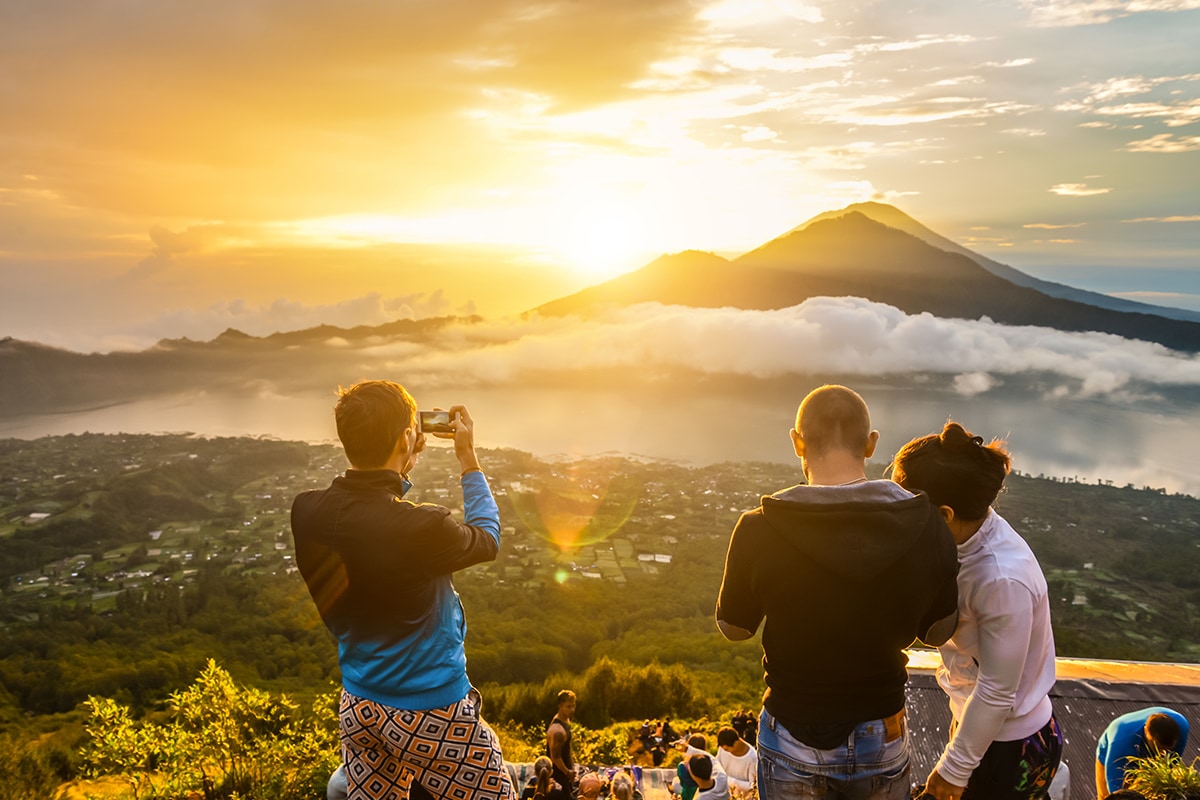
Some macaques inhabit mountain and roadside areas around Bali’s highlands, including the wider Batur region. However, Mount Batur is a volcanic trekking destination, not a managed monkey sanctuary, and animal sightings are unpredictable. Do not hike purely to seek monkeys or deliberately lure them with snacks. Volcanic conditions, guide rules and trail closures should determine whether you visit.
Highland alternatives
If you prefer scenery without close macaque interaction, explore approved viewpoints and locally guided walking routes. See North Bali ideas and the GWK cultural park for different Bali travel experiences, while remembering they are not monkey sanctuaries.
Essential safety rules for monkey encounters
Do not feed, touch, tease or stare closely
The most important rule is to keep interactions passive. Do not offer bananas or packaged snacks for a photograph, and avoid direct physical contact. The official Ubud sanctuary prohibits visitor feeding; although other sites can have different practices, feeding is not a safe general recommendation. Do not bare your teeth in an exaggerated smile or make sudden aggressive movements toward a macaque.
Secure valuables before entering
Put glasses, hats, jewellery, phones, water bottles and loose food inside a properly closed bag. Keep distance from mothers with infants and any agitated adult macaque. Children should never be asked to pose beside wild primates.
What to do after a bite or scratch
Clean the wound immediately with soap and running water, ideally for about 15 minutes, and seek medical care urgently for rabies risk assessment, tetanus review and infection management. Do not take reassurance from old claims that rabies has “never occurred” in a particular monkey group. Bali’s conservation authority explicitly recognises zoonotic risk from macaques. For broader precautions read traveller safety in Indonesia.
Choosing which monkey location fits your trip
First-time Ubud visitors
The managed Ubud sanctuary is a straightforward choice for observing macaques from walkways and learning how staff protect animals and visitors. Follow the official sanctuary visitor code.
Nature and culture enthusiasts
Sangeh or Alas Kedaton may be appropriate when your route already crosses those areas. Respect local religious requirements and request help from a recognised guide. If you have less time, focus on a meaningful temple or village visit rather than forcing a five-stop monkey itinerary.
Photography-focused travellers
Use a zoom lens rather than moving closer to an animal. Never employ food to create a photograph. Review a short Bali itinerary and Bali art markets for alternative activities between wildlife stops.
Before you go: weather, access and welfare
Check the attraction’s current policies, site opening hours and weather conditions. Forest paths can be slippery during heavy rain, and crowds may increase animal stress. Our Bali climate guide helps with seasonal planning. To see a different side of Bali, consider Canggu’s coastal neighbourhood.
Frequently asked questions
Can I feed monkeys at the Ubud sanctuary?
No. The official Ubud Monkey Forest visitor policy forbids visitor feeding.
Can I take a selfie with a macaque?
Keep your distance and avoid contact or baiting. A good wildlife photograph does not require a posed selfie.
Is Mount Batur a monkey sanctuary?
No. It’s a volcanic landscape where macaque sightings may occur but are not guaranteed.
What if a monkey bites me?
Wash the wound immediately and obtain urgent medical assessment for rabies, tetanus and bacterial infection risks.
Official sources and visitor policies
- Sacred Monkey Forest Ubud — visitor safety and feeding rules
- Bali Conservation Authority — macaque welfare and zoonotic risks
- Wonderful Indonesia — Sangeh Monkey Forest
- World Health Organization — rabies and post-exposure care
Original article photography (archival)
Photo accuracy note: The five images embedded in the original article appear to depict spas and wellness facilities rather than the monkeys or forests described. They are retained below to preserve the original media assets, but are intentionally not presented as photographs of these sanctuaries.