Indonesia’s fashion reflects centuries of weaving, dyeing, embroidery and exchange between cultures. Contemporary designers reinterpret traditions while local communities maintain skills that cannot be reduced to decorative motifs. The former article was a brief introduction to a downloadable fashion booklet; this expanded guide focuses on meaningful textile history, the 2026 creative economy and practical responsible shopping.
Indonesian Fashion and Textiles: Batik, Weaving and Modern Design
1. Batik and UNESCO Heritage
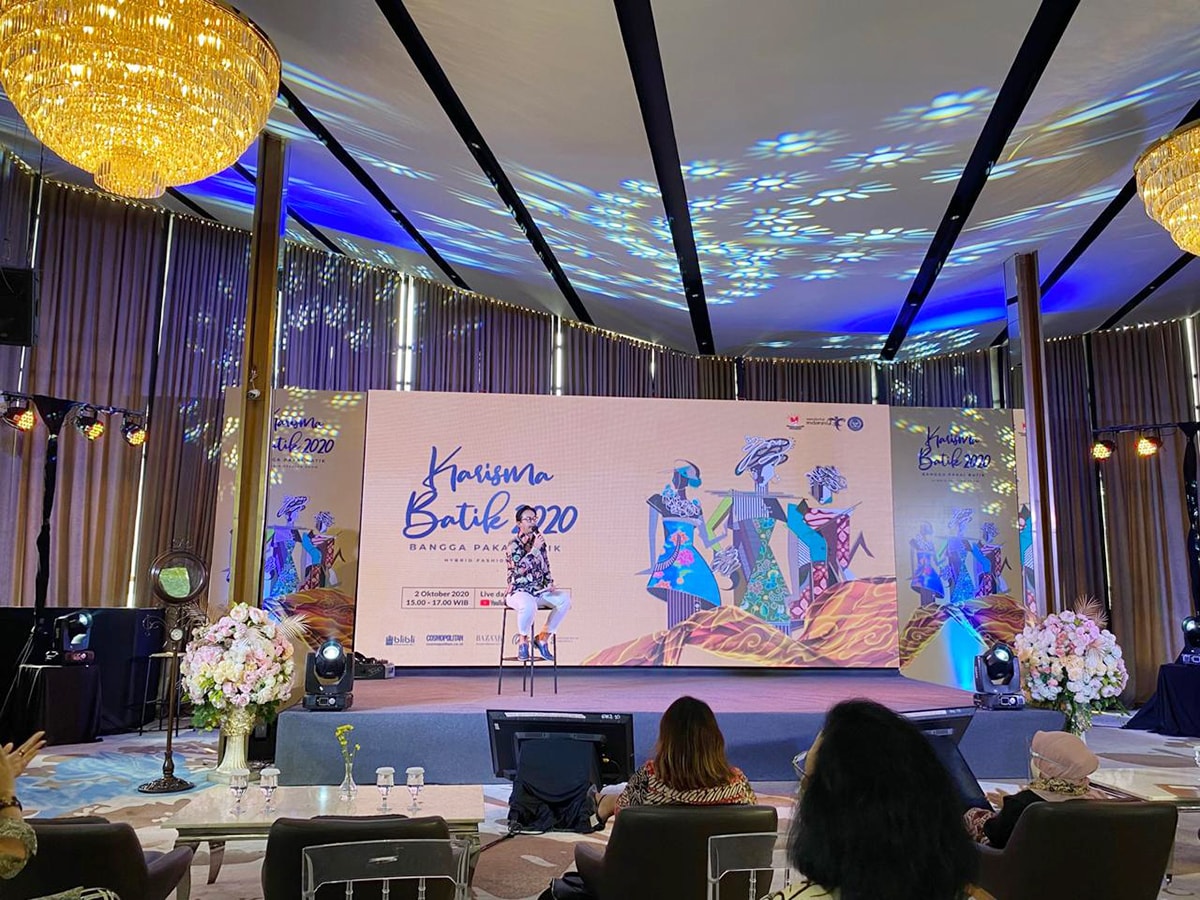
Indonesian batik was inscribed on UNESCO’s intangible cultural heritage list in 2009. True batik involves a wax-resist dyeing process, while ordinary digitally printed motifs are different. Related insights: indonesia s haute couture fashion designers galleries in jakarta and 17 creative economy subsectors in indonesia that you must know.
What to Check
Ask whether a product is hand-drawn batik tulis, stamped batik cap or printing, and value the maker’s skill.
2. Regional Weaving and Tenun
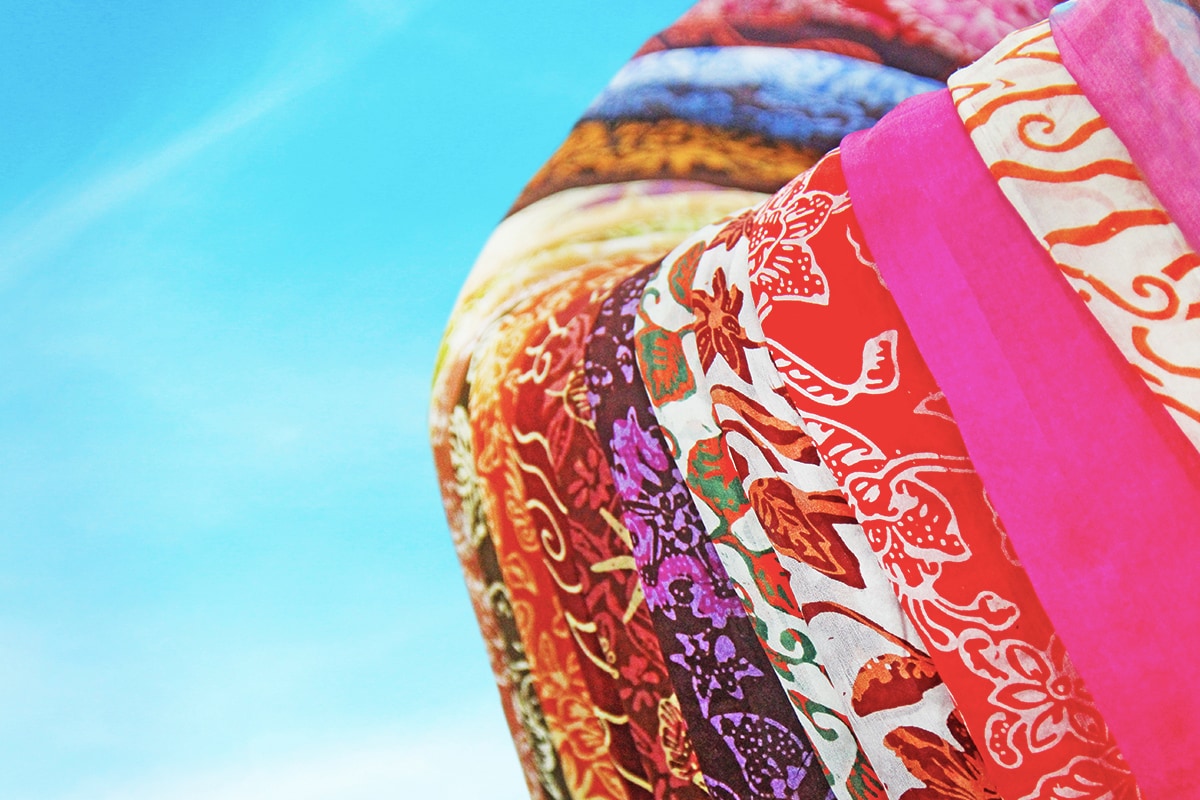
Handwoven textiles from different islands use distinct looms, motifs and materials. Some fabrics carry ritual and social significance beyond commercial design. Related insights: 7 echanting stories behind indonesia s famous batik and bring batik to your life with these 5 creative diy home decor ideas.
What to Check
Do not copy ceremonial motifs for resale without researching cultural permissions.
3. Contemporary Design and International Influence
Contemporary Indonesian labels may use modern cuts, streetwear or modest-fashion design inspired by regional materials. Neither tradition nor innovation is limited to a single island. Related insights: 5 traditional indonesian fabrics and the stories behind them and discover the art of hand weaving at these indonesian villages.
What to Check
Seek direct creator attribution and avoid generic claims that all brands share one national aesthetic.
4. Sustainability and Fair Craft Economies
Traceable materials, fair labor, safe dyes and responsible production can matter as much as visual beauty. A green-sounding brand name is not evidence of ethical supply chains. Related insights: 7 handicraft center s you must visit when visiting indonesia and 7 bucket worthy ideas for the best cultural trip in indonesia.
What to Check
Ask about worker conditions and materials. Buy from legitimate makers and do not treat low prices as proof of value.
5. The 2026 Creative Economy Framework
The Indonesian government expanded its historical 17 creative-economy subsectors to 21 in July 2026. Fashion, crafts, product design and digital creation are part of a broader creative ecosystem. Related insights: 5 unique bali creations not to miss for your shopping spree and 7 top places to go shopping in bali.
What to Check
Distinguish historic counts from current official classifications and check contemporary market claims with primary sources.
Practical Planning Guide
Travel and Booking Considerations
Names, locations, prices and operating hours change. Confirm active business identity, travel distances and any booking requirements. More ideas include 5 art markets you need to visit in bali, 9 iconic traditional houses to explore in indonesia, amazing meet these 11 unesco intangible cultural heritages from indonesia.
Responsible Local Experiences
Support genuine makers and community businesses, respect local customs and understand that archive photography cannot establish live availability. See also 5 award winning tourist villages you should visit in your lifetime, 11 new skills to learn while you are staying in jakarta, trip ideas.
A Deeper Look at Indonesian Textiles and Fashion
Batik Tulis, Batik Cap and Printed Fabric
Batik is a wax-resist dyeing tradition and a significant part of Indonesian cultural heritage. In batik tulis, motifs are generally drawn using a canting; batik cap uses stamps to apply wax patterns. Printed textiles may resemble batik visually but are not made by the same wax-resist process. Understanding the distinction helps travelers appreciate the labor and pricing of authentic pieces. Ask the seller where a textile was made and whether the maker can be credited.
Regional Weaving and Community Identity
Handwoven textiles such as tenun have different roles across Indonesian islands. Weavers may use backstrap or other looms, locally significant dye techniques and patterns associated with family, ceremony or place. It is misleading to describe every woven textile as interchangeable or purely decorative. Learn about the cultural context before buying ceremonial pieces, and avoid copying protected or community-sensitive motifs into commercial products without permission.
How Contemporary Designers Use Heritage
Indonesian designers draw on textile traditions, modest-fashion markets, contemporary tailoring and international influences. Not every collection presented as ‘Indonesian-inspired’ is made locally, and not every designer works with traditional fabric. Ask brands about the creator, manufacturing location and textile sources. Contemporary design can be authentic and innovative without reproducing historical garments exactly; respectful interpretation acknowledges the people and techniques that inspired it.
Fair Prices and Responsible Fashion
Hand weaving, intricate batik and tailoring take time. Bargaining too aggressively can overlook the maker’s labor, while a higher retail price does not always mean the artisan receives a fair share. Shop from reputable workshops and businesses that explain who made the product, how workers are treated and what materials were used. Consider repairability and durability rather than buying novelty souvenirs that will quickly be discarded.
Fashion within Indonesia’s 2026 Creative Economy
In July 2026, Indonesia’s Ministry of Creative Economy announced a new framework of 21 subsectors, expanding on the earlier count of 17. Fashion, crafts, digital content and product design are part of a broader ecosystem that includes creative entrepreneurs and distribution services. If you see different subsector counts in older economic reports, check which year and regulatory framework is being used before comparing data.
Frequently Asked Questions
Is every venue or offer still open?
No. Contact each operator for current details before visiting.
How should international visitors prepare?
Check local regulations, transport, payment arrangements and any cultural or accessibility needs before departure.
External References
UNESCO Indonesian batik designation; Ministry’s 2026 creative economy expansion; Indonesia Travel.