Belitung, east of Sumatra in Indonesia’s Bangka Belitung Islands province, is celebrated for turquoise coastal views, huge granite formations and a quieter style of island travel. But there is more to a Belitung Island holiday than beaches: the island’s literary heritage, mining history and coffee culture reward travellers who venture inland. This guide revisits nine classic Belitung attractions, provides updated UNESCO geopark context and explains how to explore them safely and responsibly.
Why visit Belitung?
Belitung’s boulder-strewn shorelines are distinctive in Southeast Asia. The Belitong UNESCO Global Geopark was designated in 2021, recognising significant landscapes alongside natural and cultural heritage. Responsible tourism means respecting the geosites, marine life and surrounding communities—not simply treating every beach as an adventure playground. Start with our introduction to Indonesia’s islands and destination ideas across the archipelago.
Nine places worth visiting on Belitung Island
1. Tanjung Kelayang Beach: The launching point for granite-island adventures
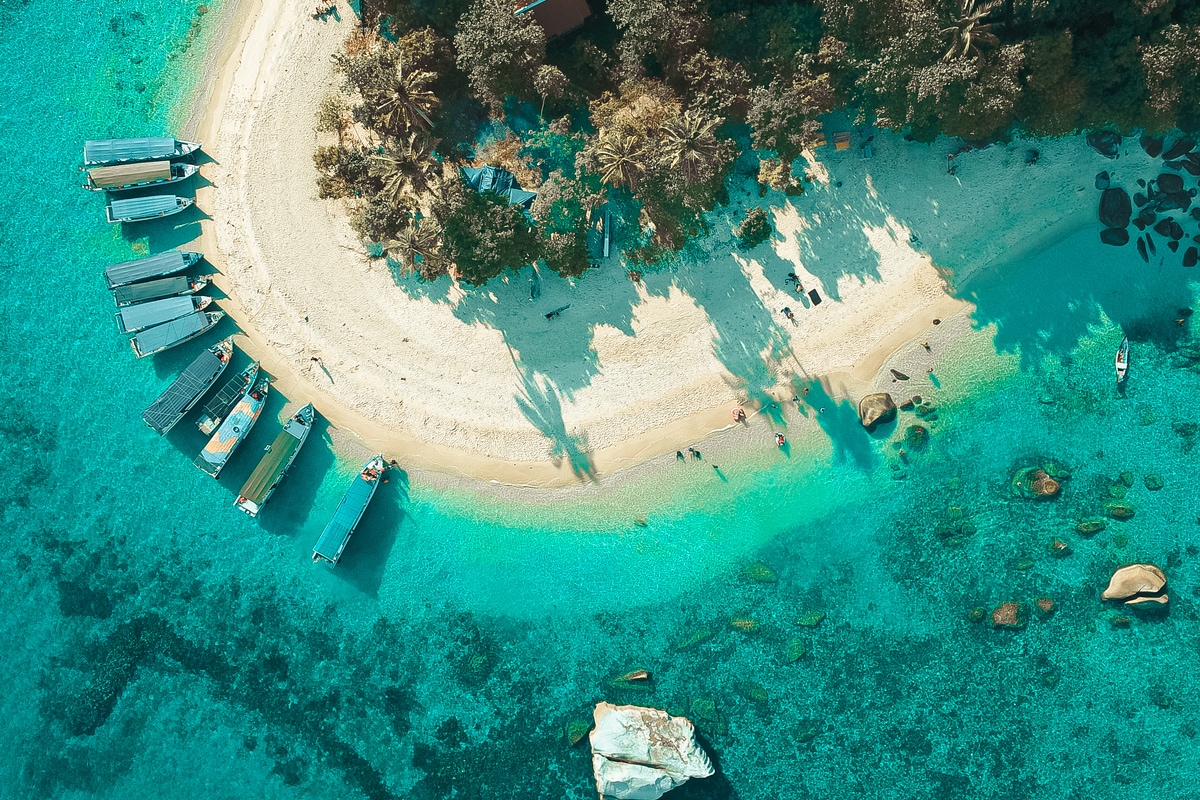
Tanjung Kelayang is a scenic beach on northwest Belitung with white sand, striking granite boulders and boat routes to nearby islands. It forms part of the Belitong UNESCO Global Geopark, officially designated in 2021. This is a convenient base for authorised boat tours, but the exact shore access and marine activities change with tides, weather and local operators.
Travel tip
Choose a registered local captain, agree on a return time and ask whether snorkelling equipment, safety gear and island fees are included. Never assume a calm beach photograph means boats can depart safely.
2. Lengkuas Island: Colonial-era lighthouse and coastal reefs
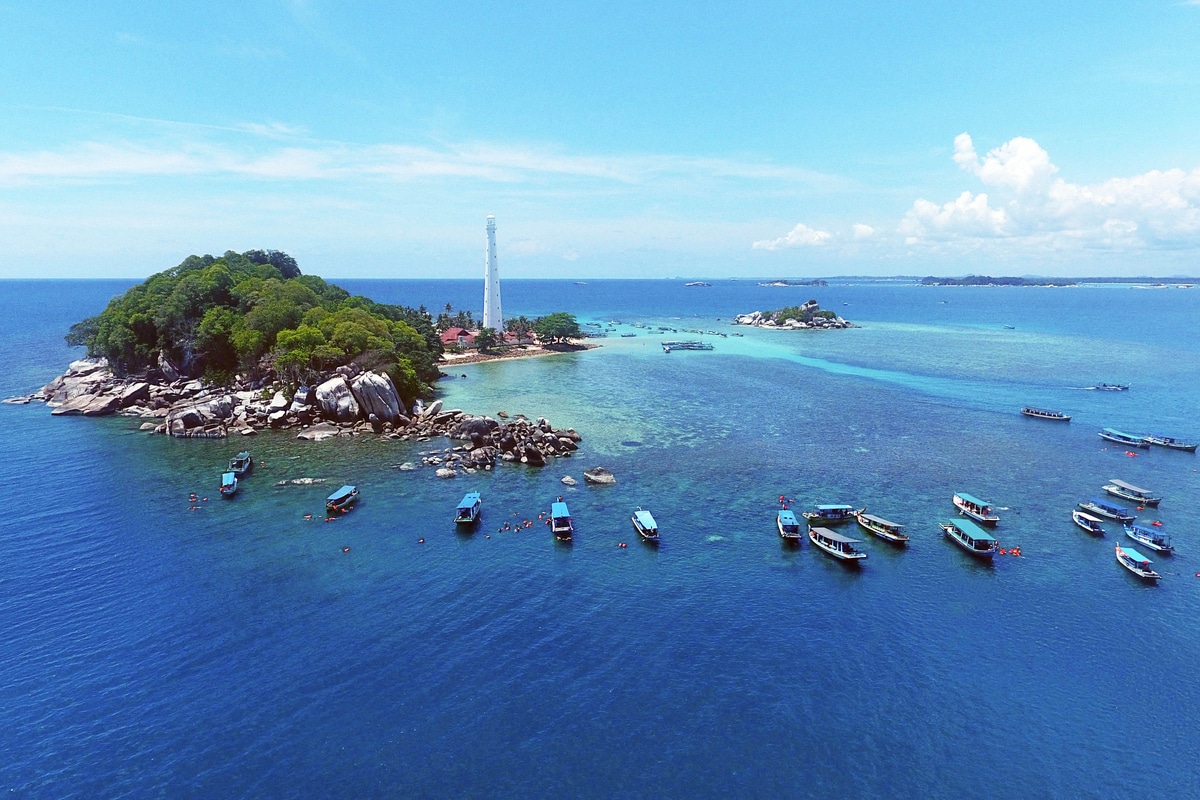
Lengkuas is known for its historic lighthouse, commonly dated to 1882, and attractive offshore setting. The tower is an active navigation landmark, not merely a tourism viewing platform; visitor access to the interior or summit may be restricted for maintenance or maritime operations. The surrounding beaches and granite scenery remain important reasons to visit.
Travel tip
Do not promise the tower can be climbed on a particular date. Confirm safe landing conditions and current lighthouse entry rules with the operator or authorities.
3. Batu Berlayar Island: Granite formations shaped like a sailing vessel
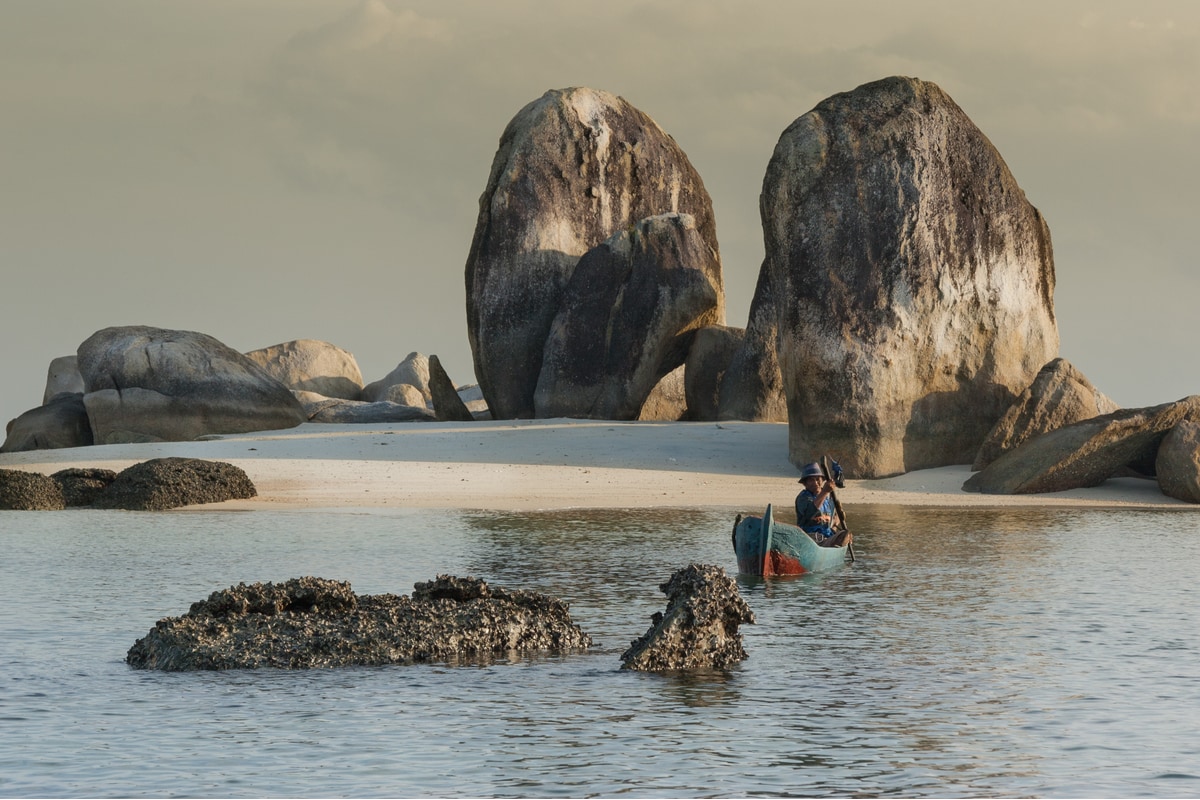
Batu Berlayar is a small island or sandbar-like rocky stop whose large granite stones resemble sails from certain viewpoints. Its exposed sand changes significantly with the tide, so some landings may be impossible or unsafe at high water. Visit as part of a properly planned island-hopping route and give other visitors space to appreciate the site.
Travel tip
Wear water-friendly shoes with grip and keep clear of slippery boulders. Never leave belongings on a sandbank that could become submerged.
4. Tanjung Tinggi Beach: Iconic Laskar Pelangi coastline
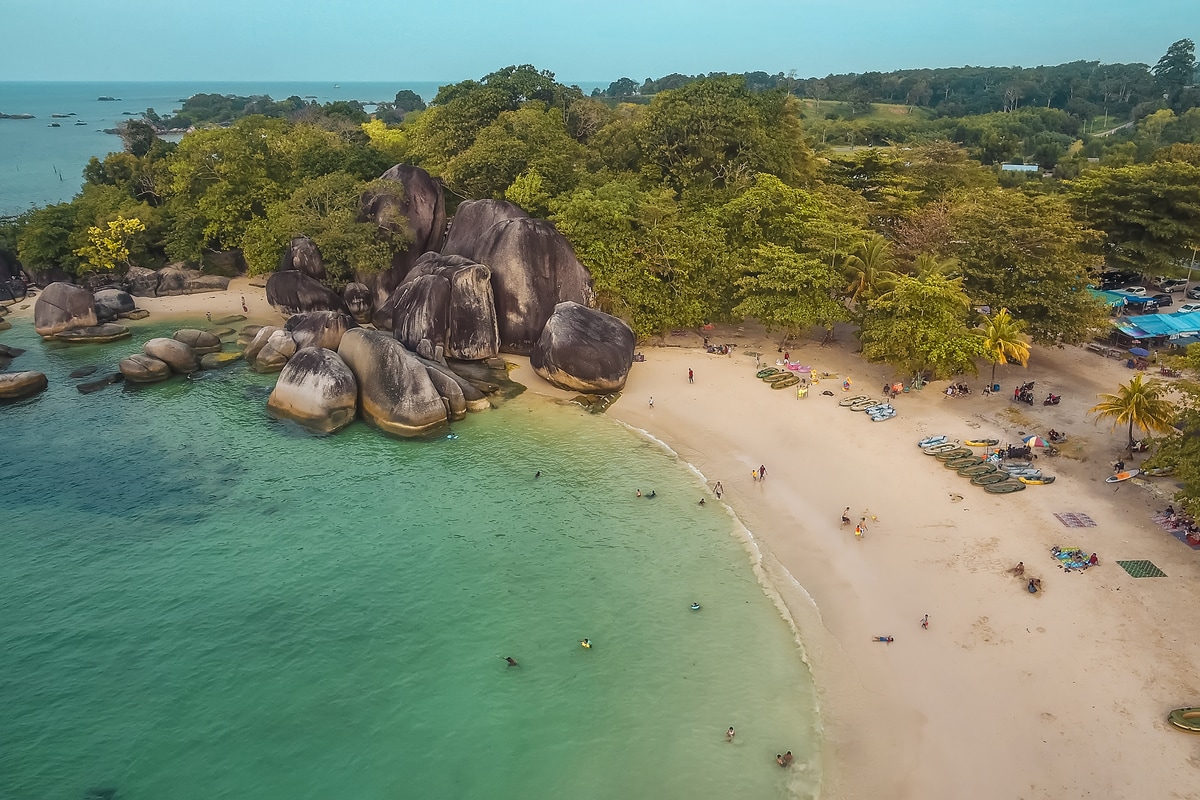
Tanjung Tinggi is famous for vast granite boulders, light sand and its links with film locations used for Laskar Pelangi (Rainbow Troops). The landscape is wonderful for photography and coastal walks. However, local currents and depth can vary between sheltered spaces and open channels; the word ‘calm’ should not be read as a safety guarantee.
Travel tip
Respect posted swimming restrictions, supervise children and avoid climbing wet or unstable granite for a selfie.
5. Pulau Burung (Bird Island): Bird-shaped granite and distinctive rock scenery
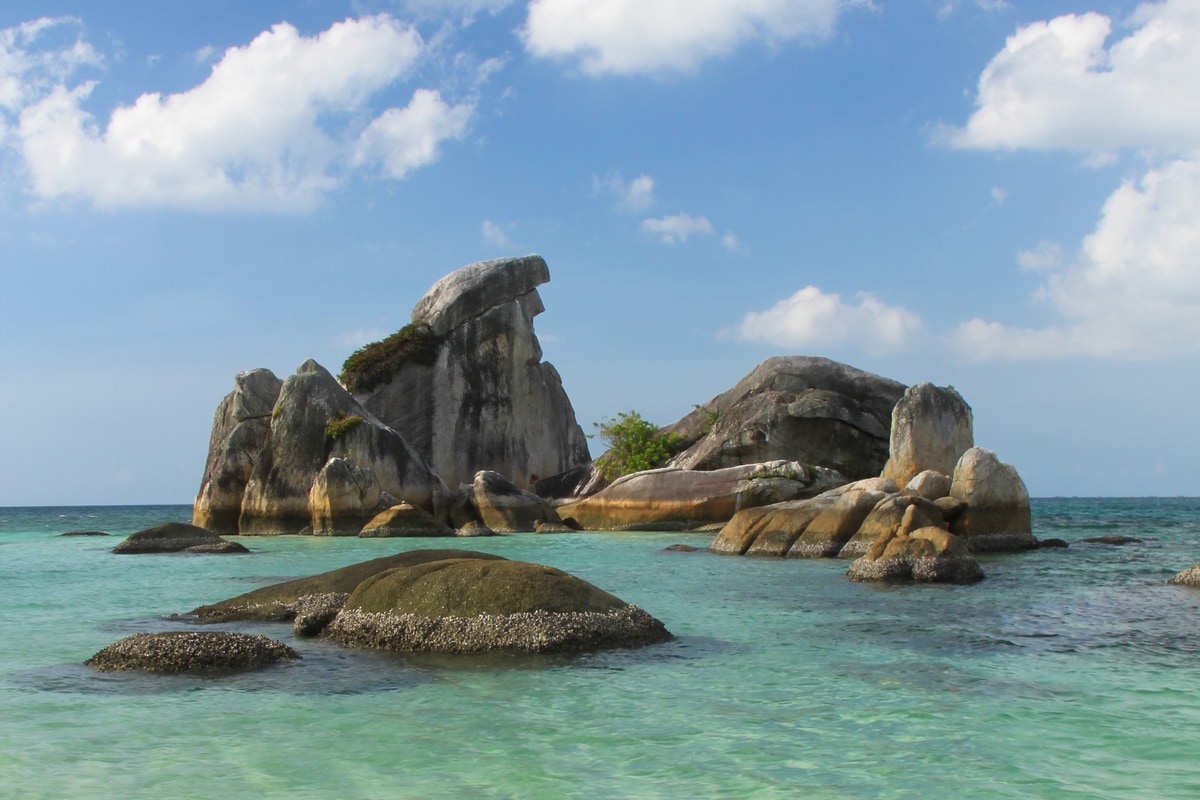
Pulau Burung is often described in local island-hopping itineraries for a remarkable bird-like rock formation. The name refers to the appearance of the rock, not a guarantee of rare birdwatching encounters or a protected wildlife colony. Tide and marine conditions determine how close visitors can safely approach.
Travel tip
Enjoy distant views when landing is unsafe. Ask boat crews before stepping onto rocks or entering the water.
For other island journeys, compare Jakarta’s Thousand Islands and Lombok getaways.
6. Museum Kata Andrea Hirata: Literature and the island’s cultural identity
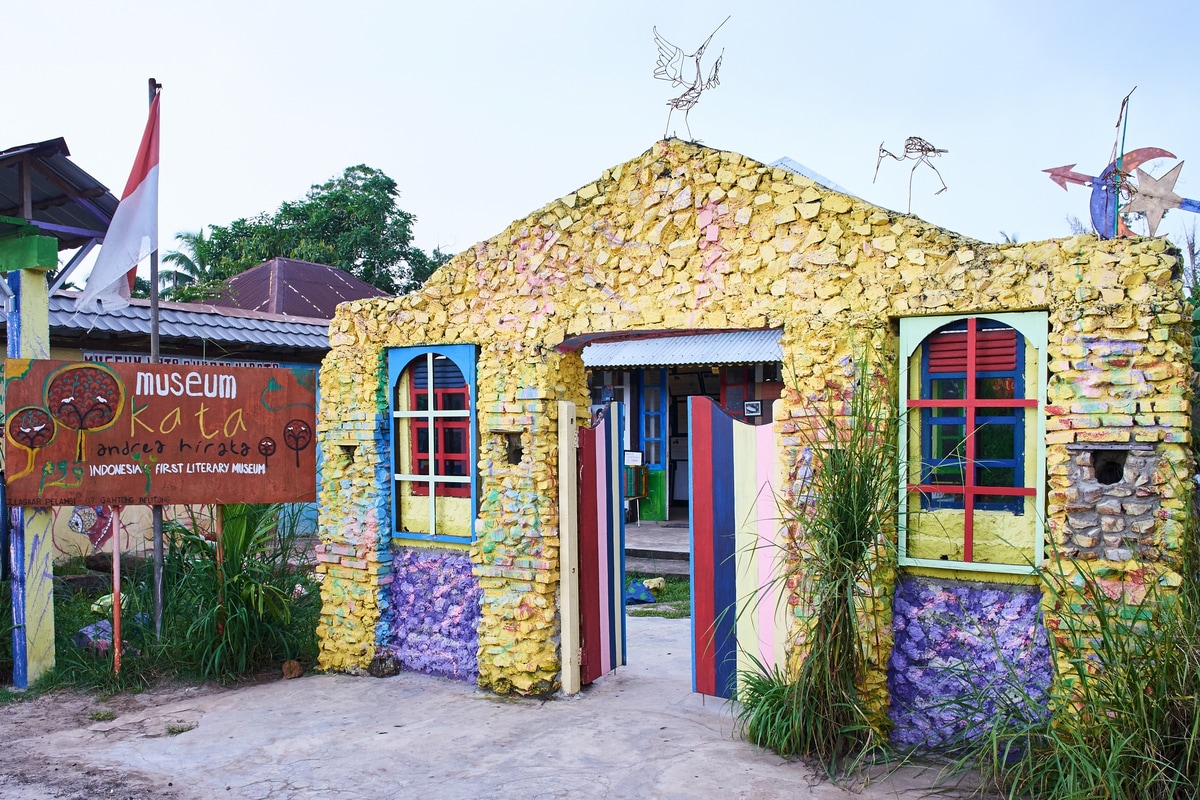
Museum Kata in the eastern Belitung area is associated with author Andrea Hirata and the global interest in Laskar Pelangi. The museum helps visitors appreciate the island’s literary identity and educational story rather than viewing Belitung solely as a beach destination. Exhibition content, ticketing and public access can change.
Travel tip
Plan the road journey separately from the northwestern island-hopping circuit. Confirm museum openings with current local tourism channels.
More cultural experiences await at Indonesia’s living traditions and artisan workshops.
7. Satam Monument, Tanjungpandan: A symbol of Belitung town
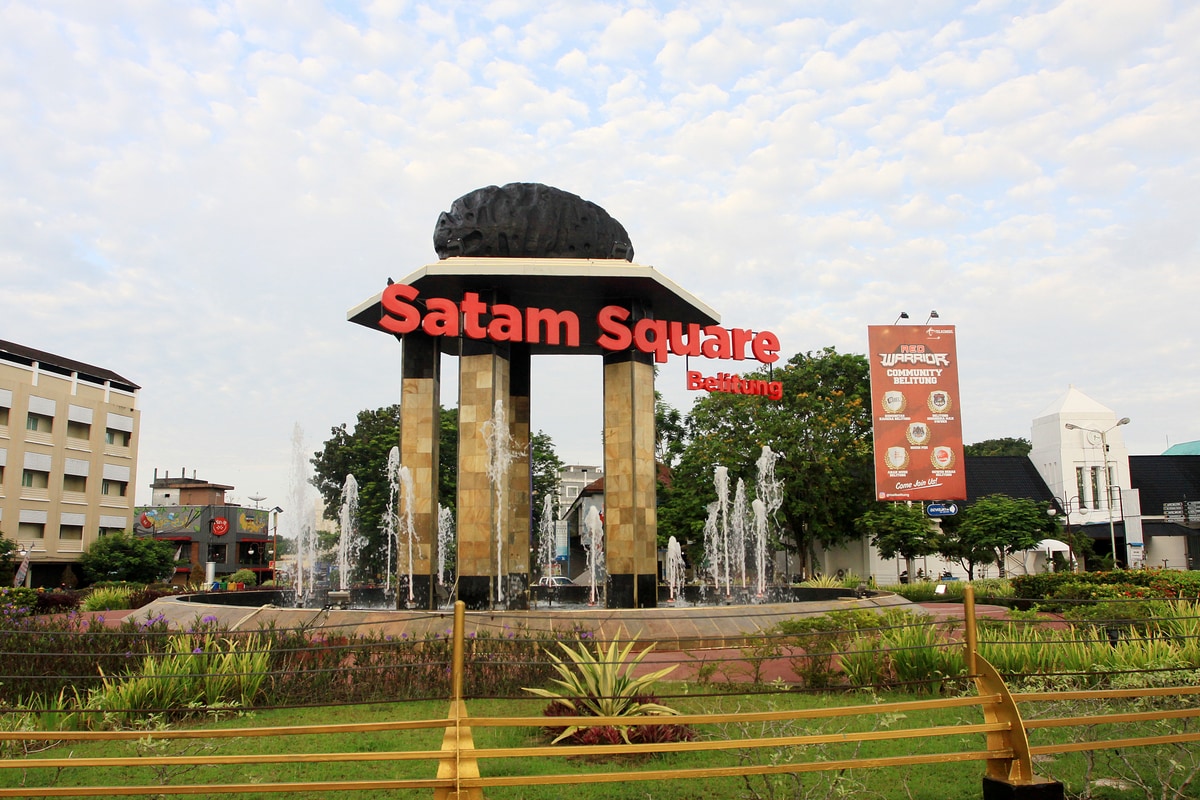
The Satam Monument in Tanjungpandan draws attention to satam stones, dark natural glass linked to a meteorite impact and known in the region. The public square is a useful urban stop for learning about the island’s geological history. It is not a substitute for a guided geological interpretation of protected geopark sites.
Travel tip
Visit at a time when traffic is manageable, use pedestrian crossings and do not obstruct local activity solely to photograph the monument.
8. Kaolin Lake (Danau Kaolin): Turquoise former mining landscape
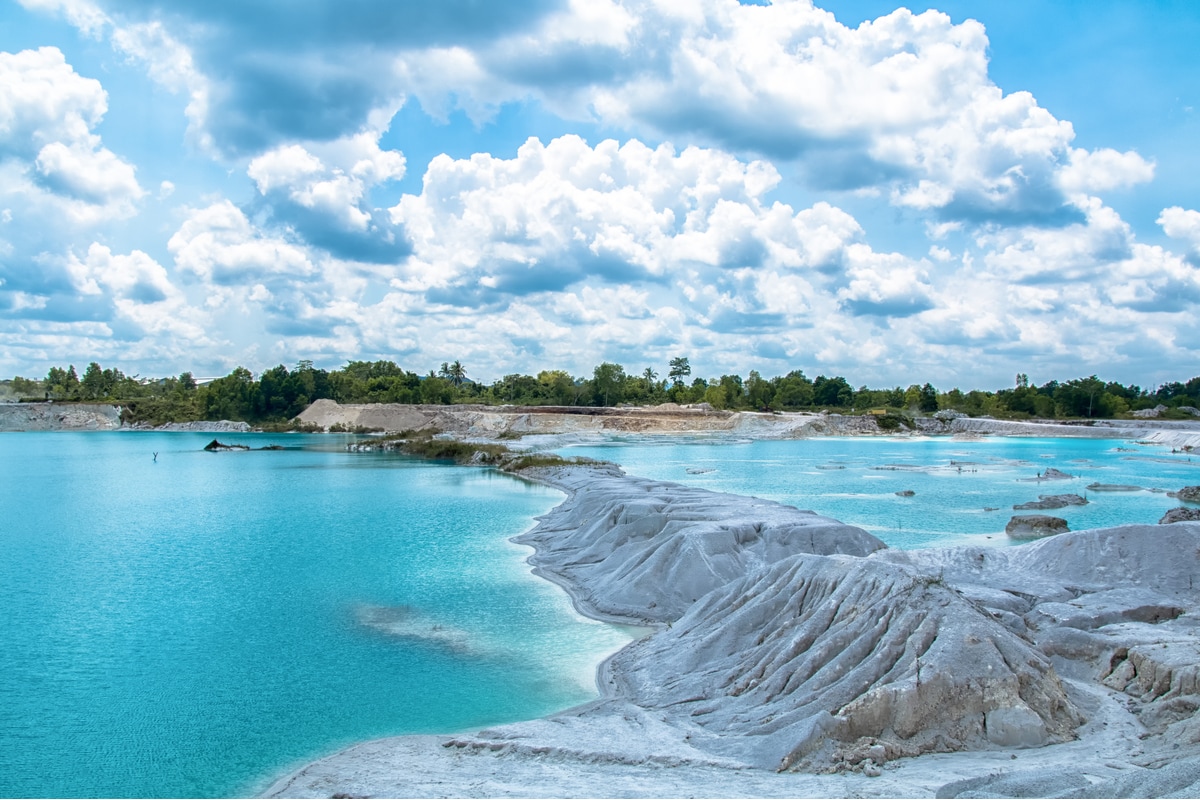
This vividly coloured area is a former kaolin-mining landscape, with pale ground contrasting against blue-green water. Although beautiful for photographs, it is not a natural swimming lake and may contain unstable slopes, deep pits and unsafe water. Do not enter fenced or restricted areas, jump into the water or launch a drone without permission.
Travel tip
View from safe, permitted paths and respect any industrial or restoration work. Mine rehabilitation matters more than the perfect social-media angle.
9. Manggar coffee culture: Traditional kopitiam and social life
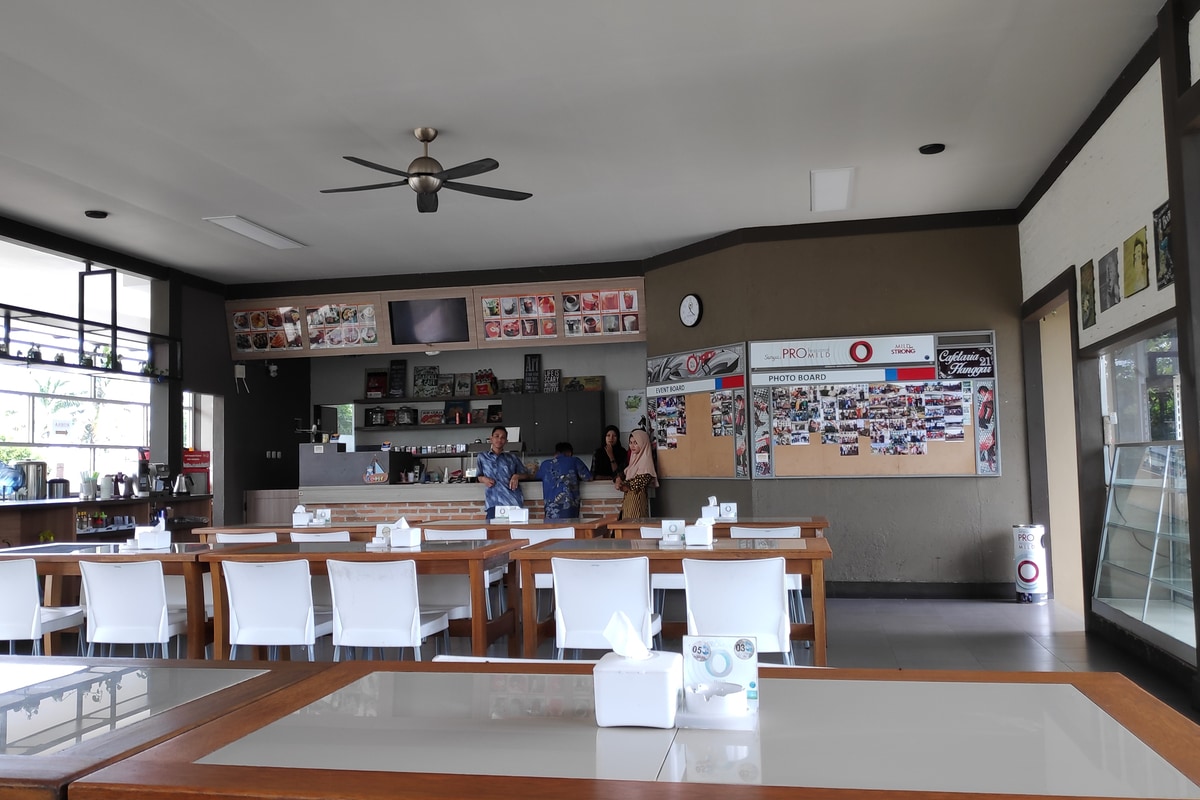
Manggar in East Belitung is strongly associated with local coffee shops and community conversation. The city’s old-style kopitiam can be an enjoyable counterpart to beaches and granite formations, with food, friendly hosts and strong local coffee. Different shops have different menus, and the name ‘Manggar coffee’ is not one standardised recipe.
Travel tip
Choose a reputable café, check opening times, learn a few Indonesian phrases and ask before photographing people.
Discover unique Indonesian coffee traditions and Indonesian breakfast ideas for a richer food-focused trip.
How to plan Belitung island-hopping
Tanjung Kelayang as a common departure area
Many island tours begin from the northwestern coast around Tanjung Kelayang, visiting Lengkuas, Batu Berlayar and other small islands subject to tides and marine conditions. Always agree on the complete route, boat type, life-jacket provision, guide arrangements and return schedule. Do not assume that all nine locations in this article are part of one boat trip; several are inland or in East Belitung.
Weather, visibility and marine conditions
Weather in the Java Sea and surrounding waters can disrupt boats even when the beach looks sunny. Check current forecasts and do not pressure crews to sail in unsuitable conditions. Marine wildlife and coral should be observed without touching or feeding. Our responsible tourism guide and Indonesian biodiversity overview provide context.
Sample 3-day Belitung itinerary
Day 1: northwestern coast and island trip
Stay around Tanjungpandan or the northwest shore, choose a reputable local operator and visit Tanjung Kelayang and the islands permitted by the day’s tides. If conditions are poor, save the boat excursion for another day and explore cultural stops instead. Protect your camera equipment and follow ethical travel-photography advice.
Day 2: Tanjung Tinggi and Tanjungpandan
Enjoy granite scenery, a relaxed lunch and local history around Tanjungpandan. Add the Satam Monument if the square is accessible. For a broader look at Indonesian geology and heritage, read the cultural traditions guide, and compare coastal trips elsewhere in the country.
Day 3: East Belitung and coffee
Plan a separate road trip towards Museum Kata Andrea Hirata and Manggar. This is an opportunity to learn about the island’s literary and everyday identity rather than rushing between scenic stops. Taste regional dishes and explore Indonesian cooking for inspiration when you return home.
Getting to Belitung and travelling around
Flights and local transport
H.A.S. Hanandjoeddin Airport serves Belitung, but airline routes and schedules change. Check actual available flights rather than relying on the old article’s claim that there are always direct flights from a particular city. Arrange a licensed driver or rental with clear conditions for exploring both eastern and western parts of the island.
Money, time zones and basic precautions
Belitung uses Western Indonesian Time (WIB, UTC+7). Bring Indonesian rupiah for small stalls and village purchases, while larger hotels may take cards. Useful preparation includes rupiah and cash guidance, Indonesia’s time zones, traveller safety recommendations and marine transport advice.
Respecting the Belitong Global Geopark
UNESCO Global Geopark status is not a blanket invitation to climb, collect or disturb protected rocks. Follow geosite rules, keep waste out of the sea and respect ongoing restoration of mining areas. Choose operators who share knowledge of geology and support nearby communities. Geoparks protect both landscape heritage and local livelihoods.
How Belitung compares with other islands
If you enjoy granite landscapes and gentle beach exploration, Belitung offers a different travel style from the more surf- and volcano-oriented islands. Compare a Batam day trip or the eastern Java coastline before deciding which region fits your interests.
Frequently asked questions
Is Belitung a UNESCO Global Geopark?
Yes. Belitong joined the UNESCO Global Geoparks network in 2021.
Can tourists climb Lengkuas Lighthouse?
Access can change due to the lighthouse’s operational role and maintenance. Verify current permission rather than assuming the stairs are open.
Can you swim at Danau Kaolin?
No swimming should be attempted in a former mining pit. Observe from authorised safe ground only.
Is Museum Kata on the island-hopping boat route?
No. It is an inland cultural stop requiring a separate road journey.