North Sulawesi’s Manado cuisine is famous for bright aromatics, fresh seafood and assertive chilli, but not every dish is fiery. The region offers nutritious vegetable porridge, smoky fish, savoury snacks and Dutch-influenced desserts. This guide introduces eight foods retained from the original article and helps international visitors understand ingredients, allergies and diverse dietary practices.
8 Traditional Manado Foods to Try in North Sulawesi
1. Tinutuan — Manado vegetable porridge
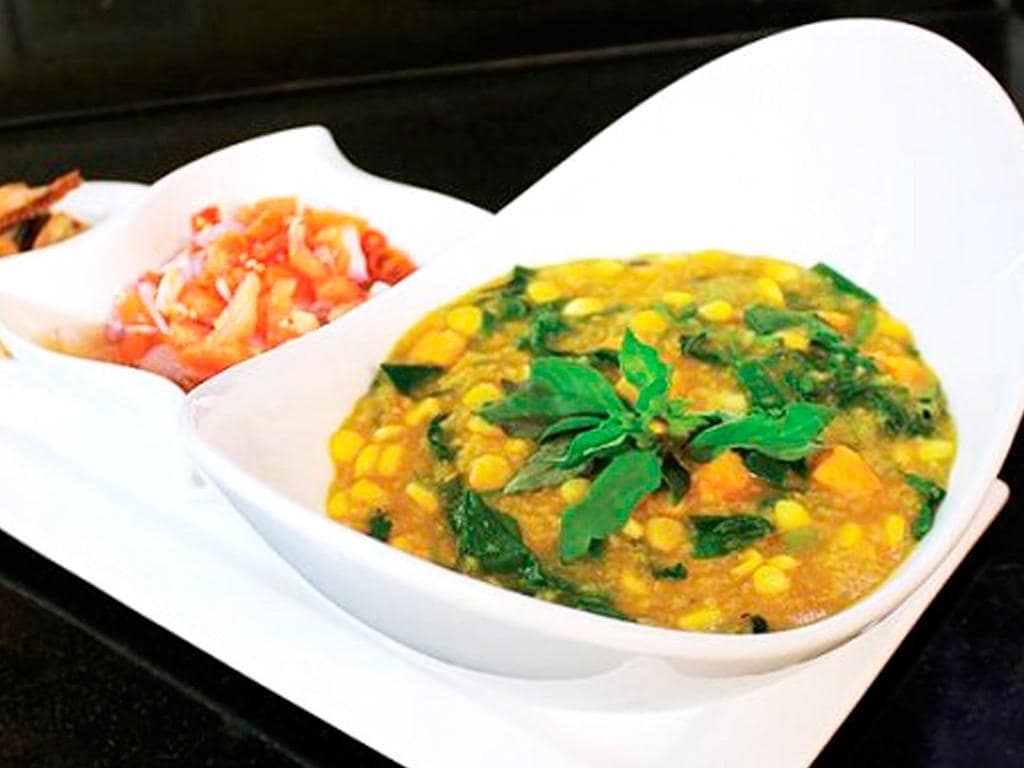
Also called bubur Manado, tinutuan is a comforting rice-based porridge often cooked with pumpkin, corn, cassava and leafy vegetables. It can be a colourful breakfast or lunch with sambal and other sides. Recipes vary across households and stalls.
What visitors should know
The porridge itself may be vegetable-forward, but fish, shrimp paste or meat sides may be added; ask if you need a vegetarian meal.
2. Ayam Rica-Rica — fragrant chilli chicken
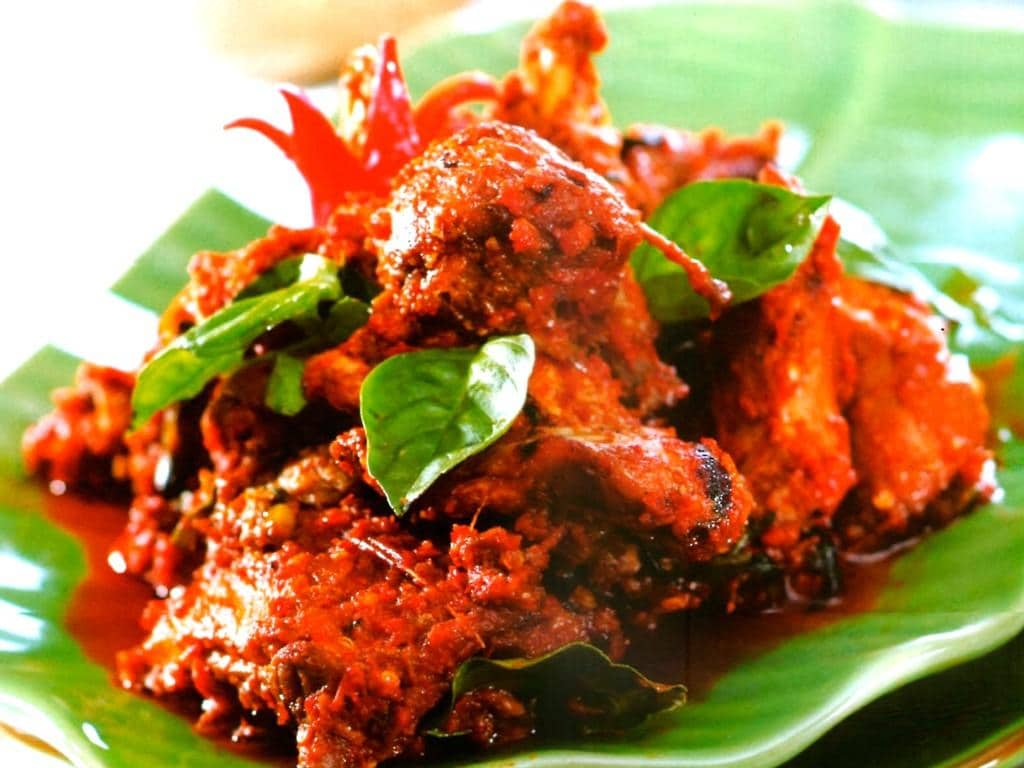
Rica-rica is a spicy chilli-herb seasoning rather than one fixed recipe. Chicken is a popular preparation, featuring chillies, shallots, ginger, citrus leaves and other aromatics. A good dish balances heat with freshness rather than offering spice alone.
What visitors should know
If you prefer mild food, ask whether the vendor can prepare a lower-chilli portion; cooked sauce is not always easy to remove afterward.
3. Garo Bunga Pepaya — sautéed papaya flowers
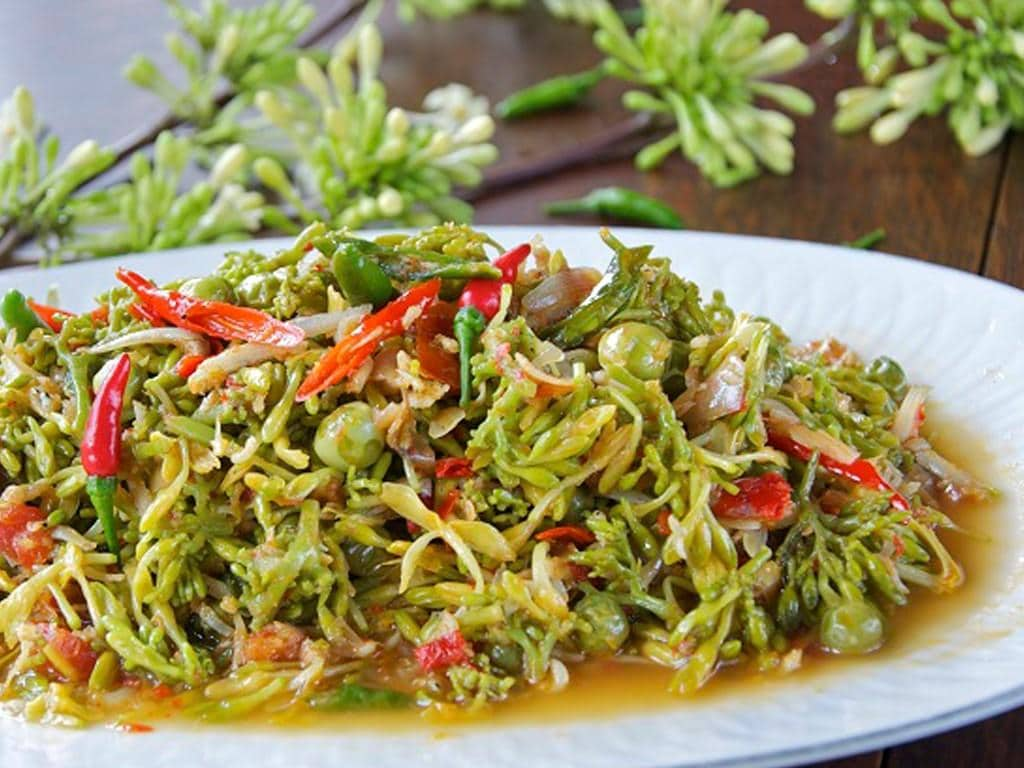
Papaya flowers have a distinctive slightly bitter flavour. In North Sulawesi they can be stir-fried with chillies, shallots and leaves, sometimes with seafood or other additions. Preparation techniques reduce bitterness while retaining character.
What visitors should know
Confirm seafood and meat additives before ordering vegetarian or allergy-sensitive meals.
4. Cakalang Fufu — smoked skipjack tuna
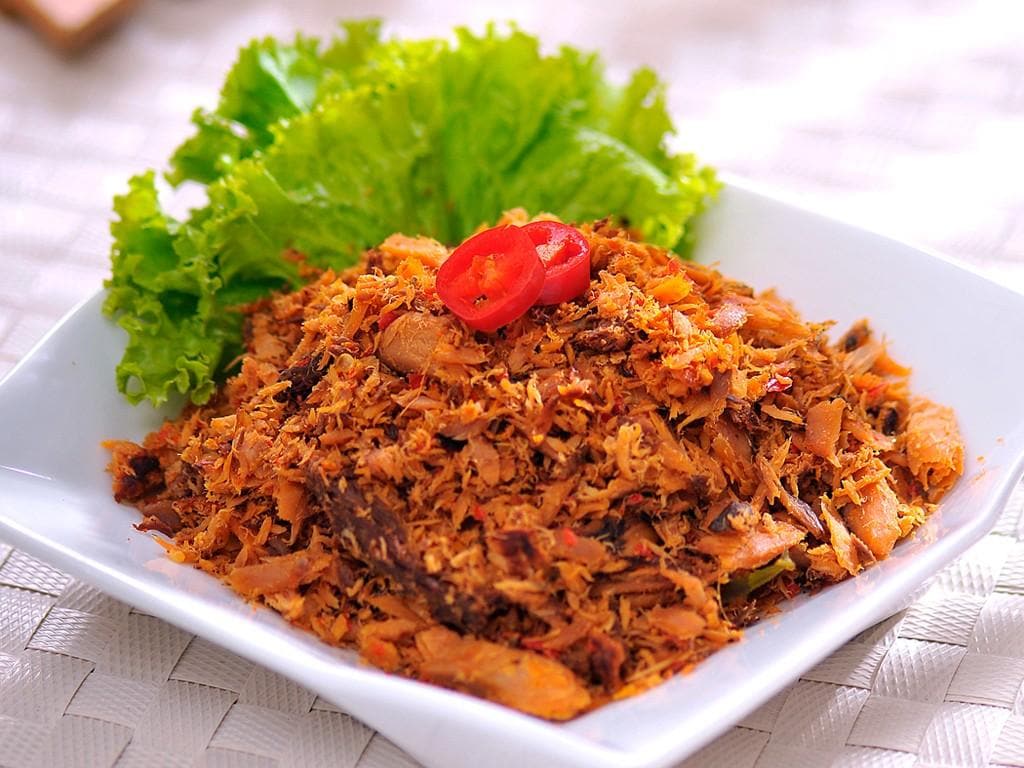
Skipjack tuna is split, smoked and cooked or reheated into dishes, often with rica-rica. Smoking produces a firm texture and distinctive aroma; it does not make the fish safe to keep indefinitely at ambient temperatures. Indonesia’s official tourism portal describes it as a notable North Sulawesi speciality.
What visitors should know
Buy from reputable food vendors and keep perishable fish under safe storage conditions. Ask about the source and freshness.
5. Sate in North Sulawesi
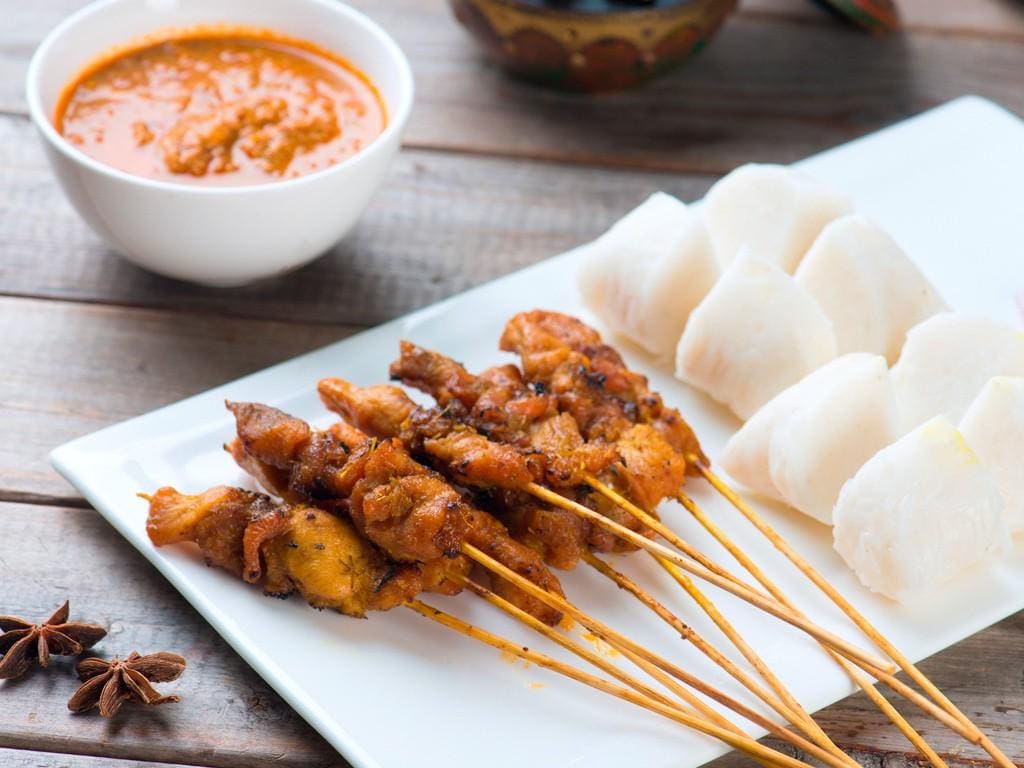
Skewered meat and seafood are part of the regional street-food scene. Preparation can differ widely from Javanese peanut-sauce satay; in Manado, strong spice rubs and accompanying sambal may feature. Some local meat types are unsuitable for certain religious and personal diets.
What visitors should know
Always confirm the specific animal and preparation; never assume all Indonesian sate is chicken, beef or halal.
6. Klappertaart — coconut custard dessert
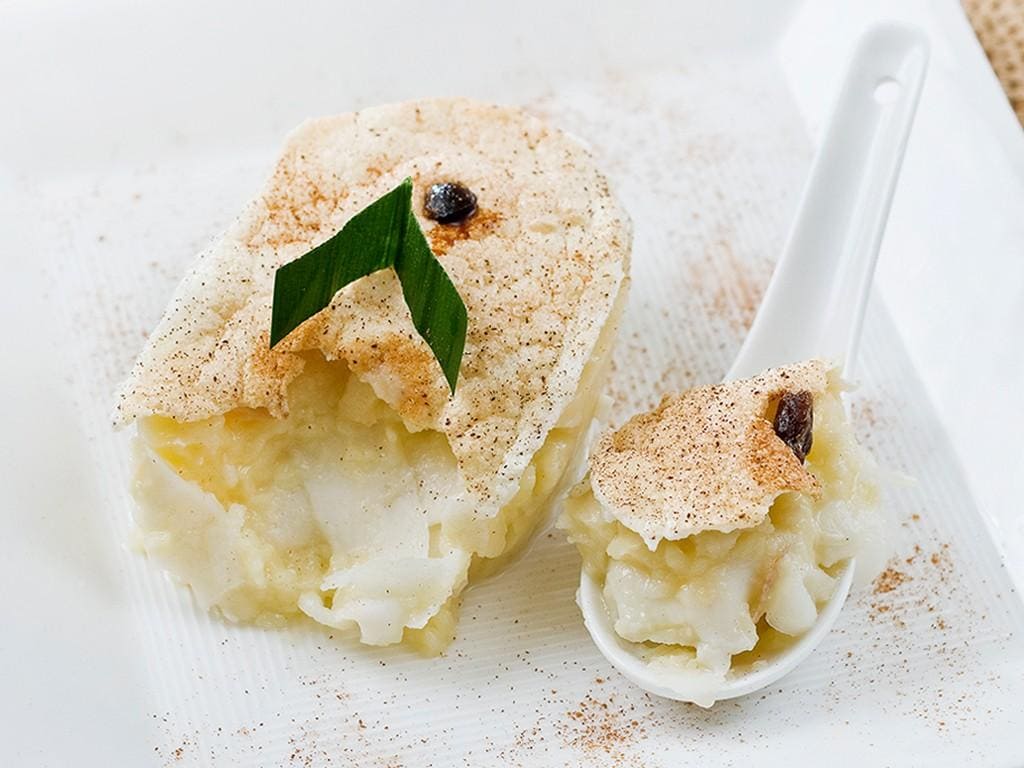
Klappertaart reflects Dutch-influenced culinary history in North Sulawesi. Typically made with young coconut flesh, dairy, eggs and flavourings, it may be served chilled or baked with raisins and nuts. The result is sweeter and milder than the city’s chilli-rich savoury cooking.
What visitors should know
Dairy, egg, nut and alcohol-containing flavourings may matter for some travellers; ask the shop about ingredients.
7. Nasi Jaha — fragrant bamboo-cooked rice
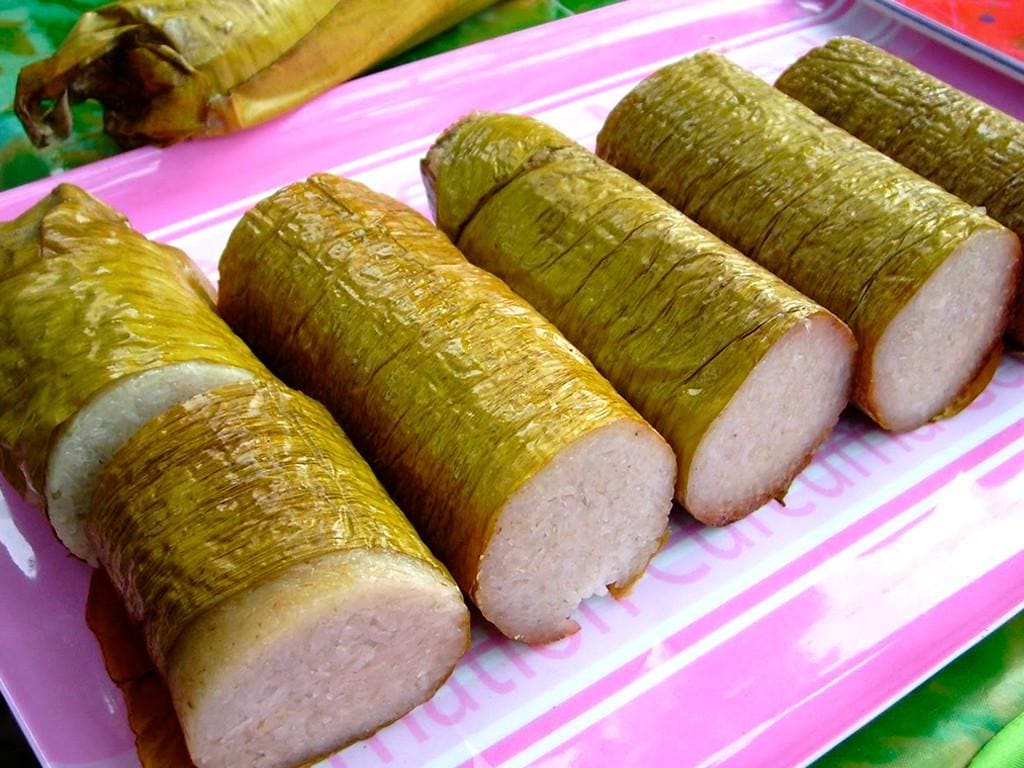
Sticky rice and coconut milk are cooked in bamboo, sometimes wrapped with leaves and seasoned with ginger or other aromatics. Nasi jaha is a satisfying savoury snack and is associated with special meals and gatherings in North Sulawesi.
What visitors should know
Look for freshly prepared portions and ask whether it includes animal products.
8. Panada — stuffed fried pastry
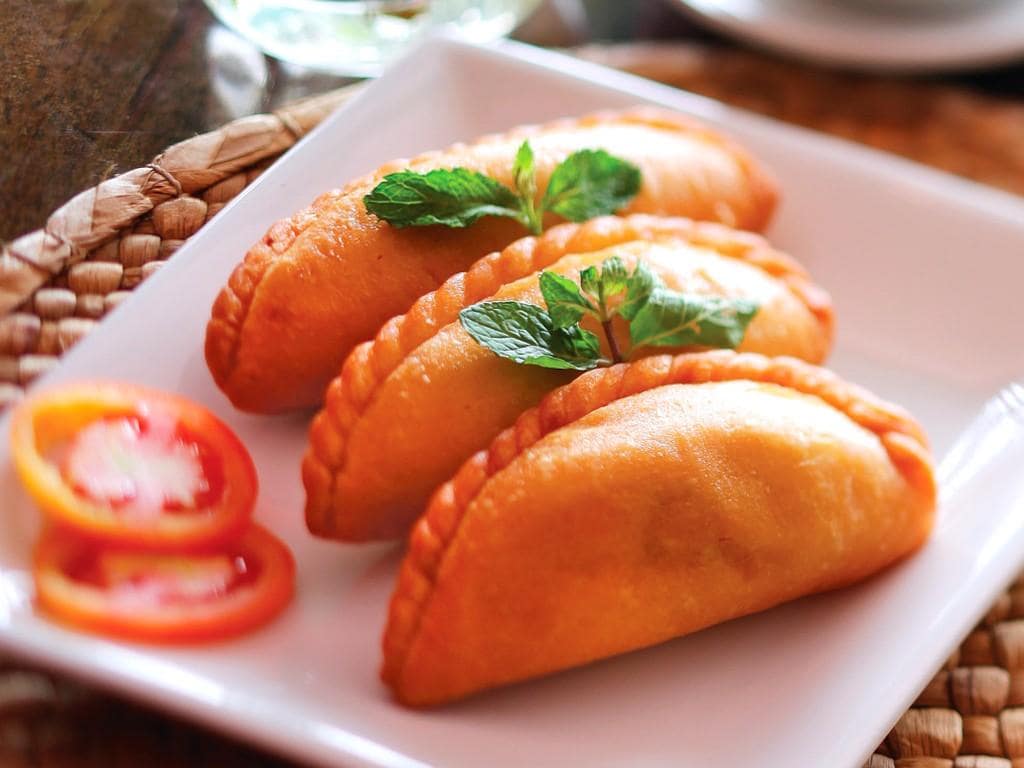
Panada is a savoury pastry often filled with seasoned shredded fish, frequently tuna, before being fried. The bread-like casing and spicy filling reflect a complex history of coastal trade and cultural exchange. It is similar in concept to other stuffed pastries but retains a distinctive local flavour.
What visitors should know
Check for wheat, seafood and dairy allergens; choose freshly fried pastries from reliable vendors.
Regional culture and food context
Understanding the food begins with Indonesia’s cultural diversity and the islands and regions that shape its recipes. Across the archipelago, ingredients and serving traditions vary by community, season and household; a famous dish name is not a promise of one identical recipe.
How to find a good place to eat
Browse regional Indonesian cuisine and more traditional dish ideas for dishes to compare. Before ordering, check the menu for ingredients and request an explanation of local sauces and condiments.
Planning meals during your trip
Our guides to Indonesian breakfast, Jakarta’s regional dining options and additional traditional cuisine can help build a varied itinerary. Seek busy stalls that prepare ingredients safely, but don’t equate popularity alone with hygiene.
Food safety, allergies and dietary considerations
Talk to the cook about ingredients
Travellers with allergies, halal preferences or vegetarian requirements should ask about broths, sauces, animal products, peanuts, fish paste and cross-contact. Explore regional flavours and spice traditions and other Indonesian snacks for inspiration rather than assuming every dish has the same ingredients.
Keep street-food visits safe
Fresh cooking, protected ingredients, potable water and sensible food storage are important. Especially for seafood, chilled desserts and uncooked toppings, avoid stalls where food is exposed to contamination or held at unsafe temperatures. See Indonesia travel safety advice and use our rupiah and payments guide before shopping at small stands.
Practical itinerary ideas
Try more than one regional style
Sample one traditional speciality and one contemporary version where available. Compare different local restaurants and Indonesia’s café and drink traditions across regions without treating any single outlet as the definitive source.
Where to go next
For additional food experiences, discover Indonesian culinary travel ideas, the wider Indonesia guide, different dietary-friendly venues and related local destinations. Plan realistic travel times if you want to try cuisine from more than one island.
Frequently asked questions
Are the ingredients the same across Indonesia?
No. Regional and household recipes vary substantially. Always check the specific vendor’s preparation.
Can travellers with food allergies try local specialities?
Often, but communicate exact allergens clearly and avoid meals if staff cannot verify ingredients or cross-contact risks.
What should I budget?
Street-stall portions and restaurant menus differ widely, and rates can change. Check the local menu before ordering and pay in Indonesian rupiah.