Seeing a whale shark in Indonesia can be an extraordinary marine encounter. These enormous, spotted filter-feeding fish visit parts of the archipelago, including waters around East Kalimantan, Gorontalo, Sumbawa and Cenderawasih Bay. Yet tourism can harm whale sharks if people chase, touch, feed or crowd them. This updated guide explores four locations from the original article, explains the conservation concerns, and helps international visitors choose a responsible experience rather than treating a wildlife encounter as guaranteed entertainment.
What should you know about whale sharks?
The whale shark (Rhincodon typus) is the largest living fish and a filter-feeding shark, not a whale. It eats plankton and other small marine life. The species is globally classified as Endangered by the IUCN, with threats including vessel strikes, bycatch, habitat pressures and poorly managed wildlife interactions. A gentle feeding strategy does not make the animal safe to surround or ride. For context see Indonesia’s extraordinary wildlife and our guide to conservation and endangered animals.
4 places in Indonesia to look for whale sharks responsibly
1. Talisayan and the Derawan region, East Kalimantan
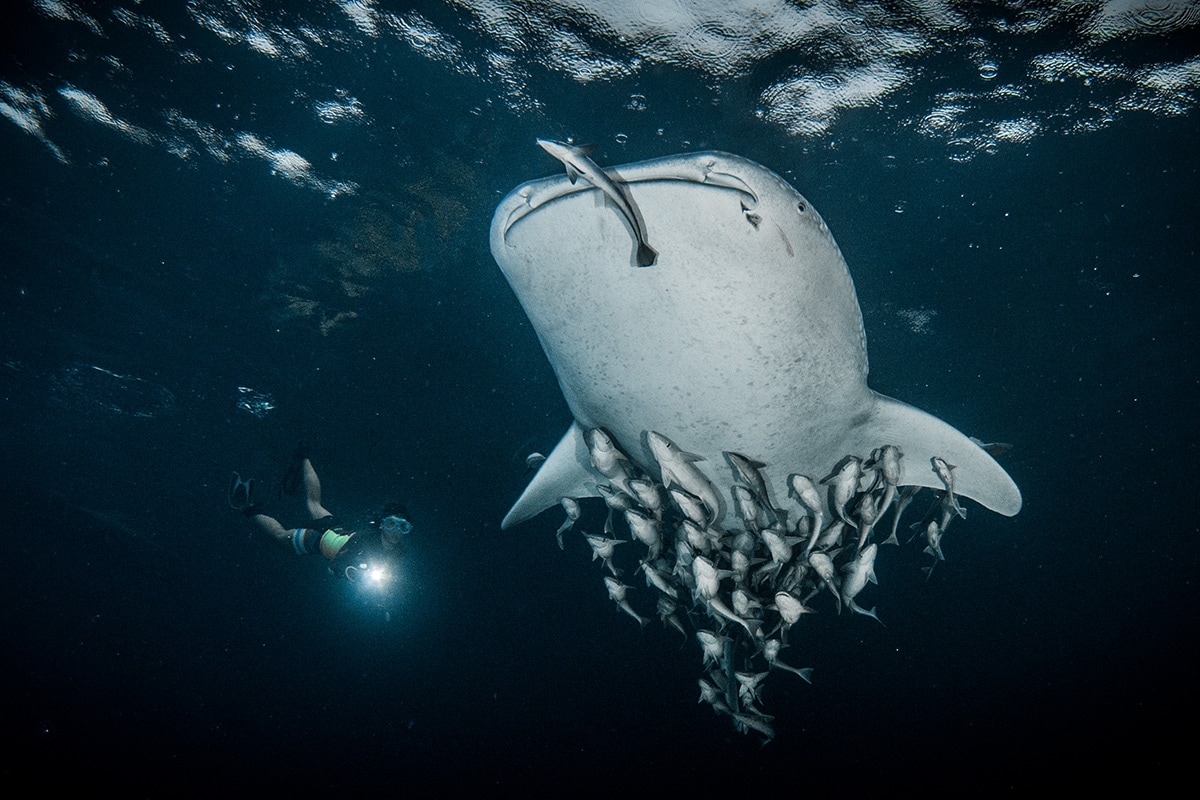
Off the Berau coastline in East Kalimantan, whale shark encounters have been reported near fishing platforms or bagan around Talisayan and surrounding waters. Seasonal food availability and local fishing practices affect sightings. WWF-Indonesia has worked with partners and communities to strengthen whale shark tourism codes of conduct in the area. Check current operating permissions, marine weather and whether your chosen operator follows the local wildlife code.
Conservation matters in Berau
Whale sharks should be observed passively, with boats reducing speed and snorkellers allowing room for the fish to move naturally. Never ask a skipper to feed an animal to improve your photograph. Wider marine travel options can be found in Indonesia ecotourism experiences and community tourism villages.
2. Botubarani, Gorontalo, Sulawesi
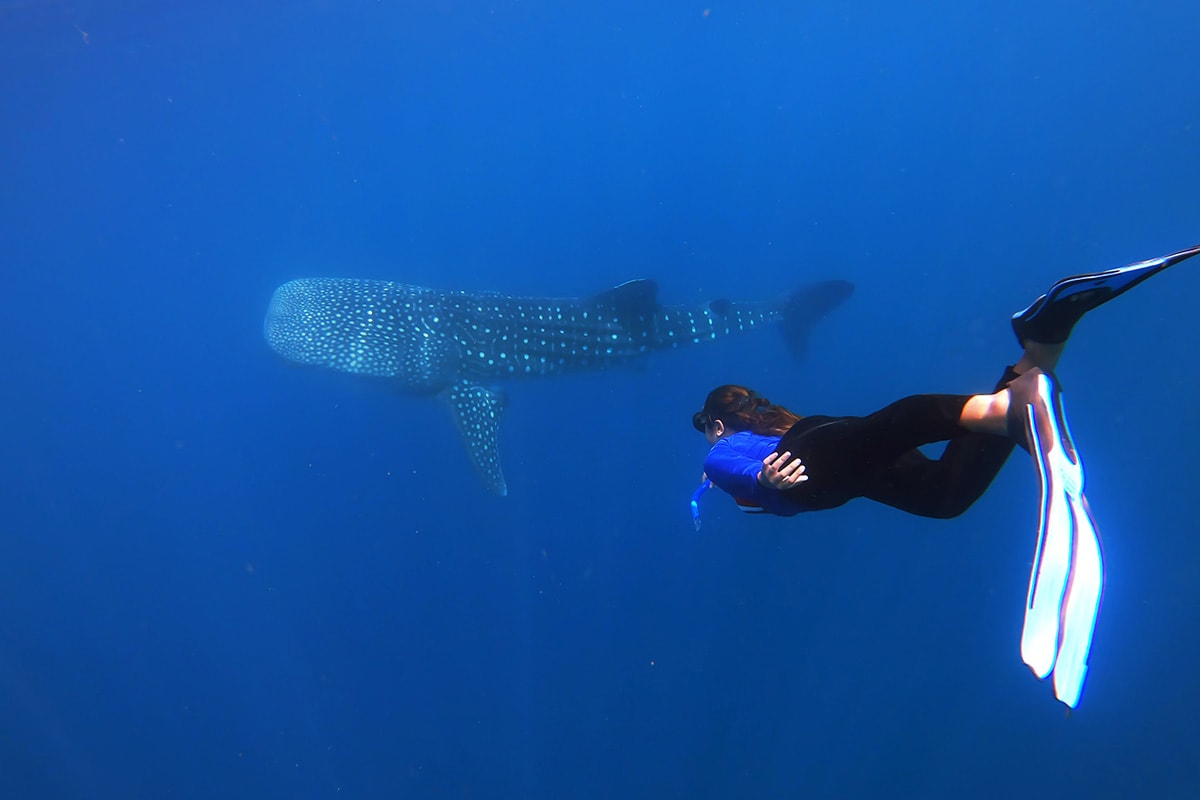
Botubarani, near Gorontalo, has become a known destination for observing whale sharks close to shore. The local tourism operator publishes an interaction code and offers different experiences, from watching from a boat to supervised snorkelling and diving. Its published limits include roughly 3 metres from the shark’s sides or head, 4 metres from its tail, and a short supervised snorkelling period. Always follow the actual current local code, which takes precedence over generic online advice.
Why not everyone should enter the water
Watching from the boat is often a more comfortable choice for children, non-swimmers and visitors who want to minimise disturbance. Staff may limit group sizes and access. Ask about flotation equipment and emergency arrangements. A Sulawesi itinerary can also include the North Sulawesi region, but Gorontalo and Manado are not adjacent day-trip destinations.
3. Saleh Bay, Sumbawa, West Nusa Tenggara
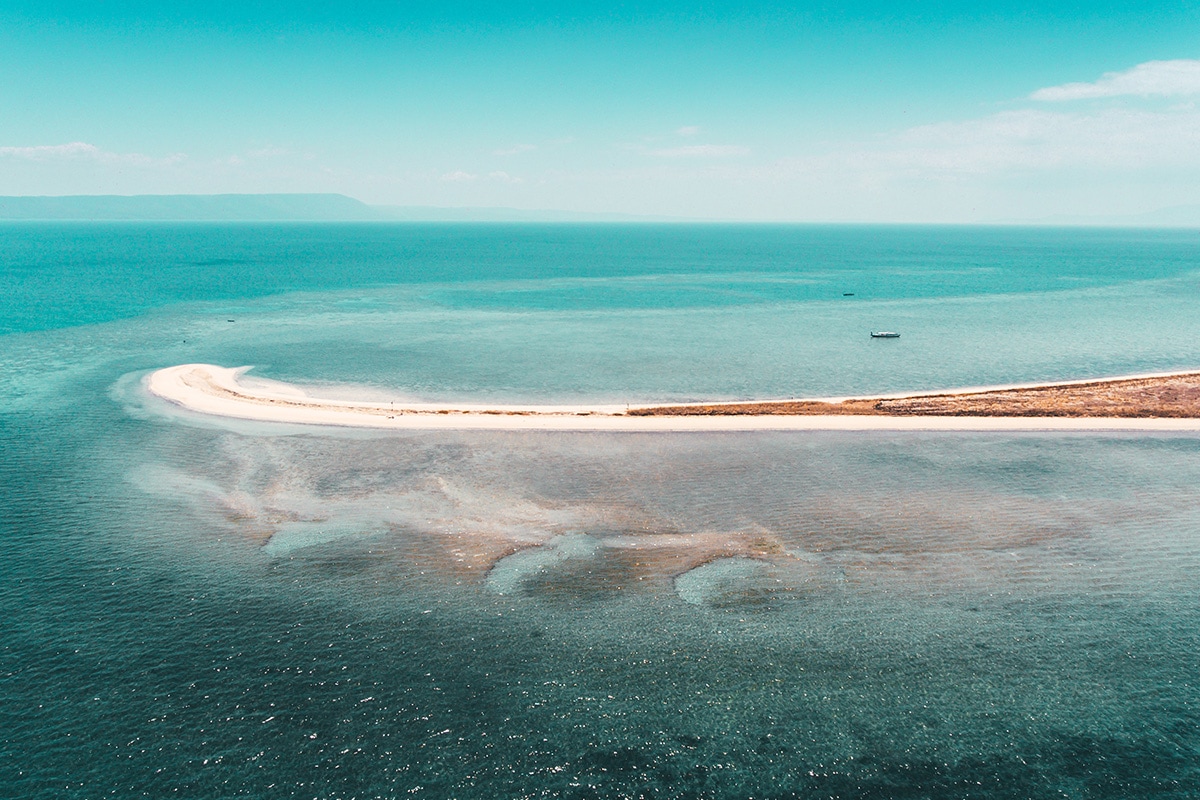
Saleh Bay on Sumbawa is associated with whale shark encounters, sometimes in areas where animals approach fishing activity. Departures may begin before sunrise and can require boat transfers across open water. The animals’ presence changes with conditions, and wildlife viewing should never be guaranteed by a tour package. Ask about operator practices, group sizes and whether feeding or close crowding is prohibited.
Planning around the island
Sumbawa differs from Lombok and Bali in road distances and visitor infrastructure. Check your transfer route and build a buffer day for changing weather. For other eastern Indonesian island escapes, see Sumba’s natural attractions and Komodo’s marine conservation region.
4. Cenderawasih Bay, Papua
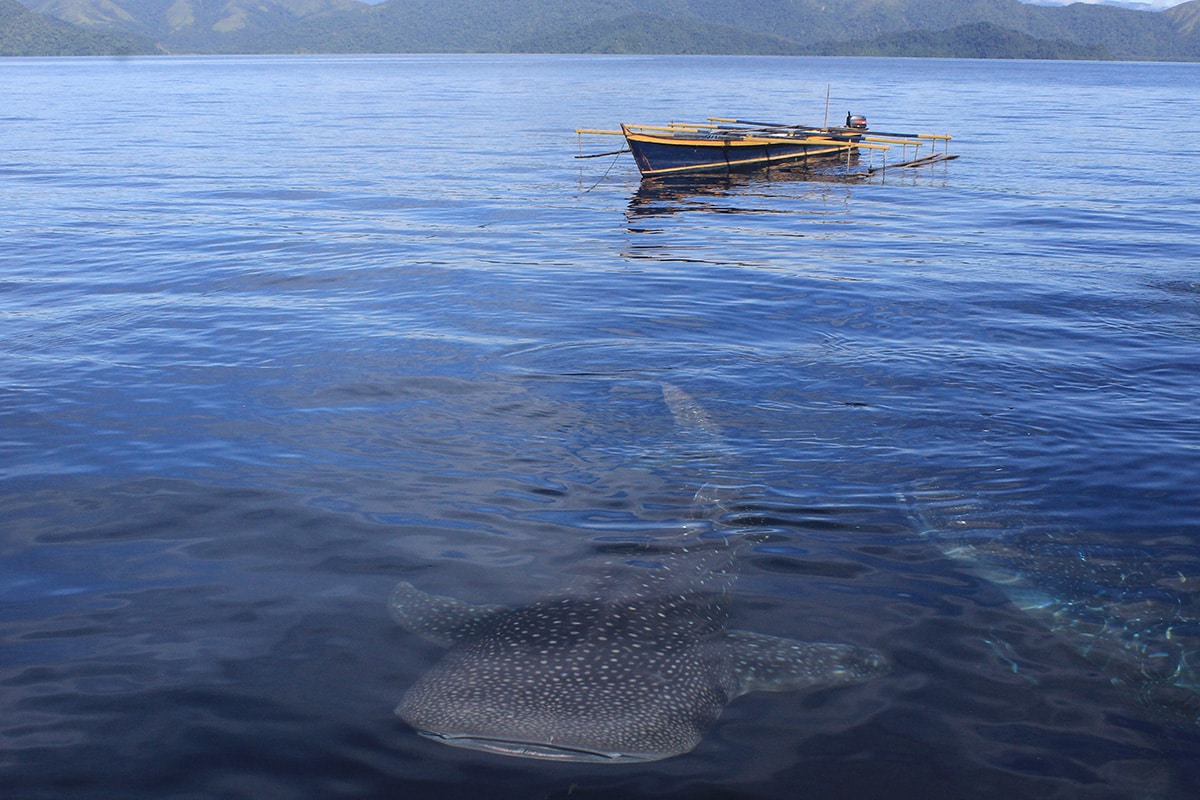
Cenderawasih Bay National Park is another important habitat where whale sharks have been recorded. The area includes remote coastal communities and marine ecosystems with complex conservation needs. Visitors should arrange reputable local logistics, national-park permissions, weather-aware boats and transport for medical emergencies. Older articles often label all surrounding areas as “West Papua,” but present-day provincial boundaries are more complex; verify the exact province and travel connection for your destination.
Make the trip about more than one species
Remote marine areas reward patient travel with local guides, reef education and community-led accommodation. Compare Raja Ampat’s biodiversity or Raja Ampat accommodation options when planning a dedicated Papua journey.
Whale shark interaction rules travellers must follow
Stay distant: no touching, chasing, riding or feeding
Keep clear of the shark’s head, mouth, sides and especially its powerful tail. Never obstruct its swimming direction or enter from directly in front. Do not touch, ride or grab the fin; do not use camera flash or bright video lights that disturb wildlife. WWF-Indonesia’s published interaction guidance supports limits on boat numbers and interaction duration, as well as slower boat speeds around the animals.
Choose a conservation-minded operator
Ask how many snorkellers enter at once, whether a trained guide controls entry and exit, how the company handles engine use, and whether they stop a trip when the shark displays avoidance behaviour. Pay attention to waste disposal and reef protection. Read Indonesia safety essentials and sea transport planning.
Feeding practices and ethical concerns
Some local encounters are linked to baitfish or food availability around fishing platforms. Tourist-driven feeding may alter wildlife behaviour and creates crowding risks. If a tour depends on attracting sharks with food or promises physical contact, choose a different provider. Responsible tourism values a natural sighting more than a staged one.
When is the best time to see whale sharks?
There is no single nationwide whale shark season. Each aggregation is influenced by food, ocean conditions and local animal movements. Ask local conservation groups about recent sightings and the appropriate marine season; even at a famous site, seeing a whale shark is never certain. Use generous itinerary flexibility rather than a day-long transfer for one guaranteed photo.
Snorkelling versus diving with whale sharks
Whale sharks often appear near the surface, so respectful boat watching or guided snorkelling may be sufficient. Scuba certification does not give you permission to approach closer, and beginners should not dive without suitable qualifications. For more marine options explore Wakatobi’s reefs, Komodo’s marine features or Jakarta’s nearby marine islands.
How to organise your trip
Transport, budget and access
Confirm domestic flights, boats, park charges, guide services and emergency resources. Remote sites are not comparable to city beaches, and trips can be cancelled for weather or conservation rules. For a bigger trip see our Indonesia travel guide and other island experiences.
Responsible travel beyond whale sharks
Respect marine wildlife throughout your journey. Do not handle coral, sea turtles or other protected animals. Travellers exploring Flores after a whale shark trip might consider Labuan Bajo’s cultural and natural experiences as part of a separate route.
Frequently asked questions
Are whale sharks dangerous to swimmers?
They are filter feeders and do not hunt humans, but their size, movement and the surrounding sea create safety hazards. Maintain the operator’s required distance.
Can a tour guarantee a sighting?
No. Whale sharks are wild animals, and ethical operators should disclose that sightings vary.
Should I feed a whale shark?
No. Feeding can disrupt natural behaviour and is prohibited by responsible interaction rules.
Authoritative references
- WWF-Indonesia — whale shark interaction guidelines (2025)
- WWF-Indonesia — responsible interactions in Berau
- Botubarani tourism — local encounter rules
- WWF — whale shark ecology and threats
Original video reference
The earlier article featured a related video, kept here as an external resource.