Indonesia’s tropical rainforests shelter extraordinary wildlife, including orangutans, tarsiers, elephants and the last remaining wild Javan rhinoceroses. These ecosystems are under severe pressure from habitat loss, fires, poaching and climate-related change. In October 2026, reports of major fires in Kalimantan and Sumatra underscored the consequences for displaced orangutans. This updated guide highlights five significant Indonesian forest destinations, explains their conservation value and helps visitors avoid tourism that harms the very animals they hope to encounter.
Why Indonesia’s rainforests matter
Forests across Sumatra, Kalimantan, Java, Sulawesi and Papua support distinct plants, mammals, birds and ecosystem services. They store carbon, regulate water flows and contribute to local cultures and livelihoods. However, wildlife does not exist for guaranteed tourist encounters. See our endangered and endemic animal guide and Indonesia’s geography overview.
Five rainforest and wildlife destinations
1. Tanjung Puting National Park, Central Kalimantan

Orangutan habitat and river forests. This lowland forest and peat-swamp landscape is associated with Bornean orangutans and conservation research. Some organised visitor programmes travel by riverboat and visit designated research or rehabilitation-related facilities. Orangutans are not props for photographs: visitors should never feed, touch or approach them. Forest fires and habitat fragmentation add major pressures to populations.
Visiting responsibly
Use licensed operators, follow national-park rules, stay on marked routes and accept that sightings vary. Confirm whether any viewing platforms or feeding stations are currently open and whether visits fit ethical wildlife standards.
Learn how conservation tourism differs from staged animal encounters in our ecotourism guide.
2. Tangkoko Nature Reserve, North Sulawesi

Spectral tarsiers, black macaques and Sulawesi forest. Tangkoko supports distinctive Sulawesi wildlife, including small tarsiers and the Sulawesi crested black macaque. Many animals are most active at dawn or dusk, so visitors should use trained conservation-aware guides. A bright torch, flash or close approach may stress nocturnal species. Do not confuse a protected-area viewing encounter with permission to handle wildlife.
Visiting responsibly
Choose a licensed local guide, keep voices down, avoid flash and never encourage macaques with food. Learn habitat rules before following a night walk.
3. Way Kambas National Park, Lampung

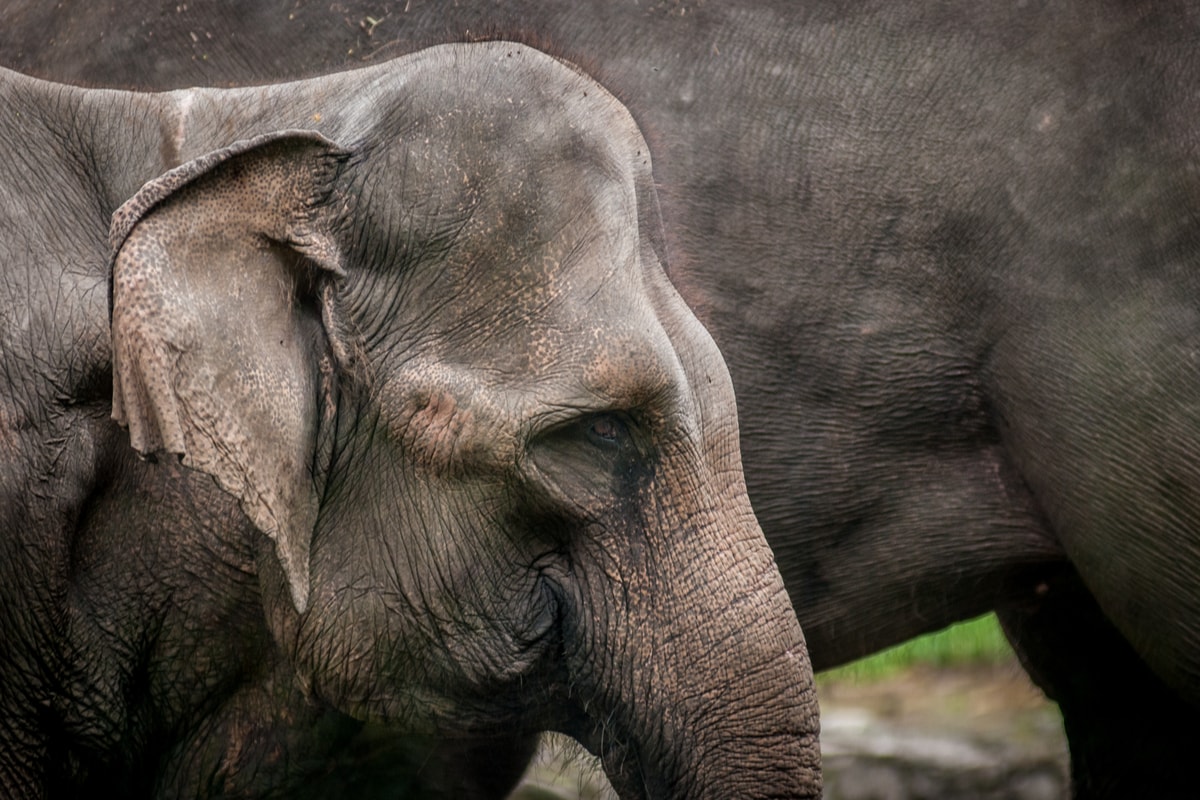
Sumatran elephants and rhino conservation. Way Kambas is associated with Sumatran elephant conservation and the Sumatran Rhino Sanctuary. Both species are threatened and their care requires specialist facilities. Visitors must not assume the rhino sanctuary is freely open to tourists or that all wildlife programmes allow direct contact. The ethics and accessibility of elephant-related activities should be checked carefully.
Visiting responsibly
Seek educational, welfare-focused experiences rather than rides or animal tricks. Respect closed conservation compounds and park permits.
4. Ujung Kulon National Park, Banten

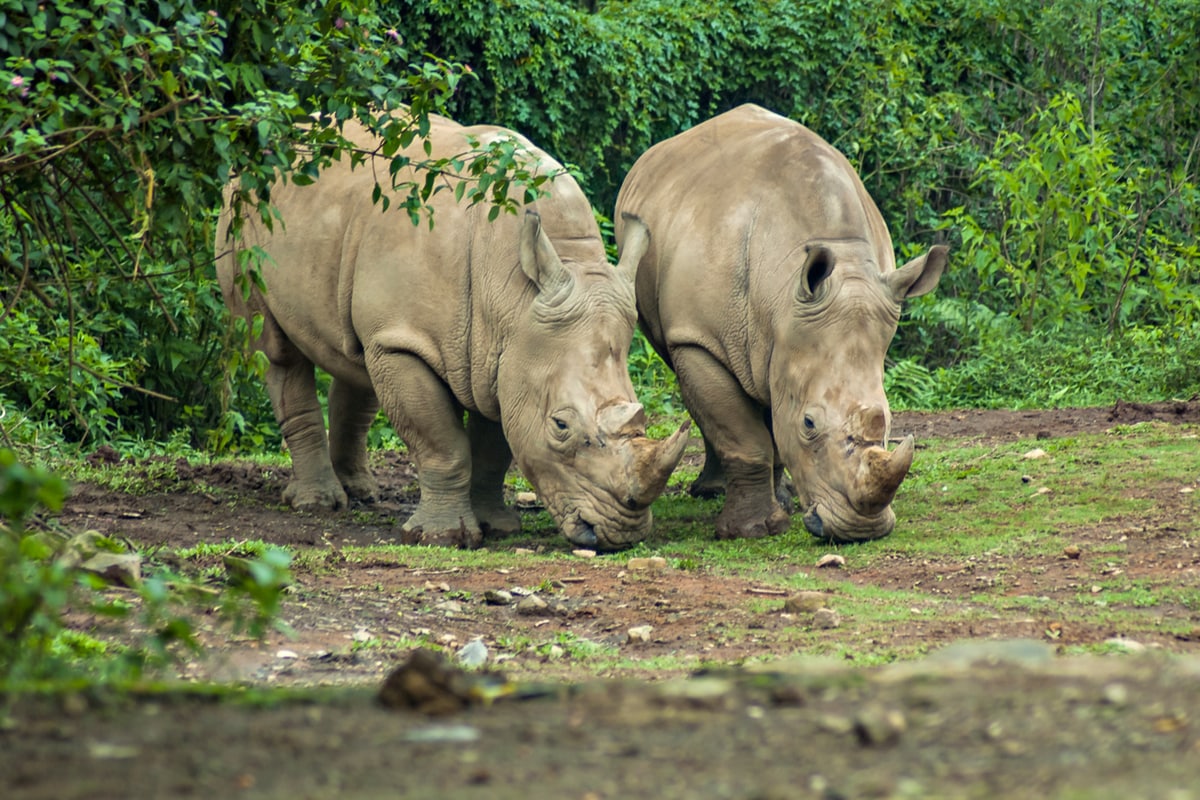
Last stronghold of the Javan rhinoceros. UNESCO identifies Ujung Kulon as essential to the survival of the critically endangered Javan rhinoceros. Travellers should not expect to see rhinos during a normal tour; much of their habitat is sensitive and deliberately protected. The forest, coastline and other biodiversity can be appreciated through permitted activities without pressuring guides to reveal locations of protected animals.
Visiting responsibly
Obtain park permission and a legitimate guide, respect research and core zones, and avoid sharing sensitive wildlife locations online.
Learn about protected areas through Java and Bali’s national parks.
5. Alas Purwo National Park, East Java
Lowland forest, savanna and coastal habitats. Alas Purwo near Banyuwangi contains forests, coastal areas and other habitats with deer, monkeys and birdlife. The park also holds cultural and spiritual significance to local communities. Wildlife sightings and access depend on season and park rules, and some routes may be closed during dangerous weather.
Visiting responsibly
Plan with approved guides, avoid feeding macaques and never enter forest or beach sectors prohibited by the park.
For nearby journeys, see Banyuwangi travel ideas.
2026 conservation update: forest fires and habitat pressure
Why forest fires endanger wildlife
Wildfires destroy food trees and shelter, displace animals into plantations and settlements, damage peat ecosystems and release smoke harmful to animals and people. October 2026 reporting from West Kalimantan described increased orangutan rescues amid widespread fires. This is a current conservation crisis, not an attraction to witness. Avoid travelling into smoke-affected or restricted areas simply because a forest tour was sold months earlier.
Other threats to Indonesian wildlife
Roads, land conversion, wildlife trafficking, illegal hunting and fragmented forest corridors are major concerns. Endangered species need habitat security and effective protection, not handling opportunities. Consult Indonesia’s responsible-travel themes and community-led tourism principles for an approach centred on local people and nature.
Which animals can visitors realistically see?
Orangutans
With a trained guide in an appropriately managed part of Borneo or Sumatra, travellers might encounter orangutans, but sightings depend on habitat, season and behaviour. Never call to animals, bait them or take close-contact selfies. Wild primates can transmit disease in both directions.
Tarsiers and macaques
In Sulawesi, nocturnal tarsiers and crested macaques require a quieter approach than a typical zoo. Keep distance, follow guide instructions and avoid flash photography. The conservation issues differ from those encountered at Bali’s macaque sites, but passive observation is vital in both contexts.
Rhinos, elephants and other sensitive species
Javan rhinos are not accessible as ordinary wildlife-watching targets. Sumatran elephants may be visible through restricted, managed programmes, but do not assume riding or close-contact entertainment supports conservation. Support reputable habitat protection instead.
What to pack for tropical forest travel
Clothing, weather and health
Bring lightweight long sleeves, shoes suitable for muddy tracks, insect repellent, rain protection and adequate drinking water. Check vaccination advice, medical access and evacuation plans. Heavy rain, smoke and poor trail conditions can make trips unsafe. Review traveller safety precautions.
Photography and field etiquette
Use a zoom lens, never use bright flash near nocturnal wildlife and do not publish precise locations of highly threatened animals. Follow responsible travel-photography guidance. Leave no rubbish and keep to approved paths.
Plan a wider nature-focused Indonesia itinerary
Different islands, different habitats
Tanjung Puting, Tangkoko and Way Kambas are separated by considerable journeys; none is a casual day trip from the others. Select one region and travel slowly. Island wildlife and marine environments are equally important, from Komodo National Park to Wakatobi reefs.
Marine wildlife is not a substitute for forests
Coral reefs and whale sharks face separate ecological threats. If your travels include the ocean, learn about ethical whale shark tourism and Komodo’s protected environment.
Frequently asked questions
Can I see a Javan rhino in Ujung Kulon?
Do not expect one; rhinos are highly protected and their sensitive habitat is not an ordinary visitor attraction.
Is feeding orangutans ethical?
Tourists should never independently feed or touch orangutans. Follow legitimate conservation operators and relevant park rules.
Is rainforest travel safe during fires?
Smoke, closures and active fires may make travel dangerous. Follow local government, health and park warnings.
What is the best way to support conservation?
Use reputable local guides, support credible habitat programmes, avoid wildlife trade and respect protected-area restrictions.
Official and scientific references
- UNESCO — Ujung Kulon National Park and the Javan rhinoceros
- Reuters, 15 October 2026 — orangutan rescues after Indonesian wildfires
- WWF — orangutan conservation and threats
- Wonderful Indonesia — national parks and destination planning
Additional archival photographs
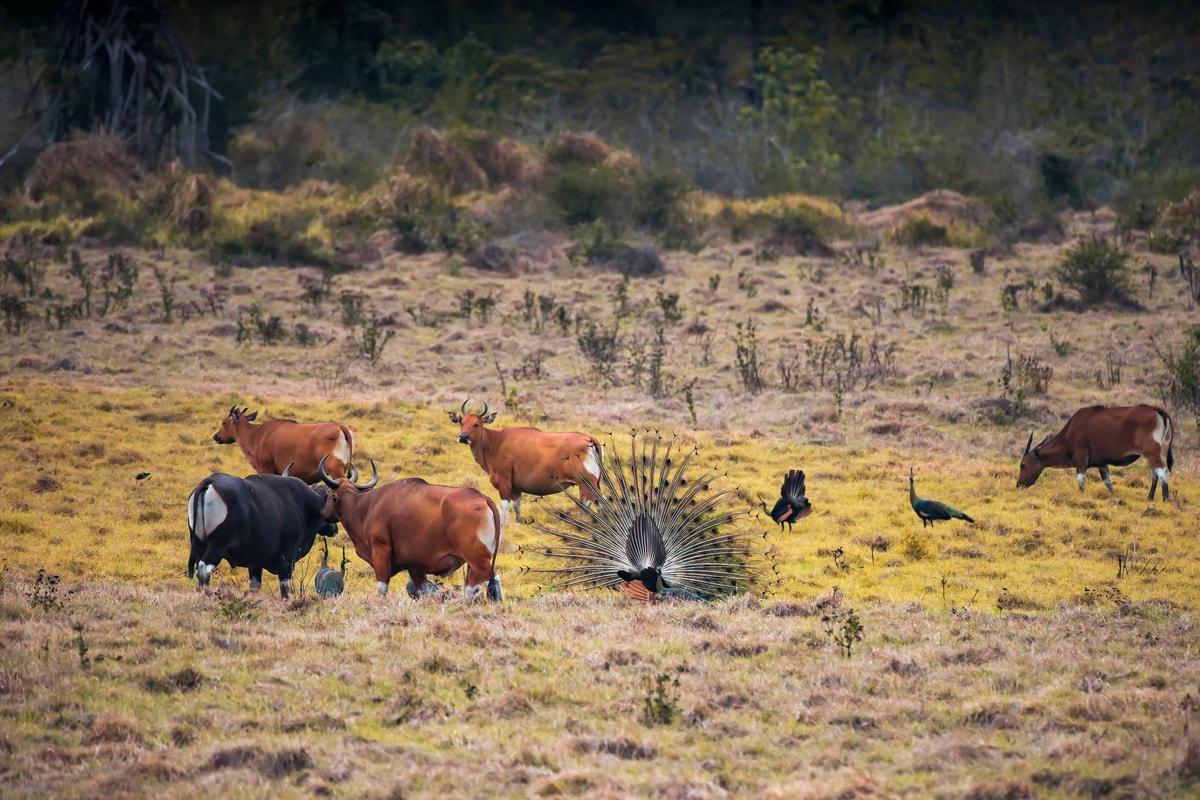
These pictures appeared in the original article but were not individually matched to named parks; they are preserved as a separate archival gallery.

Visitors seeking a gentler nature itinerary may consider rural Indonesian escapes and Sumba’s landscapes.