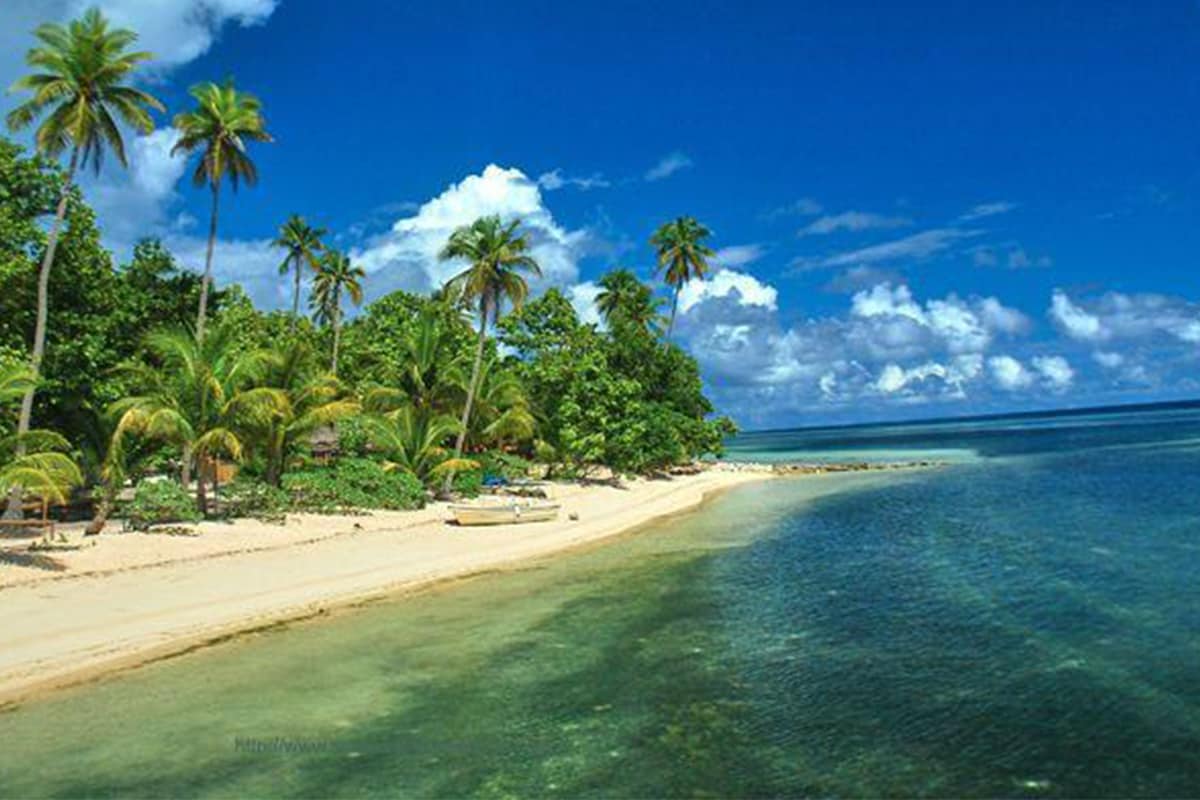
Wakatobi is the kind of destination that reminds you just how much of Indonesia is still defined by the sea. Far from the crowds of Bali and Java, this island regency in Southeast Sulawesi combines coral reefs, traditional villages, quiet beaches, mangrove forests and viewpoints where the horizon seems to stretch forever.
The name Wakatobi comes from its four main islands: Wangi-Wangi, Kaledupa, Tomia and Binongko. Together with the smaller islands around them, they form a marine landscape so important that Wakatobi was designated a national park in 1996 and a UNESCO Biosphere Reserve in 2012. If Indonesia’s underwater world is high on your travel list, you may also want to explore our guide to world-class diving resorts in Indonesia and see why Raja Ampat remains a dream destination for divers and nature lovers.
But Wakatobi is not only about diving. The islands are home to Bajo communities, historic villages, traditional weaving, local food and landscapes that are just as memorable above the water as below it. For travellers who prefer tourism experiences connected to conservation and local communities, Wakatobi also fits naturally alongside these unique ecotourism experiences in Indonesia.
Why Visit Wakatobi?
Wakatobi’s appeal comes from variety. One morning can begin with a reef dive, continue with lunch in a coastal village and end on a grassy hill watching the sun disappear over the Banda Sea. The official Wakatobi tourism authority lists more than 50 dive sites spread around the main islands, while UNESCO records coral reefs, seagrass, mangroves, turtles, cetaceans and other coastal ecosystems within the biosphere reserve.
Unlike destinations where attractions sit close together, Wakatobi rewards slower travel. Moving between islands takes planning, and sea conditions can affect boat schedules. That slower rhythm is part of the experience, especially for travellers who enjoy the kind of trip featured in our Indonesia adventure bucket-list ideas.
How to Get to Wakatobi
Wangi-Wangi is the main gateway. Current information from Wakatobi Tourism recommends travelling by air via Kendari and continuing to Matahora Airport on Wangi-Wangi, or reaching the islands by sea from Kendari or the Bau-Bau area. Flight and boat schedules can change, so always confirm your connection shortly before travelling rather than relying on an old timetable.
Once you arrive, inter-island travel is mainly by boat. If you love journeys where the route itself is part of the experience, you may also enjoy reading about sea ports and maritime gateways around Indonesia.
When Is the Best Time to Visit Wakatobi?
Wakatobi Tourism describes May to August as the dry season, while March to May and October to December can offer relatively calmer winds for sea travel. Weather patterns are not completely predictable, though, so build some flexibility into a multi-island itinerary.
10 Amazing Places You Need to Visit in Wakatobi
1. Sombu Jetty – An Easy Introduction to Wakatobi’s Underwater World
If you want to understand why Wakatobi has such a strong reputation among divers, Sombu Jetty on Wangi-Wangi is one of the easiest places to begin. The reef sits close to shore, and the official tourism authority describes Sombu as the island’s most popular and accessible diving and snorkeling area.
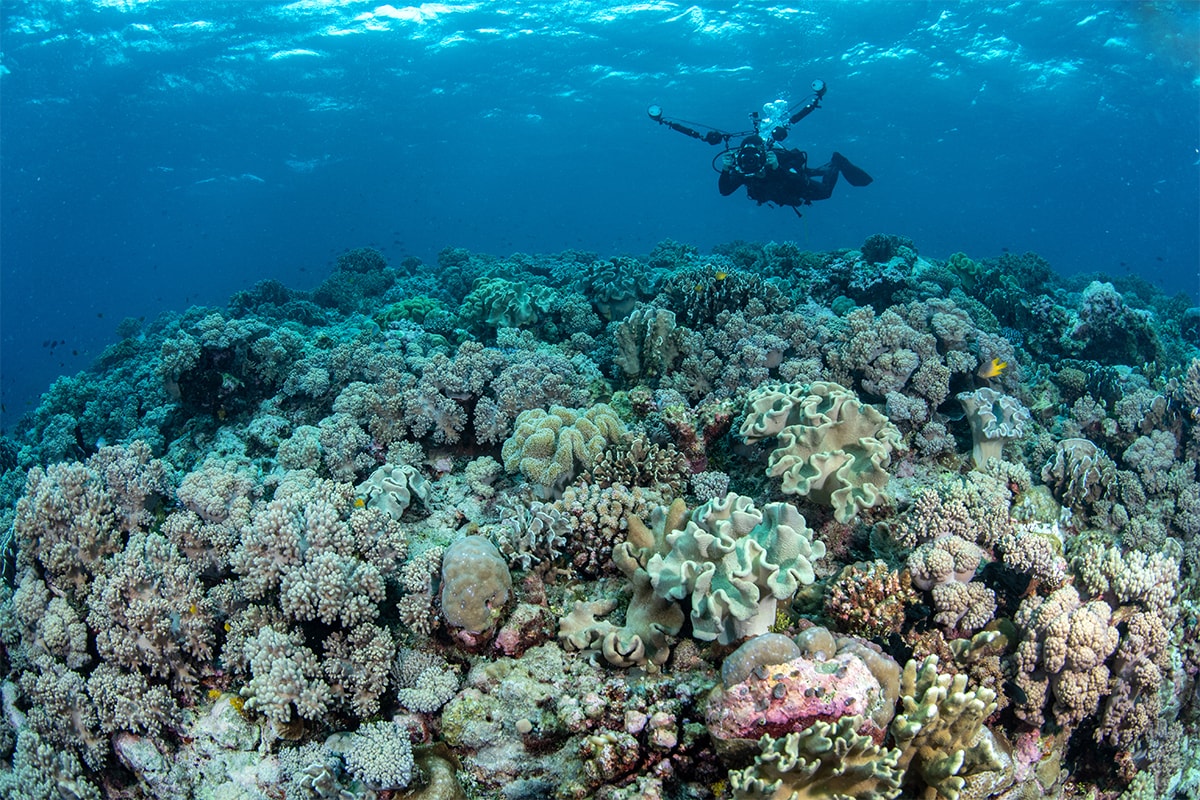
Under the water, shallow coral gardens lead towards steeper reef sections populated by reef fish, while the jetty itself creates an atmospheric backdrop for underwater photography. Experienced divers can also use nearby Wangi-Wangi as a base for sites such as Waha Wall, Wandoka Pinnacle and Nua Shark Point.
If Sombu makes you want to compare Indonesia’s other accessible reef destinations, take a look at the underwater world of the Thousand Islands or the very different marine landscape of Komodo National Park.
Why Go?
- Easy access from Wanci
- Suitable for snorkeling as well as diving
- A good first look at Wakatobi’s coral ecosystem
- Popular for sunset and evening hangouts above the water
2. Bajo Mola – Meet Wakatobi’s Seafaring Community
Wakatobi’s identity is inseparable from the sea, and Bajo Mola is one of the best places to understand why. Located on Wangi-Wangi, Mola is home to a large Bajo community whose seafaring traditions, navigation knowledge and relationship with the ocean have been passed down across generations.
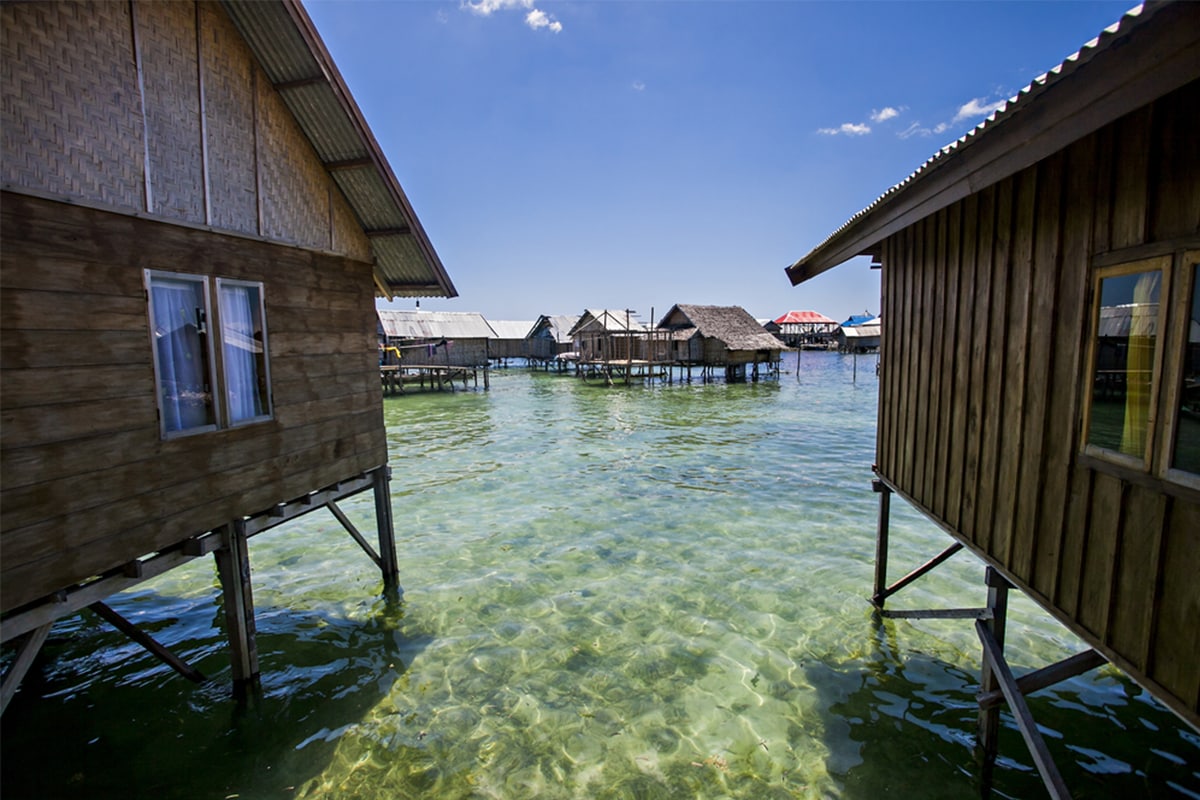
Rather than treating the village as a photo stop, join a community-based tour if available. Local tours can introduce visitors to everyday village life, traditional food, maritime stories and, in some cases, early-morning dolphin watching around Kapota.
The experience adds human context to Indonesia’s long maritime history. For a wider look at that heritage, read about the phinisi schooner and Indonesia’s seafaring tradition.
Travel Respectfully
Bajo Mola is a living community, not an open-air attraction. Ask before photographing people, follow your local guide’s advice and avoid intrusive assumptions about traditional lifestyles.
3. Liya Togo – History and Living Culture on Wangi-Wangi
Travellers who know Wakatobi only for coral reefs may be surprised by Liya Togo. This historic village in southern Wangi-Wangi preserves architecture, customs and cultural traditions connected to the wider history of the Buton Sultanate.
One of its main landmarks is Liya Fort, a stone fortification surrounding the traditional settlement. Visitors can also encounter Banua Tada traditional houses, communal spaces and, depending on timing, performances or ceremonies connected to local traditions.
Liya Togo belongs in the same conversation as Indonesia’s other communities where local identity is part of the destination. See our guide to alluring villages for a back-to-nature trip and discover more traditions in our feature on Indonesia’s intangible cultural heritage.
What to Look For
- Liya Fort and historic village layout
- Traditional architecture
- Local food such as cassava-based dishes and fresh fish
- Cultural performances when scheduled
4. Kapota Island – Beaches, Mangroves and an Easy Island Escape
Visible from Wangi-Wangi, Kapota makes an excellent island-hopping day trip. The island combines white-sand beaches, mangrove areas, coconut groves, a lake and a quieter atmosphere than the main town of Wanci.
Among its best-known beaches are Aowolio, Kolowowa and Umala. Another highlight is Tailaro Nto’oge Lake, where the surrounding environment offers a change of scenery after days spent looking out across open sea.
Kapota also gives travellers a useful reminder that Wakatobi is about more than one spectacular dive. If uncrowded shores are what you are chasing, continue your inspiration with these gorgeous beaches around Indonesia.
Extra Tip
Dolphin-watching trips are often organised in the waters around Kapota in the early morning. Wildlife sightings are never guaranteed, so choose operators that observe from a respectful distance and do not chase or crowd the animals.
5. Hoga Island – Slow Down on a Tiny Tropical Island
Hoga is the kind of place that makes doing very little feel like a perfectly good plan. Located off Kaledupa, the small island has white sand, coconut trees, clear water and reefs that draw snorkelers, divers and marine researchers.
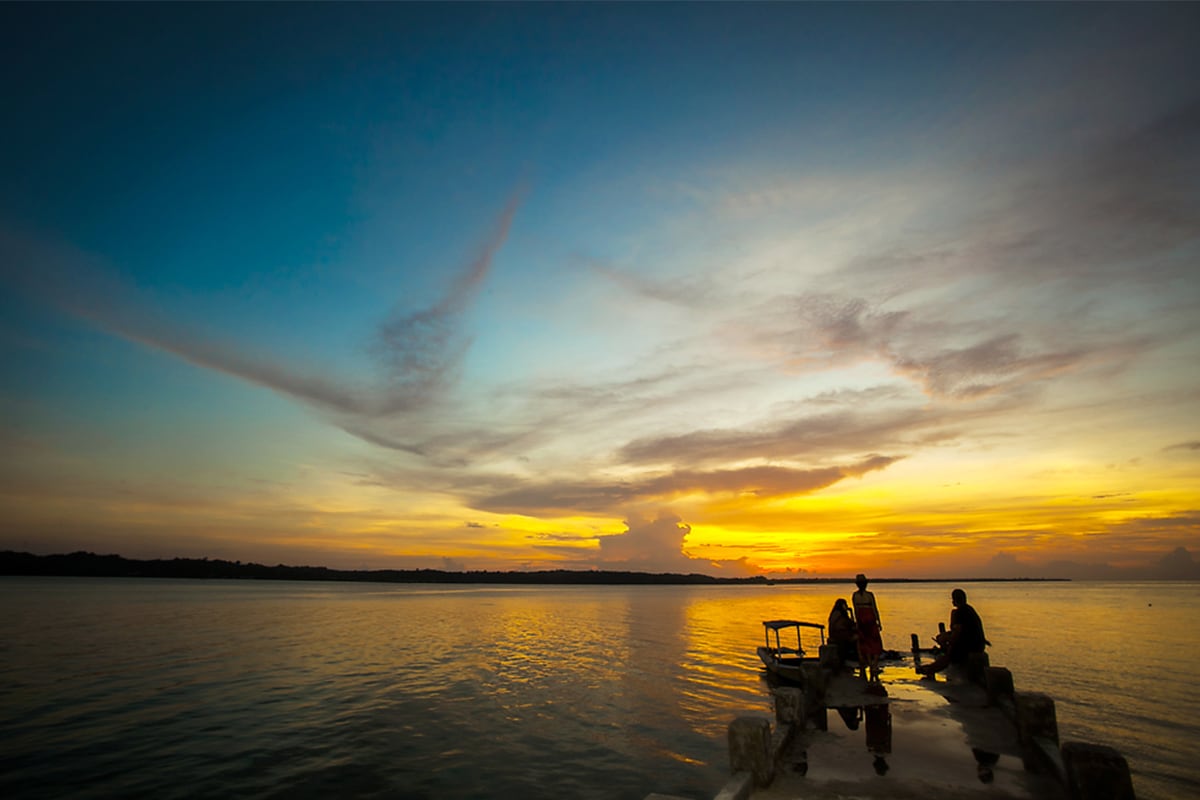
There are no busy roads or city distractions here. The official Wakatobi tourism site notes that Hoga is also used by Operation Wallacea researchers during parts of the year, reflecting the scientific value of the surrounding marine environment.
Spend the day snorkeling, dive one of the surrounding reef sites, read in a hammock or simply watch the colours of the water change as the sun moves. Travellers who enjoy remote islands may also appreciate our guide to tropical escapes in Sumba.
Getting There
Hoga is around 15 minutes by small boat from Kaledupa. Some boats from Wangi-Wangi to Kaledupa may stop at Hoga depending on arrangements, but your accommodation or local operator is usually the best source for the day’s actual transport plan.
6. Sombano Lake and Village – A Quieter Side of Kaledupa
Sombano offers a completely different atmosphere from Hoga. The village is one of Kaledupa’s traditional settlements, where wooden houses, coconut trees, seaweed farming and daily coastal life create a strong sense of place.
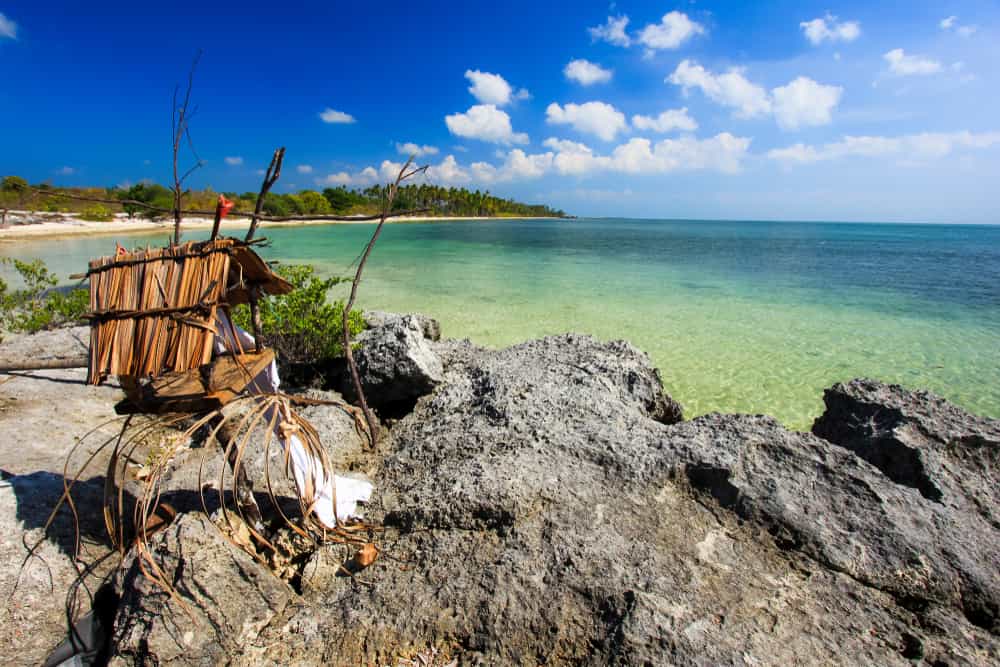
Nearby lies Sombano Lake, locally known as Akku’a Mulumu. The lake is considered sacred by the community and is surrounded by local stories and beliefs. Visit with respect, particularly if a guide or resident advises against certain activities.
The journey also brings you through a landscape of coconut trees and coastline, making Sombano worth visiting even before you reach the lake itself. It is a good example of why Indonesia’s most rewarding nature destinations often combine ecosystems with living culture rather than separating the two.
7. Kahianga Peak – One of Tomia’s Best Sunset Views
Known in older travel features as Puncak Kahyangan, Kahianga Peak is one of Tomia’s signature viewpoints. From the grassy high ground, the island falls away towards long stretches of coastline and small offshore islands.
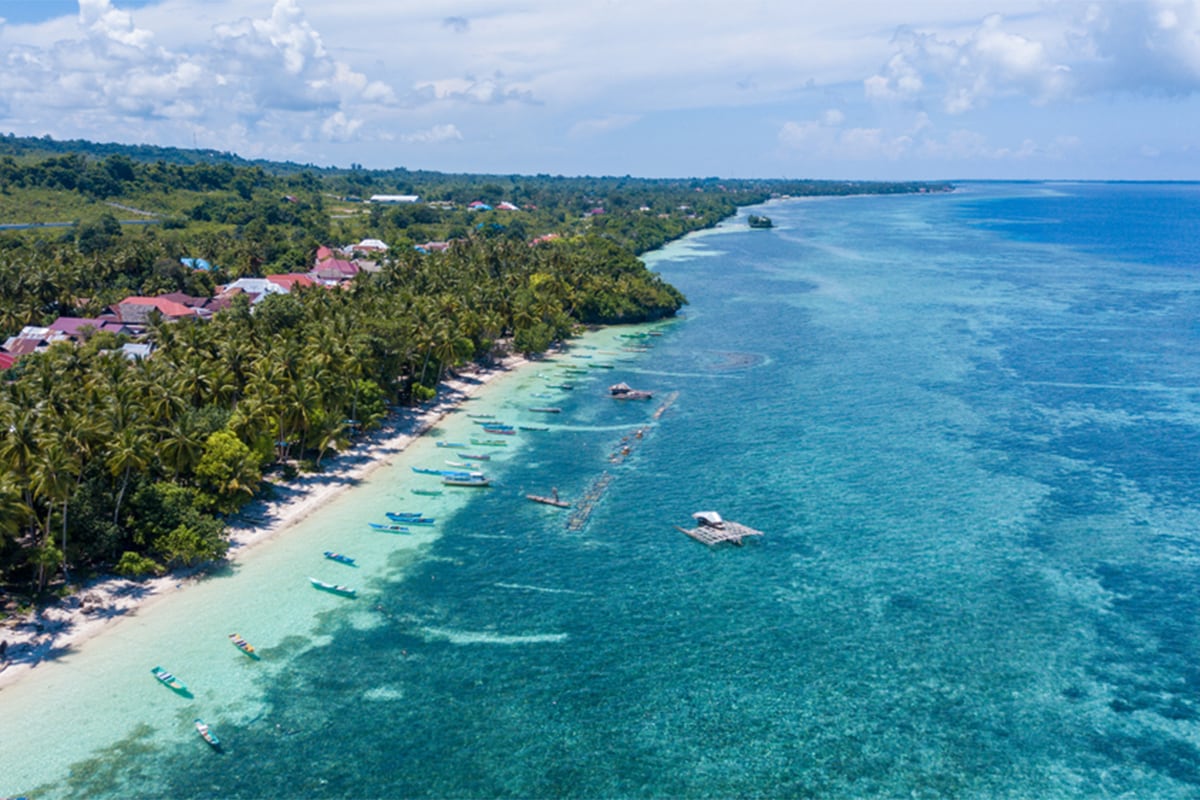
Late afternoon is particularly beautiful, when the light softens and the sea begins reflecting the colours of sunset. Bring water, allow time to enjoy the view instead of rushing back down, and keep the area clean if you picnic.
Photographers will find plenty to work with here. For more inspiration before packing the camera, browse our feature on travel photography across Indonesia.
Best For
- Sunset views
- Landscape photography
- Picnics
- A break between Tomia dive days
8. Kulati Village – Cliffs, Beaches, Culture and a Shipwreck
Kulati is one of those places that proves Tomia is just as interesting on land as beneath the sea. The village sits near dramatic cliffs and several beaches, while the surrounding Hu’untete area opens onto wide grasslands and turquoise water.
With a local guide, adventurous visitors can explore beaches below the cliffs and learn about the Japanese shipwreck near Hongaha. The community also maintains cultural traditions, weaving and local food experiences that make a stay here feel more personal than a simple sightseeing stop.
If traditional textiles catch your attention, continue with our introduction to traditional Indonesian fabrics and their stories. Travellers who prefer locally made souvenirs can also browse our feature on handicraft centres around Indonesia.
Stay a Little Longer
Kulati can be especially atmospheric after dark. With limited urban light, the night sky can become one of the unexpected highlights of an overnight stay.
9. Cemara Beach – A Relaxed Beach Day on Wangi-Wangi
After several days of boats, village visits and diving, Cemara Beach is the kind of easy-going stop every itinerary needs. Located near Waha, north of Wanci, the beach is known for white sand, tropical shade and a relaxed local atmosphere.
The nearby reef can also be used for snorkeling, while dive operators around Waha provide access to surrounding sites. Weekdays tend to feel quieter, while weekends may bring local families and groups enjoying the shore.
If your favourite Indonesian travel days involve little more than sand, sea and nowhere urgent to be, our roundup of de-stressing white-sand beaches in Indonesia offers a few more ideas.
Responsible Beach Tip
Take your rubbish with you and avoid touching, standing on or collecting coral. Small choices matter in destinations whose appeal depends directly on healthy coastal ecosystems.
10. One Melangka and Binongko – Wakatobi’s Wild Southern Edge
Binongko is the southernmost of Wakatobi’s four main islands and feels more remote than Wangi-Wangi or Tomia. That extra effort is rewarded with quiet beaches, rugged coastline, traditional blacksmith heritage and marine sites that remain relatively uncrowded.
One Melangka is one of the island’s best-known beaches. White sand, coconut trees and calm scenery make it ideal for a slow afternoon, while nearby reef areas offer snorkeling and diving. Binongko is also home to Sowa Mangrove Forest, protected through local customary practice, and Turtle Point, where conservation efforts have helped protect sea turtles.
For travellers who enjoy places where landscape and conservation are inseparable, Binongko has some of the same appeal that makes Komodo Island National Park such a compelling destination.
More Experiences You Should Not Miss in Wakatobi
Try the Local Food
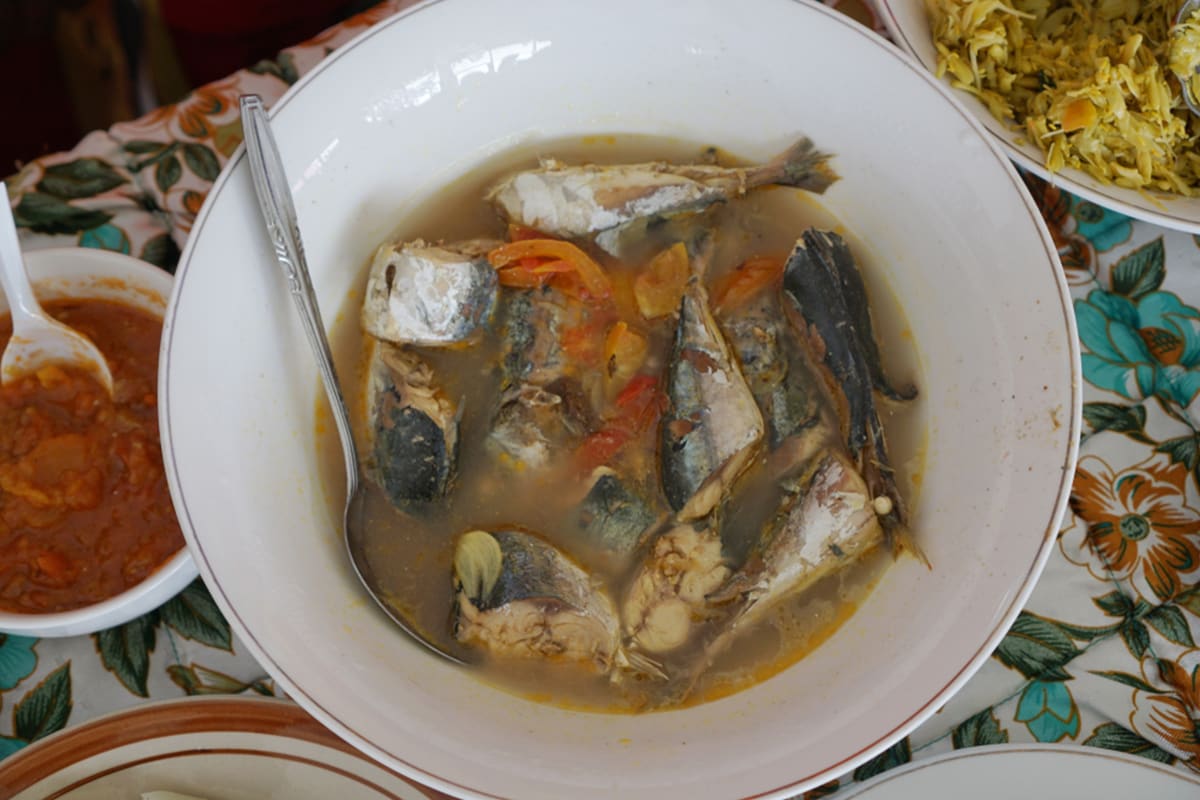
Do not let the scenery distract you from the food. Kasoami or soami, made from cassava, is an important local staple and is often paired with fish, vegetables or sambal. Parende is a simple fish soup built around fresh seafood, while other local dishes reflect the ingredients available across these islands.
If Wakatobi leaves you curious about regional flavours, continue with our guide to must-try Indonesian food and these favourite local foods to taste before leaving Indonesia.
See Lariangi Dance on Kaledupa
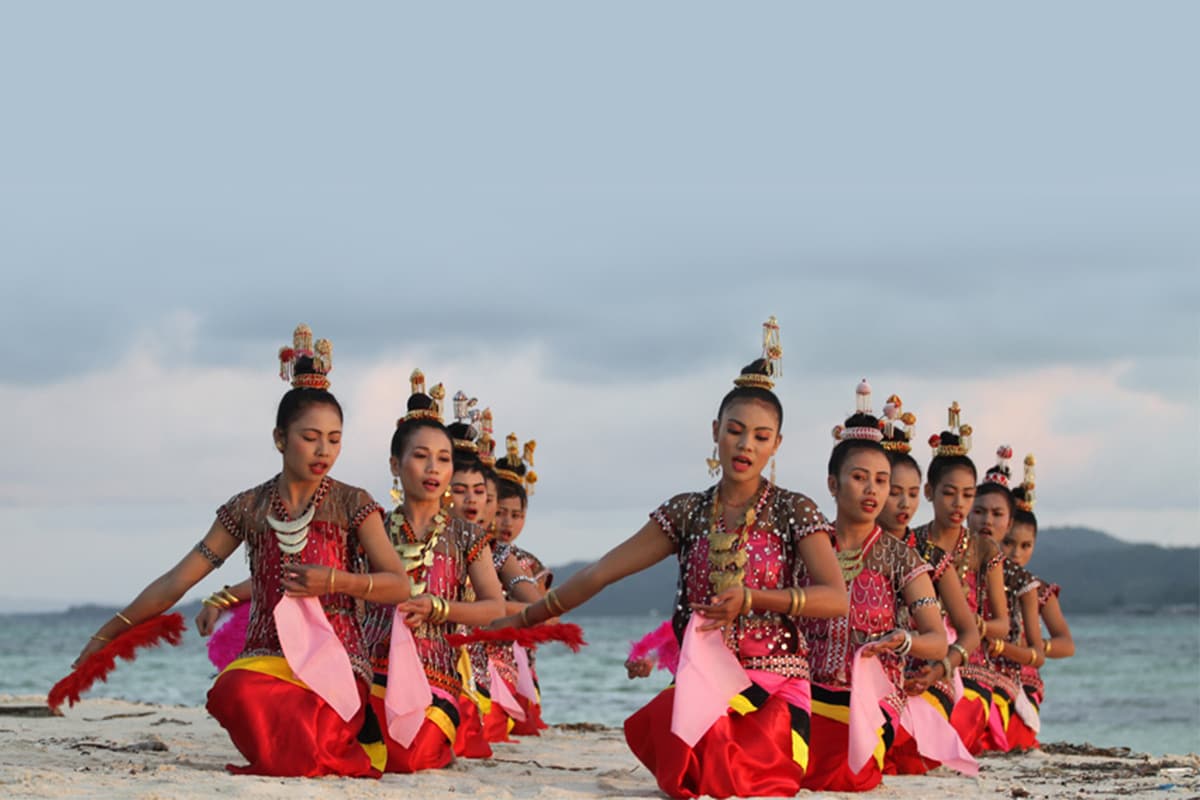
Lariangi is one of Wakatobi’s best-known performing traditions and is associated with Kaledupa. The dance is performed by 12 young women who sing or recite lyrics carrying stories, advice, history and local philosophy. Indonesia’s cultural database records Lariangi as a national intangible cultural heritage tradition.
If traditional performance is one of the reasons you travel, you can discover more in our feature on Indonesian traditional dances.
Choose Wildlife-Friendly Souvenirs
Older travel articles sometimes mentioned jewellery made from turtle shell. Do not buy products made from sea turtles or other protected wildlife. Indonesia protects sea turtle species, and trade or possession of products made from protected animal parts is prohibited. Choose woven textiles, coconut-shell crafts and other locally made products that do not harm wildlife instead.
Suggested Wakatobi Itinerary
3 to 4 Days: Focus on Wangi-Wangi
- Day 1: Arrive in Wanci, visit Bajo Mola and enjoy sunset around Sombu.
- Day 2: Dive or snorkel at Sombu and nearby Wangi-Wangi reef sites.
- Day 3: Day trip to Kapota Island.
- Day 4: Visit Liya Togo and relax at Cemara Beach before departure.
5 to 7 Days: Add Kaledupa or Tomia
With extra time, continue by boat to Kaledupa for Hoga and Sombano, or choose Tomia for Kahianga Peak, Kulati and some of Wakatobi’s most celebrated dive sites. Avoid trying to squeeze all four main islands into a very short trip because boat schedules and weather can easily turn an overpacked itinerary into a stressful one.
8 Days or More: Include Binongko
Travellers with more time can continue south to Binongko. The additional journey is worthwhile if you prefer quieter beaches, local culture and a less-visited side of Wakatobi.
Practical Tips for Visiting Wakatobi
Keep Your Schedule Flexible
Inter-island transport depends on the sea. Build buffer time into your itinerary, particularly before a flight home.
Use Local Guides
A local guide adds context to villages, cultural sites and natural attractions while also helping you navigate transport and local etiquette.
Protect the Reef
Use responsible dive and snorkel operators, maintain good buoyancy, never stand on coral and avoid taking shells or marine life home.
Carry Cash
Banking and card facilities can be limited outside Wangi-Wangi. Keep enough Indonesian rupiah for boats, food, small accommodation and local services.
Final Thoughts
Wakatobi earns its reputation as a marine destination, but the reefs are only part of the story. Bajo Mola, Liya Togo, Hoga, Sombano, Kahianga, Kulati and remote Binongko reveal an archipelago where sea, culture and everyday life are deeply connected.
The best way to experience it is not to race through a checklist. Pick a few islands, leave space for changing boat schedules, talk to local people and give yourself time to notice the details. In Wakatobi, sometimes the most memorable moment is not the famous dive site or viewpoint, but the quiet boat ride between them.
External References
- Wakatobi Tourism Authority – Official tourism information, attractions and transport guidance
- UNESCO Man and the Biosphere Programme – Wakatobi Biosphere Reserve
- Indonesia Travel – Wakatobi marine tourism and destination information
- Indonesia Travel – Liya Togo Tourism Village
- Indonesia Ministry of Environment and Forestry – Protected wildlife information