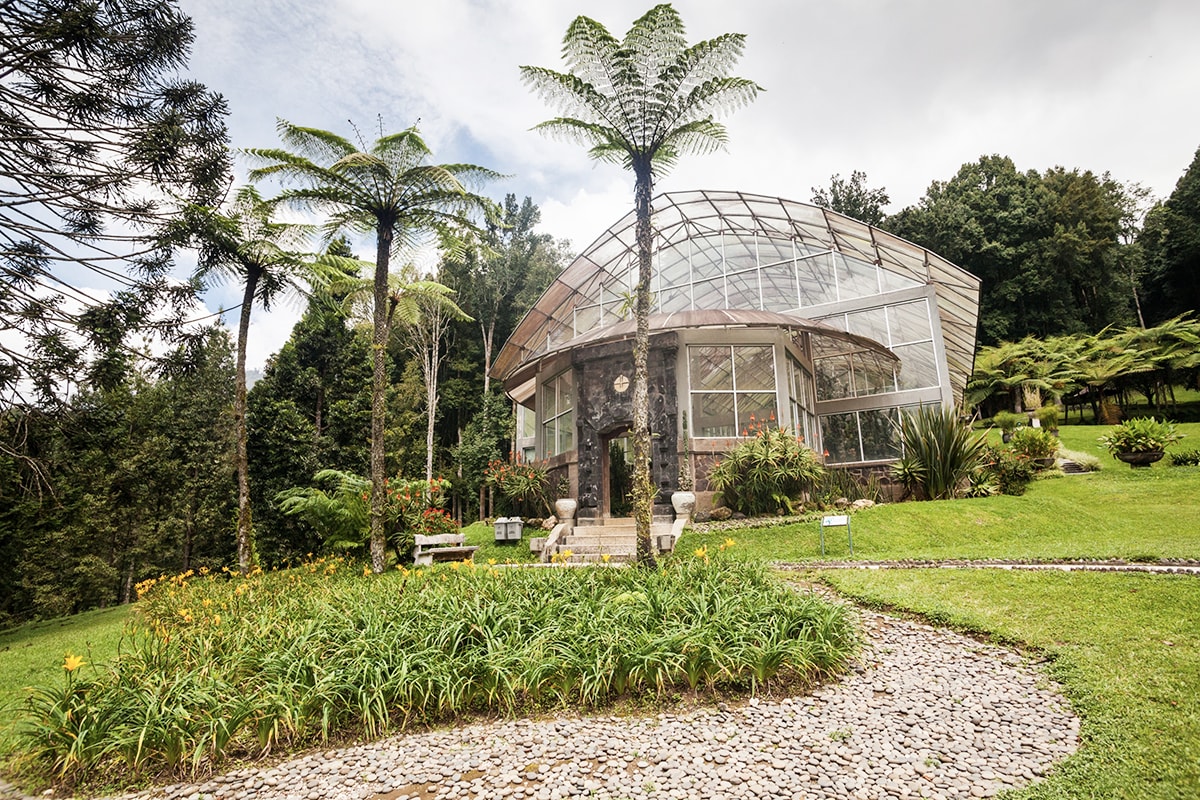
Indonesia’s botanical gardens are much more than pleasant places for a picnic. They help conserve plant diversity, support scientific research and introduce visitors to the remarkable flora of a tropical archipelago. This guide compares six botanical gardens in Indonesia, including four established National Research and Innovation Agency (BRIN) collections and two regional gardens whose current visitor arrangements should be confirmed locally. It replaces outdated “when travel resumes” advice with practical information for international visitors.
Why visit an Indonesian botanical garden?
Botanical gardens provide ex-situ conservation—protecting living plant collections outside their original habitats—alongside education, botanical science and recreation. Collections can include palms, orchids, ferns, medicinal species and plants used in local culture. Respect labels, keep to paths and never collect seeds or cuttings without permission. For nature-focused itineraries see Indonesia ecotourism experiences and Indonesia’s forests and rare biodiversity.
1. Samosir Botanical Garden, North Sumatra
Situated in the wider Lake Toba region, the Samosir botanical garden project has been promoted as a space featuring plants associated with Batak culture, including traditional dyes and medicinal varieties. The older article mentions an area of roughly 100 hectares; do not interpret that historical project description as confirmation that every section is open as a managed tourist attraction in 2026.
Before visiting Samosir
Ask your Samosir accommodation or the local tourism office to confirm whether the garden is admitting independent visitors, its exact entrance and any ticket charges. The island has other valuable cultural stops regardless, including traditional village experiences similar to those in our Indonesian village guide and traditional houses across Indonesia.
2. Bogor Botanical Gardens, West Java
Located in the centre of Bogor beside the presidential palace grounds, Kebun Raya Bogor is among Indonesia’s best-known botanical institutions. The tropical collections and extensive mature trees make it appealing to families and anyone interested in ecology. More importantly, it is a living scientific collection rather than a public park where every plant may be touched or collected.
Best things to see
Plan several hours for a walk among palms, broad-leaved tropical specimens and collections highlighted by the operator’s current map. Some paths close for research or maintenance. It is an easy nature contrast to Jakarta city life: consult Bogor places to eat and Bogor family attractions for a relaxed day trip.
3. Cibodas Botanical Garden, West Java
Kebun Raya Cibodas sits in the cooler mountains near the Gede-Pangrango area, providing a markedly different climate from Bogor’s lowlands. Visitors come for tree-lined paths, lawns, fern collections and mountainous scenery. Mist, rain and slippery stones can affect walking conditions. Research collections and public attractions are managed differently, so check the garden’s official map.
When to go and what to wear
Morning often offers comfortable walking temperatures; pack layers and rain protection, particularly in wetter periods. Allow for heavy Puncak-area traffic on weekends. For more forests see Indonesia’s pine forest travel guide or compare highland tea gardens.
4. Kuningan Botanical Garden, West Java
The regional botanical garden around Kuningan, on the slopes associated with Mount Ciremai, has been presented as a destination supporting native plant conservation and environmental education. The original article quoted a large area and described visitor facilities that may not reflect present-day public access. As it is not one of the four core gardens listed on the current official Kebun Raya booking portal, verify the local management and opening arrangements independently before travelling.
How to fit it into a West Java itinerary
Consider it only after confirming admission, transport and visitor facilities with an authoritative local contact. Nature enthusiasts can instead explore established options in national parks across Java and Bali or the area around Bandung’s Kawah Putih on a separate journey.
5. Purwodadi Botanical Garden, East Java
Close to Pasuruan and within reach of Malang, Kebun Raya Purwodadi specialises in collections adapted to relatively drier lowland conditions. Spacious lawns, palms, bamboo and tropical tree collections make it an attractive stop for families and botanical enthusiasts. The garden is listed among the core sites on the current official Kebun Raya operator portal.
What else to do in East Java
Purwodadi works well as a daytime nature stop rather than an after-dark attraction. Combine it with East Java experiences or browse the region’s woodland scenery before planning a longer route. Bring water and sun protection since some open sections can be warmer than the mountain gardens.
6. Bali Botanical Garden, Bedugul
Kebun Raya Bali, at Candikuning in the Bedugul highlands, brings cool air, expansive plant collections and the slopes of central Bali together. It is particularly popular with domestic families and travellers driving between the south and the north of the island. Check the operator’s visitor map for special collections and admission rather than assuming the entire research estate is walkable.
Other highland stops nearby
A visit pairs naturally with Lake Beratan and the revered Ulun Danu Beratan temple featured in our Bali temple guide. For a longer highland escape, see North Bali routes and Bali rice-field scenery.
Botanical garden visitor checklist
Tickets, opening hours and transport
Check the official ticketing portal for Bogor, Cibodas, Purwodadi and Bali, including different prices where applicable for foreign guests, vehicle fees and temporary closures. Regional gardens may use separate systems. Never assume a historical fee or an event poster represents today’s opening hours. Allow time for urban traffic near Bogor and mountain roads near Cibodas and Bedugul.
Conservation etiquette
Do not pick flowers, step inside scientific beds, fly drones without permission or use flash near sensitive displays. Follow staff directions if sections close for plant maintenance. For families, carry snacks, drinking water and sun protection while respecting waste and picnic rules. Our Indonesia safety guide covers wider travel considerations.
Suggested Indonesian garden itineraries
From Jakarta: Bogor or Cibodas
Choose Bogor for a more accessible garden day; Cibodas is a longer mountain outing needing weather and road planning. For a broader family trip, check short getaways from Jakarta.
From Bali: Bedugul highlands
Set aside a full day from the southern coast for a garden walk, lakeside temples and scenic viewpoints. It is much more rewarding than rushing from Canggu and back purely for a quick photograph.
From Malang: Purwodadi
Make the garden one stop in a longer East Java trip, leaving extra time for the return journey. Travellers interested in Indonesia’s plant-based traditions can also read our introduction to Indonesian herbal drinks without treating plant remedies as medical claims.
Frequently asked questions
Which Indonesian botanical garden is best for first-timers?
Bogor is a convenient start for visitors near Jakarta; Bali Botanical Garden works well for travellers based on the island.
Are all six gardens currently bookable online?
No. The main national operator lists four core sites. Verify Samosir and Kuningan visitor access locally before planning around them.
Can I take professional photographs?
Casual photography is usually possible in permitted public areas; professional sessions and drones may require separate permissions.
Official sources and further reading
- Kebun Raya — official botanical garden operator and current attractions
- Kebun Raya — plant collections and conservation
- BRIN — Indonesia’s research and biodiversity institutions