Indonesian food is a tapestry of regional flavours shaped by farming, maritime trade, different communities and local ingredients. A first-time visitor may recognise nasi goreng or rendang, but there is much more to explore than the best-known names. This guide preserves twelve beloved foods from the original article, clarifies regional origins where possible and adds practical ordering, allergy and food-safety advice for international travellers.
12 Indonesian Foods Every Traveller Should Know
1. Nasi Goreng
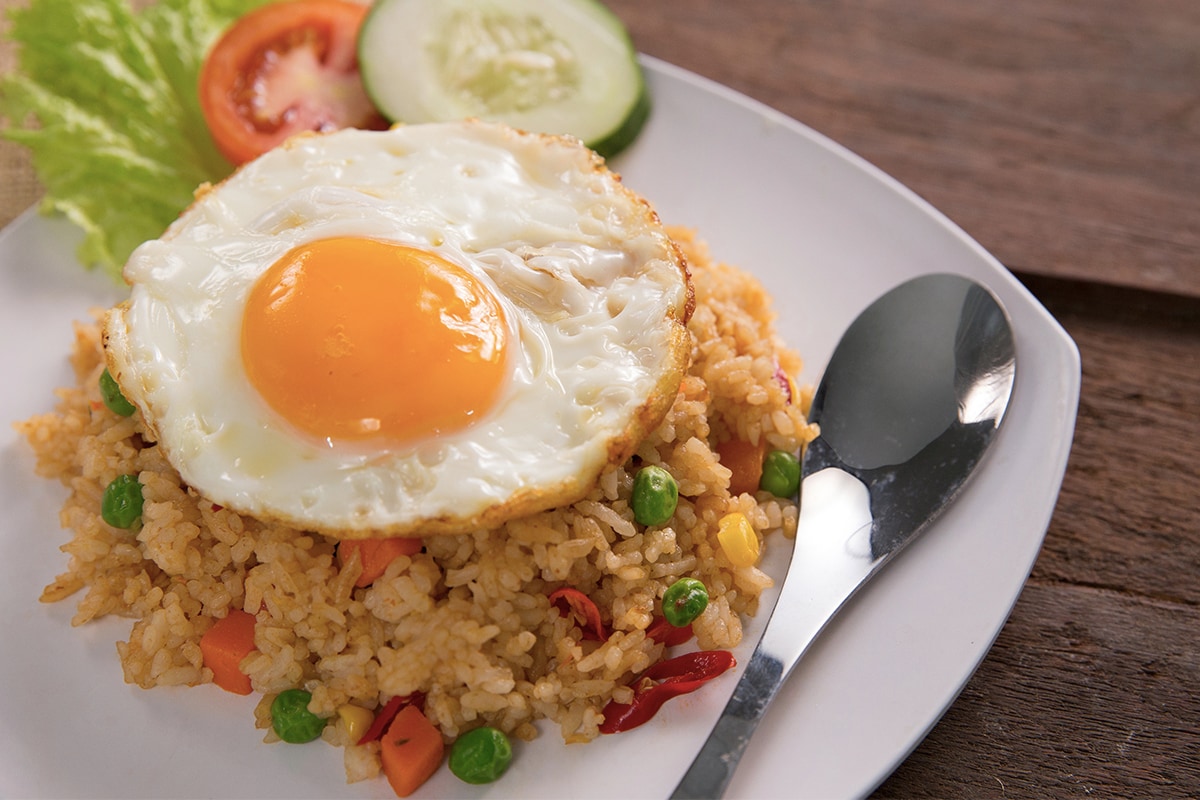
A fried-rice dish typically seasoned with garlic, shallots, chilli, sweet soy sauce or local spices. Egg, chicken, seafood and vegetables are common variations, but there is no single canonical recipe. Choose freshly prepared portions and check shellfish or soy allergens.
How to enjoy it
Try a freshly made portion at a reputable local eatery, ask about spice, allergens and regional variations, and confirm what accompanies the main dish.
2. Sate

Skewered and grilled foods vary by island, ingredient and sauce. Peanut sauces are popular in Java, while some West Sumatran preparations use a thick spiced gravy. Goat, beef, chicken, seafood and minced mixtures all appear in different regional styles.
How to enjoy it
Try a freshly made portion at a reputable local eatery, ask about spice, allergens and regional variations, and confirm what accompanies the main dish.
Discover the different kinds of Indonesian satay and North Sulawesi’s spicy cooking.
3. Soto
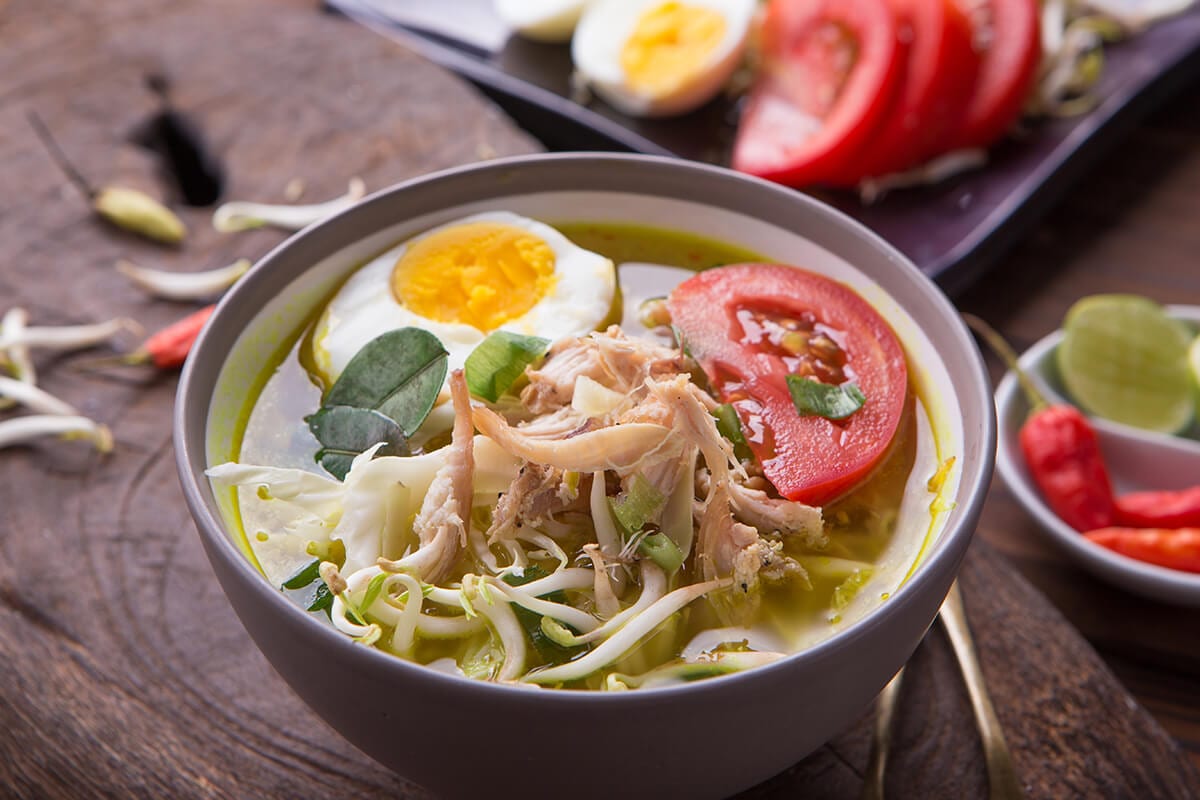
A broad family of soups ranging from clear fragrant broth to coconut-milk-rich versions. Chicken, beef, noodles and rice cakes may feature, depending on the regional identity. Ask about the base stock if you avoid meat or dairy.
How to enjoy it
Try a freshly made portion at a reputable local eatery, ask about spice, allergens and regional variations, and confirm what accompanies the main dish.
4. Gado-gado
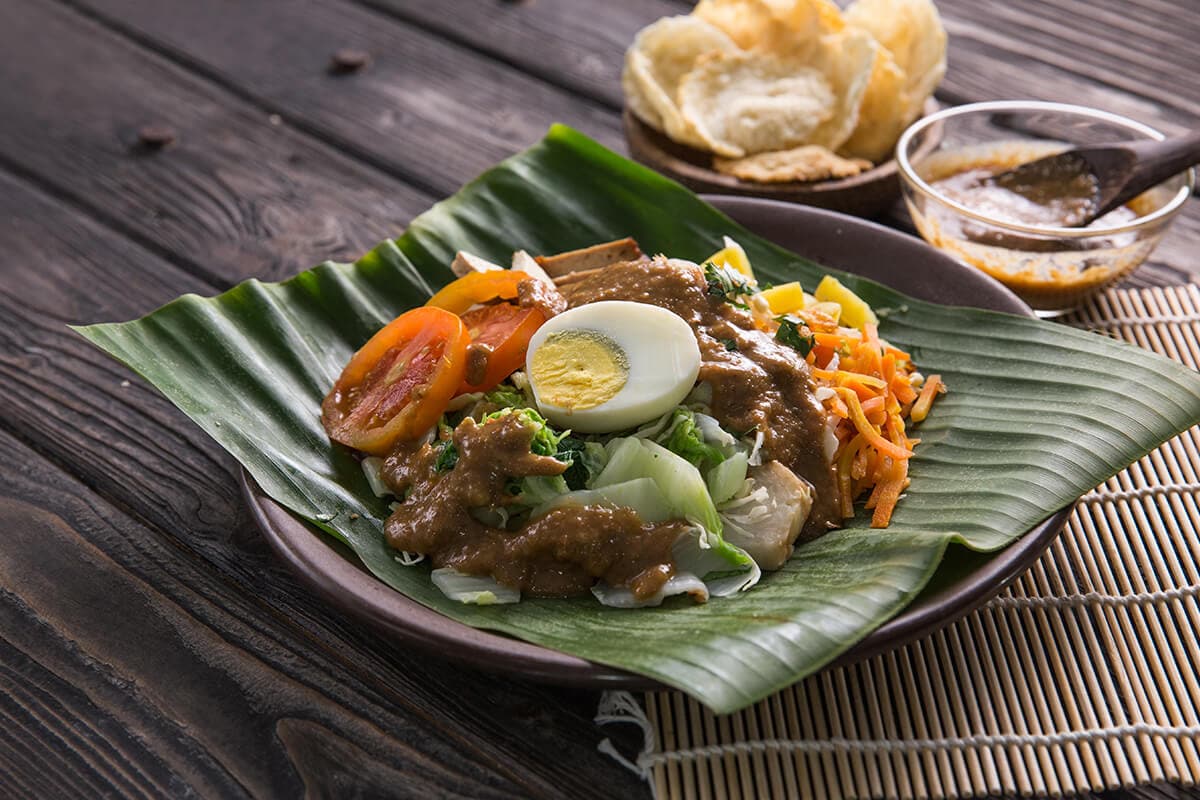
A vegetable dish typically with tofu, tempeh, egg, potatoes and peanut sauce. Ingredients and vegetable cooking levels vary by vendor. It can be filling and plant-forward, but is not automatically vegan because of egg or other additions.
How to enjoy it
Try a freshly made portion at a reputable local eatery, ask about spice, allergens and regional variations, and confirm what accompanies the main dish.
5. Rendang
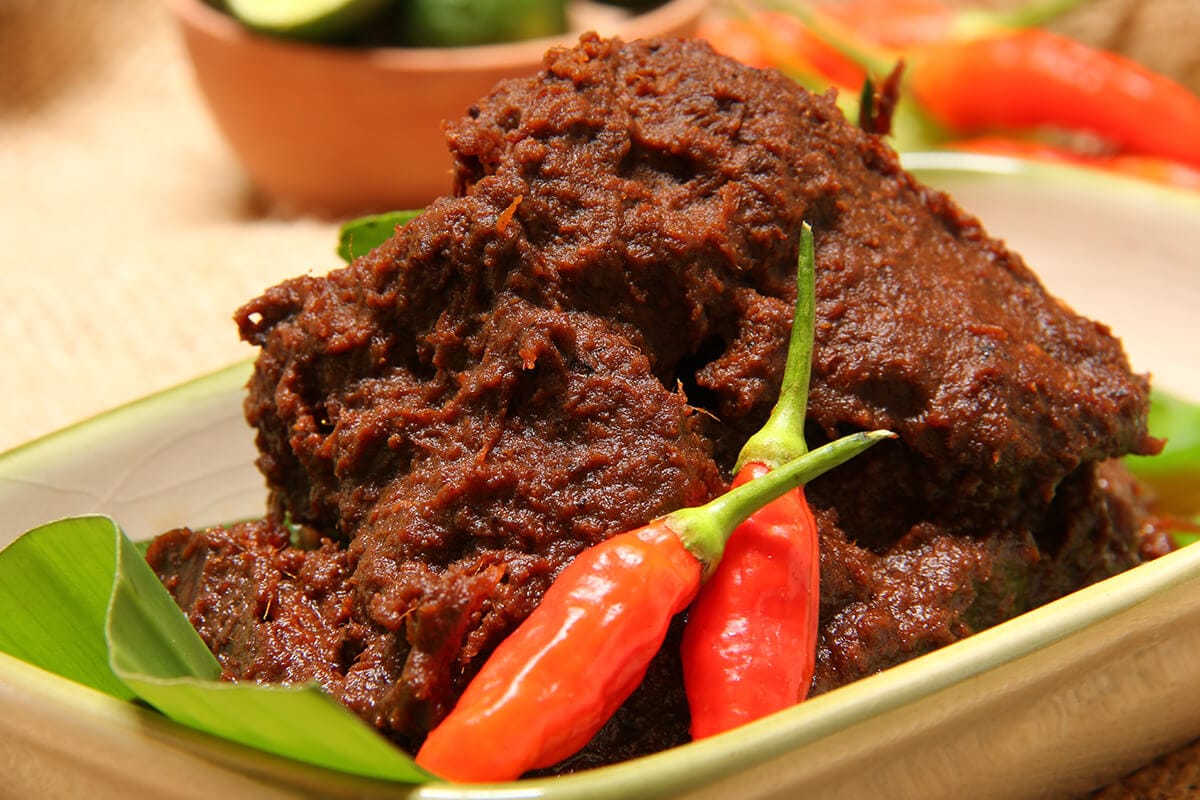
A slow-cooked Minangkabau preparation associated with beef, coconut milk, chilli and aromatics. Different stages range from saucy kalio to drier rendang; the distinctive method is more meaningful than arguments about media rankings.
How to enjoy it
Try a freshly made portion at a reputable local eatery, ask about spice, allergens and regional variations, and confirm what accompanies the main dish.
For the dish’s history, read our Minangkabau rendang guide and Padang restaurants in Jakarta.
6. Bakso
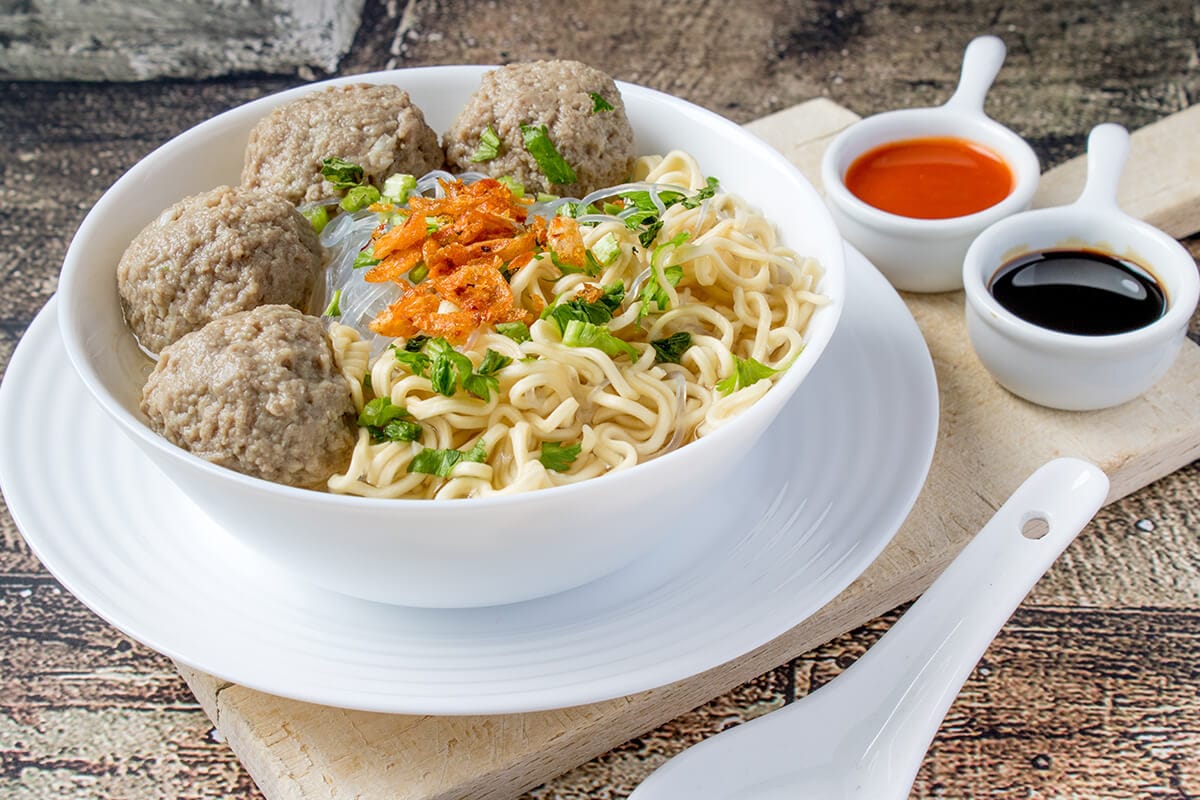
Meatballs served with broth, noodles or rice vermicelli and condiments. Beef is common, but some outlets use chicken or seafood. Broth and fillings differ; don’t assume every bakso is vegetarian or gluten-free.
How to enjoy it
Try a freshly made portion at a reputable local eatery, ask about spice, allergens and regional variations, and confirm what accompanies the main dish.
7. Mie Ayam
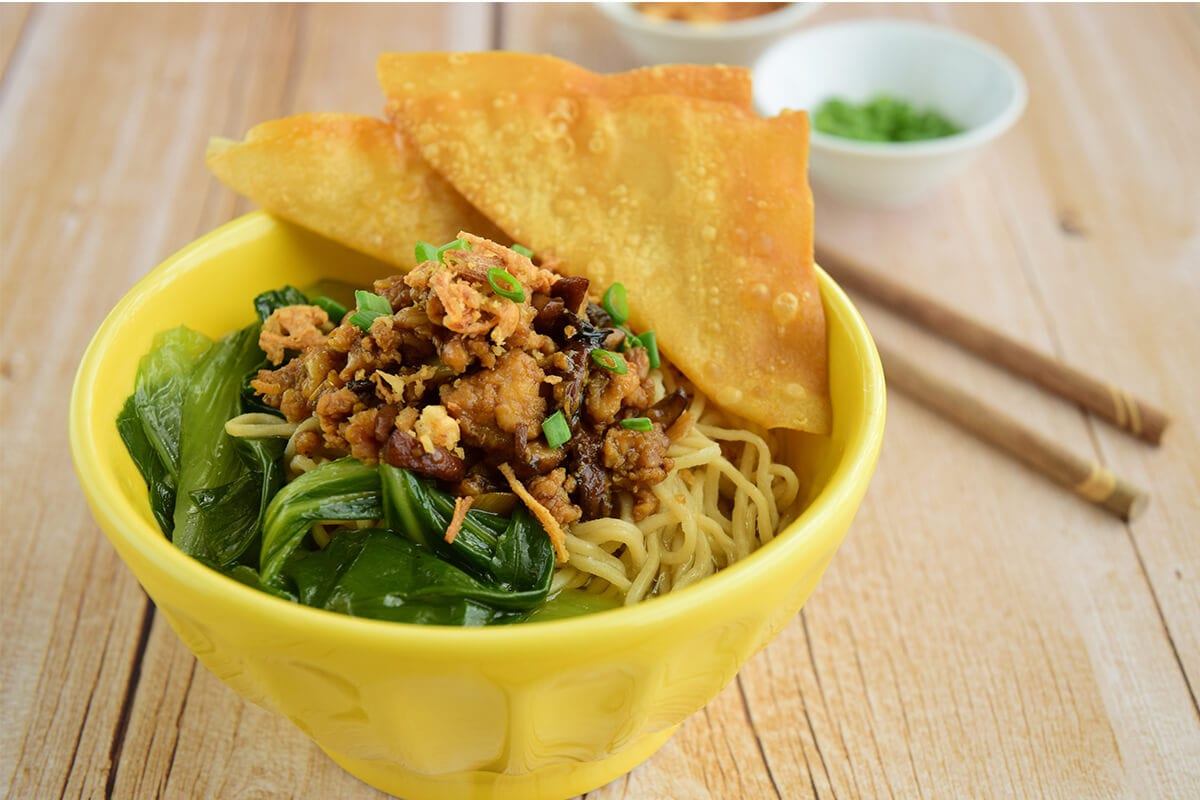
A noodle dish topped with seasoned chicken and sometimes mushrooms or vegetables, usually accompanied by light broth and condiments. Texture and flavour differ among stalls, from mild soy-seasoned noodles to spicier recipes.
How to enjoy it
Try a freshly made portion at a reputable local eatery, ask about spice, allergens and regional variations, and confirm what accompanies the main dish.
8. Batagor
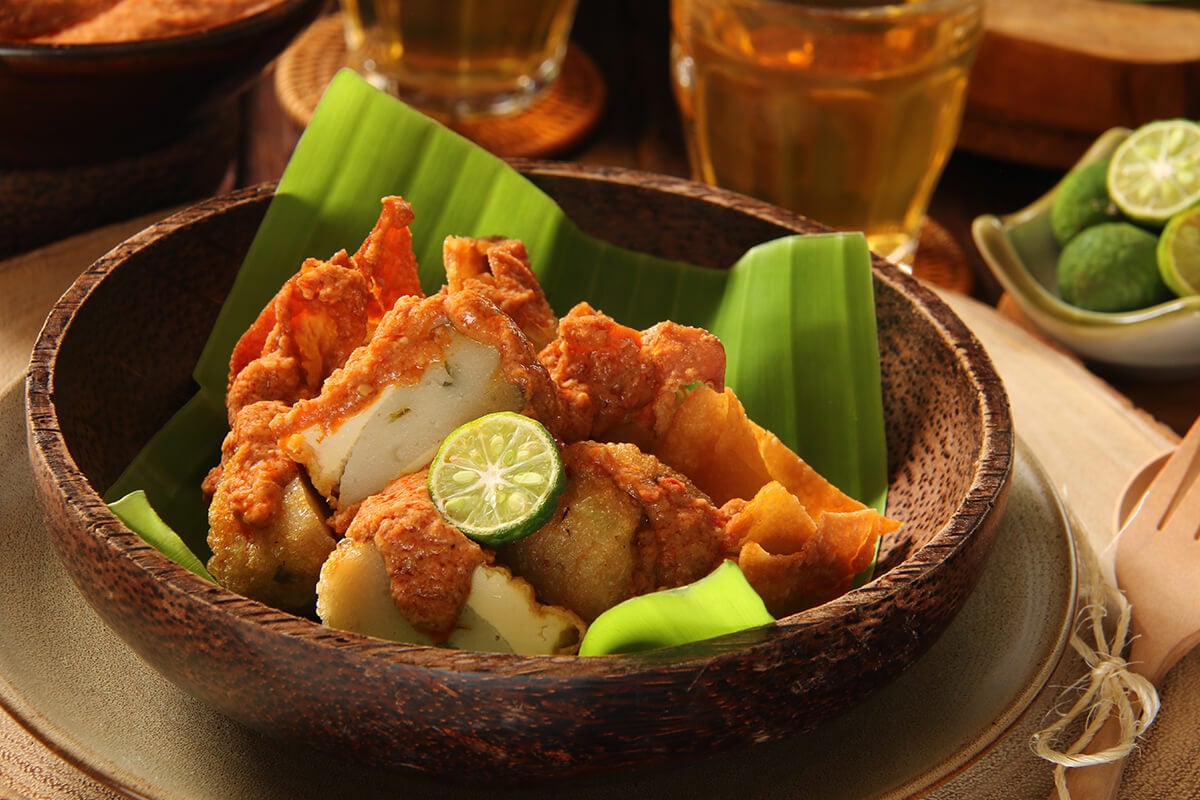
A Bandung speciality whose name abbreviates bakso tahu goreng, usually fried fish-and-tofu dumplings with a peanut-based sauce. It can contain fish, shrimp or other seafood, so check ingredients if allergies matter.
How to enjoy it
Try a freshly made portion at a reputable local eatery, ask about spice, allergens and regional variations, and confirm what accompanies the main dish.
Explore Indonesian breakfast traditions.
9. Tongseng
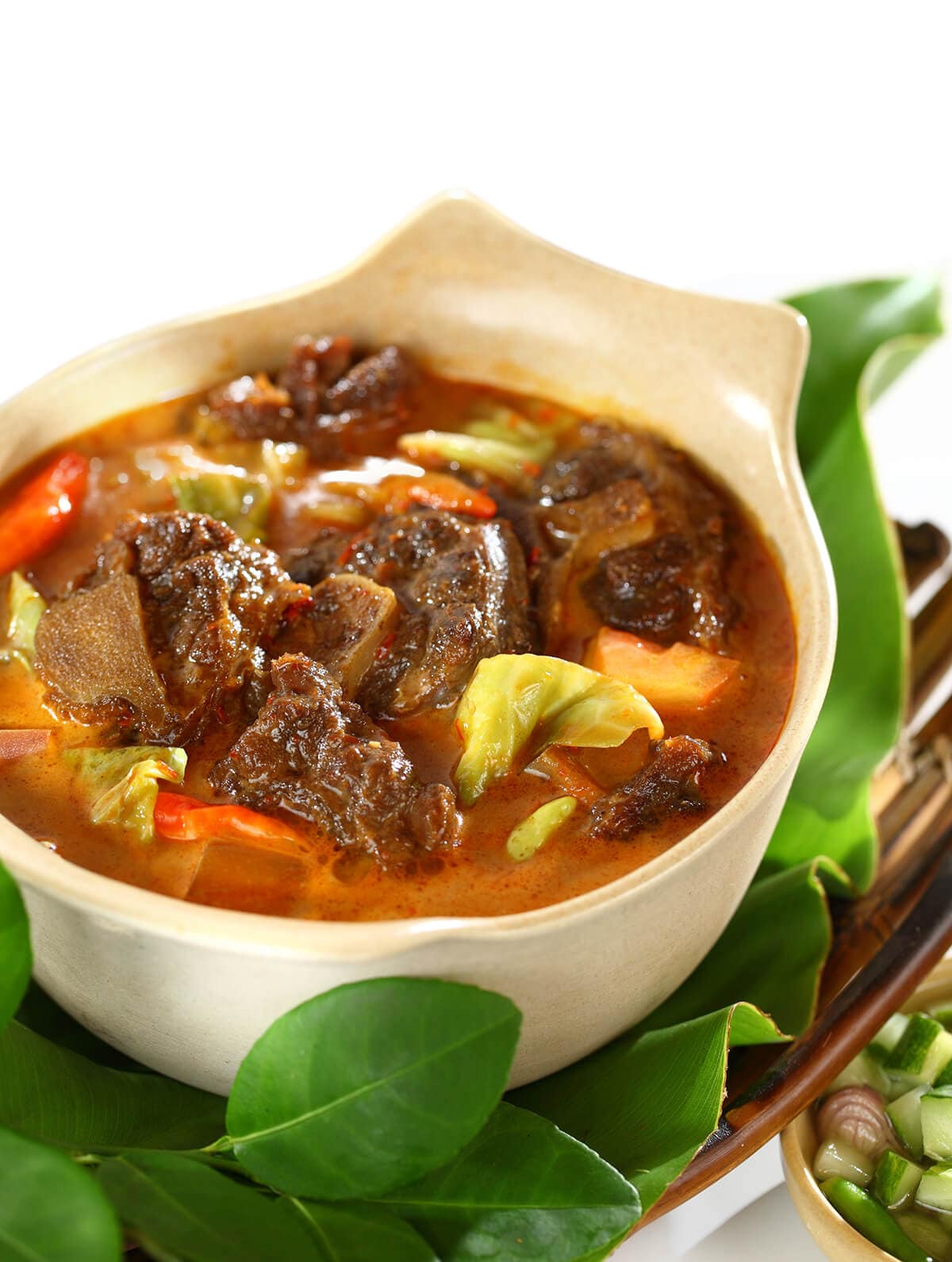
A rich spiced stew often made with goat or other meat and vegetables such as cabbage and tomato. The dish is commonly associated with Central Java and may have a sweet-soy balance. Ask about the meat choice and chilli.
How to enjoy it
Try a freshly made portion at a reputable local eatery, ask about spice, allergens and regional variations, and confirm what accompanies the main dish.
10. Ketupat Sayur
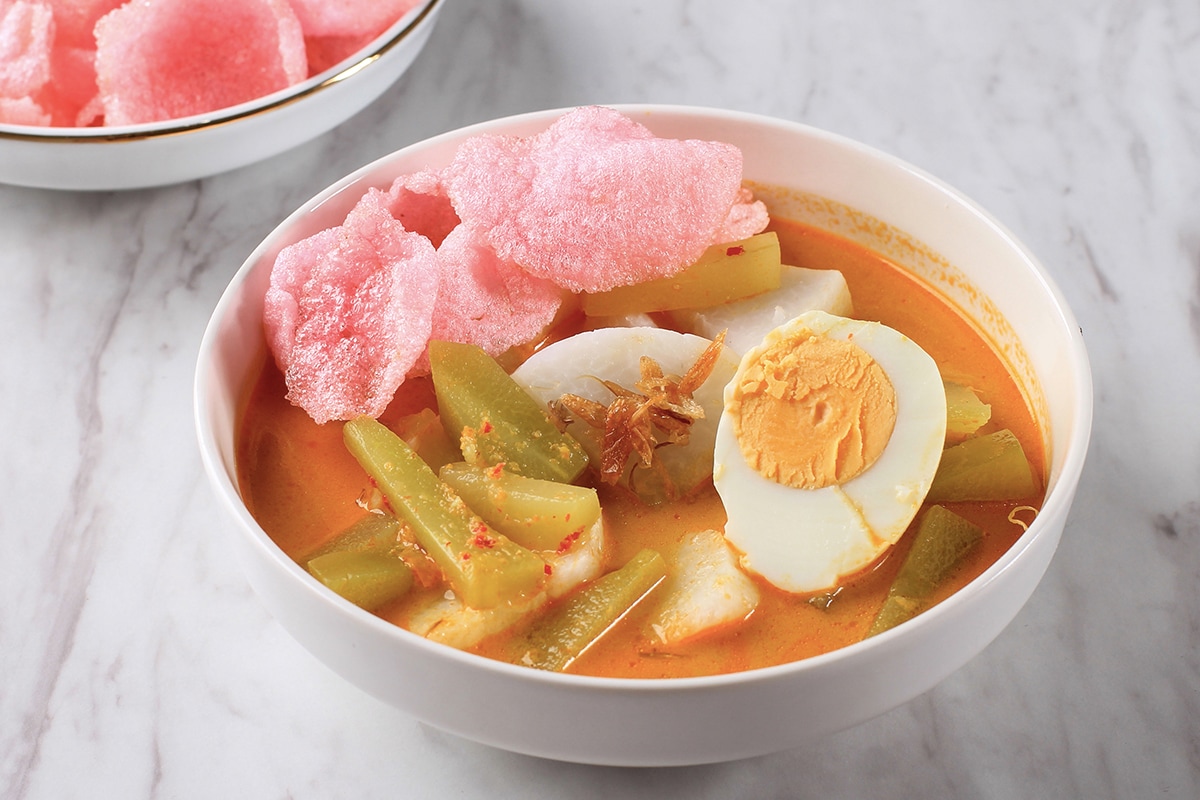
Rice cakes in woven palm-leaf casings served with vegetable-based, often coconut-milk-rich gravy. It is associated with everyday breakfasts and festive settings, but exact accompaniments vary widely.
How to enjoy it
Try a freshly made portion at a reputable local eatery, ask about spice, allergens and regional variations, and confirm what accompanies the main dish.
11. Ketoprak
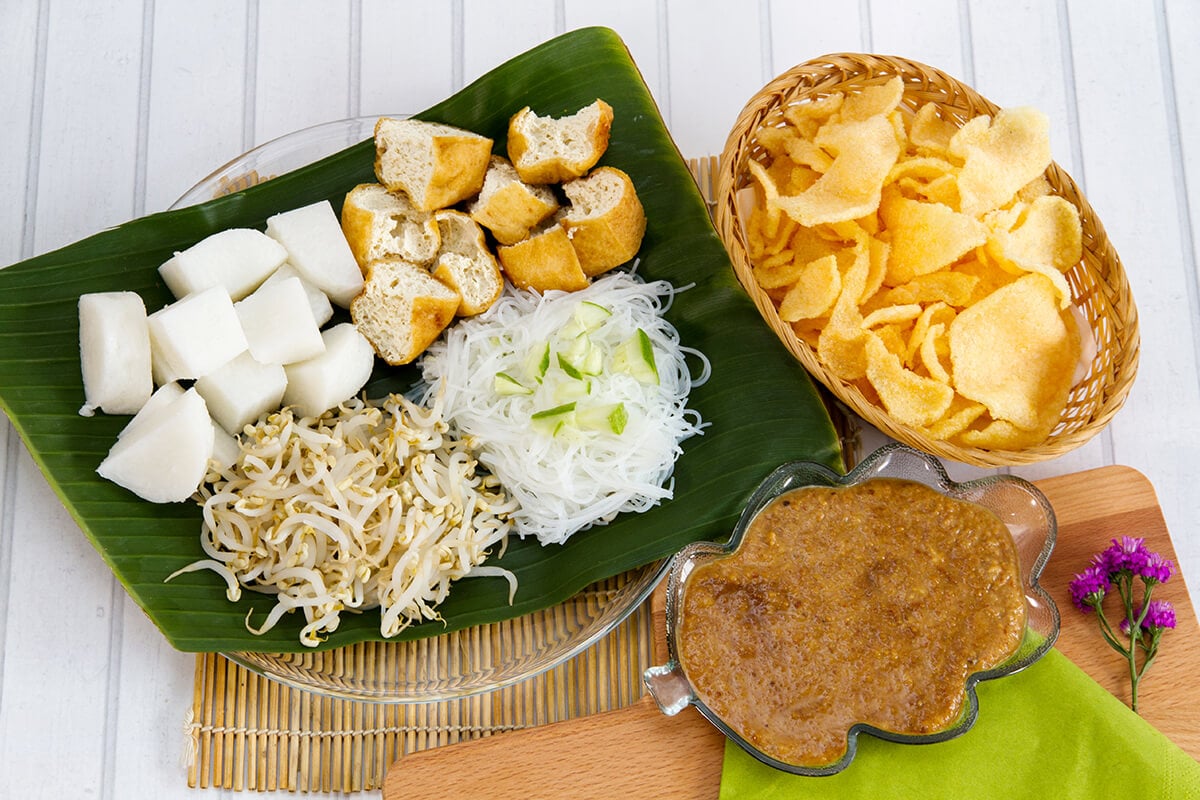
A Jakarta-associated street-food dish combining rice cake, tofu, vermicelli, bean sprouts and peanut sauce. It can be vegetarian depending on ingredients but often contains peanuts, soy and wheat; verify sauces and garnishes.
How to enjoy it
Try a freshly made portion at a reputable local eatery, ask about spice, allergens and regional variations, and confirm what accompanies the main dish.
12. Bubur
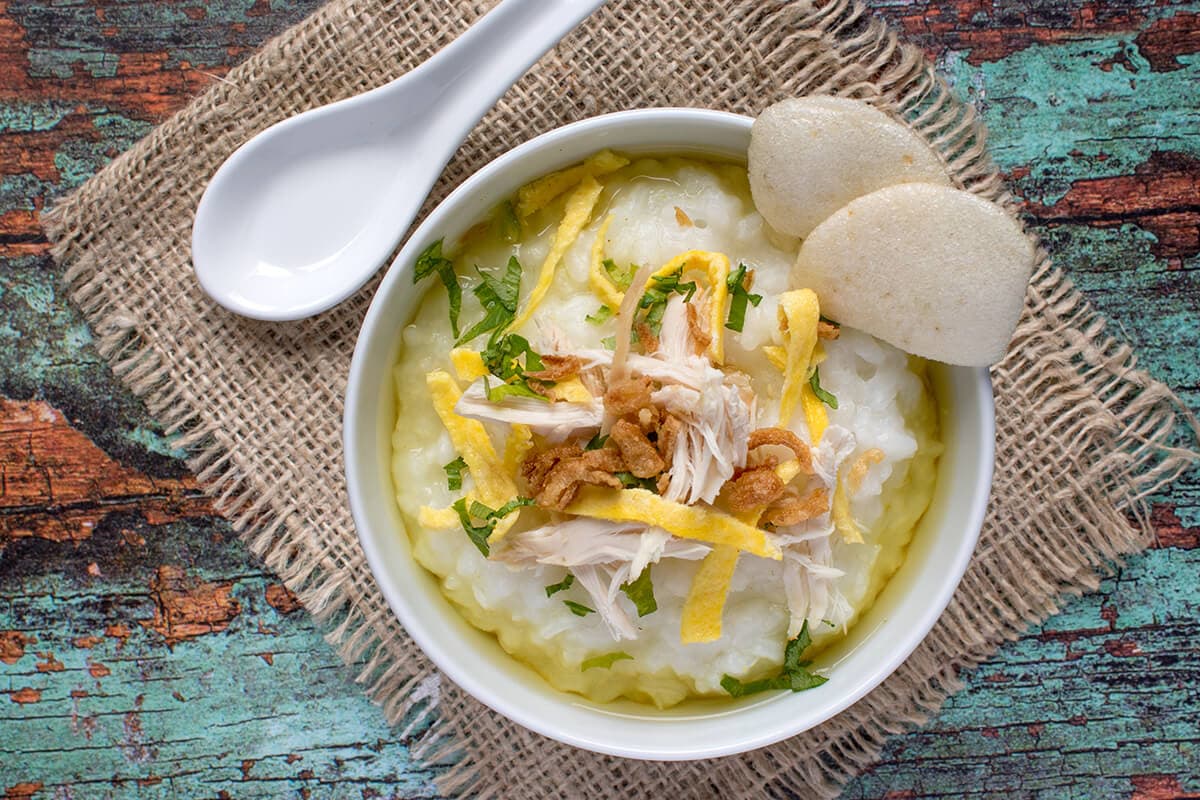
A broad term for porridge, from savoury rice porridge with chicken and toppings to sweet desserts such as bubur sumsum or candil. The preparation varies by region and meal; a serving labelled bubur is not necessarily a single dish.
How to enjoy it
Try a freshly made portion at a reputable local eatery, ask about spice, allergens and regional variations, and confirm what accompanies the main dish.
Choosing What to Eat in Different Parts of Indonesia
Regional specialities matter
Minangkabau, Java, Sunda, Bali and Sulawesi have different cooking styles, religious and cultural contexts. A dish described as Indonesian may be closely linked with one city or island. See Indonesia’s regional cultural diversity and the archipelago’s geography before planning a culinary journey.
Street food versus restaurants
Both can offer distinctive flavours. Good food safety depends on hygienic handling, clean equipment, adequate cooking temperature and safe drinking water, not simply whether the place is expensive. For Jakarta inspiration browse regional Indonesian restaurants and Jakarta’s dining districts.
Food Allergies and Dietary Requirements
Vegetarian, halal and seafood considerations
Peanut sauce, shrimp paste, eggs, fish broth, wheat noodles, coconut and dairy can all be relevant. A vegetable dish is not automatically vegetarian, and meat-free ingredients are not necessarily free from shared preparation surfaces. Ask about each recipe, or choose a clearly labelled dining venue; our vegetarian Bali guide can help.
Ordering and paying
Learn useful phrases for ‘not spicy’, food allergies and the correct meat type. Check prices and portion sizes before ordering, especially when several plates arrive at once. For general planning read the Indonesian rupiah guide and travel safety and hygiene advice.
Build a Two-Day Food Itinerary
Day one: rice and regional mains
Start with freshly cooked nasi goreng or bubur, try a balanced lunch including vegetables, and enjoy sate or another regional main for dinner. For home-cooking inspiration see our Indonesian recipe guide and nasi kuning traditions.
Day two: noodles, market dishes and dessert
Explore noodles, gado-gado or ketoprak for lunch and leave room for a cold dessert. Compare Indonesia’s Indomie phenomenon and five famous icy desserts. Finish with regional coffee styles if desired.
Frequently Asked Questions
Are all Indonesian foods spicy?
No. Intensity varies by dish and region, and sambal can often be served separately.
Is gado-gado vegan?
Not always; egg, sauces and preparation practices can vary.
Which dishes are suitable for first-timers?
Nasi goreng, soto, gado-gado or mild mie ayam are familiar starting points, subject to dietary preferences.
Authoritative References
For an extended itinerary, explore Indonesia’s historical background and the wider destinations guide.