Indomie is one of Indonesia’s most familiar instant-noodle brands, from school lunches and roadside food stalls to overseas supermarket shelves. Its manufacturer, Indofood, traces the brand’s first chicken-flavoured noodle to 1972 and the signature Mi Goreng product to the early 1980s. This updated guide explains why Indomie became popular, which flavours to explore and what international visitors should know about toppings, ingredients and food safety.
The story behind Indomie noodles
The official international brand history dates Indomie to 1972 and Mi Goreng to 1982. The Indonesian-language corporate history describes major Mi Goreng growth in 1983. Those histories use slightly different milestones, so it is more accurate to describe the iconic dry-style noodles as a development of the early 1980s than to present an unsupported exact anniversary for every version.
Three reasons Indomie is popular in Indonesia
1. A wide choice of familiar and regional flavours

Mi Goreng is one of the most recognisable varieties. Indonesian stores also carry soup flavours inspired by chicken, curry and regional dishes. Some special editions appear for limited periods; exact stock varies by place and country. For wider regional flavours explore Indonesian satay and Minangkabau rendang.
Shopping tip
Choose products with legitimate packaging, readable use-by dates and cooking instructions. Labels and formulations can differ internationally.
2. Easy to customise at home and in a warung
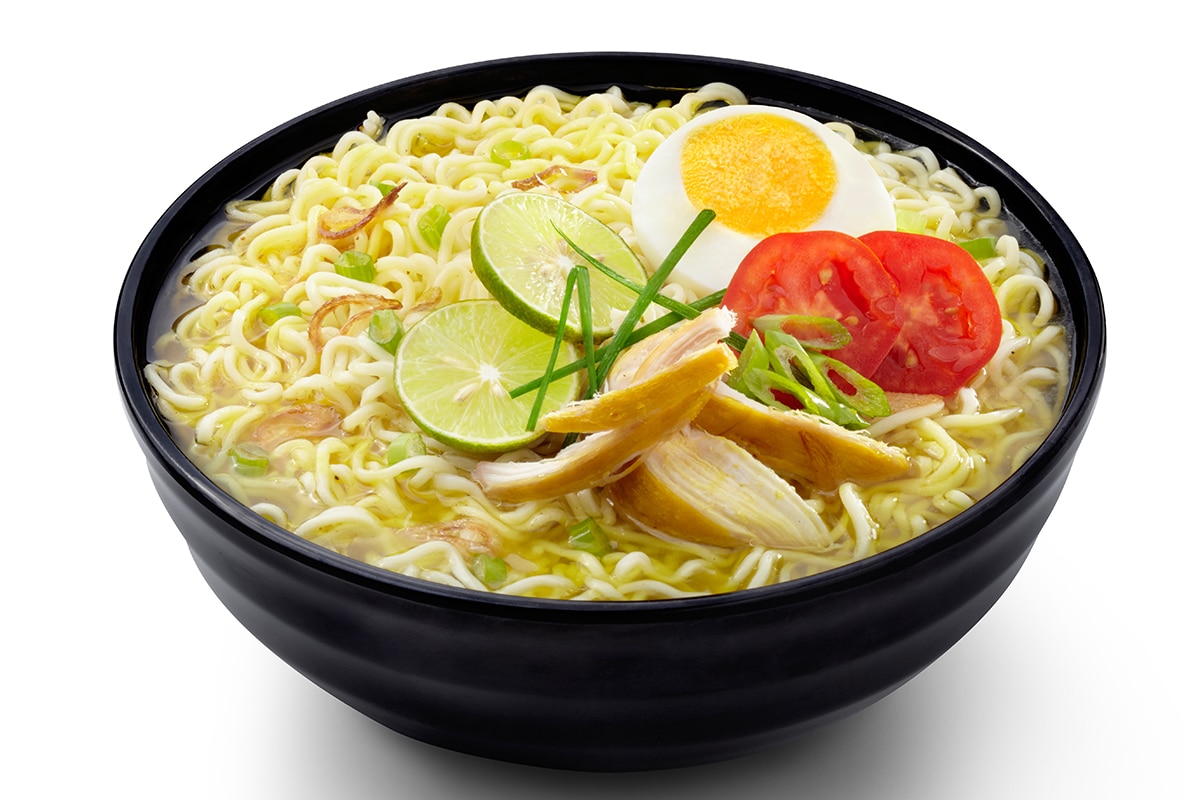
Mi Goreng is normally prepared by draining cooked noodles before mixing in its seasoning sachets, while a kuah version uses broth. Travellers may enjoy additions such as a fully cooked egg, tofu, vegetables or chicken. A restaurant’s creative bowl can differ from the standard packet recipe. Read other Indonesian home cooking and regional breakfast ideas.
Cooking and food safety
Follow the packet instructions and cook animal-protein toppings fully; raw egg and poorly handled meat can cause foodborne illness.
3. Convenient to buy in many different settings
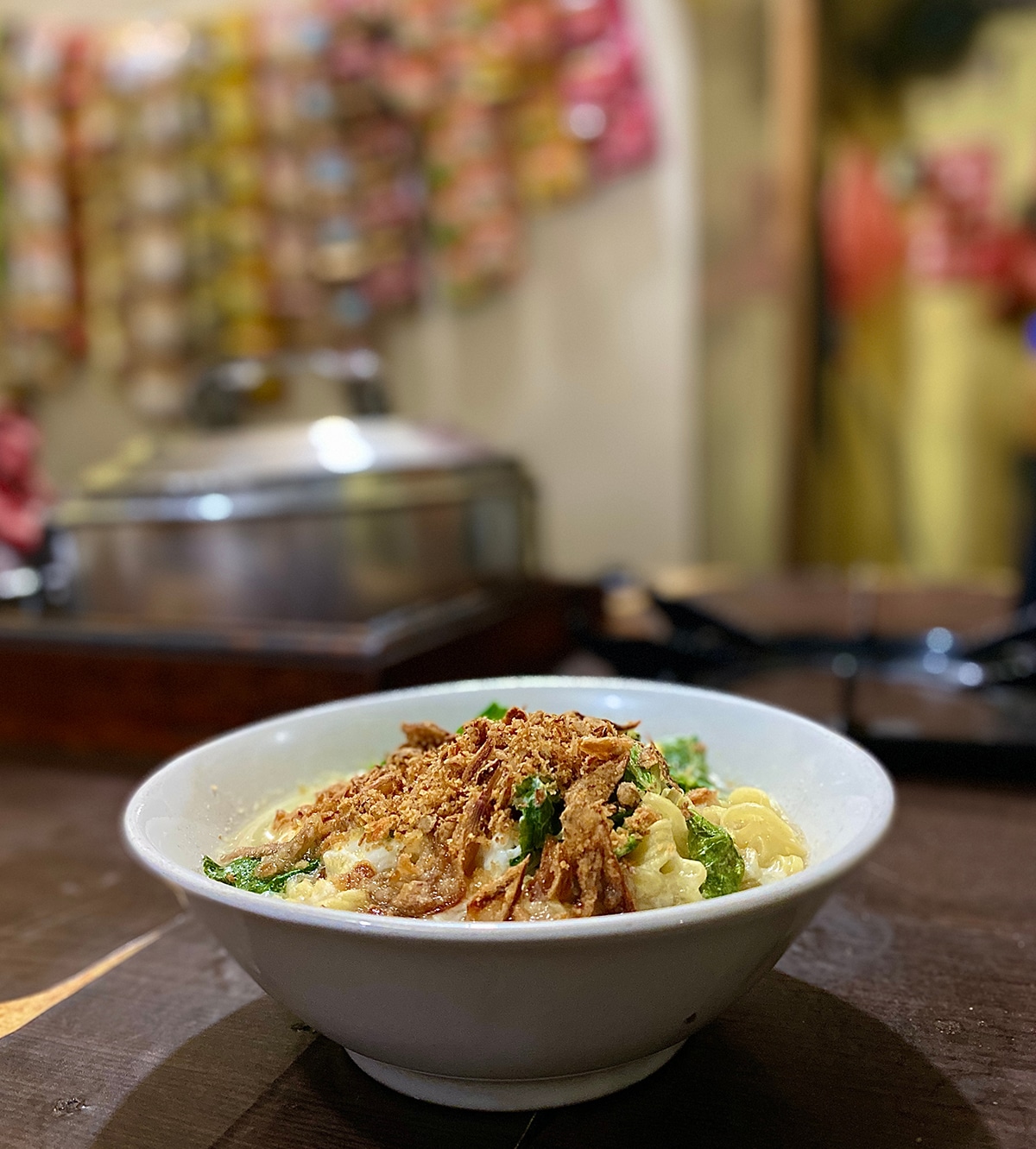
The brand is sold in supermarkets, small local shops and many countries outside Indonesia. Indomie is convenient, but a balanced diet includes a variety of vegetables and protein alongside prepared foods. A warung may add an extra charge for egg, sambal or vegetables. Explore Manado’s traditional food and nasi kuning for contrasting regional dishes.
Which Indomie should first-time visitors try?
Mi Goreng versus soup noodles
For a classic Indonesian instant noodle experience, begin with a verified package of Mi Goreng, which is served relatively dry with its seasoning mix. Chicken or curry soup noodles offer a different broth-based experience. Regional limited editions can be interesting, but availability changes. For a broader menu see 12 Indonesian local dishes and spicy North Sulawesi cuisine.
How to read the packet
Check the country of manufacture, product flavour, total sodium, allergens and current certification printed on the actual package. The maker’s global FAQ describes halal certification for Indonesian-made products, but certification and formulation must be checked on the item you buy. Halal does not automatically mean vegetarian. Our food and travel safety guide offers general precautions.
How to eat instant noodles during an Indonesian trip
Supermarkets and neighbourhood shops
Packets can be an inexpensive travel snack, but prices and availability are not fixed. Check the expiry date and avoid purchasing from damaged packaging. For payments see Indonesian rupiah guidance and Indonesia travel essentials.
Small restaurants and food stalls
Ask about additional toppings, cooking style and any local chilli sauce; cleanliness and fresh water matter more than the size of the venue. Enjoy other regional foods during your visit such as Padang restaurant dishes and Jakarta’s diverse food traditions.
How Indomie fits into Indonesian food culture
Instant noodles are part of modern everyday convenience rather than an ancient culinary tradition. Their popularity coexists with street food, home recipes and elaborate ceremonial cuisine. To explore those different experiences, read Indonesia’s cultural overview, traditional iced desserts and coffee traditions.
Frequently asked questions
Who produces Indomie?
Indomie is produced by Indofood’s consumer foods business.
Is Indomie always vegetarian?
No. Read the specific package’s ingredients and certification rather than assuming every flavour has the same formulation.
Is Mi Goreng a soup noodle?
The popular instant Mi Goreng variant is typically drained and mixed with seasonings rather than served in broth.
References
- Indomie — official product history
- Indomie Indonesia — corporate history
- Indomie — certification and product FAQ