A good Bintan souvenir tells a story about the island’s Malay food culture or its makers. Some specialties are best eaten on the spot; others travel well if properly packed. The older article promised six souvenirs but actually featured seven items, including a perishable shellfish dish. This guide distinguishes gifts you can reasonably pack from foods to enjoy fresh.
Before shopping, explore a Bintan one-day itinerary and Bintan luxury experiences. The historic ‘travel bubble’ and quarantine-era advice in the original is no longer a reliable guide to current entry rules.
7 Souvenirs and Local Specialties to Discover in Bintan
1. Traditional Woodcrafts
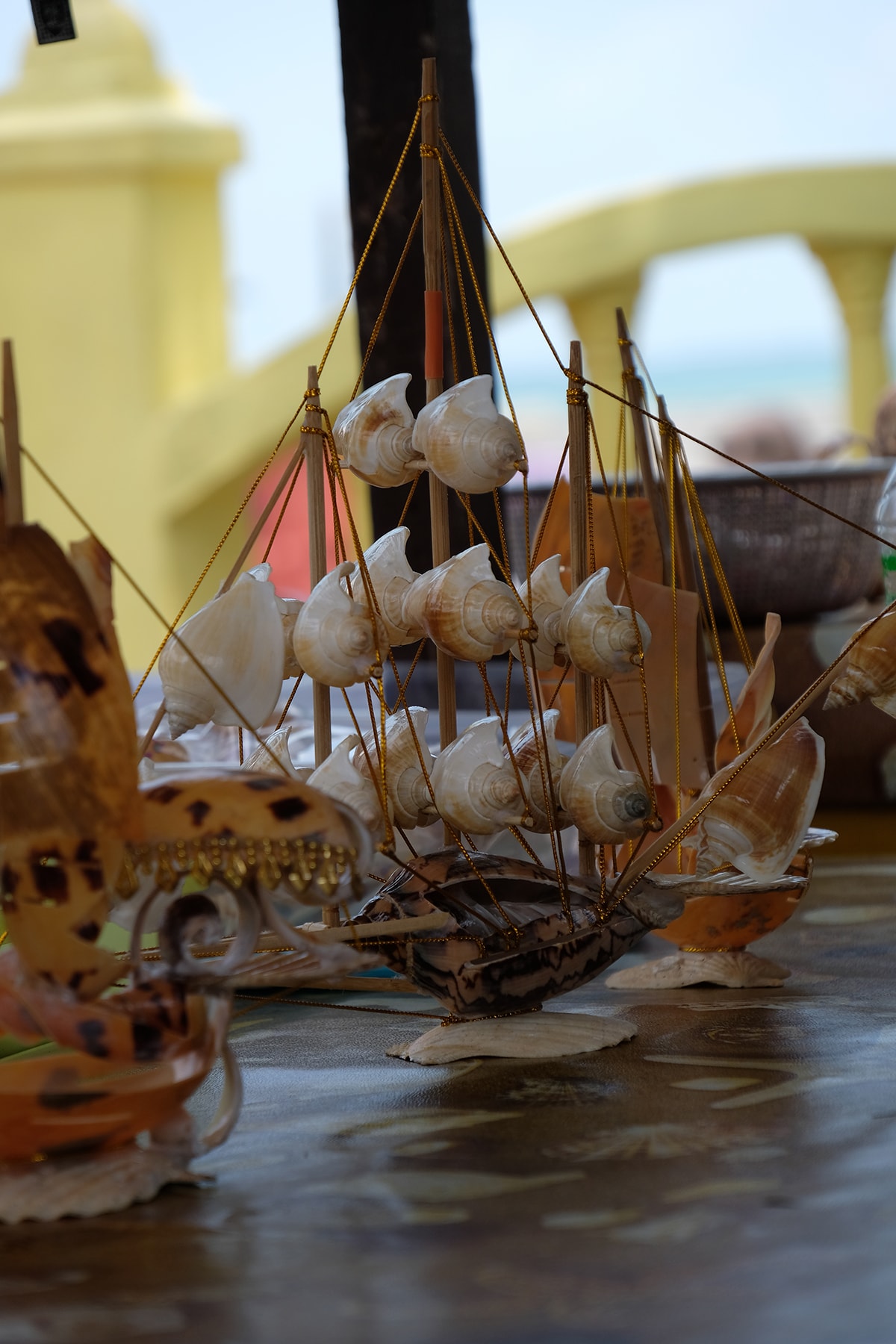
Small wooden souvenirs can represent local carving skills, but the source of the timber is important. Choose legal, traceable materials and avoid products involving protected tropical species. For related inspiration, see Bintan luxury experiences and Bintan resort options.
What Travelers Should Know
Ask the maker what wood was used, whether it is locally produced and if finished objects are treated or allowed into your destination country.
2. Roti Kirai
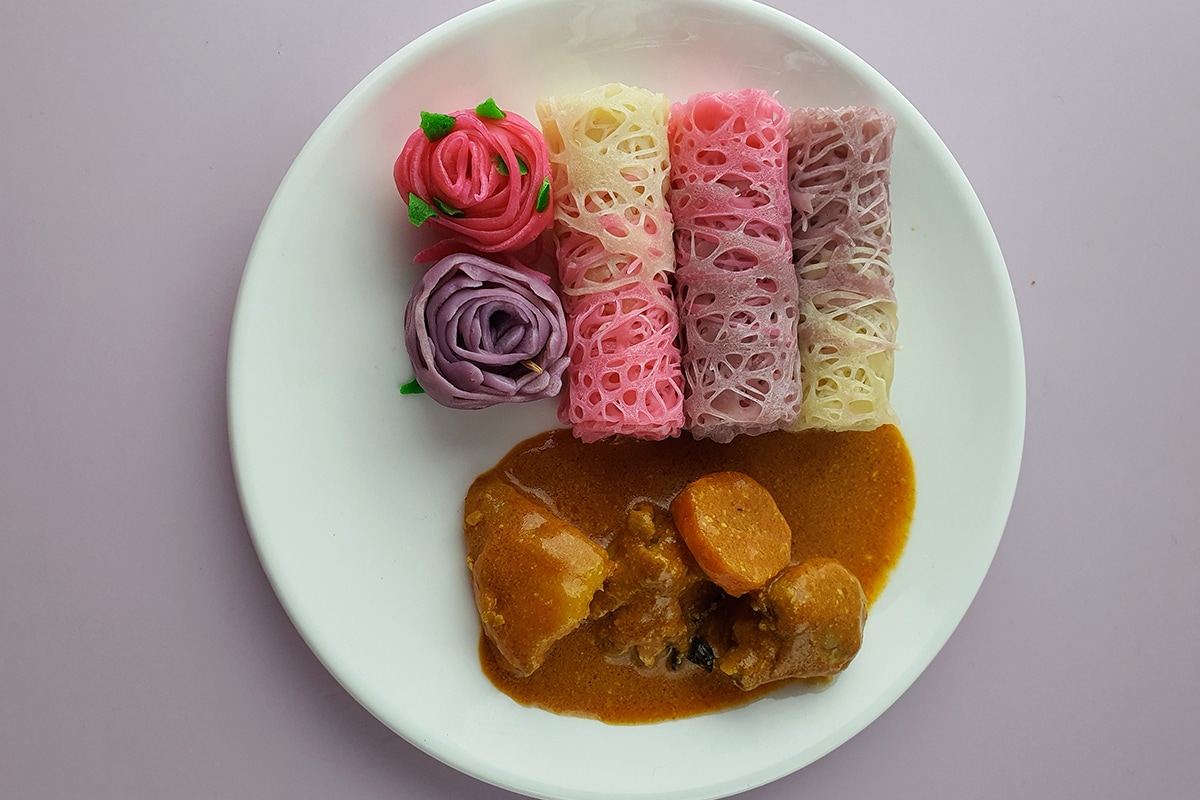
Roti Kirai is a delicate net-shaped pancake associated with Malay cuisine and often eaten with a fragrant curry. It is best enjoyed freshly cooked rather than assumed to be a shelf-stable souvenir. For related inspiration, see textile traditions and Sumatran regional foods.
What Travelers Should Know
If bringing it home, ask about perishability and packaging, and declare any food products when required by customs.
3. Tepung Gomak
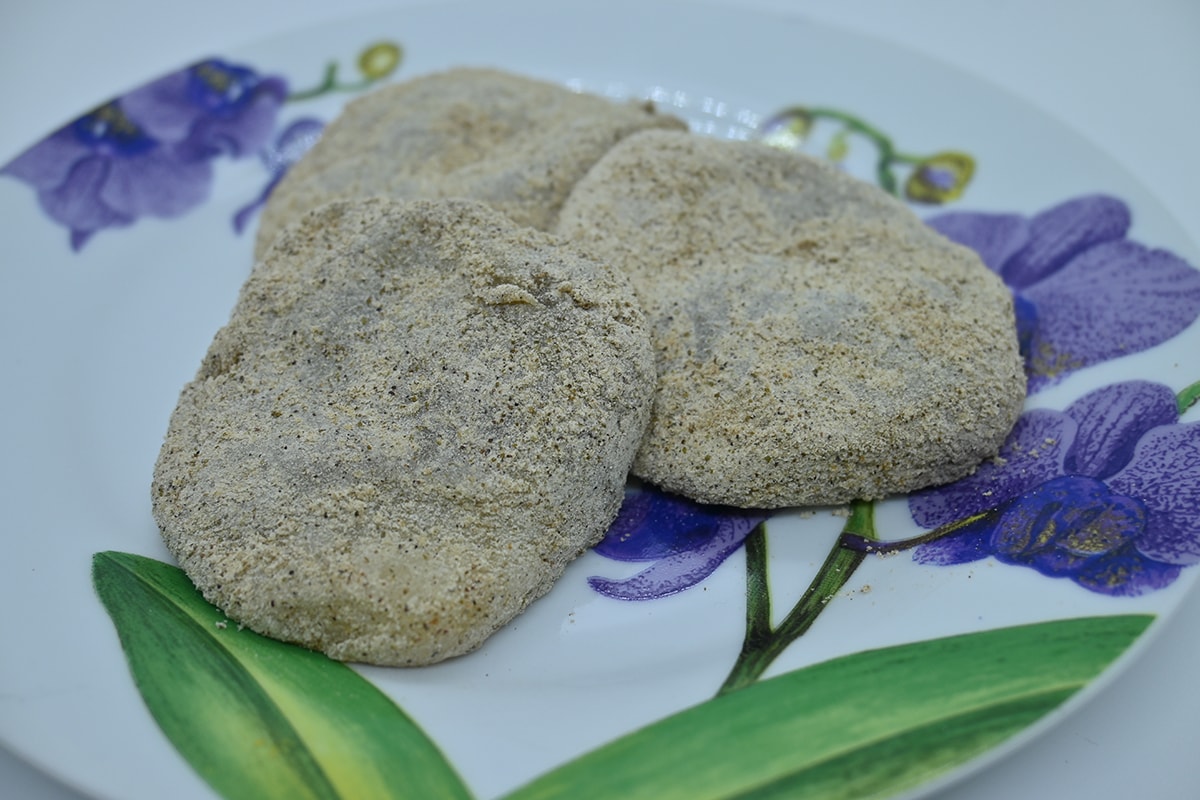
This traditional snack is often made with glutinous rice flour, sweet fillings and coconut. The original guide describes its distinctive appearance and chewy texture. For related inspiration, see Indonesian recipes and traditional breakfast ideas.
What Travelers Should Know
Check the ingredient label, preparation date and storage instructions because fresh coconut-based snacks may have short shelf lives.
4. Kerang Bulu
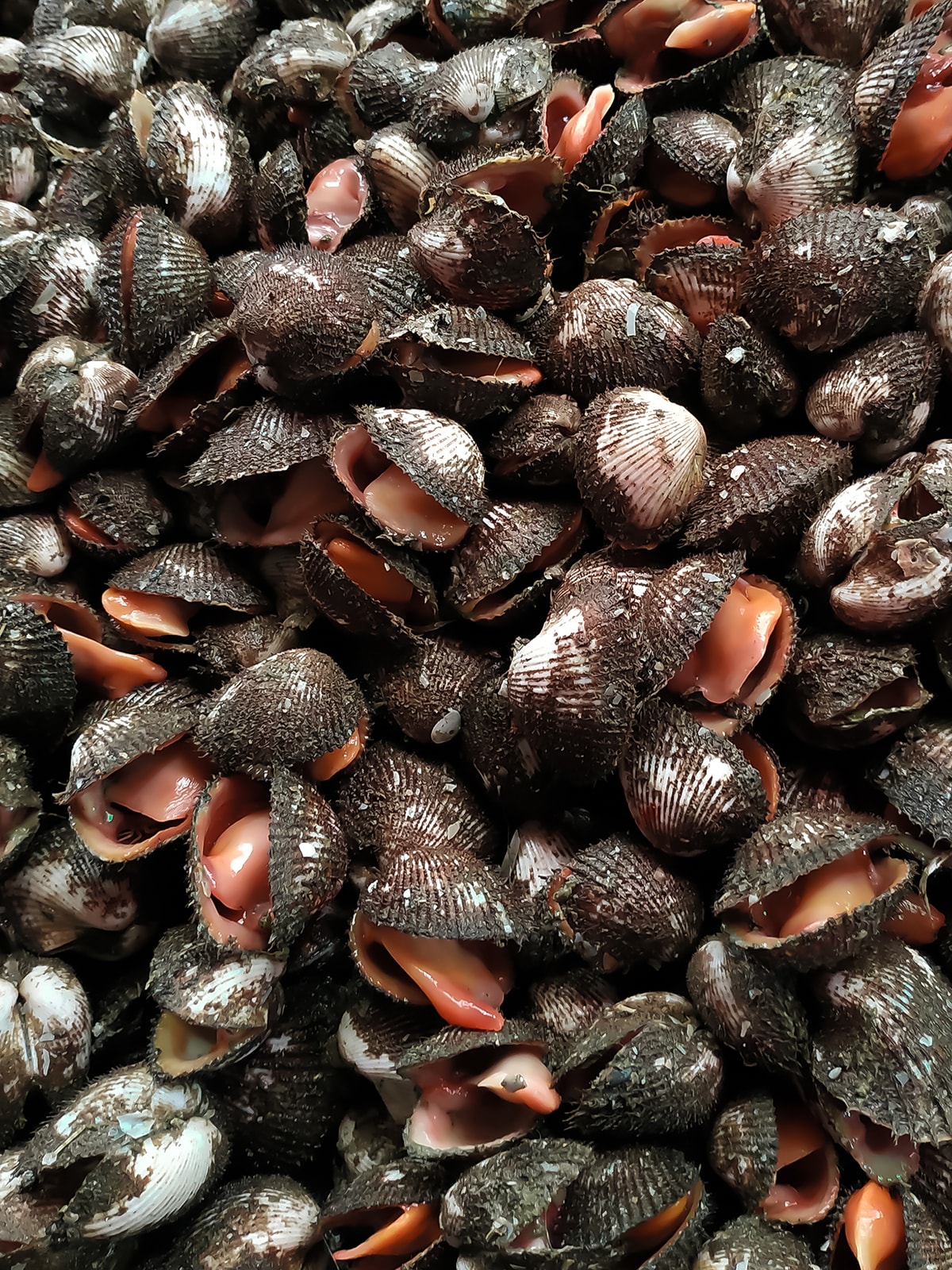
This shellfish dish is better understood as a local food to taste than an easy international souvenir. Seafood spoils quickly and may trigger serious shellfish allergies. For related inspiration, see Indonesia’s regional cuisine and artisan shopping.
What Travelers Should Know
Choose a reputable restaurant and do not carry fresh seafood overseas without checking strict biosecurity rules.
5. Locally Roasted Coffee
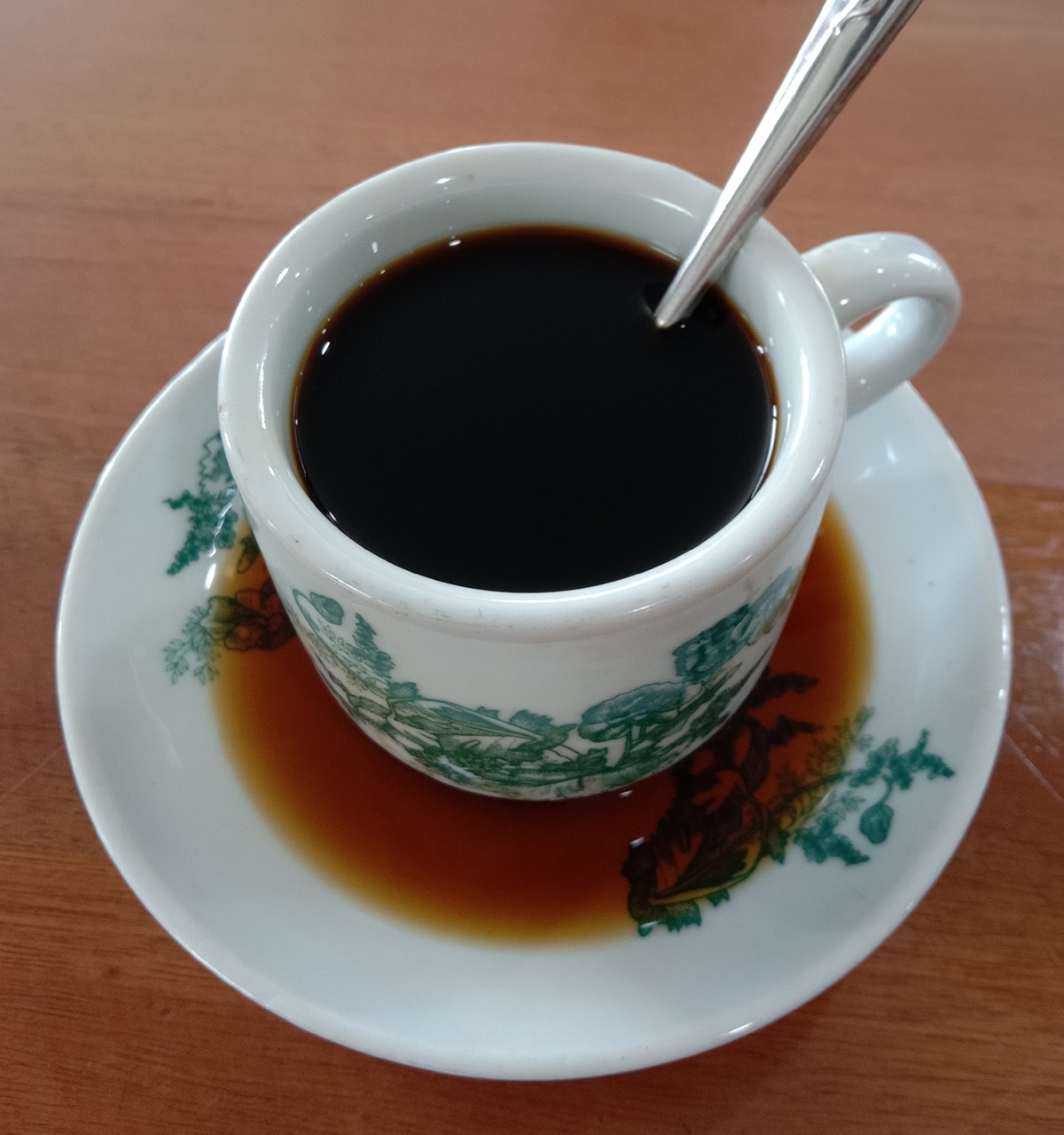
Bintan coffee sellers may offer blends branded for regional markets. The earlier ‘Hawaii Coffee’ listing is a brand or product lead rather than proof that beans are grown locally on Bintan. For related inspiration, see Indonesian coffees and Bintan landscapes.
What Travelers Should Know
Ask where the beans originated, check roast dates and favor sealed, clearly labeled packs.
6. Kerupuk Gonggong
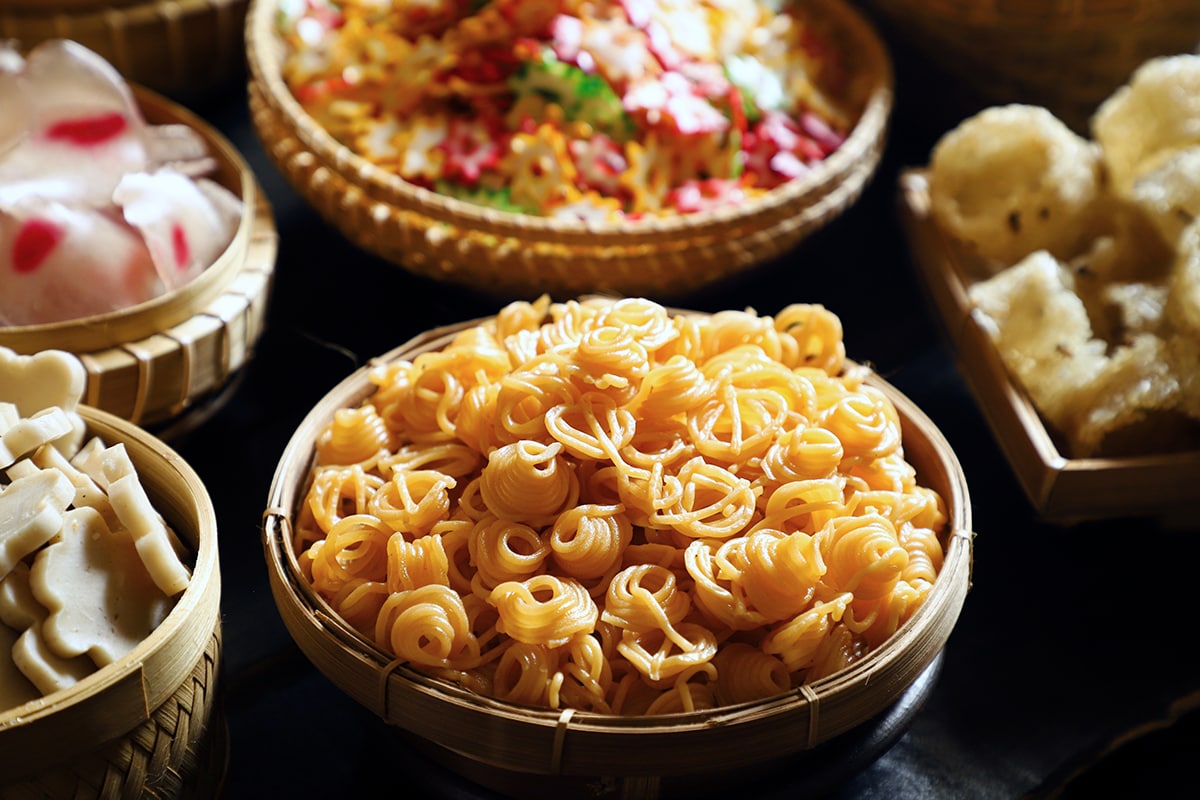
Gonggong refers to an edible marine snail associated with Riau Islands cuisine. Some crackers use this flavor or ingredient and are popular with visitors wanting a savory snack. For related inspiration, see regional seafood and Batam day trips.
What Travelers Should Know
Inspect the label for mollusk allergens and make sure the supplier uses lawful and sustainable ingredients.
7. Batik Gonggong
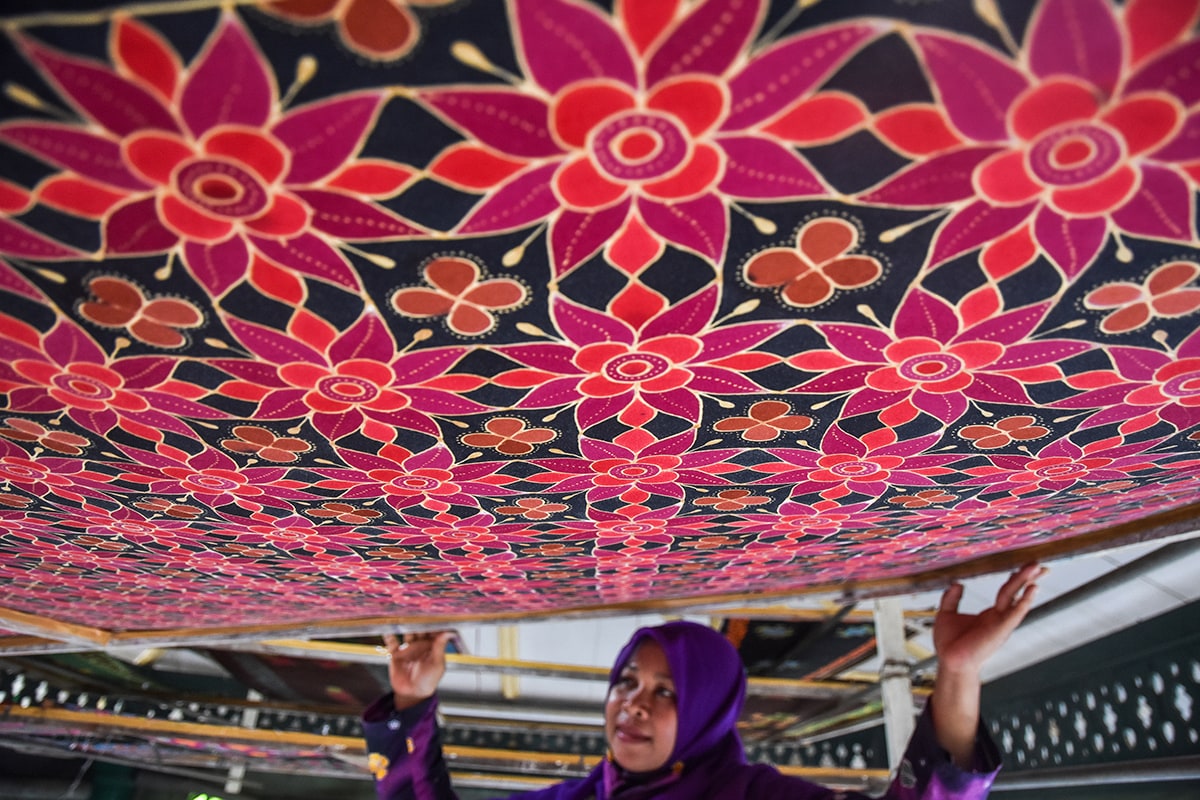
Coastal-themed batik can incorporate the gonggong snail motif into cloth and souvenirs. Some pieces are hand-waxed while others are printed, so pricing and craft value differ. For related inspiration, see batik motifs and handcrafted textiles.
What Travelers Should Know
Ask who produced the cloth, whether it uses real wax-resist batik and how to care for the fabric.
Where to Shop and What to Declare
Buy from Local Makers and Reputable Retailers
Look for stores with clear prices and product labels. Handmade crafts can take substantial labor; comparing prices is reasonable, but avoid assuming all textiles or woodcrafts come from the Riau Islands simply because they are sold there.
Customs Rules for International Travelers
Fresh seafood, plants and some wooden products can be controlled by destination-country biosecurity laws. Check the customs agency where you will land and never hide goods that require declaration. For other Indonesian food journeys, see souvenirs from Bali.
Keep a Cultural Perspective
Bintan’s cuisine reflects Malay maritime traditions and regional exchanges. A carefully chosen craft can make a more meaningful gift than a generic imported trinket. Discover the Riau Islands’ cultural festivals and Bintan landscapes if you’re planning a longer visit.
A Useful Shopping Checklist for Bintan Souvenirs
Which Foods Travel Well?
Dry, sealed goods with a clearly labeled ingredient list and best-before date are generally easier to transport than freshly cooked snacks. Kerupuk gonggong may be suitable when commercially packaged, but shellfish content and destination-country import regulations still matter. Tepung gomak and roti kirai are often made fresh with coconut or moist fillings, so they may not remain safe after prolonged unrefrigerated travel. Ask the seller about storage and eat fresh food locally when uncertain.
How to Recognize Genuine Local Crafts
Look for a maker’s label, an explanation of the technique and information about materials. Batik may be hand-drawn with wax, made using stamps, or printed mechanically. Each has different labor requirements. Similarly, a woodcraft souvenir sold on Bintan might have been manufactured elsewhere. Asking politely about provenance helps direct spending toward local businesses and reduces the risk of buying goods made from protected resources.
Food Allergy and Ingredient Checklist
Mollusks and crustaceans are different animal groups, but some people with shellfish allergies can react to both. Ask specifically whether crackers contain gonggong, prawns or other seafood, and whether preparation equipment is shared. Coconut, peanuts, milk and wheat may appear in snacks or accompanying sauces. If an allergy is severe, rely on complete verified ingredient information rather than a vendor’s guess.
Pack with Customs Rules in Mind
Do not assume that food or wooden ornaments permitted in Indonesia can enter Singapore, Australia, New Zealand or another destination. Some countries require declaration even for commercially packed products. Avoid shells, coral, wildlife specimens and objects of unknown origin. Keep receipts and product labels where possible, and check the destination customs agency before purchasing a bulky or unusual souvenir.
Frequently Asked Questions
Is kerang bulu a good gift for a flight?
Fresh shellfish is highly perishable and often restricted by international customs. Enjoy it locally instead.
Are all batik souvenirs made by hand?
No. Distinguish hand-drawn wax batik, stamped batik and printed fabrics.
How many souvenirs does the original guide describe?
Seven named items, despite its six-item headline. This revised article makes the count consistent.
Authoritative External References
Indonesia Travel: Bintan specialties; Bintan Resorts; UNESCO’s Indonesian batik entry. Check export and import requirements before flying.
Discover more Indonesian food and craft stories at iseeindonesia.com.